Poly Mailer Bags Small Batch Custom Order Made Easy
Poly Mailer Bags Small Batch Custom Order: When 500 Bags Beats 10,000
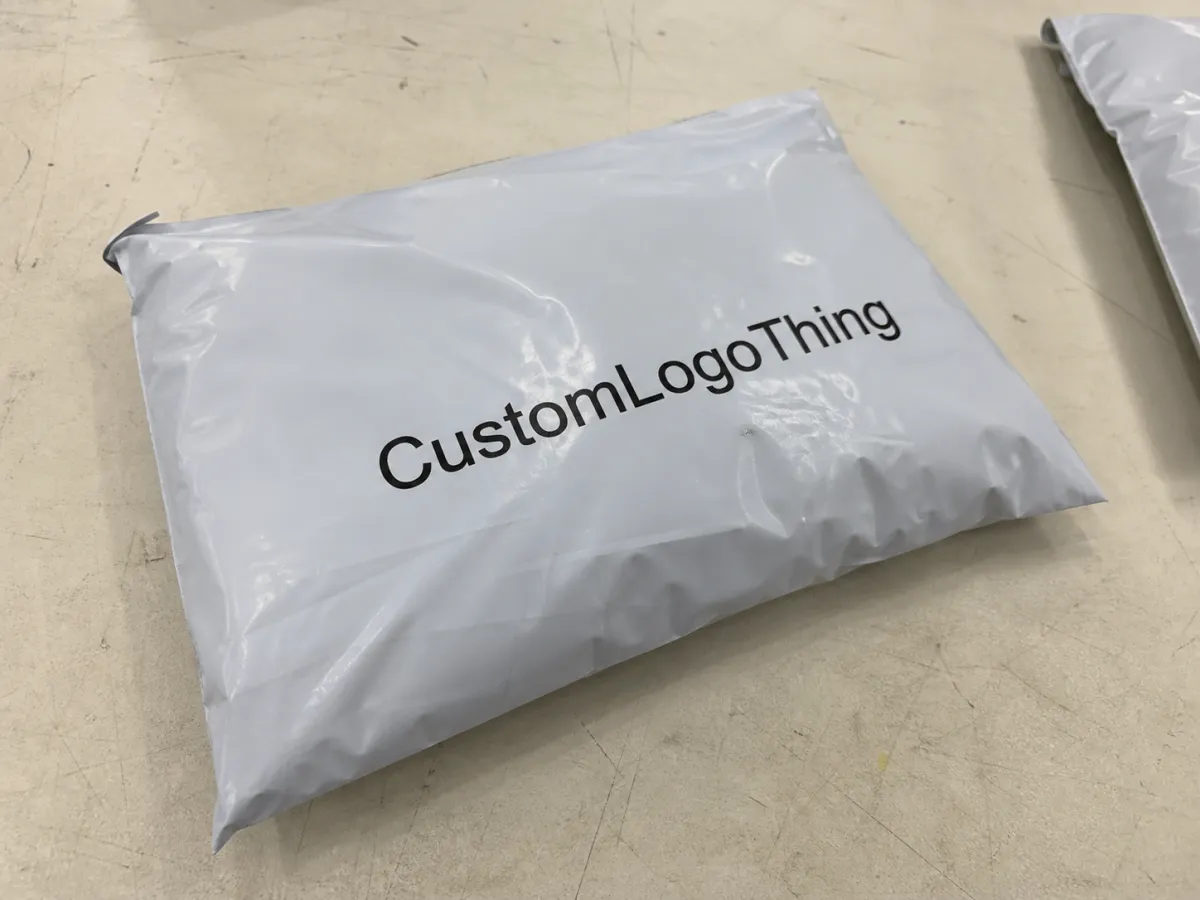
A garage full of unused mailers is not a packaging strategy. It is clutter with invoices. A poly mailer bags Small Batch Custom order makes sense for brands that want branded shipping materials without tying up cash in packaging they may not use for six months.
Startups, boutiques, seasonal sellers, subscription programs, and ecommerce brands testing a new product line often need a middle ground. Blank stock mailers can be fine for a quick launch, but they do not carry much brand presence. Printed mailers do. They make the shipment look intentional from the first scan to the moment the customer opens the bag.
Small batch does not mean free setup, instant production, or bargain pricing. It means a lower commitment, less inventory risk, and a cleaner way to test whether the artwork, size, and order volume are actually right. If your product line is still changing, or your monthly demand is uneven, a short run often beats a large order that locks you into the wrong spec.
For soft goods like apparel, socks, accessories, beauty refills, catalogs, and flat textile items, custom mailers can improve presentation without adding much weight. They are practical, not theatrical. That is usually the point.
There is also a simple cash-flow argument. A 500-piece order keeps the learning curve cheap. A 10,000-piece order assumes your first version is already final. Few brands are that lucky.
What Small Batch Custom Poly Mailers Actually Include
Poly mailers are lightweight plastic shipping bags used for non-fragile products that need privacy, moisture resistance, and efficient postage. They are not rigid protection for glass or heavy items. They are best suited for shipments that can handle normal carrier pressure without needing a box.
Typical uses include tees, hoodies, swimwear, socks, linens, soft accessories, catalogs, documents, promo kits, and subscription orders. If the item bends or folds cleanly, a mailer may be the right fit. If it has sharp corners, metal hardware, boxed components, or fragile parts, the safer choice is usually a thicker film, a bubble mailer, or a different packaging format.
Most small batch orders use one-color logo printing because it is cost-effective and clear. Two-color work is still common if the artwork is simple and the brand needs a little more visual depth. Full-color printing can be done, but coverage and ink complexity raise the cost faster than many buyers expect. Plastic film is not a friendly surface for every design idea.
Common construction choices include standard peel-and-seal mailers, co-extruded bags with an opaque interior, and returnable mailers with a second adhesive strip. The return strip matters for apparel, footwear accessories, and categories with frequent exchanges. If returns are part of the business model, paying a little more for the right closure can save time later.
- Standard peel-and-seal: useful for one-way shipments and lower-cost runs.
- Dual adhesive strip: practical for exchanges and repeat-use shipping.
- Tear strip: improves opening experience on heavier films.
- Opaque interior: protects privacy and keeps contents from showing through.
Surface finish can be glossy, matte, smooth, or slightly textured depending on the film blend and print method. A cheap-looking bag is usually the result of poor size choice, weak artwork, or bad sealing, not just the film itself. A mailer that arrives scuffed or overfilled sends the wrong message before the customer even sees the product.
Size, Thickness, and Print Specifications Buyers Should Confirm
Size is the first spec to get right. Oversize mailers waste postage and look sloppy. Undersize mailers split at the seams and turn fulfillment into a wrestling match. Neither outcome helps the brand.
Measure the packed item, not the flat product. Folded apparel, tissue, inserts, hang tags, and return slips all add bulk. The best test is a real packed sample, not a guess based on the product photo. If you ship three sample orders and the third is the bulkiest, use that one for sizing.
| Common Size | Typical Use | Buyer Note |
|---|---|---|
| 6 x 9 in | Small accessories, documents, jewelry pouches | Good for light items; label space is limited. |
| 9 x 12 in | Tees, catalogs, flat soft goods | Popular starter size for short runs. |
| 10 x 13 in | Folded apparel, swimwear, linens | Often safer than forcing items into 9 x 12. |
| 12 x 15.5 in | Hoodies, multiple garments, subscription kits | Check bulk carefully if the pack is dense. |
| 14.5 x 19 in | Larger apparel orders, blankets, soft bundles | Costs more, but reduces burst-seam risk. |
Thickness is usually measured in mil. A 2.0 mil bag can work for lighter shipments. A 2.5 mil film is common for general ecommerce use. A 3.0 mil or heavier mailer is better for bulkier soft goods, sharper fabric edges, or parcels that will take more abuse in transit. The right answer depends on product shape, how tightly the team packs, and how rough the shipping lane tends to be.
Printable area matters too. Artwork needs safe margins away from seals, folds, adhesive strips, and edges. If the logo sits too close to the heat seal or final cut line, it can distort or disappear in production. A good proof should show orientation, exact placement, and the usable blank area for labels.
File quality is another place where small orders can go sideways. Vector AI, EPS, or print-ready PDF files are preferred. A high-resolution PNG may be acceptable for a simple mark. A screenshot is not. Thin lines, tiny type, gradients, and QR codes deserve extra review because flexible film behaves differently from coated paper.
Pantone matching may be possible, but tolerances depend on film color, ink system, and print method. If a brand color must be exact, say that before quoting, not after the run is finished. For broader packaging testing context, the International Safe Transit Association is a useful reference for shipping performance expectations.
MOQ, Pricing, and Unit Cost for Short Runs
A Poly Mailer Bags small batch custom order costs more per piece than a large run because setup, proofing, ink, and machine time are spread across fewer units. That is simple production math.
Many custom orders begin around 500 to 1,000 bags for basic printed designs on standard sizes. More colors, custom dimensions, heavier ink coverage, or returnable closures can push the minimum higher. A 500-piece run works for testing. A 1,000-piece run usually improves the unit cost without creating too much storage pressure. A 2,500-piece run can be a good balance once the design and size are stable. Orders above that make sense only when repeat demand is predictable.
| Quantity Range | Best For | Unit Cost Pattern | Practical Tradeoff |
|---|---|---|---|
| 500 bags | Launches, tests, limited drops | Highest per-unit cost | Lowest inventory risk |
| 1,000 bags | Early ecommerce volume | Better than 500 | Still flexible if branding changes |
| 2,500 bags | Growing brands with steady orders | Often a stronger price break | Needs more storage and cash |
| 5,000+ bags | Repeat sellers and wholesale programs | Lower per-unit cost | Risky if size or artwork may change soon |
Price is influenced by bag size, thickness, print colors, print coverage, closure style, artwork complexity, carton count, and shipping destination. Setup fees and plate costs may be one-time or recurring depending on the print method and whether the artwork changes between runs.
It helps to compare quotes honestly. Blank mailers and Custom Printed Mailers are not the same product. One ships the item. The other ships the brand too. That does not mean the printed version should be expensive for no reason, but it does mean the comparison needs to include print setup and production details.
There are easy ways to keep costs in check. Use one strong print color. Stay with standard sizes. Keep ink coverage moderate. Avoid frequent artwork changes. Send clean files the first time. Small improvements here often matter more than chasing a slightly lower bag price.
For a useful quote, send size, quantity, thickness, print colors, artwork file, delivery ZIP code, and target in-hand date. If you are comparing 500, 1,000, and 2,500 bags, ask for all three price breaks together. That usually shows where the real value sits.
Process and Timeline From Artwork to Delivered Mailers
A clean poly mailer bags Small Batch Custom order usually follows the same path: quote request, spec confirmation, artwork review, digital proof, proof approval, production scheduling, printing, finishing, quality check, packing, and shipping.
Proof approval is the real start point. If the buyer takes several days to approve a proof, production does not begin earlier just because the deadline is close. Timeline pressure does not move machinery.
Digital proofing often takes 1 to 3 business days after the specs and artwork are received. Straightforward production commonly takes 8 to 15 business days after approval. Transit time depends on destination, shipping method, and carton count. Repeat orders can move faster because the artwork and dimensions are already settled.
Practical rule: do not wait until the last carton is empty. Packaging shortages always seem minor until the fulfillment table is surrounded by open orders.
Rush production may be possible for standard sizes and simple prints, but it often limits customization and raises cost. A custom size, multiple colors, a return strip, and a hard deadline in the same order rarely makes for a pleasant schedule.
The usual delays are missing fonts, blurry logos, wrong dimensions, unclear color targets, and last-minute edits after proof approval. Label placement creates another common headache. Leave enough blank space for carrier labels, return labels, and barcodes. A fully covered design that fights scan zones is not a design win. It is a logistics problem.
Quality checks should include print alignment, seal strength, film thickness, adhesive performance, quantity count, and carton labeling. For heavier shipments, it is fair to ask how the seal and film are checked. ASTM standards are useful reference points for materials and test methods; the ASTM International site is a credible place to understand the broader testing language.
Common Ordering Mistakes That Make Custom Mailers Expensive
The first mistake is choosing a bag only because it looks cheaper on paper. If fulfillment staff have to fight every shipment into the mailer, the hidden costs show up fast in labor, wasted time, and damaged seals.
The second mistake is overprinting. Heavy ink coverage can increase cost, slow down drying, and make scuffs or registration issues more visible. Strong branding does not require turning the entire mailer into a billboard. A clean logo or disciplined repeat pattern often looks better anyway.
Artwork problems create plenty of preventable expense. Tiny text, hairline strokes, low-contrast colors, gradients, and untested QR codes may look polished on screen but fail on flexible film. The screen is not the bag. The bag is the bag.
Product weight and edges matter too. Books, boxed goods, metal accessories, and sharp corners may need thicker film, a bubble mailer, or another packaging format from a broader Custom Packaging Products mix. A poly mailer is efficient, not magic.
Poor quantity planning is another expensive habit. Ordering too few bags can force another setup sooner than expected. Ordering too many can trap cash if the brand evolves. If the logo is still being redesigned, it is usually smarter to order a modest run and leave room for revision.
Sampling helps on the first order. If a physical sample is unavailable, review a previous production example and study the proof closely. The proof is not a decoration. It is the instruction sheet for the run.
Why Custom Logo Things Is Built for Practical Small Runs
Custom Logo Things works with buyers who are balancing budget, timing, and presentation. That is the real challenge behind small batch packaging. You need something that looks credible without betting too much on a single order.
The useful support is not hype. It is size selection, material choice, print method, artwork setup, and quantity planning. A general print supplier may know ink, but not always adhesive strips, seal placement, carrier handling, or how return features change bag construction.
With Custom Poly Mailers, buyers can compare standard sizes for lower cost, custom print layouts for stronger branding, and scalable quantities for reorders. A 500-piece test can move to 1,000 or 2,500 once the offer proves itself.
Quote clarity matters. Buyers should know what is included, what changes the unit price, whether setup is separate, how proofing works, and what lead time starts after approval. Guessing is not a production method. Neither is “just make it like the mockup” without dimensions or print limits.
Quality priorities stay pretty simple: consistent print placement, strong seals, accurate counts, practical cartons, and clear communication when a spec creates risk. If the film is too thin, say so. If full-coverage ink will raise cost, say so. If the date is unrealistic, say so before the launch plan depends on it.
The goal is not to sell the largest possible order. The goal is to get the right bag in the right quantity so the buyer can reOrder with Confidence. That is better for everyone.
Next Steps Before You Request a Custom Mailer Quote
Before asking for pricing, gather the facts: packed product dimensions, ideal bag size, target quantity, logo file, print color count, delivery deadline, film preference, return requirements, ship-to ZIP code, and any sustainability standards you need to meet. That list saves time on both sides.
Pack three real sample orders and measure the bulkiest one. Include tissue, inserts, return slips, garment bags, and anything else that ships with the product. A neat product photo does not tell the bag how much room it needs.
Ask for quantity breaks instead of one fixed number. If budget allows, compare 500, 1,000, and 2,500 units. The lowest invoice is not always the best buy. Sometimes the mid-tier option gives enough unit savings without tying up too much inventory.
Decide whether returns matter before the quote is finalized. A dual adhesive strip costs more, but it can make sense for apparel, footwear accessories, and ecommerce categories with frequent exchanges. If returns are rare, a standard peel-and-seal closure may be enough.
Send the real logo file, not a screenshot pasted from a phone. Vector AI, EPS, or print-ready PDF is best. If placement matters, include notes about centered, offset, repeated, or front-facing layout. Those details matter more than many first-time buyers expect.
A poly mailer bags Small Batch Custom order works best when the spec is settled before pricing starts. Give the vendor the real measurements, compare the quantity breaks, approve the proof carefully, and order enough to cover the launch plus a modest reorder buffer.
FAQ
What is the MOQ for a small batch custom poly mailer order?
A practical MOQ often starts around 500 to 1,000 bags for basic printed designs. Lower quantities may be possible for certain standard sizes or print methods, but the unit price usually rises. Custom sizes, multiple colors, heavy coverage, or specialty closures can push the minimum higher. Ask for pricing at 500, 1,000, and 2,500 pieces so you can see where the cost improves.
How much do poly mailer bags small batch custom orders cost?
Cost depends on size, thickness, order quantity, print colors, artwork coverage, closure type, and shipping destination. Small batch orders have higher unit costs because setup and proofing are spread across fewer bags. Standard sizes, one-color printing, and simple artwork usually keep pricing tighter. For an accurate quote, send dimensions, quantity, artwork, print colors, and delivery ZIP code.
Can I order custom poly mailer bags with my logo in multiple sizes?
Yes, but each size may need its own setup, proof, and price. Using the same artwork across sizes can reduce complexity, though print placement still needs to be checked for each bag. If budget is limited, start with the size that covers your highest-volume product first. If you ship several product types, ask for quantity breaks by size so you do not overbuy the wrong one.
What artwork file do I need for custom printed poly mailers?
Vector files such as AI, EPS, or print-ready PDF are preferred for logos and clean line art. High-resolution PNG files may work for simple designs, but screenshots and low-resolution web images are not suitable. Include the correct print colors, orientation, and any placement notes. A digital proof should be approved before production so logo size, location, and safe margins are confirmed.
How long does a small batch custom poly mailer order take?
Proofing often takes 1 to 3 business days after the artwork and specs are received. Straightforward production commonly takes 8 to 15 business days after proof approval. Transit time depends on destination, shipping method, and carton count. Rush timelines may be possible for standard sizes and simple prints, but last-minute changes can stall the schedule quickly. For more ordering questions, review the Custom Logo Things FAQ.

