If you are comparing zipper pouches for apparel Small Batch Custom Order options, start with the boring questions. Does the pouch fit the folded garment without crushing it? Does it keep the item clean in transit? Does it help the product look like it belongs on a shelf, not just in a shipping carton? That is the real test. Cheap is nice. Wrong is expensive.
For tees, hoodies, sleepwear, socks, or bundled sets, packaging is part of the product, not an afterthought. A good pouch protects the fold, gives the line a consistent look, and keeps you from ordering a mountain of packaging you will never use. A bad one creates extra handling, more wrinkles, and a presentation that feels half-finished the second it leaves the box.
Small-batch orders make that tradeoff sharper. You are usually balancing a limited run, a launch date, and a brand look that still has to feel intentional. That is why the best pouch choice is rarely the fanciest one. It is the one that fits the garment, fits the budget, and fits the timeline without turning production into a guessing game.
Why zipper pouches for apparel small batch custom order beat generic poly bags
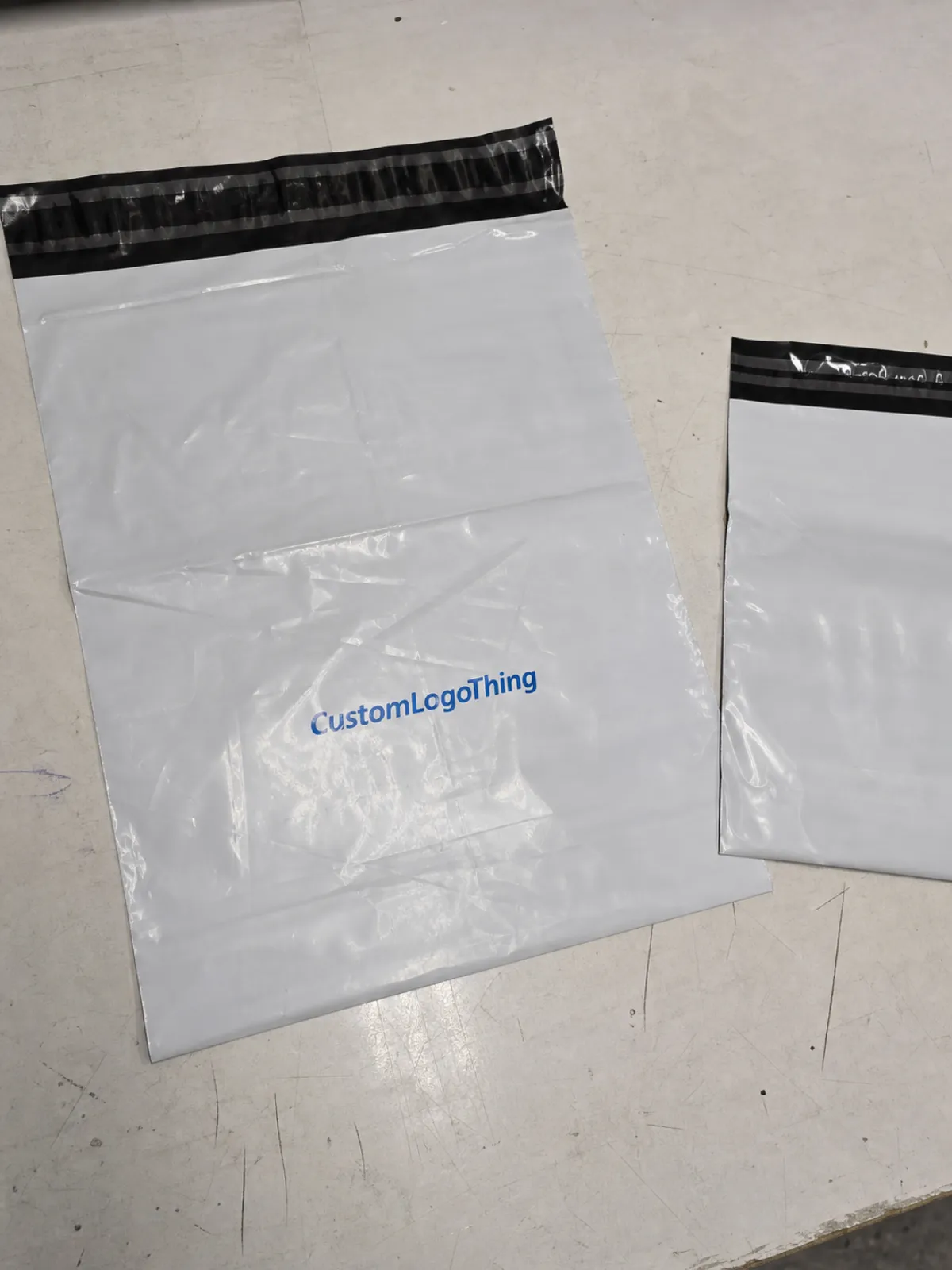
Generic poly bags are fine if the only job is dust protection. They are less convincing once the garment has to ship, hang, sit on a retail fixture, or land in a customer's hands looking deliberate. A zipper pouch adds structure. It keeps the folded piece from sliding around and helps the garment arrive in the same shape it left the packing table.
That matters more than most buyers expect. Movement inside a bag is what turns a crisp fold into a tired one. If the pouch is oversized, the item shifts. If the closure is flimsy, the opening catches. If the film is too soft, the pouch collapses before it reaches the store or the customer. None of that is dramatic. It just quietly lowers perceived value.
For smaller apparel runs, custom pouching also keeps inventory risk under control. Buying one size for several SKUs sounds efficient until the tees are swimming in extra space and the hoodies barely fit. A small-batch program lets you match the pouch to the actual fold, test a launch without overcommitting, and avoid paying for packaging that only works on paper.
There is also a retail reality here. Buyers see packaging first. A clean pouch with the right dimensions looks more finished than a loose bag with too much empty space. It does not need theatrical branding. It just needs to signal that someone measured the product and cared enough to pack it properly.
That is the main reason Zipper Pouches for Apparel small batch custom order programs often outperform generic bags: they reduce waste, protect the product, and make the line look more organized without forcing you into a large minimum purchase.
Material and Finish Choices That Change Shelf Appeal
Clear, frosted, and opaque pouches do different jobs. Clear films show the garment right away, which helps with fast SKU recognition and quick visual merchandising. Frosted finishes soften the presentation and hide some of the visual clutter from folds, labels, and inserts. Opaque pouches are useful when privacy matters or when the brand wants the packaging itself to carry the look.
The film matters too. PE is common because it is flexible, widely used, and forgiving in fulfillment. PP tends to feel crisper and can offer better clarity and stiffness. That extra stiffness can help a pouch stand more neatly, which matters if the product is being displayed, sorted, or packed at speed. If the packaging collapses too easily, the presentation gets sloppy fast.
Finish affects perception more than a lot of buyers expect. A gloss pouch can feel brighter and more retail-ready. A matte or frosted surface can feel calmer and a little more premium, especially on limited drops. The wrong finish does not ruin the order, but it can work against the rest of the brand. Packaging should support the garment, not fight it.
Functional details deserve the same attention. A zipper has to open and close cleanly without snagging the fabric. A hang hole helps if the pouch will sit on a peg. Tear notches make opening easier on arrival. Gussets add room for thicker folds or bundled sets. None of those features is flashy, which is exactly why they matter. They decide whether the pouch works in the packing room and on the shelf.
One practical note: clear pouches show scuffs, dust, and print flaws more easily than opaque film. That is not a defect in the packaging; it is the nature of transparent material. If the pouch will be handled heavily before reaching the customer, the supplier should be able to explain how the film resists scratching and how the outer carton protects it during transit.
For broader packaging references, packaging.org is a useful starting point for packaging terminology and material context.
Size, Gauge, and Print Specs to Lock Before Quoting
Start with the folded garment, not the flat garment dimension. That is where a lot of packaging requests go sideways. A folded tee with a neck label, side seam, and insert card needs more room than the shirt size on its own suggests. Add clearance for the zipper line so the fold is not pressing hard against the seal. If the pouch is too tight, the garment wrinkles. If it is too loose, the product slides. Packaging has a narrow sweet spot, and it is usually not the first size people guess.
Gauge is a performance decision, not just a cost line. For lightweight tees, a thinner film can be enough if the shipping path is short and handling is gentle. For hoodies, sleep sets, or items that may be boxed, stacked, and rehandled, a thicker gauge gives better puncture resistance and helps the pouch hold its shape. Common apparel specs often sit around 2.5 mil to 4 mil. Heavier items or presentation-focused runs may need more structure.
Printing should be locked before quoting starts. One-color logo printing, full-color artwork, matte versus gloss, exact placement, and whether the art prints on one side or both sides all affect pricing and proofing time. If the logo has to sit above the zipper line, say that. If the brand mark must stay centered after folding, say that too. Vague instructions are how projects lose time.
There are a few details that are easy to miss and expensive to fix later:
- Folded garment size, not flat size.
- Pouch width, height, and gusset depth if extra room is needed.
- Film thickness based on garment weight and handling.
- Zipper style, tear notch, hang hole, or resealable feature.
- Print method, color count, finish, and artwork placement.
- Use case: retail display, e-commerce shipping, or both.
If the pouch needs to survive parcel handling, ask how the sample was checked against real shipping conditions. Not every small run needs formal lab testing, but it should be judged against the movement, compression, and scuffing it will actually face. ISTA-style language is often useful here because it keeps the discussion grounded in handling, not marketing.
That level of detail is what keeps zipper pouches for apparel Small Batch Custom Order from turning into a trial-and-error purchase.
Cost, Pricing, and MOQ for Smaller Apparel Runs
Price is driven by the usual suspects: size, film type, thickness, print coverage, closure style, and whether the pouch is stock, semi-custom, or built to a fully custom spec. The tighter the spec, the easier it is to compare quotes without getting tricked by different assumptions. A cheap quote with the wrong thickness is not a bargain. It is just unfinished math.
MOQ should be treated as a tradeoff, not a wall. Lower quantities usually increase unit cost, because setup time has to be spread across fewer pieces. That does not mean small orders are a bad idea. It means the spec has to be smarter. A standard size, a simpler print, or a common closure can keep the run in range without cutting the quality that matters.
| Option | Typical MOQ | Indicative Unit Price | Best Fit |
|---|---|---|---|
| Stocked clear pouch with label or sticker branding | 500-1,000 | $0.12-$0.22 | Fast launches, test runs, basic apparel fulfillment |
| Semi-custom printed PE or PP pouch | 2,000-5,000 | $0.18-$0.38 | Brand launches, seasonal drops, retail packaging |
| Fully custom pouch with specific size, finish, and print | 5,000-10,000+ | $0.28-$0.65 | Higher value lines, repeat programs, stronger package branding |
Those numbers only help if every quote is built the same way. Ask for the same dimensions, same gauge, same print method, and same delivery terms. Then add the costs that sneak up on people: tooling, sampling, freight, and a realistic overage allowance. A lower unit price can still become the more expensive order once shipping or rework enters the picture.
Small-batch buyers often get better value by simplifying one thing instead of compromising everything. For example, using a standard pouch size with custom print is often cheaper than asking for a fully custom size and a full-color design on top of it. That is not a glamorous answer, but it is how many real orders get done.
For buyers comparing packaging programs beyond pouches, Custom Packaging Products and Wholesale Programs are useful reference points for broader planning.
Process, Timeline, and Production Steps From Proof to Ship
The cleanest orders follow a predictable path: brief, artwork check, proof approval, sample if needed, production, inspection, packing, and shipment. Simple, yes. Also the part most buyers rush through. The brief is where most delays are born. If the dimensions, fold method, and print placement are clear at the start, the rest of the order usually moves faster.
Lead time depends on how much is still undecided. Straightforward pouch specs can often move in roughly 10-15 business days after proof approval. Add special finishes, multi-color print, or a sample round, and the schedule can stretch by another week or two. Freight can add more time if the shipment crosses borders or needs to land on a fixed in-stock date. The safest plan is to work backward from the launch date, not forward from the quote date.
The delay points are usually the same: unclear dimensions, artwork revisions after proofing starts, missing Pantone references, and slow approval from the brand team. Small runs feel every one of those delays because there is less buffer. If the pouch is tied to a preorder window, retail drop, or product launch, it belongs on the critical path.
Quality control should be specific, not vague. A decent supplier should be able to explain how they check seal integrity, zipper glide, print registration, and carton count. For apparel packaging, a few small checks matter a lot: the zipper should close cleanly across the full width, the print should stay aligned from sample to production, and the pouch dimensions should stay consistent enough that the garment fold does not change from carton to carton.
That kind of discipline is what keeps a small batch from becoming a repair job.
"The fastest small-batch orders are rarely the loudest ones. They are the ones where the buyer knows the fold, the finish, the art, and the ship date before the first proof leaves the desk."
One more reality check: if the line is new, expect at least one round of questions from the supplier. That is not friction for the sake of friction. It is usually where the useful problems get caught, before they become expensive.
What a Reliable Packaging Partner Should Prove Up Front
A reliable partner should not make you reverse-engineer the packaging brief alone. The first useful conversation is not "What pouch do you want?" It is "What garment are you packing, how is it folded, and where is it going?" That shift tells you the supplier is thinking about fit and use, not just quotes.
Communication usually reveals more than a polished sales page. Fast proof turnarounds, clear revision notes, and realistic timing updates are better signs than a generic capability list. On a small run, there is very little room to absorb mistakes, so the process should be visible early. If measurements stay vague or the proofing cycle feels loose before production has even started, the risk is already climbing.
Samples matter most when the product is new or the logo has to land in a specific place. A small shift in print registration or zipper alignment may be acceptable on a commodity bag. It is not acceptable on a customer-facing package that is supposed to carry the brand. The same goes for thickness: a pouch that looks fine in a flat sample can feel too flimsy once it is packed, sealed, and stacked.
Ask the supplier how they handle consistency from first piece to last piece. A good run should hold the same dimensions, seal width, and print quality throughout production. If the supplier can explain how they verify that, you are probably dealing with someone who understands the difference between a packaging quote and a packaging program.
That mindset matters whether the order is a pouch, a mailer, or a line of custom printed boxes. Packaging works best when the supplier thinks in systems, not just SKUs.
"If a supplier cannot explain the size, gauge, and print tradeoffs in plain English, they are probably selling a quote, not a solution."
Ordering Mistakes That Raise Unit Cost or Delay Delivery
Catalog photos are not measurements. A pouch that looks right in a picture can be too short for the fold, too narrow for the insert, or too loose to hold the garment flat. That mistake happens often because apparel teams think in clothing sizes first and packaging sizes second. The pouch does not care about the shirt size on the hangtag. It cares about the packed form.
Another common error is under-specifying the print and finish. "Branded pouch" is not enough. If the artwork needs a matte surface, centered placement, or exact color references, those details belong in the brief before proofing begins. Leaving them out usually means more revision rounds, a slower schedule, and more chance that the sample and production run drift apart.
Skipping the sample is another way to spend more later. On a small order, one wrong assumption can be expensive. That is especially true if the pouch is visible to the customer, used in e-commerce fulfillment, or shared across multiple SKUs. In those cases, the pouch is not just packaging. It is part of the brand presentation, and the flaws show up immediately.
Logistics can wreck a good quote just as quickly as sizing mistakes. Buyers sometimes forget carton pack counts, ignore freight timing, or approve a delivery date that does not line up with the launch schedule. Those are not packaging errors in the narrow sense, but they cause the same result: the order arrives too late to help.
- Do not choose size by photo alone.
- Do not leave print placement vague.
- Do not skip the sample when the order is small and visible.
- Do not ignore freight time or carton counts.
Your Next Steps for a Fast Quote and Clean Launch
For a clean launch, gather the facts before requesting pricing. Have the folded garment measurements ready, decide whether the pouch needs display features or only shipping protection, and confirm print coverage before the first quote goes out. That one step usually cuts the back-and-forth in half and gives you pricing that is actually useful.
Then lock the finish and closure style. Clear or frosted? Matte or gloss? Standard zipper, or a pouch that needs a hang hole and tear notch? Once those choices are fixed, the artwork can be reviewed against a real spec instead of a guess. That is where zipper pouches for apparel Small Batch Custom order stops being a moving target.
If the line is new, a sample or proof review is the safer move before full production. If the pouch will serve multiple SKUs, confirm that one size genuinely works across the range. If the order may repeat, ask whether the supplier can hold the spec without changing the structure every time. The answer affects consistency, freight planning, and how painful reorder season will be.
For reference material, the FAQ covers common spec questions, while Custom Packaging Products helps map pouch options against the rest of the packaging line. That is enough to make the spec conversation useful instead of vague.
The cleanest orders are the ones that feel almost boring: exact measurements, one proof cycle that stays on target, one sample if needed, and a schedule that does not depend on wishful thinking. Measure the folded garment, match the material to the handling, confirm the print, and keep the launch date realistic. That is how zipper pouches for apparel Small Batch Custom order turns into a controlled purchase instead of a scramble.
What size zipper pouches work best for apparel small batch custom orders?
Start with the folded garment size, then add room for seams, labels, inserts, and the zipper closure. If the pouch will hold multiple items or a thicker fold, size up enough to avoid compression and wrinkling.
Which material is best for zipper pouches for apparel in small runs?
PE and PP are the most common choices because they balance cost, flexibility, clarity, and stiffness in different ways. Choose PE for forgiving fulfillment and PP when you want a crisper, more structured look.
What MOQ should I expect for a custom apparel pouch order?
MOQ depends on the pouch size, print coverage, and whether the bag is stock, semi-custom, or fully custom. Lower quantities usually carry higher unit costs, so the best savings often come from simplifying the spec.
How long does turnaround usually take for a small batch custom order?
Simple pouch specs can move in about 10-15 business days after proof approval, while custom finishes, multi-color print, and sampling add time. Freight and revisions can extend the schedule further.
Can zipper pouches for apparel small batch custom order include printed logos?
Yes. Logo printing is common, but the print area, color count, and finish all affect pricing and proofing time. Provide vector artwork and any brand color references early so the proof matches the final run.

