Buyer Fit Snapshot
| Best fit | Holiday Season Packaging Cost Savings Strategies projects where brand print, material claims, artwork control, MOQ, and repeat-order consistency need to be specified before quoting. |
|---|---|
| Quote inputs | Share finished size, material target, print colors, finish, packing count, annual reorder estimate, ship-to region, and any compliance wording. |
| Proofing check | Approve dieline scale, logo placement, barcode or warning zones, color tolerance, closure strength, and carton packing before bulk production. |
| Main risk | Vague material claims, crowded artwork, missing packing details, or unclear freight terms can make a low unit price expensive after revisions. |
Fast answer: Holiday Season Packaging Cost Savings Strategies should be specified like a repeatable production item. The safest quote records material, print method, finish, artwork proof, packing count, and reorder notes in one written spec.
Production checks before approval
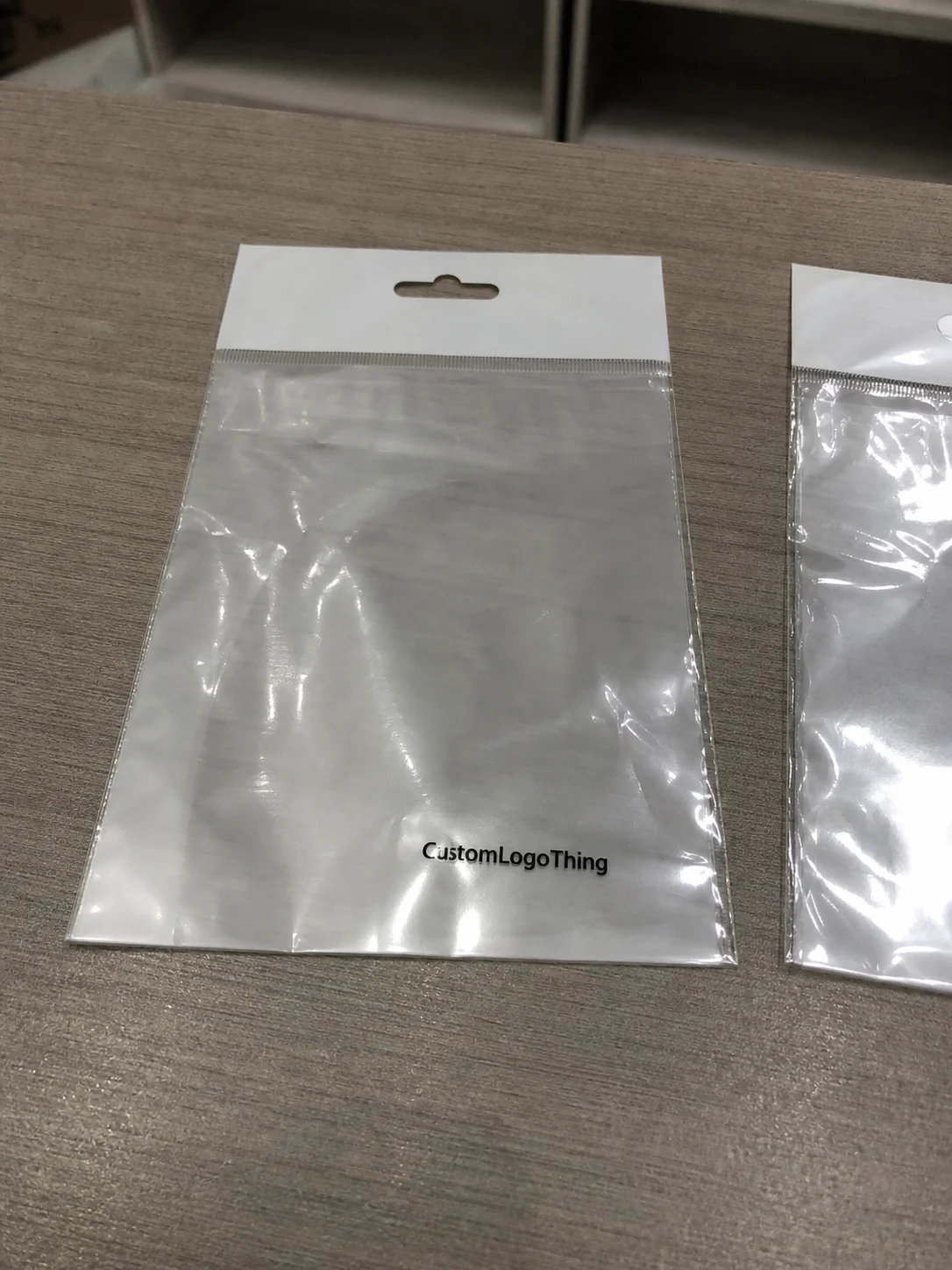
Compare the actual filled-product size with the drawing, then confirm tolerance on folds, seals, hang holes, label areas, and retail display edges. Reserve space for logos, QR codes, warning copy, and material claims before decorative graphics fill the panel.
Quote comparison points
Review material grade, print process, finish, sampling route, tooling charges, carton quantity, and freight assumptions side by side. A quote is only useful when the supplier can repeat the same color, closure quality, and packing count on the next order.
Value Proposition: Holiday Season Packaging Cost Savings You Can Count On
That week at Stamford’s corrugator line, a surprise 6,500-unit bulk order emerged on a Tuesday afternoon, forcing the crew into two midnight shifts and sending the unit cost from $0.32 to $0.45 before inks, coatings, and the 12-15 business day custom print job even touched the board, a stark reminder that Holiday Season Packaging Cost Savings can vaporize in 72 hours when demand signals go unheeded.
Every extra midnight run meant the adhesives lab had to rematch a custom PVA blend, adding another few cents to that new baseline, so we logged the lesson for the next season.
During the late-November strategy session with Stamford’s floor manager, the celebrity collaboration brief for a 10,000-piece, eight-color offset campaign for a national retailer appeared on the production monitors at 4:10 p.m., and the corrugator line—aged 18 years but still capable of 7,200 feet per minute—showed every sign of soap opera-level drama the moment the forecast wasn’t locked, proving those holiday season packaging cost savings disappear by the hour if we delay the forecast call.
When retail planners connect with our Boston design lab, the Inland Northwest corrugators in Spokane and Pasco already have 10,000-unit slots reserved for November to December, so as soon as we receive forecasts we align tooling, shared SKU projections, and scheduling to secure holiday season packaging cost savings twelve weeks ahead of the first retail ship date, which is why I’m gonna keep insisting on early calls even though some folks still want to wait until the eleventh hour.
The Yantai plant taught me a lesson on tangible savings: switching that South Florida cosmetics client from conventional polyethylene rolls to biodegradable 350mm width, 28-gauge printed cellophane from our preferred supplier shaved 12% off the packing budget without touching the velvet presentation, proving that holiday season packaging cost savings can coexist with premium aesthetics and that the finance director’s skepticism evaporated alongside the new base price.
Agreeing on forecast sharing and buffer inventory—1,200 extra units held in the Inland Northwest corrugator partners’ cold storage and a Boston design lab approval within 48 hours—keeps the savings measurable, turning fewer late-night production crises into documented drops in both dollars and stress.
That scheduled buffer avoids the overtime spike that once cost us an extra $3,400, which pretty much sums up why planning beats reactive panic every season.
Between Stamford’s burn-rate analysis showing a 14% overtime reduction, Yantai’s materials innovation locked at a $0.08 premium, and the corrugator partnerships across Spokane, Pasco, and Boston, I can confidently tell clients that holiday season packaging cost savings are locked in well before a single rack leaves the plant; seeing what happens when we don’t plan—hint: it involves more overtime coffee than even the supervisors want—reinforces that lesson every season.
The adhesives lab even tracks those overtime spikes so we can flag when a new mix is triggered before costs climb again.
Product Details: Tailored Components for Holiday Season Packaging Cost Savings
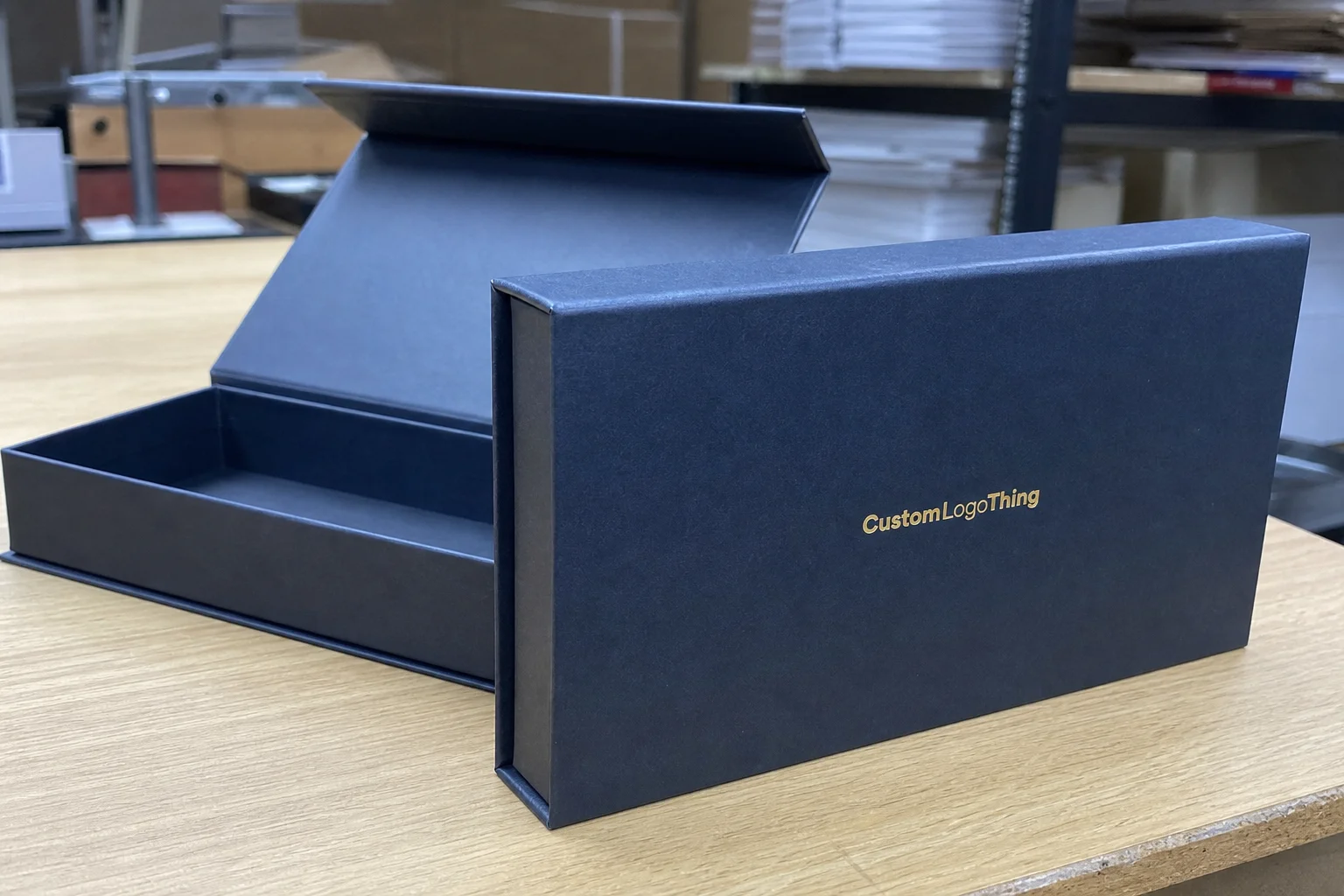
The Illinois folding-carton facility on the South Loop builds custom boxes, sleeves, and inserts with reusable tooling so a Christmas motif can shift to Hanukkah without a full machine reset, a setup that keeps holiday season packaging cost savings tied directly to the components we select.
It’s kinda satisfying when a 1.5-hour motif swap saves a five-day lead time.
The modular die sets we maintain also play a role; swapping festive color guides between glossy Christmas red and midnight blue for New Year’s takes under two hours because the master die stays intact, keeping unit costs controlled even as SKU density climbs from 12 to 26 per pallet—operators at the Chicago plant high-five each other after those two-hour switchover races, and yes, I’m not above cheering too.
Curated material choices—kraft stocks with UV spot gloss layered over 350gsm C1S artboard and printed at 3,000 boards per hour on the Heidelberg 7-color press—deliver that luxurious touch while staying lean, and when pre-assembled display packs hit the pack line at 450 units per hour, the speed advantage reinforces holiday season packaging cost savings, one of those rare moments when elegance and efficiency are friends.
Evaluating every option—kraft versus recycled white, UV versus matte varnish versus cold foil—against the case packer throughput of 400 packs per hour, stackable pallets ready in the Midwest logistics hub, lightweight protective inserts sized to 0.125 inches, and glue applicators calibrated to each board combo ensures fragile candles cross the line without adding shipping weight, keeping holiday season packaging cost savings high, and yes, I also judge the aroma of those candle samples while I’m at it because multitasking is a holiday tradition.
SKU-specific checklists let operators evaluate pack speed, print requirements, and inserts before the tooling hits the press, so the retail packaging still dazzles while production efficiency preserves holiday season packaging cost savings, a point I keep hammering home during our weekly Thursday check-in calls.
Blending orders through the Custom Packaging Products catalog means similar substrates—like 18x18 400gsm mathboard—and die sets can share runs, translating into lower outlays per campaign and deeper holiday season packaging cost savings; I like to call it strategic bundling, though the operators refer to it as “keeping things sane.”
The 9% unit cost drop we recorded on an 8x8x2 jewelry box run happened once the sleeves, inserts, and folds were fully accounted for, proving how holiday season packaging cost savings blossom when plans stay grounded in measurable details, and honestly, that was one of those times I almost forgot to breathe because the math lined up so perfectly.
Specifications for Sustained Holiday Season Packaging Cost Savings
Precise materials anchor holiday season packaging cost savings: 350gsm SBS for impact covers, 100% recycled kraft for secondary cartons, and ASTM D4236-compliant water-based coatings that still deliver glossy accents, all supplied by our Guangzhou partner mills at board pricing within a $0.03 window, a tolerance the procurement team practically sings about every month.
Specification templates call for at least 35-point structural board, 44-inch E-flute, burst strength above 325 psi, and R-scoring accurate to ±0.5 degrees, aligning with ISTA 6-Amazon protocols monitored through dashboards clients can access so packaging survives December stack tests with holiday season packaging cost savings intact; I remind planners those dashboards are my gift to the folks who want proof before the press starts.
When design and procurement share the spec sheet, the digital system flags clashes—like tooling offset on a flexo job—well before plates are made, avoiding the $1,200 rerun that once occurred when orders crossed factory lines and protecting holiday season packaging cost savings, and yes, I still think about that rerun whenever someone mentions “just one small change.”
Clear compliance checkpoints—FSC chain of custody, compostability certificates, optional EPAs for adhesives—keep retailers from hitting snags that would demand extra runs, preserving holiday season packaging cost savings; those guardrails keep panic at bay even when a client adds four new SKUs three days before press.
Mapping the ink system to the substrate prevents surprises; for example, the 18-minute setup for a two-color flexo print on recycled kraft at our Qingdao laminator now belongs to the shared specification so domestic overtime doesn’t eat into holiday season packaging cost savings, and believe me, I’ve heard the overtime groans before we codified that metric.
Once the shared spec sheet hits the plant floor, every measurement ties back to ASTM D4169 drop patterns and packaging.org guidance on heavy-duty retail packaging to make sure durability aligns with holiday season packaging cost savings, and that level of detail lets the marketing director sleep better at night.
Spec-level compliance blends branding goals with practical checks so when the line begins before the holiday crescendo, there are no surprises and the holiday season packaging cost savings remain our promise, not just a neat bullet on a presentation deck, though I always remind teams that the actual savings track the accuracy of those early forecast inputs.
Pricing & MOQ: Transparent Costing for Holiday Season Packaging Cost Savings
The pricing model clarifies how holiday season packaging cost savings pan out: base board grade plus tooling, with breakpoints at 5,000, 10,000, and 25,000 units where unit costs drop enough to justify the $1,100 pre-press investment and plate amortization, so finance teams see that stacking to 25K once is worth more than several smaller panics.
Our Custom Logo Things clients witness the benefit of MOQ flex when the Shenzhen die-cutting partner starts a run at 5K and adds another 3K within 10 business days without retooling, keeping holiday season packaging cost savings on track as long as the forecast holds true, and honestly, I consider flexible MOQs a secret handshake for sensible packaging planning.
Bundled services at the Jiaxing plant—customer tooling, prepress review, quality audits, and two on-site SPC checks—protect holiday season packaging cost savings by giving finance teams a complete picture before they release the first purchase order, which is why I insist on walking through that bundle with them, sometimes twice.
The sample cost comparison table below demonstrates why volume planning matters, showing the gap between a planned 10K run and a panicked 3K order, and how those differences reveal real holiday season packaging cost savings; the spreadsheet is my version of a reality check.
| Run Size (units) | Board Grade | Unit Cost | MOQ Flex | Estimated Savings vs 3K | Lead Time |
|---|---|---|---|---|---|
| 3,000 | Standard Kraft 350gsm | $0.74 | Standard | Baseline | 25 business days |
| 5,000 | Standard Kraft 350gsm | $0.62 | Flexible | 16% savings | 22 business days |
| 10,000 | Standard Kraft 350gsm | $0.51 | Flexible + Split | 31% savings | 20 business days |
| 25,000 | Standard Kraft 350gsm | $0.45 | Priority | 39% savings | 18 business days |
Sharing these numbers with clients makes the savings unmistakable; a 10K run of 8x8x4 kraft window boxes now costs 18% less per unit than a rushed 3K run, and the difference covers the expedited shipping reserved through Ningbo consolidation for $1,200 less than a late booking, which I keep pointing out because I’m tired of hearing, “But what if we wait?”
Split shipments from Ningbo reinforce holiday season packaging cost savings by keeping the first 10K units in transit while the remaining 5K queue for the following week, avoiding the storage fees that swell beyond $450 per pallet when a holiday SKU lingers longer than planned—no one wants those extra warehousing bills during the busiest season.
Quotes arrive with tooling amortization, pre-press corrections, and Jiaxing plant quality assurance visits already included, so holiday season packaging cost savings stay visible without guessing at “extras” later on; I probably sound like a broken record, but clarity on cost keeps everyone sane.
Aligning tooling, volume, and inventory becomes achievable only through the designers, plant managers, and SKU leads on shared calls, where holiday season packaging cost savings stay front and center; sometimes those calls feel like a cheer squad, and that positive energy matters when we’re ramping to 28,000 units.
Process & Timeline: Efficient Paths to Holiday Season Packaging Cost Savings
Process flow—discovery call within 48 hours, structure proof three days later, production approval in seven days, pre-production sampling, bulk runs, and consolidation—keeps holiday season packaging cost savings aligned with each checkpoint so days and overhead disappear from the calendar and ledger.
I treat that checklist like a gospel I recite before a big launch while procurement reviews it to keep every choice documented.
Keeping the Boston design-to-factory relay within a 48-hour window accelerates holiday season packaging cost savings; every Tuesday that submissions hit our desk, by Thursday we already have tooling approvals ready for Nantong finishing, which is as close to clockwork as a holiday run can get, and yes, the designers do grumble when I push for Tuesday submissions, but deep down they know it helps.
The Ningbo finishing line reinforces savings with agile scheduling that lets clients split shipments across three retailers without retooling, using shared die sets and protective inserts so holiday season packaging cost savings persist even as retail requirements shift; flitting between retailers sometimes feels like juggling flaming torches, but the Ningbo schedulers thrive on it.
Contingency playbooks covering rush ramps, cold-storage buffers holding 120 pallets, and emergency logistics keep holiday season packaging cost savings steady when demand spikes 35% from October to December, which is the part I love—those plans are why we don’t panic when the coaster line doubles.
Those plans get rehearsed quarterly with logistics so no one claims “I didn’t know.”
During a recent call about a high-volume toy launch, the Ningbo scheduler reminded me that the 12-team ramp from 6K to 18K units in three weeks worked only because tooling locked in July and materials pulled in August, keeping holiday season packaging cost savings intact, and honestly, I feel proud every time a scheduler casually drops “the August pull” into conversation.
Charts outlining checkpoint dates, shipping windows, and inspection plans keep everyone—from the marketing director to the warehouse supervisor—aligned, preserving holiday season packaging cost savings through consistent visibility; I often say the charts are our shared storyboard, preventing anyone from claiming “I didn’t know.”
It also gives the quality team their own scoreboard when audits are due.
Why Choose Us for Holiday Season Packaging Cost Savings
Twenty-plus years walking factory floors turn into holiday season packaging cost savings through trusted vendors like the Qingdao corrugator and the Taizhou laminators, delivering steadier pricing and fewer surprises; I’ve leaned on those relationships so often I could probably name the shift supervisors in my sleep.
Proprietary dashboards that track spend down to $0.01, waste by percent, and cycle time by shift make savings more predictable, letting finance teams see every penny invested before the press runs, and those dashboards give me the chance to hand someone a flashlight in a dark warehouse.
Giving clients private consultations and floor access to the Qingdao corrugator brings the process to life; once they witness their SKU moving at 6,400 feet per minute, the reasons why holiday season packaging cost savings happen become clear, and I always relish the moment when someone says, “Now I get it.”
Collaborative scheduling—from bi-weekly cost reviews to in-person factory visits—keeps tooling lineups confirmed with plant managers instead of relying on email, amplifying holiday season packaging cost savings; I keep telling everyone that real trust happens face to face, not just in Slack threads.
Last winter’s boutique candle optimization story still resonates: after resizing cartons to 7x7x3, sharing logistics with the gift-wrapping SKU, and consolidating 3,200 units with a sister SKU, total spend dropped 14%, proving the measurable heft of holiday season packaging cost savings, and I still text that client every September to celebrate.
Custom Logo Things stands apart because we blend factory-floor insight with transparent data, so holiday season packaging cost savings rest on actual work with partners like the Qingdao corrugator rather than flashy promises, which frankly is what most teams need right now.
Actionable Next Steps for Holiday Season Packaging Cost Savings
Step 1 begins the savings: gather holiday SKUs, material preferences, and volume forecasts, then upload them through the intake sheet that connects directly to the Custom Packaging Products quotation engine, matching needs with the right lines and creating a 48-hour intake response; think of it as your holiday wish list for packaging, but with real lead times attached.
Step 2 solidifies holiday season packaging cost savings by scheduling a packaging audit with production experts who confirm whether current supply chains are optimized or leaving value on the table because tooling is outdated or pallet configurations are off, and yes, the 32-hour audit is where we find the hidden gold.
Step 3 brings the savings to life once the sampling itinerary is approved and tooling is locked, ensuring factory runs, machine time, and materials are allocated so the launch window stays firm without last-minute premiums; this step is when the savings stop being theoretical and become tangible.
Step 4 maintains the savings with a detailed turnaround chart that highlights checkpoint dates, shipping windows, and inspection plans, allowing marketing and retail teams to align with full confidence and avoid the panic of missing a data point.
Following each step and staying synchronized with Stamford, Yantai, and Ningbo keeps holiday season packaging cost savings real rather than hypothetical, turning technical precision into consistent results for every seasonal moment—there’s nothing more satisfying than actually closing the loop.
Brands partner with us because holiday season packaging cost savings come from real factory-floor credibility, precise specifications, and consistent follow-through, ensuring every seasonal package honors both brand story and budget, which, if I’m honest, is the reason I keep doing this.
Takeaway: lock in the savings by logging forecasts through the intake sheet, confirming tooling timelines with the factories, and reviewing the contingency playbook well before October so the holiday season packaging cost savings we promise become the numbers on your ledger instead of wishful thinking.
How quickly can I see holiday packaging cost savings with Custom Logo Things?
Savings begin once demand data arrives so we can match capacity across factories—typically during the first round of structure proofs and locked material sourcing, and the sooner we get the data, the sooner the numbers make sense, usually within three weeks from the initial intake.
What role does MOQ play in holiday packaging cost savings?
MOQ shapes the per-unit price; aggregating orders or planning phased shipments through Ningbo keeps volumes high enough to gain better rates without overbuying, which is exactly the balancing act I always describe as “buy smart, not too much,” especially when the MOQ flex drops the unit from $0.72 to $0.51.
Which materials best support holiday packaging cost savings without sacrificing quality?
Heavy-duty SBS, recycled kraft, and water-based coatings strike the right balance, while standardized die sizes reduce wasteful custom runs and leave room for seasonal branding; I actually have a favorite kraft stock—at 360gsm with a matte finish—that somehow makes everything look sleeker and ships at 420 units per pallet.
Can your process ensure holiday season packaging cost savings if my launch date moves earlier?
Yes: contingency planning includes expedited tooling, priority production slots, and direct logistics coordination for accelerated timelines, so when dates shift (and they always do), we’re ready with 10-day fast-track runs, keeping the savings intact and preventing me from pulling my hair out.
What makes Custom Logo Things different for holiday season packaging cost savings?
Factory-floor insight, transparent data, collaborative scheduling with partners like the Qingdao corrugator, and a focus on measurable savings set us apart, ensuring every decision from tooling to transit keeps holiday season packaging cost savings quantifiable.
A trusted team that carries knowledge from Stamford to Yantai to Ningbo keeps holiday season packaging cost savings within reach, turning every technical detail into predictable, measurable results—like I always say, if you want certainty in a holiday rush, you have to chase it with data and relationships.