Hotel Amenity Rigid Boxes Material Guide: Buy on Facts, Not Finish Alone
The hotel amenity rigid boxes material guide matters because guests touch the box before they touch the lotion, soap, or pillow spray inside. That first contact is fast, almost subconscious, and it changes the story immediately. A rigid box built with the right board, wrap, and insert feels deliberate; a box made from the wrong material can make a carefully planned amenity set look flimsy, underfed, or oddly disposable. I have seen premium spa kits lose half their value in a single bad package choice. That is not drama. It is packaging physics meeting guest expectation.
Most hotel teams are not asking for "the nicest paper." They need a box that survives housekeeping carts, humid bathrooms, luggage pressure, and the gap between storage and room turn-down. The hotel amenity rigid boxes material guide is useful because it compares those realities side by side: board caliper, wrap texture, adhesive bond, insert style, and how each one behaves after the first shipment, not just in the sample photo. Material choices ripple into durability, perceived value, freight weight, and the number of surprises that show up after approval. And yes, the surprises usually show up late.
That is why this topic is more than a style conversation. It is a procurement decision, a brand decision, and a logistics decision all at once.
Why the Box Carries the Message
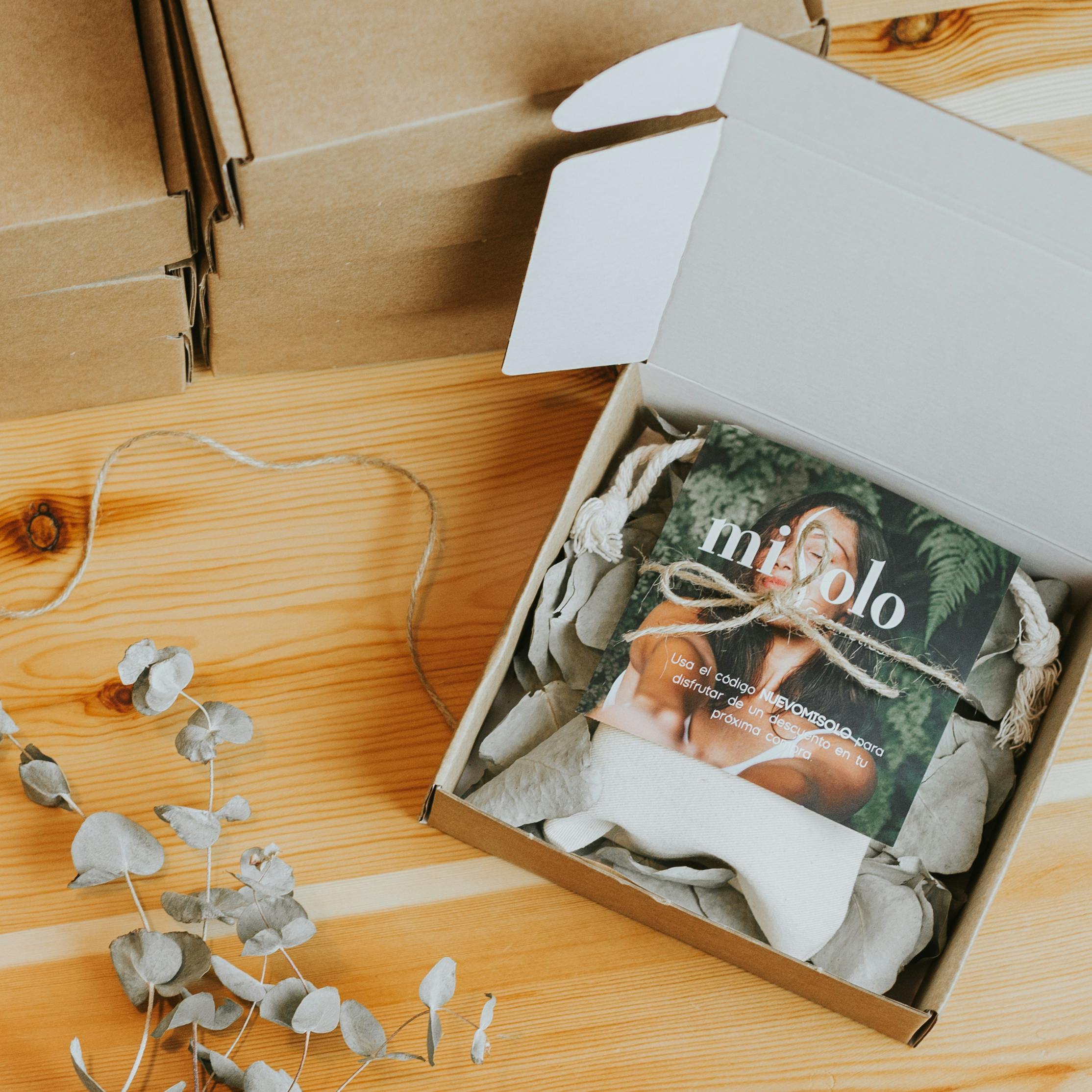
In hospitality, packaging is not a side character. The box often arrives before the amenity is even used, which means the hotel amenity rigid boxes material guide is really a guide to first impressions. A rigid box is a formed board structure wrapped in printed, coated, or specialty paper. It is meant to feel stable in the hand, protect the contents, and signal quality without needing a speech from the front desk.
That premium feeling is not accidental. It comes from material decisions that are easy to underestimate. A 1.5 mm board behaves differently from a 2.0 mm board. Linen-texture wrap feels different from coated art paper. A tight insert keeps a glass vial from rattling; a loose one turns a quiet opening into a cheap-sounding reveal. A nice render is not gonna tell you how the corners behave after three hotel handoffs. Only the material spec does that.
In a recent packaging review, I watched two nearly identical amenity boxes sit next to each other on a table. One used a slightly heavier board and a better wrapped edge. The other was only a little lighter, but the lid flexed more and the corners picked up scuffs almost immediately. The price difference was small. The perceived difference was not. That is the kind of gap the hotel amenity rigid boxes material guide is meant to expose.
If the material spec is vague, the quote will be vague too. If the spec is precise, half the guesswork disappears before sampling starts.
There is also a brand issue hiding in plain sight. Hotels sell comfort, consistency, and attention to detail. A rigid box that opens cleanly and closes with a neat edge supports that promise. A box that bows, scuffs, or arrives with wrinkled corners does the opposite. The hotel amenity rigid boxes material guide helps buyers align packaging with service standards rather than relying on decoration alone.
One more reality matters: the outer shipper is usually corrugated cardboard, but the guest never sees that first. What they see is the wrapped rigid carton, the print finish, and the way the lid or drawer behaves. The hotel amenity rigid boxes material guide should start with the visible package and work backward to the hidden structure. That order saves time, and it usually saves money too.
There is a practical reason for that. When suppliers begin with the structure, they can tell you whether a box should be hinged, drawer-style, magnetic, or simple lift-off lid before art direction starts running the show. That keeps the packaging honest.
How Material Changes Performance
The structure of a rigid box is layered. Core board provides stiffness. Wrap paper creates the surface. Adhesive holds the wrap in place. Inserts control fit and movement. Every layer affects performance, which is why the hotel amenity rigid boxes material guide has to look at the box as a system rather than a single material choice.
Greyboard is often the default core for premium rigid packaging because it offers dependable stiffness and a smooth enough base for wrapping. Chipboard can work for lighter builds, especially when the contents are low risk and the box size is modest, but it may feel less substantial depending on thickness and wrap quality. Specialty paperboard can sit between those options when a smoother interior or a different surface behavior is needed. In a hotel setting, structure usually comes first and decoration second.
Wrap paper changes the story again. Smooth coated paper prints cleanly and can make colors look crisp. Kraft paper gives a more natural, restrained tone, especially for properties that want a quieter, eco-minded image. Linen textures, soft-touch laminations, and uncoated specialty papers all alter the guest's hand feel. The same box can feel luxurious or ordinary depending on what sits over the core board. That is one reason the hotel amenity rigid boxes material guide has to match brand personality, not just product dimensions.
Adhesive sounds boring until it fails. Then it becomes the whole conversation. A weak bond can create lifting corners, edge curl, or a wrap that opens when humidity swings. Good assembly hides itself. You only notice it when it is missing. The hotel amenity rigid boxes material guide should include assembly quality because a beautiful print on weak construction is still a weak box.
Performance also changes with the contents. A folded sleep mask is not the same as a glass atomizer. A paper soap set is not the same as a spa kit with metal or glass components. If the box has play inside, it will rattle when housekeeping handles it or when it moves through shipping. The hotel amenity rigid boxes material guide should always match the box to the contents, not the other way around.
There is a practical comparison here. A lighter board may be fine for a room key presentation box or a small amenity card holder. A thicker board is usually better for a welcome gift, minibar companion set, or a boxed collection with multiple pieces. The hotel amenity rigid boxes material guide is most useful when it forces that distinction early, before the visual design gets ahead of the physics.
Finish choices can hide or expose the substrate below. A heavy matte lamination can soften small surface issues, while a gloss finish can make scuffs and board waviness more visible. Soft-touch can feel upscale, but it can also show handling marks in a busy property if the design is too dark or too exposed. The hotel amenity rigid boxes material guide should account for how the wrap behaves after the first 20 touches, not just at the sample stage.
One more technical point: caliper is not the same as weight, and buyers sometimes mix those up. A board can look thick without offering the stiffness you need, especially if the stock is airy or poorly compressed. That difference matters when the box is stacked on carts or packed into master cartons.
Cost, Pricing, and MOQ
Material is one of the fastest ways to move a quote. Board thickness, wrap stock, insert complexity, finish choices, and box style all influence cost. That is why the hotel amenity rigid boxes material guide should be treated like a pricing tool as much as a design tool. If a buyer switches from a simple wrapped board to a magnetic closure with specialty paper and foil, the quote should move accordingly. If it does not, something is missing from the spec.
For typical hotel amenity rigid boxes, the smallest details matter. A standard print wrap on medium board may keep unit cost in a practical range. Add soft-touch lamination, foil stamping, debossing, or a foam insert, and the price rises quickly. Lower MOQ can push the number up again because setup, die-cutting, and hand assembly are spread across fewer pieces. The hotel amenity rigid boxes material guide helps buyers see that cost is not just about the surface they can see; it is about labor, tooling, and finishing complexity too.
Here is a useful rule of thumb: for a 1,000 to 3,000 piece run, a simple rigid amenity box might land in a lower-cost band, while a premium version with thicker board, specialty wrap, and custom insert can climb into a much higher band. Exact numbers depend on size, print coverage, and the country of production, but differences of 20% to 60% between a basic and a premium spec are common. That is the kind of spread the hotel amenity rigid boxes material guide should make visible before anyone approves artwork.
| Board / Build Option | Typical Thickness | Guest Feel | Relative Price Impact | Best Fit |
|---|---|---|---|---|
| Greyboard with printed wrap | 1.5-2.0 mm | Solid, premium, balanced | Baseline to moderate | Most room amenity sets and welcome kits |
| Chipboard with laminated wrap | 1.2-1.8 mm | Light, functional, less dense | Usually lower | Lighter contents, tighter budgets, short runs |
| Specialty paperboard with textured wrap | 1.3-1.6 mm | Refined, polished, more decorative | Moderate to higher | VIP kits, spa sets, signature gifting |
| Thicker rigid build with custom insert | 2.0 mm or more | Very sturdy, gift-like, formal | Higher | Glass items, heavier kits, higher-end properties |
Hidden costs matter too. Freight rises with weight. Delicate finishes can increase spoilage if handling is rough. Extra sampling may be needed if the chosen wrap is prone to cracking on tight folds or if the adhesive needs tuning. The hotel amenity rigid boxes material guide is useful here because it pushes those questions into the quoting stage, where they belong, instead of the production stage, where they become expensive.
There is another pricing trap buyers run into: the visual upgrade that does not improve the experience. A thicker foil band, a dramatic gloss coat, or a more expensive paper may look good in a render but add little in the guest hand. The hotel amenity rigid boxes material guide should help a team decide which premium touches are doing real work and which ones are only inflating the spec.
For hotels managing multi-property rollouts, that distinction matters even more. A one-cent increase on a single box can look minor until it multiplies across 25,000 units and several room types. Material decisions are not abstract in that context. They are budget line items with operational consequences, and the hotel amenity rigid boxes material guide gives finance, procurement, and brand teams a shared language for that tradeoff.
If the project also needs mailers or outer packs, browse Custom Packaging Products early, because the rigid box and the shipper should be planned together rather than as separate afterthoughts.
MOQ also ties back to how the box is built. A simple wrap and standard insert can be produced at a more forgiving minimum. Once you add custom tooling, unusual dimensions, or hand-applied finishes, the minimums usually get less friendly. That is not a supplier trick; it is the economics of setup.
Process and Timeline
Good packaging work starts long before print. A clean process usually begins with a brief that lists the contents, target dimensions, brand positioning, and whether the box will live in rooms, spas, VIP welcome kits, or retail-adjacent settings. The hotel amenity rigid boxes material guide is most useful at this stage because material choices affect the whole schedule, not just the final appearance.
The usual workflow looks simple on paper: briefing, structural recommendation, material selection, dummy or mockup, artwork prep, prepress, production, and final inspection. In reality, each step has a dependency. If the board is unavailable, if the wrap stock needs sourcing, or if the finish requires a special line, the lead time stretches before the first printed sheet appears. The hotel amenity rigid boxes material guide should therefore be locked early, not after the design is already approved.
Sampling time and production time are not the same. A structural dummy can move quickly, often within a few business days, because it uses plain stock or unprinted materials. A decorated sample takes longer because color, foil, embossing, and insert fit all have to be checked together. For complex rigid boxes, one round of samples is often enough only if the hotel amenity rigid boxes material guide was specific from the start.
That specificity matters because hospitality calendars are rarely gentle. Renovations, property openings, seasonal occupancy, and chain-wide rollouts can all compress the schedule. A buyer who wants a fixed delivery date should build a buffer of at least one to two weeks into the project, and more if the box includes specialty finishes or custom inserts. The hotel amenity rigid boxes material guide helps prevent the kind of late-stage panic that turns design decisions into rushed compromises.
From a production-control standpoint, there is a simple truth here: the clearer the material spec, the fewer approval loops you need. That means fewer sample revisions, fewer misunderstandings about wrap texture or board thickness, and fewer "close enough" decisions that become expensive later. The hotel amenity rigid boxes material guide is not just documentation. It is schedule insurance.
One more detail often gets overlooked: the outer transport test. If the boxes will ship in master cartons, the packed carton should behave under real transit conditions. That is where ISTA testing becomes relevant, because vibration, compression, and drop behavior tell you more than a tabletop inspection ever will. If a box passes sample approval but fails in shipping, the material spec was only half finished.
For teams with a sustainability target, timing can also depend on sourcing. FSC certified boards or papers may need vendor confirmation, and recycled materials can require extra documentation. That is not a reason to avoid them. It is a reason to build the paperwork into the schedule so the hotel amenity rigid boxes material guide reflects the real procurement path instead of a wish list.
I usually tell buyers to think of the timeline in three separate blocks: sample, sign-off, and manufacture. Those are not interchangeable. A fast sample does not mean fast production, and a quick quote does not mean the materials are already on hand. That distinction saves a lot of awkward calls later.
What to Prioritize in Board, Wrap, and Finish
Choosing the right materials starts with the contents. A lightweight toiletry set does not need the same build as a glass amenity vial or a boxed selection of spa items. The hotel amenity rigid boxes material guide works best when the buyer starts with product weight, then adds handling conditions, then decides on the look and feel. If the process is reversed, the spec often becomes decorative instead of functional.
Humidity is a bigger issue than many teams expect. Hotel bathrooms, spa areas, and seaside properties expose packaging to moisture that can soften low-grade wraps, distort edges, or dull the surface. In those cases, a laminated finish or a more moisture-tolerant wrap can be worth the extra spend. The hotel amenity rigid boxes material guide should always account for the real environment, not just the sales presentation.
Texture is another decision with real consequences. Smooth coated paper feels clean and prints sharply. Linen or leather-grain textures add depth but can mute fine details. Kraft paper supports a natural story and works well for brands that want a quieter, earthier tone. If the hotel wants a more understated look, a kraft paper wrap on a rigid core can deliver that feeling without pushing into heavy ornament. The hotel amenity rigid boxes material guide should connect the wrap choice to the brand story rather than treating texture as a finish-only decision.
Inserts deserve more attention than they usually get. Paperboard inserts are good for lighter or more structured sets. Foam inserts protect fragile pieces but may feel less aligned with recycled materials messaging. Molded pulp is useful when a property wants a lower-plastic story and a more natural presentation. Simple die-cut cavities can work for small items that do not shift much. The hotel amenity rigid boxes material guide should test insert fit with the actual contents, because a box can look expensive and still perform poorly if the item moves around inside.
Finish choices should support the message, not compete with it. Matte often reads calm and restrained. Gloss feels brighter and more decorative. Soft-touch adds a muted, high-end hand feel, but it can scuff more visibly on dark prints. Spot UV, foil, and embossing can all work, but only if they emphasize the right part of the design. In other words, the hotel amenity rigid boxes material guide should reward restraint where restraint makes the box stronger.
There is also a sustainability angle that deserves plain language. If a hotel wants to talk about recycled materials, the story has to be true at the component level. A board with post-consumer waste content, a paper wrap, and water-based adhesive can support that claim better than a spec filled with mixed plastics. But biodegradable packaging is not a blanket label. Many rigid boxes are recyclable rather than fully biodegradable, and that distinction matters. The hotel amenity rigid boxes material guide should keep the claim narrow and accurate.
For buyers comparing premium and value options, the most useful question is simple: what will guests actually notice? A slightly better board thickness is often more noticeable than an extra printed flourish. A more stable insert is more noticeable than a decorative effect hidden on the underside. The hotel amenity rigid boxes material guide becomes genuinely helpful when it prioritizes the features that guests can feel, not just the ones that photograph well.
That is also where FSC certified materials can matter. For many hotel brands, the certification is not a decoration; it is a procurement signal that the paper source has been verified. It can help with reporting, brand standards, and internal approvals. The hotel amenity rigid boxes material guide should make room for those documentation needs early, because they affect both sourcing and sign-off.
My shorthand is this: choose the board for strength, the wrap for feel, and the finish for maintenance. If one of those is doing the job of another, the spec is probably off.
Common Mistakes Buyers Make
The first mistake is choosing by image alone. A render can look elegant even when the board is too weak, the wrap is too thin, or the edge fold will scuff after two deliveries. The hotel amenity rigid boxes material guide exists partly to stop that mistake before it becomes a production complaint. What looks beautiful on a screen may not survive the actual life of the box.
The second mistake is confusing luxury visuals with operational durability. A fragile specialty paper might work for a limited-surface gifting program, but it is a poor choice for a high-touch housekeeping environment. If staff need to move the box often, stack it, or wipe it down, the material has to tolerate that handling. The hotel amenity rigid boxes material guide should be judged against the hotel's day-to-day reality, not against a showroom sample.
The third mistake is under-specifying the insert. When the cavity is too shallow, too wide, or too loose, the product shifts. Then the box sounds cheap, even if the outer shell is excellent. A proper insert is part of the packaging experience, not a hidden accessory. The hotel amenity rigid boxes material guide should always include insert dimensions, not just outer dimensions.
The fourth mistake is skipping physical samples. Color accuracy, tactile feel, and corner sharpness are much easier to judge in hand. Under warm lobby lights, a paper may look different. Under bathroom lighting, a foil accent can be harsher than expected. A physical sample tells the truth that digital proofs hide. The hotel amenity rigid boxes material guide should always end in a tactile review before final approval.
There is a fifth mistake that appears during quote comparisons: apples-to-oranges sourcing. One supplier may quote a lighter board, another may include a better wrap, and a third may price in a stronger insert. Without a shared hotel amenity rigid boxes material guide, the numbers are almost impossible to compare. The cheapest quote is often only the cheapest because part of the spec is missing.
Housekeeping feedback can be surprisingly useful here. A box that opens too stiffly, closes too loosely, or marks easily in storage will show up in daily operations long before it shows up in a brand review. Smart buyers ask for that feedback after a small pilot run. The hotel amenity rigid boxes material guide becomes more valuable when it reflects operational feedback, not just design preference.
Finally, many teams wait until the quote stage to think about the material. By then, the artwork may be approved, the budget may be tight, and the schedule may be moving. That is the worst point to discover that the wrap needs changing or the board must be thicker. The hotel amenity rigid boxes material guide should be settled before final pricing, or the project will almost certainly get squeezed into a compromise.
One more small trap: comparing only unit price. For hospitality rollouts, a lower unit cost can be erased by higher damage rates, heavier freight, or more rework at receiving. Cheap is not cheap if it creates waste.
Expert Tips and Next Steps
Start with a one-page spec sheet. It should list contents, exact box dimensions, target feel, finish preference, estimated quantity, budget range, and required delivery date. That sounds basic, but it is the difference between a precise quote and a string of clarifying emails. The hotel amenity rigid boxes material guide becomes much easier to use when every supplier is working from the same sheet.
Ask for three things during sampling: a material swatch, a structural dummy, and at least one decorated sample. The swatch helps decision-makers feel the difference between papers. The dummy shows the actual structure and insert fit. The decorated sample reveals how color, finish, and board behavior combine in the final piece. For the hotel amenity rigid boxes material guide, that three-step sample stack is more useful than a single polished image.
Test samples in the hotel environment, not just in a conference room. Put them under warm room lighting, near a bathroom mirror, and on a housekeeping cart if possible. Touch the finish with clean hands and with gloved hands. Check whether the lid stays aligned after repeated opening. These are small tests, but they reveal real weaknesses early. The hotel amenity rigid boxes material guide should be validated where the box will actually live.
Compare at least two material routes. One should be budget-controlled. The other should be the best version of the concept, even if it is not the one you choose. That side-by-side view makes the tradeoff concrete. A team may decide the premium route is worth it for a flagship property, while the controlled version fits a wider rollout. The hotel amenity rigid boxes material guide is most powerful when it frames those choices rather than hiding them.
For sustainability-minded brands, keep the messaging precise. If the box uses recycled materials, say so only when the board and paper can support that claim. If the paper is FSC certified, keep the certification visible in the spec. If you are aiming for biodegradable packaging language, confirm whether that claim applies to the whole structure or only to a component. Honest language keeps the hotel amenity rigid boxes material guide credible.
A good sample round should answer three questions: does it look right, does it feel right, and does it survive handling without losing its finish?
My practical recommendation is to finalize the hotel amenity rigid boxes Material Guide Before requesting the final quote. Share it with every vendor. Ask them to confirm board thickness, wrap stock, insert method, finish, packing format, and any transit testing assumptions. That simple discipline reduces revision loops and makes the quotes far easier to compare.
If you are the one signing off on the order, lock four items first: board caliper, wrap stock, insert fit, and finish. Get those right and the rest usually behaves.
What board thickness works best for hotel amenity rigid boxes?
For most amenity sets, a medium-to-stiff rigid board is enough; heavier kits, glass items, or stacked gift sets usually need a thicker core. Choose thickness based on the contents and handling, not just appearance, because a box that feels luxurious but crushes easily creates waste. The hotel amenity rigid boxes material guide should always be checked against a physical sample with the actual product inside before the spec is locked.
Is wrapped greyboard better than chipboard for hotel amenity rigid boxes?
Greyboard is often preferred for Premium Rigid Boxes because it offers strong stiffness and a clean wrapped finish. Chipboard can work for lighter builds, but it may feel less substantial depending on thickness and wrap quality. The better choice depends on your target feel, budget, and how much protection the contents need, which is exactly why the hotel amenity rigid boxes material guide should compare both options side by side.
How does material choice change hotel amenity rigid boxes pricing?
Thicker board, specialty wraps, and decorative finishes increase unit cost and often raise minimum order requirements. Complex inserts, more manual assembly, and tighter color matching also add cost. Freight can rise too, because heavier materials cost more to ship. A clear hotel amenity rigid boxes material guide helps buyers see which upgrades improve the guest experience and which ones only increase the price.
What is the usual lead time for custom hotel amenity rigid boxes?
Lead time depends on sampling, material sourcing, print complexity, and how quickly artwork is approved. Simple builds move faster; premium finishes, custom inserts, and multiple revisions extend the schedule. If the project has a fixed opening date, build in extra time for samples and sign-off. The hotel amenity rigid boxes material guide should be finalized early so the production calendar does not get squeezed by last-minute changes.
How should hotels choose a finish for amenity rigid boxes?
Start with the brand story: matte and soft-touch feel calmer, while gloss and foil read more decorative and high-impact. Match the finish to the environment, since high-touch areas need surfaces that resist scuffing and look clean after handling. Always test the finish in real lighting before approving production. If the hotel amenity rigid boxes material guide is specific about the finish, the sample round becomes easier to judge and the final box is more likely to match the room experience.
What is the simplest way to avoid an expensive mistake?
Approve one complete sample with the real contents inside before you sign off on the full run. That catches fit, finish, and handling issues while the fix is still cheap. It is a small step, but it can save a lot of money and a fair bit of embarrassment.

