Hotel Amenity Shopping Bags Lead Time: Order Smarter
Hotel amenity shopping bags lead time is usually controlled by everything around the press, not the press itself. Artwork approvals, material checks, carton sizing, and freight booking tend to shape the calendar more than the printing step, which is why the timeline can feel longer than the quote suggests. Once you can see where the days actually go, hotel amenity shopping bags lead time stops looking like a moving target and starts looking like a process you can plan around.
From a packaging buyer’s perspective, the order is never just “send bags.” It means confirming the spec, checking the logo file, Choosing the Right paper or finish, making sure the property can receive the shipment, and leaving enough room for the bags to arrive before opening day or the next rollout. Hotel amenity shopping bags lead time covers the span from final approval to delivery at the hotel, warehouse, or distributor, so the bag itself is only one piece of the job. The rest matters just as much, and sometimes more.
Small orders can still move slowly. A 2,000-piece custom run with foil, PMS matching, and a strict approval chain can take longer than a larger plain kraft order with fewer finishing steps. That is not a supplier dragging its feet. It is how production behaves when every detail has to line up in sequence. The sections below break down hotel amenity shopping bags lead time in plain language, show what pushes it up, and point to the habits that keep a launch on track.
Hotel amenity shopping bags lead time: the part buyers underestimate
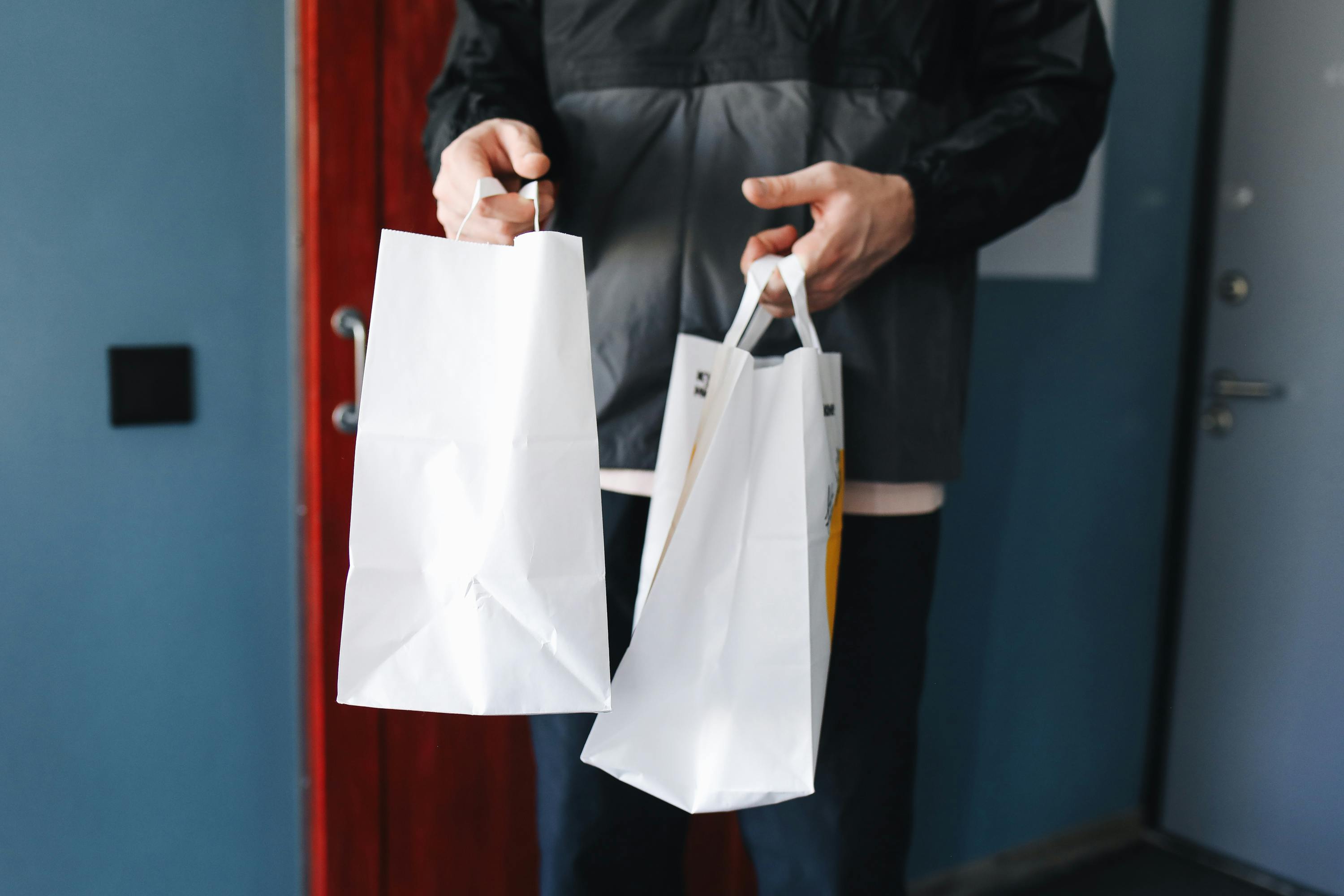
Most buyers assume hotel amenity shopping bags lead time starts when production begins. It starts sooner, often the moment someone asks, “Do we have the approved logo file?” That question has delayed more packaging orders than a machine issue ever will, because the work cannot move until the brand assets are clean and the decision-maker has signed off.
In practical terms, hotel amenity shopping bags lead time is the total calendar window from final approval of the bag spec to delivery at the property, distribution center, or fulfillment partner. A supplier saying 12 business days usually means 12 business days of production, not the time spent chasing down a brand manager, fixing a size change after proofing, or waiting for the correct file format to show up. Buyers mix those pieces up all the time, then wonder why the opening date will not wait.
Hospitality teams get caught because the order looks simple. It is “just a shopping bag,” after all. Custom printing, special paper stocks, reinforced handles, custom die cuts, and brand standards all add steps, and every person who needs to approve the job adds another layer of timing. One slow reply can push hotel amenity shopping bags lead time back a full week. That is not drama. That is normal approval-chain behavior.
The other trap is assuming small orders should be fast by default. Sometimes they are. Sometimes they are not. A stock bag with a one-color logo can move quickly, while a custom hotel amenity shopping bag with soft-touch lamination, hot foil, interior print, and exact Pantone matching needs more setup and more checks. Buyers often plan off the bag size alone and ignore the finishing steps, then act surprised when hotel amenity shopping bags lead time runs longer than the first quote suggested.
The bag is rarely the delay. The approval chain is. Lock the spec before asking anyone to hurry production if you want shorter hotel amenity shopping bags lead time.
The better way to think about hotel amenity shopping bags lead time is not “How fast can you print?” It is “How many decisions still need to be made?” That shift changes planning completely. A known opening date, a staged occupancy ramp, or a guest amenity rollout gives you something real to work backward from, which is a lot better than hoping the timeline will sort itself out on its own.
How hotel amenity shopping bags lead time actually works
Hotel amenity shopping bags lead time usually runs through seven stages: quote, artwork proof, material sourcing, production, quality check, packing, and freight. Each stage has its own clock. The total lead time only moves as fast as the slowest step, which sounds obvious until a proof sits untouched for four days and the supplier gets blamed for “missing” the schedule.
The quote comes first. That step moves faster when the supplier receives a clean spec sheet with the bag size, material, handle type, print colors, quantity, and delivery location already confirmed. Then comes the artwork proof, where the printer checks whether the logo fits the dieline, whether the color targets are realistic, and whether the file can actually be used on press. That step can take a day or several days depending on how organized the buyer is. Hotel amenity shopping bags lead time grows every time the artwork changes.
After proof approval, the supplier confirms or sources materials. Stock kraft is usually simpler. Specialty paper, recycled board, coated stock, or a custom laminate can take longer if the material is not already in house. Production follows. In a typical custom run, the press, die-cutting, handle attachment, folding, and packing all need to line up in order. Add embossing or foil, and the schedule stretches. Hotel amenity shopping bags lead time is not only print time. It is queue time, setup time, drying Time, and Finishing time.
Quality control comes next. Good suppliers check dimensions, print alignment, glue strength, handle attachment, and color consistency before packing. That step matters more than people expect. A bad first run can burn an entire day, especially if the issue is caught late. Freight booking follows. Domestic ground shipping, air freight, and ocean freight each move on a different clock, and the receiving plan matters just as much if the bags are headed to a hotel group with multiple properties.
Stock bags, semi-custom orders, and fully custom runs do not move the same way. Stock bags are usually the quickest. Semi-custom bags often keep a standard structure but allow logo printing or a limited finish change. Fully custom orders are the slowest because nearly every detail has to be approved and produced from scratch. That is the basic math behind hotel amenity shopping bags lead time, and there is no shortcut that removes every step.
Ask for the timeline in separate pieces: proof time, production time, and freight time. A supplier that gives only one lump number is making you do the guesswork, and guesswork tends to get expensive once the hotel opening date gets close.
Key factors that change hotel amenity shopping bags lead time
Not every hotel amenity shopping bags lead time follows the same pattern. Material choice can change the schedule quickly. Kraft paper usually moves faster than specialty coated stock because it is common and easier to source. Recycled paper is often manageable too, though recycled-content requirements can narrow the available options. If FSC-certified paper is required, the pool of suppliers may shrink, which affects both timing and pricing. For sourcing standards, FSC is the clearest reference point.
Print complexity matters just as much. A one-color logo on one side is generally quicker than a full-bleed design with multiple spot colors, metallic foil, or a custom pattern that wraps around the bag. Every extra detail increases the odds of proof corrections, setup changes, and rework. Simpler artwork usually keeps hotel amenity shopping bags lead time tighter. Fancy looks nice. Late does not.
Quantity changes the schedule too. Larger runs take longer on press and may sit in the production queue behind other work. Smaller runs can be faster, but not always. If the factory has to buy a special material or create new tooling, the lower quantity may not save much time. That is why hotel amenity shopping bags lead time should be discussed alongside quantity, not treated as a separate question.
Factory workload is one of the least glamorous variables and one of the most important. A supplier with open machine time can complete a job faster than a cheaper supplier who is already booked solid. Buyers often compare quotes as if they are comparing identical clocks. They are not. One factory may quote low and slow, while another quotes a little higher and finishes on time. For a hotel opening, that difference matters more than a small per-bag savings.
Shipping method is another major lever. Ground freight is predictable but slower. Air freight cuts days, sometimes quite a few, but the cost rises quickly. Ocean freight only makes sense for larger orders with a flexible schedule because customs and port timing can add friction. If the bags are crossing borders, transit handling and carton strength become more important. That is where ISTA testing standards become useful, especially when cartons are handled several times before they reach the property.
Compliance details can also stretch hotel amenity shopping bags lead time. Pantone matching, dieline corrections, bag inserts, gusset depth, handle length, and retail display requirements all sound minor until a proof has to be redone because one number was off. A tiny size tweak can create a new die line, which changes the print area and triggers another proof cycle. One small edit. Three extra days. That is packaging in real life.
The more useful way to see it is as a system. A simple bag with a clear spec can still take longer if the warehouse is busy. A complex bag can still move quickly if the artwork is locked and the material is already in house. Hotel amenity shopping bags lead time is a chain of linked choices, not a single line item on a purchase order.
Cost, pricing, and MOQ for hotel amenity shopping bags
Pricing and hotel amenity shopping bags lead time are connected more often than buyers expect. Unit cost usually drops as quantity rises, but setup fees, proofing, tooling, and freight can make small runs look expensive very quickly. That is why a quote for 1,000 bags can look unusually high next to 5,000. The press does not care about optimism. It cares about setup and production efficiency.
For a practical range, a simple semi-custom paper bag might land around $0.18-$0.35 per unit at moderate volume, depending on size, paper weight, and print coverage. Add specialty finishes, and the number can climb to $0.40-$0.85 or more. Rush work, low quantities, and unusual specs can push it higher still. Those are not hard rules. They are the rough edges that come with hotel amenity shopping bags lead time and pricing.
| Option | Typical unit cost | Typical lead time | Best for | Main tradeoff |
|---|---|---|---|---|
| Stock bag, no print | $0.10-$0.25 | 3-7 business days | Fast replacements and simple amenities | Limited branding |
| Semi-custom printed bag | $0.18-$0.35 | 10-18 business days | Most hotel amenity programs | Proofing and material availability still matter |
| Fully custom bag with finish upgrades | $0.40-$0.85+ | 15-30 business days | Flagship properties and brand-heavy launches | More setup, more approvals, more hotel amenity shopping bags lead time |
| Rush order | Base price + rush fee | 5-10 business days if feasible | Openings and last-minute reorders | Less room for revisions and fewer material choices |
MOQ, or minimum order quantity, is one of those terms that sounds simple but still has teeth. Some factories quote low MOQs to win the job, then add higher setup or freight costs that erase the savings. Others set a higher MOQ because their production line is built for efficiency, not tiny custom runs. Neither approach is wrong. The real question is whether the total landed cost fits the budget and whether hotel amenity shopping bags lead time still works for the launch.
Ask for two versions of the quote. One should match the ideal spec, including all the branding details you want. The second should be a simplified version that would move faster if timing gets tight. That side-by-side view usually shows where the money is going and which features are worth keeping.
Rush fees deserve a sober look. They can be worth paying when the opening date is fixed and the bags are part of guest-facing presentation. They are not worth paying if the rush only covers weak planning. I have seen buyers treat rush fees like a normal budget line, and that is backwards. A rush fee should function like insurance, not a habit. Once hotel amenity shopping bags lead time is under control, the rush option stays in reserve where it belongs.
Process and timeline: ordering hotel amenity shopping bags
The cleanest way to handle hotel amenity shopping bags lead time is to treat the order like a small project, not a casual purchase. Start with the spec sheet. Then confirm size, material, print method, handle type, quantity, and delivery destination. After that, request the quote and the proof. Simple sequence. Fewer surprises. Less time spent digging through old email threads.
A realistic planning sequence usually looks like this: lock the internal brand decision first, send the artwork second, approve the proof third, then move into production and freight. If the brand team is still debating whether the logo should be centered by three millimeters, stop and settle that before quoting. Otherwise hotel amenity shopping bags lead time will expand every time someone wants to “see one more version.”
Here is a useful working framework:
- Standard path: 1-2 days for quote, 2-4 days for proof, 10-18 business days for production, plus freight.
- Compressed path: same-day quote, 24-hour proof approval, simplified spec, and expedited freight.
- Rush path: pre-approved artwork, stock material, very limited revisions, and a supplier that can schedule the job immediately.
That framework matters because hotel amenity shopping bags lead time is often lost to internal waiting, not manufacturing itself. A missing logo file can cost half a week. A late size change can trigger a fresh proof. A delayed shipping booking can leave cartons ready while freight moves later than expected. None of that is glamorous, yet all of it is real.
Back-plan from the actual deadline. For a hotel opening, use the receiving date, not the ribbon-cutting date, as the target. For a property rollout, use the warehouse check-in date, not the date someone hopes the bags will appear. Then add cushion for approvals, quality checks, and freight. A buffer of 20-30 percent on the first estimate is reasonable if the order includes custom print or special finish work. That buffer is not waste. It is how you avoid emergency freight charges.
If multiple vendors are involved, freeze the bag spec before the order moves. The fastest way to damage hotel amenity shopping bags lead time is to let the spec drift after the quote. A size change can affect carton count. A paper change can affect print behavior. A handle change can affect tooling. One revision at the wrong moment can push the whole job back.
Common mistakes that stretch hotel amenity shopping bags lead time
The biggest mistake is easy to spot: approving artwork late and expecting production to catch up. It sounds harmless. It is not. If the proof sits in someone’s inbox for three days, hotel amenity shopping bags lead time has already grown by three days, and nobody in the factory can remove that delay.
Second mistake: changing the spec after quoting. A small size adjustment can change the dieline. A new print area can alter the layout. A different finish can affect drying or curing time. Buyers often think those changes are minor because they look minor in an email. In production, they are not minor. They can trigger a new proof cycle and a new production schedule, which is how hotel amenity shopping bags lead time gets quietly stretched.
Third mistake: giving vague delivery instructions. If the bags are going to a hotel, a warehouse, or a distribution center, the supplier needs the correct receiving name, address, hours, and contact details. Missing any of that can delay the shipment even after the bags are finished. Nobody wants perfectly printed bags sitting on a dock because the receiver was unavailable. It happens more often than people like to admit.
Fourth mistake: overcomplicated design choices. Layered artwork, metallic ink, multiple logos, and mixed finishes can look excellent in a presentation deck. They also create more proof cycles and more production risk. That does not mean never use them. It means understanding the cost in hotel amenity shopping bags lead time before falling in love with the fancier version. Beautiful is fine. Late is not.
Fifth mistake: choosing the cheapest vendor without checking the true schedule. A low quote is not a lead time plan. If a supplier is three days cheaper and ten days slower, the savings disappear the moment the hotel opening has to move or the bags need to ship by air. Cheap only works when it arrives on time. That is the part buyers tend to remember after the calendar forces the issue.
Larger hospitality groups sometimes run into a coordination mistake too. Multiple stakeholders comment on the proof, but nobody owns the final approval. The result is a half-finished thread with conflicting edits and a timeline that keeps sliding. One decision-maker is not a luxury. It is a requirement if you want hotel amenity shopping bags lead time to stay predictable.
The blunt version is simple. Most delays are self-inflicted. Not all, but most. The supplier can only move as fast as the information it receives. Clean spec, clear artwork, one approver, and a realistic shipping plan save more days than any rush fee ever will.
Expert tips and next steps for hotel amenity shopping bags lead time
The shortest path to better hotel amenity shopping bags lead time starts with three moves: finalize the artwork first, keep the print spec as simple as the brand can tolerate, and appoint one internal decision-maker. That sounds basic, which is exactly why people skip it. Then the email chain grows legs and the project burns time untangling itself.
Ask your supplier for a production calendar that separates proof time, manufacturing time, and freight time. A single “lead time” number is easy to quote and nearly useless for planning. A broken-out calendar shows where the risk sits. If proof time is the weak point, solve the approval problem. If freight is the weak point, change the shipping method. If material sourcing is the weak point, switch the paper spec or place the order earlier. That is how hotel amenity shopping bags lead time becomes manageable instead of vague.
Buffer matters too. Holiday schedules, customs delays, vendor workload, and property-side receiving issues all add friction. A buyer is better off building in a 3-5 business day cushion than paying for an emergency air shipment because someone assumed the first estimate was exact. It rarely is.
Request a standard lead time and a backup rush option in the same conversation. That way the tradeoff is clear before pressure hits. Sometimes the rush path costs enough that the standard path plus better planning is the smarter choice. Sometimes the rush path is the only safe answer. The supplier has to give both numbers before that judgment makes sense.
For buyers who care about sustainability, ask about recycled content, FSC-certified paper, and the transport method. If claims will appear on the packaging, the supplier should be able to support them with documentation. The EPA recycling guidance is a useful reference if you are sorting through recycled paper claims and responsible material choices. Sustainability is useful. Unsupported claims are not.
One more practical point: if the hotel uses the bags as part of a branded amenity kit, check the insert size and total pack dimensions before approval. Bags that look fine on paper can turn awkward once folded inserts, tissue, or room drops are added. I have seen a perfectly acceptable bag spec turn into a packaging headache because nobody checked the full assembly. That kind of mistake is avoidable, which makes it especially frustrating.
For a launch, work backward from the real delivery date, confirm the spec early, and keep art approval moving. That is the simplest way to control hotel amenity shopping bags lead time without building the budget around rush fees and apologies. Hotel amenity shopping bags lead time is not luck. It is planning, proofing, and realistic freight timing, in that order.
How long is the usual hotel amenity shopping bags lead time?
It depends on whether the bag is stock, semi-custom, or fully custom. Simple printed runs are faster, while proofs, specialty materials, and freight can add days or weeks to hotel amenity shopping bags lead time.
What usually slows hotel amenity shopping bags lead time the most?
Artwork approval and spec changes are the biggest delays for most buyers. Shipping booking and factory workload often matter more than the print run itself, which is why hotel amenity shopping bags lead time can shift even when production looks simple.
Can I rush hotel amenity shopping bags without sacrificing quality?
Yes, if you simplify the design, approve proofs quickly, and choose a supplier that can handle rush work. The tradeoff is usually higher cost and less room for revisions, so hotel amenity shopping bags lead time gets shorter because the process is tighter.
Do MOQ and unit price affect hotel amenity shopping bags lead time?
MOQ can affect how fast a factory will schedule your order, especially for custom runs. Lower quantities may still carry setup time, so cheap is not always fast, and hotel amenity shopping bags lead time should be checked alongside the full landed cost.
How should hotels plan around shopping bags lead time for an opening?
Work backward from the delivery date and add buffer for approvals, production, and freight. Lock the artwork early and choose the simplest spec that still fits the brand, because hotel amenity shopping bags lead time is easiest to control before the order is locked in.


