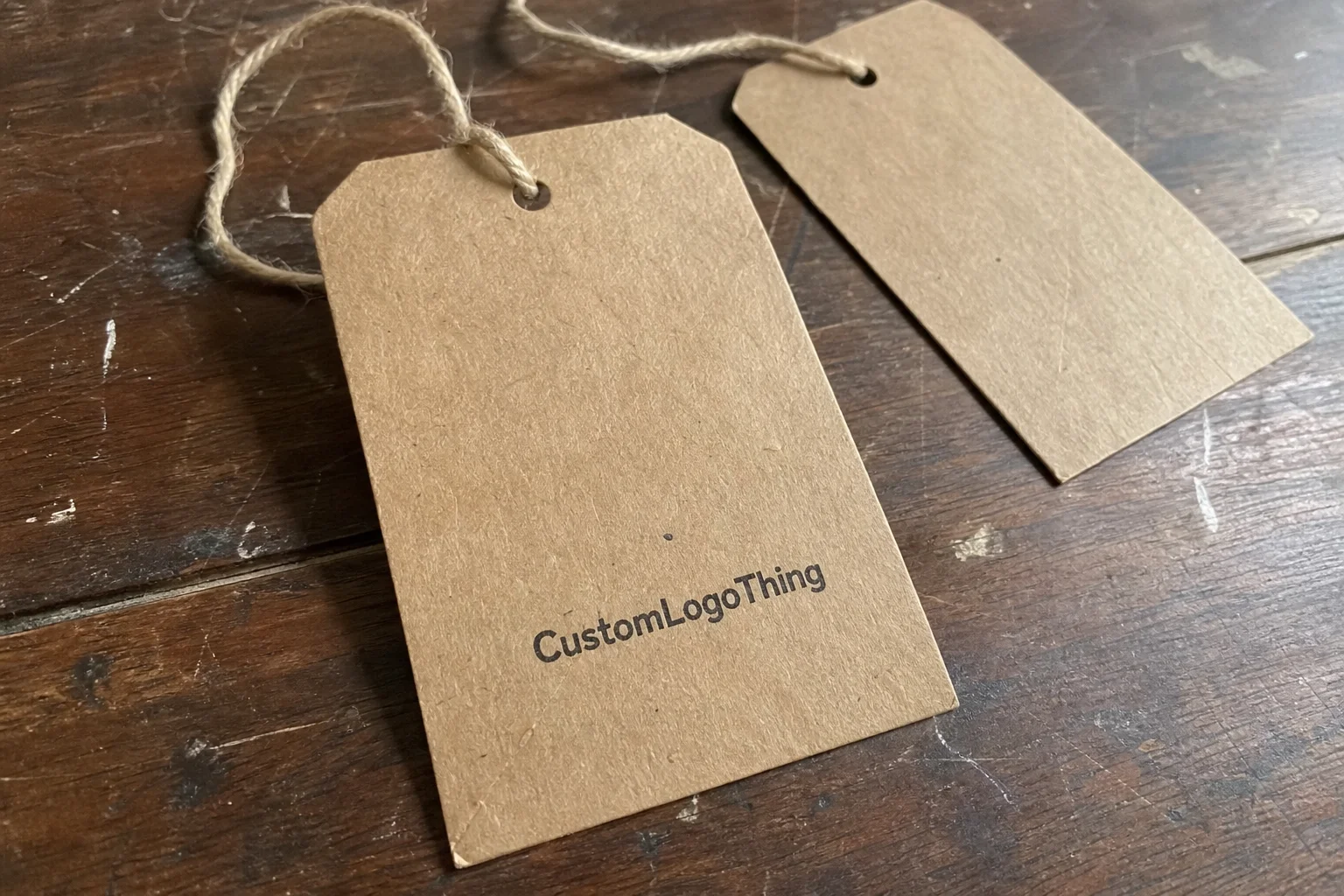
A hotel group orders branded poly mailers for post-stay retail shipments, forgotten-property returns, spa product orders, uniforms, and loyalty welcome kits. The mockup looks polished; the lowest quote looks even better. Then the bags arrive with weak adhesive, vague film thickness, surprise freight, and a logo that prints larger than the brand team expected. A hotel poly mailers quote checklist keeps purchasing teams from comparing polished previews instead of measurable bag performance.
That distinction matters. A mailer that costs three cents less can become more expensive if staff double-bag guest orders, replacement shipments increase, or the package feels off-brand before the guest opens it. Packaging is not only a container in this setting. It may be the last physical contact after checkout, after an online boutique order, or after a recovery package sent by guest services.
Hotel Poly Mailers Quote Checklist: What Buyers Miss
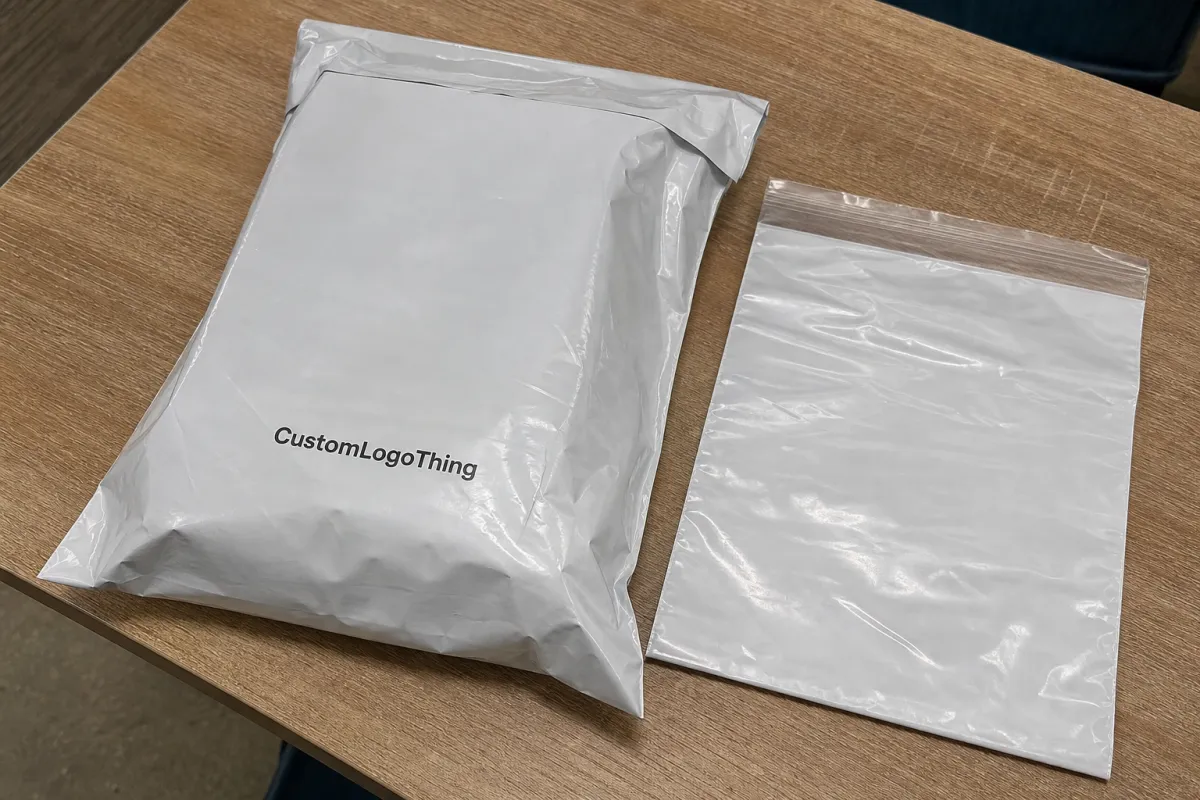
Most quote problems begin with language. One supplier says “premium thickness.” Another says “heavy duty.” A third lists a gauge, but not whether that number describes the full film structure, a nominal target, or a marketing shorthand. From a hotel buyer’s point of view, that is not a small detail. Film thickness, puncture resistance, opacity, seam strength, and adhesive width decide whether a bag survives normal handling.
The recurring weak spots are predictable: inconsistent supplier terminology, unclear print charges, thickness claims without samples, and lead times that do not include artwork approval or transit. Procurement may see only the unit price. Operations sees cartons to store. Marketing sees PMS color risk. Guest services hears about the problem if the package opens or looks careless.
Procurement reality: the cheapest mailer quote is not always the cheapest delivered order. Ask for the specification, the production clock, and the landed cost before comparing vendors.
Custom Logo Things treats hotel poly mailers as a total procurement decision: film, sizing, sealing, print, MOQ, and shipping in one comparison. That is the purpose of a hotel poly mailers quote checklist. It forces the quote to answer the questions that affect real cost, rather than stopping at the line item that looks attractive in an email.
Where Custom Hotel Poly Mailers Create Measurable Value
Hotel poly mailers are not limited to e-commerce orders. They handle spa retail shipments, boutique merchandise, guest recovery packages, staff uniforms, laundry items, lost-and-found returns, event gifting, and loyalty program mailings. A resort may ship branded robes and sunscreen after a guest returns home. A city hotel may return a forgotten blazer. A property with a strong retail program may send candles, slippers, apparel, or amenity refills every week.
Compared with rigid boxes, poly mailers reduce storage volume, outbound weight, and packing decisions. A 10 x 13 inch mailer can occupy a fraction of the backroom space required for equivalent cartons. It also avoids void fill for many soft goods. Staff can pack faster because they are not choosing among several box sizes, tissue, air pillows, and tape.
The brand argument is practical, not decorative. If a guest pays luxury rates and receives a return shipment in a plain, thin bag, the experience drops a notch. Boutique hotels, resort groups, and spa-led properties often use branded mailers to carry the same visual language as keycards, amenity kits, retail bags, and in-room collateral.
For multi-property groups, standardizing mailers reduces staff guesswork. Two or three approved sizes can serve most soft goods. Reorder points become easier to track. Brand presentation stays consistent across locations instead of depending on whoever last bought shipping supplies.
Poly mailers still have limits. Glass amenities, crushable retail goods, boxed gift kits, and fragile merchandise usually need rigid protection or padded formats. Many packaging budgets go wrong because one package format is stretched across too many jobs; the failure is then blamed on the format rather than the specification.
Product Details to Lock Before Requesting a Quote
A serious quote starts with inputs, not guesswork. Before asking for pricing on Custom Poly Mailers, confirm bag size, closure type, film color, print coverage, quantity, delivery destination, and any compliance needs such as suffocation warnings or a writable surface for internal routing.
Size drives cost quickly. Small mailers, such as 6 x 9 inches or 7.5 x 10.5 inches, often work for amenity samples, vouchers, small textiles, and loyalty inserts. Medium formats, such as 10 x 13 inches or 12 x 15.5 inches, fit apparel, spa products with secondary packaging, and folded guest items. Large mailers, such as 14.5 x 19 inches or larger, may suit robes, linens, event merchandise, or multi-item soft bundles.
Closure affects both price and use. Permanent peel-and-seal adhesive is efficient for outbound shipments. Resealable strips can help internal teams inspect, stage, or combine packages before final dispatch. Return-ready double adhesive strips cost more, but they are useful if guests may need to send items back without tape or a second package.
Material choice deserves more attention than it usually receives. Standard LDPE or co-extruded polyethylene can keep budgets controlled for routine soft goods. Thicker film improves hand feel and puncture resistance. Recycled-content options may support sustainability programs, although claims should be documented and reviewed against internal purchasing policies. For broader packaging guidance, the EPA’s Sustainable Materials Management resources offer a useful reference point.
Print choices also affect price. One-color logos are efficient and clean. Full-surface artwork can make a retail program feel more intentional, especially if the mailer is part of a larger unboxing experience. PMS matching is worth specifying if brand standards are strict, particularly for hotel groups with established color systems. The quote request should capture these details before a supplier calculates the first number.
Specifications That Change Performance, Not Just Appearance
The technical variables are not glamorous, but they determine whether the package works: film thickness, puncture resistance, opacity, seam strength, adhesive width, and print durability. If two quotes do not define these points, they are not equivalent quotes.
Thickness is the easiest example. A thinner film may be fine for a soft T-shirt or voucher packet. Robes, folded uniforms, heavier retail bundles, or items with firmer corners may need a stronger gauge. Many buyers focus on outside dimensions and miss the strain created by weight, shape, and handling. A one-pound soft item behaves differently from a one-pound retail bundle with boxed components.
Opacity matters for privacy. Lost-and-found returns, loyalty gifts, and personal items should not be visible through the film. White exterior with a dark inner layer, gray inner film, or high-opacity co-extruded structures can help protect contents and maintain brand control. Guests notice privacy failures quickly, and they tend to interpret them as carelessness rather than a material choice.
Seam and adhesive failure are hidden cost drivers. If a mailer opens during transit, the hotel may pay for a replacement item, a second shipment, staff time, and an apology discount. That turns a low-cost bag into an expensive service recovery problem. Adhesive width, release liner quality, and seal performance in warm storage areas are worth asking about before approval.
Print durability also deserves a check. Flexible film moves, rubs against other parcels, and may pass through automated handling. Ask whether the print is suitable for the selected film and whether heavy ink coverage changes drying time, rub resistance, or production lead time. A sharp logo on a mockup is not the same as stable ink on a finished bag.
For major property launches, brand refreshes, or multi-location rollouts, request physical samples or production-equivalent proofs. Digital proofs show artwork placement. They do not show stiffness, opacity, seal quality, or how the ink looks on the actual film. Samples should become a formal step when order value or brand risk justifies the extra time.
Pricing, MOQ, and Unit Cost Variables to Compare
Poly mailer pricing is a stack of variables. Bag size, film thickness, ink colors, plate or setup charges, artwork prep, proofing, carton count, freight, and rush fees can all move the final cost. A quote that lists only a unit price is incomplete.
MOQ is not just a supplier rule. It is tied to machine setup, printing waste, film procurement, and whether the order uses stock material or custom film. A stock white mailer with a one-color logo may carry a lower minimum than a custom-colored, full-coverage printed bag with a special closure. The more the line must be set up specifically for your order, the more MOQ matters.
Unit cost usually falls as quantity rises, but the lowest unit price can mislead. If a seasonal resort orders 25,000 mailers for a short spa campaign and uses only 6,000, storage and obsolescence eat the savings. A better comparison may include 5,000, 10,000, and 25,000 units, with reorder pricing noted separately.
As a broad planning example, a simple one-color medium mailer might land around $0.18-$0.28 per unit at 5,000 pieces, depending on film, print coverage, setup, and freight. Larger formats, heavier films, return strips, recycled-content structures, or richer print coverage can move higher. These are planning ranges, not guaranteed pricing, because resin markets, order timing, freight, and specification details all influence the final number.
| Quote Item | Economy Option | Standard Option | Premium Option |
|---|---|---|---|
| Typical use | Basic lost-and-found soft goods | Spa retail, apparel, loyalty kits | Luxury retail programs and brand launches |
| Film | Standard LDPE or co-extruded film | Higher-opacity film with stronger hand feel | Thicker gauge or recycled-content structure |
| One-color logo | One or two colors with PMS guidance | High-coverage artwork or specialty brand treatment | |
| Closure | Permanent peel-and-seal | Permanent adhesive with wider seal area | Double adhesive strip for return-ready use |
| Cost watchout | Opacity and puncture resistance | Setup fees and freight | MOQ, proofing time, and storage space |
Compare landed cost, not product cost alone. Cartons shipped to resorts, remote properties, or multiple hotel locations can change the winner. The hotel poly mailers quote checklist should request quantity breaks, size, thickness, colors, closure, production time, freight estimate, carton count, and reorder terms in one view.
Artwork, Branding, and Compliance Details Before Approval
Artwork quality affects both price and production accuracy. Send vector logo files, PMS colors, print placement notes, bleed requirements, and brand guidelines. A low-resolution PNG may be enough for a mockup, but it is not a production file. Clean files reduce prepress time and revision loops.
Print method shapes cost and appearance. Single-color flexographic printing is common for efficient hotel branding because it handles repeat production well and keeps cost under control. Richer print coverage can work for retail-focused programs, but it may require more setup, tighter proof review, and more attention to ink behavior on flexible film.
Do not approve a digital mockup without checking scale. A logo that looks balanced on a laptop screen may overpower a 6 x 9 inch mailer or disappear on a 14.5 x 19 inch bag. Ask for artwork shown at actual size or with clear dimensions, such as “logo prints 5 inches wide, centered 3 inches from the top edge.”
Compliance details belong in the quote request, not after production starts. Suffocation warnings, recycling marks, country-specific labeling, and internal sustainability claim requirements can affect artwork and film selection. If the mailer includes recycled content or a recyclability statement, the claim should be supportable. FSC applies to paper-based packaging rather than poly mailers, but hotel buyers often manage both categories; the Forest Stewardship Council is a relevant reference for paper packaging policies.
Assign one approval owner. Marketing, procurement, and operations all need input, but conflicting revisions slow the order and create version risk. One named approver should collect feedback, confirm final artwork, and release the proof. For property groups, that approval path should be agreed before the quote stage, not after a launch date is already tight.
Process and Lead Time From Quote to Delivered Mailers
The buying sequence is straightforward if each step has an owner: specification review, quote, artwork check, digital proof, sample or pre-production confirmation if needed, production, quality check, packing, and delivery. Problems appear when teams treat the first quote as the start of production. It is not.
Lead time starts after final artwork approval and deposit or purchase order, not after the first inquiry. That distinction can save a launch schedule. If proof revisions take five business days because three departments are commenting, production has not been moving in the background.
Typical production timing depends on order quantity, print complexity, material availability, factory queue, proof revisions, and shipping distance. A simple repeat order may move faster. A new custom size with heavier film, special artwork, or multi-location delivery needs more planning. As a practical planning range, many custom printed mailer orders are often discussed in terms of roughly 12-20 business days from proof approval, plus transit, although the final timeline depends on specification and production load.
Hotels should plan around seasonal retail pushes, property openings, conference schedules, wedding season, and loyalty campaign launches. A resort boutique mailing 300 post-stay orders a week has a different risk profile than a hotel sending ten lost-and-found packages a month. Usage rate should drive reorder planning.
Build a reorder trigger using weekly usage and minimum on-hand inventory. If a property uses 600 mailers per week and production plus transit takes four weeks, waiting until only 1,000 remain is risky. A better trigger might be 3,000-4,000 units, depending on storage space and service expectations. The first order should include reorder terms so the second order is easier, cleaner, and less dependent on memory.
Next Steps for a Faster, Cleaner Custom Mailer Order
Start with the use case. Are these mailers for spa retail shipments, forgotten-property returns, uniforms, loyalty gifts, event merchandise, or a mix of several programs? Each use has a different tolerance for thickness, print coverage, and closure cost. Then choose two or three target sizes rather than asking for every possible dimension.
For a precise quote, send dimensions, quantity tiers, logo file, preferred bag color, closure type, needed delivery date, and delivery addresses. Add sustainability or compliance requirements up front. If purchasing needs carton count, pallet details, or landed cost by property, ask for that before comparing numbers.
Request side-by-side options instead of one vague estimate. Economy, standard, and premium specifications reveal where the budget actually moves. Sometimes the jump from economy to standard is only a few cents. Sometimes a premium closure or heavier film changes MOQ and freight enough to rethink the package strategy.
- Confirm the primary use case and item weight range.
- Select two or three target sizes for most shipments.
- Choose film thickness, opacity, and closure style.
- Decide print colors, PMS needs, and logo placement.
- Gather vector artwork and brand rules.
- List delivery addresses, needed dates, and reorder expectations.
Include stakeholders early. Procurement can compare pricing, marketing can protect the brand, operations can confirm packing practicality, and property-level teams can flag storage limits. If you want a cleaner starting point, review available Custom Packaging Products or send specifications through Contact Us for side-by-side options.
A careful hotel poly mailers quote checklist turns a custom packaging order into a controlled purchasing decision, not a guess based on the lowest line item. It keeps the conversation focused on measurable facts: size, film, print, seal, quantity, freight, and timing. Those details may look small on a spreadsheet, but they are exactly the details guests notice when a package arrives intact, private, and consistent with the hotel’s brand.
FAQ
What should a hotel poly mailer quote include?
A complete quote should include size, thickness, material, color, print colors, closure type, MOQ, unit price, setup fees, proofing details, production time, carton count, freight, and delivery destination. Ask whether the quoted price is product-only or landed cost so procurement can compare suppliers accurately.
What MOQ should hotels expect for custom poly mailers?
MOQ depends on size, print method, material, and customization level. Fully custom printed mailers usually require higher quantities than blank or stock-color bags because setup, film procurement, and print waste have to be absorbed. Hotels with uncertain usage should request quantity breaks so they can compare a test order against a larger reorder-efficient run.
How thick should hotel poly mailers be for guest shipments?
Lightweight soft goods may use a thinner film, while robes, uniforms, spa products, or multi-item kits often need a stronger gauge for puncture resistance and better presentation. The best thickness depends on item weight, edges, privacy needs, and whether staff will single-bag or double-bag shipments.
How long does custom hotel poly mailer production take?
Timeline depends on artwork readiness, proof approvals, material availability, print complexity, order volume, and shipping distance. Lead time should be measured from final proof approval and order confirmation, not from the first quote request. Build in extra time if several departments need to approve artwork.
How can a hotel reduce the unit cost of branded poly mailers?
Reduce cost by standardizing sizes across properties, limiting print colors, choosing common film options, ordering at efficient quantity breaks, and consolidating shipments where possible. Do not cut cost by under-specifying thickness or adhesive quality if the mailers carry guest-facing orders or brand-sensitive items.