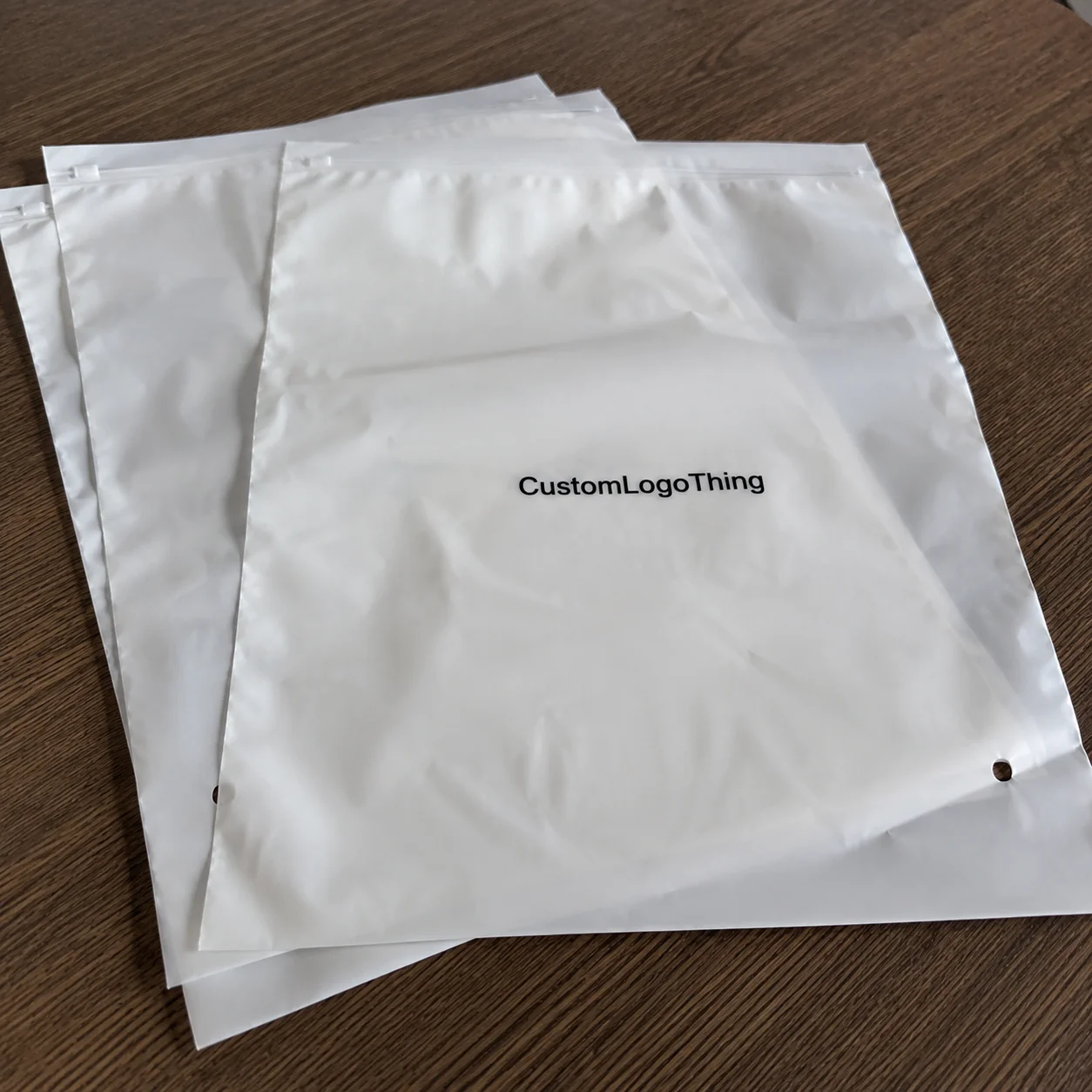
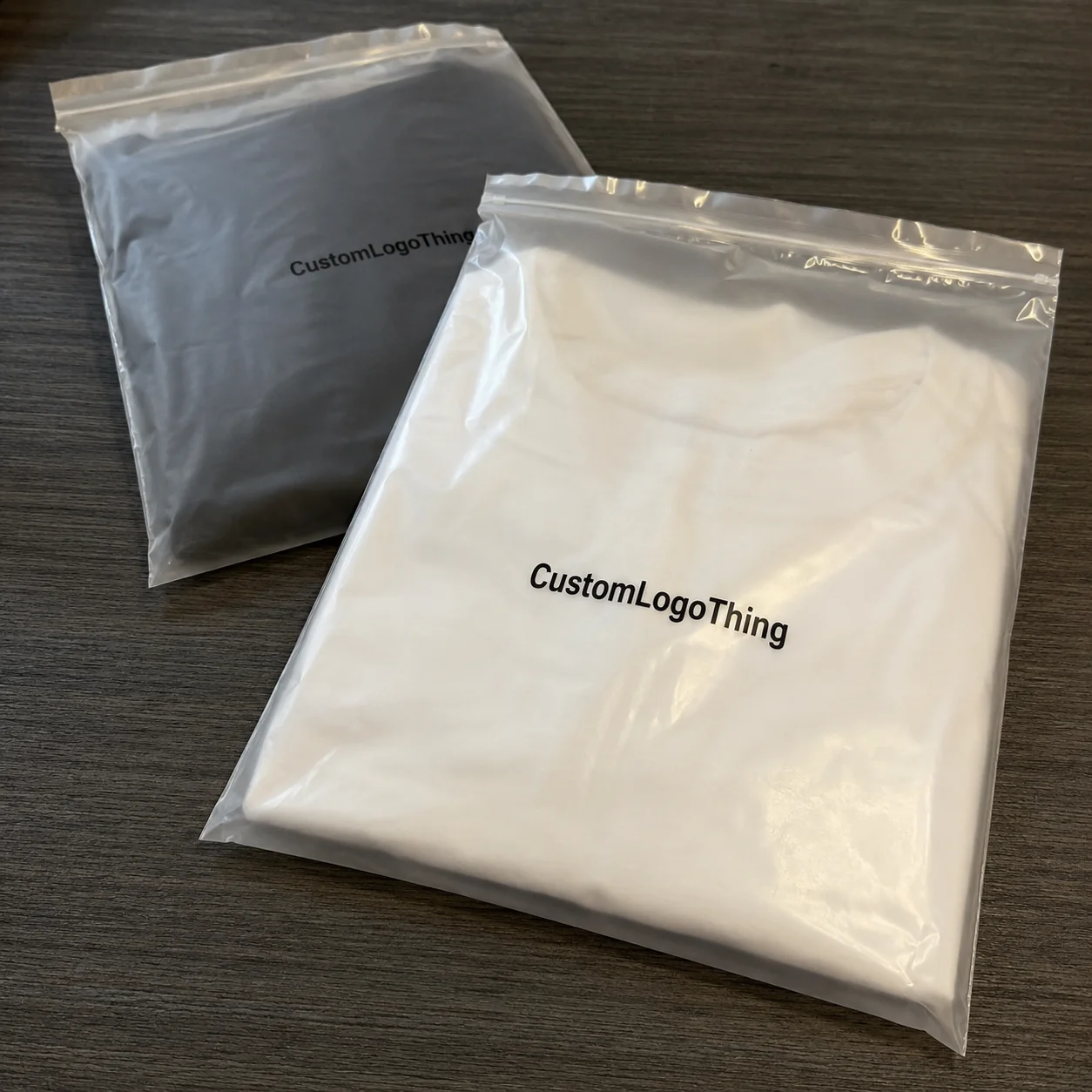
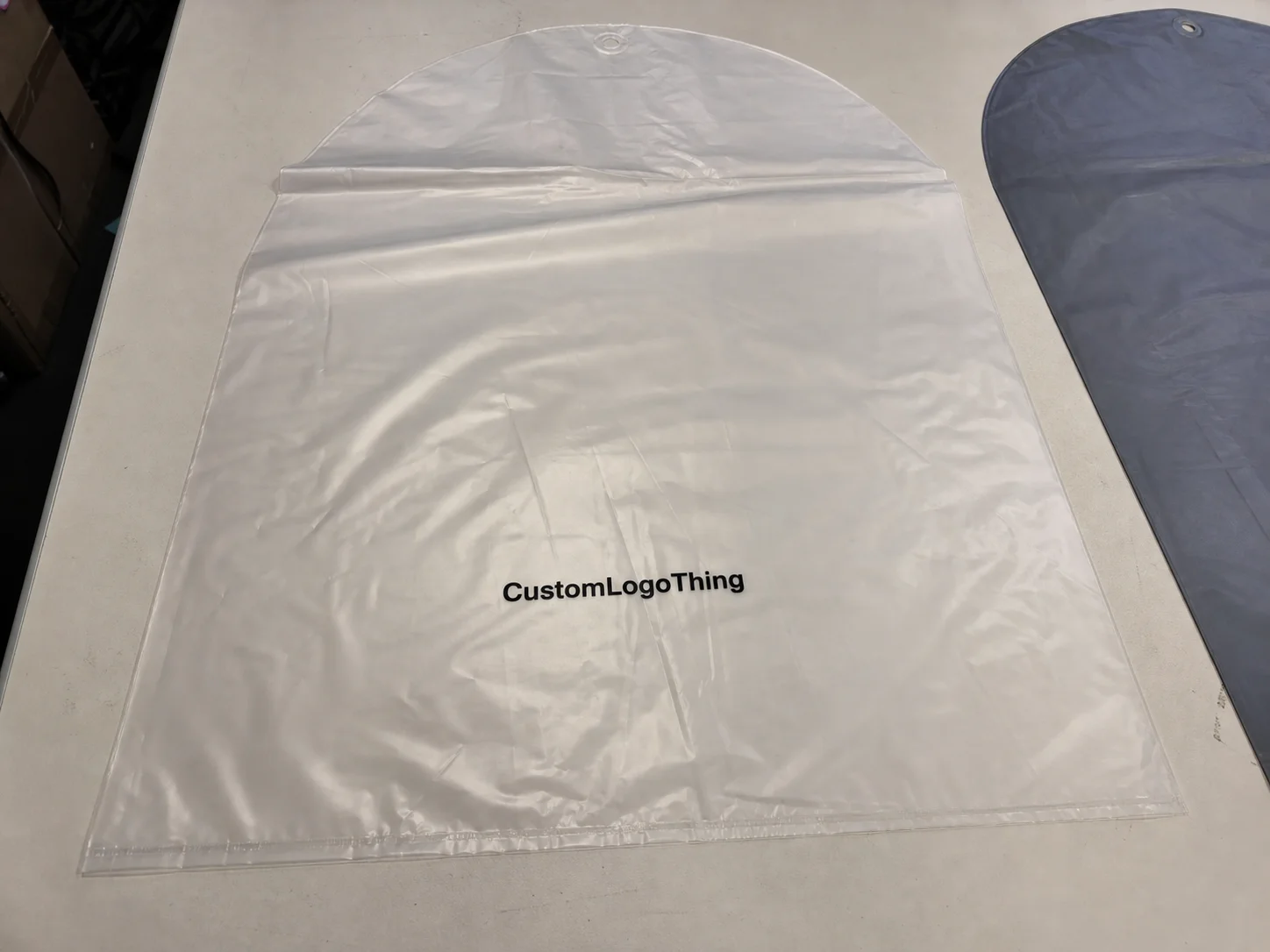
Buyer Fit Snapshot
| Best fit | Align Packaging and Fulfillment Goals projects where brand print, material claims, artwork control, MOQ, and repeat-order consistency need to be specified before quoting. |
|---|---|
| Quote inputs | Share finished size, material target, print colors, finish, packing count, annual reorder estimate, ship-to region, and any compliance wording. |
| Proofing check | Approve dieline scale, logo placement, barcode or warning zones, color tolerance, closure strength, and carton packing before bulk production. |
| Main risk | Vague material claims, crowded artwork, missing packing details, or unclear freight terms can make a low unit price expensive after revisions. |
Fast answer: Align Packaging and Fulfillment Goals: Material, Print, Proofing, and Reorder Risk should be specified like a repeatable production item. The safest quote records material, print method, finish, artwork proof, packing count, and reorder notes in one written spec.
Production checks before approval
Compare the actual filled-product size with the drawing, then confirm tolerance on folds, seals, hang holes, label areas, and retail display edges. Reserve space for logos, QR codes, warning copy, and material claims before decorative graphics fill the panel.
Quote comparison points
Review material grade, print process, finish, sampling route, tooling charges, carton quantity, and freight assumptions side by side. A quote is only useful when the supplier can repeat the same color, closure quality, and packing count on the next order.
Learning how to align Packaging and Fulfillment goals can save a brand more money than most owners expect, because the prettiest box in the sample room can turn into a real headache once it hits a fast-moving warehouse line. I remember standing on a dock in Edison, New Jersey, while a two-piece rigid setup added 18 seconds per order on a kitting table, and that tiny delay snowballed into overtime, missed carrier cutoffs, and a very tired operations manager trying to explain why the “premium” packaging was costing more than the product margin could carry. Nobody enjoyed that meeting. Not the manager, not me, and definitely not the person who insisted the magnetic closure was “non-negotiable,” even though the closure itself added $0.27 per unit at 5,000 pieces.
That’s why how to align packaging and fulfillment goals matters so much. It is not just about making the box look good or making the warehouse run fast; it is about designing one system where packaging specs, labor, shipping rules, brand presentation, and damage performance all work together instead of fighting each other like siblings in a minivan. In my experience, the best programs are the ones where marketing, operations, procurement, and customer service sit in the same conversation before the first dieline is approved, ideally with a 350gsm C1S artboard sample, a 32 ECT corrugated shipper, and a live packout test on the table. If those people meet only after launch, well, I’ve seen that movie, and the ending is usually a rush order and a headache.
I’ve seen plenty of companies get trapped by separate silos. Packaging teams think in print finishes, retail shelf impact, and package branding, while fulfillment teams think in minutes per order, cube efficiency, and carrier compliance. Both are right, but if nobody ties those priorities together early, the final result is usually either a beautiful package that slows the line or a fast pack-out that looks cheap and comes back damaged. how to align packaging and fulfillment goals is really the art of making those tradeoffs visible before they become expensive, because expensive surprises are the least charming kind, especially when a carton upgrade from $0.61 to $0.79 per unit triggers a freight savings of $0.34 per shipment.
What It Really Means to Align Packaging and Fulfillment Goals
When people ask me how to align packaging and fulfillment goals, I usually tell them to stop thinking about packaging as a separate creative project. A box, mailer, insert, label, or tray is part of the operating system. If a corrugated mailer takes three extra folds, or a folding carton needs a separate insert that an operator has to fish out of a bin, that small design choice affects labor, line speed, and accuracy across every single order. I’ve watched teams debate matte versus gloss for a week and completely ignore the fact that the insert was stealing 11 seconds per pack. That kind of thing makes me want to sit quietly and stare at the ceiling for a while, especially when the insert could have been simplified into a single die-cut tray made from 24-point SBS.
Alignment means designing the packaging structure, graphics, and materials around the realities of the warehouse, not just the renderings in a sales deck. On the factory floor, I’ve seen custom printed boxes that looked fantastic under studio lighting but became a bottleneck because they required too much hand assembly at the packing station. A design that saves $0.04 in board cost can easily add $0.12 in labor if it forces an extra fold, label, or tape pass. That is the kind of math how to align packaging and fulfillment goals is built on, and honestly, it is the math that decides whether a program is profitable or just pretty. I’ve seen that play out in facilities in Los Angeles and Dayton, where a few cents in paperboard changes turned into hundreds of labor hours over a quarter.
It also means packaging has to support measurable fulfillment KPIs. I’m talking about lines per hour, order accuracy, damage rate, cube utilization, and carrier acceptance. If your box height creates dead air, you pay for it in dimensional weight charges. If your insert shifts in transit, you pay for it in returns and replacement freight. If your branding requires four separate components, you pay for it in pack time. The best product packaging systems support the business from the first scan at receiving all the way through the final handoff to the carrier, including the 10:30 a.m. UPS pickup and the 4:00 p.m. pallet wrap window.
One client meeting still sticks in my mind. A cosmetics brand wanted elegant retail packaging with foil stamping, but their 3PL in Savannah, Georgia, was struggling with a mixed-SKU subscription program. The warehouse team had 42 pack-out combinations on the floor, and nobody had standardized the insert flow. Once we simplified the structure, reduced the number of carton sizes from 11 to 5, and standardized the label placement, pack rate improved by nearly 22% in the pilot. That is how to align packaging and fulfillment goals in practical terms: fewer moves, fewer variables, and fewer opportunities for error. There was some grumbling about losing a little “luxury feel” in one SKU, but the finance team stopped making those long silences that always mean trouble, so I’d call it a win.
Think of it this way: packaging should help the warehouse do three things well. It should protect the product, present the brand, and keep the operation moving. If a design only does one of those three, it is probably not aligned. If it does all three with low labor and predictable supply, you’re getting close, especially if the carton style works with a case erector set to 10 cartons per minute and the insert loads in under 6 seconds.
How Packaging and Fulfillment Work Together on the Line
To understand how to align packaging and fulfillment goals, you have to walk the order flow the way an operator does. The order starts with receiving components, then moves into picking, kitting, packing, sealing, labeling, palletizing, and outbound handoff. Every one of those steps can be slowed by packaging choices that looked harmless on paper. A 12-inch square carton might fit the product nicely, but if it forces a picker to reorient the item twice and add void fill in a tight corner, that carton is stealing time from the line. In one Atlanta warehouse I visited, that exact box geometry added 7 seconds per order across 2,400 daily shipments.
In a corrugated converting plant I visited outside Chicago, the carton erecting line was running beautifully, but the customer’s pack station was slowing down because the carton design had a stubborn dust flap that didn’t stay open without a second hand. That one detail was only visible when real operators handled it for a full shift. It taught me a lesson I still repeat: how to align packaging and fulfillment goals is not about a sample passing inspection; it is about a structure surviving the rhythm of a live shift with tired hands and a real quota. The difference between a good sample and a good production design can be 14 seconds and one very annoyed line lead.
Fulfillment teams think in minutes per order. Packaging teams often think in shelf impact, premium print, and protection. Those are different languages, and both matter. If a folding carton requires glue points that slow down carton erection, or if a rigid box needs a ribbon, magnetic closure, and custom tray that takes eight minutes to assemble, the warehouse will feel it immediately. The best systems reduce motion, simplify SKU complexity, and let operators keep a clean rhythm at the table, especially when the pack line is staffed by three people during a noon rush.
I’ve also seen drop-shipping programs fall apart because the packaging department used a structural design that only made sense for pallet builds. Once individual orders started shipping directly to consumers, the oversized carton created expensive dimensional weight and a higher damage claim rate because products had too much room to move. The fix was not a flashy redesign. It was a tighter fit, simpler insert geometry, and a better balance between branded packaging and operational reality. That is another side of how to align packaging and fulfillment goals, and it often starts with a carton depth reduced by 0.5 inches and a better tuck flap sequence.
Here’s a useful way to think about the flow:
- Receiving: Are the components delivered in manageable cases and clearly labeled, such as 250 flat cartons per bundle with lot codes printed on the outer shippers?
- Picking: Can the operator identify the right SKU without rechecking three times, especially when 18 SKUs share the same base carton?
- Packing: Does the box, insert, or mailer erect quickly and hold its shape, ideally in under 5 seconds at the bench?
- Sealing and labeling: Does tape, adhesive, or label placement slow down the packout, or can the label apply in one pass at 50 cartons per minute?
- Palletizing: Do the carton dimensions stack efficiently for outbound freight, with a pallet pattern that lands at 48" x 40" and 5 layers high?
That list sounds simple, but it reveals where so many packaging programs drift off course. If you want a strong framework for how to align packaging and fulfillment goals, start by mapping the physical path of the order before you start choosing finishes, inserts, or custom printed boxes. A 20-minute walk-through on the floor often catches more issues than a week of email threads.
Key Factors That Affect Cost, Pricing, and Performance
There is no honest conversation about how to align packaging and fulfillment goals without talking about cost structure. Material choice changes everything. Kraft corrugated, SBS paperboard, rigid chipboard, and coated stocks each behave differently on the line, and each has a different unit price, compression profile, and assembly speed. A 16 ECT kraft mailer may be cheaper than a premium two-piece carton, but the real cost depends on how it performs under compression, whether it protects the product, and how long it takes to pack. In a lot of programs, that difference shows up after the 5,000-unit mark, where a box quote of $0.46 versus $0.71 can be less important than whether the line slows by 9 seconds per order.
I’ve seen buyers focus only on unit price and miss the larger picture. For example, a carton that costs $0.18 more per unit can still be the better option if it reduces damage by 2% and cuts packing time by 10 seconds. If you’re shipping 8,000 units a month, that difference can be the gap between smooth operations and a steady stream of claims. That is why how to align packaging and fulfillment goals always has to include labor and freight, not just the invoice from the packaging supplier. The invoice tells you one story; the warehouse tells you the rest, usually in the form of a stressed face and a stack of damaged returns.
Size optimization is another big lever. If you shave even half an inch off carton dimensions, you may Reduce Dimensional Weight Charges, improve pallet density, and free up warehouse storage. I’ve negotiated with freight teams who were shocked to discover that a small shift in carton height changed their carrier pricing zone behavior more than a print upgrade ever could. The warehouse noticed it too, because smaller, better-sized cartons were easier to stage, scan, and stack. This is one of the most practical answers to how to align packaging and fulfillment goals, especially when a 12" x 9" x 4" carton can be reduced to 11.5" x 8.5" x 3.5" and still protect the product.
Custom graphics and specialty finishes also need a hard look. Foil, embossing, soft-touch lamination, spot UV, and specialty inserts can be worth it for premium brands, but they should earn their keep. If a simple one-color insert can communicate the same instructions as a full-color, laminated piece, the simpler version may be better for operations. I’m not against beautiful packaging; I’ve spent enough time around print presses in Shenzhen’s Longhua district and folding lines in Columbus, Ohio, to appreciate a good finish. I just think package branding should be deliberate, not automatic, and definitely not chosen because someone said “it feels expensive,” which is not a spec.
Lead times matter too. Packaging supply that arrives late causes more damage than people realize, because operations start improvising with substitutes, rush freight, or extra void fill. Once that happens, fulfillment costs climb fast. A stable supplier with predictable MOQs, reliable artwork approval, and clear sampling checkpoints makes how to align packaging and fulfillment goals much easier. If your team is constantly reacting to shortages, the system is not aligned yet, especially when a carton from Vietnam or Mexico needs 14 to 16 weeks and the launch date is fixed for the first week of April.
| Packaging Option | Typical Material Cost | Assembly Speed | Best Use Case | Operational Tradeoff |
|---|---|---|---|---|
| Basic kraft corrugated mailer | $0.42 to $0.68/unit | Fast | Low-fragility ecommerce orders | Limited premium presentation |
| Printed SBS folding carton | $0.28 to $0.95/unit | Moderate | Retail packaging, cosmetics, small goods | May need inserts or extra dunnage |
| Rigid chipboard box | $1.10 to $3.75/unit | Slower | Luxury product packaging, gifts | Higher labor and more storage space |
| Custom mailer with insert system | $0.75 to $1.80/unit | Moderate to slow | Subscription kits, branded packaging | Better branding, more pack-out steps |
Those numbers vary by order quantity, board grade, print complexity, and geography, so I would never treat them as universal. But they do show a core truth: how to align packaging and fulfillment goals often comes down to total landed cost, not the per-piece quote. Material cost, labor cost, freight cost, and replacement cost from returns all belong in the same spreadsheet. If they are not all sitting there together, you are probably kidding yourself a little, especially if the spreadsheet ignores a $420 weekly overtime bump caused by a slow carton assembly step.
One more thing people miss is supplier reliability. If your packaging vendor can only deliver a special board in 14 weeks and your sales team wants a product launch in six, the warehouse will be forced to improvise. That is where packaging design, procurement, and fulfillment stop being separate departments and start becoming one operating conversation, often with a sample couriered from Dongguan on a Tuesday and a revised proof approved by Friday.
How to Align Packaging and Fulfillment Goals Step by Step
The cleanest way I know how to align packaging and fulfillment goals is to work from data instead of opinions. Start with your order history. Look at the top SKUs, average order size, damage rates, return reasons, and any delays tied to packaging or kitting. If 80% of your orders are concentrated in 12 products, then those products should drive the packaging system, not the obscure edge cases sitting in inventory for months and somehow getting all the attention in meetings. I’ve seen a 14-SKU system become much easier to manage when the top four SKUs were standardized into two carton families and one insert style.
Next, map the workflow in detail. I mean actual steps: where the operator reaches, where the tape gun sits, how far the label printer is from the bench, and whether a carton arrives flat or pre-assembled. I once reviewed a fulfillment station where the operator had to turn 180 degrees just to get the insert tray, and that needless motion was adding almost a minute per order. It sounds tiny, but on a 1,200-order day, those seconds become real labor. That is exactly why how to align packaging and fulfillment goals should begin on the floor, not in a slide deck. A 3-foot reach can be the difference between 180 and 260 orders per shift.
After that, write packaging requirements around operational needs. Include dimensions, protection level, assembly method, branding requirements, and compatibility with manual or automated packing stations. If the line uses a semi-automatic case erector, your carton style should work with it. If operators use gloves in a cold storage environment, your closure design should not depend on finger strength or delicate tabs. A good spec is specific enough that five different suppliers would build the same thing, such as 280gsm white-top kraft liner, 32 ECT strength, and a lock-bottom structure with a 0.125-inch score allowance.
Then prototype with real people. Not just one person in a conference room. Use actual packers, actual tape guns, actual labels, and production-like materials. Measure pack time, error rate, and damage performance. If the sample looks great but the operator needs three practice attempts to get it right, you have not solved the problem yet. You have only moved it. That test phase is one of the most dependable tools I know for how to align packaging and fulfillment goals, especially when the pilot uses the same 3M tape, Zebra printer, and shelf placement as the live line.
Here is the process I recommend:
- Collect data: pull damage claims, pack time, shipping spend, and SKU mix from the last 90 days.
- Map the workflow: identify every touchpoint from pick to carrier handoff.
- Write specs: define size, board grade, closure type, and print requirements.
- Prototype: sample the packaging with production-like materials.
- Test with operators: measure labor, mistakes, and product protection.
- Approve cross-functionally: get operations, marketing, procurement, and customer service aligned.
- Pilot and release: run a small live test before scaling up.
That sequence is simple, but it works. And it keeps teams honest. If the packaging solution is too pretty, too slow, or too expensive, the pilot will expose it. If it performs well in the pilot, then you have a much stronger basis for scale. That is the real craft of how to align packaging and fulfillment goals, and it is usually the point where a $0.09 material change saves $0.31 in total operating cost.
Timeline Planning: From Concept to Cartons at Scale
Timeline management is a huge part of how to align packaging and fulfillment goals, because even a great design fails if it arrives too late. A typical project starts with discovery, then moves into dieline development, structural sampling, graphic proofing, testing, revisions, and production release. If you are using standard folding cartons with straightforward print, the process can move fairly quickly. If you need a rigid box, specialty insert, or multi-component kit, expect more sample rounds and more review time. For many programs, the first physical prototype can land in 7 to 10 business days, while full production often follows 12 to 15 business days after proof approval.
Print method affects the schedule. Offset printing, flexo, digital short runs, hot foil stamping, embossing, and special coatings each bring their own setup steps. Tooling needs matter too. A new die line or cutter rule set adds lead time, and if the vendor is waiting on approval for board specs or ink swatches, the clock keeps ticking. I’ve watched a launch slip by almost three weeks because nobody budgeted time for a second round of insert adjustments. That delay could have been avoided by treating how to align packaging and fulfillment goals as a schedule question as much as a design question, especially when the insert tool had to be remade in Toronto after a 1/8-inch cavity mismatch.
For any rollout, I like to build in buffer time for freight, QC checks, and a warehouse pilot. That buffer is not waste; it is insurance against surprises. If your packaging arrives and the carton score is off by 1/16 inch, or the label panel is too small for the carrier barcode, you need time to correct it before the entire launch is exposed to live orders. Seasonal spikes make this even more critical. If you sell gift items, wellness kits, or retail packaging tied to promotional calendars, missing a shipment window can be far more expensive than the packaging itself, especially in Q4 when a missed dock appointment in New Jersey can ripple into a two-week backlog.
Here is a practical timing model I’ve used on the floor:
- Discovery and data review: 3 to 5 business days
- Dieline and structural concept: 5 to 8 business days
- Sample production and proofing: 7 to 12 business days
- Revisions and final approval: 3 to 7 business days
- Production and QC: 10 to 20 business days depending on quantity and finishing
- Pilot run in the warehouse: 1 to 3 business days
Those ranges are not fixed, and specialty projects can take longer. But the key lesson is simple: how to align packaging and fulfillment goals depends on planning backward from the ship date, not forward from the idea. I’ve learned the hard way that “we’ll figure it out later” is not a timeline strategy; it is a trap wearing a name badge. If the launch date is May 14, then artwork approval, sample release, and freight booking should already be pinned to the calendar by late March.
Common Mistakes That Break Alignment
The first mistake I see all the time is choosing packaging based only on aesthetics. A box can photograph beautifully and still be terrible for operations. If the closure is fussy, the insert is awkward, or the board is too stiff to fold cleanly, the line will slow down. I once saw a beauty brand approve a premium package that looked stunning in the mockup room, only to discover that the assembly sequence required an extra hand and a second inspection at every station. That is not how to align packaging and fulfillment goals; that is how to create overtime and a lot of muttered complaints near the label printer, especially when the assembly time rises from 14 seconds to 29 seconds per unit.
The second mistake is ignoring the warehouse environment. Bench space is limited. Gloves are worn in some facilities. Cold storage changes how materials behave. Peak-hour labor pressure changes what people can realistically manage. A package that works on a designer’s desk may be frustrating at a 20-station fulfillment line where operators need quick, repeatable motions. The more conditions you can test against, the better your chance of getting how to align packaging and fulfillment goals right the first time. A 60-degree storage room in Phoenix will not treat adhesive the same way as a climate-controlled room in Portland.
Overengineering is another trap. Protection matters, but adding two extra layers of chipboard, a thick insert, and oversized void fill for a product that only needs moderate protection just inflates material and labor. In many cases, the product does not need more packaging; it needs smarter packaging. A right-sized mailer, better board strength, or a tighter product cavity can do the job with less waste and better throughput. I’ve seen a 9-ounce skincare jar ship safely in a 24-point mailer with a molded pulp cradle, while the original design used a rigid box that cost $1.84 more per unit and doubled the pack time.
Standardization gets neglected too. If similar products use different carton sizes, different insert styles, and different packing instructions, the warehouse ends up managing unnecessary complexity. That complexity shows up as errors, slower training, and more difficult replenishment. I’ve seen facilities cut labor costs simply by reducing carton variety and standardizing label placement across several SKUs. That kind of discipline is core to how to align packaging and fulfillment goals, especially when the team trims 14 carton styles down to 6 and cuts picker training from 9 hours to 4.
Skipping testing is probably the biggest mistake of all. Samples are not proof. A mockup that passes a marketing review can still fail in live shipping conditions with vibration, drops, and imperfect handling. If you want to know whether a packaging system truly works, it should face real packers, real materials, and real carrier conditions. Standards from groups like ISTA exist for a reason, and they give teams a more honest way to evaluate performance before scale. A two-drop test on a corner and an edge can reveal more than a polished photo shoot ever will.
Expert Tips for Better Packaging-Fulfillment Coordination
One of the best tools for how to align packaging and fulfillment goals is a simple scorecard. I like tracking cost per order, pack time, damage rate, and customer presentation quality side by side. When those four measures sit in one place, it becomes much easier to see whether a packaging change is helping or hurting the system. A lower unit cost is not a win if damage claims jump by 3% and service tickets double, especially when the team spends an extra $1,200 a month handling replacements.
Standardize wherever you can, then save customization for high-value moments. I’m a big believer in this. Use custom printed boxes, branded packaging, or premium inserts for launches, gift items, and products where the unboxing moment matters most. For routine orders, use the simplest structure that protects the product and keeps the line moving. That balance is often the difference between pretty packaging and profitable packaging, whether the base carton is produced in Guangdong or folded and packed in Ohio.
Build relationships with suppliers who understand practical warehouse realities, not just print specs. A good packaging partner should talk about die-lines, board grades, flute profiles, carton strength, glue points, and how a structure behaves when it is packed by a tired operator at 4:45 p.m. That is a very different conversation from a sales pitch full of empty adjectives. When I tour facilities, I pay close attention to whether the supplier asks about fulfillment speed, tape use, and pallet patterns. That tells me they understand how to align packaging and fulfillment goals, not just how to win the first purchase order.
Keep backup versions approved. If demand spikes or material supply tightens, having an alternate board grade, simplified print version, or secondary carton size can keep the warehouse moving. I’ve seen companies lose a full shipping week because their exact spec went on allocation and nobody had a pre-approved substitute. That is a preventable problem. Backup approvals are boring, but they save money, especially if the alternate version uses a 24-point C1S carton instead of a specialty laminated board and still ships within spec.
And treat samples like tools, not props. Run them through the same tape guns, label printers, and conveyor conditions you use every day. If a sample only works under perfect conditions, it is not ready. If it works in the real environment, you’re closer to a system that supports how to align packaging and fulfillment goals without creating extra friction. I like to see a sample survive at least 50 consecutive packouts before anybody celebrates.
“We stopped judging the box by how it looked in the conference room and started judging it by how fast our team could pack it. That changed everything.”
That quote came from an operations director I worked with during a subscription box rollout in Charlotte, North Carolina, and it still sums up the whole issue better than most spreadsheets do. The right packaging design should reduce mistakes, lower hidden labor, and keep the brand looking sharp without asking the warehouse to do acrobatics. If a mailer adds 2 seconds for aesthetics and saves 20 seconds in returns prevention, that is a trade worth making.
For teams building or refreshing their packaging system, the right materials and formats can make a real difference. If you are comparing options, take a look at Custom Packaging Products and compare what each format would mean for your pack station, shipping cube, and presentation goals. A side-by-side review of a folding carton, rigid box, and mailer often makes the best path obvious within 15 minutes.
Actionable Next Steps to Align Packaging and Fulfillment
If you want a practical starting point for how to align packaging and fulfillment goals, begin with an audit of what you have right now. Look at pack time, damage claims, shipping spend, and operator feedback from the last 60 to 90 days. The numbers will usually point to the biggest pain points faster than opinions will. If one carton size is overused and another is creating repeated returns, those are clues worth following immediately, especially if the most-used carton has a 1.2% damage rate and the problem carton is hovering near 4.6%.
Then identify the top three packaging changes that would remove the most labor or cost from the workflow. Maybe that means right-sizing cartons, simplifying inserts, or changing to a structure that erects faster. Maybe it means improving label placement so the scanning step takes less time. Focus on the changes that affect the most orders, not the most dramatic presentation. That is the practical side of how to align packaging and fulfillment goals, and it often produces the biggest savings when the changes apply to 70% of monthly volume.
After that, schedule a cross-functional review with operations, procurement, and marketing. Each group should agree on one priority for the next production run. Not ten priorities. One. If the priority is speed, then the packaging should support speed. If the priority is premium brand presentation, then the team should decide where the time and cost will come from. Clear priorities stop the endless back-and-forth that slows projects down, particularly when the budget for a 10,000-unit run is capped at $8,500 and every extra embellishment needs approval.
Run a small pilot using real orders. Compare results before and after the change. Measure pack time, damage rate, and customer feedback. If the pilot helps, document the approved spec so the same box, insert, and label setup can be repeated consistently. That documentation is one of the simplest ways to make how to align packaging and fulfillment goals stick long term, and it pays off when a new warehouse supervisor starts in July and needs the exact pack SOP on day one.
One final point: packaging alignment is not a one-time project. SKU mix changes. Carrier rules change. Labor availability changes. Materials change. What worked for a 500-order day may not work for a 5,000-order promotion. The companies that do this well keep reviewing the system, one season and one product line at a time. That steady attention is what turns packaging from a cost center into a real operational advantage. And yes, that is still how to align packaging and fulfillment goals in the most durable way I know, whether the factory is in Taicang, Monterrey, or right outside Columbus.
FAQ
How do you align packaging and fulfillment goals without hurting branding?
Use branding elements that are fast to apply and easy to standardize, such as printed cartons, one-color inserts, or pre-approved label systems. Protect the unboxing experience with smart structure and print choices instead of extra manual steps that slow fulfillment. A 1-color insert on 24-point SBS can often deliver the same instruction set as a laminated four-color piece at a much lower labor cost.
What packaging changes usually improve fulfillment speed the most?
Right-sizing cartons, reducing SKU-specific pack-out steps, and simplifying inserts usually create the biggest speed gains. Packaging that erects easily and seals consistently helps operators move faster with fewer mistakes. In many warehouses, a carton that packs in 6 seconds instead of 14 can save more than a hundred labor hours a month.
How do packaging and fulfillment goals affect pricing?
Lower unit packaging cost does not always mean lower total cost if it increases labor, freight, or damages. The best pricing decisions balance material price, assembly time, shipping cube, and replacement cost from returns. A carton priced at $0.58 that saves $0.31 in labor and freight can outperform a $0.42 carton every time.
What is the best way to test if packaging works for fulfillment?
Run a pilot with real warehouse staff, real shipping materials, and real order volumes instead of relying on samples alone. Measure pack time, damage rate, label placement accuracy, and operator feedback during the trial. A 2-day pilot with 250 actual orders will reveal far more than a polished mockup in a conference room.
How long does it take to align packaging and fulfillment goals?
Simple updates like carton resizing or label changes can move quickly, while custom structures, inserts, and printed finishes take longer. A practical timeline includes discovery, sampling, testing, revisions, and a pilot run before full rollout. For many projects, production can begin 12 to 15 business days from proof approval, while the full cycle from kickoff to launch often lands in 4 to 8 weeks.
In my experience, the brands that master how to align packaging and fulfillment goals stop treating packaging as an afterthought and start treating it as part of the operating plan. That shift shows up in faster packing, fewer damages, better cube efficiency, and cleaner customer presentation, and honestly, it is one of the smartest moves a packaging team can make. The best part is that the gains are measurable: lower claims, shorter pack times, tighter freight bills, and a warehouse that can handle a 5,000-unit surge without falling apart.