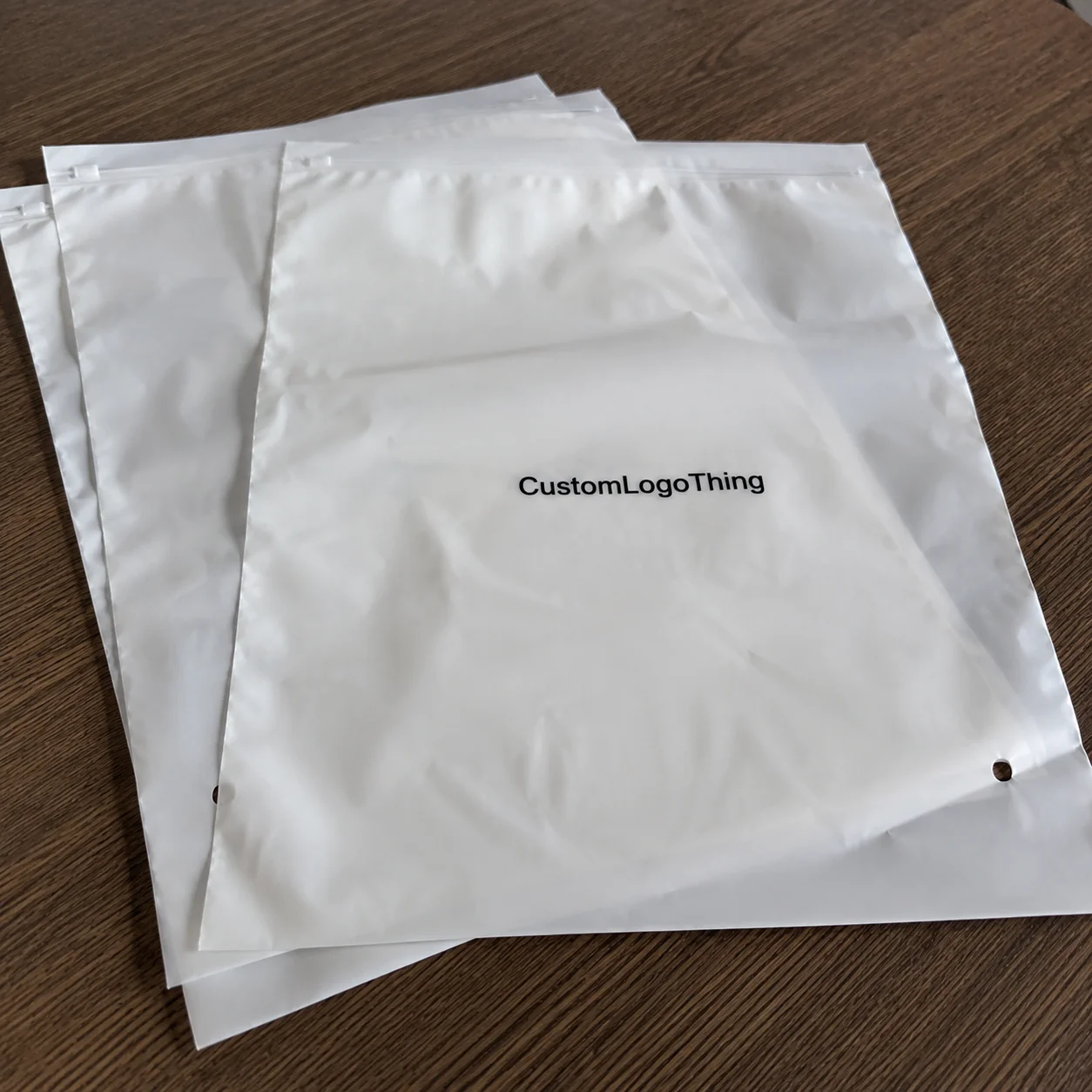
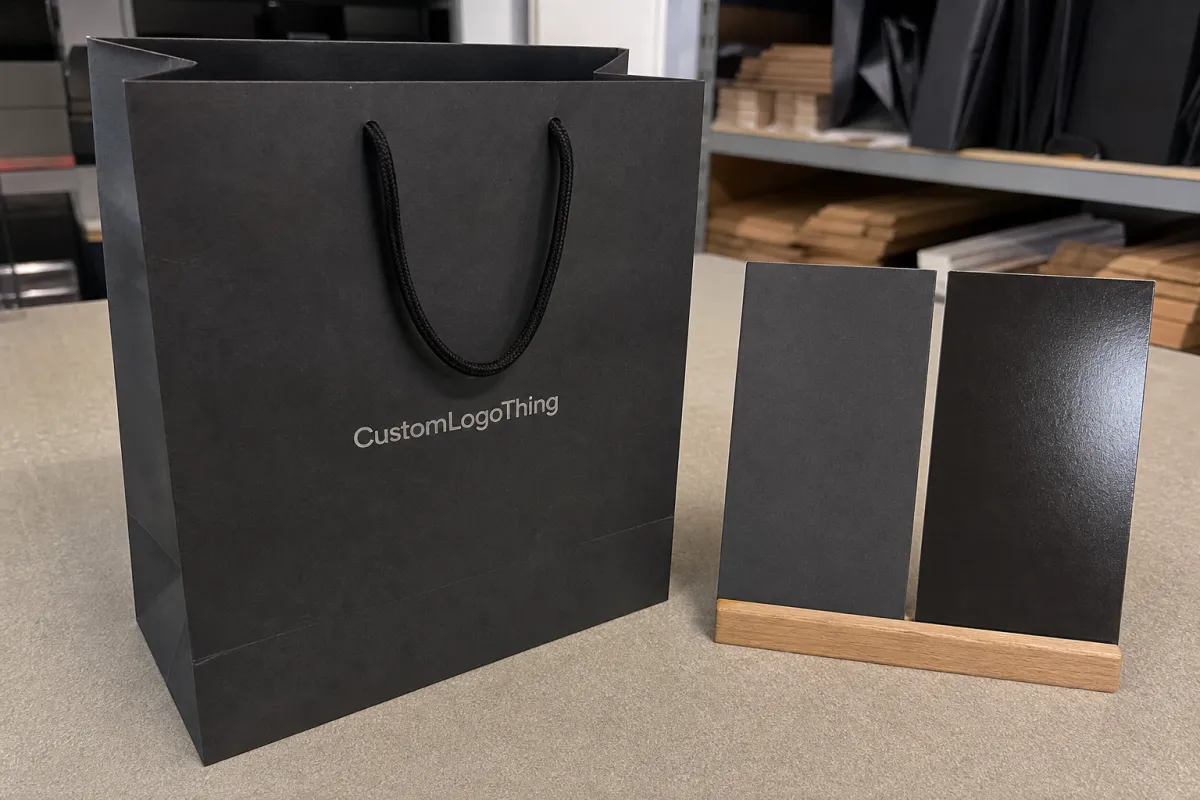
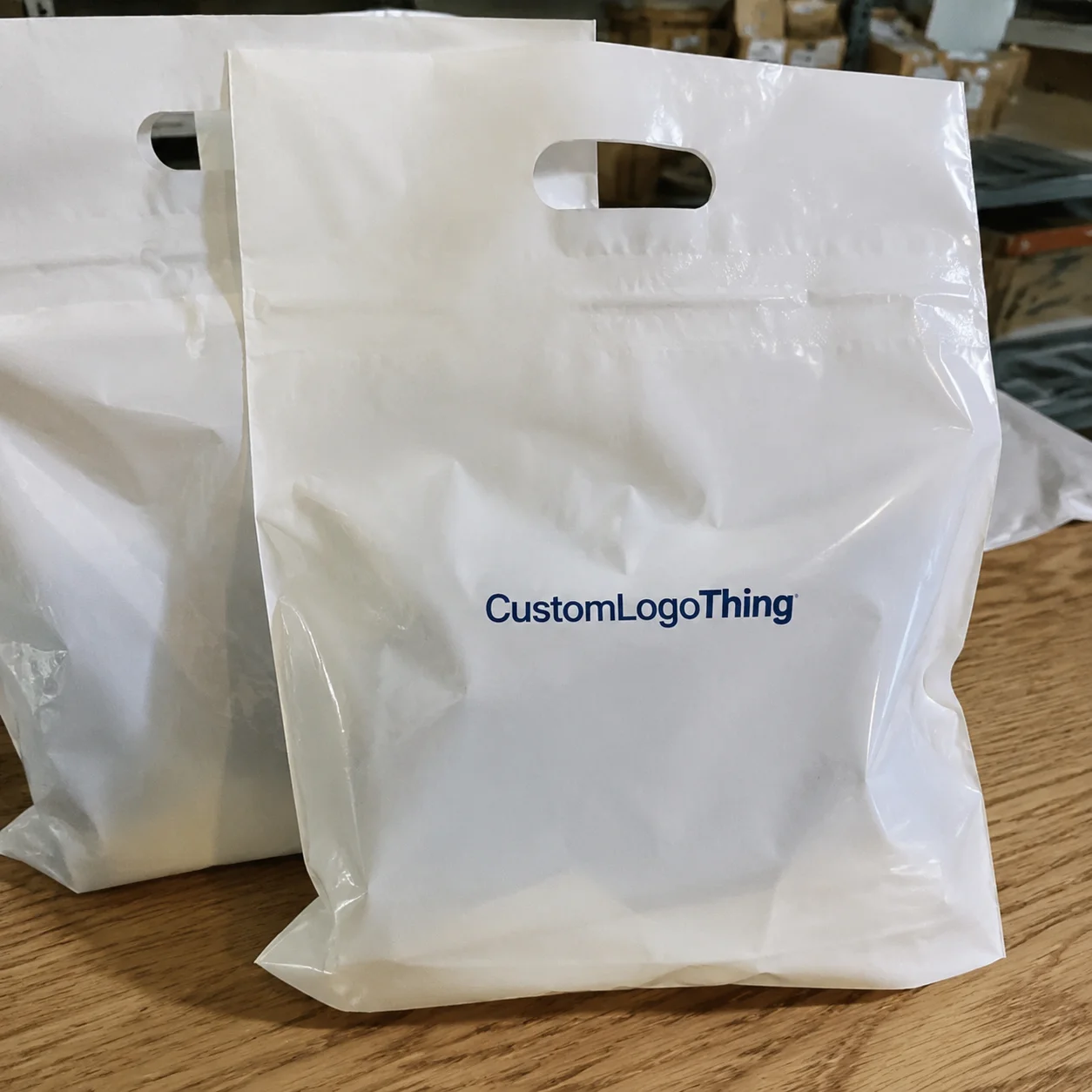
Buyer Fit Snapshot
| Best fit | Compostable Packaging for Your Business projects where brand print, material claims, artwork control, MOQ, and repeat-order consistency need to be specified before quoting. |
|---|---|
| Quote inputs | Share finished size, material target, print colors, finish, packing count, annual reorder estimate, ship-to region, and any compliance wording. |
| Proofing check | Approve dieline scale, logo placement, barcode or warning zones, color tolerance, closure strength, and carton packing before bulk production. |
| Main risk | Vague material claims, crowded artwork, missing packing details, or unclear freight terms can make a low unit price expensive after revisions. |
Fast answer: Compostable Packaging for Your Business: Material, Print, Proofing, and Reorder Risk should be specified like a repeatable production item. The safest quote records material, print method, finish, artwork proof, packing count, and reorder notes in one written spec.
Production checks before approval
Compare the actual filled-product size with the drawing, then confirm tolerance on folds, seals, hang holes, label areas, and retail display edges. Reserve space for logos, QR codes, warning copy, and material claims before decorative graphics fill the panel.
Quote comparison points
Review material grade, print process, finish, sampling route, tooling charges, carton quantity, and freight assumptions side by side. A quote is only useful when the supplier can repeat the same color, closure quality, and packing count on the next order.
I still remember the conversation I had with a bakery owner in Portland back in 2019. She was genuinely confused about why her "compostable" takeout containers were showing up in a local landfill photo that a customer posted online. "But it says compostable right on the box!" she told me, almost defensive. That moment crystallized something I've seen play out dozens of times since: the word "compostable" gets thrown around so casually that most businesses don't really understand what they're committing to when they choose compostable packaging, or more importantly, how to choose compostable Packaging That Actually delivers on that promise.
This guide exists because I've watched smart, well-meaning companies make expensive mistakes with their sustainable packaging choices. Some ended up with materials that looked good on paper but couldn't withstand a Tuesday lunch rush. Others discovered too late that their customers had no access to commercial composting facilities. And a few learned the hard way that their "certified" supplier was running a pretty creative marketing operation. I'm going to walk you through everything You Need to Know to make a confident, informed decision about compostable packaging for your product line.
Why Your Packaging Choice Matters More Than You Think
Walk into virtually any packaging industry meeting today and you'll feel the pressure. Retailers are demanding sustainable solutions from their vendors. Investors are asking about carbon footprints. Consumers are posting unboxing videos that critique packaging choices. The era where you could slap a green leaf logo on a petroleum-based container and call it a day is fading fast, replaced by genuine scrutiny from every direction.
Here's what most business owners don't realize until they're deep into a packaging redesign: the environmental impact of your product packaging often dwarfs the impact of your actual manufacturing process. For a food brand running 50,000 units per month, that's roughly 600,000 pieces of packaging annually flowing into the hands of consumers, most of whom will dispose of it within 72 hours.
I want to be clear about something upfront because it trips up a lot of people. The terms "biodegradable," "compostable," and "recyclable" are not interchangeable, and confusing them can lead to some serious greenwashing exposure. Biodegradable just means something will eventually break down through natural processes—but that could take 500 years in a landfill under the wrong conditions, and it might release methane as it degrades. Recyclable materials can be processed through recycling streams, but only about 9% of all plastic ever produced has actually been recycled. Compostable materials, when properly processed, return to organic matter within a specific timeframe under specific conditions. That's why compostable is often the preferred choice for food-related packaging where contamination makes recycling impractical.
"The brands that succeed with sustainable packaging are the ones that treat it as a systems problem, not just a materials problem. It's about what happens after the customer opens the box."
When I help businesses understand custom packaging options, I always start with this framing: you're not just choosing a container, you're choosing an end-of-life pathway. That pathway needs to actually exist for your customers.
What Exactly Is Compostable Packaging?
Let's establish the technical definition because this is where a lot of confusion lives. Compostable packaging must meet specific international standards that prove it will break down into carbon dioxide, water, biomass, and inorganic minerals within a set timeframe, leaving no toxic residue. The most referenced standard is EN 13432 in Europe and similar ASTM D6400 standards in the United States. These aren't suggestions—they're testable, verifiable criteria.
The science behind certified compostable materials involves some fascinating chemistry. PLA (polylactic acid) is probably the most common compostable plastic you've encountered, made from fermented plant starch—typically corn or sugarcane. It looks and feels like conventional plastic but is derived from renewable resources. PBAT (polybutylene adipate terephthalate) is a flexible polymer often blended with PLA to improve performance. Cellulose-based materials come from plant fiber and have been used in packaging for over a century in various forms. Each material has different barrier properties, heat resistance, and compostability profiles.
One critical distinction that trips up purchasing managers all the time: home compostable versus commercial compostable certification. Commercial composting facilities maintain temperatures of 140°F or higher for extended periods and manage conditions very precisely. Home composting is messier and cooler. A package certified for commercial composting might not break down in your backyard pile. If your target consumers are residential customers in areas without municipal composting pickup, you need materials certified as home compostable. TÜV Austria's "OK Compost Home" certification is one of the few that specifically verifies home compostability.
Real-world applications where compostable packaging excels include food serviceware like plates, bowls, and cutlery at festivals and events where collection is feasible, fresh produce packaging that gets contaminated with food residue making recycling impossible, and e-commerce void fill for small businesses seeking sustainability credentials. Where compostable packaging struggles compared to conventional plastic is high-barrier applications for products requiring extended shelf life, extreme temperature conditions, or moisture resistance beyond what most biopolymers can handle natively.
How Compostable Packaging Actually Works
The composting process isn't magical—it's biological and mechanical, and understanding it helps you understand why certification and proper disposal matter so much. Industrial composting facilities operate at temperatures between 140°F and 160°F for extended periods, often two to four weeks. The heat accelerates microbial activity that breaks down organic matter. These facilities also manage oxygen levels and moisture content to create optimal conditions for decomposition.
When you see a package carrying BPI (Biodegradable Products Institute) certification or TÜV Austria's OK Compost mark, it means that product has undergone independent laboratory testing verifying it will break down in a commercial composting environment within the facility's normal retention time. EN 13432 requires testing showing 90% or more of the material converts to CO2 within 180 days, with heavy metal content below specified thresholds. These aren't marketing claims—they're test results documented by accredited laboratories.
I should address the uncomfortable question many suppliers gloss over: what actually happens when compostable packaging ends up in landfill? The short answer is nothing good. Landfills are engineered to be dry and anaerobic—conditions that prevent composting from occurring efficiently. Materials labeled compostable will break down extremely slowly in landfill, potentially producing methane. This is why I always tell clients: compostable packaging only delivers on its environmental promise if the composting infrastructure actually exists and consumers actually use it.
When I visited a commercial composting facility in the Pacific Northwest last year, the operator showed me their input stream with some frustration. Roughly 15% of what came through their gates was contaminated with materials that couldn't compost—glossy laminated pouches, conventional plastic stickers, sometimes actual garbage mixed in. This contamination degrades their compost output and costs them processing time. They estimated that proper consumer education could improve their processing efficiency by 20-30%. Your packaging choice has downstream consequences that extend far beyond what's printed on the box.
How to Choose Compostable Packaging: Key Factors to Evaluate
Product compatibility is where most first-time buyers stumble, and I've seen expensive product losses result from inadequate testing. You need to honestly assess your moisture requirements, oxygen barrier needs, temperature exposure during storage and transport, and shelf life requirements. Standard PLA has reasonable moisture resistance but poor oxygen barrier properties compared to EVOH-based conventional plastics. Fiber-based options like bagasse or molded pulp perform well for wet or hot food applications but offer minimal barrier to fats and oils. Your supplier should provide explicit data on water vapor transmission rates, oxygen transmission rates, and recommended temperature ranges.
Material types deserve careful comparison. Here's a breakdown I give clients regularly:
| Material Type | Best For | Temperature Range | Compostability | Relative Cost |
|---|---|---|---|---|
| PLA (polylactic acid) | Cold food service, clear containers, flexible films | -20°F to 105°F standard; 220°F heat-resistant grades | Commercial only | $$ |
| PBAT/PLA blends | Flexible packaging, bags, wrap | -20°F to 110°F | Commercial only | $$$ |
| Bagasse (sugarcane fiber) | Hot food takeout, plates, bowls | Up to 250°F | Commercial and home | $$ |
| Molded fiber pulp | Protective e-commerce packaging, egg cartons | Varies by application | Commercial and home | $$$ |
| Mushroom mycelium | Protective packaging, void fill | -20°F to 200°F | Commercial and home | $$$ |
| ENPLA (expanded PLA) | Hot beverage cups, insulation | Up to 180°F | Commercial only | $$ |
Certifications to verify before placing any order include BPI certification for North American commercial compost facilities, TÜV Austria OK Compost for European and commercial facilities, OK Compost Home for residential composting, and ASTM D6400 verification for US market compostability claims. Request the actual certificate numbers and verify them on the certifying organization's website. I've encountered suppliers displaying expired certifications or, more concerning, using certification logos for products not actually covered under those certifications.
Supply chain reliability matters more for compostable materials than conventional options because the market is less mature. When you evaluate suppliers, ask about their manufacturing location (domestic production typically offers more predictable lead times), their access to raw materials (PLA production has experienced shortages during corn crop issues), and their backup sourcing strategies. I've worked with suppliers who lost access to key materials mid-production run, leaving their customers in difficult positions.
Understanding the Costs and Timeline for Compostable Packaging
Let me give you the honest numbers because I know you've been told "it's just a bit more expensive" without specifics. Compostable packaging typically costs 20-50% more than conventional plastic equivalents, though the range varies significantly by material type and volume. Standard PLA takeout containers run approximately $0.28-0.45 per unit in quantities of 5,000, compared to conventional plastic equivalents at $0.18-0.30. Bagasse-based options show a narrower gap, often 15-25% premium. Specialty materials like mushroom mycelium can run 40-80% higher than conventional foam alternatives.
Several factors affect pricing beyond base material costs. Customization and printing typically add 15-30% to unit pricing for smaller runs. Volume tier pricing is more aggressive for compostable materials—moving from 5,000 to 25,000 units can reduce per-unit costs by 25-35%. Material grade matters significantly; industrial-grade PLA costs less than FDA food-contact compliant formulations. Color matching and specialty finishes like soft-touch lamination or embossing add layers to the cost structure.
Production lead times differ meaningfully from conventional packaging. Stock catalog items in compostable materials typically ship within 2-4 weeks from order. Custom-printed compostable packaging requires 6-10 weeks from design approval to delivery at most facilities I've worked with. Custom tooling for unique shapes or structures adds another 4-6 weeks and typically requires minimum orders of 10,000+ units to justify the investment. I always recommend building an 8-12 week buffer into product launch timelines when introducing compostable packaging to account for sample iterations and potential material sourcing delays.
The long-term cost calculus is more complex than simple unit price comparison. Premium packaging sustainability can justify higher retail positioning, and I'm seeing increasing buyer willingness to pay 10-15% more for products with credible sustainable packaging credentials. Brand differentiation in crowded markets has real value. There are also regulatory considerations—a growing number of jurisdictions are mandating compostable options for food service, making early adoption a defensive move rather than an offensive one.
Step-by-Step: Choosing Your Compostable Packaging
Assess your product's specific packaging requirements with brutal honesty before evaluating materials. Document your temperature exposure ranges throughout the supply chain. Quantify your moisture and oxygen barrier needs for product shelf life. Identify any food contact requirements that will affect material certification. Determine your minimum order quantities based on sales projections and storage capacity. I've seen brands fall in love with a compostable container design only to discover their per-unit costs made no sense at their actual volume levels.
Research and shortlist certified suppliers and manufacturers systematically. The BPI website maintains a searchable database of certified manufacturers that should be your starting point. Attend at least one trade show annually—I recommend PACK EXPO for domestic suppliers and FachPack for European options. Request supplier references from companies at similar volume levels and in adjacent product categories. Verify certifications independently rather than accepting supplier-provided documentation at face value.
Request samples and conduct compatibility testing before committing to production. Most reputable suppliers provide sample quantities at cost or no charge for qualified prospects. Run your actual fill-and-ship testing rather than just examining samples on a desk. Test temperature cycling if your supply chain involves variable conditions. Evaluate how the packaging performs through your distribution channel. Document failures and successes systematically—the data will inform your second iteration if the first doesn't work perfectly.
Evaluate pricing, minimums, and scalability options against realistic growth projections. A supplier who makes sense at 5,000 units monthly might not be the right partner when you're running 50,000. Ask about volume scaling, price tier structures, and capacity headroom. Discuss exclusivity arrangements that might limit your flexibility. Understand payment terms, tooling ownership, and intellectual property arrangements before signing. I've helped clients renegotiate contracts that locked them into unfavorable terms because these details weren't clear upfront.
Plan for consumer education and proper disposal messaging as an integral part of your packaging design, not an afterthought. Research shows that contamination rates in composting streams drop significantly when consumers receive clear, specific instructions. Include disposal instructions on the package itself, not just on a website. Consider QR codes linking to local composting resources. Train your customer service team on composting questions so they can respond confidently. Your packaging's end-of-life performance depends heavily on whether consumers know what to do with it.
Common Mistakes Businesses Make When Selecting Compostable Packaging
Assuming "compostable" means "will compost anywhere" is the single most expensive mistake I see brands make. The word is technically accurate but practically misleading. A product certified for commercial composting will not break down in a home compost pile, a landfill, or an ocean. It will not break down if your customers toss it in the regular recycling. The certification standards exist precisely because breakdown conditions matter, and "compostable" without qualification is not a complete environmental claim.
Overlooking certification verification happens more than you'd think. Supplier websites display impressive-sounding claims, but when I ask to see actual certification documentation, some vendors get evasive. Always request the certificate number and expiration date. Verify independently on the certifying organization's website. Check whether the specific product you're ordering is covered under the certification—certifications are typically issued for product families, not blanket coverage of all a supplier's "compostable" materials.
Choosing based on aesthetics alone without testing has destroyed many a product launch. A beautiful unbleached kraft compostable pouch will look premium on a photo shoot, but if your granola gets stale within two weeks because the oxygen barrier is insufficient, the aesthetic qualities don't matter. Run the functional tests. Check the seal integrity. Verify the barrier properties against your actual product's requirements. I've seen beautiful compostable packaging that failed within 48 hours of contact with high-oil-content products.
Ignoring disposal infrastructure in target markets has created significant brand reputation risk for several companies I've advised. Research your key markets' composting access before selecting materials. Urban areas like San Francisco, Portland, and Seattle have robust commercial composting collection. Suburban and rural markets often lack this infrastructure entirely. If your primary customers are in areas without composting pickup, a home compostable material might be necessary despite its typically higher cost. Don't assume national distribution works with a single material choice.
Failing to educate consumers on proper end-of-life handling means even the best-certified compostable packaging may end up in landfill anyway. I worked with a specialty food company that switched to BPI-certified compostable packaging for their monthly subscription box. They had excellent certification credentials, but customer service calls about "how do I dispose of this?" spiked dramatically. They hadn't built any consumer education into their transition plan. Within six months, they developed a simple disposal guide that reduced those calls by 80%. The guide cost almost nothing to produce but dramatically improved their actual composting rates.
Expert Tips for a Successful Compostable Packaging Transition
Start with one product line to test and learn before committing across your entire portfolio. I recommend choosing a flagship product with moderate packaging requirements rather than your most complex application. This limits your downside exposure while providing real-world learning. Run the line for at least three production cycles before evaluating. Track customer feedback specifically on packaging. Monitor actual disposal behavior if you can create any tracking mechanism—surveys, social media monitoring, customer service call analysis all provide useful data.
Build relationships with manufacturers early in the design process rather than approaching them with a finished design expecting them to execute. Compostable materials often have different manufacturing requirements than conventional plastics. Tooling designed for polystyrene might not work for PLA. Print settings differ. Sealing temperatures vary. When manufacturers are involved early, they can suggest design modifications that improve performance, reduce costs, or avoid manufacturing problems. I've seen beautiful custom Box Designs That were functionally compromised because the designer hadn't consulted with a material specialist.
Layer your sustainability story beyond packaging alone. Compostable packaging is meaningful, but consumers increasingly understand that packaging represents only one dimension of environmental impact. Be prepared to discuss your broader sustainability efforts: ingredient sourcing, energy use, transportation optimization, company operations. This context helps consumers understand that your packaging choice is part of a genuine commitment rather than a marketing tactic. The brands I see succeeding long-term with sustainable positioning are the ones with substantiated claims across multiple dimensions.
Plan for potential supply chain disruptions that are more common with emerging materials than established conventional options. PLA production capacity is concentrated among fewer suppliers than conventional plastic. Crop issues, geopolitical factors affecting international sourcing, and manufacturing facility challenges can affect supply more dramatically. Maintain safety stock levels that account for longer lead times. Have backup supplier relationships established before you need them. Diversifying your packaging material options rather than going 100% compostable for a single product line provides resilience.
Track real-world composting results to validate your choice and build authentic marketing claims. If you're working with a commercial composting facility, ask if they'll share data on how your specific packaging performed in their stream. Conduct customer surveys about disposal behavior. Partner with local composting operations for case studies. This evidence base becomes valuable for marketing, stakeholder reporting, and honest internal assessment. I've found that actual data often differs meaningfully from assumptions—the packaging that looks best on paper isn't always what performs best in practice.
Your Action Plan: Next Steps to Switch to Compostable Packaging
Audit your current packaging and identify the highest-impact switch. Look at your product portfolio and rank by volume, packaging complexity, and customer visibility. Your highest-volume product in retail packaging with maximum shelf exposure might be the highest-impact candidate. Consider which products have the strongest consumer sustainability interest based on your customer research. Don't try to switch everything simultaneously—quality of transition matters more than speed.
Match your product requirements with the right compostable material type based on your documented functional needs. Review your temperature ranges, barrier requirements, and shelf life needs from earlier in this process. Use the material comparison table as a starting point, but consult with our packaging specialists for your specific application. Many material options exist that I haven't listed, and new formulations enter the market regularly.
Verify supplier certifications and request sample batches before committing. Ask for BPI or equivalent certification numbers and verify them independently. Request samples sized appropriately for your testing—typically 50-100 units minimum for meaningful fill testing. Run your standard quality tests on the samples. Evaluate supplier responsiveness and communication quality during the sample phase—it's often predictive of the production relationship experience.
Calculate total cost of ownership including disposal infrastructure if relevant to your market positioning. Factor in unit price differences, any packaging redesign costs, consumer education material development, staff training, and monitoring overhead. If you're pursuing premium positioning, estimate the revenue uplift potential from sustainability differentiation. Build a business case that addresses both cost increases and value creation. This analysis serves you well in internal discussions and investor communications.
Create consumer education materials before launch rather than treating them as an afterthought. Develop clear, simple disposal instructions that match your target market's infrastructure. Consider multiple formats: on-package printing, QR-linked content, website pages, and customer service talking points. Test your messaging with real customers if possible. Poor consumer understanding of what to do with compostable packaging undermines the environmental purpose and creates unnecessary customer service burden.
Set measurable sustainability goals to track your impact over time. Specific targets might include percentage of packaging portfolio certified compostable by a future date, contamination rates in collected materials, customer awareness survey results, or total compostable packaging volume. This measurement discipline helps you demonstrate progress to stakeholders, identify when adjustments are needed, and maintain accountability. Brands that track their sustainability metrics consistently tend to achieve more of their long-term goals than those that don't.
How do I know if compostable packaging is actually certified?
Look for specific certification logos like BPI (Biodegradable Products Institute) for commercial compost facilities, TÜV Austria's OK Compost mark, or the European EN 13432 standard. Request documentation directly from suppliers and verify certification numbers on the certifying body's website. Be wary of vague "eco-friendly" or "plant-based" claims without third-party verification. When a supplier can't or won't provide documentation, that's a red flag you shouldn't ignore.
Can I use compostable packaging for hot foods and beverages?
Yeah, but you gotta pick materials rated for your specific temperature range. Standard PLA softens around 105°F, but heat-resistant PLA variants handle up to 220°F. Fiber-based options like bagasse or molded pulp generally perform better for high-heat applications. Always request temperature testing data from your supplier before committing to a specific material.
What's the typical price premium for compostable packaging compared to conventional plastic?
Compostable packaging typically costs 20-50% more than conventional plastic, though prices vary significantly by material type and order volume. PLA-based options tend to be the most affordable compostable choice, while specialty materials like mushroom mycelium command higher premiums. Larger orders (10,000+ units) can narrow the gap considerably, and premium positioning may justify the investment.
How long does it take to get custom compostable packaging produced?
Standard catalog items typically ship within 2-4 weeks, while custom-printed compostable packaging requires 6-10 weeks from design approval to delivery. Tooling and mold creation for custom shapes adds 4-6 weeks to the timeline. Factor in 2-3 weeks for sample testing and approval before bulk production. If you're launching a new product, build these timelines into your go-to-market planning from day one.
What should I do if compostable packaging isn't compostable in my customer's area?
Research local composting infrastructure before choosing your packaging—urban areas may have commercial facilities while rural areas often lack them. Consider home compostable certifications if your customers are primarily residential consumers. Provide clear disposal instructions and partner with waste education initiatives to improve proper sorting rates. Honestly, if your customers can't access composting infrastructure and home composting isn't realistic for them, you might want to reconsider whether compostable is the right choice for that product line.