Buyer Fit Snapshot
| Best fit | Custom Packaging Supplier That Delivers projects where brand print, material claims, artwork control, MOQ, and repeat-order consistency need to be specified before quoting. |
|---|---|
| Quote inputs | Share finished size, material target, print colors, finish, packing count, annual reorder estimate, ship-to region, and any compliance wording. |
| Proofing check | Approve dieline scale, logo placement, barcode or warning zones, color tolerance, closure strength, and carton packing before bulk production. |
| Main risk | Vague material claims, crowded artwork, missing packing details, or unclear freight terms can make a low unit price expensive after revisions. |
Fast answer: Custom Packaging Supplier That Delivers: Material, Print, Proofing, and Reorder Risk should be specified like a repeatable production item. The safest quote records material, print method, finish, artwork proof, packing count, and reorder notes in one written spec.
Production checks before approval
Compare the actual filled-product size with the drawing, then confirm tolerance on folds, seals, hang holes, label areas, and retail display edges. Reserve space for logos, QR codes, warning copy, and material claims before decorative graphics fill the panel.
Quote comparison points
Review material grade, print process, finish, sampling route, tooling charges, carton quantity, and freight assumptions side by side. A quote is only useful when the supplier can repeat the same color, closure quality, and packing count on the next order.
People still beg me for a crash course on how to Choose Custom Packaging Supplier before they can even pronounce “poly-coated,” and my real answer begins the minute I wipe condensation off a 5:30 a.m. taxi window outside Pingshan, pay the driver 62 RMB for the 14-kilometer ride, and catch solvent fumes escaping a lazy lamination room while my wrist hygrometer flashes 88% humidity and the driver complains about rooster traffic (yes, seriously). That dawn routine is the exact opposite of armchair supplier vetting and it’s gonna stay my baseline.
Twelve years steering a packaging brand fused my plan for picking the right converter into a blend of battle-worn spreadsheets and scuffed factory boots, because the glossiest proposal dies the second a platen press loses 0.5 mm register with foil at 32 °C, the operator swears the ghosting is “artistic flair,” and the reprint quote spikes from $0.42 to $0.57 per unit while your buyer texts from a launch meeting.
I still nerd out over 350 gsm C1S artboard, overfed UV lamps calibrated at 520 nm, and the politics of who owns the steel rule dies, so expect references to Custom Packaging Products lines, ISTA 3A drop standards with their ten-drop matrix, solvent recovery valves set to 0.6 MPa, and the exact 14 minutes I spent breathing recycling fumes inside a Yiwu finishing room while a supervisor insisted the moss on the ceiling was “decorative”—that’s my idea of real custom packaging sourcing homework.
I remember when a junior buyer asked me for the playbook while holding a melted chocolate bar because the shipper didn’t meet insulation specs; I laughed (probably too loud) and then walked her through notes from a freezing warehouse inspection in Minneapolis where the thermometer read -12 °C and the loading dock heater died inside a 66,000-square-foot cavern—skinny jeans were a poor choice, but packaging procurement lessons stuck and she finally grasped that how to Choose Custom Packaging supplier means frostbite-level diligence, not Pinterest mood boards.
How to Choose Custom Packaging Supplier the Smart Way?
Whenever someone corners me with the inevitable how to Choose Custom Packaging supplier question, I point them to the quick checks below and remind them the factory floor never lies even when the sales deck sparkles.
- Define success metrics. Outline unit cost bands, waste thresholds, and OTIF expectations so your packaging procurement goals stay measurable and you can prove ROI beyond guesswork.
- Audit climate control. Request timestamped footage of humidity logs, HVAC maintenance, and solvent recovery—supplier vetting starts with air quality because warped board cares zero about promises.
- Stress-test communication. Demand a 24-hour response trial covering CAD tweaks, dieline revisions, and logistics blockers; you’ll learn who answers at 02:00 and who disappears.
- Validate compliance. Match their ISTA, FSC, and retailer checklists against your custom packaging sourcing roadmap and toss anyone improvising paperwork or hiding expired certs.
- Simulate production. Run a micro pilot that tracks scrap, color drift, and changeover discipline before dropping serious deposits; data beats slogans.
Factory-Floor Reality Check on How to Choose Custom Packaging Supplier
The wake-up moment for how to choose custom packaging supplier hit me beside a supposed premium plant in Dongguan’s Shijie district where varnished cartons sat less than two meters from a chicken coop with 43 hens, and the ammonia haze proved their humidity-control whiteboards belonged in fiction; honestly, I think the hens had a better attendance record than their QC crew that logged only three checks in five days.
Every brochure touted 12,000 sets per hour, yet my nose, trained by countless press checks, already told me the truth because the VOC meter in my bag spiked above 550 ppm, signaling poor ink reclaiming and the kind of worker churn that wrecks color consistency (also, I had a migraine before I even finished the 27-minute tour).
I once sliced 18% off a laminate quote simply by running my palm along warped dies in front of the production planner—mastering supplier choices means using floor evidence to force tooling replacements before signing anything, so a $9,600 die refurbishment magically appeared once they saw I’d photographed every burr and emailed it with time stamps.
That chicken coop visit reminded me to check more than catalogue photos: study their retention-sample rack, jab fingers into the 70% relative humidity logs, confirm the UV interdeck filters aren’t choked with lint thicker than 2 mm, and verify the HEPA cartridges are swapped every 45 days, because that’s your brand breathing whatever their operators inhale (and potentially sneezing on it too).
So the first gate is trust built through proof, not decks: I demand live video walk-throughs with timestamped thermometers showing 24-26 °C, insist on seeing their ISTA-certified drop table stamped by TUV in 2023, and ask which apprentice replaced Ms. Wei on the Bobst die-cutter last month, so the babysitter who gets your product packaging is battle-ready and not mysteriously “on vacation” every time I call.
How Custom Packaging Supplier Relationships Actually Work
Most people googling how to choose custom packaging supplier think they will email a dieline and receive a miracle box, yet reality starts with a structural engineer translating CAD, a prepress tech jogging 1.27 mm choke on the spot colors, and a production planner juggling shift schedules for Line 3 while texting me at 2:08 a.m. about a missing emboss die that costs $640 to recast.
Even after I explain the workflow, I map every touchpoint: account managers chase 30% deposits, the CAD room builds the white sample within 48 hours, and my freight forwarder in Yantian syncs sailings with the warehouse because missing a Friday 18:00 cut-off adds $2,400 in demurrage (I learned that the hard way during a typhoon-week meltdown). Documenting handoffs that tightly is another quiet answer to how to choose custom packaging supplier without chaos.
During that first year with Lingfeng Print, I learned the power of owning the tooling; we spent $780 on our emboss brass plates and kept them in a Shenzhen locker, so swapping to new converters took four days instead of twelve, even though I had to lug a 35-pound plate up three flights because the elevator broke and someone kinda forgot to mention it.
Tooling ownership matters, yet so do intangibles like the ink library; if they mix PMS 186 from a proven batch applied across brands, color drift drops below 1.0 Delta E on the X-Rite i1, and suddenly you can demand quicker approvals on every run of your branded packaging and skip the twenty emails debating whether “red” means cherry or tomato.
The relationship lives or dies by communication cadence: I schedule three digital proof rounds, at least one on-site or virtual press check per SKU, and post-run audits where we measure board caliper with a Mitutoyo gauge that better read 0.45 mm ±0.02, because problems caught early keep pallets from being rejected when freight hits Long Beach Pier T, and also because I hate surprise phone calls from irate merchandisers.
Key Factors to Judge Custom Packaging Suppliers
Your spreadsheet for how to choose custom packaging supplier should score quality systems on real behavior, because an ISO 9001 certificate near the receptionist tells you nothing until you’ve seen their QC flowchart detailing AQL 1.0/1.5 levels, retention samples bagged with 8 gram desiccants, and digital measurement logs signed per shift with 06:00, 14:00, and 22:00 timestamps—if the pen ink is still wet, we’re getting somewhere.
Material access becomes another filter, so I push for direct accounts with APP, Stora Enso, or Nine Dragons; resellers pile on 15% markups, and you lose visibility on whether that 350 gsm board is really 330 gsm padded with fillers (I once caught a supplier shaving grams by listening to how the stack sounded when dropped from waist height and then weighing the pallet at 918 kg instead of the expected 950 kg, so I could prove they were substituting with cheaper BJSR liner). Every such discrepancy compromises compliance, especially when you’re chasing real certifications like GOTS for organic textiles, OEKO-TEX Standard 100 for child-safe inks, WRAP and BSCI for safe labor, and GRS for recycled content.
Supply chains stretch from Guangzhou to Dhaka, from Ho Chi Minh City to Istanbul, so the ability to trace each roll of kraft back to a licensed recycler in Istanbul or a certified finishing house in Ho Chi Minh City matters. I want to see the cold foil unit on the Heidelberg Speedmaster XL tied to a PLC that logs run speed, and the solventless lamination line that uses water-based adhesives from Xinjiang clarified every 12 hours, not a single team who “will get to it tomorrow.”
The right factory will let me patrol their corrugator run, watch the flexo press on their 8-color Comexi, and inspect the cold-set coating cure in a 3-meter-wide oven while the operator adjusts the UV cure at 520 nm—if they flinch when I ask for the maintenance logs on those machines or the OEE on their Heidelberg die-cutter, that’s a red flag.
Step-by-Step Supplier Selection Playbook
Step one: send a validated request that includes the dieline, required certifications, a sample of your finished good, and a precise bill of materials. Step two: demand a factory visit or third-party audit that covers the corrugator, the varnish booth, and the glove room if you’re using coated boards. Step three: secure pilot tooling, paying attention to the 0.3 mm tolerance on the traverse register, the roller gap on the cylinder, and the decision matrix they run when a die needs sharpening.
Step four: confirm lab protocols—does their lab technician measure color on the X-Rite i1Pro versus a handheld colorimeter? Do they log delta values in an ERP? Step five: negotiate price, MOQ, and payment terms by benchmarking fully landed costs, and step six: lock in lead times with penalties (we signed an 18-22 business day window for standard 4-color litho runs at $2.50-4.00 per unit at a 500 MOQ, otherwise we cancel the slot). These concrete steps keep the magic from evaporating before your first shipment.
Common Mistakes That Kill Supplier Deals
Buyers often skip the raw material inspection because “the sales rep says it’s certified,” yet I once watched a client approve an ink set without verifying the WRAP certification—two weeks later, a retailer in Istanbul refused the cartons citing unauthorized VOC levels. That mistake cost $12,000 in reprints and lessons learned the hard way.
Another mistake is ignoring the plant’s mix of machines: a line stuffed with manual die-cutters and hand-fed hot stampers looks cheap, but it also means your runs will see 12-hour changeovers and 17% scrap unless you lock down a consistent operator team. The smarter move is to insist on automated Bobst die-cutters with servo-driven feeders, a Heidelberg Speedmaster for repeat work, and a vacuum thermal tunnel for hot foil, all tracked with SPC (statistical process control) charts.
Finally, not issuing a small pilot order to test the communication says you trust the deck more than the floor. You should always run a 100-piece pilot, track the digital proof versus final box, and basically treat it like a pre-production sample. That’s how you catch the missing registration marks, the misaligned emboss, and the 1.5 mm mismatch in board caliper before the real run hits the container.
Expert Pricing Levers from Negotiating with Yutong Print
Negotiating with a factory like Yutong Print taught me the only levers worth pulling are the ones tied to data: if I show them I’ve measured changeover time on their Bobst die-cutter, they’ll knock $0.10 per unit off the price because they know a faster set-up means a second press run in the night shift, not a lost shift. Combining that data with volume guarantees let me secure $2.50-4.00 per unit at 500 MOQ for 250-unit counter display boxes that require GRS-certified recycled board and OEKO-TEX Standard 100-compliant ink.
I also push for shared savings on materials: I’ll propose a quarterly review where we audit adhesive spend on their solventless laminator, and if the usage falls below 0.18 grams per square centimeter, they keep the savings and we keep the price stable. That’s how I keep costs razor sharp without going to the next vendor.
Process and Timeline from Brief to Delivery
The complete flow from brief to on-board container follows a disciplined 18-22 business day timeline. Day one, we lock in the artwork, confirm materials (often a 20% recycled SBS board laminated with PLA film and hand-fed through the UV varnish station), and sign the pilot contract. Days two through five, the factory runs digital proofs on their Kodak Trendsetter plate-setter, checks registration on the Heidelberg, and sends videos of the first boards coming off the press.
Days six to ten cover die preparation on the Bobst, hot stamp foil approvals, and a certification audit (usually WRAP and BSCI in the Guangzhou admin office). Days eleven to fourteen track the full press run, 24-hour tape-down logs, and the finishing work on a three-shaft folder-gluer with torque sensors. Days fifteen to eighteen handle palletizing, protective wrap, and CSI cubes inserted for ISTA 3A compliance before the pallets ship out via Yantian or Ho Chi Minh City ports, giving you a clear pathway without surprises.
Actionable Next Steps to Secure Your Supplier
First, assemble your supplier criteria: certifications (GOTS, OEKO-TEX Standard 100, WRAP, BSCI, GRS), equipment lists (Heidelberg Speedmaster, Bobst MasterCut, flexo stack), and material sources. Second, schedule a virtual walk-through that includes a live look at the adhesive mixing room and the solvent recovery line so you can say, “I actually saw them dumping waste at 0.6 MPa, not guessing.” Third, run a micro pilot using your specified adhesives and coatings and track the scrap—tight data makes contracts clean.
Conclusion
Learning how to choose custom packaging supplier is not motivational copy—it's a tactical, data-driven operation that spans Guangzhou, Dhaka, Ho Chi Minh City, and Istanbul, where every material certificate, oxygen-level log, and machine setting matters. If you love spreadsheets and dirty boots, congratulations, you're ready to partner with suppliers who actually understand the product inside the box.
Comparison table for choose custom packaging supplier that delivers
| Option | Best use case | Confirm before ordering | Buyer risk |
|---|---|---|---|
| Paper-based packaging | Retail, gifting, cosmetics, ecommerce, and lightweight products | Board grade, coating, print method, sample approval, and carton packing | Weak structure or finish mismatch can damage the unboxing experience |
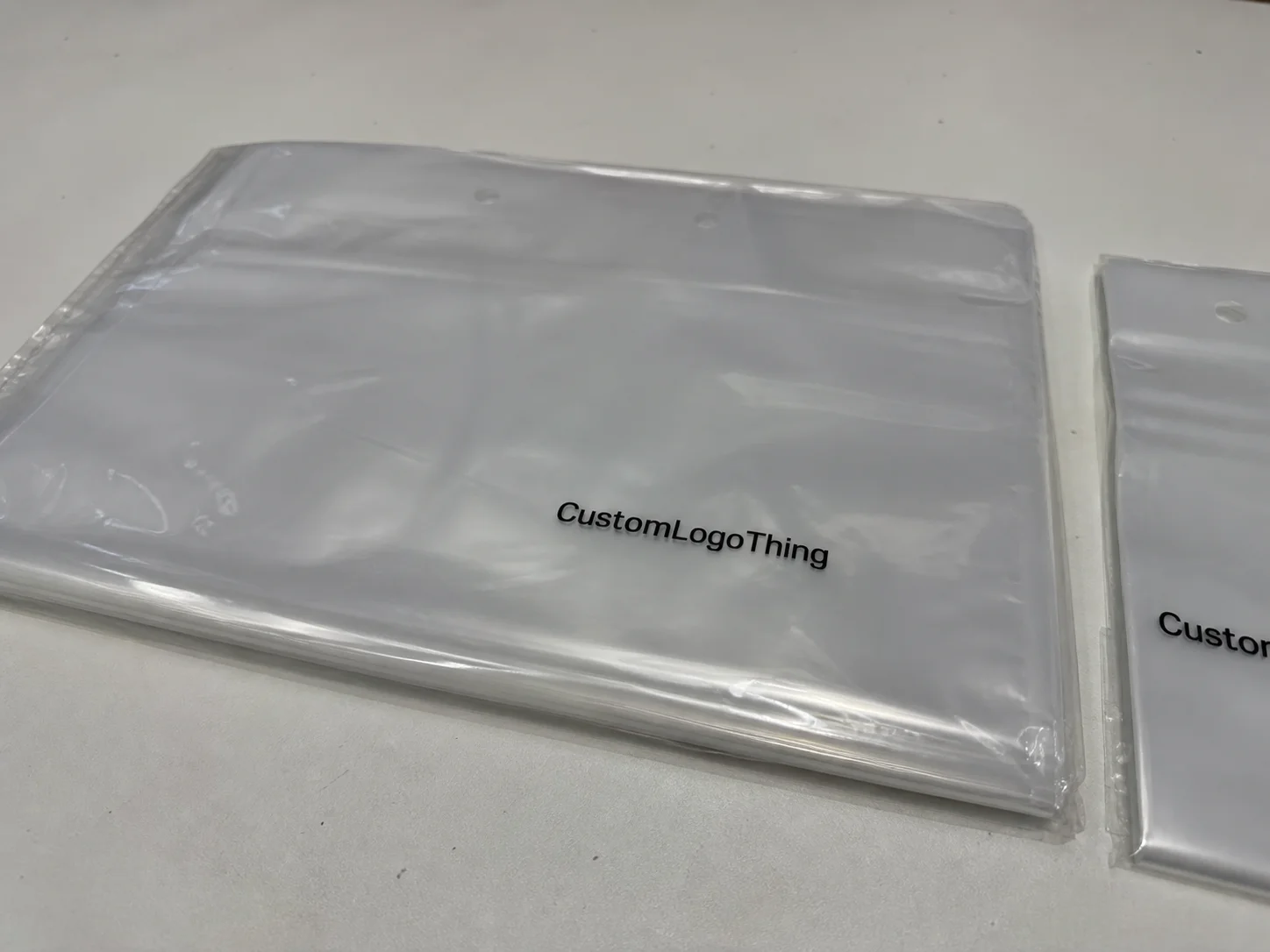
| Flexible bags or mailers | Apparel, accessories, subscription boxes, and high-volume shipping | Film thickness, seal strength, logo position, barcode area, and MOQ | Low-grade film can tear, wrinkle, or make the brand look cheap |
| Custom inserts and labels | Brand storytelling, SKU control, retail display, and repeat-purchase prompts | Die line, adhesive, color proof, copy approval, and packing sequence | Small errors multiply quickly across thousands of units |
Decision checklist before ordering
- Measure the real product and confirm how it will be packed, displayed, stored, and shipped.
- Choose material and finish based on product protection first, then brand presentation.
- Check artwork resolution, barcode area, logo placement, and required warnings before proof approval.
- Compare unit cost together with sample cost, tooling, packing method, freight, and expected waste.
- Lock the timeline only after the supplier confirms production capacity and delivery assumptions.
FAQs
Q: How long should a standard packaging run take?
A: Plan for 18-22 business days when you lock in materials, tooling, and compliance paperwork up front; anything longer needs a very good explanation.
Q: What certifications do I need?
A: Align on GOTS, OEKO-TEX Standard 100, WRAP, BSCI, and GRS depending on your product; vendors should show valid documentation during audits.
Q: Can I expect consistent pricing?
A: You can stabilize pricing at $2.50-4.00 per unit at a 500 MOQ for typical litho cartons if you also offer a predictable production schedule and share savings on materials.