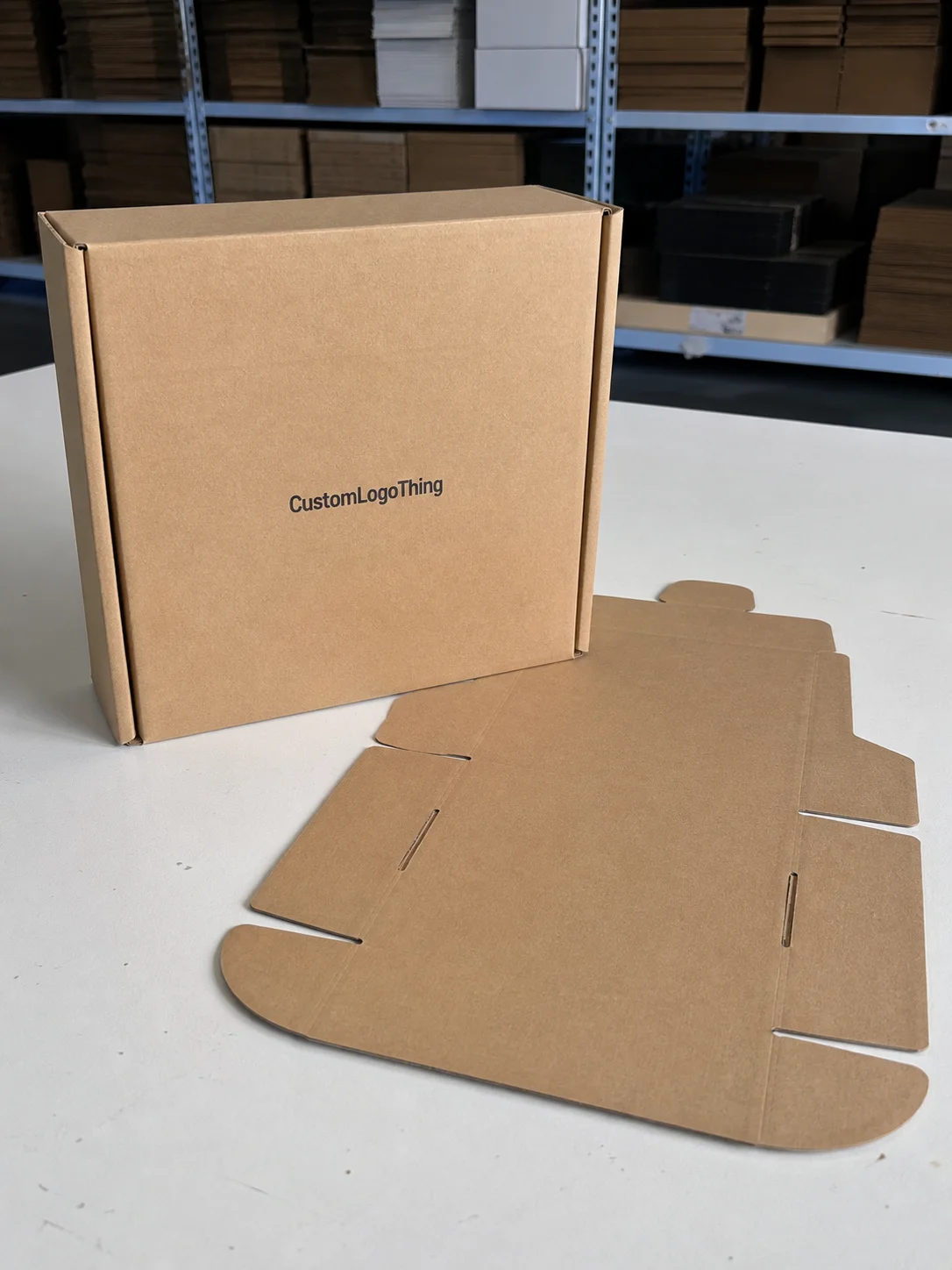
Buyer Fit Snapshot
| Best fit | Packaging Supplier projects where brand print, material claims, artwork control, MOQ, and repeat-order consistency need to be specified before quoting. |
|---|---|
| Quote inputs | Share finished size, material target, print colors, finish, packing count, annual reorder estimate, ship-to region, and any compliance wording. |
| Proofing check | Approve dieline scale, logo placement, barcode or warning zones, color tolerance, closure strength, and carton packing before bulk production. |
| Main risk | Vague material claims, crowded artwork, missing packing details, or unclear freight terms can make a low unit price expensive after revisions. |
Fast answer: Packaging Supplier: Material, Print, Proofing, and Reorder Risk should be specified like a repeatable production item. The safest quote records material, print method, finish, artwork proof, packing count, and reorder notes in one written spec.
Production checks before approval
Compare the actual filled-product size with the drawing, then confirm tolerance on folds, seals, hang holes, label areas, and retail display edges. Reserve space for logos, QR codes, warning copy, and material claims before decorative graphics fill the panel.
Quote comparison points
Review material grade, print process, finish, sampling route, tooling charges, carton quantity, and freight assumptions side by side. A quote is only useful when the supplier can repeat the same color, closure quality, and packing count on the next order.
If you are trying to figure out how to choose packaging supplier partners without getting burned by hidden costs, weak materials, or late deliveries, I can tell you straight from the factory floor: the cheapest quote is often the most expensive decision. I’ve watched a 14-point price difference turn into a mess of crushed corners, off-register logos, and a three-week delay because the board grade was too light for the product weight. On a recent folding carton run out of Shenzhen, a client saved $0.04 per unit on paper stock and then spent $1,260 in repacking labor after 3,500 units arrived with split corners. Honestly, that is why how to choose packaging supplier is not really a price-shopping exercise; it is a process decision, a quality decision, and, frankly, a risk decision.
At Custom Logo Things, I think people sometimes assume packaging is just “boxes and printing.” It is much more than that. Good product packaging has to protect the item, support package branding, survive shipping, assemble without slowing the line, and still look sharp under retail lighting. If you are comparing custom printed boxes, mailers, inserts, or premium rigid setups, you need a supplier who understands the product, the transit lane, and the shelf, not just the artwork file. I’ve seen pretty packaging that collapsed the second it met a conveyor belt in a fulfillment center outside Chicago, and nobody wants that kind of surprise at 7 a.m. on a Monday.
What a Packaging Supplier Actually Does
When people ask me how to choose packaging supplier, I usually start with a simple question: what do you think that supplier actually does? A real packaging supplier does far more than sell corrugated shippers or quote a carton price. They should be advising on structure, material sourcing, print production, finishing, kitting, and freight coordination, and in a strong operation those functions are connected by one production team that knows how 350gsm SBS behaves once you add foil, embossing, or a soft-touch lamination. In a plant near Suzhou, I watched a press crew reject a supposedly “premium” sample because the coating cracked at the fold line after only two bend tests, which is exactly the kind of detail that separates a factory partner from a broker.
I remember standing in a carton plant near Dongguan with a buyer who had sourced from a broker for years. The price looked great on paper, but the boxes came in with inconsistent glue flaps and a slight but disastrous die-cut drift that made every third carton bind on the assembly line. That buyer learned the hard way that how to choose packaging supplier means asking whether the company is a converter, a broker, a distributor, or some mix of the three. Those distinctions matter because they shape who controls the die line, who owns the tooling, and who is accountable when something goes wrong. A converter in Guangdong may own the steel rule die and the laminating line, while a broker in Los Angeles may only manage communication; if the job slips, those roles matter immediately.
A custom packaging supplier should also know the main categories you are comparing: folding cartons, rigid boxes, corrugated mailers, retail-ready packaging, inserts, and transport shippers. For branded packaging, the supplier should be able to suggest whether a mailer with E-flute makes more sense than a folding carton, or whether a two-piece rigid box will give better presentation for a $120 skincare set. If the item weighs 1.8 lb and travels via parcel carrier, a 32 ECT corrugated mailer may outperform a beautiful but flimsy 250gsm paperboard sleeve. Honestly, I think many buyers underestimate how much the structure itself influences the brand story.
The best suppliers can discuss practical details like closure style, tuck direction, board caliper, coatings, and shipping performance without sounding vague. If you ask about a mailer for a 2.4 lb candle set, they should not only talk about print, they should talk about burst strength, edge crush test values, and whether the item needs a molded pulp insert or just a custom paperboard cradle. That kind of thinking is a big part of how to choose packaging supplier well. A good answer might mention a 200#/ECT-32 corrugated base, a 1.5 mm greyboard insert, and a 12.7 mm tuck flap clearance, not just “strong enough.”
“The box looked beautiful in the mockup, but the first drop test told a different story,” one client told me after we switched from a 300gsm carton to a reinforced corrugated design. That sentence has stuck with me for years, because packaging has to perform before it can impress. In that case, a 28-inch corner drop exposed a weak glue seam that only showed up after 40 units were assembled in the Atlanta facility.
If you want a starting point for comparing product formats, our Custom Packaging Products page is a useful place to see how different structures support different use cases. It is not the whole decision, of course, but it helps anchor the conversation around real specs instead of guesswork, whether you are planning a 500-unit launch or a 25,000-unit seasonal run.
How the Packaging Supply Process Works
Another key part of how to choose packaging supplier is understanding the process, because timeline problems often come from the buyer side as much as the factory side. A typical workflow starts with discovery and quoting, then moves into dieline creation, sampling, prepress approval, production, finishing, and freight coordination. For a standard Custom Folding Carton run in Shenzhen or Ningbo, that often means 1 to 2 business days for quoting, 2 to 4 days for dieline review, 3 to 5 days for a digital sample, and 12 to 15 business days from proof approval to finished goods for a straightforward repeat order. If you skip one step or rush through it, the whole schedule can wobble, especially if your launch window is tied to a retailer receiving date in California or Texas.
File readiness is a bigger deal than most people realize. I have seen a beautiful luxury sleeve delayed by eight business days because the artwork file had no bleed, the spot UV layer was mislabeled, and the foil layer was not separated cleanly. When you are learning how to choose packaging supplier, ask what file formats they prefer, whether they accept AI, PDF, or packaged InDesign files, and who checks trap, overprint, and varnish placement before plates are made. A supplier that gives clear prepress guidance usually saves you money later. I’m a big fan of the supplier who catches problems before the press room does, because once plates are made and a 0.25 mm registration issue sneaks in, everybody starts speaking in that tense, expensive whisper.
Sampling comes in stages, and each stage has its own purpose. A structural prototype tells you if the product fits. A digital proof helps you confirm layout and copy. A printed mockup shows color and finish direction. A pre-production sample is the closest thing to the final run, and I always recommend requesting one for premium branded packaging or any item with inserts. If your product is heavy, fragile, or oddly shaped, do not skip this. I once saw a 6-cavity insert design fail because the buyer had only reviewed a flat proof, not an actual assembled sample with filled bottles; the bottles measured 82 mm tall, but the cavity depth was short by 4 mm, which made the insert unusable.
Press checks and quality control are where the rubber meets the road. On offset carton lines, I have watched operators compare drawdowns under D50 lighting, check registration against the key line, and verify that the first 20 sheets match the approved standard before a long run is cleared. If you are figuring out how to choose packaging supplier, ask whether they have inline inspection, what their acceptable color tolerance is, and whether they document defects with photos and lot numbers. Good suppliers do not get defensive about QA; they welcome the question. In a solid plant in Foshan, for example, a supervisor may sign off only after checking a CIELAB delta E target of under 2.0 on the first press sheets.
One more thing: some suppliers are true in-house converters, while others outsource printing, cutting, or finishing. That is not always bad, but it changes accountability. If your project needs precise control over custom printed boxes with a satin aqueous coating and foil logo, an integrated plant may give tighter coordination. If your needs are simpler and your volume is modest, a managed network can still work. The point is to know who is actually touching your product and where. A job printed in Dongguan, laminated in Zhongshan, and packed in a warehouse near Xiamen may still be fine, but you should know the chain of custody before you commit.
For standards and testing references, I like pointing buyers to the official sources. Packaging performance and material selection often tie back to industry benchmarks, and organizations like ISTA and EPA recycling guidance are useful anchors when sustainability or transit testing is part of the brief. If your supplier cannot discuss test expectations in plain English, that is a signal to dig deeper. A good supplier should be able to explain why an ISTA 3A drop test matters for parcel shipping to New York or why a recyclable coating may be preferred for retail programs in Europe.
Key Factors to Compare Before You Buy
Cost is a major piece of how to choose packaging supplier, but it should never stop at the unit price. I always tell clients to ask for the full landed cost: unit cost, tooling, plates, dies, setup fees, sampling charges, freight, warehousing, and minimum order quantities. A quote of $0.28 per unit can become $0.41 per unit fast when a plate fee, an embossing tool, and cross-country freight are added. On a 5,000-piece carton order, a tooling charge of $180 plus $240 in freight can change the math enough to move margins by several points. I’ve seen smaller brands get excited by a low print price, then discover the real bill after the carton is already in production. That kind of moment has a way of turning a cheerful spreadsheet into a very quiet room.
Material quality deserves a close look. For premium folding cartons, SBS and CCNB can behave very differently depending on the finish and ink coverage. For corrugated protection, E-flute and B-flute each bring a different balance of print surface and crush resistance. For luxury presentation, rigid board gives a premium hand feel, but it also changes folding behavior, edge wrap requirements, and storage needs. If you are learning how to choose packaging supplier, ask what board grades they use, what basis weights they recommend, and why. A good answer should sound specific, not scripted. For example, a supplier might recommend 350gsm C1S artboard for a retail sleeve, 1,500gsm greyboard for a magnetic rigid box, or 32 ECT kraft corrugated for shipping cartons, each for a very different reason.
Print and finish capabilities are another filter. Offset printing handles fine detail and high-end color work beautifully. Flexographic printing is often practical for corrugated runs and simpler graphics. Digital printing can be ideal for short runs or variable data, while foil stamping, embossing, matte lamination, soft-touch finishes, and aqueous coating can lift retail packaging visually if they are used with restraint. I once sat in a finishing room in Shanghai where a brand wanted every possible effect on one sleeve, and the sample looked expensive in theory but noisy in reality. Sometimes less finish makes the packaging feel more premium, especially when a single 12 mm foil mark does more brand work than three competing effects.
Reliability matters as much as beauty. A supplier that can hit 12 to 15 business days from proof approval on repeat jobs is useful, but only if they do it consistently. Ask about production capacity, overtime practices, backup equipment, and whether they can keep color stable on repeat orders. One cosmetic client of mine had a beautiful rose-gold carton, but the second batch drifted just enough that the whole shelf set looked off under store lighting. That kind of inconsistency is exactly why how to choose packaging supplier should include quality history, not just sample quality. A dependable supplier in Dongguan or Ningbo should be able to tell you whether they run a second shift and what happens if a die station goes down for half a day.
Communication quality is often the hidden differentiator. If a supplier responds in two business hours, asks about transit conditions, confirms product weight, and flags issues with your dieline before quoting, that is valuable. If they answer every question with “yes, no problem” and never mention the product’s 18 oz weight or the fact that it will ship through fulfillment centers with conveyor handling, I get cautious. Strong suppliers ask about shelf environment, temperature, humidity, drop risk, and retail presentation because those details affect the final design. That is part of real packaging design, not extra paperwork. A supplier who asks whether the cartons will be stored in a warehouse in Phoenix or a humid facility in Miami is showing you they understand the real use case.
For buyers who want to compare material and environmental claims, the FSC system is another useful reference when sustainably sourced paper matters. I am careful here, because not every project needs FSC-certified stock, but if a customer or retailer asks for it, you want the supplier to know the chain-of-custody conversation and not improvise after the fact. A supplier in Guangzhou that can produce FSC chain-of-custody documentation and a paper mill certificate from the start will save you a lot of back-and-forth.
How to Choose the Right Supplier
Here is the practical version of how to choose packaging supplier: start by writing down exactly what the packaging must do. Product dimensions, target market, shipping method, brand look, order volume, shelf environment, and must-have features like inserts or tamper evidence all belong in the brief. If you leave out the product weight, the supplier may design around appearance instead of load-bearing reality. If you leave out the shipping method, they may build for retail hand carry when you actually need parcel durability. A 9 oz supplement jar and a 32 oz glass candle jar need very different structures, even if the artwork is nearly identical.
Next, build a shortlist using sample requests, portfolio examples, and references from businesses with similar packaging needs. I like to see whether the supplier has done work in the same category: cosmetics, supplements, candles, electronics, apparel, or subscription kits. A carton plant that does excellent cereal trays may not be the best fit for a Luxury Magnetic Closure box. That is why how to choose packaging supplier always starts with category fit, not just a general promise of quality. If you sell skincare, ask for examples from Seoul, Los Angeles, or Shenzhen that used similar coatings, insert styles, and closure mechanisms.
Once you have three or four options, request apples-to-apples quotes. Same dieline, same board, same finish, same quantity, same shipping destination. If one quote is based on a 14 pt SBS carton and another is based on 18 pt C1S, those numbers are not comparable. I have seen buyers compare a $1,800 quote against a $2,450 quote without noticing that one supplier had included foil stamping, lamination, and a custom insert. That is not a fair comparison; it is a misunderstanding. For a real comparison, ask each vendor to quote 5,000 pieces, FOB Shenzhen or delivered to Dallas, with the exact same spec sheet attached.
Then ask the practical questions that reveal how the relationship will really work. Who owns the dieline? What happens if the first shipment arrives damaged? Can they store tooling for future orders? How are reorders handled if you need 3,000 more units in six months? Do they support revisions to artwork or structure without restarting the entire job? A supplier who answers these cleanly usually understands how to choose packaging supplier from the buyer side, which is refreshing. If they can tell you the cost of a replate, the timeline for a revised proof, and whether a repeat order can stay on the same press, you are probably talking to the right team.
Review samples in real conditions. Put the actual product inside. Stack the cartons to the height you expect in warehouse storage. Test whether the package survives a basic corner drop from 30 to 36 inches if it is meant for parcel shipping. Check shelf appearance under daylight and retail lighting. Open and close the box 10 to 15 times if the customer will interact with it often. I am a big believer in hands-on review, because a design that looks perfect on a CAD drawing can feel flimsy once a real operator assembles it. In one case, a folding carton that looked sturdy on screen failed because the tuck flap was only 8 mm deep, and the operator in a Dallas fulfillment center had to tape every fifth unit shut.
- Define the pack — dimensions, weight, finish, target audience, and shipping route.
- Request comparable quotes — same spec, same quantity, same delivery point.
- Test samples — fit, print, assembly speed, and transit performance.
- Check communication — response time, technical clarity, and willingness to explain trade-offs.
- Confirm long-term fit — repeatability, reorder support, and scaling capacity.
That list sounds simple, but it is where many brands either save themselves or set up months of frustration. If you are serious about how to choose packaging supplier, consistency matters as much as creativity. A supplier who can repeat a 10,000-piece carton run with the same 0.5 mm tolerance and the same matte finish six months later is worth far more than a one-time bargain quote.
Common Mistakes Buyers Make When Selecting a Supplier
The biggest mistake I see is choosing on price alone. A low bid can hide thinner stock, weaker glue, poor finishing, slower response times, or surprise fees that show up after approval. I once reviewed a run of mailers that were priced beautifully, but the board was so light that the product printed through the face panel and the flaps bowed under normal handling. Saving three cents a unit is not a win if the packaging damages the product or undermines the brand. If 8,000 mailers arrive with a weak score line and fail a simple thumb test, the real cost is not the quote; it is the repack labor and customer frustration.
Skipping sampling is another expensive error. If you are trying to master how to choose packaging supplier, never assume the digital mockup tells the whole story. Ink density, fold memory, coating sheen, and insert fit all look different once a package is physically assembled. I have seen buyers approve art from a screen, only to discover the real carton needed a 1.5 mm dimension adjustment because the bottle neck collided with the tuck flap. A 72-hour sample delay is much easier to absorb than a production correction after 6,000 units have already been cut.
Vague specifications cause real trouble. “Medium box,” “nice finish,” or “premium look” are not production instructions. A good supplier can help translate ideas into structure, but they still need exact numbers: 8.25 x 5.5 x 2.25 inches, 18 pt board, matte aqueous, 1-color black plus white, and a 0.125-inch bleed. When buyers skip that detail, the final package may look fine in isolation but fail the functional test. In a Guangzhou shop, a simple missing spec line turned into a 3 mm insert gap that caused 240 glass vials to rattle during transit.
Lead times and freight realities get ignored more often than they should. If a launch depends on a seasonal window, a one-week delay in proof approval can become a missed revenue month. I have seen retailers plan a spring rollout with packaging arriving three days after product fill started. That forced a rushed manual repack process that cost more than the entire packaging run. In practical terms, how to choose packaging supplier includes choosing a team that respects the calendar and the shipping lane. A shipment moving from Ningbo to Long Beach, for example, may take 18 to 24 days on water, and if customs holds the paperwork for 48 more hours, your launch math changes fast.
Finally, people forget to ask about scalability. A supplier may be perfect for 2,000 units, then struggle badly at 20,000. If you think sales could grow, ask now whether the supplier can maintain the same print standards, insert tolerances, and lead times at higher volume. A supplier that cannot grow with you may be a short-term fix, not a long-term partner. If they cannot tell you whether a second press line in Dongguan can absorb another 10,000 cartons in the next run, that is a useful warning sign.
Expert Tips for a Better Supplier Relationship
If I could give one piece of advice about how to choose packaging supplier wisely, it would be this: treat the supplier like a manufacturing partner, not a vending machine. The more they know about your forecasts, launch dates, SKU changes, and packaging pain points, the better they can plan materials and line time. I have watched a plant save a client from a six-week delay simply because the buyer shared a projected reorder early enough for board to be reserved. In one case, a 4,000-unit reorder was held on raw stock in Qingdao for 11 days so the customer could stay on schedule for a retailer reset in Denver.
Standardize where you can. Repeating the same dieline, same board spec, and same finish language across product lines lowers confusion and often lowers cost. For brands with multiple SKUs, a family of similar cartons or mailers can reduce setup complexity and improve consistency on the shelf. That is a very practical side of package branding: the system should look intentional, not chaotic. A skincare line using the same 350gsm C1S artboard across three box sizes in one Pantone family often reads far more polished than a mix of unrelated materials.
Build buffer time into your schedule for proofs and sample revisions. Even a well-run project can need one or two corrections, especially if you are adding foil, embossing, specialty coatings, or multi-component inserts. I once had a client insist on a same-week approval for a rigid box with wrapped magnets, and the job nearly slipped because the magnet placement had to be adjusted by 2 mm for a clean closure. A little breathing room can save a lot of stress. If your final production date is July 18, aim to approve the pre-production sample by July 1 rather than squeezing the factory for a last-minute turnaround.
Ask for value-engineering ideas. Good suppliers should be able to suggest a material swap, a simpler closure, a slightly different insert design, or a redesigned carton style that preserves the brand look while easing cost or assembly time. Sometimes changing from a fully Custom Rigid Setup to a well-designed folding carton with a premium finish delivers 90% of the visual impact at a much lower total landed cost. That kind of advice is one of the best signs you are with the right partner. A factory in Dongguan might suggest moving from 2 mm greyboard to 1.5 mm board with a wrapped paper liner, shaving $0.22 per unit without changing the shelf silhouette.
Keep quality consistent by documenting what “approved” means. Save the master sample, record color expectations, note coating type, and confirm reorder tolerances in writing. If you are serious about how to choose packaging supplier, you should also be serious about how you will manage future orders. A missing note on a reorder can turn into a slightly different board grade, and slightly different is often enough to create a brand inconsistency your customers can see. Write down the exact approved spec, such as 18 pt board, matte aqueous, and 1.0 mm score depth, so the next batch matches the first.
In one brand review, the owner told me, “We thought the box was just a box until the shelf test made our competitor’s package look more expensive.” That is packaging truth in one sentence. In that test, the competitor used a heavier 400gsm stock with a cleaner foil hit, and the difference showed immediately under store LEDs.
What to Do Next After You Shortlist Suppliers
Once you have narrowed your list, put everything into one comparison sheet. Include product specs, packaging dimensions, artwork files, target quantity, delivery location, shipping method, and approval date. That simple document helps you compare suppliers honestly and keeps everyone aligned on the same version of the job. If you are still working out how to choose packaging supplier, this is the point where order beats intuition. A clean sheet with columns for $/unit, tooling, freight, sample lead time, and production lead time can expose differences that a sales email never will.
Create a scorecard with categories like cost transparency, sample quality, communication, material options, production capacity, and timeline reliability. I usually suggest a 1 to 5 scale with short notes beside each score, because a number without context does not tell the whole story. A supplier might be a 5 on price but a 2 on communication, and that matters a great deal once the order is live. If the supplier in Xiamen replies in one hour and the supplier in Dongguan takes two days to answer a dieline question, the scorecard should show that plainly.
Order a sample or prototype from your top two or three suppliers and test them under real conditions. Fill them with the real product. Ship them if they are meant for shipping. Put them on a shelf if they are retail packaging. Have someone on the fulfillment team assemble a few units to see whether the structure makes sense in daily use. A sample is not just for approval; it is a rehearsal for production. A 25-unit test run can reveal whether a glue flap is too narrow, whether a magnetic closure needs stronger pull, or whether the insert slows pack-out by 20 seconds per unit.
Set an internal decision deadline so the packaging does not become the bottleneck. I have seen very good packaging projects stall because marketing, operations, and finance all wanted one more review cycle. Assign one decision-maker if possible, or at least one final approver, and give the project a firm stop date. That discipline is part of how to choose packaging supplier and part of how to launch on time. If your launch is fixed for September 12, schedule your supplier decision no later than August 1 so sampling and freight have room to breathe.
When you make the final call, document the winning supplier’s spec, the approved sample, and the reorder terms. Save the dieline version, the board grade, the coating, the finish, and the freight terms in one shared file. That way the next reorder starts with clarity, not reconstruction. If the supplier has earned your business, give them the information they need to repeat the job without drift. A simple shared folder with the approved PDF, the physical sample reference number, and the packaging PO history can prevent weeks of confusion later.
For brands that want to browse packaging styles or compare formats against a future project, our Custom Packaging Products page can help frame the options before you commit to a specification. That kind of prep work often makes the supplier conversation much easier and a lot more productive, whether you are planning a corrugated mailer for a warehouse in New Jersey or a Rigid Gift Box for a boutique launch in Austin.
How to Choose Packaging Supplier: decision table
| Decision area | Best fit | What to verify | Risk if skipped |
|---|---|---|---|
| Quote scope | Comparing suppliers and order quantities | Tooling, sample, unit cost, packing, and freight assumptions | Lowest quote wins until missing line items appear |
| MOQ and repeat order | Launch orders, seasonal runs, and scaled reorder plans | MOQ breaks, lead time, storage, and SKU grouping | First order works but reorder cost jumps |
| Approval process | Avoiding rework before bulk production | Dieline, proof, sample, tolerance, and sign-off owner | Bulk production starts before the spec is truly locked |
FAQ
How do I choose packaging supplier for custom boxes?
Compare suppliers using the same specs, material, print method, quantity, and delivery location so you are not comparing mismatched quotes. Request samples and check fit, finish, durability, and print quality with your actual product inside. Choose the supplier that balances clear communication, reliable lead times, and packaging expertise, not just the lowest price. If one vendor quotes a 5,000-piece run at $0.24 per unit and another quotes $0.31 per unit with FSC board, foil, and full assembly, the total value can be very different.
What should I ask before signing with a packaging supplier?
Ask about minimum order quantities, tooling costs, sample charges, production lead times, and how reorders are handled. Confirm who owns the dieline and whether the supplier can support future revisions, rush orders, and scaling volume. Request clarification on freight, damage claims, and quality control steps before production starts. It also helps to ask whether they manufacture in-house in places like Dongguan or outsource work through a network, because that affects accountability and timelines.
How much does a packaging supplier usually charge?
Pricing usually includes unit cost plus setup fees, plates or dies, finishing, sampling, freight, and sometimes warehousing. Premium materials, complex structures, and specialty finishes like foil or embossing increase cost quickly. The best comparison is total landed cost, not just the per-box price. For example, a folding carton might be $0.18 per unit for 10,000 pieces, but the real landed cost can rise to $0.26 once you include plates, freight, and packaging inspection.
How long does it take to work with a packaging supplier?
Timeline depends on whether you need new tooling, structural sampling, artwork revisions, and the complexity of the finish. Simple repeat orders can move faster, while custom packaging with approvals, proofs, and samples takes longer. Build in extra time for revisions, shipping, and internal approvals so production does not become the bottleneck. In many cases, a straightforward repeat carton job takes 12 to 15 business days from proof approval, while a new rigid box can take 18 to 25 business days.
What is the biggest mistake when choosing a packaging supplier?
The biggest mistake is choosing on price alone without verifying quality, reliability, and whether the supplier understands your product and shipping needs. A low quote can hide weak materials, slow communication, and expensive problems during production or fulfillment. Always test a sample before you commit to a full run. A supplier quoting a 14 pt board for a 2 lb product may look cheaper upfront, but the damage from crushed corners or returns can erase the savings immediately.
If you are still weighing how to choose packaging supplier, I would keep the decision grounded in three things: fit, proof, and follow-through. Fit means the supplier understands your product and your packaging goals. Proof means the sample actually performs under real conditions. Follow-through means they can repeat the job without color drift, size variation, or surprise fees. A supplier who can hold a 0.5 mm tolerance, answer questions in the same business day, and deliver on a 12- to 15-day schedule is usually the kind of partner worth keeping.
That is the real test, and it is the one I trust after years of walking plant floors in Shenzhen, Dongguan, Suzhou, and Ningbo, watching folding lines run at speed, and seeing which suppliers solve problems instead of creating them. Choose carefully, compare fairly, and insist on clear specifications from the beginning. That is how to choose packaging supplier partners who protect your product, support your brand, and make your next reorder easier than the first.