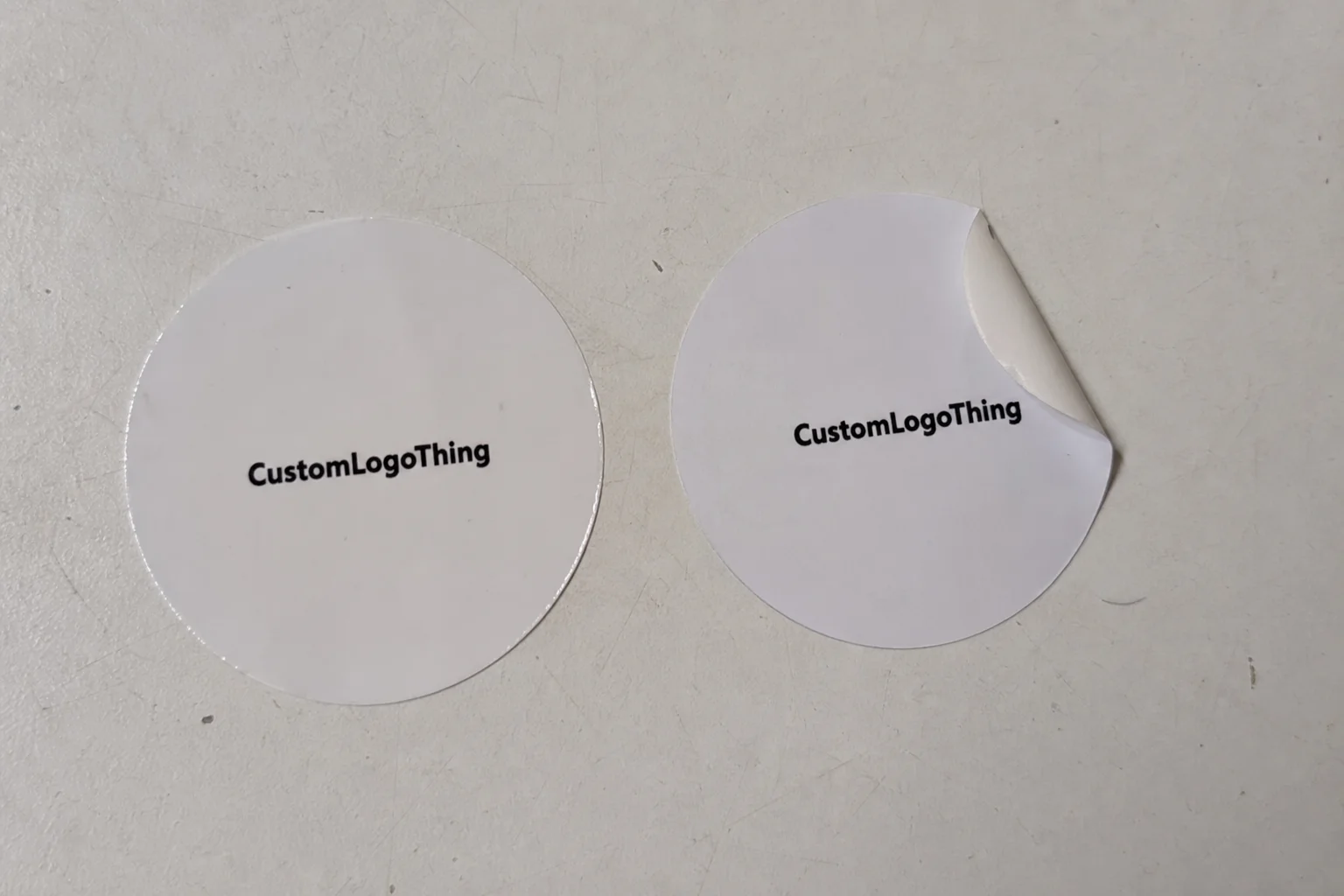
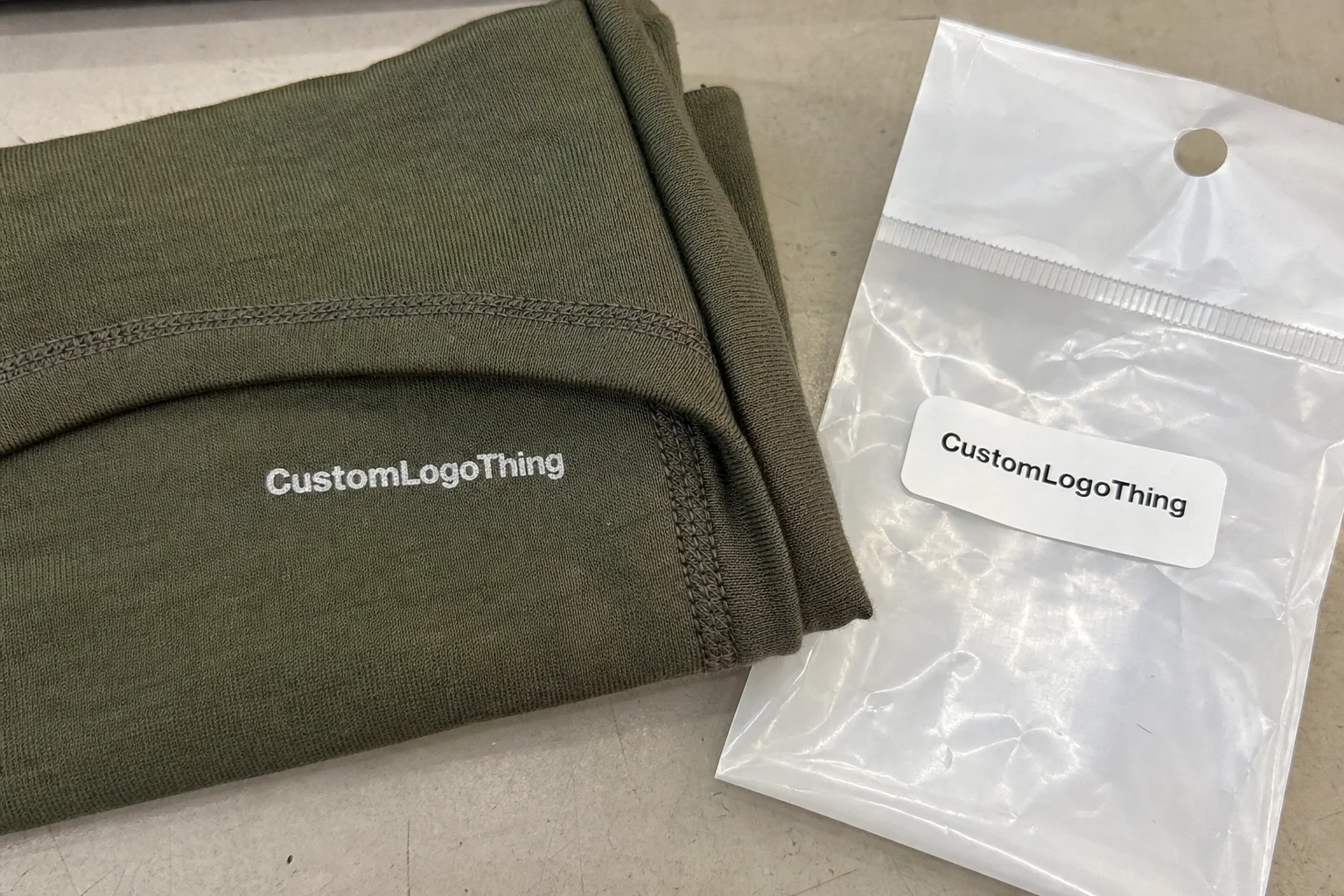
Buyer Fit Snapshot
| Best fit | create brand consistency in packaging for packaging buyers comparing material specs, print proof, MOQ, unit cost, freight, and repeat-order risk where brand print, material, artwork control, and repeat-order consistency matter. |
|---|---|
| Quote inputs | Share finished size, material target, print colors, finish, packing count, annual reorder estimate, and delivery region. |
| Proofing check | Approve dieline scale, logo placement, barcode or warning zones, color tolerance, and any recyclable or compostable wording before bulk production. |
| Main risk | Vague material claims, crowded artwork, or missing packing details can create delays even when the unit price looks attractive. |
Fast answer: Create Brand Consistency in Packaging: Dieline, Finish, Proof, and Buyer Review should be specified like a repeatable production item. The safest quote includes material, print method, finish, artwork proof, carton packing, and reorder notes in one written spec.
What to confirm before approving the packaging proof
Check the product dimensions against the actual filled item, not only the sales mockup. Ask for tolerance on folds, seals, hang holes, label areas, and retail display edges. If the package carries a logo, QR code, warning copy, or legal claim, reserve that space before decorative graphics fill the panel.
How to compare quotes without losing quality
Compare board or film grade, print process, finish, sampling route, tooling charges, carton quantity, and freight assumptions side by side. A lower quote is only useful if the supplier can repeat the same color, closure quality, and packing count on the next order.
The question of how to create brand consistency in packaging used to surface while I was trading business cards at trade shows, usually right after someone rattled off their latest supplier nightmare. I remember when I showed up to a booth, coffee in hand (spilled once, so of course my notes were smeared), and the founder asked if I could “fix” their packaging because the printer had decided magenta was an optional suggestion. The honest answer was less glamorous than the cocktail chatter—it involved forklifts, spreadsheets, and supplier negotiations that stretched from 9:30 p.m. to 2 a.m. Watching six different logo treatments arrive on one Dongguan pallet taught me the real work begins before the printer even warms up. I started telling anyone who would listen that how to create brand consistency in packaging is not a marketing stunt; it’s a strategy built in the prep room, the 28-page kickoff deck, and the conference call before a single box is cut.
Marketers toss brand identity specs into briefs like they are a wish list, and the rest of us building custom printed boxes end up putting out fires. Color shifts that cost $1,200 per rerun, missing dielines that trigger an extra four hours in Makati, and fuzzy decision ownership turn what should be a single story into scattered chapters. The consistent message gets boxed into a checkbox instead of the structural plan that should guide every unboxing moment. (And yes, I have a folder with flagged emails titled “Please read before press!” that rivals my passport in length and includes a 14-point checklist.)
Why Brand Consistency in Packaging Starts Long Before the Printer Warms Up
A logistics manager in Dongguan waved me over while a forklift idled to unload six racks of cartons. They weren’t different SKUs; they were six interpretations of one cereal brand. Each designer had sent files at the last minute, so every logo tone landed slightly off, and the client’s New York launch date was exactly 72 hours away. That scene made me rethink how to create brand consistency in packaging before a single color separation hits the plates: clean assets delivered 10 business days ahead, shared terminology, and defined expectations with the production team in the Shenzhen plant. If the brief is a scatter of variations, the pressroom just prints the chaos in triplicate. Honestly, I think that’s the moment most brands lose control—when they hand over inconsistent files and expect miracles.
On another visit to the Guangzhou sample lab, a buyer admitted she had trashed three caskets of samples costing $12.50 each because the PMS swatch on the lid didn’t match the hero image on their Shopify page—even though embossing, foil, and structure were spot on. That mismatch in color perception was a pricey reminder that aligned brand voice wins before dielines or finishes ever show up. Crafting consistency isn’t about chasing the cheapest offset quote; it is about agreeing on fundamentals up front so every vendor can speak the same language. I still joke that I could have bought a small car with the cost of those samples, but hey, we saved the launch and the press call the following Monday confirmed the corrections.
Before you even ask a supplier for a number, gather the brand voice definition. Match tone, color, and typography across decks, sample boards, and production folders, and post the source files with revision dates—“PrimaryLogo_Red_v7.ai,” last edited on May 3 at 16:12—so everyone rotates in the same direction. Vendors will deliver what they think looks “on brand,” but without the shared definition, the result is a patchwork of unboxing experiences that confuse customers and warehouse staff alike across the Los Angeles and Chicago distribution hubs. I make a point of prefacing every kickoff call with, “Here’s what we’re trying to avoid—let’s all be boringly precise together," and that framing keeps the conversation tethered to the shared doc I update every Friday.
How Brand Consistency in Packaging Works from Sketch to Shelf
Packaging design feels like a relay race. The baton moves from strategy in the Boston studio to artwork creation, materials procurement, tooling, color matching, proofing, and finally the press run in the Jiangmen plant. Every station needs its own checklist or the next runner drops the ball. I learned that lesson on a Sunday when an intern forwarded a dieline without the updated version and the pressman in Hoboken asked why the insert cut two inches short. The mistake cost a full shift and $1,200 in overtime. I still mutter under my breath when someone says “it’s just a tweak,” because I remember the overtime slip hitting my inbox right after that February weekend.

Real timelines look like this: two weeks to lock the design, a week for plate-making, three to five days for proofs, and 10 to 14 business days for the press run, depending on volume and humidity controls in the Shanghai facility. Mid-tier runs for Custom Logo Things recently averaged 20,000 pieces and took exactly 12 days from first proof to palletized boxes when no changes crawled in mid-cycle. Keep that calendar visible to everyone and build buffer time for color tweaks—at least two extra days for spectrophotometer approvals. Constant communication (yes, even through the group chat you’d rather ignore) is how we survive those sneaky delays.
Materials must be secured early. UPM Raflatac supplies my go-to label facestocks and adhesives because they ship precise rolls and offer consistent laminates with a 7-day lead time to the Singapore hub. Lock those specifications before finalizing the dieline. Once the structure is set, double down on adhesives or coatings from the same portfolio so no last-minute swap changes gloss or weight. I once had to explain to a client why a different laminate felt like a velvet glove in one hand and sandpaper in the other, so now I lock it in before anyone can suggest “maybe just a different finish?”
In practice, that means confirming finishes with production at least a full week ahead and requesting a mock-up on the exact substrate, such as 350gsm C1S artboard from WestRock, with soft-touch lamination and no aqueous coating. I once spent $380 on a matte mock-up because the client insisted on soft-touch instead of gloss. The texture change altered ink lay, and catching it before the full run kept the message steady. That level of diligence keeps brand messaging intact from sketch to shelf, which is honestly the only way to keep retailers from emailing you in a panic once their shelves are half-filled.
Key Factors That Keep Packaging Consistent Across Runs
Color leads every conversation. Use Pantone references, demand color bars on proofs, and insist on spectrophotometer readings instead of casual “looks good.” The Shanghai pressroom I toured last quarter calibrated ink viscosity every hour; when the team forgot one adjustment, a healthy palette shifted from warm caramel to neon pink and the change cost 2,400 sheets. Color consistency deserves to be locked tighter than any embellishment. I keep telling teams, “If you can’t name the Pantone by memory, we’re not done.”
Materials have to remain the same. Moving from 16pt SBS artboard to kraft in the same line is visual divorce. Stick to the same substrate, finish, and lamination. If tactile feel matters, document it. “Use 350gsm C1S artboard with soft-touch lamination and no aqueous coating” beats “make it feel luxurious.” When we supply Custom Packaging Products, we name preferred vendors like WestRock in Los Angeles or BillerudKorsnäs in Karlstad so they can repeat the same order every season. (Who knew romance could bloom between a brand and their board supplier? Apparently, I did.)
Structure and dimensions get their own checklist. A custom die from the Guangzhou partner you trust every season means you’re not reinventing a box for every SKU. Tie the die to a single SKU code; otherwise a new dieline can introduce an extra flap that wrecks the clean silhouette you worked so hard to build. I have a drawer full of dies dated 2018 through 2023 just to remind myself of how many near-misses we’ve avoided.
Messaging and typography need rules too. Fonts belong in the brand guide, and hierarchy must be specified for headers, body copy, legal text, and CTAs. Tell the printer how to handle kerning and whether the logo lands inside or outside. During the last supplier negotiation in Seattle, I insisted every dieline came with a typography table and 4-point spacing rules. That stopped marketing from dropping a new font every quarter. I still get the occasional “but Helvetica seems boring” text, which makes me want to send the brand guide directly via carrier pigeon.
Step-by-Step Guide to Create Brand Consistency in Packaging
Step 1: Collect every asset. Logos, color values, fonts, textures, and feel references should live in one shared folder. I once worked on a project where the packaging designer and the digital team hoarded files in separate places. The printer received outdated art and the marketing team exploded. A single source of truth removes that risk. I advise clients to keep a living document with file names, version numbers, and last-modified dates—“PrimaryLogo_Red_v7.ai,” “SecondaryMark_CMYK_v3.pdf,” “TextureSwatch_Gloss.PNG”—and to lock that list by Friday at 5 p.m. (Yes, the digital hoarding needs a benevolent dictator.)
Step 2: Match structural specs to the requirements. If the box can’t survive a pallet jack at the factory in Houston, it won’t survive a retail display in Miami. Document load limits, stacking height, and transport conditions. My guideline for cosmetics says the box needs at least a 10kg burst strength and a reinforced bottom riveted with 4mm glue lines. That keeps the brand consistent not only visually but functionally. I also add a note about how the stack should look on the shelf, because apparently we’re down to styling now.
Step 3: Produce a prepress proof on real materials. I still remember a matte varnish causing a subtle ink shift that dulled the brand, and the two-day proofing window saved the schedule. The mock-up caught it before the full run. When dealing with custom printed boxes, request a press proof using the final substrate plus the intended finish (laminate, varnish, foil). Tactile cues play into brand identity as much as color. (Feel is the unsung hero of branding—don’t ignore it.)
Step 4: Lock approvals. Every change needs one decision-maker. If six people sign off on different tweaks, the factory receives conflicting instructions and chaos follows. I require final sign-off from the brand lead, operations manager, and design director, all documented in the approval tracker with timestamps. That prevents marketing from sneaking in a “just one more tweak” that derails press time. And yes, I know it feels slow, but the alternative is explaining to the CEO why the pallet is half wrong.
Cost and Pricing Realities for Consistent Packaging
Consistency has a price. Budget at least $2,500 for a custom litho run through WestRock or BillerudKorsnäs when you demand identical footage across SKUs. That covers plate-making, die cutting, and enough offset sheets to balance color while accommodating the 5% spoil that our Shanghai press reports on every run. When I worked with a beverage client shipping to both Boston and Dallas, locking that budget upfront avoided the scramble of reshoots that usually hits after launch. (And honestly, I think the panic-free pre-launch moment is worth every penny.)
Color stability adds $125 to $250 per run when you insist on spectrophotometer reports and matching inks from UPM Raflatac or a similar supplier. It seems like an extra line item, but it saves reprints. I once challenged a supplier about an unexpected color shift and they waived $180 of reprint costs because I had insisted on spectro documentation during negotiations. That small investment prevented a $3,000 rerun. That’s the kind of math I can sleep with.
Tooling, die cutting, and finishes usually add $400 to $750 per SKU. I secured one waiver by promising Custom Logo Things a repeat season order after proving the specs met the client’s standards, and the die cost dropped to $260 for the following run. Suppliers want ongoing programs, not one-off headaches. Give them a reason to treat your runs as part of a broader partnership. And if they still act hesitant, send them a picture of your volume forecast and watch them lean in.
Common Mistakes That Break Brand Consistency in Packaging
Switching printers mid-series without aligning specs is a classic failure. Each machine interprets color differently. That “slightly warmer” CMYK change you allowed turns into a full personality shift when the products hit retail shelves in Atlanta. Either stick with a consistent vendor or demand absolute spec sharing before handing the job to another facility. I’ve seen entire campaigns blamed on this, and no one ever remembers the vendor; they just remember the brand looking off.
Letting marketing dictate last-minute alterations without sending approved dielines to production wrecks runs. I still cringe thinking of the raspberry pink label that jumped to neon because someone requested “bolder pink” an hour before press in the Phoenix plant. The pressman ran ragged and the waste bill hit $900. That was the day I learned to treat “bold” as code for “don’t touch my palette.”
Overcomplicating the design breaks repeatability. Too many finishes, foils, or textures become a Frankenbox that no supplier can reproduce without a novel-length spreadsheet. Keep embellishments intentional and minimal—one foil accent you can match across dozens of SKUs beats ten effects that never align. And yes, there is such a thing as too much sparkle; a single foil stripe measured at 3mm wide keeps the pattern consistent across offset presses in Suzhou.
Expert Tips from the Factory Floor about Brand Consistency
Walking the Custom Logo Things Shanghai pressroom last quarter, the color bays were already set up for the next backorders, and the four-color tower was calibrated to 93 dE max variance. Seeing those bays taught me why a clear color standard matters: one slip in ink viscosity and a healthy palette turned into a blurry mess. Communicate standards ahead of time and ask for a color window so the job doesn’t get stuffed into a general queue. Seriously, ask for that window—it's like VIP seating for your run.
Tell suppliers up front that you’re building for consistency. Mention that your brand needs schedules locked into their color calibration windows, typically the Monday morning shift from 7 a.m. to 9 a.m. in the Dongguan plant. They will then prioritize your job and keep it from bouncing to a machine that doesn’t know your references. Suppliers appreciate clarity almost as much as volume. I actually joke that my favorite words are “confirmed specs,” because it seems to calm everyone.
Negotiate quarterly reviews. I earned a 5% rebate from the lamination vendor by sharing a three-run volume forecast of 240,000 units tied to consistent specs. They understood the promise and returned it with measurable savings based on that forecast hitting the June, September, and December windows. That kind of partnership keeps the cost-per-unit predictable and makes sure finishing stays aligned with the brand playbook. I like to think of it as loyalty points for not being that brand that emails panic mid-run.
Actionable Next Steps to Create Brand Consistency in Packaging
Audit your current packaging like a detective. Catalog every color, material, message, and substrate. Lay them side by side and note the discrepancies with spreadsheets and photos. I once mapped every element for a skincare brand with 27 SKUs and caught a gloss mismatch that saved the launch from messaging chaos. The spreadsheet looked like a periodic table with columns for Pantone, finish, and supplier, but it worked.
Revise or build a packaging brief for the next run. Include specs, finish instructions, and a single approval pathway with names and contact info. Link the brief to the same shared artwork folder the printer accesses and note the 48-hour review window for each approver. That shrinks the back-and-forth to a manageable cadence. (Think of it as a GPS for your project—no more getting lost in the jungle of emails.)
Book a call with your Custom Logo Things rep, share the brief, and secure a mock-up. Ask for a cost breakdown so you know where the budget can flex without breaking consistency. Confirm shipping windows, tooling expectations, and quality gates, including the 12-15 business day transit from proof approval to pallet drop in Newark. During the call, mention the commitment to Custom Packaging Products and ask about their latest material pairings for a consistent unboxing moment. I always bring a pen and a notepad because somehow everything important happens when I forgot to charge my phone.
Document every step. Track approvals, archive mockup photos, and attach spectro readings (saved as “Proof_0927_Spectro.pdf”) to proofs. That builds a reliable history, which helps when someone questions the look weeks later. Consistency becomes measurable when the data backs it up. My folders are proof that I over-document, but it’s saved me from multiple “who approved this?” headaches.
If the starting line feels fuzzy, review our Case Studies to see how other brands mapped their stability plans and executed them with matching materials, aligned messaging, and repeatable calendars. The stories remind me why walking factories, having long calls, and keeping spreadsheets is worth it—every brand that Gets It Right is proof that how to create brand consistency in packaging is a process you can control.
The question of how to create brand consistency in packaging isn’t a mystery. It’s a process built from clear assets, structured audits, and supplier partnerships that keep everyone accountable to the same standards from Los Angeles to Shenzhen. When every step from brief to pallet delivers the same energy, your brand shows up consistent every time. (And yes, I still say it out loud in meetings whenever someone forgets to read the brief.)
FAQs
How do I create brand consistency in packaging without blowing the budget?
- Prioritize the core brand elements—logo placement with a 5mm margin, primary Pantone 186 C color bars, and structural silhouette—and keep embellishments minimal to control costs.
- Negotiate a quarterly forecast with your printer (I did this with Custom Logo Things) so they can lock in ink and substrate pricing for the June, September, and December runs.
- Plan for proofing early; catching issues before the press run avoids costly reprints that trash budgets with surprise $3,000 reruns.
What are the first steps to creating brand consistency in packaging for a startup?
- Lock down your brand guide, then choose a single substrate and finish—like 350gsm C1S artboard with soft-touch lamination—that reflects your identity.
- Work with one trusted supplier—and at most two—and feed them every asset; inconsistent inputs create inconsistent outputs that retailers in Seattle and Miami notice immediately.
- Request a mockup or short-run sample to validate the look before committing to a larger quantity, keeping the sample spend under $450 per proof.
How can I measure if my packaging is consistently representing my brand?
- Use color audits with spectrophotometers and keep the readings alongside your brand guide in a folder labeled “Spectro_Readings_2024.”
- Track SKU reviews—if retailers call out mismatched art or structure, you’ve lost consistency—and log those notes within 24 hours.
- Document inspections at every stage so you can trace where a deviation happened and fix the process within the next production cycle.
What role does supplier communication play when creating brand consistency in packaging?
- It’s critical. Share your consistency checklist and treat your supplier as a partner, not a vendor, by scheduling weekly 30-minute calls during peak runs.
- Require written confirmations on PMS values, finishes, and tooling specs so there’s no misinterpretation—save those emails in a folder tagged “Confirmed Specs.”
- Set regular cadence calls—say weekly during a new run—to keep everyone aligned on the 12- to 14-day timeline from proof to pallet.
Can I create brand consistency in packaging across different markets?
- Yes, by using a universal brand guide and adapting only what’s necessary (like language) while keeping colors and structure identical, even if the boxes ship from Los Angeles to Toronto.
- Coordinate regional printers through shared documents and digital approvals so no one improvises when the local language changes, and keep the same die code assigned to each SKU.
- Bundle materials from a single supplier like BillerudKorsnäs if you’re sourcing globally; uniform substrates keep touches predictable and reduce the approval cycle by three days.
Want to go deeper? Check resources like Packaging.org for ASTM D6400 testing standards or FSC.org for sustainable sourcing validation, including their 72-hour humidity conditioning protocol. Build documents that outline your structure, materials, and approvals, and you’re already ahead. The fact that how to create brand consistency in packaging feels complicated becomes irrelevant when you build the checklist that turns it into a repeatable advantage, keeping your brand sharp every time.