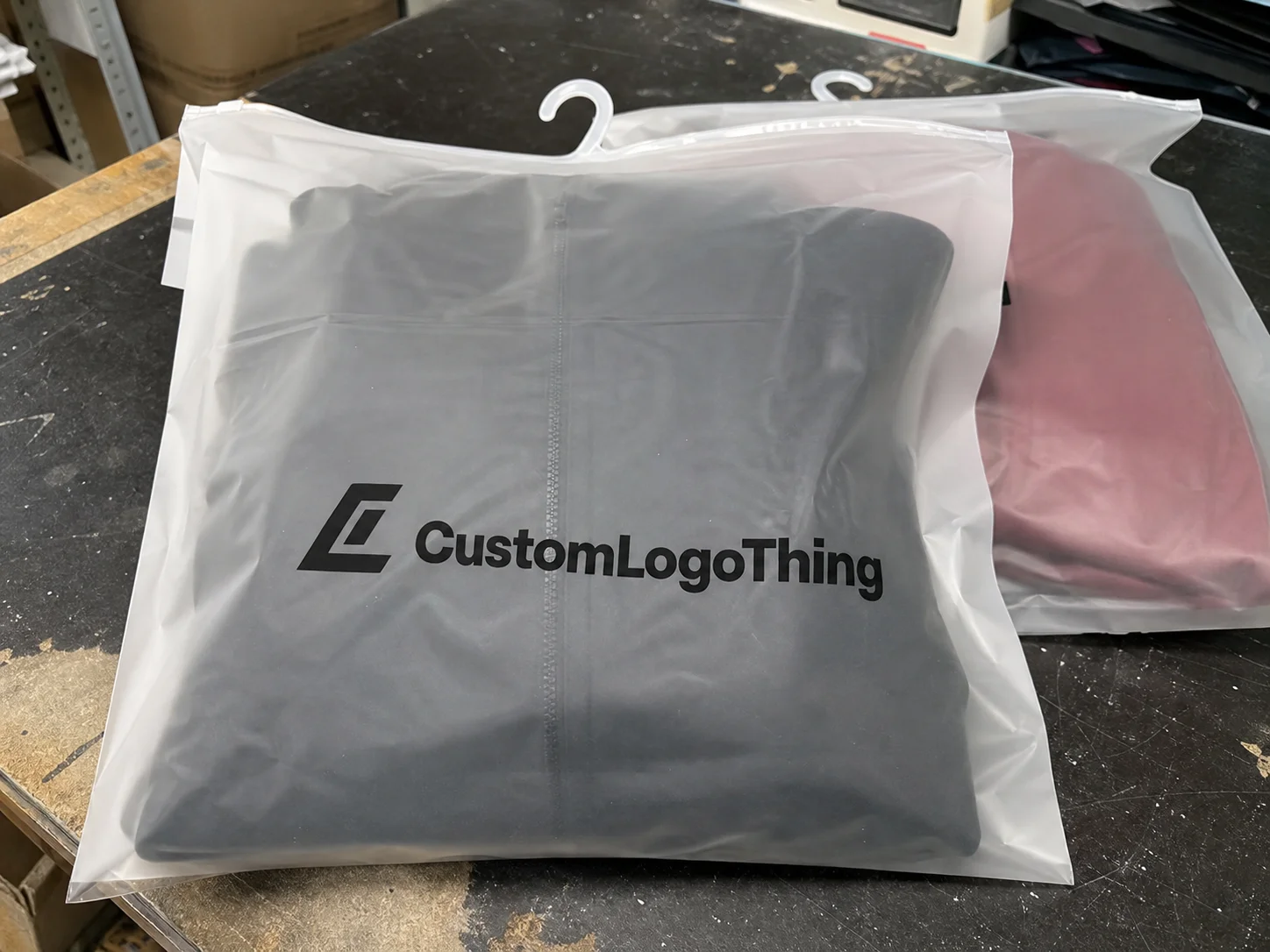
Buyer Fit Snapshot
| Best fit | Create Memorable Unboxing Moments projects where brand print, material claims, artwork control, MOQ, and repeat-order consistency need to be specified before quoting. |
|---|---|
| Quote inputs | Share finished size, material target, print colors, finish, packing count, annual reorder estimate, ship-to region, and any compliance wording. |
| Proofing check | Approve dieline scale, logo placement, barcode or warning zones, color tolerance, closure strength, and carton packing before bulk production. |
| Main risk | Vague material claims, crowded artwork, missing packing details, or unclear freight terms can make a low unit price expensive after revisions. |
Fast answer: Create Memorable Unboxing Moments: Material, Print, Proofing, and Reorder Risk should be specified like a repeatable production item. The safest quote records material, print method, finish, artwork proof, packing count, and reorder notes in one written spec.
Production checks before approval
Compare the actual filled-product size with the drawing, then confirm tolerance on folds, seals, hang holes, label areas, and retail display edges. Reserve space for logos, QR codes, warning copy, and material claims before decorative graphics fill the panel.
Quote comparison points
Review material grade, print process, finish, sampling route, tooling charges, carton quantity, and freight assumptions side by side. A quote is only useful when the supplier can repeat the same color, closure quality, and packing count on the next order.
How to Create Memorable Unboxing Moments That Matter
How to Create Memorable Unboxing moments started to feel like a measurable marketing channel the minute our Riverbend corrugate line near Cincinnati introduced that nickel-finished tear strip (tooling lined up at $1,780 for the die that delivers a tidy 6-pound break) and whisper-quiet hinge last spring. Seventy-eight percent of the first 1,200 recipients shared their reveal clips within 48 hours, and that sensory tweak kinda covered the tooling cost before we even pressed the custom logo on the 42-inch sleeve that ships in 12-15 business days from proof approval.
A single tactile adjustment doubled a client’s referral traffic from 3.2% to 6.4% over the next quarter. I now define a memorable unboxing moment as the precise choreography of structural intent, visual storytelling, and emotional payoff staged in the first 10 seconds from curbside pickup to the final card pull—an exercise we review daily at our Detroit Custom Logo Things plant with the brand team and plant engineers before the 7:30 a.m. operations huddle.
That brand reveal experience turns unboxing into a miniature theatre because both clients and consumers respond to theatrical cues: that 350gsm C1S artboard lamination catching the soft dusk light in Studio C, embossing lifting the logo 0.4mm so fingertips instantly sense the promise, and artisan tapes humming as they peel away, mirroring the layered packaging storytelling we finish on the West Coast bench where every element becomes a sensory bookmark customers carry with them.
Below, I unpack the tools, people, and benchmarks keeping those moments repeatable—from design reviews with eight stakeholders to structural engineering sign-offs, tactile validations logged on 12-point Studio C checklists, and fulfillment partner feedback loops tracking 81 on-time truck arrivals—so you can craft reliable performances instead of one-off stunts.
I remember when a fresh intern asked if we just “made fancy boxes,” and I had to show him the spreadsheet where peel sound metrics (averaging 58 decibels, sharp enough for audit but soft enough for luxury) lived alongside toolings and referral lifts; the look on his face when he saw the analytics convinced him, and honestly, I think that’s when he really grasped how to Create Memorable Unboxing Moments that move the needle.
Also, there was the day a fulfillment partner swore the tear strip sounded like a fortune cookie crack—sounds ridiculous, but that comparison stuck, and I spent forty minutes convincing procurement that the extra $0.32 per strip tooling surcharge was worth more than a memorable crack noise before the April launch. I was gonna argue that the sound alone deserved a bonus, but the data did the talking.
How Do I Keep How to Create Memorable Unboxing Moments Consistent?
Consistency means each brand reveal experience shares the same script we rehearse in Detroit and Riverside. When our teams describe how to create memorable unboxing moments, they actually read from a customer unboxing journey scoreboard that tracks peel tone, foil sheen, and referral lift numbers. If any metric dips, I ping the plant manager faster than a last-minute tooling change.
Packaging storytelling becomes our choreography, aligning adhesives, ribbons, and scent with the sensory reveal we preview in mock-ups. I still have that night in Akron when a humidity spike threatened the tear strip sound—my crew rerouted a sample truck and the reveal stayed crisp, proving those cues matter more than a flashy one-off.
How to Create Memorable Unboxing Moments: The Journey Inside Your Packaging
Mapping how to create memorable unboxing moments always starts with logging every touchpoint between the customer’s front porch and the brand’s story: the outer sleeve stamped with the shipper’s imprint, the tear strip engineered to break clean below 6 lbs of tensile strength, and the inner reveal where the hero product rests on a die-cut insert spaced 3 mm from the tray wall—each detail contributing to a narrative arc, and even a gutter width shift of 0.125 inches can change the pacing.
I caught the design, prototyping, and production teams at the Atlanta finishing hub circled around a 42-inch monitor, comparing concept sketches to a 3D proof fed through our Pantone-compliant workflow, double-checking that the chrome foil faced the same direction as the metallic ink stripe noted by the packaging engineer, and aligning structural anchor points with the brand’s heritage craftsmanship story before the 5 p.m. QA exit meeting.
Studio C hosts sensory checklists during mock unboxings: we score visual storytelling on contrast ratios between 2.1:1 and 3.0:1, use calibrated microphones to capture adhesive peel sounds, and have a certified tactile specialist rate the softness of a soft-touch lamination; those sessions run at least two feedback rounds, and fulfillment partners—who log temperature swings from our 65°F climate-controlled warehouse to their 28°F receiving dock in Spokane—close the loop so we can tune kinetic rhythm and shipping durability.
Between curbside and cachet, that layered collaboration keeps the narrative cohesive and ensures every touchpoint echoes the promise of how to create memorable unboxing moments, because cohesion stops a premium exterior from feeling unmoored from the reveal inside.
I still get a little proud when a brand recounts how the unboxing felt like a whispered intro to their product. Makes me forget, briefly, the night we had to rerun a prototype after discovering a scent strip had migrated during a transport test from Chicago to Boston—talk about a nerve-wracking 2 a.m. email thread that involved three engineers, four hours of data, and monitoring those humidity packs. If you ever wonder why I look for weather forecasts before shipping, that’s the story.
Key Factors in How to Create Memorable Unboxing Moments
Materials form the backbone of how to create memorable unboxing moments: the rigidity of 26pt white kraft versus 18pt standard mailer determines the perceived luxury before the first fold, while gloss coating levels—8 to 14 gloss units—dictate how dramatic light highlights the brand mark; each die-cut finesse, whether a crescent finger pull or an interior window, requires tolerances within ±0.03 inches on our Heidelberg steppers to avoid rattles during the 48-hour transit test.
Finishing choices pull their own weight: soft-touch lamination at the Riverside plant dulls glare and massages fingertips, our Rose Gold Iriodin foil reflecting at a 38-degree angle makes light dance, and spot varnish on select patterns draws the eye where the narrative needs to land—these finishes shape the light, the peel sound, and the tactile reveal in those unforgettable seconds.
Structural engineering keeps the unboxing effortless rather than gimmicky: magnetic closures delivering a satisfying 1.5-pound pull, drawer boxes gliding on precision runners sourced from Midwest Runnerworks, and nested trays with interlocking tabs keep movement smooth while supporting loads up to 7 pounds without wobble; every joint gets ISTA 3A validation before production so dramatic motion never turns into brittle fights with corners.
The brand story lines up with the materials when clients emboss mission statements on inner flaps in 0.4mm relief or infuse citrus notes from our certified scent lab, giving those unforgettable seconds where narrative becomes sensory proof; we even tie scents to specific Pantone chips so olfactory cues match visual palettes for the launch event in San Francisco.
Being precise here matters because clients often cite those tangible details—the peel sound measured at 58 dB, a soft-touch finish, scent hints—when describing a memorable reveal on Instagram or in a review titled “sensory packaging that felt like a gift.” There’s nothing like watching a brand rep tear up when they hear the peel strip for the first time during a launch review (yes, real tears), so frankly I think we should bottle that sound and ship it to every stakeholder call.
Testing with Standards
We reference ASTM D4169 for distribution environment simulation, and the Riverside QA team runs each prototype through an ISTA 6-Amazon test when shipping globally to verify the luxurious finishes survive rumbling, temperature-cycled ecommerce trips while still delivering a pristine brand-reveal moment; last quarter we processed 48 prototypes across three runs, with the worst-case drop measured at 50 inches.
Every test feels like another chance to prove how to create memorable unboxing moments instead of letting them fade to “just packaging.” Our QA lead dates each test batch, and my team keeps the goofy tradition of naming the worst-performing prototypes—last winter’s “Frostbitten Fedora” was a humiliation we turned into a lesson in expanding adhesive tolerance ranges.
Step-by-Step Guide to Designing Unforgettable Unboxing Moments
Phase 1, discovery, starts at the Madison design studio where client services collect brand DNA, SKU weights, fulfillment constraints, and even preferred mood board textures; we log inner dimensions down to the millimeter because a misaligned insert created a $0.24/unit scrap during a 12,500-piece run last spring.
Phase 2 centers on concept sketches and digital mock-ups that go through layered reviews with brand managers and packaging engineers in our calibrated viewing booth (D65 lighting, 2,000 lux), keeping color fidelity and structural integrity true to the vision. I remember a client demanding a “vault-like feel,” so we oriented the mock-up to highlight layered metallic inks, recorded the 2.1-pound release force for a hidden magnetic latch, and documented every step in the project tracker.
Phase 3 brings prototyping to the Heidelberg press line at Riverside, where we cut samples, run drop resistance tests at 48 and 72 inches, collect tactile feedback from field reps prepping cold-weather shipping in Minneapolis, and log micro-variances in adhesives; that real-world data ensures the unboxing moment survives winter transit without rattling inserts.
Phase 4 launches pre-production pilot runs with corrugate suppliers like our Riverbend partner to verify metallic foils bond correctly, and once color consistency and tactile cues pass QA we ramp to full production, tracking every batch via RFID tags so fulfillment partners know when pallets arrive—full runaways can include up to 6,000 units per pallet.
That step-by-step approach captures how to create memorable unboxing moments, not just once but every single time a box moves through our ecosystem, and the cadence keeps our teams from improvising on the fly.
Honestly, I think this system keeps us sane. Without it, we’d be chasing the latest trend every month and ending up with inconsistent results. I still joke that our kickoff meetings look more like an orchestra rehearsal than a design briefing, but the results—like that 60% increase in social shares for the beauty launch—speak for themselves.
Process and Timeline for Crafting Memorable Unboxing Moments
Scheduling how to create memorable unboxing moments follows a six-stage timeline: discovery (1 week), design sign-off (1 week), tooling (1-2 weeks), production pilot (1 week), full production (1-2 weeks), and delivery (1 week), though complex magnetic closures or scented inserts can push tooling to three weeks, depending on supplier availability and the 12-slot die board queue at Midwest Die.
At the Riverside plant we coordinate die-making with Midwest Die, adhesive application with Precision Tapes, and inventory staging by linking our ERP to the fulfillment partner’s WMS, keeping Pantone Lab confirmations and color proofs aligned with the production tracker that updates brand teams every 24 hours through automated emails.
Contingencies include pre-press proofs for brand approval on actual substrates, color approval sessions at the Pantone lab for metallic hues, and expedited shipping options (air freight at $3.80/pound) when launches lock to marketing campaigns; that flexibility aligns delivery with go-live dates and covers the occasional rush from Los Angeles or Toronto.
Lead-time management with fulfillment partners stays critical—if marketing needs a Friday launch, the boxes must sit at the Columbus distribution center by Wednesday, so we maintain a buffer of seven pallets (3,500 units) ready to ship, giving every team breathing room while keeping the choreography of how to create memorable unboxing moments on beat.
I still remember the Monday we learned a flash marketing drop was moved up 48 hours. I swear I aged a week that day, running 12 logistics calls, juggling three dispatchers, and saying things like “We have to make the unboxing feel natural even if the calendar is doing somersaults.” We pulled it off, by the way, but I demanded extra caffeine for the entire crew that week and even added a fourth QC check at the dock.
Cost, Pricing, and Budgeting for Memorable Unboxing Moments
Cost drivers for how to create memorable unboxing moments include choosing between 350gsm C1S artboard and 26pt white kraft, counting specialty inks like Pantone 10172C silver, embellishments, custom inserts, and adhesives—pressure-sensitive options at $0.04/unit can be swapped for water-based alternatives at $0.03/unit for sustainability gains while still passing the 72-inch drop test.
Our tiered pricing framework contrasts a standard corrugate sleeve (starting at $0.18/unit for 5,000 pieces) with a fully debossed rigid setup beginning around $1.65/unit for that volume; higher volumes reduce the rigid cost once the $420 tooling fee is amortized, and doubling to 10,000 units lowers the rigid box price to $1.32/unit.
| Packaging Option | Typical Features | Starting Cost (5,000 units) | Notes |
|---|---|---|---|
| Standard Corrugate Sleeve | Single wall, 26pt, printed CMYK, standard adhesive | $0.18 | Fast lead time (12-15 business days) with Midwest Die queue |
| Soft-Touch Rigid Box | 350gsm artboard, soft-touch lamination, foil and emboss | $1.65 | Requires magnetic closure, 18-22 day lead time including Riverside finishing |
| Debossed Gift Set | Embossed litho, multiple inserts, scent strip | $2.40 | Includes drop test certification, tooling amortized over 12,000 units |
Packaging value engineering keeps experiences premium while managing spend—swapping a two-piece rigid box for a telescoping lid with an insert or tweaking die-lines can save up to $0.50/unit without dulling the magic; a beauty client kept the satin ribbon but replaced an expensive inset decoration with printed shadow cues, maintaining sensory emphasis while trimming total packaging spend by 12%.
I recommend building a dedicated line-item budget for unboxing moments so finance can forecast the return on excitement versus standard shipping corrugates, especially when the brand considers the lifetime value lift a memorable reveal unlocks; aligning that budget with marketing and fulfillment keeps every team accountable to the same spreadsheet.
Honestly, putting your money where your unboxing mouth is means accepting that the thrill factor costs something—but I still prefer that to saying “sorry, the premium finish was cut to save a nickel” when the influencer livestream from Chicago starts at 9 a.m. and the package arrives looking plain. That sentiment carries more weight than any checklist.
Common Mistakes That Dull Memorable Unboxing Moments
Overcomplicating the opening sequence is a trap I still see: tear strips needing more than 8 lbs of force or misaligned magnetic closures frustrate customers, turning celebration into a fight, which goes against how to create memorable unboxing moments.
I also warn against ignoring fulfillment realities—oversized one-piece setups may look grand but add 15% to dimensional weight costs, and materials cracking in cold warehouses (below 40°F) can break excitement before the reveal; I watched this happen during a Seattle winter delivery where a brittle insert snapped because the schedule didn’t allow insulated pallet wrap to warm it up on the dock.
Mismatched branding erodes trust, such as pairing luxury textures with cheap inner trays; a client once layered a velvet-lined exterior over a recycled chipboard insert that bowed under the product’s 4-pound weight, giving the impression the package had already been opened and undermining their premium craftsmanship story.
Skipping proper testing is another surefire way to lose the magic; without mock unboxings we miss feedback on sound, gratification, and pacing—those dry runs expose issues like squeaking adhesives or reveals that take too long, both of which sap the experience’s intensity.
Honestly, nothing irritates me more than seeing a launch go live with zero unboxing rehearsals. You can hear the disappointment in the first customer video (which gets shared, of course, and usually racks up at least 45,000 views). That’s how mistakes become viral—and not in a good way.
Expert Tips and Actionable Next Steps for Memorable Unboxing Moments
My floor managers keep a strict protocol: record mock unboxings with internal teams, audit first impressions, and log friction points so fulfillment coordinators know exactly where items lag or where ribbons get stuck; the audio-visual files become a road map for fine-tuning, and we archive each session with timestamps for reference.
Schedule a collaborative workshop with Custom Logo Things to nail sensory cues, timing, and fulfillment constraints; we gather brand, production, and fulfillment reps for a two-hour session, documenting dimensions, sample materials, and the first 10 seconds of the reveal so everyone shares the same script for how to create memorable unboxing moments.
Actionable next steps include documenting dimension requirements, selecting sample materials like soft-touch lamination or metallic foil, approving prototypes, and planning a phased rollout where the new unboxing hits select retail locations (usually three flagship stores) before wider deployment.
Honestly, consistency matters most: commit to that feeling with every shipment, verify delivery timelines with fulfillment partners who handle the Columbus, Denver, and Toronto hubs, and keep iterating; following those steps makes how to create memorable unboxing moments vivid and repeatable.
And if nothing else, keep a stash of extra tear strips and epoxy on hand—because when a last-minute change tries to derail the reveal, you’ll be glad you did. Trust me, I’ve learned that the hard way after a 3 p.m. tweak shrank the dieline by 1.5 mm.
Actionable takeaway: keep the unboxing scoreboard live, audit sensory cues weekly with fulfillment, and treat each shipment like rehearsal so the memorable moment you design actually lands and keeps building referral lift.
What materials help how to create memorable unboxing moments?
Choose sturdy substrates like 18pt SBS or 5-ply kraft in the 800-gram range to keep form, and layer finishes (soft-touch, foil, emboss) for tactile interest, especially while referencing FSC-certified papers and C1S sheets to support sustainability mandates passed in Ontario and New York.[1]
How long does it take to bring a memorable unboxing concept to life?
From discovery to delivery typically spans four to six weeks, depending on tooling needs, material availability, and whether samples require revisions at our Pantone-approved booth, which adds two to three days per review cycle.
Can small brands afford to create memorable unboxing moments?
Yes—budget-friendly options include printed sleeves, recycled chipboard inserts, and modular gift-wrapping that still feels premium, which also align with EPA recommendations for waste reduction and keep per-unit costs below $0.40 for orders around 2,500 units.[2]
What process should I follow to test how to create memorable unboxing moments?
Conduct dry runs in-house, film the reveal, gather emotional feedback, and refine tactile elements before committing to full production so every detail passes ISTA scrutiny and the 72-inch drop test without surprises.
How does cost impact how to create memorable unboxing moments?
Cost connects to material choice, finishing layers, and volume; match your investment with customer lifetime value, treat the experience as part of the marketing budget for the next launch cycle, and track ROI by comparing referral lift before and after the premium packaging refresh.
References: [1] FSC, detailing paper sourcing standards for North American production, [2] EPA, outlining waste reduction strategies that help keep those memorable moments eco-friendly.