Buyer Fit Snapshot
| Best fit | Custom Unboxing Boxes Wholesale projects where brand print, material claims, artwork control, MOQ, and repeat-order consistency need to be specified before quoting. |
|---|---|
| Quote inputs | Share finished size, material target, print colors, finish, packing count, annual reorder estimate, ship-to region, and any compliance wording. |
| Proofing check | Approve dieline scale, logo placement, barcode or warning zones, color tolerance, closure strength, and carton packing before bulk production. |
| Main risk | Vague material claims, crowded artwork, missing packing details, or unclear freight terms can make a low unit price expensive after revisions. |
Fast answer: Custom Unboxing Boxes Wholesale: Pricing, Specs, Process should be specified like a repeatable production item. The safest quote records material, print method, finish, artwork proof, packing count, and reorder notes in one written spec.
Production checks before approval
Compare the actual filled-product size with the drawing, then confirm tolerance on folds, seals, hang holes, label areas, and retail display edges. Reserve space for logos, QR codes, warning copy, and material claims before decorative graphics fill the panel.
Quote comparison points
Review material grade, print process, finish, sampling route, tooling charges, carton quantity, and freight assumptions side by side. A quote is only useful when the supplier can repeat the same color, closure quality, and packing count on the next order.
Custom unboxing boxes wholesale can move the economics of a product line faster than many teams expect. A box arrives before the product does. That first touch shapes a buyer's read on value, care, and quality. The carton is not only a container; it is a shipping tool, a branding surface, and, in some categories, the closest thing a customer gets to a staged reveal.
Packaging matters for reasons that are easy to measure and easy to overlook. It affects damage rates, labor time, repeat purchase behavior, and the amount of perceived value you can create without adding much cost. The difficult part is separating useful detail from decorative excess. A box can look premium in a render and still fail in the warehouse. It can photograph well and still waste board, freight space, or packing time. Wholesale purchasing is where those tradeoffs become visible.
For brands that sell at scale, the question is rarely whether packaging matters. The better question is whether the box supports margin, protects the product, and repeats cleanly across reorders. That is where custom unboxing boxes wholesale becomes a practical buying strategy rather than a design indulgence.
Why custom unboxing boxes wholesale can raise margins fast
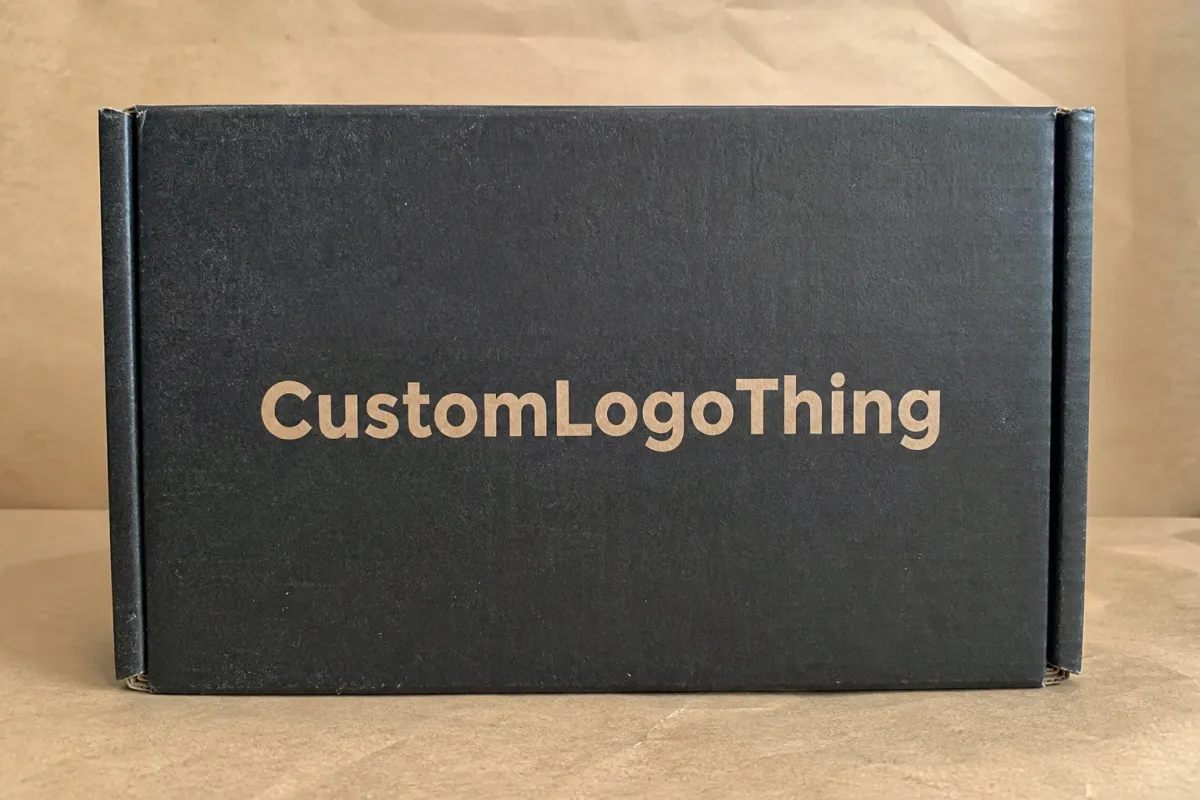
The box changes the economics of an order in ways many buyers miss. Customers see the exterior first, then the opening sequence, then the product resting inside. That sequence happens in seconds, yet it can carry more weight than a paragraph of brand copy. A plain shipping carton says one thing. A printed mailer with a clean interior reveal says another. The contrast is obvious once the package lands in a customer's hands.
From a packaging buyer's perspective, custom unboxing boxes wholesale offers something small runs often cannot: predictable unit cost across volume. Retail quantities make custom dimensions, printed artwork, and inserts look affordable until the setup charges appear. At wholesale scale, those fixed costs are spread across more units. The result is usually a lower per-box price and a program that is easier to repeat across SKUs, campaigns, and reorder cycles.
Picture a subscription brand shipping two product lines. One uses a plain corrugated shipper with loose fill. The other uses a custom mailer with two-color print, inside graphics, and a paperboard insert that holds the product in place. The first box may save a few cents on paper and ink. It also allows more movement in transit, creates a flatter opening moment, and gives the brand little to photograph. The second costs more, yet it can cut damage claims, support a higher average order value, and make the package feel deliberate rather than improvised.
The margin effect can be sharper than people expect. A box that adds $0.25 to perceived value but only $0.08 to cost in a well-run wholesale program can pay for itself quickly. That is the odd arithmetic of packaging. It behaves like an operations expense and performs like merchandising. It protects the product, presents the brand, and influences the sale at the same time.
Repeatability matters just as much. Once a box spec is finalized, reorders become easier to forecast. Seasonal drops, influencer kits, subscription refills, and retail replenishment all benefit from that kind of consistency. Buyers who treat packaging as part of brand presentation tend to get better results because they think about fit, print coverage, and fulfillment flow together instead of treating them as separate chores.
Practical rule: if a box makes the product feel more expensive without slowing packing or creating waste, it deserves serious attention. If it only looks good in a mockup and becomes a problem in the warehouse, the economics usually unravel fast.
The question is not whether a box looks polished in a photo. It is whether the box supports margin, lowers friction, and stays consistent after the first order. That is why wholesale sourcing matters so much for custom unboxing boxes wholesale programs.
What custom unboxing boxes wholesale includes
Wholesale packaging programs cover more structures than many buyers expect. Mailer boxes, rigid presentation boxes, tuck-top cartons, and gift-style retail boxes each solve a different problem. Mailers fit ecommerce well. Rigid boxes lean toward luxury presentation. Tuck-top cartons suit lighter products and shelf-ready retail packaging. Gift-style packaging sits between those categories, depending on board grade and insert design.
Material choice matters as much as structure. Corrugated board is the workhorse for shipping because it resists crush, stacks well, and comes in flute profiles such as E-flute or B-flute. Paperboard, often in the 18pt to 24pt range or roughly 350gsm to 400gsm depending on the build, works better for lighter products that need a refined printed face. Rigid chipboard, usually around 1.5mm to 3mm thick, is the premium presentation option when the goal is a heavier feel in the hand.
The material should follow the product, not the trend. A 6-ounce skincare set does not need the same build as a ceramic home goods item. A fragrance kit may need a rigid shell and a tight insert. A lightweight apparel box may do the job perfectly in a printed mailer with no elaborate insert. Strong wholesale programs start with product behavior and then choose board, finish, and inserts from there.
Branding options are broad. Buyers can specify full-color process printing, spot color work, inside printing, foil stamping, embossing, debossing, soft-touch lamination, gloss lamination, matte lamination, aqueous coating, UV spot effects, and specialty textures. The right mix depends on price point, audience, and the opening experience you want to create. Strong branded packaging usually needs a few disciplined choices, not every finish on the menu.
Custom inserts and protective components matter just as much as print. A box that looks elegant but lets the product rattle around is a weak purchase. Inserts can be made from paperboard, molded pulp, foam, corrugated partitions, or chipboard. Dividers separate components. Sleeves can add a second visual layer without rebuilding the full box. Protective structures shape the experience long before the customer lifts the product out.
Wholesale sourcing becomes especially useful for launches, subscription boxes, influencer kits, and seasonal campaigns because the order can cover several formats at once. If your team is building a broader catalog, compare structures in our Custom Packaging Products range before locking a spec. A wider view often prevents the mistake of choosing a box that looks right but runs poorly in production.
| Box type | Best use | Typical material | Wholesale pricing signal | Practical note |
|---|---|---|---|---|
| Corrugated mailer | Ecommerce, subscriptions, direct-to-consumer shipments | E-flute or B-flute corrugated board | About $0.45-$1.20 per unit at mid-size runs | Strong balance of cost, print surface, and ship-ready protection |
| Paperboard tuck-top carton | Lightweight retail packaging and kits | 18pt-24pt paperboard | About $0.18-$0.70 per unit depending on print coverage | Good for lighter products where shelf presentation matters |
| Rigid presentation box | Premium gifts, cosmetics, electronics accessories, luxury sets | 1.5mm-3mm chipboard wrapped in printed paper | About $1.20-$4.50 per unit | Higher perceived value, stronger opening moment, higher setup cost |
| Sleeve and tray system | Subscription refreshes, seasonal promotions, layered branding | Paperboard or corrugated with printed sleeve | About $0.70-$2.20 per unit | Flexible branding structure that can refresh artwork without changing the base tray |
The table above is not a quote. It is a buying frame. A supplier may price lower or higher depending on dimensions, print area, finishing, shipping terms, and the exact quantity. Still, the relative ranking usually holds: rigid boxes cost more, corrugated mailers offer the broadest balance of value and protection, and paperboard cartons remain efficient for lighter retail packaging.
One practical warning: price comparisons only work if the structures are truly comparable. A mailer with inside print and a custom insert is not the same product as a plain printed sleeve. The lowest number on the page is not useful if it describes a different build.
Specifications that affect performance and perceived value
Accurate pricing and fewer production surprises start with clear specifications. Dimensions come first. Not rough dimensions. Exact internal dimensions and the product's assembled size, including closures, inserts, wraps, and accessories. A box that is 3 mm too tight can create damage or slow packing. A box that is too large can waste board, raise freight cost, and let the product shift inside the cavity.
Weight matters too. A 120-gram item and a 1.2-kilogram item should not share the same structure unless the packaging designer has already accounted for that load. Board strength, flute type, and wall construction matter more than many teams realize. For ecommerce cartons, buyers usually care about crush resistance and stacking behavior. For presentation boxes, the focus shifts to rigidity, lid alignment, and how the package feels during the opening sequence. If the product is moving through parcel networks, many teams reference ISTA test methods to think more clearly about drop, vibration, and transit stress.
Finish choice alters perception immediately. Matte lamination gives a restrained, modern tone. Gloss pushes color harder and often feels more energetic. Soft-touch creates a velvety surface that many buyers connect with premium goods, though it can show scuffs or oils depending on handling. Uncoated stock feels more natural and suits brands that want a tactile, less polished look. The finish should match the product story and the handling environment. A box that looks elegant in a showroom may not belong in a high-volume fulfillment line.
Print coverage changes both price and design impact. Full-coverage artwork costs more than a small logo panel. Inside printing adds a memorable reveal, but it also increases setup complexity. Foil, embossing, and spot UV create focal points, yet each one adds production steps and quality checks. These features should be chosen on purpose, not added after the layout is done, because every extra effect changes lead time and the risk profile.
Artwork preparation is another place where delays hide. The spec sheet should include dielines, bleed, safe zones, final artwork resolution, color references, and proof approval rules. If the design team uses multiple files for the same SKU, mismatch becomes more likely. A tidy file package reduces back-and-forth and keeps the wholesale order moving. Packaging design asks for imagination, then punishes sloppy manufacturing habits.
- Lock dimensions first: internal size, product fit, closure style, and insert clearance.
- Confirm the product load: weight, fragility, and whether the box must stack.
- Choose the finish early: matte, gloss, soft-touch, uncoated, or specialty coating.
- Define print scope: exterior only, inside print, foil, embossing, debossing, or spot UV.
- Approve artwork carefully: dieline, bleed, safe area, and a final proof before production.
Some buyers also want sourcing documentation for fiber-based packaging. That is where FSC certification can matter, especially for brands that want paperboard or corrugated materials tied to responsible forest management. Certification does not replace good design. It adds traceability, which procurement teams often need for retail packaging and brand audits.
Better specifications mean cleaner quotes, fewer remakes, lower waste, and a more predictable wholesale run. Without them, Custom Printed Boxes turn into guesswork, and guesswork eats budget quickly.
Cost, pricing, and MOQ: how to compare quotes
Pricing for custom boxes rarely fits into a single number. The real cost sits in a stack of variables, and the stack changes quickly once a buyer moves from a standard mailer to a luxury rigid box with inserts and foil. Box style, material grade, print complexity, special finishes, order quantity, and shipment method all affect the final number. A quote that ignores one of those pieces is not truly comparable.
MOQ, or minimum order quantity, usually reflects the point where production becomes efficient enough to price sensibly. Press setup, die cutting, finishing tools, and wrapping all carry fixed labor and prep time. Smaller runs can be done, but the unit price rises because overhead is spread across fewer boxes. That does not make the supplier expensive. It just makes the math visible.
For a buyer comparing custom unboxing boxes wholesale offers, the real task is comparing total landed cost rather than the factory price alone. Landed cost should include the box price, tooling, sampling, freight, duties if they apply, and any storage or handling charges. A quote that looks low on paper can become expensive after the cartons move through the rest of the supply chain. The reverse happens too. A higher quote that includes better packing, fewer defects, and a clearer schedule can win on total economics.
Ask for a quote format that isolates the following items:
- Unit price at the target quantity.
- Setup costs for print plates, dies, or tooling.
- Sample cost and how many revisions are included.
- Freight terms and whether shipping is built into the price.
- Lead time from proof approval, not from the first inquiry.
- Packaging method for shipment to your warehouse or fulfillment center.
A useful comparison sounds like this: one supplier posts a very low unit price but charges separately for sampling, tooling, and freight. Another quotes a slightly higher unit price, yet includes pre-production sampling, better carton packing, and a more reliable production schedule. The second option can save money because the program is easier to manage and less likely to stall. Many buyers would rather pay for clarity than chase the cheapest headline.
| Quote factor | Why it matters | Risk if ignored |
|---|---|---|
| Tooling and setup | Determines whether the run is priced realistically | Unexpected add-ons that distort the budget |
| Sampling | Confirms fit, color, finish, and closure behavior | Production errors that are expensive to fix later |
| Freight and duties | Shapes the real landed cost | A low quote that turns into a high invoice |
| Inventory handling | Useful if boxes are stored before release | Warehouse costs that erode margin quietly |
| Reorder consistency | Keeps the next batch aligned with the first | Color shifts, fit differences, and brand inconsistency |
Wholesale pricing patterns usually follow a familiar curve. Smaller runs carry higher unit cost because setup is spread across fewer cartons. Larger runs lower the cost per unit and often make future orders easier to predict. A buyer planning 2,000 boxes may pay more per box than a buyer ordering 10,000. That is normal. The real question is whether the larger run fits demand, cash flow, and storage space.
If your team is building a wider purchasing plan, our Wholesale Programs page can help align quantity, repeat ordering, and production timing before you request a formal quote. Wholesale works best as a supply plan, not as a one-off transaction.
One more point: always ask for a landed-cost estimate. Not only a factory price. Not only a per-unit number. Landed cost is the figure that protects margin.
Process, timeline, and production steps
Good packaging programs move through a sequence. The process is usually more predictable than buyers fear, but only if the brief is clear. It starts with discovery: product dimensions, shipping environment, target look, order quantity, and budget. From there, the supplier reviews structure and material, then confirms the dieline. Once the artwork is ready, a sample or proof is produced for review. After approval, the order enters production, followed by inspection, packing, and freight.
In practice, the slowest steps are usually artwork approval and sampling. That is where teams revise copy, shift logos, adjust color, or discover that the insert no longer fits the product. A buyer who wants a faster turnaround has to protect those two steps aggressively. Clear sign-off rules help. One person should own the final proof. If three departments are reviewing the same carton, the calendar will stretch.
Typical timing varies, but a useful working range is often 5-10 business days for sample development and 12-25 business days for production after final approval, depending on box type and finishing complexity. Simple printed mailers may move faster. Rigid Boxes with Foil, embossing, or custom inserts may take longer. Rush orders can happen, but they usually increase cost or reduce finish options. That tradeoff should be made with eyes open, not discovered on the invoice.
A launch schedule should include buffer stock. That sounds obvious until a team runs out of packaging one week before a campaign goes live. A 10%-15% buffer is common for programs with predictable demand, though some brands need more if they have multiple fulfillment locations or seasonal spikes. Reorders should be timed before inventory drops too low, especially when the box supports a launch, subscription refresh, or retail promotion with a fixed ship date.
For packaging that must survive distribution networks, many teams reference test and performance standards to guide decisions. That can include parcel handling, compression, and vibration checks, or internal quality standards tied to print registration and board strength. The goal is not to over-engineer every carton. It is to match the box to the real shipping path rather than an ideal one.
Planning note: if the packaging is ready but the product is not, do not order boxes early without a storage plan. Paperboard can warp, printed surfaces can scuff, and finished inventory can become a hidden carrying cost.
Here is a practical workflow buyers can use:
- Write the brief with exact dimensions, product weight, shipping method, and finish preferences.
- Confirm the box style and insert type before artwork begins.
- Approve a sample or digital proof with one final decision owner.
- Schedule production backward from the product launch date.
- Hold buffer stock for reorders or seasonal demand spikes.
For teams managing multiple SKUs, the biggest process advantage comes from consistency. Once the spec is stable, the next order becomes faster, cleaner, and easier to budget. That is the moment when custom printed boxes stop acting like a one-time creative project and start behaving like a repeatable operating asset.
Why choose us for custom unboxing boxes wholesale
The strongest wholesale packaging partner is not the one with the loudest promise. It is the one that cuts uncertainty. Buyers want cleaner specs, steadier communication, and fewer surprises between quote and delivery. That becomes even more important when the same box has to match across several campaigns or product lines. A slight color shift or a half-millimeter fit issue can turn a good first run into a frustrating reorder.
Our approach is grounded in sourcing discipline. That means confirming the spec before production begins, checking print requirements carefully, and structuring the order for repeatability. If the goal is a premium unboxing moment, we help keep the box visually strong without letting the program drift outside budget. If the goal is functional packaging, we simplify the structure so the order performs well without extra weight or unnecessary finish work.
That balance matters. Some buyers arrive wanting every available finish. Others want the lowest possible unit cost. The right answer is often between those poles. A good packaging partner should explain where each dollar creates value and where it only adds noise. That holds for branded packaging, subscription packaging, retail packaging, and direct-to-consumer product packaging.
Consistency is another reason wholesale clients stay with one supplier. The second order should feel like the first. Same structure. Same print quality. Same board feel. Same insert fit. Repeatability is not flashy, but it keeps operations steady. A packaging program that cannot repeat cleanly stops being a system and turns into a series of exceptions.
Service also matters in practical ways. Buyers often need account support, quality checks, and production oversight because packaging touches procurement, design, fulfillment, and sometimes retail operations. A packaging partner that understands those handoffs can save time, reduce rework, and keep the order moving. That tends to matter more than marketing language.
If your team is comparing suppliers now, look closely at how they handle detail. Do they ask for dimensions, product weight, and shipping method right away? Do they explain how material choice affects price and performance? Do they offer a landed-cost view rather than a polished but incomplete number? Those are the signs of a partner that can support custom unboxing boxes wholesale over the long term.
Next steps: request a quote and build your spec sheet
If you want a quote that actually helps, start with a spec sheet. The more complete the brief, the faster a supplier can return a number that reflects reality. At minimum, include exact dimensions, product weight, box style, print colors, finish preferences, insert needs, order quantity, and shipping destination. If you have reference images or an existing sample box, send those too. A visual reference can prevent misunderstandings that would otherwise surface after sampling.
A good request also asks for the full picture, not only the price. Ask for a sample, a timeline estimate, and a landed-cost quote before approving a full wholesale run. If one supplier can provide structure guidance while another only sends a number, the first offer may be more valuable even if the headline price looks higher. Service quality costs money because it prevents mistakes.
Compare at least three quotes if the order matters. One should be your target supplier. One should be a service benchmark. One should be a price benchmark. That comparison helps you see where the market sits on structure, print, and lead time. It also reduces the temptation to choose a quote that looks cheap but leaves out tooling, freight, or sample approval steps.
Use the checklist below before you send the request:
- Product dimensions: length, width, height, and assembled shape.
- Product weight: finished weight with accessories or inserts included.
- Box style: mailer, rigid, tuck-top, sleeve, tray, or another structure.
- Print plan: exterior, interior, full wrap, single-color, or process color.
- Finish: matte, gloss, soft-touch, uncoated, foil, embossing, or spot UV.
- Volume: launch quantity plus expected reorder range.
- Shipping: destination, transit method, and whether storage is needed.
Once that information is assembled, request pricing and compare the answers on structure, lead time, and total cost rather than headline price alone. That is the shortest path to a better procurement decision, a cleaner production run, and a stronger unboxing experience that supports margin instead of draining it.
What is the usual MOQ for custom unboxing boxes wholesale?
MOQ depends on box style, print complexity, and material, but wholesale runs usually begin at quantities that make setup costs efficient. Smaller orders are possible in some cases, yet the unit price often rises because fixed production costs are divided across fewer boxes. Buyers should compare flexibility against margin before choosing a short run.
How do I get an accurate custom unboxing boxes wholesale quote?
Provide exact dimensions, product weight, box style, print colors, finish, insert needs, and shipping location. Ask whether the quote includes setup, sampling, freight, and finishing charges so the number reflects the real landed cost. A quote that skips one of those items can look attractive and still miss the budget by a wide margin.
Which material is best for premium custom unboxing boxes wholesale orders?
Rigid chipboard is often the best choice for luxury presentation because it feels substantial and holds shape well. Corrugated board is stronger for ecommerce shipping and usually makes more sense when the package needs to travel through parcel networks. Paperboard works well for lighter products when the main goal is a polished retail look at scale.
How long does custom unboxing boxes wholesale production take?
Timing depends on artwork approval, sampling, quantity, and finishing complexity, so lead time is never one fixed number. A straightforward run may move quickly once the proof is approved, while a box with foil, embossing, or custom inserts can take longer. Rush orders are sometimes possible, but they usually increase cost or reduce finish options.
Can custom unboxing boxes wholesale orders include inserts?
Yes, inserts can be added to hold products in place, improve presentation, and reduce damage during shipping. Choose the insert material based on product weight, fragility, and the opening experience you want to create. If the box needs to protect multiple components, the insert is often as important as the outer carton itself.
How should I think about repeat orders?
Repeatability is the real test of a packaging program. The second order should match the first in size, print, finish, and fit, with no surprises on freight or tooling. That is why many buyers standardize custom unboxing boxes wholesale early: it keeps product packaging consistent, protects brand presentation, and makes replenishment easier to manage.
What is the safest way to avoid paying for features I do not need?
Start with the product's physical needs, then add only the finishes that support sales or protection. A light cosmetic kit may need a strong print face and a simple insert, while a luxury set may justify foil or embossing. The safest purchasing habit is to ask which feature changes the customer's experience and which one only changes the quote.

