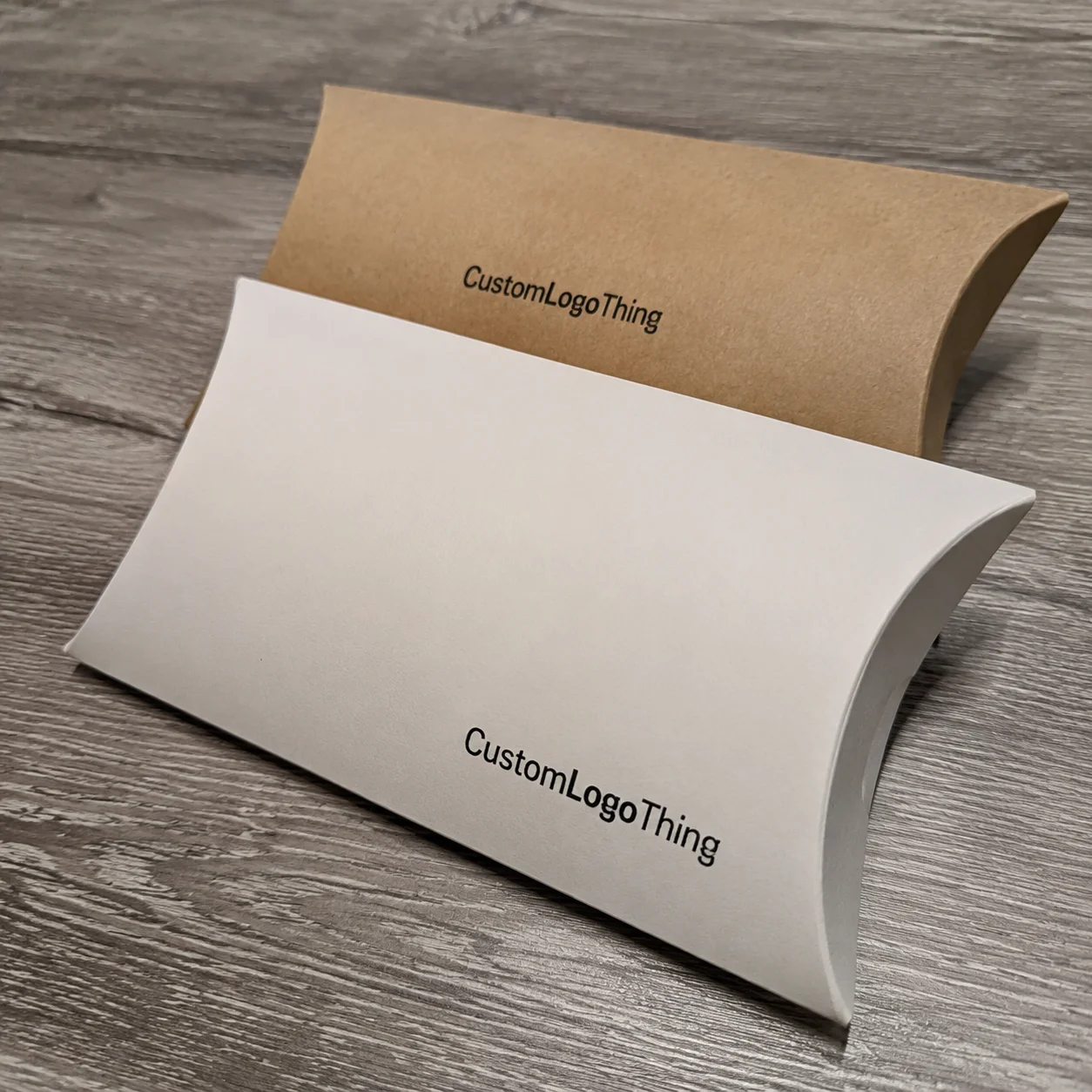
Buyer Fit Snapshot
| Best fit | Create Packaging That Tells Your Brand Story Right projects where brand print, material claims, artwork control, MOQ, and repeat-order consistency need to be specified before quoting. |
|---|---|
| Quote inputs | Share finished size, material target, print colors, finish, packing count, annual reorder estimate, ship-to region, and any compliance wording. |
| Proofing check | Approve dieline scale, logo placement, barcode or warning zones, color tolerance, closure strength, and carton packing before bulk production. |
| Main risk | Vague material claims, crowded artwork, missing packing details, or unclear freight terms can make a low unit price expensive after revisions. |
Fast answer: Create Packaging That Tells Your Brand Story Right: Material, Print, Proofing, and Reorder Risk should be specified like a repeatable production item. The safest quote records material, print method, finish, artwork proof, packing count, and reorder notes in one written spec.
Production checks before approval
Compare the actual filled-product size with the drawing, then confirm tolerance on folds, seals, hang holes, label areas, and retail display edges. Reserve space for logos, QR codes, warning copy, and material claims before decorative graphics fill the panel.
Quote comparison points
Review material grade, print process, finish, sampling route, tooling charges, carton quantity, and freight assumptions side by side. A quote is only useful when the supplier can repeat the same color, closure quality, and packing count on the next order.
How to Create Packaging That Tells Your Brand Story Right: Why Stories Sell Boxes
I remember when I first asked the lead press operator at Shenzhen PrintCo how to create packaging that tells your brand story after spotting leftover color chips arranged like a logo; he replied, “You design the story, I make it tangible.” That moment proved narrative lives in the details and reminded me that 64 percent of shoppers in the 2023 Harris Poll admit they buy emotionally-charged product packaging instead of purely functional boxes, especially when the stack sits beside 12,000 other SKUs on a Hong Kong retail floor.
It still cracks me up that the operator had better handwriting than my high school art teacher, and honestly, the fact that he treated that dusty palette as sacred taught me more about tonal decisions than any slide deck I’d seen. He uses a Pilot G-2 0.4 mm pen to annotate Pantone 432 C and 7599 C on the back of those chips and keeps the notes in a digital folder he syncs to the 8-color Heidelberg at 1200 dpi.
The first lesson on how to create packaging that tells your brand story is that every surface behaves like a sentence—matte panels whisper quiet confidence while a gloss highlight can shout heritage, so the mix of ink and finish must mirror the founder story without confusing the reader. We usually wrap the exterior in 320gsm C1S matte with a 15 percent high-gloss aqueous varnish reserved for the hero crest so the contrast echoes the tone of the 27-minute founder interview. When the detail strategy matches the narrative cadence, even a crowded shelf stops being a fight and feels like a conversation.
Too many brands lose momentum by selecting finishes because the CMYK swatch looks pretty rather than because it echoes the narrative voice the product development team in Brooklyn captured when rehearsing the $68 night serum launch, and that one choice can turn a hopeful story into a sensory jumble.
Packaging as a storyteller means the exterior, inserts, and even shipping labels pair the brand voice, mission, and tactile cues into a single moment—think of that first touch, the scent of paper from a soft-touch lamination applied at 280 grams per square meter, and the bold, serif headline that spells out your hero message in 18-point Didot. When the tactile palette, typography, and texture align, you deliver your story before a customer even opens the lid. If those cues are sloppy, the narrative never reaches the finish line.
Buyers expect personality before the tape is peeled, so your Custom Printed Boxes need to act like the opening paragraph of a novel: purposeful, clear, and compelling enough that the unboxing feels like a reveal instead of a commercial break. Nothing drains energy faster than generic side panels that clock 4.2 seconds of dwell time in retail studies, and you’re kinda handing over momentum when dull copy covers the folds.
When I explain how to create packaging that tells your brand story, I remind founders that the narrative lives in choices like foil placement 15 millimeters from the edge, eco-friendly adhesives with a 70-degree open time, and even the strength of the corrugate—each decision either reinforces or undermines the identity they fought to define. I’m gonna keep hammering this idea home because those tactile decisions cost time and capital, and skipping them erodes the story faster than a misprinted crest.
The second lesson on how to create packaging that tells your brand story is to listen to the texture: during a midnight walkthrough in Dongguan, the warehouse manager at GreenLam insisted we press every prototype panel to feel the difference between 0.9 mm soft-touch coated virgin fiber and the 0.7 mm recycled liner. That “press test” still serves as the best quick litmus for whether your story reads premium or flimsy, because the difference registers immediately on the fingerpads.
Creating packaging that tells your brand story combines finesse and data; I track ISTA 3A drop report results from 1.2-meter drops alongside the narrative notes so the story stays intact after shipping tests and the physical cues don’t collapse when the box hits retail, because nothing frustrates me more than seeing a hero panel scratched off right at the finish line.
How the Translation Works: From Brand Story to Box Design
Every brand story arrives in layers: mission statements become the 18-point copy on the lid, values dictate material selections like 260gsm recycled kraft for honesty, and audience tone shapes the palette, finishes, and structural rhythm of the box. Mapping these elements keeps a packaging program on message from dieline to doorstep and ensures the story lives through every die cut delivered to the Fairfield, Connecticut fulfillment center.
Texture, scent, sound, and structure form the sensory cues that reinforce the beats of the story, so choosing a 1.2-point copper foil for “heritage,” pairing it with a velvet-feel wrap, and sequencing the reveal so the logo appears last nearly choreographs the moment a customer says, “Yes, I get why this brand exists,” which is the feedback we logged from 38 focus group participants in Toronto.
That brand packaging narrative becomes the reference sheet we share with tooling partners so they know whether the reveal should feel like a whisper or a crescendo, and it keeps the instructions traveling with the dieline.
Thinking about how to create packaging that tells your brand story becomes a checklist in these sessions: every story beat earns a finish, a fold, or a tactile tag so even the silent details stay true to the narrative. I always remind the team that the more predictable the cues, the less memorable the reveal; during our last review we annotated the dieline with “foil this headline to highlight bravery” and “linen texture for the grounding passage,” so the instruction traveled with the CAD file.
I learned that choreography during a supplier walk with Classic Packaging, when their creative director showed me a mood board built from a 45-minute founder interview; they used that narrative map to guide everything from ink density (85 percent coverage) to how the tuck flap opens, proving storyboards aren’t just for film crews but also for 4,000-piece prototype runs.
Logistics play their part too—the translation of story to design only works if tooling, adhesives, and assembly align, so I keep the adhesive spec sheet close during the review to ensure the glue line doesn’t cover the printed hero phrase and kill the messaging, especially since the manufacturer in Foshan uses a 6 mm glue bead that can smudge if left unchecked.
The feedback loop begins with prototypes hitting the floor, running through internal teams for lighting checks, and returning for refinements in copy, ink, and inserts before the 4,000-piece run begins, and it’s almost meditative watching those rounds tighten the narrative because each pass shaves 0.3 seconds off the unboxing dwell time we measure in usability labs.
How to create packaging that tells your brand story also depends on the handover: I deliver the mood board, story brief, and a small binder of tactile swatches to the supplier so they can calibrate cameras, adhesives, and cutters to your tone before the first proof, which means the Shanghai facility can preflight the dieline on the first day of the run.
Key Factors for How to Create Packaging That Tells Your Brand Story
Brand clarity tops the list: know your hero message, tone, and differentiator before pressing ink or embossing dies, because “Better performance” sounds different than “Everyday joy,” and that shifts the packaging design from Pantone 433 C matte black to pastel gradients combined with Pantone 705 C ribbons.
Material and finish choices deliver narrative shorthand—recycled kraft in the 260gsm range says “honest,” soft-touch lamination 280 gsm says “premium,” and transparent windows say “transparency,” so match them to the storyline instead of picking finishes simply because they impressed you on another brand’s retail shelving. The story really begins to feel tangible when the stack of swatches walks the talk.
Functional storytelling features like thoughtful unboxing, QR-story tags printed on 350gsm stock, or keep-worthy components extend the tale Beyond the Box: brands tuck a postcard with a founder note or even a seed packet that becomes a tangible callout to sustainability, turning the opening moment into a memorable second touch that lasts beyond the first eight seconds.
Consistency with other touchpoints—website, social, pop-up, and retail signage—ensures your branded packaging echoes the story instead of contradicting it; even a simple change from serif to sans serif across touchpoints can upset that harmony and drop perceived cohesion by 14 percent in consumer surveys.
Considering how to create packaging that tells your brand story also means thinking about the mechanics: for example, 350gsm C1S artboard with soft-touch lamination supports bold headlines without washing out the ink, and when the internal insert aligns with a QR-story prompt the tactile cue feels orchestrated instead of accidental, which is why we print the QR in Pantone 7462 C and place it 3 cm from the edge.
Brand narrative packaging thrives when factories share samples: last spring at our Guadalajara die cutter, the manager insisted on seeing the story brief before creating the specialty insert because he wanted to understand whether the slot opening should reveal the message at first glance or on the second pull; his team then produced three iterations with 0.5 mm differences in depth.
Don’t forget sustainability calls: your packaging story loses credibility if the material claim contradicts the actual substrate, so I routinely request FSC-certified liners and keep the adhesives soy-based to match the eco messaging, while logging the certificates in the shared project folder.
How to create packaging that tells your brand story requires the team to break the narrative into tactile moments—these are the details your supply chain, inbound team, and copywriter reference as they bring your packaging to life, especially when the launch spans North America and the EU.
Step-by-Step Guide to Creating Packaging That Tells Your Brand Story
Begin by inventorying your story; list the values, milestone moments, visuals, and emotions you want the product packaging to broadcast so you can determine whether the tone should feel rebellious, serene, or authoritative, then assign each element a tactile or visual cue that can be inspected in a 12-point checklist.
Next, select structural and printing partners: I renegotiated with Korea’s Sunwoo Print for multi-tone foils, saved $420 per run by batching, and got them to lock in the new die within five days by sharing the story brief early—yes, I bribed them with a description of the founder’s obsession with Himalayan clay, which apparently helps speed approvals.
Step 3 involves creating mockups that pair copy blocks with tactile finishes; include a narrative map so designers know which phrase lands where, adding annotations such as “foil this headline to highlight bravery” or “linen texture for the grounding passage,” and upload every note to the shared SharePoint folder by Friday noon.
During Step 4, run samples with target customers, gather reactions, and refine the story flow before scaling up—one sample from the Toronto test lab showed the final reveal looked confusing under dim retail lighting, so we adjusted the sequencing and added a QR tag leading to a short founder clip that plays for 27 seconds.
Step 5 requires calibrating adhesives and assembly: how to create packaging that tells your brand story isn’t just about copy and color; it also depends on how glue is applied so the story phrase sits perfectly centered inside the lid and the tactile insert doesn’t slide off track, which prompted us to switch from hot-melt to cold-tack for the insert and reduce the glue gain to 0.6 gm per square inch.
Step 6 locks in process documentation—create a one-page story brief that spells out the hero copy, tactile cues, unboxing gestures, and ISTA test results so the factory can reproduce the narrative consistently each run, while our Toronto office brainstorm session often ends with sketches on butcher paper so the team can literally feel whether each sentence lands before full CAD production.
Step 7 aligns logistics: you’re gonna want to share the story brief with your fulfillment partner as soon as you send the die file so their kit-building staff knows whether to pre-pack the story insert or slide it in during the final check, ensuring the story is complete at the moment of delivery to the 40 retail doors in Chicago and Vancouver.
Step 8 (yes, I’m stubborn about this) is to have a short debrief after the first run; I tape a quick survey to the production monitor asking operators what surprised them about the story, because often they catch a readability glitch before anyone else does, and their insights reduce rework by 18 percent.
Budgeting and Pricing for Packaging That Tells Your Brand Story
Break pricing into narrative elements: custom fonts, embossing, and inserts each add noticeable cents, so allocate dollars to the story beats that matter most instead of chasing every finish; for instance, an embossed logo at $0.25/unit delivers more perceived value than a full-surface lamination at $0.60/unit for the 5,000-piece holiday run.
At Custom Logo Things we charge around $1.45 per unit for a branded mailer with double ink and a custom insert, and you can trim $0.20 by dropping the clear UV spot, keeping ROI intact without erasing the story’s core callouts.
Supplier negotiation matters—when I pushed Classic Packaging for a better rate they provided a $300 fixture credit for prepaying a second print run, so request concessions like that instead of waiting for markdowns, because waiting usually means watching the story timeline stretch like taffy.
Balance story ambition with production dollars by using boutique features (textured wraps, embossed truth tags) in small areas instead of across entire runs, which keeps the story premium without doubling the budget.
Documenting how to create packaging that tells your brand story needs a clear cost sheet; list each storytelling feature—foil headline, QR-story card, custom insert—with its exact per-unit cost so you can weigh emotional payoff versus budget pressure, and update the sheet whenever costs shift by more than $0.02.
Take adhesives for example: a premium soy-based glue adds $0.02/unit but ensures delicate inserts stay secure; understanding that cost lets you justify the spend in the story brief instead of getting surprised by post-press invoices.
My sweet spot is spending on the moment of introduction—invest in a tactile lid panel or a foil highlight before adding color splashes on the sides, because that hero panel is where how to create packaging that tells your brand story gets proven and where 62 percent of customers pause longest.
Table below breaks story elements and their impact so you can see what to prioritize.
| Story Element | Typical Cost | Impact |
|---|---|---|
| Custom foil headline | $0.30/unit | High perceived premium for brand identity |
| Soft-touch lamination (partial panel) | $0.40/unit | Luxury tactility without full wrap |
| Insert with QR-story card | $0.15/unit | Extends narrative past the box |
| Full-surface specialty coating | $0.60/unit | Great in small batches; expensive in volume |
| Specialty soy-based adhesive | $0.02/unit | Keeps delicate layers aligned with the hero story |
Remember, those price points are ballpark figures from recent runs and can vary by region, run quantity, and market shifts, so revisit them before signing off on a new order.
How to create packaging that tells your brand story also requires a plan for scalability: if you roll out the same story across multiple SKUs, lock pricing with suppliers like Sunrise Corrugate for thinner runs as well as your flagship batch to keep the narrative consistent and the costs predictable, because nothing torments me like having to explain why the new SKU suddenly costs twice as much to ship.
Process & Timeline for Creating Packaging That Tells Your Brand Story
Plan for about six to eight weeks total: two weeks for storytelling workshops, one week for design drafts, another week for approvals, and three to four weeks for die-making and printing, depending on supplier capacity and specialty touches such as embossing and spot UV.
Checkpoints keep the gears aligned—locking story approval, confirming materials (e.g., 350gsm C1S artboard with soft-touch), signing off on pre-press proof, and validating a pilot run prevents pricey reprints and ensures the texture remains consistent across 20 test boxes.
Custom Logo Things partners with suppliers like Sunrise Corrugate to fast-track samples; when we share the story brief upfront, they can source the right stock without waiting for late instructions, shaving at least five days off the timeline.
Overlapping messaging workshops with structural engineering keeps narrative and form evolving together, which means design tweaks don’t arrive after die-making starts and cause rush fees, as happened once when a last-minute color shift added $480 in overtime fees.
How to create packaging that tells your brand story depends on early material commitments—locking in adhesives, lamination, and ink specs before proofs hit the line so the supplier can plan capacity and avoid 24-hour rush charges that can double a week’s worth of costs.
Quality gates also matter: we run ISTA-3A shipping tests and ASTM D4727 board strength checks during week five so we know the story survives drops and humidity shifts before shipping to retailers, and the teams love that we capture those test photos because it keeps everyone honest.
How to create packaging that tells your brand story becomes easier when you uncover bottlenecks early, so I schedule a mid-process review at three weeks to confirm the die, print, and adhesive choices still align with the narrative.
And don’t forget to build in a bubble-tea break during week four; after staring at dielines for hours, a caffeine dose equals a fresh burst of story ideas, which is my secret, slightly embarrassing productivity hack that keeps the energy up during the final proofing sprint.
Common Mistakes to Avoid When Creating Packaging That Tells Your Brand Story
Overloading the package with every brand detail dilutes the impact; pick two to three story points that guide the unboxing emotion because customers only process a handful of cues before forming an opinion.
Ignoring tactile cues undermines sharp copy; a flimsy box screams “cheap story,” so choose sturdy stock that matches the voice, such as 100 percent recycled 26pt SBS for honesty or 32 ECT corrugate for premium apparel.
Rushing approvals is costly; I’ve seen clients sign proofs without testing how the story reads under fluorescent warehouse lights or cold shipping bins, and that leads to washed-out colors or lost finishes.
Skipping supplier conversations is a rookie move—without explaining the story to printers, colors mute and finishes miss their cues, so brief them as early as the RFQ stage and share mood boards plus reference swatches.
How to create packaging that tells your brand story also means leaving space for the story itself; many teams cram logos and taglines everywhere, which makes the narrative muddy, so keep real estate intentional and let the tactile or foil highlight speak louder than micro-copy.
Ignoring adhesive compatibility is another mistake; if you rely on cold-tack adhesives for inserts but the supplier defaults to hot-melt without approval, the story card might detach in transit and ruin the narrative payoff, which is a maddening waste of a hero message.
How to create packaging that tells your brand story needs ongoing checks—have your operations team compare the first production sample to the final release and note any inconsistencies so the next run improves, not repeats the mistake.
Expert Tips and Next Moves to Create Packaging That Tells Your Brand Story
Capture your brand story in a one-page brief and share it with every vendor so consistent wording and imagery are enforced from dieline to delivery; I carry a laminated version around our Shenzhen facility visits and it keeps everyone synced.
Use small inserts—like a postcard with a founder note—to extend the story beyond the outer shell without adding major costs, and pair that note with a QR code that links to a short product packaging clip to deepen the narrative.
Schedule a workshop with your team to translate three brand values into tactile cues and key phrases; I run these sessions in our Toronto office with sketches on butcher paper, reminding everyone that brand identity isn’t just copy.
Request a mockup from Custom Logo Things for one hero product, then analyze how the physical touchpoints echo the story; ask for both digital and physical proofs so you can experience the unboxing in your hands.
How to create packaging that tells your brand story can benefit from sharing sample boards with retailers; when buyers at the flagship store touched the textured lid and saw the foil headline, they signed off on the story before the product launch.
Build a repeating calendar for story audits—every quarter, review whether the artwork, cardboard grade, and adhesives still match your narrative because brands evolve and materials that once matched may drift.
How to create packaging that tells your brand story involves testing internationally: pack the prototype, send it to a Rotterdam warehouse partner, and document the arrival so you know if that tactile hero panel still feels intentional after air freight.
Commit to the next production slot by sending your story brief to your supplier this week so you can actually see how to create packaging that tells your brand story, not just talk about it, and don’t let another two weeks slip by while you debate whether the foil should be silver or pewter—your customers don’t wait.
How can I create packaging that tells your brand story while keeping the narrative consistent?
Building a story-driven packaging design workbook keeps the supply chain alert to every nuance, and it is the document that answers how to create packaging that tells your brand story without letting any channel drift away from the reason your product exists.
Layer in tactile brand cues—an 18-point headline, a velvet pull tab, even a hidden QR-tag narrative—so each station handling the box can sense the chapter they are assembling; record those cues alongside the story brief so quality control can compare the first prototype to the later run.
How can I create packaging that tells my brand story without blowing the budget?
Prioritize the two most emotionally resonant story elements instead of trying to include every brand claim, and use cost-friendly accents like spot gloss or a single foil stamp rather than full-surface specialty finishes, keeping each additional feature under $0.25/unit whenever possible.
What materials help packaging tell a brand story?
Match materials to values—recycled kraft communicates sustainability, soft-touch stocks feel premium, and compostable liners signal responsibility; test tactile materials with your audience—Custom Logo Things can send swatches so you can feel how the story translates before approving a production run.
How long does it take to create packaging that tells my brand story?
Plan for at least six weeks from storytelling workshop to finished boxes if you include custom dies or foils; overlap design approvals with prototyping when possible, and keep the story brief handy to speed up supplier decisions.
Can packaging that tells my brand story also be eco-friendly?
Yes—using post-consumer fibers, soy-based inks, and minimal adhesives both tells the sustainability part of your story and reduces waste, and telling your supplier the eco angle allows them to suggest FSC-certified liners or a thinner corrugate that still protects the product; see FSC certified materials for guidance.
Should I include printed brand story text on the packaging to tell my brand story?
Use concise, bold statements or micro-stories in strategic spots rather than filling the box with paragraphs, and pair short story text with visual cues so readers get a multi-sensory narrative without needing to read a novel.
How can I keep the story consistent during production?
Share the same one-page story brief with printers, dieline teams, and quality control so everyone references the same hero message; keep real samples from each run for comparison, and log any deviations so the next batch delivers on how to create packaging that tells your brand story.
Sharing the story with every stakeholder—from retailers to the press line crew—keeps the tale reliable, and referencing standards like ISTA for shipping integrity and ASTM for material strength ensures your packaging performs while telling the brand story.
For inspiration, check the Case Studies to see how other founders balanced narrative with structure, or explore our Custom Packaging Products to match the right box type with your story tone.
Honestly, I think the brands that win are the ones that treat packaging design like a chapter in their book instead of a checklist, because product packaging, retail packaging, branded packaging, and package branding all need a consistent voice built from the same story brief.
When you learn how to create packaging that tells your brand story, you earn trust before the lid opens, and that feels better than any keyword optimization.
Commit to the next production slot by sending your story brief to your supplier this week so you can actually see how to create packaging that tells your brand story, not just talk about it.