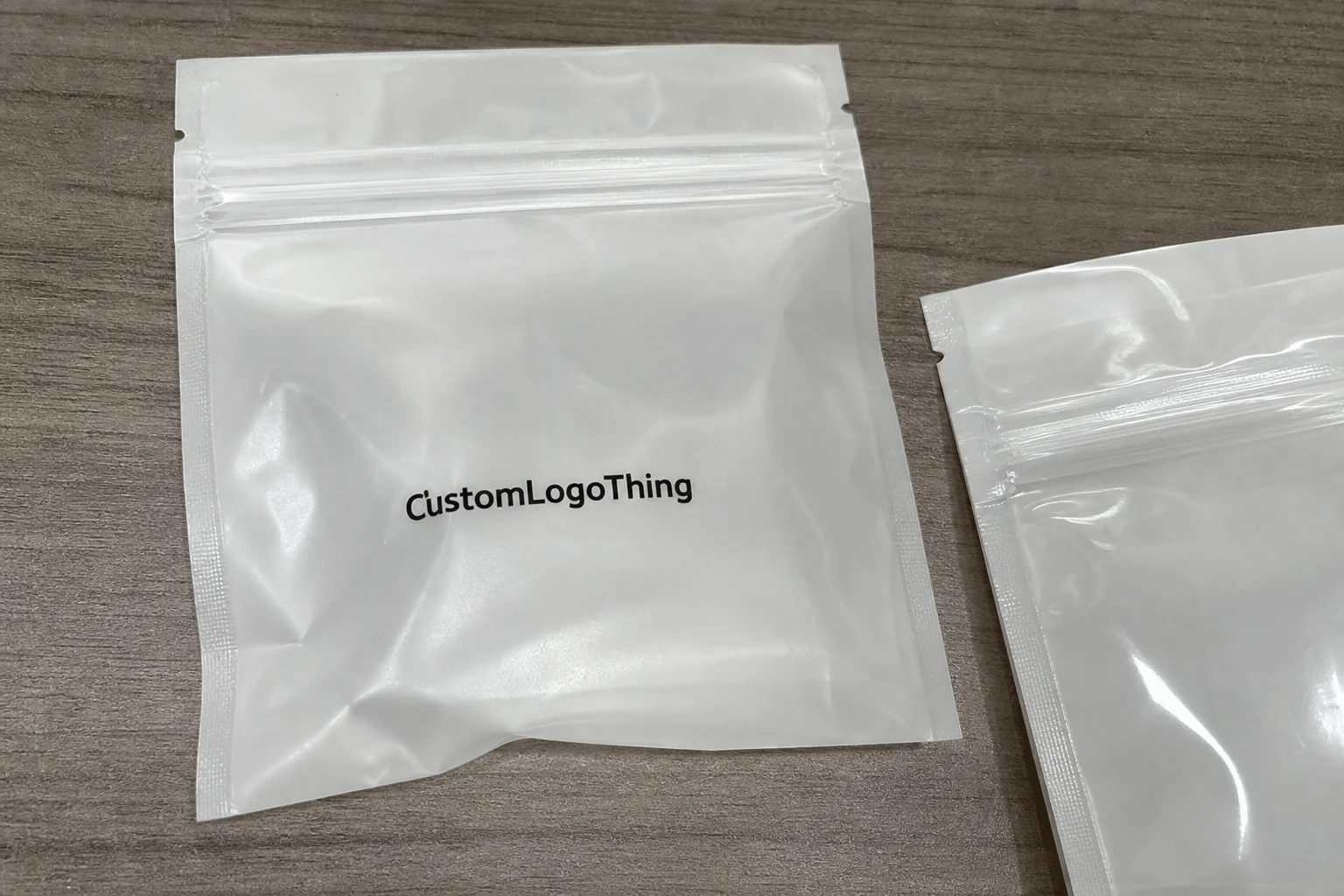
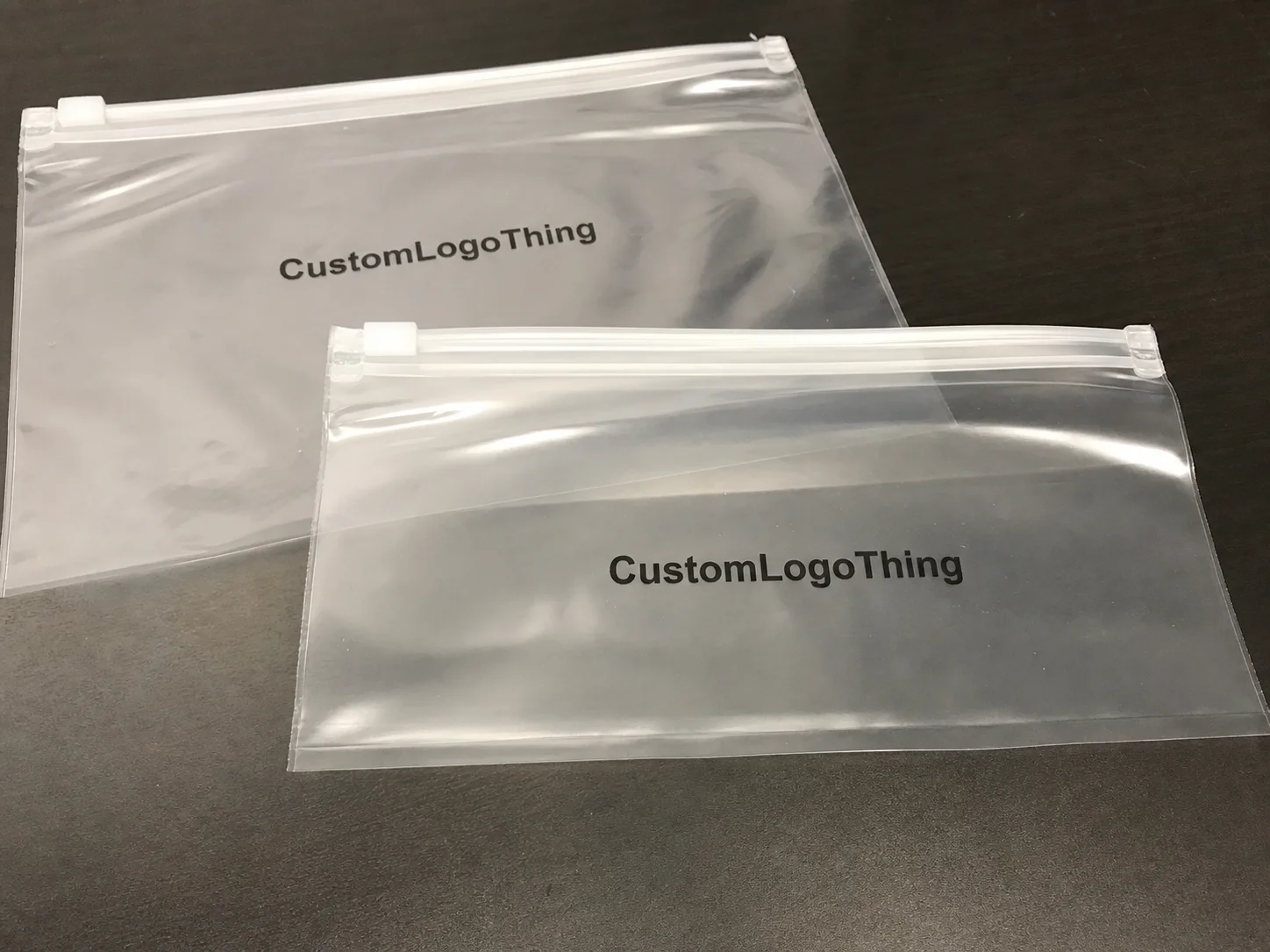
A jewelry hang tag is a small item with a high failure rate if the factory is not controlled. Stock choice, print registration, finishing, and assembly all show up fast because the format is small and visible. If the tag is off, the entire package looks less credible.
The real audit question is not whether a factory can make one attractive sample. It is whether it can repeat that result at scale without changing color, feel, hole position, or packing quality. That is the difference between a proof and a usable supply chain.
Buyers often review tags alongside inserts and Custom Packaging Products so the brand feels consistent at every touchpoint. If one item looks premium and the rest look generic, the mismatch is obvious.
Why a polished tag can still fail a jewelry audit
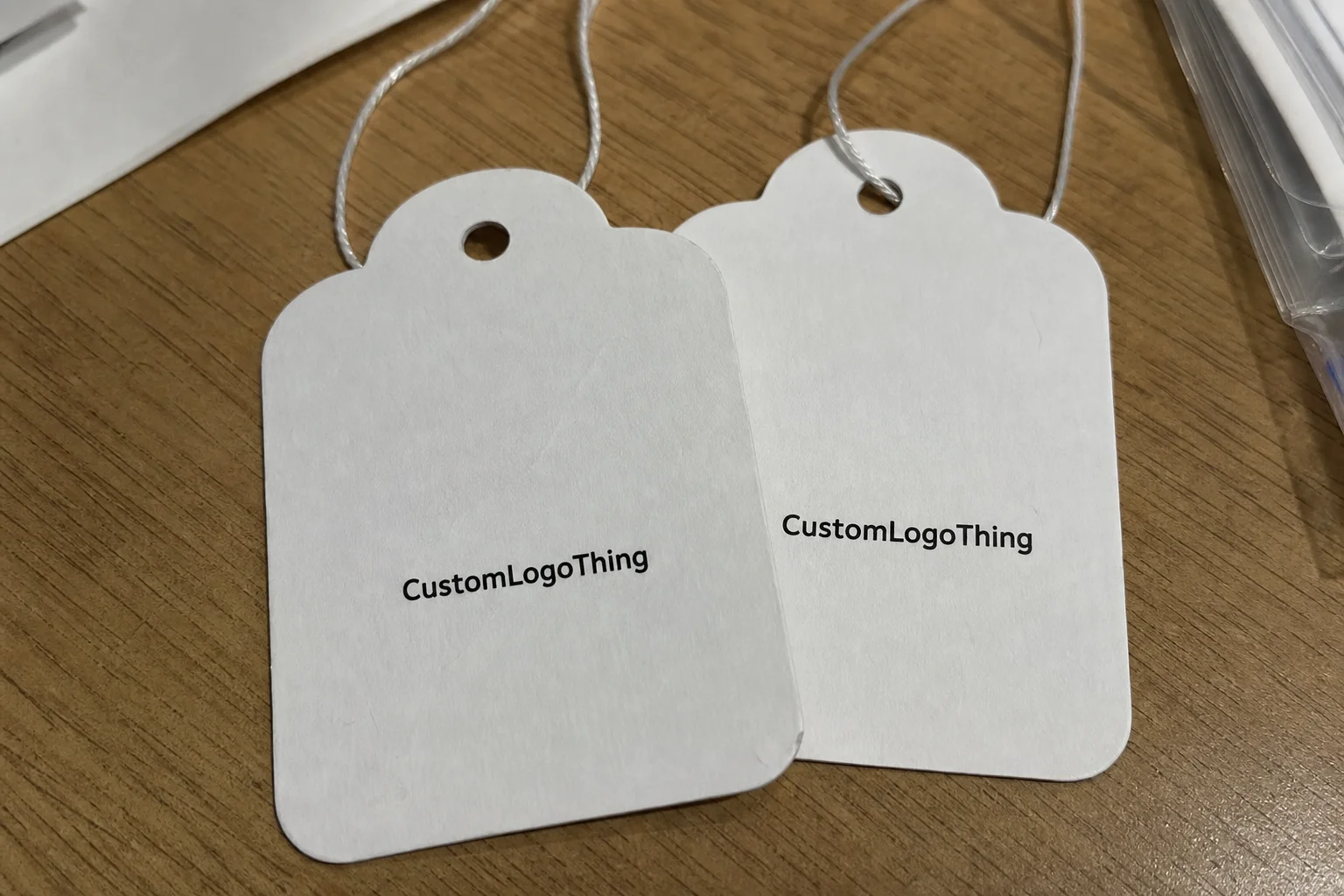
Most hang tag problems are small, not dramatic. A hole that is 1.5 mm off center, a soft-touch coating that scuffs in carton, or a barcode that prints cleanly on proof but fails after finishing can all pass a casual review and still fail production.
Some factories are strong in sales and weak in process. They can send clean decks, answer quickly, and quote aggressively, then lose control when the job moves from sample to repeat run. The audit questions matter because they force the supplier to explain the full path from file to packed goods: stock, print method, die-cut, coating, attachment, inspection, and dispatch.
A pretty proof is not approval. It is only a preview.
Small format work punishes loose tolerances. A 45 x 90 mm tag leaves little room for drifting text, narrow margins, or off-center punches. If the factory cannot hold small details consistently, the tag will show it immediately.
The same discipline used for cartons should apply here. The buyer is not asking whether the factory can print something once. The buyer is asking whether it can print the same thing again next month without changing the result.
Printed hang tags for jewelry packaging factory audit questions
These Printed Hang Tags for jewelry packaging Factory Audit Questions should be specific. A real quote should identify the substrate, thickness, print route, finish, die-cut shape, punch size, attachment type, and any variable data. If the supplier only says "premium paper" or "good quality," the quote is still a concept.
Ask the factory to document the following before you approve a run:
- Substrate: coated art paper, kraft, cotton paper, textured stock, or specialty board
- Weight: usually 250 gsm to 400 gsm for jewelry tags, depending on finish and attachment
- Print method: digital, offset, foil, embossing, spot UV, or a combined process
- Color reference: Pantone, CMYK build, or approved printed proof
- Punch size: commonly 3 mm to 5 mm, matched to the cord or eyelet
- Packing standard: bundle count, carton count, and whether interleaving sheets are used
Ask for the proof trail, not only the quote. A credible supplier can show a spec sheet, a digital proof, a physical sample, and a written QC standard. If the claim is FSC paper, ask for certificate details instead of a pasted logo. The standards from FSC matter more than a decorative badge.
It also helps to ask which step most often causes rework. A factory with a controlled workflow will answer directly. Common bottlenecks are custom dies, foil registration, specialty paper lead times, imported cord, and late artwork changes. A weak supplier usually says "no problem" until the schedule starts slipping.
Check whether the sample was made on the same line or with the same setup that will produce the full order. Some factories hand-make samples in a way that hides the real production method. That is acceptable for concept approval, but it is not proof of repeatable production.
For buyers managing tags and inserts together, the same control standard should apply to Custom Labels & Tags. If the factory is loose on one item, it is often loose on the others.
Production steps, process, and lead time you need to verify
The main lead-time risk is usually rework, not the quoted calendar. A supplier may say eight business days and still miss shipment because the file had to be rebuilt, the die had to be remade, the coating needed a second pass, or the cord was not in stock. The better question is how the factory moves from approval to packing without detours.
- File check: bleed, image resolution, font size, barcode size, and die-line alignment are reviewed.
- Proofing: the factory sends a digital proof and, when needed, a color-managed physical sample.
- Sample approval: stock, finish, hole placement, cord style, and print quality are confirmed.
- Material reservation: paper, eyelets, cord, and any special finish materials are secured.
- Printing and finishing: offset, digital, foil, embossing, lamination, or spot UV are applied.
- Inspection: print clarity, registration, punch position, and count accuracy are checked.
- Packing and dispatch: tags are bundled, boxed, labeled, and prepared for shipment.
Ask where delays usually happen. That answer tells you more than a sales pitch. Custom dies, foil stamping, textured stock, imported accessories, and last-minute artwork edits are the usual culprits. A factory that runs well will tell you which step needs buffer time and how much.
Typical lead times depend on the route. Simple digital runs can often move in 5 to 8 business days after approval. Standard offset work usually lands around 10 to 15 business days. Add foil, embossing, specialty paper, or cord assembly, and 12 to 20 business days is more realistic before shipping.
If the supplier cannot separate sample time, production time, and shipping time, the schedule is not reliable. Buyers get into trouble when those three timelines are blended into one number.
Cost, MOQ, and unit price checks before you quote
Pricing looks simple until the line items appear. Setup fee, die fee, foil plate, cord assembly, packaging, and freight can change the total by a wide margin. The only useful comparison is a quote that breaks out setup cost from recurring unit cost. Without that split, one supplier may look cheap only because the extra work is hidden elsewhere.
| Print route | Typical MOQ | Unit price at 5,000 pcs | Setup cost | Best use |
|---|---|---|---|---|
| Digital print | 500 to 1,000 | $0.14 to $0.28 | $0 to $45 | Short runs, frequent artwork changes, small collections |
| Offset print | 2,000 to 5,000 | $0.06 to $0.16 | $60 to $180 | Stable artwork, cleaner unit cost, larger retail packaging programs |
| Foil and emboss | 3,000+ | $0.18 to $0.45 | $120 to $350 | Premium package branding, launch collections, higher visual impact |
These figures are only working ranges. They shift with paper grade, print coverage, attachment type, and how much handwork the factory needs. A lower MOQ is not a problem if you need it. The real issue is a quote that looks low because tooling, packing, or assembly labor were excluded.
Ask for tiered pricing at sample quantity, mid-volume order, and full production. That shows whether the factory rewards scale or simply pads the first quote. If the price barely changes as volume rises, the supplier may be treating every run like a one-off project.
Freight terms and carton dimensions matter early. A tag with a low unit price can become a poor buy if the packing format is inefficient, the carton count is low, or the shipment volume is larger than expected. With small items, logistics can matter as much as print cost.
Spec details that prevent reprints, returns, and bad first runs
Spec detail is where a tag either behaves like a product or becomes a problem. Buyers who leave the spec loose usually pay for reprints. Buyers who lock the details early get fewer arguments later. That is true for hang tags, inserts, and Custom Packaging Products alike.
Before production starts, make sure these are fixed in writing:
- Bleed: usually 3 mm minimum on all sides
- Safe area: keep key text and logos 2 to 3 mm inside the trim
- Resolution: 300 dpi for raster images, vector for logos and type
- Black build: define 100K black versus rich black so small text stays sharp
- Barcode rules: confirm quiet zone, size, and scan test on the final stock
- Font size: keep small text above 5 pt, with 6 pt safer on textured stocks
Physical tolerances matter just as much. Punch position should usually be held within 1 mm, and the hole size should match the cord or eyelet rather than force the attachment to compensate. If the tag uses foil or embossing, ask for the allowable registration tolerance in writing. "Close enough" is not a production standard.
Paper weight should be stated clearly, not described as "standard." For jewelry tags, 250 gsm to 400 gsm covers most use cases, but the right choice depends on the finish, the shape, and whether the tag should feel light or substantial. A matte stock can look cleaner on minimal branding. A heavier textured board can support a more premium presentation, but only if the print method handles it well.
Barcode readability after finishing is often missed. A code that scans on an uncoated sample may fail once lamination, foil, or a textured coating is applied. Test the code on the exact stock and finish you intend to buy.
Use a simple acceptance standard: color within the agreed target, no visible scuffing after light rub, hole placement within tolerance, and packed counts accurate to the carton label. That is enough to keep the run auditable without turning it into a laboratory exercise.
Common factory audit mistakes that cause hang tag problems
Most audit failures come from vague answers that sound confident. "We can do it." "No problem." "Good quality." Those are filler, not answers. A supplier that really controls production can state the stock, how registration is measured, what tolerance is held, and how finished goods are packed.
The most common mistake is approving a glossy proof without testing the actual substrate and finish. Gloss, matte, and soft-touch do not behave the same way. Foil on a digital mockup does not prove that the factory can keep alignment on a real run. If you skip the real sample, you are guessing on the first shipment.
Another frequent miss is ignoring the attachment method. String type, cord length, knot style, eyelet size, and insertion method all affect the final look and durability. A factory that cannot state those details clearly probably does not control the assembly step tightly. On a jewelry tag, that shows up immediately because the tag is visible at the point of sale.
A cleaner audit process looks like this:
- Ask for the exact stock and finish name, not just "paper"
- Ask how print registration and punch placement are checked
- Ask what happens if the sample and production run do not match
- Ask for a written packing count per bundle and per carton
- Ask whether the same line handles repeat orders and first runs
If the answers are loose, the operation is loose. If the answers are specific, the factory probably understands how to ship consistent product packaging on time. That is the point of the audit: finding weak spots before money is tied up in a batch that cannot be sold as planned.
For brands that source tags, inserts, and Custom Packaging Products through one vendor, documented audit questions make supplier comparison easier. You compare facts, not promises.
FAQ
These are the questions buyers usually ask before approving a jewelry hang tag order. The short version is still the best one: ask for proof, not promises. If you want broader packaging ordering guidance, the FAQ page covers related questions too.
What should I ask a factory about printed hang tags for jewelry packaging?
Ask for the exact stock, print method, finish, and assembly steps. Request a physical sample, a written QC standard, and the approved production timeline. Confirm whether setup, tooling, packaging, and freight are included in the quote.
How do I know if a printed jewelry hang tag quote is too low?
Check whether the quote excludes tooling, finishing, packing, or freight. Watch for thin stock, simplified finishing, or vague quality claims that explain the low number. Compare the quote against the same spec sheet from other factories, not against a rough estimate.
What MOQ is normal for printed hang tags for jewelry packaging?
MOQ depends on print method, finish, and whether the tags are custom die-cut or variable printed. Digital runs can be lower; offset, foil, and specialty finishes usually push the minimum higher. Ask for tiered pricing so you can see the cost movement between sample quantity, small batch, and full production.
How long do printed hang tags for jewelry packaging usually take?
Simple runs can move quickly after artwork approval, but sampling still adds time. Special finishes, custom dies, or imported materials usually extend the schedule. Ask for a step-by-step timeline that covers proofing, sample approval, production, inspection, and shipping separately.
Which defects matter most in factory audit questions for jewelry hang tags?
Misregistered print, punch placement errors, and rubbing or smudging are the main ones. Barcode unreadability and color shift matter if the tag carries inventory data or retail scans. A factory should also explain how it checks finish durability and packing count before shipment.
Should I approve a sample if it looks good but the factory cannot explain the process?
No. A good-looking sample is useful, but it is not enough by itself. If the factory cannot explain stock, finish, tolerances, packing, and inspection, the sample is not a reliable predictor of production.
For Printed Hang Tags for jewelry packaging Factory Audit Questions, the safest approach is still the least dramatic one: lock the artwork, approve the real sample, confirm the QC standard, and compare suppliers against the same spec sheet before production starts. That keeps the tag aligned with the rest of the package instead of turning it into a correction job.