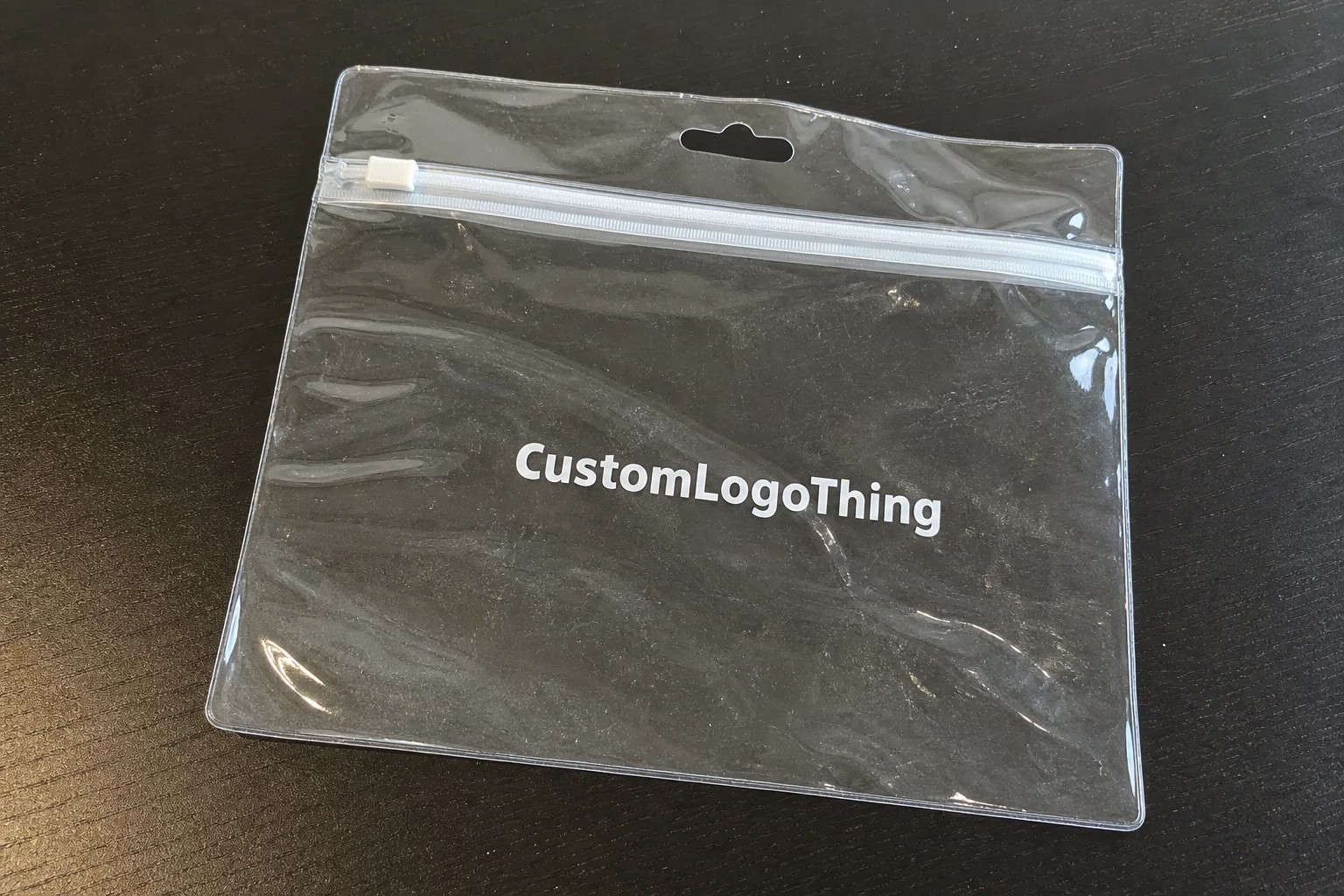
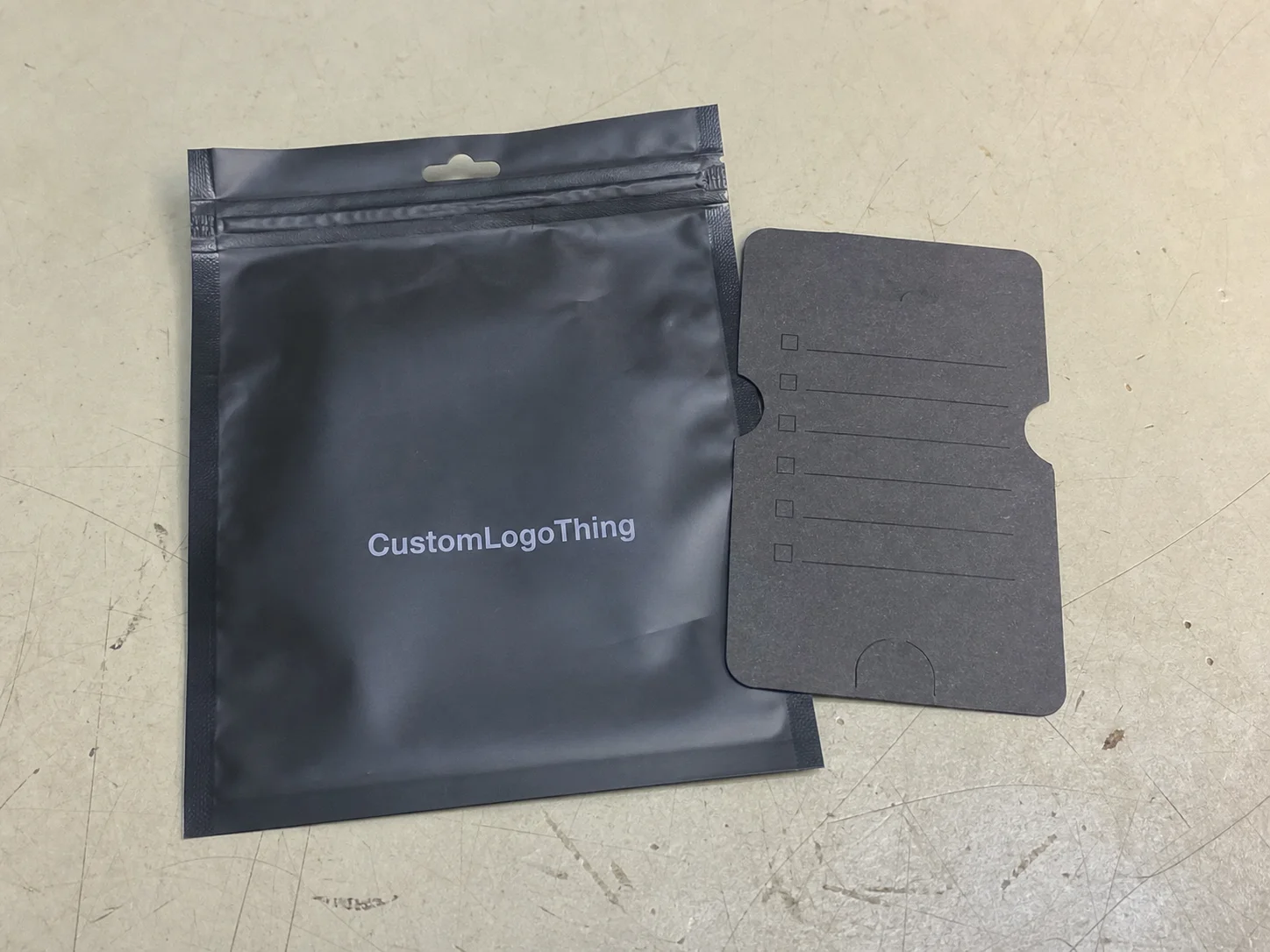
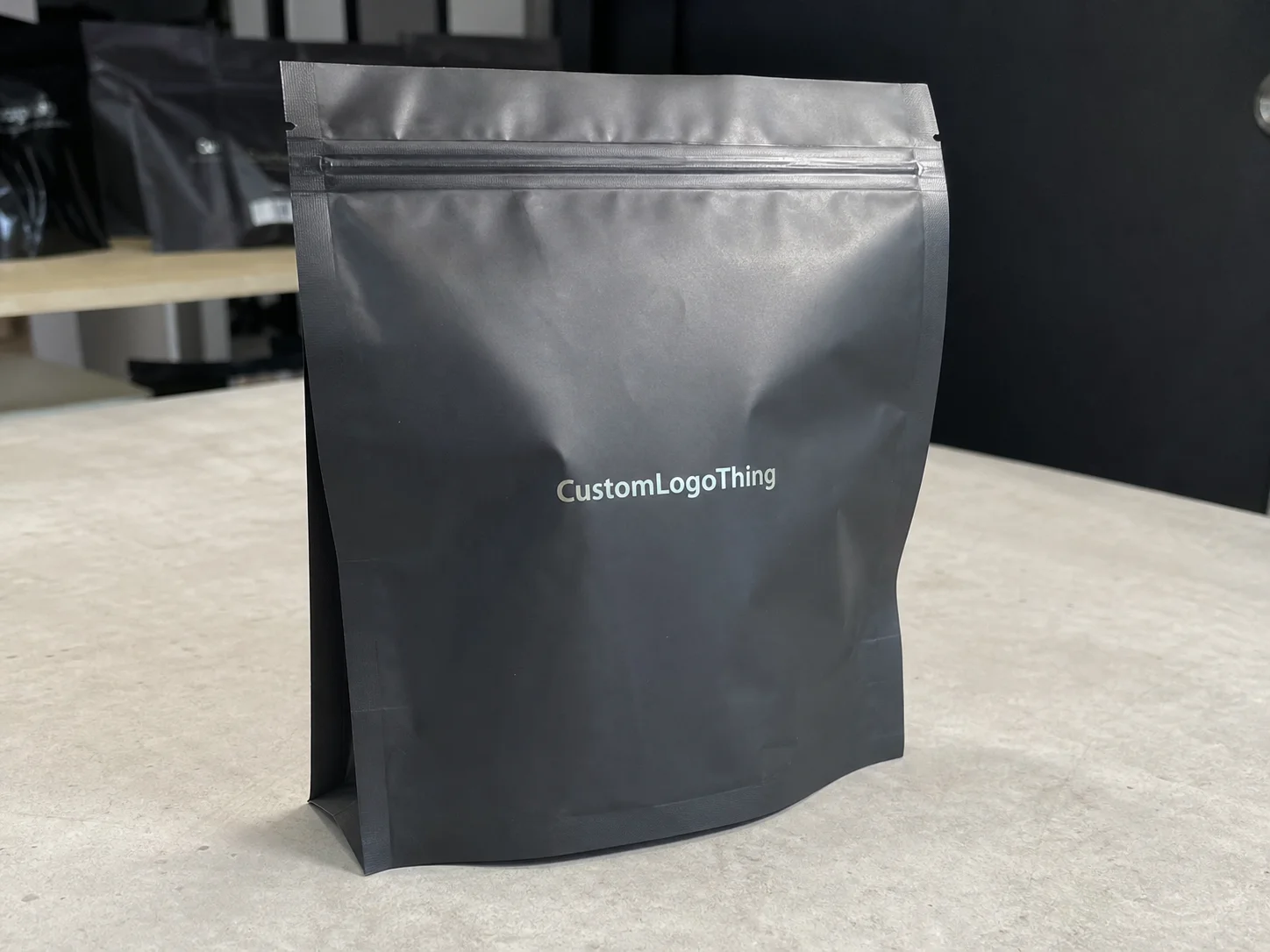
Buyer Fit Snapshot
| Best fit | Create Premium Packaging Experience projects where brand print, material claims, artwork control, MOQ, and repeat-order consistency need to be specified before quoting. |
|---|---|
| Quote inputs | Share finished size, material target, print colors, finish, packing count, annual reorder estimate, ship-to region, and any compliance wording. |
| Proofing check | Approve dieline scale, logo placement, barcode or warning zones, color tolerance, closure strength, and carton packing before bulk production. |
| Main risk | Vague material claims, crowded artwork, missing packing details, or unclear freight terms can make a low unit price expensive after revisions. |
Fast answer: Create Premium Packaging Experience: Quote Scope, Sample Proof, MOQ, and Lead Time should be specified like a repeatable production item. The safest quote records material, print method, finish, artwork proof, packing count, and reorder notes in one written spec.
Production checks before approval
Compare the actual filled-product size with the drawing, then confirm tolerance on folds, seals, hang holes, label areas, and retail display edges. Reserve space for logos, QR codes, warning copy, and material claims before decorative graphics fill the panel.
Quote comparison points
Review material grade, print process, finish, sampling route, tooling charges, carton quantity, and freight assumptions side by side. A quote is only useful when the supplier can repeat the same color, closure quality, and packing count on the next order.
I’m standing on a packing line in Dongguan, the first sample box gets opened, and I can usually tell in about three seconds whether a brand understands how to create premium packaging experience. Customers may not know the board caliper, the coating, or the closure style (most of them don’t care, honestly), but they absolutely remember the feel in the hand, the resistance of the lid, the sound of the insert, and whether the product sits inside like it was made for that exact space. That first impression is doing a lot of work for a $48 serum or a $220 gift set.
That reaction is why how to create premium packaging experience is not just a design question. It is a materials question, a structural question, a print question, and, frankly, a production discipline question. I’ve seen beautiful artwork fail because the insert was loose by 3 mm, and I’ve seen plain kraft packaging feel expensive because the fold quality, fit, and opening sequence were dead on. That difference is what this guide is about, and yes, the factory in Dongguan would happily charge you for learning it the hard way.
How to Create Premium Packaging Experience: What It Really Means
On a factory visit in Dongguan, I watched a buyer run her thumb along the edge of a rigid setup box, then quietly set aside a glossy folding carton that cost less but looked busier. She didn’t say much, but her face told the story. How to create premium packaging experience starts with perception, yes, but not the flashy kind that only lives in a render. It begins with controlled details that make a package feel intentional from the first touch to the final reveal, whether that package ships from Shenzhen, Guangzhou, or a converter in Suzhou.
Premium packaging is the full sensory and functional journey: the first contact with the surface, the opening motion, the sound of the lid or flap, how securely the product is held, and whether the brand story unfolds in a way that feels considered. In practical terms, how to create premium packaging experience means designing for hand feel, eye flow, and physical behavior at the same time. If a customer opens a rigid box with 350gsm C1S artboard wraps and a custom paperboard insert in 8 seconds flat, the experience still feels premium if every motion feels deliberate.
There is a big difference between packaging that simply looks expensive and Packaging That Actually feels premium. A folding carton with metallic ink and spot UV may photograph well, but if the board flexes too easily or the tuck flap pops open during transit, the customer experience collapses. A rigid box with a clean wrap, tight corners, and a smooth magnetic closure, by contrast, can feel high-end even with a restrained graphic system. That is the heart of how to create premium packaging experience: the experience must be earned through structure and finishing, not borrowed from decoration alone. I’ve seen $0.18 cartons look better than $1.20 cartons because the first one had clean 90-degree corners and the second one looked like it survived a minor earthquake.
I work with brands in retail packaging, e-commerce packaging, and gifting, and the expectations are different in each channel. Retail shoppers often judge a box in 5 to 10 seconds on shelf. E-commerce buyers encounter the package after the product has already been paid for, so the package has to justify anticipation and protect the contents through shipping. Gift packaging carries another burden entirely; it has to feel presentable enough to hand over without apology. In every one of those settings, how to create premium packaging experience depends on deliberate package branding, not accidental polish. A customer in Tokyo may read the same box very differently from a customer in Los Angeles, and that matters when your launch date is fixed and your MOQ is 3,000 units.
There is another piece that gets overlooked: premium packaging is a manufacturing exercise, not only a packaging design exercise. Graphic designers can create a stunning layout, but if the die lines are wrong, the tolerances drift, or the glue area is too small for a proper bond, the finished box will fight the concept. Honestly, I think that is where many brands get tripped up. They think the answer to how to create premium packaging experience is “add more finish,” when the smarter move is often “tighten the structure and simplify the story.” I’ve watched a factory in Shenzhen reject a run because the lid wall was off by 1.5 mm. Annoying? Yes. Expensive? Also yes. Better than shipping a crooked box? Absolutely.
For brands selling custom printed boxes or branded packaging, the best results usually come when design, engineering, and production are all talking early. A package that feels premium has usually been checked by someone who has seen hundreds of boxes come off a line, not just someone reviewing a flat mockup on a monitor. That’s how you avoid paying $350 in sample charges, then discovering the board creases wrong after approval.
How Premium Packaging Works in the Real World
If you want to understand how to create premium packaging experience, you have to break the package down like a converter or contract packager would: outer shipper, primary box, insert, product restraint, and finishing details. Each layer contributes to the impression, and if one layer is weak, the whole thing feels cheaper than it should. I’ve seen luxury skincare brands spend heavily on an exterior carton only to use a flimsy inner tray that rattled in transit; the unboxing felt off even though the graphics were excellent. That sort of miss shows up fast in customer reviews and even faster in returns.
The outer shipper matters more than people think, especially for e-commerce. A corrugated mailer with a strong E-flute or B-flute structure can preserve the premium feeling by arriving undamaged, clean, and well-sized. The primary box then carries the emotional load. Here, rigid board, SBS paperboard, specialty kraft, or a premium coated substrate each signal different levels of value. A 1200gsm rigid board wrapped in printed art paper will behave differently from a 24pt SBS folding carton, and that difference shows up in hand feel, edge finish, and how the lid settles. In practical terms, a 1200gsm setup box with a 157gsm art paper wrap and 1.5 mm corner folds will feel like a different product than a standard retail carton pulled from a Guangzhou offset line.
Inside the package, inserts do a lot of quiet work. Molded pulp can feel modern and responsible when it’s molded cleanly with a tight product cavity. Foam can provide excellent protection, but if it looks industrial or sheds particles, it may work against the premium story. Custom paperboard inserts, thermoformed trays, and die-cut supports all have their place. The trick in how to create premium packaging experience is choosing the insert that protects the product while matching the brand’s visual language. A black PET tray from a factory in Jiangsu may be perfect for tech accessories, while a 350gsm paperboard insert works better for skincare sets and keeps the cost closer to $0.12 to $0.28 per unit at 5,000 pieces.
The manufacturing processes matter just as much. Foil stamping adds a sharp reflective accent when registration is tight and the artwork is disciplined. Embossing and debossing create tactile interest, especially on a logo mark or border line. Soft-touch lamination can feel luxurious, though I always warn clients that it is not the best answer for every product because scuff resistance varies by supplier and handling conditions. Spot UV can provide contrast, but if it is overused, the box can start looking like a catalog of effects instead of a cohesive package. On a recent project in Dongguan, we tested three foil shades—gold, champagne, and silver—before deciding that the champagne foil on 350gsm C1S artboard looked the most expensive at a 45-degree angle under warehouse lighting.
Magnetic closure assembly is another area where details separate average from premium. I once inspected a run of 5,000 presentation boxes where the magnets were placed 2 mm off center. The lid still closed, but the snap felt weak and inconsistent. The customer never sees a 2 mm note on a spec sheet, but they absolutely feel the difference in the hand. That is one of the reasons how to create premium packaging experience has to include production control, not just artwork approvals. At that volume, a factory in Shenzhen or Huizhou will usually quote an extra $0.08 to $0.15 per unit for tighter magnet placement and manual alignment checks, which is cheaper than rework.
Print alignment is a surprisingly common giveaway. A box can have expensive materials and still look rushed if the color drifts panel to panel, the foil sits a hair outside registration, or the dieline wasn’t planned around the logo position. Clean alignment, consistent color, and balanced proportions make retail packaging feel trustworthy. When those pieces line up, the package suggests a brand that cares about craft, which is a powerful part of package branding. I’ve seen a matte black carton printed in Dongguan with a 0.5 mm shift on the front panel, and that tiny shift made a $2.10 box feel like a rushed sample from a Tuesday night production slot.
For brands evaluating suppliers, I like to point them to the standards side of the business too. Test methods from ISTA help validate shipping performance, while material sourcing programs from FSC can support responsible paper choices. Those credentials do not magically create premium packaging, but they do help a project feel more disciplined and credible. If a supplier in Guangdong can show FSC paperwork, drop-test results, and a sample approval timeline of 12 to 15 business days from proof signoff, that’s a much better starting point than a glossy promise and a WhatsApp voice note.
Key Factors That Shape a Premium Packaging Experience
Five forces shape how to create premium packaging experience: structure, material, print finish, unboxing sequence, and protection performance. Get all five working together and the package feels elevated without trying to cosplay as luxury. Miss one, and the whole thing slips. I’ve watched a $1.90 rigid box lose its premium feel because the insert cavity was cut 2 mm too wide. That’s all it took.
Structure is the skeleton. A rigid box with crisp corners and a lid that lifts evenly feels more composed than a loose tuck flap box, especially for gift packaging or high-value cosmetics. Material is the skin. A textured wrap paper, a heavyweight SBS board, or a specialty kraft stock changes the perceived value before the customer even opens the box. Print finish is the accent layer, where foil, embossing, matte coating, or soft-touch lamination can either elevate the message or overwhelm it. Unboxing sequence controls the reveal. Protection performance is the part customers only praise indirectly, because no one wants a premium box that arrives crushed or scrapes the product finish. If the outer mailer is 175# corrugated and the insert is off by 4 mm, the customer will not be impressed by your foil logo.
Budget is where reality enters the room. A simple custom printed folding carton may cost around $0.42 to $0.85 per unit at a 5,000-piece run depending on size, board, and print complexity, while a rigid setup box with wrapped paper, insert, and specialty finishing can land in the $1.85 to $4.50 range or higher. Add foil, embossing, custom magnets, or hand assembly, and the price moves again. That is why how to create premium packaging experience should always be linked to a commercial decision, not a fantasy board deck. For example, a 3,000-unit run in Shenzhen with a magnetic closure and satin lamination can price at $2.20 to $2.90 per unit, while the same concept in 10,000 units may drop to $1.55 to $2.10 depending on labor and freight.
| Packaging Option | Typical Use | Approx. Cost at 5,000 Units | Premium Feel | Notes |
|---|---|---|---|---|
| Folding carton, 24pt SBS | Retail packaging, cosmetics, supplements | $0.42–$0.85/unit | Moderate | Good print quality; best when structure is clean and inserts are precise |
| Rigid setup box | Gift packaging, premium electronics, skincare | $1.85–$4.50/unit | High | Strong hand feel; higher labor and tooling requirements |
| Corrugated mailer with print | E-commerce shipping, subscription boxes | $0.68–$1.65/unit | Moderate to high | Excellent for ship-safe branded packaging if graphics and fit are well managed |
| Premium sleeve with inner tray | Limited editions, accessories, promotions | $0.95–$2.10/unit | High | Works well when the reveal motion is central to the experience |
Tooling and sampling also matter. If a project needs a Custom Magnetic Closure, a new insert cavity, or a unique opening mechanism, you may need one to three sample rounds before signoff. That means time and cost. I’ve had clients want to skip sampling because the render looked perfect, then call me after production with a complaint about a lid that bowed 1.5 mm or a tray that pinched the product. Sampling is not overhead; it is part of how to create premium packaging experience correctly. A sample run in Dongguan might take 7 to 12 business days, and a second revision can add another 5 to 8 business days if the glue line or corner wrap needs adjustment.
Minimum order quantities can make a difference too. In one supplier negotiation I sat through in Guangzhou, the factory offered 3,000 units at a decent unit cost, but the real value was in the repeatability of the line setup. When a run is too small, hand work increases and price follows. When a run scales up, you often get better consistency, but only if the artwork and structure were designed for efficient conversion. That balance matters more than people realize in product packaging. A 5,000-piece order with a 15-day production window can be more stable than a 1,000-piece rush order with three people hand-folding cartons at the end of the shift.
Sustainability can absolutely be part of a premium perception, as long as the choices are made carefully. Recycled paperboard, FSC-certified wraps, plastic-free inserts, and soy or water-based inks can strengthen brand credibility. EPA guidance on recycling and responsible material handling is a useful reference point for teams trying to reduce waste; their packaging and materials resources at EPA are worth reviewing when you are evaluating end-of-life claims. The key is to choose sustainable materials that still feel substantial in hand. Thin, flimsy recycled board will not support how to create premium packaging experience unless the structure is engineered well. A recycled 32pt board with a 157gsm art paper wrap can work beautifully if the score lines and corner wraps are set correctly.
Honestly, I think the best premium packaging feels calm. It doesn’t shout. It opens predictably, protects the product, and leaves the customer with one clear impression: someone thought this through. That impression can come from a $0.75 carton or a $3.40 rigid box, but only if the details are handled with discipline.
How to Create Premium Packaging Experience Step by Step
The easiest way to approach how to create premium packaging experience is to treat it like a sequence, not a single design task. Brands often jump straight to artwork, but the real work starts with audience mapping. Who is receiving the package? Are they a wholesale buyer in a showroom, a direct-to-consumer shopper at home, or a gift recipient opening it at a dinner table? Each one expects something different, and each one will judge the package differently within the first 15 seconds. A buyer in New York might care about shelf presence; a consumer in Melbourne may care more about the opening moment and how the box survives 1,200 miles of parcel handling.
The first step is to define the emotional goal. Do you want the package to feel celebratory, quiet, technical, artisanal, or luxurious? A jewelry brand might want stillness and precision, while a beverage gift set may want warmth and richness. Once the emotional target is clear, how to create premium packaging experience becomes easier to engineer because every choice has a job. If the goal is quiet luxury, for example, a 350gsm C1S artboard with blind embossing and a soft matte wrap will usually say more than a loud full-bleed metallic layout.
Next comes product and logistics mapping. Measure the product carefully, then define the structural requirements around fragility, storage, shipping method, shelf presence, and display goals. I’ve seen brands approve boxes based on nominal dimensions and then discover the product only fits if the ribbon is tucked in at a strange angle. That kind of problem is avoidable. Give the packager the real dimensions, tolerances, and any awkward features like pumps, handles, caps, or fragile corners. If the bottle is 38 mm wide at the shoulder and 142 mm tall including the cap, say that. Do not round it to “about medium.” That is how people end up paying for rework in Dongguan.
From there, build the design hierarchy. Put the strongest visual weight where the consumer sees it first: lid, front panel, or reveal layer. Use typography that supports the brand voice without overcrowding the space. Choose a color palette that reads clearly in print, not only on a monitor. Then decide what the interior should say. A printed inside lid message, a branded tissue layer, or a structured insert can all contribute to how to create premium packaging experience because they extend the story into the opening motion. A simple inside print on 350gsm C1S artboard might cost an extra $0.06 to $0.11 per unit at 5,000 pieces, which is usually cheaper than overdoing the outside with five finishes nobody asked for.
The prototyping phase is where the concept becomes physical. Start with dielines, then move to white samples or plain mockups before final graphics. I still remember a client meeting where the artwork looked elegant, but the inner tray allowed the bottle to tilt 4 degrees every time the box was lifted. Once we corrected the cavity shape and tightened the tolerances, the entire experience changed. That is why fit testing and physical samples are non-negotiable if you care about how to create premium packaging experience. In most cases, a good supplier in Shenzhen or Guangzhou can turn around a white sample in 5 to 7 business days and a printed sample in 7 to 12 business days after proof approval.
Test the sample in the way it will actually be used. Open it with one hand. Shake it lightly. Drop-test it according to the relevant ship profile if the packaging is going into commerce. If you are shipping e-commerce orders, confirm that the exterior shipper and primary package work together. If the package is for retail, check how it stacks and how it looks under store lighting. If it is for gifting, ask whether the box feels pleasant to present and open. These are real-world questions, and they matter. I’ve seen a presentation box pass every visual review and then fail because the ribbon pull required two hands and a small prayer.
Here is the kind of practical process timeline I usually recommend for a premium custom packaging project:
- Discovery and brief: 2 to 4 business days
- Structural design and dielines: 3 to 7 business days
- Artwork development: 5 to 10 business days
- Sample production: 7 to 12 business days
- Revisions and approvals: 2 to 6 business days
- Mass production: 12 to 25 business days depending on finish and volume
- Freight and delivery: varies by region and mode
That timeline is a real planning framework, not a promise for every project. Simple carton jobs can move faster. Rigid boxes with inserts, magnetic closures, and foil stamping usually take longer. If you are serious about how to create premium packaging experience, leave room for approvals at every stage. Rushing the last two steps usually costs more than giving the project an extra week up front. A project that starts in early March and ships from Shenzhen in late April is far easier to manage than one that starts with a panic email and a requested delivery date three weeks later.
One more practical point: structure the process around checkpoints. I like to see a fit sample, then a finish sample, then a pre-production proof. That way, each issue can be isolated. A lot of brands lose time because they approve too much at once. In my experience, the better method is to separate the concerns. First fit. Then print. Then assembly. That discipline keeps premium packaging from becoming a guessing game. It also keeps you from discovering, too late, that the insert looks perfect but the lid magnet is 1 mm too far left.
Common Mistakes When Designing Premium Packaging
One of the biggest mistakes in how to create premium packaging experience is trying to make the box do too much. Too many foils, too many textures, too many patterns, too many finishes. The result is often busy instead of refined. I have seen cosmetics brands apply matte lamination, spot gloss, blind emboss, metallic foil, and a photographic pattern all on one carton. On paper, it sounded luxurious. In hand, it looked crowded and lost the product story completely. A 4-color print, one foil hit, and a clean structural insert would have done the job for less money and less stress.
Another frequent failure is ignoring box engineering. Loose inserts, crushed corners, weak closures, and sloppy glue lines can destroy the premium feeling immediately. A customer may not know why the box feels wrong, but they know it feels wrong. In one assembly plant I visited near Dongguan, the magnetic lid was closing with a visible gap because the paper wrap was too thick for the corner build. The artwork was gorgeous, but the structure was fighting the finish. That is not how to create premium packaging experience; that is how to frustrate the customer. The fix could have been as simple as adjusting the wrap to 128gsm instead of 157gsm or changing the board build by 0.3 mm.
Brands also get seduced by finishes that look elegant in a mockup but fail in production. Some soft-touch coatings scuff easily under carton-to-carton friction. Some dark matte wraps show fingerprints after two handling passes. Some heavy foil areas crack at the fold line if the board and score are not matched correctly. Real manufacturing conditions matter. A sample on a desk is not the same as 8,000 units moving through a line, a pallet, and a shipping network. I’ve watched a beautiful black rigid box from a factory in Huizhou come out of shrink wrap with tiny rub marks after just one distribution test. That’s the sort of detail that can sink a premium launch in 48 hours.
Shipping conditions are another blind spot. If the package is going through parcel networks, the external shipper must carry the load. A beautiful primary box that arrives dented does not feel premium, even if the inside graphics are perfect. That is especially true for subscription products and direct-to-consumer retail packaging. If you are developing custom printed boxes for e-commerce, test them under actual transit conditions and not just in a controlled office setting. ISTA testing standards exist for a reason, and they are worth respecting if you want to protect the customer experience. A 12-piece drop test from 30 inches in a Guangzhou lab is more useful than a perfect-looking box sitting on a conference table.
The last major mistake is skipping sample reviews or approving color too early. Print shifts happen. Paper absorbs ink differently from one lot to another. Foil can read warmer or cooler depending on substrate and press conditions. If you care about how to create premium packaging experience, you need to compare samples under neutral light, check the opening sequence, and confirm the brand color in more than one environment. I’ve had a navy blue box look correct under office LEDs and then go nearly black under warehouse lighting in Suzhou. That is not a tiny issue; that is a brand identity problem.
Here’s the blunt truth: premium packaging is less forgiving than standard packaging. That is why the approval stage matters so much. When the margins are tight, tiny mistakes become expensive. A 0.8 mm score shift, a 2 mm magnet drift, or a 5% color variance can be the difference between “expensive” and “why does this look off?”
Expert Tips for a More Premium Packaging Experience
If I had to reduce how to create premium packaging experience to a few practical principles, I’d start with this: use one strong tactile cue instead of stacking every effect you can afford. A soft-touch box with clean embossing can feel more refined than a package with five finishes fighting for attention. Premium often reads as restraint. I’d rather see one perfect foil mark on a 1200gsm rigid box than three decorative treatments that all say the same thing in different fonts.
Design the first reveal moment carefully. A lid lift, pull tab, tissue layer, inner printed message, or ribbon pull can all carry emotional weight if they are placed with intention. I once worked on a fragrance box where the customer lifted the lid and saw a single line printed inside the cover, with the bottle seated in a black paperboard cradle. Nothing about it was loud, but the sequence made the package memorable. That is the kind of detail that supports how to create premium packaging experience without wasting budget on unnecessary decoration. The whole thing cost about $2.60 per unit at 5,000 pieces in Shenzhen, and the client got more compliments on that box than on the product formula itself.
Keep the component system consistent across SKUs. If your brand has three box sizes, use a family of materials, finishes, and insert logic that feels related. This makes the line feel organized, which helps package branding and improves scale efficiency. It also reduces production errors because the factory is dealing with a clearer system. A scattered system may look fine in a concept deck, but it becomes a headache in conversion. If your small, medium, and large boxes all use the same 157gsm wrap paper, the same logo placement, and the same insert logic, the factory in Dongguan will thank you with fewer mistakes and a faster approval loop.
Work with packaging engineers early, especially on rigid box fabrication, magnetic closures, sleeve packs, and specialty inserts. When the engineering is built into the concept from day one, you avoid compromises later. I’ve sat in supplier negotiations where a client insisted on a very narrow wall thickness for a rigid box, only to find that the wrap paper telegraphed every board edge. That kind of issue could have been prevented with an earlier technical review. If the goal is how to create premium packaging experience, the engineer should be at the table before final artwork, not after problems appear. A 30-minute engineering review can save a 3-week reprint cycle and a very awkward budget conversation.
Don’t confuse premium with fragile. A package that scratches if you look at it wrong does not feel luxurious; it feels impractical. Consumers appreciate finish quality, but they also expect function. That balance is especially important for product packaging that has to survive retail handling, shipping, and storage. A good premium package feels controlled, stable, and ready for use. It does not ask the customer to be careful just to enjoy it. If a customer in Chicago has to baby the box like it’s made of moon dust, you missed the mark.
Another tip: pay attention to the sound of the package. I know that sounds strange if you haven’t spent time around production floors, but the acoustic feel of a lid closing or a flap opening matters. A crisp close on a magnetic rigid box feels different from a soft cardboard flap. The sound is part of the experience, and good designers use it intentionally. On a quiet desk in Shanghai, that soft “click” from a magnet can do more than a paragraph of brand copy.
For brands looking for a starting point, exploring a curated range of Custom Packaging Products can help you compare structures, finishes, and insert options before you commit to a full run. Seeing the options side by side often makes the next decision clearer, especially when you’re comparing a $0.78 folding carton with a $2.35 rigid box and wondering which one actually supports the brand story.
And if you want a practical benchmark, compare your sample against what you’d feel in a high-end boutique. Is the edge crisp? Is the opening smooth? Does the product fit like it belongs there? Those are the questions that tell you whether how to create premium packaging experience is being executed well. A box that feels like it was made in Qingdao for a flagship store in Paris usually has one thing in common: every decision was made on purpose.
Next Steps to Build Your Premium Packaging Plan
If you want a better how to create premium packaging experience plan, start with an honest audit of your current packaging. Lay out the package, the shipper, the insert, the graphics, and the opening sequence. Ask where the customer experience feels weak. Is the lid awkward? Does the insert hold the product too loosely? Is the exterior too plain for the brand position? A 20-minute audit often reveals more than a week of internal opinions, especially when the team stops arguing about “luxury” and starts measuring the actual box.
Then write a packaging brief that includes product size, target budget, preferred materials, finish preferences, shipping method, and target launch date. Keep it specific. “Premium look” is not a brief. “Rigid box with 1200gsm board, soft-touch wrap, black insert, and foil logo on the lid” is a brief. The more exact the request, the easier it is to price and engineer. That specificity is central to how to create premium packaging experience without wasting time on revisions. If you want quotes from factories in Dongguan or Shenzhen, include MOQ, target carton dimensions, and whether the order needs a 12- to 15-business-day turnaround from proof approval.
Before final artwork approval, request structural samples, finish swatches, and costed options. If you are comparing a folding carton to a rigid setup box, ask for both in hand. If you are considering matte lamination versus soft-touch, compare both under the same lighting. If sustainability matters, ask for FSC paper options and recyclable insert alternatives. Those sample comparisons are where the real decisions get made. A swatch card in your hand tells you more than ten screenshots ever will, and it costs a lot less than a full production mistake.
Set internal checkpoints for fit, brand consistency, and transit testing. I like to see one review centered on mechanical performance, one on visual and brand approval, and one on shipping readiness. That keeps the project from getting stuck in endless commentary and helps the team focus on what matters at each stage. When brands try to approve everything at once, they usually miss something important. If your pre-production proof is not checked against the real product, you can end up with a 1.5 mm gap that shows up in every unit across a 10,000-piece run.
Below is the simplest way I’d summarize the process:
- Define the audience and the emotional outcome.
- Choose the package structure based on use and protection needs.
- Select materials that match the brand position and budget.
- Limit finishes to the ones that truly support the story.
- Prototype, test, revise, and only then move to production.
I’ve spent enough time around converters, brand teams, and fulfillment floors to know that how to create premium packaging experience is rarely about one expensive feature. It is a chain of deliberate choices: structure, fit, material, print, assembly, and delivery. When those pieces line up, the customer feels it immediately, even if they can’t explain why. A good box in Dongguan, a careful proof in Shenzhen, and a clean launch in Chicago all tell the same story.
So if your goal is a package that feels expensive, memorable, and worth keeping, start with the details you can control today. Audit the box. Tighten the dimensions. Simplify the finish. Test the reveal. That is how to create premium packaging experience in a way that supports the product, the brand, and the real-world production line. And yes, it’s usually cheaper than fixing a bad first impression after 5,000 units are already on a boat.
FAQ
How do you create a premium packaging experience on a modest budget?
Focus on one or two high-impact details, such as a rigid-feel structure, soft-touch coating, or a well-designed insert, instead of adding every premium finish. Use smart material selection and simplify the structure to control tooling and labor costs while preserving a luxury feel. Prioritize the first touch and opening moment, because those cues often matter more than expensive decoration. For example, a $0.75 folding carton in 24pt SBS with a clean insert can feel more premium than a cluttered $1.40 design with too many effects.
What materials make packaging feel premium without looking overdesigned?
Rigid board, high-quality SBS paperboard, specialty kraft, textured paper wraps, and molded pulp inserts are common choices depending on the brand position. Premium often comes from how materials are combined, finished, and assembled, not just from the material name itself. A clean structure with precise fit and consistent print quality can feel more premium than a heavily decorated low-grade substrate. In practice, a 1200gsm rigid board with a 157gsm printed wrap and a 350gsm C1S insert often feels substantial without looking busy.
How long does it take to create a premium packaging experience?
A typical timeline includes discovery, structure design, sampling, revisions, production, finishing, and shipping approvals. Simple projects may move faster, while rigid boxes, custom inserts, and specialty finishes usually require more time for testing and setup. Building in room for proofing and sample review is essential if the goal is a polished, premium result. A common factory schedule in Guangdong is 12 to 15 business days from proof approval to finished goods, though foil stamping or hand assembly can add several more days.
What is the biggest mistake brands make when trying to look premium?
They often add too many visual effects and forget that premium packaging should feel controlled, intentional, and easy to use. Weak structure, poor fit, or rough assembly can make even expensive-looking graphics feel cheap in person. The best premium packaging experience is usually simple, tactile, and mechanically reliable. If a $2.20 rigid box arrives with a crooked lid or a loose tray, the customer will remember the flaw, not the foil.
How do you know if your packaging really feels premium to customers?
Test it in hand, not just on screen, and watch how people react during the first open. Check whether the packaging protects the product, opens smoothly, and leaves a clear brand impression after unboxing. If customers naturally describe it as thoughtful, sturdy, elevated, or gift-worthy, you are moving in the right direction. I also like to compare feedback from two groups: first-time buyers and repeat customers, because a premium package should impress both in Shanghai and in Seattle.