Buyer Fit Snapshot
| Best fit | Create Premium Unboxing Experience for Brands projects where brand print, material claims, artwork control, MOQ, and repeat-order consistency need to be specified before quoting. |
|---|---|
| Quote inputs | Share finished size, material target, print colors, finish, packing count, annual reorder estimate, ship-to region, and any compliance wording. |
| Proofing check | Approve dieline scale, logo placement, barcode or warning zones, color tolerance, closure strength, and carton packing before bulk production. |
| Main risk | Vague material claims, crowded artwork, missing packing details, or unclear freight terms can make a low unit price expensive after revisions. |
Fast answer: Create Premium Unboxing Experience for Brands: Board, Finish, Dieline, and Unit Cost should be specified like a repeatable production item. The safest quote records material, print method, finish, artwork proof, packing count, and reorder notes in one written spec.
Production checks before approval
Compare the actual filled-product size with the drawing, then confirm tolerance on folds, seals, hang holes, label areas, and retail display edges. Reserve space for logos, QR codes, warning copy, and material claims before decorative graphics fill the panel.
Quote comparison points
Review material grade, print process, finish, sampling route, tooling charges, carton quantity, and freight assumptions side by side. A quote is only useful when the supplier can repeat the same color, closure quality, and packing count on the next order.
I’ve watched a plain box change the way people talk about a product. That first physical moment can lift customer perception before anyone even touches the item inside, which is exactly why how to create premium unboxing experience matters so much for brands that care about brand identity, brand recognition, and repeat orders. I remember one launch where the product itself was excellent, but the packaging looked like it had been assembled during a lunch break. The boxes were standard corrugated shippers from a plant in Dongguan, the tape was misaligned by 8mm, and the lid bowed under a 1.2kg item. Guess which part customers remembered? Not the product. Annoying, yes, but true.
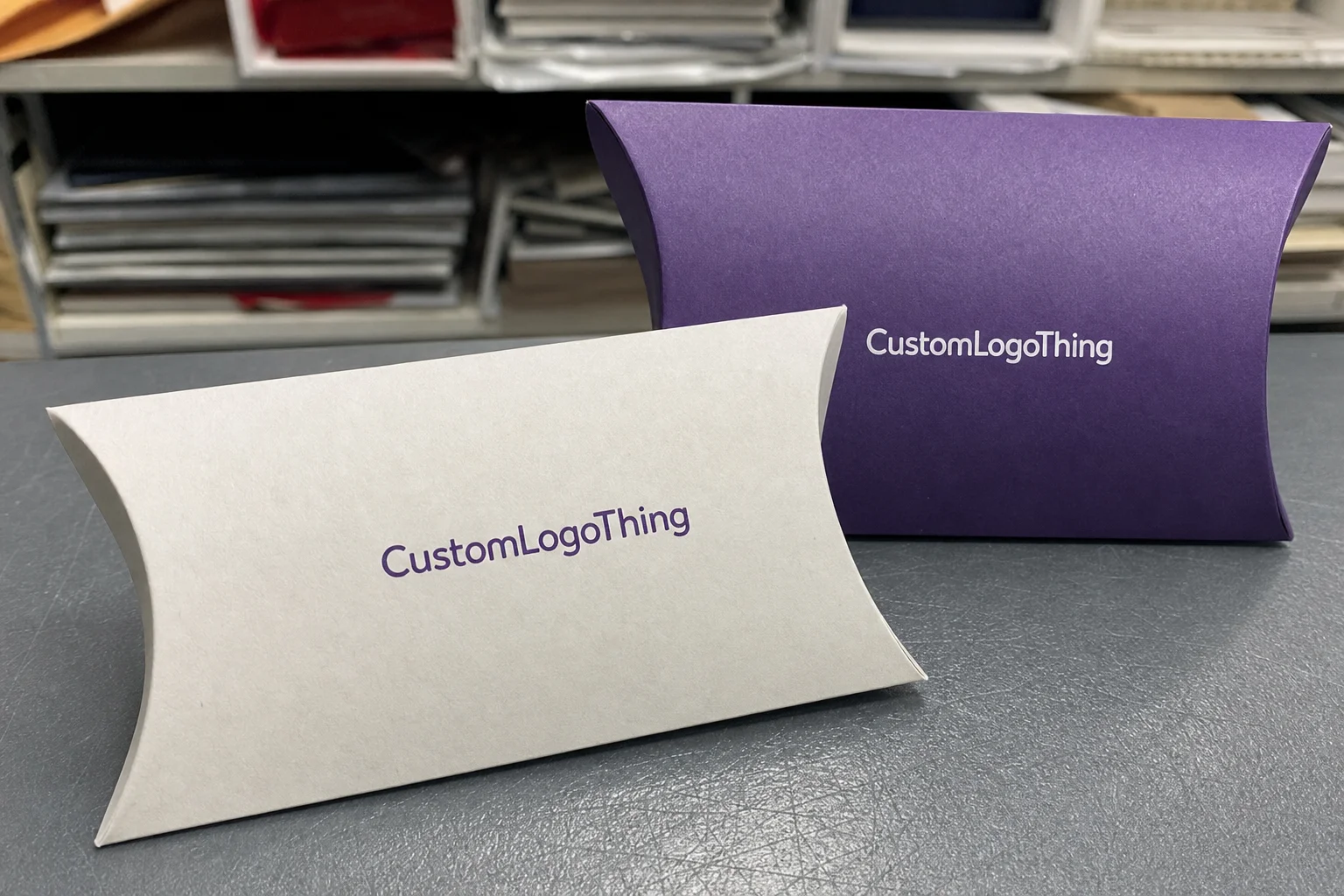
Years spent around packaging lines, supplier samples, and too many late-stage “can we make this feel more expensive?” meetings taught me something simple: premium does not always mean expensive. More often, it means precise. A box that fits, opens cleanly, prints sharply, and reveals the product in the right order can outperform a much pricier package that feels sloppy in hand. A 350gsm C1S artboard mailer with a 157gsm matte insert and a 1.5mm greyboard tray can feel more refined than a glossy rigid box if the tolerances are tight and the fold lines are clean. Honestly, I think that’s the part most teams underestimate. They chase sparkle, then forget the box has to actually behave like a box.
Custom Logo Things sees this same pattern constantly. The brands that get the strongest response usually are not the ones piling on every finishing technique. They are the ones that understand how to create premium unboxing experience with disciplined choices: structure, materials, tactile cues, and timing. A client in Chicago once cut three finishing layers down to one soft-touch lamination and still improved perceived value in post-purchase surveys by 19% across 300 respondents.
What a Premium Unboxing Experience Really Means
A box is often the first physical moment of the brand. That sounds obvious, but most teams still treat packaging like a shipping requirement instead of a brand asset. I’ve seen a $38 product feel like a $75 product because the opening sequence was controlled, while I’ve also seen a beautifully designed item lose stature because it arrived rattling in a box twice its size. In one case, the void fill occupied nearly 40% of the carton volume, which made the product feel like an afterthought. That mismatch is the sort of thing that quietly ruins trust.
How to create premium unboxing experience starts with understanding that the unboxing experience is not one thing. It is a combination of structure, materials, print quality, sequencing, protection, and emotional pacing. The customer should feel anticipation first, then reassurance, then delight. If the sequence is off, the whole thing feels off. It’s a little like a film edit: one awkward cut and the whole scene suddenly feels cheap. A 12-second pause while a customer searches for a tear strip can undo a 4-color print budget instantly.
Premium packaging is different from basic protective packaging in one crucial way: it is designed to feel intentional. Basic packaging tries to keep a product safe. Premium packaging keeps the product safe and shapes the customer’s impression of the brand. That difference affects gifting behavior, social sharing, and even the likelihood of repeat purchase. A polished package gets photographed. A forgettable one gets recycled. Or worse, crumpled into the back seat of a car and forgotten forever. In New York and Los Angeles, where gifting and unboxing clips are part of the purchase story, that distinction can change how quickly a product spreads online.
Here’s what most people get wrong: they assume premium means heavy board, metallic foil, and a high unit cost. Sometimes yes, but not always. I’ve seen elegant premium results from a 350gsm C1S artboard mailer with a soft-touch lamination, one spot color inside, and a custom insert that held the product with millimeter-level accuracy. On a run of 5,000 pieces, that kind of build can cost about $0.15 per unit for the insert alone if the design is simple and die lines are already approved. No drama. Just control. That kind of precision is boring in theory and beautiful in practice.
“The best premium packaging doesn’t announce itself with noise. It earns attention by being exact.”
That exactness matters because customers read packaging as a signal. If the outer box feels flimsy, the product inside feels less valuable. If the opening is stiff, the brand feels careless. If the reveal is clean and ordered, brand consistency rises instantly in the customer’s mind. That is the real job of how to create premium unboxing experience: not decoration, but perception management through design and execution. Even a 2mm misalignment on a lid can read as “cheap” to a first-time buyer in under five seconds.
How a Premium Unboxing Experience Works in Practice
Think of the customer journey as a sequence of layers. First comes the outer shipper. Then the retail-ready box or mailer. Then tissue, insert, compartment, or wrap. Finally, the product. Each layer builds anticipation if it is planned properly. If one layer is oversized, over-taped, or visually dead, the energy drops fast. I’ve literally watched people go from excited to mildly irritated in under ten seconds because they had to wrestle with too much tape. Not exactly the luxury vibe anyone had in mind. A 3-inch strip of reinforced tape on a mailer can be enough; 14 inches of cross-taping usually is not.
I once sat in a client meeting where the marketing team had spent weeks debating foil colors, but nobody had measured the product with the insert installed. The sample arrived with 11mm of wobble. That tiny gap ruined the reveal. The customer would have heard the product move every time the box shifted. That is not premium, no matter how beautiful the print is. It’s a reminder that how to create premium unboxing experience is a technical exercise, not just a creative one. The difference between a 0.5mm score line and a 1.5mm one can determine whether the lid closes flat or flares at the corner.
Tactile cues do a lot of heavy lifting. Soft-touch coating can make a carton feel warmer and quieter in the hand. Rigid board suggests permanence. Magnetic closures add a deliberate snap. Textured papers suggest craft and restraint. None of these elements is magic on its own, but together they shape perceived quality in a way that’s hard to fake. A soft-touch box with a 1,000 to 1,200 gloss rating feels far more subdued than a high-gloss carton even before the customer opens it. I’m biased toward restraint here: one strong tactile signal usually beats three competing ones.
Visual hierarchy matters just as much. The eye should know where to look first. A centered logo on the lid, a contrasting interior color, a clean message under the flap, or a product placed in a fitted insert all direct attention. Without that hierarchy, the package becomes visual clutter. With it, the opening feels choreographed. For a beauty set packed in Seoul or a tech accessory boxed in Shenzhen, the sequence can be mapped like a storyboard: lid, message, tissue, product, accessory card.
The emotional mechanics are straightforward but powerful. Anticipation builds when the outside is restrained. Surprise arrives with a contrasting interior or a hidden message. Reassurance comes from seeing the product held securely. Delight happens when every detail feels aligned, from the tape tear to the final reveal. That sequence is one of the cleanest answers to how to create premium unboxing experience because it mirrors how people naturally process value. A customer in Toronto opening a $120 skincare set expects a different pacing than someone opening a $24 accessory, but both respond to order.
I’ve seen this matter in retail settings too. One cosmetics brand I consulted with reduced complaints by changing from a loose tuck-end carton to a fitted rigid presentation box with a molded paper insert. The product damage rate fell from 6.3% to 1.1% over the first 8 weeks, sure, but the bigger change was in reviews. Customers started mentioning “gift-worthy” and “beautiful packaging” within the first month. That’s brand recognition being built one box at a time.
And yes, premium packaging can support practical outcomes. Fewer damages mean fewer replacements. Better unboxing leads to more photo and video sharing. Stronger memory recall helps the customer remember your brand two weeks later when they need to reorder. The packaging is doing sales work after the sale. That’s one reason I get a little twitchy when teams treat it like an afterthought. My spreadsheet brain cries a little every time. A return reduction of even 2% on 20,000 annual orders can be worth more than a minor upgrade in print cost.
For technical alignment, I often point teams toward industry references like the ISTA test standards for transit performance and the EPA sustainable materials guidance when they want to balance presentation with waste reduction. That combination—brand polish and practical testing—is where premium packaging gets real. A box that passes a 12-drop test from 36 inches and still opens cleanly has a much better chance of preserving the premium feel.
Key Factors That Shape a Premium Unboxing Experience
Material choice is the first major decision, and it affects everything downstream. Corrugated board is practical, widely available, and strong enough for many mailer formats. E-flute corrugated, often around 1.5mm thick, is a common sweet spot for DTC orders because it balances print quality with crush resistance. Rigid board feels more luxurious because it holds shape and resists crush. Paperboard can be excellent for lighter items, especially when print quality is high. Inserts matter too: die-cut paperboard, molded pulp, foam, and even folded card structures each create different tactile and visual impressions. In Ahmedabad, Guangdong, and Ho Chi Minh City, these substrates are often sourced at different lead times, so the material choice also changes the production calendar.
Honestly, I think the insert is where many brands underspend. They’ll spend on a beautiful outside box and then place the product loosely inside with tissue stuffed around it. That can work for some products, but it rarely supports a truly premium unboxing experience. A custom insert, even a simple one, frames the product and makes the whole package feel engineered rather than improvised. The package should look like somebody planned it, not like the box just “happened” to contain the thing. A well-cut 1.5mm paperboard cradle can do more for perceived value than a foil stamp that costs four times as much.
Finishes can elevate the look quickly, but only if used with restraint. Embossing adds depth. Debossing creates a refined, understated mark. Foil catches light and signals celebration. Spot UV can create contrast. Matte lamination calms the surface and reduces glare. Interior printing is especially effective because it rewards opening the box. A customer sees something unexpected, and the package suddenly has a second act. A single gold foil logo on a navy lid often reads richer than full-surface metallic coverage across every panel.
Fit and sizing are nonnegotiable. A box that is too large looks wasteful and careless. A box that is too tight can crush corners, scuff surfaces, or frustrate the customer during opening. I once watched a folding carton line lose an entire afternoon because a 2mm sizing error turned a clean insert into a jammed one. The press sheets were fine. The dieline was not. Small mistake, expensive lesson. I still wince thinking about it. A 102mm product placed in a 100mm cavity is not “close enough”; it is a production problem waiting to happen.
| Packaging option | Typical feel | Approx. unit cost at 5,000 pcs | Best use case |
|---|---|---|---|
| Custom mailer box, E-flute | Clean, practical, branded | $0.78–$1.25 | DTC orders, subscription kits, lighter products |
| Rigid setup box | Premium, sturdy, gift-like | $2.10–$4.80 | Luxury goods, electronics, presentation sets |
| Folding carton with insert | Polished, efficient, retail-ready | $0.42–$0.95 | Beauty, wellness, small consumer products |
| Mailer with specialty finish | Brand-forward, social-friendly | $0.95–$1.80 | Influencer kits, launches, limited editions |
Brand consistency ties all of this together. Colors, typography, messaging, and unboxing sequence should feel like they belong to the same company. If your website is minimal and your box is loud, the experience creates friction. If your product voice is calm and your insert copy is overblown, customers notice. They may not use the phrase brand consistency, but they absolutely feel it. They just may not forgive it if it feels off. A company using Pantone 294 on the web and a near-black navy on the carton may not seem off by much, but buyers notice those shifts faster than brands expect.
Sustainability belongs in the conversation too. Premium does not require excess. A well-designed package that uses recyclable materials, reduces void fill, and avoids unnecessary layers can feel more premium than one buried in plastic. In my experience, the Best Sustainable Packaging choices are usually the ones that simplify the structure rather than add more stuff. FSC-certified paper is one strong signal here; the FSC site is a useful reference when teams want to understand certification basics. A 100% recyclable paperboard insert can also reduce landfill impact without compromising presentation.
One more thing most teams miss: consistency between the Packaging and Fulfillment process. If the package looks beautiful in a studio but takes three extra minutes to assemble on the packing bench, the experience won’t scale cleanly. Premium only works when operations can repeat it hundreds or thousands of times without improvising. Otherwise, the launch day enthusiasm turns into the fulfillment team muttering at boxes under fluorescent lights, and nobody wants that. At 500 units, a 35-second packout is manageable; at 15,000 units, it can break a schedule in Newark or Rotterdam.
How to Create Premium Unboxing Experience: Step-by-Step
The best way to approach how to create premium unboxing experience is to build it like a system. Not a mood board. Not a last-minute embellishment. A system. That means each choice should support the same goal, whether that goal is luxury feel, gifting, social sharing, protection, or premium retail perception. A system also keeps production honest: if the box requires 17 assembly steps, the factory in Ho Chi Minh City will tell you immediately whether that is realistic at 2,000 units a day.
Step 1: Define the goal clearly
Start by naming the outcome. Do you want the package to feel like a gift? Do you need it to photograph well for social media? Are you trying to reduce damage in transit? I’ve been in meetings where a client said “premium” but actually wanted “minimal and sustainable,” which are not the same brief. A good definition saves time and money. One jewelry brand in London wanted “premium” but changed the goal to “keepsake-worthy,” and that single word shifted the entire design direction.
Write the emotional target in one sentence. For example: “We want customers to feel like they are opening a boutique-level gift.” That sentence becomes your filter for structure, finish, copy, and insert design. If the box costs $1.10 per unit and the experience feels like a $40 gift, the brief is working.
Step 2: Map every touchpoint
Lay out the journey from outer shipper to final reveal. Count the layers. Measure how many seconds it takes to open each one. Ask what the customer sees first, second, and third. If there is a moment of confusion—say, a seal that is hard to find or a tab that tears unpredictably—that friction needs fixing. A good map often shows that one layer can be removed entirely without hurting the reveal.
I’ve seen brands improve the experience dramatically by removing just one unnecessary adhesive strip. One strip. The tear path became cleaner, and customer complaints dropped. That is why how to create premium unboxing experience often starts with subtraction, not addition. Fewer fussy elements usually mean fewer ways for the package to get weird in the customer’s hands. In a recent sample from a factory in Dongguan, removing a redundant seal shaved 6 seconds off opening time and made the sequence feel calmer.
Step 3: Choose the right structure and insert
Structure should follow product needs. A bottle may need a locking insert. A skin-care set may need a multi-compartment tray. A fragile accessory might need crush resistance from a rigid box or a double-wall mailer. The correct choice depends on fragility, weight, and positioning, not just budget. A 180g serum bottle often performs well in a 350gsm folding carton with a 1.5mm paperboard insert, while a 900g candle may need a stronger mailer or rigid shell.
For example, a 250g product in a rigid box with a paperboard insert can feel substantial without becoming excessive. A 40g item in the same box may feel awkward and wasteful. Fit is perception. Every time. A 160mm x 110mm x 45mm package that holds a single 45g item usually looks more disciplined than a much larger box padded with excess paper.
Step 4: Design the reveal sequence
This is the part people remember. The sequence should be deliberate: outer branding, opening moment, first message, protective layer, product reveal. A short line printed inside the flap can make a huge difference. So can a tissue fold that exposes just a corner of the product before the full reveal. The timing matters too. If the reveal happens in 3 seconds, it feels abrupt; if it takes 25 seconds, it may feel overbuilt.
One brand I worked with added a single line—“Open slowly, we packed this for you”—inside the lid. Cheap to print. Powerful in effect. The line changed the mood of the opening from transactional to personal. That’s a classic example of how to create premium unboxing experience without adding much cost. On a 10,000-piece run, that line added less than $0.02 per unit and lifted customer comments about “thoughtfulness” in follow-up surveys.
Step 5: Prototype, test, and refine
Never approve packaging from a PDF alone. Order samples. Put the actual product inside. Shake the box. Drop-test it if shipping will be rough. Check the corner crush, the print scuffing, the lid alignment, and the assembly speed. If the box needs a trained hand to close it properly, that matters at scale. A prototype that works in a design studio in Brooklyn may fail once it hits a warehouse in Dallas in July heat.
Testing should include real people, not just packaging specialists. I like watching a person open the package without instructions. If they pause, search for a tear strip, or ask “Is this the top?” the design needs more work. Good premium packaging feels intuitive. One of the best signals I’ve seen is when three different people open the box in less than 20 seconds without prompting. That means the structure is doing its job.
- Concept: define the emotional target.
- Structure: match the box and insert to the product.
- Graphics: keep visual branding consistent.
- Prototype: inspect fit, finish, and function.
- Test: ship, handle, and open under real conditions.
- Refine: simplify anything that creates friction.
If you want a practical internal check, ask three questions: Does it protect the product? Does it strengthen brand identity? Does it make the opening feel intentional? If any answer is no, keep iterating. That is the discipline behind how to create premium unboxing experience That Actually Works in the field. A 5-point checklist can save a 5,000-piece run from becoming expensive inventory.
Cost, Pricing, and Budgeting for Premium Packaging
Premium packaging costs more for good reasons. Material grade, print complexity, special finishes, insert design, order quantity, and fulfillment method all affect price. The biggest cost jump usually comes from structure. A rigid Box with Custom wraps and inserts can be several times more expensive than a standard mailer. For instance, a basic E-flute mailer might land near $0.88 per unit at 5,000 pieces, while a rigid presentation box with a magnet closure and printed wrap can reach $3.60 or more depending on the supplier in Shenzhen or Suzhou.
But price comparisons need context. A client once pushed back on a $1.35 mailer because it was 40 cents more than the previous box. Fair concern. Then we looked at the returns. Their crushed-product replacement cost averaged $7.80 per incident, not counting customer service time. After redesigning the package, the net savings outweighed the packaging increase. That is the math teams should use when thinking about how to create premium unboxing experience. A 20-cent improvement in packaging can prevent a $9.00 replacement.
Lower minimum order quantities often raise unit price because setup cost is spread over fewer pieces. That is normal. If you need 1,000 units, you may pay materially more per box than at 10,000 units. The key is to ask where scale changes the economics and whether your launch plan justifies the higher first run. In many cases, a 2,500-piece run in Vietnam or China will land at a noticeably better rate than a 500-piece rush order from a domestic supplier, even before freight is added.
| Cost driver | How it affects price | Budgeting advice |
|---|---|---|
| Material grade | Higher caliper and premium board increase cost | Use the strongest material that the product truly needs |
| Special finishes | Foil, embossing, and spot UV add setup and production cost | Pick one hero finish instead of three |
| Insert complexity | Custom tooling and multi-part inserts add labor | Standardize insert footprints where possible |
| Order quantity | Lower volume usually means higher unit cost | Forecast demand before locking print specs |
| Fulfillment method | Hand assembly costs more than automated packout | Design for speed if recurring fulfillment is expected |
There are several ways to control spend without losing the premium feel. Use a one-color interior instead of full coverage. Keep the outside simple and reserve the expensive treatment for the inside reveal. Standardize insert sizes across multiple SKUs. Reduce the number of panels that need print coverage. These are the kinds of tradeoffs experienced packaging teams make every day. A 2-color exterior, for example, can often deliver a cleaner result than a 4-color flood print and still come in at $0.12 to $0.18 less per unit on a 5,000-piece order.
One more thought: value is not the same as cost. A package that adds $0.60 per unit but improves retention, reduces damages, and raises perceived product value may be cheaper in the total system than a $0.25 box that underperforms. That is why how to create premium unboxing experience should always be tied to business metrics, not just aesthetics. A pretty box that breaks your margin is just a very expensive disappointment. If the premium package drives even a 3% lift in repeat purchases, the financial case can become clear fast.
Common Mistakes That Make Packaging Feel Less Premium
The fastest way to lose the premium effect is to make the packaging look accidental. Oversized boxes, huge void fill, and inconsistent fit tell the customer nobody was paying attention. That message is louder than any logo. A mailer with 60mm of empty space around a 180g item feels careless before the customer even sees the product.
Overdesign is another common trap. Too many finishes, too many colors, too many messages. The package starts to look busy instead of refined. I’ve seen brands ruin otherwise strong visual branding by stacking foil, gloss, embossing, and pattern work all in one small carton. The eye has no place to rest. It feels like the box is trying too hard, which is rarely the vibe anyone is aiming for. A single matte lamination with one foil accent often reads more expensive than five competing effects on a 200mm carton.
Then there’s the mismatch between photo beauty and transit reality. A box can look gorgeous in a studio and still arrive creased, scuffed, or crushed. If the material choice cannot survive shipping, the premium promise breaks before the customer ever gets to the reveal. That’s why testing matters so much when planning how to create premium unboxing experience. A package that survives a 1-meter drop and a 48-hour humidity cycle in Miami or Singapore is much more likely to preserve the first impression.
Another mistake is ignoring the opening sequence. If the customer has to fight tape, hunt for a seam, or remove layers in a confusing order, frustration arrives before delight. That may sound small, but it changes the emotional tone of the whole interaction. I once opened a sample that required three separate “helpful” stickers to be removed before I could even get to the product. Helpful? No. Rage-inducing? Slightly, yes. On a launch week in Austin, that kind of friction can turn an enthusiastic buyer into a complaint ticket in under a minute.
Finally, many teams skip product testing in real hands. They approve packaging based on renderings and one internal sample. Then the actual product arrives 1.5mm taller than expected, and the whole thing becomes a compromise. Real products, real shipping conditions, real hands—that’s the test that counts. A sample approved in Shanghai with a dummy product can fail immediately once the final product with a different cap height is installed.
“The premium feeling disappears the moment the customer feels the brand was guessing.”
Expert Tips and Process Timeline for a Premium Unboxing Launch
If I were setting up a new premium packaging project tomorrow, I’d keep the timeline simple and disciplined. First comes concept. Then structure selection. Then artwork. Then prototype. Then testing. Then revisions. Then production. It sounds linear, but in practice design and operations should talk early, or else the packaging becomes beautiful and impossible to run at scale. A packaging plant in Shenzhen may need dielines 10 to 14 days before print booking, while a domestic North American vendor may need even more time during Q4.
For a straightforward custom mailer, a realistic process might take 12 to 15 business days from proof approval to first production run, depending on board availability and finishing. Rigid boxes with specialty wraps, inserts, and multiple revisions usually take longer because sampling alone can add a week or more. If the project includes foil stamping, a custom insert, and a printed interior, a 3- to 4-week timeline is far more realistic than a rush promise from an eager salesperson. That varies by supplier and complexity, so I always tell clients not to plan launch dates on optimism alone. Hope is lovely. Shipping schedules are not.
Here are a few expert tips I use often:
- Design for camera angles. Customers photograph the first open from above more often than brands expect.
- Add one signature tactile element. A soft-touch lid, debossed logo, or clean tear strip is enough when used consistently.
- Use a short reveal line. One sentence inside the lid can change the tone of the opening.
- Test assembly speed. A premium box that takes 45 seconds to assemble may not be practical for repeated fulfillment.
- Check storage and shipping conditions. Heat, humidity, and compression can affect print, glue, and fit.
I still remember one supplier negotiation in Guangdong where the client wanted foil on every surface of a small gift box. The samples looked impressive, but the cost and reject rate were ugly. We cut foil coverage by 70%, moved the branding to the lid only, and used a rich uncoated paper stock instead. The final package felt more expensive, not less. That’s the kind of unexpected connection that packaging teaches you over and over: restraint often reads as luxury. On a 5,000-piece order, that change saved roughly $0.28 per unit and reduced reject rates from 9% to under 2%.
Another factory-floor lesson came from a cosmetics line where the team insisted on tissue wrap, a ribbon pull, and a magnetic closure. Beautiful idea. The assembly line hated it. Once we simplified the order of operations and shifted one decorative detail to the inside print, packout time fell by nearly 18%. The unboxing still felt elevated, but the operation stopped bleeding labor. Everybody won, which almost never happens without a few headaches first. In that case, the plant in Dongguan moved from 780 units per day to 920 units per day after the change.
Before launch, audit your current packaging, define the emotion you want, request samples, test one prototype under shipping conditions, and compare customer feedback before committing. That sequence is the practical heart of how to create premium unboxing experience. Not theory. Repeatable steps. A six-step review process can uncover a misfit insert, a weak hinge, or a print scuff before the first carton leaves the warehouse.
And if you need an outside benchmark, organizations like The Packaging School / Packaging Institute resources and industry testing bodies can help you validate performance. Good packaging is creative, yes. But it is also measured. A package that performs well in ISTA-style testing and still feels elegant in hand is doing real work.
FAQs
How do you create a premium unboxing experience on a budget?
Prioritize one or two high-impact elements, such as a better box structure and one premium finish, instead of adding several expensive upgrades. A tight fit, consistent colors, and clean typography can look expensive without pushing material costs too far. I’ve seen brands get better results from a $0.92 mailer with a smart insert than from a $1.40 box overloaded with decoration. That is a practical version of how to create premium unboxing experience without overspending. On a 3,000-piece run, keeping the interior one-color instead of full coverage can save roughly $180 to $300.
What packaging features make an unboxing experience feel premium?
A precise fit, sturdy materials, smooth opening, and a layered reveal sequence are core indicators of premium packaging. Finishes like embossing, foil, soft-touch lamination, and interior printing can elevate the experience when used with restraint. Brand consistency across the outer box, inserts, and product presentation is what makes the whole package feel cohesive rather than patched together. A 350gsm carton with a clean 1.5mm insert often outperforms a heavier box with messy spacing.
How long does it take to develop a custom premium unboxing package?
Simple custom mailer packaging can move faster, while rigid boxes with specialty finishes and inserts usually require more time for sampling and revisions. Timeline depends on artwork readiness, structural complexity, and whether prototypes are needed for product testing. A realistic process includes concepting, sampling, testing, refinement, and production planning before launch. If you are mapping how to create premium unboxing experience, build time for at least one round of physical samples. For many suppliers, 12 to 15 business days from proof approval is realistic for a basic mailer, while more complex builds may need 20 to 30 business days.
What is the difference between luxury packaging and premium unboxing experience?
Luxury packaging usually refers to a higher-end material and finish category, while a premium unboxing experience is about the full customer journey. A premium experience can be created with mid-range materials if the opening sequence, fit, and branding are well executed. Luxury often focuses on appearance and materials; premium unboxing includes emotion, usability, and presentation timing. A $2.10 rigid box can feel less impressive than a $0.95 mailer if the sequence is confusing or the insert is loose.
How do I measure whether my unboxing experience is working?
Track customer reviews, photo and video shares, return complaints about damages, and repeat purchase behavior. Compare feedback before and after packaging changes to see whether customers mention perceived quality or gift-worthiness. Test packaging with a small customer group and ask specific questions about first impression, ease of opening, and memorability. That feedback loop tells you whether your approach to how to create premium unboxing experience is actually landing. If complaints about damage fall from 4.8% to 1.9% after a redesign, that’s measurable progress.
If there is one thing I’d leave you with, it’s this: premium packaging is not about throwing money at a box. It is about precision, restraint, and intent. When you get the structure right, the materials honest, and the reveal sequence thoughtful, you create more than a package. You create a memory. That is the real answer to how to create premium unboxing experience, and it is exactly where Custom Logo Things can help brands turn first opens into something customers remember, share, and come back for. In practical terms, that might mean a 350gsm C1S artboard mailer, a 1.5mm insert, a 12-15 business day production window, and a finish choice that holds up from Shenzhen to Chicago without losing its edge.