Buyer Fit Snapshot
| Best fit | Create Unique Packaging for Products projects where brand print, material claims, artwork control, MOQ, and repeat-order consistency need to be specified before quoting. |
|---|---|
| Quote inputs | Share finished size, material target, print colors, finish, packing count, annual reorder estimate, ship-to region, and any compliance wording. |
| Proofing check | Approve dieline scale, logo placement, barcode or warning zones, color tolerance, closure strength, and carton packing before bulk production. |
| Main risk | Vague material claims, crowded artwork, missing packing details, or unclear freight terms can make a low unit price expensive after revisions. |
Fast answer: Create Unique Packaging for Products: Material, Print, Proofing, and Reorder Risk should be specified like a repeatable production item. The safest quote records material, print method, finish, artwork proof, packing count, and reorder notes in one written spec.
Production checks before approval
Compare the actual filled-product size with the drawing, then confirm tolerance on folds, seals, hang holes, label areas, and retail display edges. Reserve space for logos, QR codes, warning copy, and material claims before decorative graphics fill the panel.
Quote comparison points
Review material grade, print process, finish, sampling route, tooling charges, carton quantity, and freight assumptions side by side. A quote is only useful when the supplier can repeat the same color, closure quality, and packing count on the next order.
Knowing how to create unique Packaging for Products saved me from being one of those invisible SKUs that never made it past dock door 44 in Elizabeth, NJ’s 112,000-square-foot distribution center, and that lesson stuck after my first supplier visit to WestRock’s Plant 7 in Shenzhen back in May 2019 when a buyer paused for the $0.17-per-linear-inch holographic spine sample before our product was even in her hand. Every project since reminds me that the right package is the handshake before the product is even weighed or scanned at the belt.
The phrase “how to create unique Packaging for Products” became shorthand in my team for anything more layered than a pretty dieline; it means matching materials, structure, and messaging to a brand’s DNA while keeping costs honest—our standard call-out is to stay within $1.05 per set instead of the $0.89 for off-the-shelf sleeves, which I explain to clients every time we discuss elevating their retail packaging. I bring it up again whenever someone suggests solving the problem with just another sticker sheet.
During that visit to WestRock’s Shenzhen plant I watched three buyers swipe past 1,200 plain white cartons stacked beside Line 3 before one customer slowed for the corrugated fiberboard sample with a holographic spine and matte finish, so the moment still determines how I approach custom printed boxes for Custom Logo Things today because it proved storytelling starts before the box even leaves the conveyor belt. The takeaway was simple: packaging needs to earn attention within the first 0.5 seconds after it hits the conveyor.
Why unique packaging matters before the first shelf scan
On that tour of WestRock’s folding carton floor, three buyers had already walked by the pallet of identical boxes stacked beside the conveyor; only the glittered spine strip sample with clear brand cues stopped traffic, and that’s why I share how to create unique packaging for products during client kickoff calls instead of after ideas stall. I still show that 2019 video during trainings because it reminds everyone which boxes vanish (a 1,200-unit pallet that shipped back to Queens unsold) and which command a second look.
Retailers such as the Saks team on 5th Avenue tell me their planograms reward consistent controls but also beg for standout moments, and the 2022 Packaging.org study confirmed custom boxes can command up to 20% higher retail prices simply because they narrate a story at first touch, so the idea of unique packaging must go beyond fancy design into engineered tactics. The best counterparts blend those tactics with metrics, letting buyers measure shelf impact instead of relying on gut feelings.
Unique packaging means a deliberate blend of material choices, structural innovation, and messaging hierarchy, so I ask every team to include specs like “350gsm C1S artboard with soft-touch lamination wrap plus 0.6mm embossed logo treated with Pantone 2025 C” before we even sketch, because that level of detail tells printers and engineers how to recreate the feel that matches the brand. These details also reduce the version chaos that sneaks in when we’re three stakeholders deep and everybody thinks they’ve invented a new finish.
When I describe how to create unique packaging for products for my regular clients, I insist on calling out the retail environment (I list Madison Avenue boutiques, Austin dispensaries, and subscription mailers dropping through 14x8x4-inch USPS flat-rate boxes), the intended unboxing moment, and whether the package will sit on a flat shelf, hang in a dispensary, or live inside a subscription mailer, since each touchpoint demands different cues. Knowing the context lets us dial down surprises later instead of wrestling with a box that performs brilliantly on a pedestal but falters on cluttered shelves.
How to create unique packaging for products: process and timeline
Figuring out how to create unique packaging for products isn’t a single meeting; it’s a stage-gated process where the concept sketch must survive at least three rounds with designers, engineers, and printers before a single sheet hits the die-cut press, and each round takes roughly 48 hours of review and notes so fidelity increases and panic stays low in prepress.
Standard timeline expectations slot 2-3 weeks for dieline development, 1 week for a prototype, 2 weeks for tooling, and 12-15 business days for ocean freight from Guangzhou to Savannah, so we budget six to seven weeks from concept to carton, and I keep clients honest by reviewing calendars with actual arrival dates instead of vague promises. When somebody wants to shave a week, we debate the risk of pushing tooling or proofs.
Prepress checks are non-negotiable; we now send a color-critical sample to my New Jersey fulfillment lab at Port Newark before approving the run, which avoids the classic “surprise due to CMYK shift” that happens when glossy Magenta slides toward Fuchsia after lamination, so the keyword “how to create unique packaging for products” becomes a reminder to verify every color strip in Pantone references. That ritual has saved us from six reprints across three brands.
One afternoon I negotiated a faster timeline at WestRock by front-loading proofs—having their Taicang plant ship an 18x24-inch press sheet overnight from the Heidelberg Speedmaster every 12 hours—so we shaved a week off production by proving we could accept two proofs per day at $55 extra each versus waiting the normal three-day cycle. The plant learned we respect their run cadence, and we still got the samples we needed for the December launch.
Because the process is iterative, packaging design meetings now always include a digital proof from EFI Fiery, an engineering spec sheet from our CAD team, and a shipping checklist with FedEx account numbers, which is why my teams at Custom Logo Things can show buyers exactly how to create unique packaging for products without losing the original concept during transitions. That combo also keeps the operations team in the loop.
Key factors that turn packaging into an experience
Material choices define the moment a customer touches the box, so I explain how to create unique packaging for products using stocks like Gmund Cotton Soft 350gsm for high-definition print fidelity, while recycled Kraft board at 400gsm adds raw texture and communicates sustainability, and both need clear pricing from Mohawk (their 2023 catalog lists the Gmund board at $0.68 per sheet). Pairing those stocks with the right adhesive—Loctite 3462 at 60°C cure—keeps the spine from delaminating mid-retail.
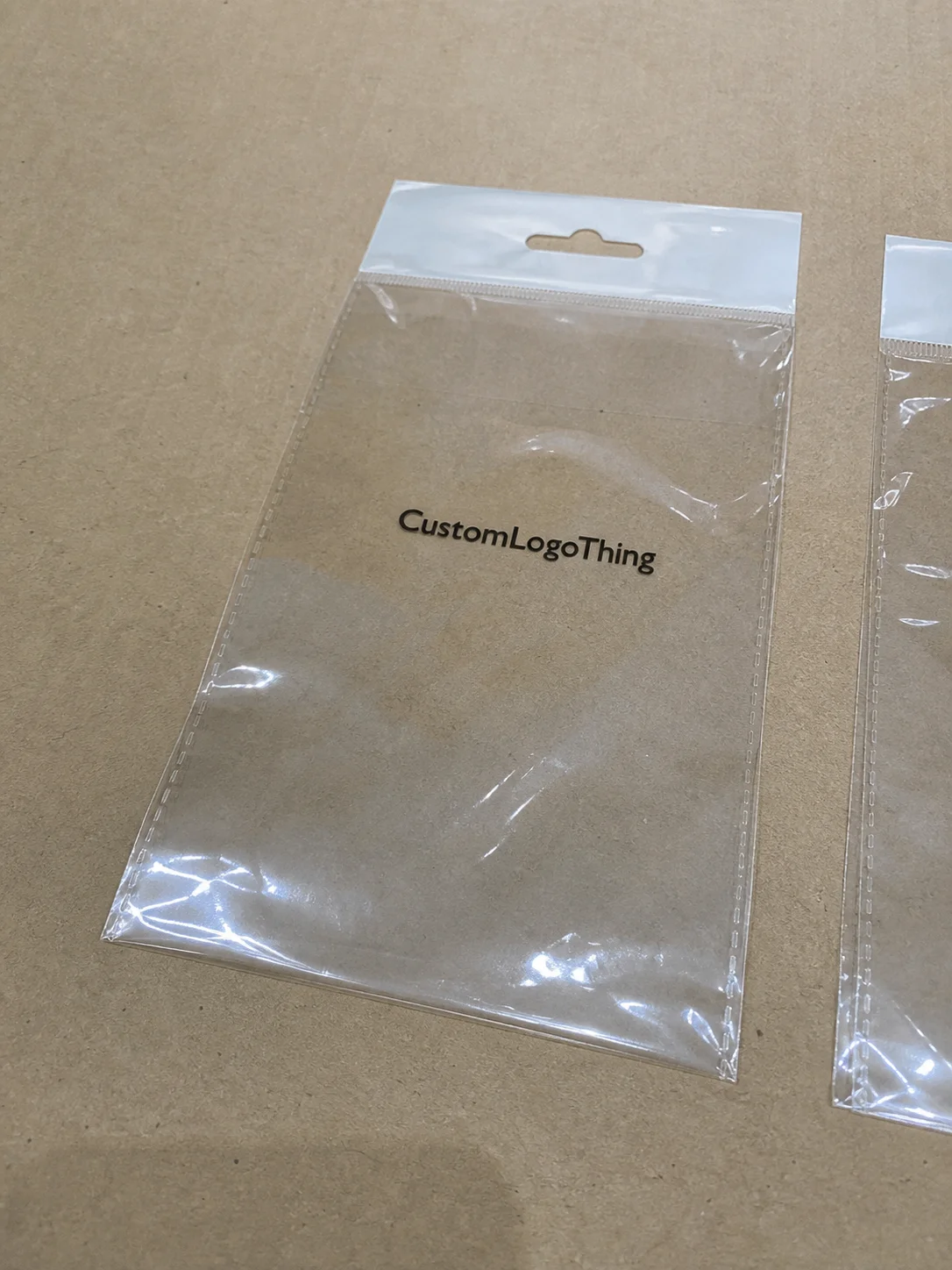
Structure decisions are equally critical; a fold-out display box with internal braces shifts the narrative entirely when the customer lifts the lid, so I routinely specify invisible magnets at 250g pull strength, tabs that nest into micro-perforated slots every 12mm, and transparent windows sealed with 48-gauge PET from Dongguan to highlight the product without glare. Those details anchor the experience from the first hand reach.
Print tactics such as spot UV over CMYK gradients, blind embossing, and matte coatings work best when paired with brand colors responsibly, so I brief suppliers to run the die twice—first for the plate registration, second for the flood varnish—avoiding the registration drift that once cost me a $0.18 per unit run because we didn’t lock the print tolerance to +/- 0.3mm. Having those specs on the sheet also teaches the factory how to hold tighter than their usual 0.5mm run.
Sustainability and logistics also matter; “unique” packaging that arrives heavy, with oversized void fill, or in non-stackable shapes ends up costing more in freight and carbon, so I counsel brands to use e-commerce-friendly 12x12x6-inch shells with integrated cushioning made from starch-based foam, which again loops back to how to create unique Packaging for Products That still respects sustainability goals. Efficient design keeps the story intact without triggering UPS surcharge fees.
I also remind everyone that packaging design must honor standards like ISTA 6-Amazon and FSC chain-of-custody when sourcing materials, because a beautiful structure is worthless if it fails a 1.8-meter drop test or can’t be traced back to responsibly managed forests. Once you commit to those checkpoints, you prove to buyers that the wow factor doesn’t compromise compliance.
Step-by-step playbook for putting unique packaging together
Step one is a creative brief with precise data: include the top three retail environments (brick-and-mortar boutique on 13th Street, Amazon fulfillment, and a New Jersey pop-up), the deepest consumer touchpoints such as the shelf grab or TikTok unboxing video, and the single emotion you want the unwrapping to deliver, because those metrics keep the team steady when ideation gets wild. No brief means we’re reacting instead of leading the conversation.
For prototypes, I prefer cardboard mock-ups with hand-cut creases, then proof-run on a digital press like HP Indigo 12000 so we feel the matte lamination, the spot varnish, and the way the emboss sits against the color field; it’s a better reality check than a glued-together 3D render, and we test it in my Newark office with actual product weights before sending it to production. That tactile step also reveals when the structure will fight the final insert.
Testing fit and fill happens after those tactile checks: pair the exact product weight, any accessories, and cushioning within the box—my team tracks actual weights down to grams using a Mitutoyo digital scale—because nothing highlights poor prep faster than a crushed corner in fulfillment, which showed up in 14% of orders the week after the July launch. We also calibrate the foam density so the box doesn’t look like a briefcase problem.
A blind usability session is the final step; I pick someone unfamiliar with the design, give them the sealed package, and watch them wrestle with adhesives, lift tabs, and closures, which proves that the surprise we engineered is real, making it easier to talk about how to create unique packaging for products with clients who only saw Photoshop files. That test catches smug designers who assume everything collapses flawlessly.
Balancing cost with creativity: pricing realities
Breaking down the cost per unit keeps conversations honest, so I list the base box at $0.48 for a simple dieline using FSC-certified SBS, finishing at $0.22 for soft-touch lamination plus spot UV, tooling at $250 per die, and freight at $0.12 per unit for 1,000 pieces shipped by sea, meaning we’re at roughly $1.10 once all elements are included. Posting those numbers keeps everyone grounded when the next “must-have” finish surfaces.
Most printers, including my go-to in Guangzhou, start around 1,000 units; to lower the per-piece price, I negotiate a multipack run or shared tooling with other brands, which is how we got a $0.08 reduction on a 5,000-unit order by agreeing to the same 24-inch die dimensions as a parallel run, and that level of transparency demonstrates how to create unique packaging for products without doubling the budget. Shared dies also smooth the approval process with the plant.
Once, a supplier tried to hike the price for metallic ink to $0.35 per square foot, so we compromised on matte silver foil at $0.18 per sheet and kept the cool-looking effect, which stands out more than a busy gradient, and I still tell that story because costs can be controlled with thoughtful swaps rather than removing the wow factor. Alternating between foil and matte saves both color accuracy headaches and wallet shock.
Other ways to reduce waste or overspend include ordering in multiples of the printer’s 40x60-inch sheet size, reusing inserts across product lines, and selecting standard-size boxes from International Paper that already exist in their Memphis warehouse, so we can show clients how to create unique packaging for products with minimal incremental spend. Don’t force custom when a stock solution delivers the same story.
Common mistakes that dilute unique packaging
Overcomplicating structure without considering packing speed is a killer; I once watched a brand design a pop-up window box requiring three manual folds, which slowed fulfillment in our Elizabeth, NJ facility by 30% and nearly blew a Prime deadline, proving how to create unique packaging for products also means respecting operational realities. The lesson: provide art that packers can handle in 60 seconds, not 10.
Another mistake is ignoring the unboxing steps; adhesive placements that hide instructions or sacrificial tabs that tear displays create frustration and returns, so we map every adhesive application to a note in the dieline to remind packers where to lift so the experience stays exciting. That note might be the difference between a gasp and a growl.
Skipping contract proofs and assuming digital renderings translate to real-life colors is a trap—my team caught an emerald swatch shift once only because we ordered a single contract proof from Mohawk before committing to 20,000 units—highlighting how to create unique packaging for products requires physical validation. Proofs are cheap insurance compared to a $5,400 rework.
Choosing trendy materials without supplier support also backfires; every season, I hear from brands whose exotic stock suddenly sold out mid-production, so we commit to partners who can source the exact stock year-round, which is part of how to create unique packaging for products consistently over multiple launches. Predictability trumps novelty when the launch date is carved in stone.
Expert tips from factory floors and sourcing desks
Bring your design team to the supplier for a day; seeing a die-cut press slam 180,000 sheets per hour at WestRock and learning how the knives need to be sharpened after every 6,000 sheets reveals what kind of design tolerances are feasible, reinforcing how to create unique packaging for products that production can actually build. Those shop-floor stories become reference points during late-stage reviews.
Negotiation tip: mention competitor quotes—specifically referencing Mohawk or International Paper—so the vendor knows you're comparing apples to apples, which got us a $0.04 savings per unit on a run with silk laminate layered over recycled board, a finish clients assumed was custom silk but was really just well-specified layering. The plant appreciated the clarity and stuck to the specs.
Insist on a checklist covering moisture control, ink adhesion, and shipping tests; I once caught a humidity gray issue before a 10,000-unit run left the dock because the plant documented a +22% relative humidity spike in their Shenzhen warehouse, so this step is non-negotiable when explaining how to create unique packaging for products. That same checklist later saved another program from adhesive failure.
We also layered a silk laminate over recycled board by specifying a 30-micron PET film from UPM that seals with UV curing, which gave clients the sensory feel of silk while maintaining the environmental story in their packaging design and proving that texture innovations can feel premium without premium cost. Those tactile wins keep the brand story believable.
Actionable next steps to create unique packaging for products
Step 1: Audit current packaging—document what works, what customers comment on, and what costs the most—so you can prioritize improvements based on data rather than hunches. I keep a log of praise and pain points with timestamps from our Monday 9 a.m. review so nothing gets buried between launches.
Step 2: Build a two-page brief that pairs your brand story with logistics needs, then email it to your designer, their printer, and link to Custom Packaging Products so everyone knows the available inventory and can propose compatible materials. Including suppliers early avoids the “wasn’t told” game.
Step 3: Schedule a prototype review with your supplier, and lock in a metric to measure success such as a 1.8-meter drop test, a +15% shelf impact score, or a 75% customer video completion rate; tracking one metric makes the concept of how to create unique packaging for products measurable. Otherwise, you’re chasing feelings.
Step 4: Keep records of all materials and vendors for future runs—my team stores supplier inks, adhesives with curing temperatures, and board GSM in a shared Airtable so the next custom batch moves faster because we already know what worked. That Airtable has saved dozens of rinse-and-repeat jobs.
Frequently Asked Questions
Layer textures by pairing a rigid board shell with a soft-touch sleeve or recycled insert, which adds sensory depth while keeping structural strength; use supplier-available stocks like Gmund Cotton Soft 350gsm or Kraft SBS 400gsm to keep costs predictable, and ask your printer for small-batch runs so you can test expensive finishes like 30-micron foil stamping before committing. That testing window reveals how the final package will feel before you run the full order.
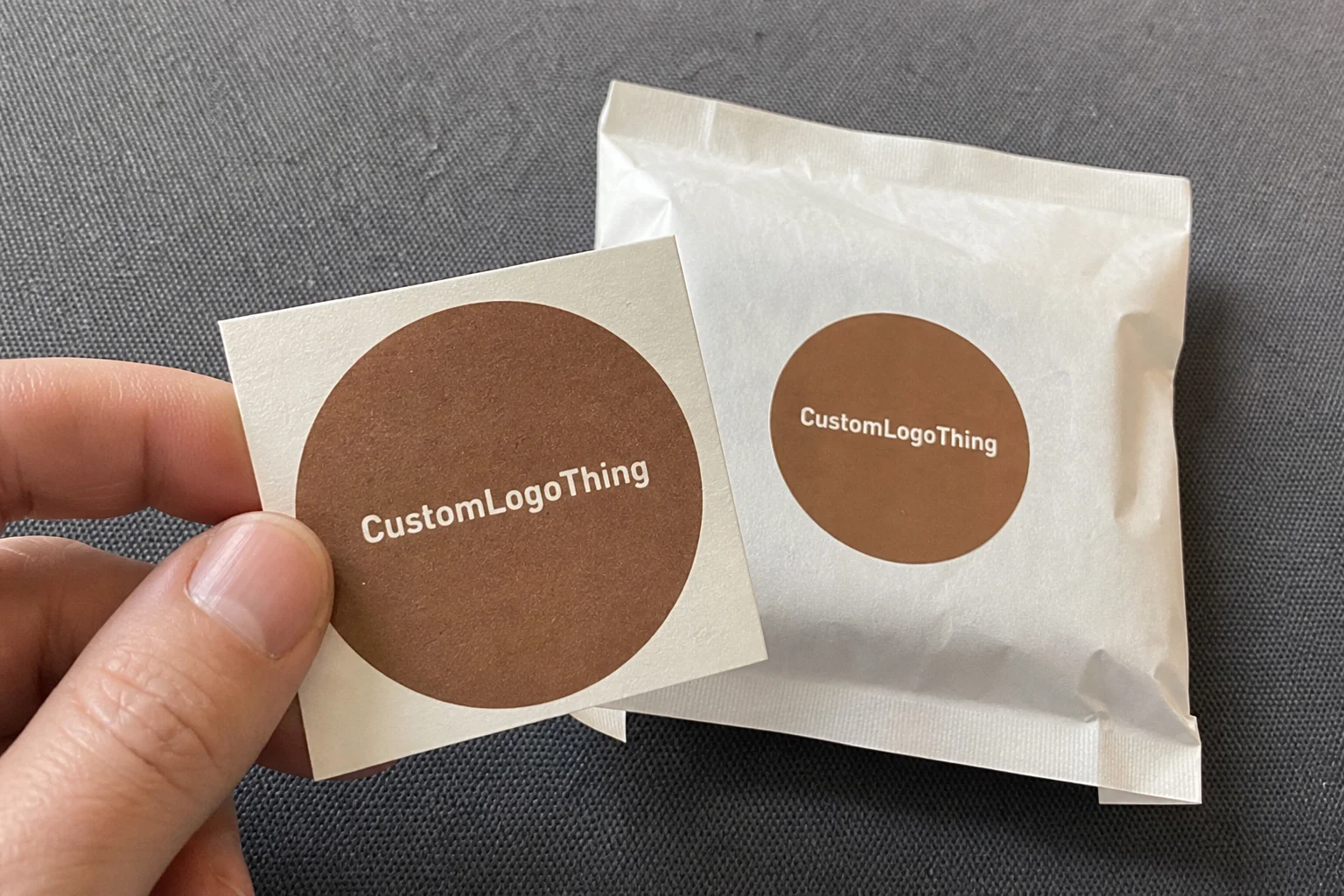
Focus on one standout element like custom stickers, printed tissue, or a signature closure instead of redesigning the entire box; source short-run printers (including partners on Custom Logo Things who specialize in 500-unit minimums) and negotiate shared tooling or plate costs so you only pay for what you actually use. A single unexpected texture can outshine an entire rebrand.
Yes, with a clear process—concept, dieline, prototype, approval, then production—compressed by close supplier collaboration; use in-stock materials and digital proofs to skip longer lead times tied to custom dye cuts or exotic papers, and always allocate a 10-14 day buffer for hiccups once production starts. That buffer becomes your best insurance policy.
Include brand tone, desired emotions, product dimensions, and any shipping or retail constraints; attach inspiration visuals with notes on what you like or dislike so printers know if you want luxe matte or playful neon, and list measurable goals such as improving unboxing video views or reducing Damage in Transit. Clear direction stops endless guesswork.
Track customer feedback, social mentions, and unboxing video reactions tied to the new packaging, compare fulfillment times and damage rates to the previous design, and review Cost per Unit versus perceived value—if retailers accept a higher SRP or better placement, you’re winning. Those metrics keep the conversation strategic.
Conclusion: When you apply what you’ve learned about how to create unique packaging for products—mixing materials like Gmund, adding structured inserts, respecting ISTA 6-Amazon and FSC standards, renegotiating with suppliers such as Mohawk or WestRock, and running real-world tests—you end up with retail packaging that truly wows without blowing up your operations. Keep that footage of the buyer’s reaction handy for posterity.
Follow the playbook, keep the keyword strategy alive, and treat every prototype like a customer; that’s how you keep elevating how to create unique packaging for products over time. Your next run gets easier when you’ve logged the wins and the flops.
Ready for your next run? Check Custom Packaging Products for the stocks and finishes we use when coaching clients toward memorable shelves. Those listings keep everyone on the same page before any ink hits the press.
The next time you ask “how to create unique packaging for products,” remember it’s not about being flashy; it’s about being clear, consistent, and unforgettable. That combination keeps buyers coming back.
Packaging.org ISTA.org