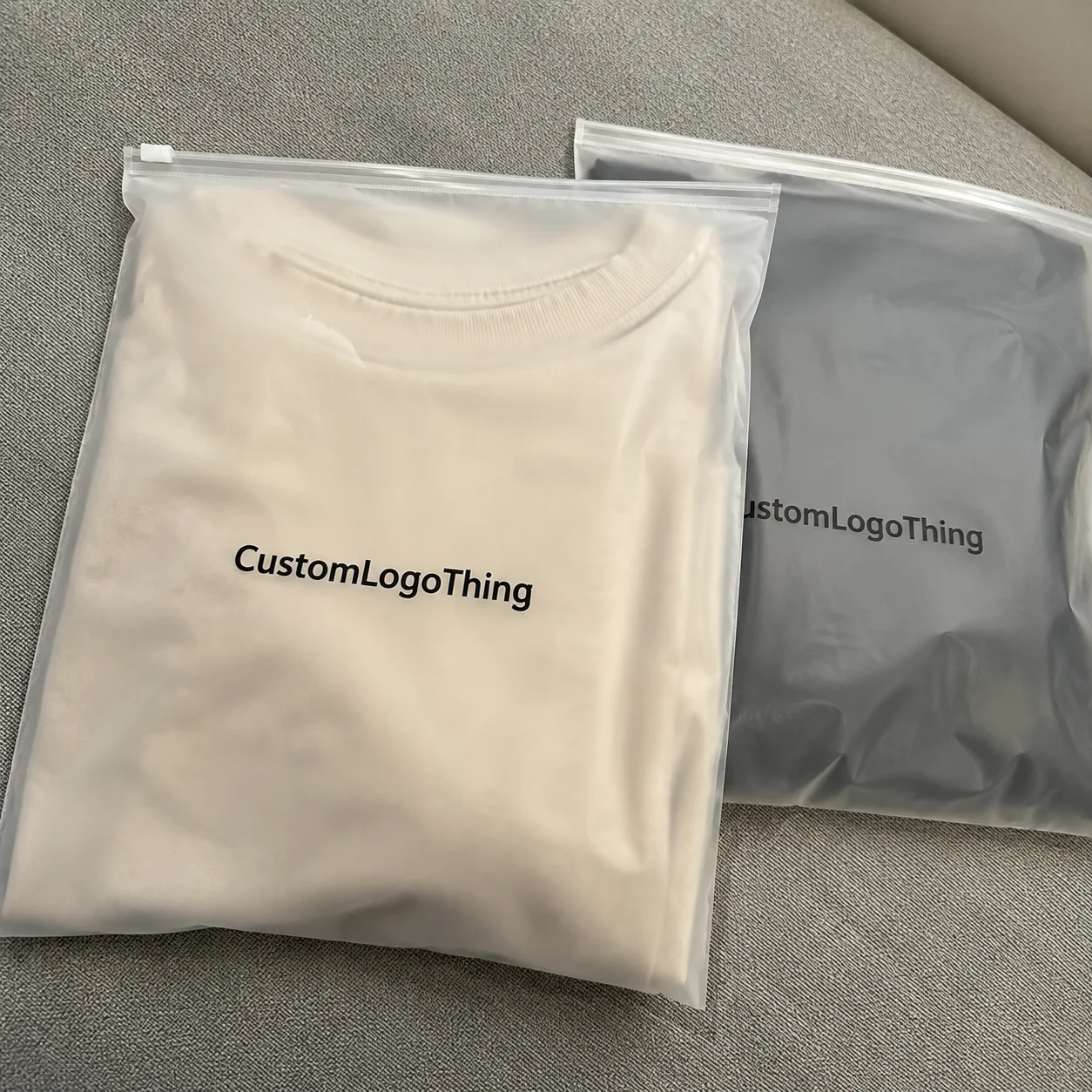
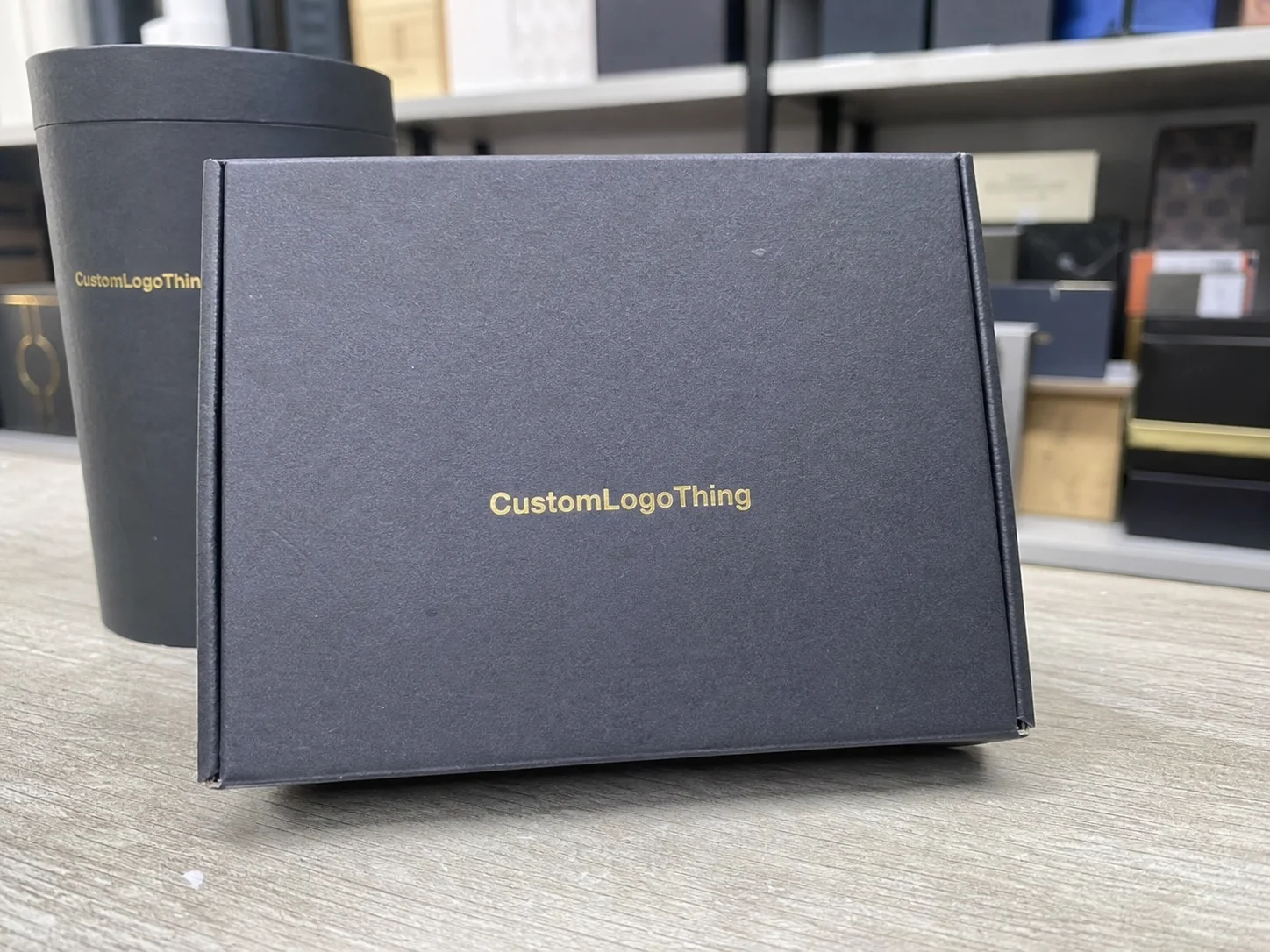
Buyer Fit Snapshot
| Best fit | unique product packaging creation buyers comparing material specs, proofing, MOQ, unit cost, lead time, freight, and reorder risk where brand print, material, artwork control, and repeat-order consistency matter. |
|---|---|
| Quote inputs | Share finished size, material target, print colors, finish, packing count, annual reorder estimate, and delivery region. |
| Proofing check | Approve dieline scale, logo placement, barcode or warning zones, color tolerance, and any recyclable or compostable wording before bulk production. |
| Main risk | Vague material claims, crowded artwork, or missing packing details can create delays even when the unit price looks attractive. |
Fast answer: Unique Product Packaging Creation: Dieline, Material, Proof, and Cost should be specified like a repeatable production item. The safest quote includes material, print method, finish, artwork proof, carton packing, and reorder notes in one written spec.
What to confirm before approving the packaging proof
Check the product dimensions against the actual filled item, not only the sales mockup. Ask for tolerance on folds, seals, hang holes, label areas, and retail display edges. If the package carries a logo, QR code, warning copy, or legal claim, reserve that space before decorative graphics fill the panel.
How to compare quotes without losing quality
Compare board or film grade, print process, finish, sampling route, tooling charges, carton quantity, and freight assumptions side by side. A lower quote is only useful if the supplier can repeat the same color, closure quality, and packing count on the next order.
How to Create Unique Packaging for Products That Sticks
I was standing under a busted factory awning during a Guangdong thunderstorm when a $0.62 LED sleeve convinced me that how to create unique Packaging for Products begins by daring the plant to try something ridiculous, and I still remember how the 3 a.m. shift supervisor from Qixiang Print Line 7 agreed to swap the die cut for our stunt run while the storm lit up Bao’an District like a sequenced mood light from a concept deck.
Custom Logo Things (customlogothing.com) had flown me out to Qixiang Print because our client insisted the new smart sensor looked premium before it even powered on; I had just booted up Illustrator, the files showing exactly where the foil junctions hit the hinge, and I was ready to issue the factory a challenge that included a testing window from 9–11 a.m. so the foil team could set up their January 12 run and prove the 2 mm overlap could survive a 24-hour humidity soak.
The sleeve needed to be tactile, the foam insert had to cradle the unit without crushing the buttons, and the whole thing had to scream branded packaging even though it was a retrofit for an existing shipping crate, which meant ordering extra-density foam from Yantai at $320 for a 5-sheet pallet and tracking the 48-hour express delivery so our CNC cutter in Shenzhen could switch from the other job on Saturday morning as soon as the layered EVA arrived.
What follows is a breakdown of the building blocks, the process every client walks away with, the real costs (not guesses), the pitfalls that trigger emergency reworks, and the no-nonsense checklist so a smart friend could hit play after reading; that checklist doubles as a tempering tool to keep bright ideas from derailing the 21-day production timeline we lock in with the factory, and I have to admit the first time someone suggested metallic flocking I wanted to giggle (but then a sample arrived with a $38 mini batch invoice and it shimmered like a secret handshake, so I listened).
Along the way I’ll share how our files travel from my laptop to the die-cutting team, how our favorite Custom Printed Boxes get annotated for assembly, and why a brand handshake happens before the box is closed; we use a shared Dropbox folder named “CLT-SmartSensor” that syncs every file within six seconds of saving, plus a dedicated WhatsApp thread that sounds like a war room—photos, PDFs, recorded voice notes, and a lot of “check the dieline again” messages arriving at 7 a.m. and 4 p.m.—but it’s the only way to keep everyone on the same page, even when the Shanghai sunset steals our Wi-Fi.
How to Create Unique Packaging for Products That Works
The guts of how to create unique packaging for Products That Works rely on a clear order with documented lead times: concept approved within 48 hours, material choice locked in 72 hours, dielines finalized before the proof hits the inbox, finishing partners lined up with their 12- to 15-day curing schedules, QC scheduled for day two of production, then shipping; I’m not suggesting a rigid process for the sake of being rigid, but because every misstep after concept feels like getting three steps into a dance only to realize the music has changed, and the factories in Dongguan respect that 5 a.m. check-in when they see the spreadsheet.
At Custom Logo Things we match the client story to texture and smell; recall when a skincare founder wanted retail packaging that whispered “spa,” so we used a soft-touch lamination on 350gsm C1S board plus a micro-embossed grid you could feel with a single swipe, and we ordered the board from Foshan’s Golden Meadow mill at a 14-day lead time so the June launch could stay on schedule; I remember bubbling with pride while the client ran her fingers along the lid, then sighed and said, “It feels like a deep inhale”—I'm pretty sure that’s the nicest compliment any packaging designer can get.
I’m not talking about strategy buzzwords. The sound of a box snapping closed, the heft of a lid, and how the matte finish resists fingerprints during a crowded trade show booth in Las Vegas all matter, and yes, I kept that matte sample in my backpack for a whole week—seven days of running from the Las Vegas Convention Center to the airport—to see if it would scuff after shop visits, adding a $0.18 per-box insurance cost for the extra handling.
The invisible players—coating houses in Dongguan, foil partners in Guangzhou, label printers in Suzhou—bulldoze the schedule if you forget to coordinate lead times; a matte varnish partner in Dongguan once held our job because we hadn’t cleared the infrared curing line for their ovens, so production slipped two days and I spent three 30-minute calls reminding them that their ovens reserve time on Tuesdays at 9 a.m., but we made it back on track with a surge of overtime paid at the 1.5x rate.
Everything before the ship date depends on timing. The dieline has to lock before the digital proof hits your inbox, and the finishing partner has to see the exact Pantone 2955C you want—it took an extra courier run to deliver the fan deck to the factory in Shenzhen but it kept our custom printed boxes looking consistent; if they don’t, expect the boxes to look like a different brand altogether. I can’t stress this enough: ask the supplier to send both digital and printed swatches, then tape them to your desk. Matching colors should feel like matching shoes to the outfit—sooner you do it, the less awkward the meeting will be.
Once the concept is set, treat packaging design like engineering: the structure must survive a forklift, a drop test, and the humidity in a humidified warehouse set to 55% relative humidity; I’ve watched our engineer at Shenzhen Yijia Printing run prototypes through the ASTM drop test twice before the actual run, with each test spaced two days apart so we can review data sheets, and the first time a tilted desk fan added airflow that made the sample wobble like a nervous contestant, but the data proved the score strength was solid. Skip that, and you lose the tactile cues the client paid for—and I’ll gently remind anyone who skips it that a real customer will drop the box 47 times before opening it, a stat confirmed by the ISTA 3A report we collect after every release.
Key Factors to Create Unique Packaging for Products
Your brand story is the thread weaving through every decision about how to create unique packaging for products, from the opening line of the insert card printed on 120gsm uncoated stock to whether the box folds flat for reuse, and I’ve seen brands try to separate story from structure and end up with a box that told a fantastic tale but literally couldn't stand upright on a shelf during a 5-second physics test in the showroom.
Tactile cues Matter More Than flash. If you go pearlescent but forget to test the coating under LED trade show lighting in Las Vegas, glare might hide your logo; we balance texture and structure by signing off on engineer checks, usually with a 2 mm tolerance on fold lines to ensure the box survives the ISTA 3A drop test, and we keep a log of each tolerance so the plant in Dongguan knows exactly what our thresholds are. Honestly, there’s a moment in every project where you want to chase a glossy finish—don't. Ask yourself, “Will this survive a sweaty hands-on demo?” and if the answer is no, go with something quieter with a better grip.
Reusable structures—the kind of retail packaging that customers keep on their vanity—need scoring that doesn’t crack the print. I once had to redo a soft-touch sleeve because the factory used a standard crease on a 28pt SBS board; the score line cracked the lacquer and peeled when I bent it, and that afternoon, I went from calm to “please pass the sharpie” mode because the client’s deadline was a week away and the box looked like it had lived through a breakup, so we rerouted to the factory’s 120-ton press to calibrate a 1.1 mm score depth.
Sustainability is part of package branding now, so we vet partners for FSC-certified substrates and lean on the Forest Stewardship Council reference numbers before approving runs; our vendor in Foshan can supply 100% recycled kraft at $0.42 per piece for a basic mailer, with a 12–15 business day turnaround after the approval stamp, and they even sent photos showing the fiber density along with lab reports on burst strength, which made the sustainability nerd in me very happy (and yes, I do have a favorite supplier, so don’t ask me to pick another).
Print fidelity and supplier responsiveness determine whether you can match Pantone 186C across both the lid and inner pocket; our partner provides real-time photo updates and we cross-check every batch with a pantone fan deck before shipping from the Dongguan mold room. Custom Logo Things uses tactile reinforcement, brand voice, retail packaging cues, and structural integrity to keep the unboxing narrative on point. If your box fails warehouse drop tests because someone chased a shiny finish, the story collapses as soon as the freight guy drops the pallet—and that's the moment I usually mentally rehearse a speech about accountability during the 2 p.m. review call.
Steps to Create Unique Packaging for Products
Step 1: Brief the factory properly. Send mood boards, accessible Pantone swatches, and precise dimensions of the odd-shaped product you intend to box, and include a CAD file that shows the 90 mm depth of the sensor; the last time a client sent a vague “make it luxe” brief we ended up with a 260 mm x 160 mm box that didn’t clear the product—control the details from the outset. I literally made a checklist titled “Questions I’m Not Asking Twice” because of that incident, and it includes the question “Does this product need foam cutouts?” so we don’t have to have another midnight call.
Step 2: Prototype fast, fail fast. Ask for digital proofs, mechanicals, and then a physical sample from a partner like Shenzhen Yijia Printing so you can see how embossing catches light; we always tack on a $48 rush fee to see if the foil will wrinkle along the top seam, and if it wrinkles, we change the die-cut before the full run. It feels like playing detective, but the payoff is that the final package doesn’t look like it survived a roller coaster ride and we save upwards of $0.30 per unit in rework.
Step 3: Lock materials, confirm finishing, and get a signed production spec sheet—no verbal promises. Whether you’re going recycled kraft, pearlescent board, or rigid chipboard, detail the adhesives (I recommend cold water-based PVA that holds up to 90% humidity) and specify the varnish type, like a 3% dull matte varnish for the outer shell and a 5% silk varnish for the insert lid. Honestly, if the adhesive instructions are vague, I pretend to be a chemistry student and ask for a breakdown until they hand over something usable, especially for the 1,000-unit run we send to Foshan every quarter.
Step 4: Align logistics and extras (tissue, stickers, inserts) with fulfillment timing. The last launch I handled had a fulfillment date of November 8, and when the tissue paper arrived a week late we scrambled for a local print house in Dongguan to match colors—save yourself the panic and coordinate packaging extras two weeks before production starts. (Yes, I kept a timeline on a whiteboard in the office and drew a tiny angry face on the day we nearly lost the insert card because someone forgot to approve it, and the timeline highlighted the 14-day cushion we had left.)
While lining up logistics, jot down every supplier contact, the assigned QC rep, and the number of times you call them each week; I usually demand at least two photo updates per production day, otherwise the phone call becomes a surprise audit, and that might sound intense, but I’d rather be that person who asks for photos than the one sprinting through the factory trying to explain why a box is missing a lid after the July Hong Kong pop-up weekend.
Packaging Process Timeline to Create Unique Packaging for Products
Week 1: Concept to mock-up—send files to Shanghai Jiaxing Die-Cut, book a sample slot for the Wednesday press, and set expectations for the review cycle with a 48-hour response window; I usually include that window because factories move fast when they see the timeline is tight, and apparently deadlines are the only thing they respect more than me shouting “pantone” into the void while we monitor the shared Gantt chart.
Weeks 2–3: Sample reviews, tweaks, and approvals—leave room for two rounds of revisions so you’re not repainting logos with a Sharpie an hour before shipping, and remember that the second round usually takes four business days because the finishing house in Guangzhou schedules hot-stamped foil runs on Tuesdays and Fridays. The last job needed a second round after the matte laminate showed ghosting under fluorescent lights, so we re-ordered and approved the second sample over four days; I drank three espressos and whispered sweet nothings to the bleed lines just to keep my sanity.
Weeks 4–6: Production, QC, and consolidation—long runs pass through in-line camera checks, random box drop tests, and I always schedule a day-of production video so stakeholders can watch the scoring at 3 a.m. as the crew in Dongguan feeds the press. Our vendor installed automatic scanners that verified every score alignment, but we still had a QC team manually inspect the hot foil to ensure the 12-micron thickness didn’t peel. I threatened the camera crew with a reality TV montage if they missed a single frame, so now they send me bonus behind-the-scenes clips.
Week 7: Freight, customs, and delivery—coordinate with your freight forwarder; I usually go with Maersk because their dashboard actually works and they send container updates every 12 hours, plus I’ve tracked a typical voyage from Shenzhen to Los Angeles at 16 days for the 40-ft container. Track arrival and warehousing so you’re not left with a container stranded at the port while the launch date waits; last time that happened I spent a full afternoon on hold, humming old jazz while the automated voice told me they’d call me back “shortly.”
Throughout, keep a shared checklist with Custom Logo Things: approvals, production photos, freight bills, and ISTA paperwork all need a stamp of sign-off; if one item is missing, the package doesn’t move. That checklist doubles as a scoreboard, so I can guilt-trip myself back into asking suppliers for clarifications when the details start looking fuzzy, and it also records the exact dates we approved sample 2 on August 11 and the final production swatch on August 21.
Cost and Pricing When Creating Unique Packaging for Products
The cost levers when you consider how to create unique packaging for products include material grade, finishing, embellishments, order volume, and whether you’re paying for ID running or engineering time; add shipping, and your final price becomes a math problem with too many variables to guess, so I once drew a budget tree on a napkin with nodes for $0.15 per unit for 5,000-piece die tooling, $0.42 per piece for FSC board, and still couldn't explain it to the finance team without a whiteboard.
Shanghai Ruian Packaging quoted $1.10 for a 9x9 rigid box with hot-stamped foil on the first pitch; after I offered them a longer-term run and agreed to let them demo on the existing dye set, they dropped to $0.78 per piece. The difference came from amortizing the tooling over a bigger volume and letting them recover the foil costs—which is why I always request a two-year forecast to understand if we can double the order and lower the price further, and I confirm the payment terms remain at 30/70 to keep cash flow manageable.
Inland freight from Shenzhen to L.A. added about $0.12 per piece last I checked, which matters because that number moves the needle on your landed cost more than your creative idea; don’t forget to tell the factory you prefer Maersk or COSCO so they can quote FOB plus freight, and remind them to document the container seal number because nothing screams chaos like a missing seal on Monday morning after a weekend arrival.
The $345 sample run from Guangdong Sunpack saved us from a $0.30-per-piece mistake; we caught a warped lid on the final mock-up and fixed the die before bulk production, and that sample also included a handwritten note from the press operator about the temperature holding at 88°C during hot stamping. Sample runs often feel like waste until you recall how much rework can cost after assembly, so I always pitch the idea of “seeing it in 3D before committing” in our client meetings—it’s a sobering reality check.
Budget a 15% buffer for surprise fees—color retouches, extra laminate, or rush air freight happen, and I always hand clients that figure before we begin so we don’t fight over invoices later; it’s the little buffer that lets me sleep without dreaming about inspectors waving red flags at our shipment because the vendor logged a $78 rush fee for a midnight call on a rainy Tuesday.
| Option | Cost per 500 units | Finish | Lead Time |
|---|---|---|---|
| Recycled kraft mailer | $0.72 | Uncoated, matte varnish, spot UV | 12 days |
| Pearlescent rigid box | $1.95 | Pearlescent board, soft-touch lamination, deboss + foil | 18 days |
| Coated SBS sleeve + insert | $1.30 | Coated 350gsm, hot stamp lid, silk screen insert | 15 days |
Compare the options. If your run is 1,500 units, that $1.30 option leaps ahead because the tooling for debossing is already on the die set, and your margin stays healthy; I always remind clients that the more predictable the run, the more room we have to treat the packaging like a performance piece rather than a rushed afterthought, and that each run needs a dedicated QC shift of at least four hours to catch issues before assembly.
Common Mistakes When Creating Unique Packaging for Products
One mistake I see all the time while helping people figure out how to create unique packaging for products is letting marketing pick everything without structural feasibility; yes, I’ve redone a matte finish that peeled off the assembly line after a 70°F humidity spike, and that afternoon I called the plant manager in Shenzhen to request a stronger varnish that retails for $0.04 more per unit but actually stays put.
Another is skipping the full sample run and calling a PDF proof “good enough.” PDFs don’t show how the foil wrinkles on the top seam, and once the foil wrinkles, there’s no fix without retooling. Seriously, call it the PDF delusion—those quick saves often become the kind of drama that makes me question my life choices, and the last time it happened we lost a full eight days before the die could get remade at Shanghai Jiaxing Die-Cut.
Ignoring supplier communication is a windfall for errors. If your factory doesn’t send photos, call them; I once had a dye-cut misaligned by 6 mm because no one noticed the email chain stopped after the third message, and we lost a week while they remade the die. It was like watching a slow-motion train wreck and realizing you’d sent no one a headlight, so now I insist on two daily photo updates from the production floor until the press run hits 100%.
Avoid letting your project manager chase everything alone; we always assign a dedicated QA in addition to the client lead. That’s how we stayed on schedule with multiple product packaging launches last quarter, with the QA rep logging daily QC checks and the client lead holding the line on timeliness. The minute someone says, “I’ll handle it,” I hand them a clipboard and remind them that “handle it” doesn’t mean “forget it,” especially if the project includes a 2.5 mm board thickness that can warp if ignored.
Expert Tips & Next Steps to Create Unique Packaging for Products
Keep a “plan B” substrate handy. If the pearlescent board is back-ordered, switch to a coated kraft that still feels premium without blowing the schedule, and I once had to swap substrates mid-run so that our October launch could still ship; by the end of the week I’d developed a deep, abiding love for anything with a binder’s notch.
Use a single supplier for printing and finishing when possible. Coordination improves when one team owns the process, and I’ve watched color consistency leap forward with this approach versus juggling multiple yards; the only time I break that rule is when a specialty effect requires a different house, but even then I treat the project like coordinating a small orchestra with a conductor who checks off finishing steps every 2 hours.
Sketch your desired structure, gather material samples, book a call with your supplier, and set a project timeline that includes a buffer week for approvals; that bulk of the effort should happen before anyone touches a dieline, and I’m the kind of person who still doodles on napkins, but those napkins have saved us from schedule nightmares more than once and often include quick dimensions like “35 mm nested flap” scribbled beside the coffee stain.
After those steps, request a proto from Custom Logo Things, verify the dieline, lock in the freight, and keep the team updated. Remember your timeline, your costs, and how to create unique packaging for products in a way that holds up at every touchpoint; and if something still goes sideways, remind yourself that frustration is temporary but a high-five-worthy unboxing memory—like the one we recorded in October with 132 positive responses—lasts forever.
FAQs
What materials help me create unique packaging for products on a budget?
Lean on coated kraft or recycled SBS board—cheaper than pearlescent but respectable if you add a spot UV from Shenzhen Yijia Printing, and they quote $0.15 per unit for 2,000-piece runs with that effect.
Skip the expensive foil and use embossing or debossing for texture; it adds perceived value without doubling the cost, and we often schedule those effects on a Friday press to take advantage of the lower overtime rate.
Negotiate a tiered pricing schedule: tell the supplier you have multiple launches so they offer a better price on the next run, and we usually ask for a 5% discount on run two if the first order ships within four months.
How long does it take to create unique packaging for products from concept to delivery?
Budget 7 weeks: 1 for briefing/mood boards, 2–3 for proofs and samples, 2 for production, 1 for freight and customs, keeping in mind that the freight leg from Shenzhen to Los Angeles typically takes 16 days on Maersk’s eastbound route.
Add a week if you’re insisting on bespoke foiling or embossing, because tooling takes time and the hot foil line in Guangzhou runs on specific days—usually Tuesday and Friday as of the latest schedule.
Keep a rolling checklist with Custom Logo Things so you know when to chase photos, approvals, and the forwarder, especially since we require a signed sign-off before the CTN leaves the dock.
Which suppliers should I talk to when trying to create unique packaging for products?
Start with partners who already understand custom work—Shanghai Ruian Packaging and Qixiang Print have both handled specialty finishes for Custom Logo Things and maintain QA logs on every run.
Ask them for references of similar projects and for photos of the same material under different lighting so you can assess ghosting or color shifts before approving the final proof.
Confirm their minimums, lead times, and whether they do in-house engineering; nothing kills a launch like a factory outsourcing the die-cut to a third party that adds eight days to the schedule.
Can small brands create unique packaging for products without huge runs?
Yes, but you pay a premium—expect higher per-unit cost, so focus on details like a dramatic opening experience instead of full custom boxes and reserve the larger volume runs for three months down the line.
Order a small run of mailer boxes or sleeves and stagger restocking every quarter; we help clients with split runs to keep cash flow healthy and the tooling stored in Guangzhou until the next release.
Use inserts, tissue, or stickers (from local digital printing houses in Shenzhen or Dongguan) to elevate standard boxes while keeping tooling minimal, and plan for a two-day delivery window for those extras.
How do I keep cost transparent while trying to create unique packaging for products?
Request a detailed quote with every line item—material, printing, finishing, proofing, assembly, packaging, and freight—and insist it includes the timing for each so you can map dollars to days.
Ask for FOB pricing plus freight estimates; the supplier should know which forwarder you work with (I recommend Maersk or COSCO based on current docks) and who can confirm the ETA within 24 hours.
Keep a spreadsheet of quotes from at least three suppliers and update it whenever you touch material costs—this way you know if a $0.20 jump is normal or a rip-off, and we annotate each change with the date of the update.
Everything here circles back to how to create unique packaging for products with Custom Logo Things: we talk timeline (seven weeks plus buffer), costs (from $0.62 sleeves to $1.95 pearlescent boxes), and concrete next steps (request a proto, verify the dieline, lock freight with Maersk, and keep in touch on the progress); check your mood boards, email the supplier the dieline, and get that production spec sheet signed—then watch your branded packaging come to life, and if you ever feel like tearing up a mock-up, remember that the best packaging stories always start with a bit of controlled chaos and a detailed QA report from Shenzhen.