Retail Merch Caps Production Timeline: Plan Your Bulk Order
A cap can be stitched faster than most teams can approve the thread color. That is the practical problem behind the Retail Merch Caps production timeline: factory work is only one part of the calendar. Quote review, artwork cleanup, proof approval, payment, packing, inspection, and freight usually decide whether a merch drop lands on time.
Use this Retail Merch Caps production timeline plan your bulk order guide to build a schedule that protects your launch date. Retail caps look simple from the outside: panels, visor, closure, and logo. A bulk order can also involve blank sourcing, embroidery digitizing, patch sampling, trims, hang tags, barcode placement, carton prep, inspection, and shipping routes. Miss one dependency and a 15-business-day plan can become a 25-business-day scramble.
The fix is better sequencing. Know which decisions block production, which tasks can run in parallel, and where buyers typically lose time.
What the retail merch caps production timeline really means
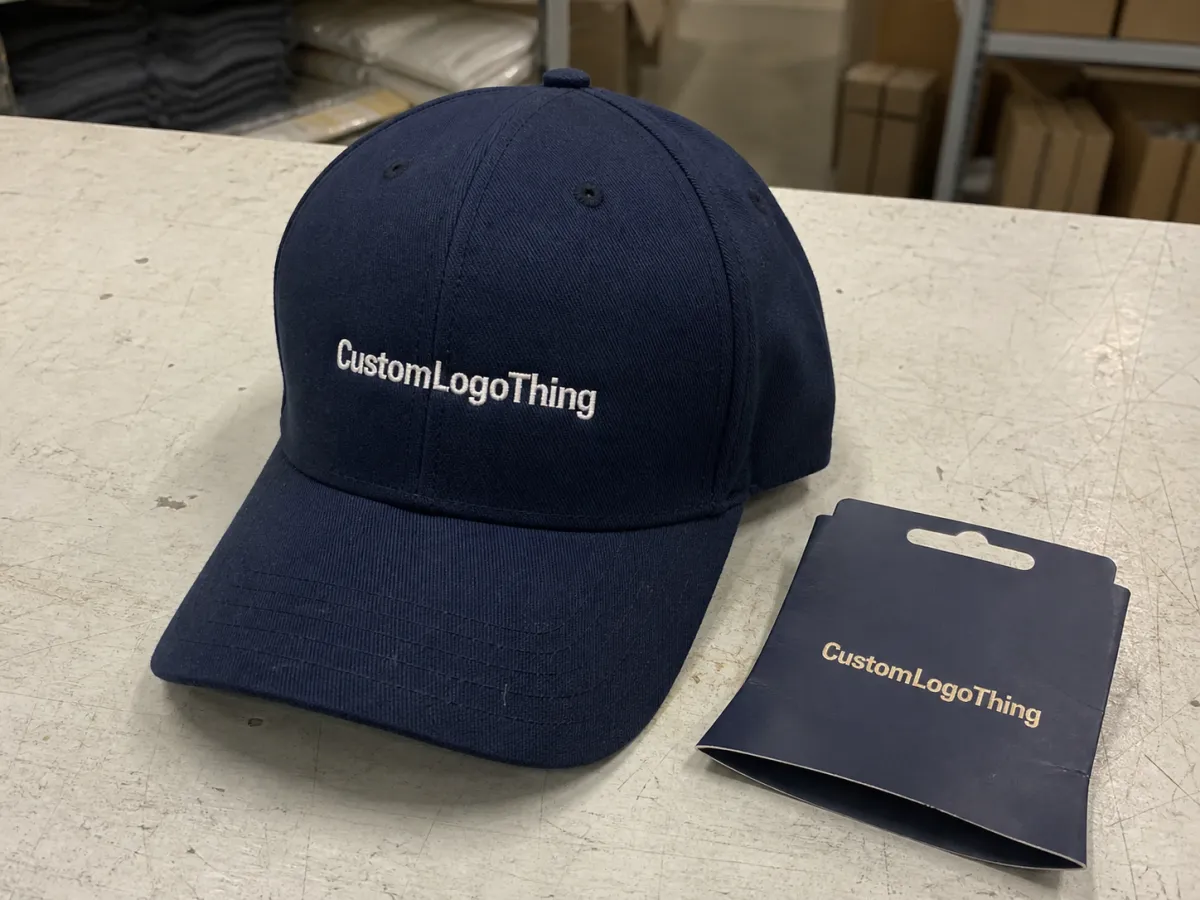
The timeline is the full path from product selection to delivery. It includes spec confirmation, quote, payment trigger, artwork review, proofing, sew-out or sample approval, bulk production, inspection, packing, and shipment. If a supplier says production takes 12 business days, confirm whether that includes transit, sampling, revisions, labeling, and buyer approval time. It often does not.
Approvals can take longer than sewing. A buyer approves the cap body on Monday, questions logo height on Tuesday, asks for a thread swap on Thursday, then waits for internal sign-off. The decorator has not been slow; the order has been sitting in neutral.
Caps also behave differently from flat merch. The decoration area is curved, structured, and interrupted by seams. A logo that works on a tote bag can warp on a 5-panel cap if stitch density is too high or type is too small. Raised embroidery, often called 3D puff, needs thicker letterforms and cleaner shapes than flat embroidery. Tiny registered trademark marks are a common issue; below roughly 4-5 mm in stitched height, they often turn into fuzz.
Hardware and trims add more decisions. Snapback, metal buckle, hook-and-loop, fitted sizing, rope detail, woven labels, hang tags, barcode stickers, branded sweatbands, and retail polybags all affect sourcing and handling.
Planning rule: treat the schedule as a risk map, not a fixed promise. A realistic calendar protects the store date, event date, photo shoot, or merch drop when proofing or freight gets messy.
The better question is not "How fast can you make these?" Ask: "Which approvals must happen before production starts, and which tasks can run at the same time?" That answer shows the real calendar.
Production steps and lead time explained
A clean cap schedule separates the work into stages. Some stages overlap. Others are locked behind approval gates. That distinction matters because "12-15 business days production" may exclude transit, sampling, artwork revisions, and the time your own team spends debating whether cream thread is too yellow.
For a stock cap with embroidery or patch decoration, the usual path looks like this:
- Spec and quote: 1-3 business days if style, quantity, artwork, packing needs, and delivery date are clear.
- Blank sourcing: same day to 5 business days, depending on inventory, color, size, and closure availability.
- Digitizing or decoration setup: 1-3 business days for most logos; detailed artwork can take longer.
- Proof or sew-out approval: 1-5 business days, mostly driven by buyer response time.
- Bulk decoration: often 5-15 business days after approval for common order sizes.
- Quality control and packing: 1-3 business days; longer for retail labeling, barcodes, or split shipments.
- Freight: 1-7 business days domestically; international freight varies by lane, customs, and carrier capacity.
Fully custom caps take longer because the factory is not pulling finished blanks from a shelf. Fabric cutting, panel sewing, visor shaping, closure attachment, inner taping, sweatband application, and trim assembly all enter the schedule. Custom dyeing, specialty fabric, or non-standard hardware can add several weeks before decoration starts.
Some work can run in parallel. A supplier can check blank stock while digitizing begins. Carton labels can be prepared while caps are decorated. Shipping documents can be drafted before final inspection. But bulk embroidery should not begin before the sew-out or proof is approved. Once 2,000 caps run with the wrong stitch angle, the issue is waste, not a design discussion.
Factory lead time and door-to-door delivery time should be listed separately on every quote. A cap order may finish production on schedule and still arrive late because customs clearance, carrier capacity, air freight cutoff times, or domestic handoffs were not built into the plan. If the quote says "ships in 10 days," ask whether that means dispatch date or arrival date.
What changes the schedule behind the scenes
Artwork is the first schedule trigger. Dense embroidery takes longer because machines run slower at higher stitch counts, and proofing gets more sensitive. A front logo with 7,000 stitches may be routine. A large front logo with 14,000 stitches, small type, a side mark, and back closure embroidery is a different job.
Contrast matters too. White thread on black cotton exposes registration issues faster than tonal thread on washed twill. Thin outlines can disappear. Gradients do not translate neatly into embroidery unless simplified into thread colors. A good supplier will reject details that cannot hold up at retail distance; that is quality control before money gets burned. For placement planning, review the retail merch caps logo placement guide before approving artwork.
Blank inventory can move the schedule more than design does. If the cap is in stock, a basic embroidered order can move quickly. If the requested style is a specific 6-panel structured profile in forest green with a metal buckle, the order may wait for replenishment or require substitution. Eyelets, buckles, woven labels, patch bases, rope detail, sweatbands, and inner taping can all become bottlenecks.
Seasonality adds pressure. Holiday promotions, spring sports programs, campus merch, festival drops, and corporate gifting push demand into predictable spikes. During peak queue periods, the same order that normally takes 10 business days after approval may need 15-20.
Shipping is the final variable buyers underestimate. Air freight is faster but can add several dollars per unit on bulky cartons. Ocean freight is cheaper for large custom runs, but it brings port, drayage, customs, and documentation risk. Domestic ground can be reliable inside a region and slow cross-country. For packaging protocols and transit handling expectations, the International Safe Transit Association is a useful reference point, especially for retail-ready cartons.
Split destinations add another layer. Sending 500 caps to a warehouse, 300 to stores, and 200 to an event site is not the same as one bulk shipment. It adds carton labeling, pick-and-pack time, freight coordination, and more chances for address errors. If the order needs to be packed by SKU, store, region, or campaign, say that before the quote is built.
How cost, MOQ, and unit pricing are built in 2026
Cap pricing is built from material, labor, machine time, order size, and risk. The main drivers are silhouette, fabric, decoration method, stitch count, trim details, labeling, packing, and shipping. A stock cotton twill dad cap with flat embroidery has a different cost structure from a custom 5-panel camper cap with woven patch, contrast rope, printed inner taping, and retail hang tag.
MOQ, or minimum order quantity, matters because setup costs are spread across the run. Digitizing a logo, matching thread, setting hoop positions, creating a sample, and preparing machines all take time whether you order 72 caps or 2,000. Smaller runs usually carry higher unit pricing because fewer pieces absorb that work.
| Order type | Typical MOQ | 2026 indicative unit range | Schedule risk |
|---|---|---|---|
| Stock cap with flat embroidery | 48-144 pieces | $8.25-$15.50 per cap | Low if blanks and artwork are ready |
| Stock cap with embroidered patch | 100-250 pieces | $10.00-$19.00 per cap | Medium because patch sampling adds a gate |
| Custom cap with labels and trim | 300-1,000 pieces | $6.25-$14.50 per cap before freight | Medium to high due to sourcing and assembly |
| Premium retail-ready cap pack | 500+ pieces | $11.50-$24.00 per cap | High if barcodes, hang tags, and split packs are late |
These 2026 ranges reflect common bulk cap projects seen across stock and custom programs, but they depend on material costs, supplier model, duty exposure, freight lane, and decoration complexity. They are not universal. They do show why the cheapest line item can be misleading. A $7.20 cap that needs three proof rounds, rush freight, and repacking can cost more operationally than an $8.90 cap specified correctly from the start.
Visible costs include the cap, decoration, and freight. Hidden or semi-hidden costs may include digitizing, sample fees, Pantone matching, puff embroidery setup, patch mold charges, woven label setup, barcode labeling, carton relabeling, rush charges, and split shipment fees. Ask for these separately so the quote shows what is included and what triggers an add-on.
Material choice changes cost and performance. Cotton twill, brushed cotton, polyester performance fabric, nylon, corduroy, recycled polyester, and wool blends all behave differently on the machine and in transit. Cotton may show lint and handling marks. Nylon can pucker if decoration is too heavy. Performance polyester may need different backing or hoop pressure. If sustainability claims matter, verify the certification language rather than accepting vague eco wording. The Forest Stewardship Council is relevant for paper hang tags, cartons, and display packaging, not the cap fabric itself unless a certified paper component is involved.
New cap trends buyers should plan for
Retail cap programs in 2026 are moving beyond a single front embroidery. Buyers are asking for mixed decoration: flat embroidery on the front, a woven side label, a printed under-visor, and a QR-enabled hang tag that links to the brand story or care instructions. These details can make a cap feel more retail-ready, but each one adds an approval point.
Performance materials are also gaining share. Lightweight nylon, water-resistant finishes, laser-perforated panels, and moisture-wicking sweatbands are popular for outdoor, golf, run club, and travel collections. These fabrics need earlier testing because heat, hoop pressure, and backing choices affect puckering. A decoration method that works on cotton twill may not behave the same way on slick nylon.
Based on recent bulk cap projects I have reviewed for retail and event buyers, the cleanest timelines come from brands that approve three things before the quote is finalized: the exact silhouette, the maximum logo size, and the retail packing format. The slowest timelines usually start with a visual mood board but no decision on closure, fabric, or delivery split.
Another 2026 shift is tighter inventory planning. Many buyers are ordering smaller first runs, then reordering proven colors after sell-through data comes in. That approach reduces overstock risk, but it only works if the supplier can repeat the blank, thread, patch, and label specs. Save the approved spec sheet and request production photos from the first run so the reorder has a clear target.
A practical step-by-step ordering path
Start with the use case. A cap sold on a retail shelf needs different decisions than a giveaway cap tossed into an event bag. Retail caps may need hang tags, UPC stickers, size labels, branded inserts, carton counts, cleaner finishing, and tighter color consistency. Promo caps can usually tolerate simpler packaging if the logo, fit, and delivery date are right.
The fastest ordering path is to define the job before asking suppliers to quote it. Nobody can price accurately from "black cap with logo" if the brief omits quantity, closure, decoration size, thread colors, delivery date, and packing requirements. A strong retail merch caps production timeline plan your bulk order process starts with a complete brief, not a rush quote.
Build the spec sheet in this order:
- Cap style: dad cap, trucker, snapback, 5-panel, 6-panel, performance cap, beanie, or fitted cap.
- Material: cotton twill, polyester, nylon, mesh, corduroy, wool blend, recycled fabric, or mixed panels.
- Closure: snapback, strapback, metal buckle, hook-and-loop, elastic, or fitted sizing.
- Decoration: flat embroidery, 3D puff, woven patch, leather patch, screen print, heat transfer, or mixed placements.
- Retail prep: hang tag, barcode, polybag, carton label, insert card, or display-ready pack.
Then gather quote-ready assets. Send vector artwork such as AI, EPS, or PDF files where possible, plus a PNG for visual reference. Include Pantone references if color is critical. Give quantity splits by color and size. Add ship-to addresses, required arrival date, and whether the caps must be packed by SKU. For a deeper cost view, compare these inputs with the retail merch caps unit cost breakdown.
The proofing stage deserves discipline. Approve one proof, not six opinion threads. If a physical sample is required, decide whether it must be a full production sample or a decoration sew-out on similar fabric. A full custom sample can add 7-14 business days or more. A sew-out may be faster and still answer the key embroidery question: does the logo work on the cap?
After approval, track milestones: blanks secured, decoration started, mid-production check if offered, quality control, packing, dispatch, and delivery. The schedule should be visible enough that a buyer can see drift before the launch date is threatened.
Common mistakes that add days or dollars
The most common delay is weak artwork. Low-resolution JPGs, screenshots, and logos pulled from social profiles create avoidable proof rounds. Embroidery needs clean paths, simplified detail, and a realistic minimum size. If the brand mark has tiny type, thin outlines, or gradients, prepare an embroidery-friendly version before the supplier starts digitizing.
The second mistake is approving style before checking inventory. A buyer may love a washed black dad cap, but if only 80 pieces are available and the order needs 500, the team either waits, splits the order, or changes style. Ask for available quantity by color before sharing the cap internally.
Another mistake is treating packaging as an afterthought. Hang tags, UPC labels, carton counts, polybags, and warehouse routing guides can add more time than embroidery. Retailers may reject cartons with missing labels or inconsistent barcode placement. If the caps go to a third-party warehouse, request the routing guide early and send it to the supplier before packing begins.
Rush orders create their own risk. A supplier may be able to compress production, but rushed proofing leads to wrong thread colors, crooked placements, or missed packing details. Rush freight also changes the unit economics quickly because caps ship in bulky cartons. If the delivery date is fixed, reduce complexity before cutting inspection time.
Expert tips for faster approvals and cleaner runs
Use a single approval owner. Group feedback before sending it to the supplier, and separate mandatory changes from preferences. A clear note such as "lower the logo 6 mm and change thread to Pantone 186 C match" is faster than "can we make it feel more premium?"
Keep the first run simple if the cap program is new. Choose one silhouette, one or two colors, and one decoration method. After sell-through or event response is clear, expand into patches, side hits, contrast rope, or custom labels. This lowers first-order risk and gives the brand real data before a larger buy.
Ask for production photos at three points: blank cap confirmation, approved sew-out, and packed cartons. Photos do not replace inspection, but they catch obvious issues early. For larger custom programs, consider a pre-shipment inspection checklist that covers logo placement, thread color, cap shape, trim, labeling, carton count, and packing method.
Finally, build a buffer. For stock embroidered caps, a 3-5 business day buffer can save a launch. For fully custom caps, two extra weeks is more realistic. The goal is not to slow the order down; it is to avoid betting the launch on a perfect chain of approvals, machines, carriers, and weather.
Action plan: lock your calendar before you order
Use the calendar backward from the required arrival date. Add delivery time first, then packing and inspection, then production, then proofing, then artwork and quote approval. If the schedule is already tight before the quote is approved, simplify the product or upgrade freight early rather than hoping the factory can make up every lost day.
A dependable retail merch caps production timeline plan your bulk order checklist should include:
- Final cap style, color, closure, and material.
- Vector artwork and decoration size.
- Thread, patch, or print color references.
- Quantity by SKU, size, color, and destination.
- Packaging, barcode, hang tag, and carton requirements.
- Proof approval deadline and required arrival date.
If every item on that list is approved before production starts, the order has a much better chance of landing cleanly. If several items are still undecided, the timeline is not real yet; it is only a best-case estimate.
FAQ
How long does a bulk retail cap order take?
Stock caps with embroidery often take 10-20 business days after proof approval, plus transit. Fully custom caps can take 6-12 weeks depending on fabric, trims, sampling, order size, and shipping method.
What is the biggest cause of delay?
Artwork and approval delays are the most common. Low-quality logos, unclear placement instructions, late thread changes, and slow internal feedback can add days before production even starts.
Can caps be rushed?
Many stock cap orders can be rushed if blanks are available, artwork is clean, and the buyer approves proofs quickly. Custom caps are harder to rush because fabric, trims, cutting, sewing, and inspection all need time.
What MOQ should I expect for retail merch caps?
Stock decorated caps may start around 48-144 pieces. Patch programs often start around 100-250 pieces. Fully custom caps usually start around 300-1,000 pieces, depending on factory, materials, and trim requirements.
How do I keep unit cost under control?
Limit decoration complexity, avoid unnecessary split shipments, approve artwork quickly, and choose available blanks where possible. For retail programs, do not remove essential labeling or packing just to lower the first quote; missed warehouse requirements can cost more later.

