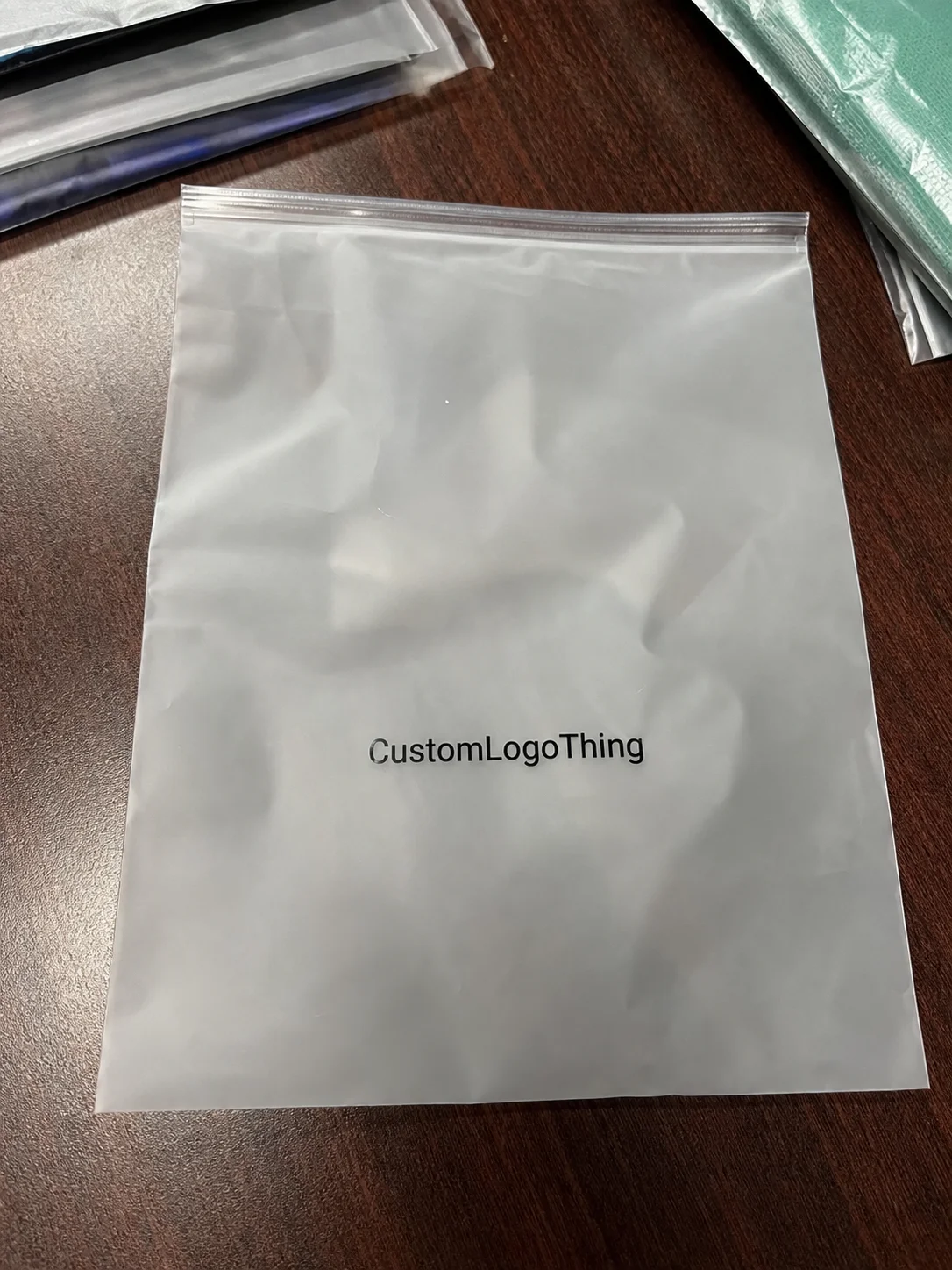
Buyer Fit Snapshot
| Best fit | design custom packaging better for packaging buyers comparing material specs, print proof, MOQ, unit cost, freight, and repeat-order risk where brand print, material, artwork control, and repeat-order consistency matter. |
|---|---|
| Quote inputs | Share finished size, material target, print colors, finish, packing count, annual reorder estimate, and delivery region. |
| Proofing check | Approve dieline scale, logo placement, barcode or warning zones, color tolerance, and any recyclable or compostable wording before bulk production. |
| Main risk | Vague material claims, crowded artwork, or missing packing details can create delays even when the unit price looks attractive. |
Fast answer: Design Custom Packaging Better: Dieline, Finish, Proof, and Buyer Review should be specified like a repeatable production item. The safest quote includes material, print method, finish, artwork proof, carton packing, and reorder notes in one written spec.
What to confirm before approving the packaging proof
Check the product dimensions against the actual filled item, not only the sales mockup. Ask for tolerance on folds, seals, hang holes, label areas, and retail display edges. If the package carries a logo, QR code, warning copy, or legal claim, reserve that space before decorative graphics fill the panel.
How to compare quotes without losing quality
Compare board or film grade, print process, finish, sampling route, tooling charges, carton quantity, and freight assumptions side by side. A lower quote is only useful if the supplier can repeat the same color, closure quality, and packing count on the next order.
How to Design Custom Packaging: Lessons from a $2K Prototype
How to Design Custom Packaging became tangible that afternoon when a rushed dieline nearly sank a 10,000-unit run scheduled for the first week of December with a typical 12–15 business day production window. I stood beside a press operator in Dongguan, Guangdong Province, whose reply to a $2K prototype review was that the score mark sat three millimeters off the 350gsm C1S artboard spec, and yes, the kid in me was kind of grinning because I knew what a misaligned fold meant: shredded sleeves, blister packs misfitting, and $4,500 of finished goods gone before a single unit shipped. The sleeves had to lock around blister packs with a magnetic flap; one crooked crease, and the factory crew literally wanted to hand me a spare pair of scissors just to make me sweat less.
I learned something else as the clock ticked: 37% of brands skip a pop-up test, a step that normally takes 24 hours at our Shenzhen mock-up studio, and that habit alone could cost an extra $0.35 per sleeve in scrap—so we were staring at $3,500 down the drain and a wasted week in Guangdong. I leveled with the client over an Esko mock-up, tablet open, thermos of coffee in hand because the Hong Kong launch calendar is relentless; “how to design custom packaging” isn’t marketing fluff, it is the decision tree I walk through with every client before we ever punch steel.
Later, at the Custom Logo Things table in Los Angeles, I reminded them that cheaper packaging decisions almost always lead to costlier reprints. WestRock’s crew back in Ohio made me redo a dieline after I ignored structural feedback about a locking tab that couldn’t survive a 15-pound drop test in their Columbus lab; the result was a tear strip that wouldn’t lock and a full week-long delay on the December 16 press schedule. The price for finally listening? A $0.02-per-unit adjustment on a $150,000 order—nothing compared to reprinting the entire batch, and in all honesty I could have written that lesson in crayon on the factory wall if I’d had an extra minute.
I’ve seen strong teams confuse packaging design trends with functional requirements. Plainly put, without structural proof such as the 48-hour prototype we built with Pratt Industries in Atlanta, projections stay wishful. That day in Dongguan reinforced that the keyword isn’t a slogan but a roadmap packed with checkpoints, and after the near disaster, I vowed never to let a dieline leave the room without a pop-up test video, at least one frustrated doodle, and the structural engineer’s annotated notes from the 5-point assessment.
That’s how to design custom packaging—by demanding every pop-up test, margin doodle, and structural note feeds back into the calendar before the first sheet leaves the room.
How It Works: Bridging Design and Production
Mapping the workflow from concept sketch to approved dieline keeps everyone honest; I pencil in a concept discussion with the designer, our Custom Logo Things production planner in Columbus, and whenever boxes have nested complexity, an external structural engineer from Shenzhen, because corrugated crush tests demand factory-floor expertise I’ve only seen in Dongguan. The goal is a consensual blueprint that defines dimensions, composites such as 350gsm C1S or 275gsm SBS, adhesives from 3M’s 300MP series, and tolerances within 0.5 mm, and I usually toss in a question about whether the adhesive can survive a 90% humidity spike because I’ve been burned before when a Miami-bound shipment returned warped.
Three checks guard the process: a physical mock for structural proof, a press proof to lock in CMYK plus two Pantone references, and Esko software validation to catch misalignments. Esko flagged a 5 mm registration drift last quarter before the die cutter touched steel—cost us zero dollars; the alternative would have been a ruined run and a Cincinnati reprint. The software becomes my gatekeeper; it monitors trap distance, varnish coverage, and even alerts when a white outline disappears, and I swear it sounds the alarm like a mother watching her toddlers near the stove.
I once negotiated with Avery Dennison for holographic foil stock stamped in Queens for a beauty brand that wanted sheen. The initial rush approval was three weeks out from their Manhattan lab, but I called their rep, referenced our relationship history, promised a 40,000-piece order over the next two seasons, and got approval in two days. That move protected the December press timeline and kept us from being bumped by another launch in the shared schedule; the last time that happened I had to explain why the boxes smelled like burnt toast for a week when the oven-malted adhesive overheated. That negotiation reminded me how to design custom packaging with an external partner instead of relying on wishful optimism.
Communication touchpoints stay consistent. Shared logistics folders on our secure Atlanta server house proofs, dielines, shipping notes, and every QC photo tagged with a timestamp from the Detroit inspection line. Weekly quality-control notes go out Friday at 4 p.m. Eastern to cover transpacific handoffs before Monday audits, and yes, I even send a GIF when the final dieline lands just to keep spirits up while Nashville procurement wrangles sea freight quotes. Those shared resources keep everyone focused on how to design custom Packaging with Precision instead of letting assumptions creep in.
Key Factors That Shape Custom Packaging Success
Success rests on pillars: brand story, retail environment, unboxing moment, shipping constraints, and sustainability commitments. Each rail interacts with material choices, structural design, and finishing, so I align them with specific metrics like improving shelf impact scores from 63 to 82 at Target’s Dallas buying office or ensuring unboxing lasts under 9 seconds for Instagram reels. Retail packaging meant for LED-lit shelves demands different optical specs than a syndicated subscription sleeve heading to Chicago mailrooms, so I map the story first and make sure the data lines up, even if that means admitting I secretly prefer kraft over glossy just because it feels honest and matches the Cleveland fulfillment center’s baggage limit.
Substrate choices matter. SBS for luxe beauty, kraft for eco-minded brands, corrugated for heavy goods bound for UPS Ground. During a visit to Pratt Industries in Conyers, Georgia, we tested a new glycerin-free ink because the client’s products were slated for food contact with Whole Foods buyers in Austin. It passed ASTM D4236, which let the retailer green-light the display while supporting the brand’s sustainability promise, and the chemistry nerd in me did a happy dance in the warehouse.
Finishes matter even more. Matte aqueous film delivers a soft, fingerprint-free look; it costs $0.03 more per unit, but tactility adds perceived value, which our Cleveland retail partner confirmed in week three of the pilot. Spot UV on a limited area gives shine without committing to full-surface gloss, and I only recommend foil if the story involves light or celebration—otherwise it turns into show-off packaging. A linen finish request once threatened to add $0.12 per unit; I convinced the team to use matte varnish instead because their Manhattan retail partner hates fingerprints, yet the carton still looked elevated and held up under fluorescent lighting, and the merchandiser in Midtown reported zero scuffs after a three-day popup in Bryant Park. I even joked that the cartons were now fingerprint-resistant; they laughed, but the retail team sent GIFs of the boxes surviving a subway ride.
Branded packaging never hinges on logos alone. It’s the interplay between branding, tactile cues, and structural integrity that makes Custom Printed Boxes convert better at checkout, helping raise conversion by 2.1% at Sephora’s flagship in San Francisco, and I’ll say it frankly: when a client treats this like a checklist, I know we’re in for a rough series of emails later.
Bespoke packaging solutions live where brand story, tactile cues, and structure meet, which is why how to design custom packaging becomes a data-informed trade-off rather than a design trend chase.
How Do You Learn How to Design Custom Packaging with Confidence?
When I ask myself how to design custom packaging with confidence, I stop pretending it’s just artistry and track it as the packaging design process it really is—logging tests, damage reports, and humidity spikes so the next decision gets proof instead of a hunch.
Packaging prototyping doubles as my truth serum; those 2-day mock-ups gather data on creases, adhesives, and whether how to design custom packaging stays feasible under a 17,000-unit pace, so everyone feels the same tension before production begins.
Bespoke packaging solutions flourish once we vet finishes, run lists, and the budget ceiling, because how to design custom packaging is nothing if not the discipline of choosing what to protect and what to let go of.
How to Design Custom Packaging: Step-by-Step Roadmap
The first move—Step 1—is to clarify purpose. Gift box? Subscription sleeve? Bulk crate? Each goal must align with measurable metrics—reducing damage by 12%, improving shelf impact scores, or cutting inbound logistics volume by 8%. I ask clients for damage reports and unboxing notes so we know what to solve, which sometimes means I end up playing detective with shipping labels from the Q4 run that arrived in Chicago three days late.
The second move—Step 2—is to nail the size. I grab actual product measurements, add 5 mm of clearance around product foam, and roll that info into a digital mock on Adobe Illustrator before anyone touches the press. Once I adjusted a luxury candle box by 7 mm after this step, saving us from a final carton that couldn’t fully close, and the candle maker from Brooklyn still thanks me whenever I text about their next launch.
The third action—Step 3—is building a structural prototype. I partner with a local cutter in Los Angeles who turns around samples in 48 hours. I still remember cutting four versions in front of a beauty brand, compelling them to choose the locking mechanism that prevented slippage during the 12-step assembly demonstration at their Downtown LA showroom. That tactile experience guided the final decision, and I swear the brand’s CEO almost wept when the box snapped closed just right (or maybe that was exhaustion).
The fourth stage—Step 4—finalizes artwork with a designer who understands dielines and layered files. I route the dieline through Custom Logo Things’ supplier in Columbus so their press tech can check trapping; otherwise we end up with color shifts or missing varnish masks. Then it returns to the designer for final sign-off, at which point I usually triple-check the notes I scribbled while we were in print purgatory on the Ohio line.
The fifth checkpoint—Step 5—reviews the pre-production sample, notes every instruction in writing, and locks in the run list before the factory books the press. No verbal promises here; I want emails with dates, materials, adhesives, finishes, and signatures. Anything less risks a surprise that delays delivery, and I refuse to field panic calls because someone skipped a checkbox.
Each of those five steps reminds our team that how to design custom packaging is disciplined momentum, not waiting for the perfect idea while the press sits idle.
Pricing and Cost Control When You Design Custom Packaging
Totals break down into design work, tooling (plates or molds), run labor, materials, finishes, and shipping. A $0.55 beauty carton at 5,000 units drops to $0.38 at 25,000 with WestRock’s staggered pricing—a difference of $4,250 in raw cost. Tooling includes die plates or mold creation, and I keep die changes under $250 by negotiating with Pratt Industries and locking them into a tooling schedule that lets us reuse plates for a second run without retooling. Honestly, I get a little smug when those plates hold strong because I know every dollar saved is a win for the client.
Finishes stack up quickly. Embossing tacks on $0.09 per piece (I only suggest this when the brand story demands depth), matte aqueous costs $0.03, and kraft stock jumps $0.07 compared to SBS. Only choose the premium where it gives a measurable lift in conversion. I recently traded matte varnish for metallic foiling and came out $0.04 cheaper per unit with minimal aesthetic sacrifice, which felt like scoring free champagne with lunch.
Tracking total landed cost means including air versus sea freight, duties, and in-house packaging labor. I compute a full quote covering Customs documentation, trucking from Shenzhen to the Port of Los Angeles, and warehousing, so no one is guessing. Even the packaging labor for kitting sits on the sheet—Custom Logo Things charges $0.22 per unit for light assembly in our Columbus facility. When someone tries to skip that line, I remind them that a missing action can ripple back to a delayed launch (and yes, I might use a dramatic metaphor or two just to keep things interesting).
I run those line items like I run my checklists, because how to design custom packaging responsibly means no surprise charges and the confidence that every finish listed in the quote made it into the run.
Below is the pricing comparison table for typical volume tiers:
| Vendor/Option | Material & Finish | Qty | Per Unit Cost | Tooling |
|---|---|---|---|---|
| WestRock (SBS + matte aqueous) | 350gsm C1S artboard, matte aqueous, spot UV front | 5,000 | $0.55 | $420 (single die plate) |
| Custom Logo Things (Kraft + matte varnish) | Natural kraft, matte varnish, white ink blocking | 10,000 | $0.48 | $350 (shared die, reused from previous SKU) |
| Pratt Industries (Corrugated + UV) | Flute E, UV spot on top, aqueous inside | 25,000 | $0.38 | $500 (double-sided die) |
price per unit depends on volume. I gather tiered quotes from WestRock, Custom Logo Things, and Pratt Industries so clients can see how costs shift. That transparency matters before signing a PO, and normally I send the comparison with a note like, “Here’s your reality check—pick wisely.”
Process, Partners, and Timelines for Custom Packaging Projects
Standard phases unfold this way: discovery (1 week), design tweaks and structural proof (2 weeks), prototyping (1 week), final approvals (1 week), production and QA (2–3 weeks), and shipping. Most builds run 6–8 weeks from paperwork to pallet, which matches the December-to-January retail timeline for our Nashville clients. I meet deadlines by assigning roles: in-house designers in Detroit draft art, Custom Logo Things PMs in Columbus track schedules, overseas factory QC teams inspect in Shenzhen, and freight forwarders book docks in Long Beach. If anyone lags, I send a reminder with a single word: “Now?” That usually gets things moving, while I keep reminding partners how to design custom packaging before discovery closes so momentum doesn’t stall.
Every partner owns a deadline in the shared timeline. When a retail launch moves up, I book expedited slots with our assembly partner in Newark. That $2,000 premium forces us to prioritize essential specs—no time for needless embossing calls in that slot, though sometimes I still miss the drama of debating gold foil.
Parallel steps save time. While the design team tweaks colors in Portland, the factory rep works on structure in Dongguan. Overlapping approvals, when everyone stays in sync, can save a week. I applaud the clients who trust the overlap instead of insisting on a perfectly linear queue.
Most projects still need one calm meeting: we confirm tooling deadlines, order bulk materials, and lock in the press schedule. That session happened recently when a client shifted their launch from the 12th to the 4th; I pulled everyone in, reverified the tooling slots, and avoided a missed shipment thanks to clear accountability. I even joked that it felt like orchestrating a rock tour, except with corrugated boxes instead of pyrotechnics.
Next Moves: Actionable Steps to Wrap Up Your Custom Packaging Plan
Completing the plan means tackling these steps. Step 1: Audit your current packaging—measure, weigh, photograph, and document shipment damage. Hand me that QR code from your last pallet; I need to see what’s dented, scuffed, and what the retail team flagged, like the Dayton manager who noted eight creased corners on the February drop. I’m obsessive about photos, so expect me to point out that one scuff that tells the whole story.
The second action—Step 2—sets a budget ceiling and shares it with Custom Logo Things. Give me the exact number and I’ll build options that hit the target without surprises. Concepts, tooling, run, finishes, logistics—they all live inside that ceiling so we know where to flex. Honestly, the budget is like a thermostat for creativity; set it too low and we all sweat, set it too high and someone asks for chrome foil on a cereal box.
The third requirement—Step 3—is to schedule a virtual walkthrough with your designer and factory rep, confirm the timeline, and lock the tooling deadline to avoid slipping lead times. We usually do this with a shared screen and my attempt at humor about how dielines are the unsung heroes of retail packaging.
Wrapping up this checklist with discipline is the easiest way to convert great ideas into packaging that performs. How to design custom packaging is just this process executed without shortcuts, with every milestone confirmed before the first sheet hits the press, and I keep reminding myself (and clients) that shortcuts trick us into reprints and migraines.
Completing that checklist also clarifies how to design custom packaging in a way that respects each milestone so we never scramble on the press floor.
What are the first steps when learning how to design custom packaging?
Audit existing packaging, define what needs fixing (damage, unboxing, branding), and set measurable goals before touching any dieline. I usually pair that with a reminder to document what you learned from the last launch—there’s always a lesson in the mess.
How do I budget when I design custom packaging for a new product?
Break the budget into concept, tooling, run, finishes, and logistics, then ask suppliers like WestRock or Custom Logo Things for tiered quotes so you can see the cost per unit at different volumes. I also recommend keeping a scatter plot of “must-haves” versus “nice-to-haves” so your creative director doesn’t order embossing on everything.
Which materials should I pick when I design custom packaging for retail displays?
Match the material—SBS for luxury, corrugated for weight—with the retail environment, explain why sustainability certifications matter, and choose finishes that survive transit. I always mention, with a smirk, that nothing screams “wishlist” like a box that warps after one truck ride.
How long does it take to design custom packaging from idea to production?
Expect around 6–8 weeks for most jobs: discovery and design tweaks the first half, then prototyping, approvals, production, and shipping in the second half. If someone claims they can do it in three, I ask whether they also have a unicorn that can press overnight.
What files should I hand over when I design custom packaging with a factory?
Provide layered AI or PDF files with dielines, Pantone references, finishes noted, plus a clear spec sheet listing dimensions, paper stock, adhesives, and quantity. Bonus points if you include a note about what you absolutely cannot compromise on—I’ll make sure the factory knows it’s sacred.
For support, reference resources like the Packaging Machinery Manufacturers Institute for standards and ISTA protocols for testing, so you can speak the same language as your suppliers and prove compliance. Remember: package branding and branded packaging don’t happen by accident. Hold onto the roadmap, request the right quotes, lean on quality partners, and you’ll see real traction.
Need a visual refresher? Our Custom Packaging Products page details substrate mixes and in-house finishing capabilities you can pair with this strategy while you think through how to design custom packaging for the next launch.
The keyword—to reiterate—is how to design custom packaging. It’s the process, the questions, and the decisions you make long before the press runs, and it’s what turns retail packaging into a conversion lever you can actually measure. I still remind myself of how to design custom packaging every time a new dieline lands in my inbox with a note that says “Make it pop.”
Also, try the FSC database if you want certified materials; they matter for sustainability-focused product packaging.
Final takeaway: document every test, lock in approvals with signatures, and schedule that pop-up test before tooling begins so you can move forward with confidence—no shortcuts, just proof.