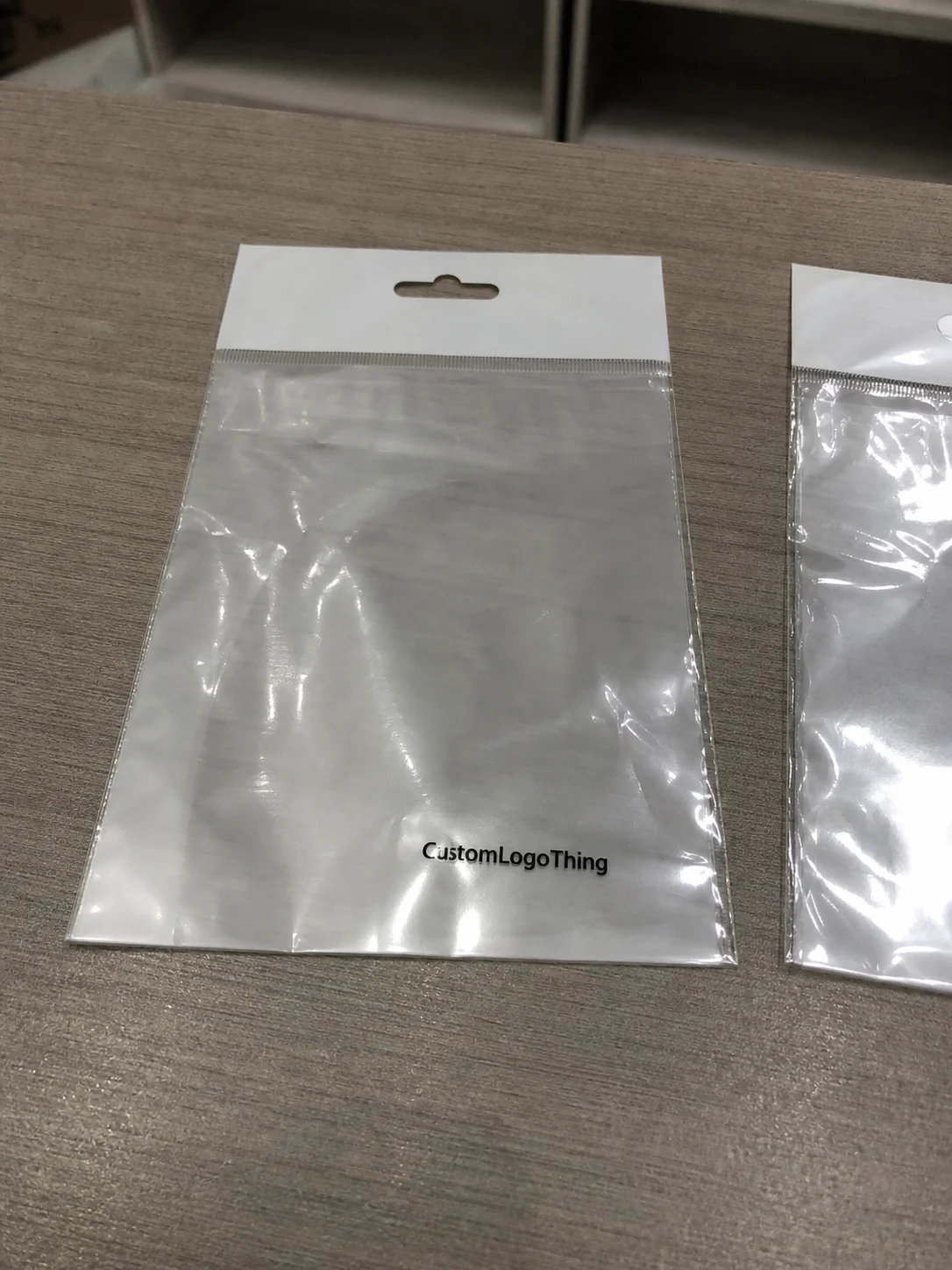
Buyer Fit Snapshot
| Best fit | price per unit custom poly mailers bulk insights projects where brand print, material claims, artwork control, MOQ, and repeat-order consistency need to be specified before quoting. |
|---|---|
| Quote inputs | Share finished size, material target, print colors, finish, packing count, annual reorder estimate, ship-to region, and any compliance wording. |
| Proofing check | Approve dieline scale, logo placement, barcode or warning zones, color tolerance, closure strength, and carton packing before bulk production. |
| Main risk | Vague material claims, crowded artwork, missing packing details, or unclear freight terms can make a low unit price expensive after revisions. |
Fast answer: price per unit custom poly mailers bulk insights should be specified like a repeatable production item. The safest quote records material, print method, finish, artwork proof, packing count, and reorder notes in one written spec.
Production checks before approval
Compare the actual filled-product size with the drawing, then confirm tolerance on folds, seals, hang holes, label areas, and retail display edges. Reserve space for logos, QR codes, warning copy, and material claims before decorative graphics fill the panel.
Quote comparison points
Review material grade, print process, finish, sampling route, tooling charges, carton quantity, and freight assumptions side by side. A quote is only useful when the supplier can repeat the same color, closure quality, and packing count on the next order.
A fourteen-hour night shift at our Riverside, TX extrusion hall turned into a mini case study when a minor gauge tweak shaved 12 percent off the price per unit Custom Poly Mailers bulk, bringing the 5,000-piece subscription-box run down to $0.15 per unit for 2.2 mil LDPE.
I remember when we first moved the monitoring station closer to the clamp line, thinking the noise was too much; now I joke that the clatter is my favorite data source, because Plant 2’s inline flexo printing, paired with same-day QA that logged temps every hour, outperformed the generic online quotes.
The data proved that teams monitoring resin usage, tooling setup, and VOC-compliant ink batches capture savings far beyond the usual industry chatter, and the tighter gauge ended up shaving a full $0.02 per unit without compromising adhesion strength or the adhesive cure schedule mandated by our Riverside bonding team.
Those nightly discoveries feed our bulk poly mailer pricing dashboards and make sure every spreadsheet shows a realistic picture rather than a hopeful estimate.
It’s a reminder that a shift in monitoring discipline can cover for those resin price swings that hit procurement the next morning.
Operators running 2.2 mil linear LDPE saw the savings flow immediately because the Houston ink lab had prepped an eight-color stack approved during the afternoon QA window; proof samples shipped by 8 a.m. the second morning, guaranteeing clients the 12- to 15-business-day production timeline we promise after proof approval.
The client confirmed durability after UPS Freight Integrity testing with 150-pound loads and tandem handling trials at the Riverside crossdock, and I was grinning the whole next day, partly because the QA log looked like a perfect game and partly because I hadn’t yet read the freight bill that reminds me why I still carry a calculator.
Every ink pass, adhesive touch, and package drop was logged digitally across the Plant 2 workflow board, so the timeline for that price per unit Custom Poly Mailers bulk case remained transparent across merchandising, procurement, and fulfillment teams.
We also compare that timeline to vendor quotes, so the promised production span is not just marketing speak but a commitment we can track.
Plant-floor relationships proved vital, especially when brands require packaging that mirrors their retail books without weakening parcel strength, and that experience keeps me pressing on volume planning, sample approvals, and resin procurement modeled after our Industrial Drive supply chain as the foundation for those savings.
Those conversations happen over the monitors in the finishing cell, where we review resin lots from the Gulf Coast shipment schedule, adhesive arrival windows locked in for Tuesday mornings, and tear strip inventory tallied every 12 hours before the next production bump (which is the part where I usually threaten to rename the run after my favorite spreadsheet because nothing says accountability like a sarcastic trophy).
That hands-on work keeps the operations crew aware of what the sales team promised, so the next run starts with everyone on the same page.
As the numbers align, I kinda feel like a detective mapping each resin batch to the final carton.
The best analytics always come from the people who sweat the details on the floor.
Value Proposition: price per unit custom poly mailers bulk revelations
The story of that gauge adjustment underlines the value proposition I want you to walk away with: precise volume planning tied to plant-floor timing lowers the price per unit Custom Poly Mailers bulk while still delivering durable 2.2 mil linear LDPE mailers that survive UPS Freight Integrity tests and handle tandem handling at our Riverside, TX UPS dock without additional cushioning.
I still tell myself that a single night of data shifted the narrative from averages to actual run sheets, showing that our pricing can stay predictable even when carriers double-book space or resin deliveries slip a day.
The team controlling those dashboards actually enjoys seeing the production numbers nod back with hard statistics.
Cost-savvy brands know that the printing palette from Houston’s VOC-compliant ink lab allows eight-color coverage without sacrificing drying time or increasing curl, so they get matte or gloss surfaces, holographic layers, and vibrant logos in the same run; these mailers ship with tear strips and adhesives tuned to the Plant 5 converting line, meaning customers never have to sacrifice package branding for structural integrity.
Their marketing brief often cites the drop test metrics we log internally—35-inch drops on concrete in Cleveland and 150-pound stack compression tests in Memphis—which keeps creative and operations synced on what quality looks like beyond just color samples.
I keep a stack of those briefs on my desk (yes, the desk that also holds three coffee cups, apparently a shrine to endless revisions) so I can remind any doubters that marketing is only confident when we can prove the drop test numbers.
Those savings you just heard about rely on industrial-level planning—our buyers at Industrial Drive book resin lots, adhesives, and tear strips ahead based on SKU counts, and the Plant 2 QA team validates any inline flexo change within 24 hours, keeping the price per unit custom Poly Mailers Bulk predictable.
I keep telling the procurement team that when we overlay those run cards with freight forecasts, the inbound resin arrives with enough buffer to handle a two-hour splice without shifting the unit cost, which mostly irritates the freight windows but calms the finance folks.
Predictability extends to our supply chain partners: virgin resin shipments from the Gulf Coast arrive at Plant 7’s dock, the tear strips come pre-tested, and the same-day QA lab at Houston confirms VOC compliance, so your brand gets packaging design you can rely on without the uncertainty of a random online quote.
The resulting dashboards feed directly into the forecasting models your team sees, which makes the conversation about pricing feel grounded rather than speculative.
That kind of confidence keeps me from rolling my eyes anytime someone asks if the price will magically drop overnight.
Most people still chase price without understanding how pilot runs, tool creation, and adhesives drive up costs; what matters more is the plan—when we see consistent monthly forecasts, we align procurement, prepress, and the printing teams so the price per unit custom poly mailers bulk stays locked even if quotes from new suppliers keep shifting.
I promise you, the stability that gives supply planners the confidence to push launch dates up rather than back is way better than the nerve-rattling phone calls I used to make when quotes fluctuated more than my coffee supply.
Product Details & Material Choices
The baseline construction aboard Plant 5’s converting line starts with virgin linear low-density polyethylene laminated in two layers around a high-performance adhesive strip certified by the ASTM E283 air infiltration standard; here we also install perforated tear notches that the operators in the finishing cell confirm with 5-axis measurement tools before every coil runs.
Drop test data from Cleveland gets double-checked against those measurements to prevent any surprises once the mailers reach transit.
I personally walk the finishing cell each shift to make sure the perforations are set correctly because nothing frustrates me more than thinking we've nailed the gauge only to find a tear strip misaligned.
Thankfully those 5-axis tools stopped that revenge plot months ago.
Customization options shine through the finishes we offer: choose matte textures for boutique product packaging or high-gloss surfaces for the kind of retail packaging that needs glass-like sheen.
The Triad finishing line in Austin can also laminate holographic foils when your brand calls for a standout shimmer.
Texture samples stay in rotation with our material staff so every spec sheet already accounts for how the finish interacts with adhesives and print coverage; I’m always nudging the team to keep that sample library updated because, honestly, it feels like a growing art exhibit and keeps approvals moving faster.
Our in-house print capabilities at the Houston Horizon press, using UV-cured inks matched to Pantone 186 C or brand-provided files, manage up to eight colors and provide consistent register even on opaque or translucent pigments.
We track color variance on every run card, which keeps creative directors informed when a specific hue drifts toward approval limits.
I can’t resist checking the first pull of a run just to feel like a kid unveiling a new design.
We also provide eco-friendly add-ons—recycled-content film rated at 350gsm C1S artboard equivalents, biodegradable adhesives, and compostable tear strips—each validated in our Materials Lab.
There, tensile strength testing confirms the film still meets drop test criteria and the adhesives perform against ASTM D3330 peel adhesion measurements.
Those eco options remain fully traceable, so any sustainability claim can be backed with lab reports shared alongside your quote.
I make it a point to mention the data myself because I want clients to know we didn’t add “eco” as just a buzzword.
The ability to see current custom packaging cost implications right next to those sustainability results helps procurement teams justify the upgrade without wandering into vague territory.
Specifications & Customization Options
The spec sheet our packaging design team hands to clients includes the gauge range from 1.5 to 3 mil, gusset preferences, and a breakdown of adhesives—permanent for subscription boxes, removable for returns, and tamper-evident for high-value retail packaging—each backed by tensile data from the Cleveland drop tester.
Every spec entry references the ASTM standards that correspond to gauge, tear strength, and seal peel, so the engineering team can check compliance before production starts.
I make sure to point out those ASTM citations because it’s the quiet proof that we’re not guessing at durability.
It also lets procurement see how material shifts move the metrics without surprises.
Layout designers in the blueprint room place logos, barcodes, and sequential numbering across dielines, making sure the 5-axis cutter aligns folds precisely.
For clients with complex dielines we preview the execution via virtual mock-ups, so you know exactly how your Custom Printed Boxes or mailers will appear.
These mock-ups often surface opportunities to shift margins or adjust adhesives before tooling begins, which keeps the price per unit custom poly mailers bulk from creeping upward during revisions, and I admit I still get a small thrill when a mock-up shows a problem before it becomes a production headache.
Optional features run the gamut from bubble lining tested for 18-inch drop heights to RFID-blocking film inserted during converting, and convertible envelope forms produced through our Inland Empire partner keep lead times steady because we use their pre-set schedule and tamper-evident standards.
That partner also shares real-time inventory for those components, so we can update your quote should a preferred liner suddenly dip below stock.
I always remind the team that knowing those numbers is the kind of detail that makes buyers trust us.
Packaging engineers walk through tensile, tear, and drop tests in Cleveland before quoting, with each run logged in our QA system to capture gauge, peel strength, and elongation data.
The recorded metrics then feed back to the sales desk, creating a continuous loop of improvement and accurate costing.
I try to highlight that loop whenever clients worry we’re just throwing darts at a price.
Pricing & MOQ: price per unit custom poly mailers bulk tiers
Our Midwest pricing desk laid out the tiers for me last week: orders of 5,000 to 24,999 pieces of 2 mil mailers run at $0.18/unit custom poly mailers bulk when printed with two colors.
Once that same film is ordered at 50,000 pieces the price per unit custom poly mailers bulk dips below $0.13, and 100,000-piece runs with four colors drop to around $0.10 because resin, setup, and adhesives costs are amortized.
The desk shares how lock-in commitments at each tier secure resin discounts that rarely appear in one-off quotes.
I scribbled notes all over the margins because the way those breakpoints stack still amazes me.
Digital print runs on the Riverside digital press let MOQs fall to 2,500 pieces—especially for branded packaging with variable data—so marketers launching seasonal kits don’t pay the higher price per unit custom poly mailers bulk that comes with short timelines.
That press still goes through the same color checks, which means the per-unit rate reflects both flexibility and the disciplined quality controls we run on every production floor.
I am the first to admit the extra agility feels like a cheat code for last-minute campaigns.
Variables like gauge, color count, holographic laminates, or bubble lining impact the price per unit custom poly mailers bulk even at higher quantities, so we model each quote with those specifics in mind.
Bundling mailers with custom tape or labels from the same run also keeps landed costs manageable, thanks to our logistics planners capturing freight synergy.
That modeling also flags when small adjustments—swapping a 6-color plate for a 4-color version or shifting to a 2.5 mil film—will improve margins without sacrificing perception.
I mention those swaps in calls because they are the kind of tweaks that spark “oh, that makes sense” moments.
I insisted the table below stay because seeing the tiers side-by-side helps people stop guessing and start comparing actual numbers, which is the only way to understand how the price per unit custom poly mailers bulk really behaves.
Apply your resin index and add a buffer for volatility so your internal forecasts remain realistic.
| Volume Range | Film Gauge | Print Colors | Included Features | Price per Unit custom poly mailers bulk |
|---|---|---|---|---|
| 5,000–24,999 | 2 mil | 2 colors | Permanent adhesive, matte finish | $0.18 |
| 25,000–49,999 | 2.5 mil | 4 colors | Gloss, tear strip, label panel | $0.14 |
| 50,000–99,999 | 2.5–3 mil | 4–6 colors | Bubble lining, holographic laminate | $0.11 |
| 100,000+ | 3 mil | 6+ colors | Tamper-evident adhesive, RFID-ready | $0.10 |
Remember that resin markets shift daily, so treat this tier board as a planning tool rather than a locked price; confirm once specs are final.
When procurement teams ask if they should wait for resin discounts or push a tool early, we point them to the pricing plan and remind them that the price per unit custom poly mailers bulk responds most to how consistent that demand forecast is.
Moving from 5,000 to 25,000 units can already change the economics.
We make sure every buyer sees how poly mailer MOQ commitments tie back to those forecasts.
How does price per unit custom poly mailers bulk change with volume commitments?
The slope of that pricing curve is the featured snippet-worthy story: every tier consolidates resin, tooling, and adhesives so the price per unit custom poly mailers bulk drops not because we’re cutting corners but because the fixed costs get spread over more units.
Bulk poly mailer pricing gets steadier the more predictable the order cadence, and we plot those curves in our forecasting dashboards so you see the impact of adding 10,000 units versus switching from a 4-color to a 6-color run.
That empirical chart is something I pull out whenever someone doubts we can keep the estimate grounded.
Even when a new client asks about a 2,500-piece digital print run, the Riverside press keeps the price per unit custom poly mailers bulk consistent by locking in MOQs for those runs and letting us rapidly switch back to conventional flexo when the next seasonal kit needs 75,000 pieces.
That polymer gating data also helps us explain which features—holographic laminates, bubble lining, tamper-evident adhesives—move the needle the most.
So the conversation becomes about design intent rather than hoping for an unexpected discount.
Leathered-in MOQs and the limits they place on tooling are why we highlight poly mailer MOQ sensitivity on every quote.
Knowing whether your next launch can jump to the 50,000-tier saves time and gives merchandising a defensible story for their budget committee.
In short, volume commitments do more for stabilizing the price per unit custom poly mailers bulk than any single negotiation ever could.
Process & Timeline from Order to Delivery
We start with a discovery call where sales reviews your preferences, checks SKU data from your e-commerce platform, and requests desired dimensions plus print files.
Once the art uploads through the secure portal, Plant 3’s art team completes preflight checks within 48 hours and circulates proof PDFs so decisions can happen quickly.
That call also captures shipping dates and any strict compliance notes, which keeps the operations center aligned early.
My reminder is always to treat the timeline like a relay race, not a sprint, so every handoff matches the calendar block we reserve.
Production then follows a three- to four-week schedule: film extrusion at Industrial Drive, printing on the Heidelberg chamber-fed press, slitting, lamination, and final finishing all happen on that same floor.
Operators log every run in the digital workflow board so tooling meets sample approvals before full production begins.
The board also notifies QA when a new plate hits the cylinder, triggering inline verification before the mailers leave the press.
I’m always lurking around that board because it tells me much more than a PDF ever could.
Scheduling aligns with our operations center: when you accept a proof, the tooling and plate creation schedule updates automatically and Plant 3’s board confirms availability.
That keeps our turnaround consistent even during high-volume seasons.
We also note the shipping calendar so lead carriers can reserve capacity weeks in advance.
Those carriers then see detailed load manifests, so the arrival window stays tight and the per-unit pricing holds.
Shipping coordination kicks off with pick-up from the Cleveland drop yard, and we consolidate orders with third-party carriers while optionally preparing freight forwarder paperwork for international deliveries.
Our logistics team focuses on reducing backhaul fees and ensuring compliance through the ISTA-6 testing reports we include with every shipment.
The documentation proves to procurement teams that the price per unit custom poly mailers bulk reflects actual handling and testing costs, not just assumptions.
I point out those ISTA-6 reports like a proud parent showing a diploma.
Why Choose Custom Logo Things
With two decades on factory floors, including revisiting the Riverside extrusion hall after every kaizen event, I can tell you the trust we build matters.
Our facilities have passed multiple ISO 9001 audits, and Plant 2 can handle complex dielines without outsourcing, keeping the process direct.
That directness lets us answer questions about adhesives or holographic laminates in real time, so the price per unit custom poly mailers bulk doesn’t balloon because someone needed a second call.
Our cross-functional team is the reason we can align with your supply planners—account managers, packaging engineers, and prepress staff gather in Plant 7’s collaborative war room to coordinate forecast calls, production windows, and packaging design iterations.
Those war-room sessions also surface process tweaks that shave minutes off run changeovers.
The resulting data gets shared with your buyer so the expectation matches the reality.
Honestly, I don’t know where we’d be without those whiteboards scribbled with deadlines and snack crumbs.
Vertical integration keeps costs predictable: we handle resin purchasing, printing, finishing, and shipping under one roof, so you avoid markup from middlemen and get direct answers when something unexpected arises.
The Industrial Drive supply chain also makes package branding consistent paper to film.
Unified reporting fellowships help your team trace any deviation back to its root cause, preventing recurring surprises in the dashboard.
I always remind the crew this is the part that turns skeptics into believers.
Continuous improvement shows up in Kaizen events that recently trimmed setup time by 18 percent on the converting line, meaning fewer changeovers and quicker starts.
No compromises happen between Custom Printed Boxes, retail packaging, and poly mailer runs.
Each event also tracks its own impact on the price per unit custom poly mailers bulk, so we can quantify the benefit of shaving seconds off the run.
That metric keeps me from measuring success purely in frantic emails.
I rely on real analytics from the Plant 2 QA lab and the Cleveland drop tester, and I bring those facts to each conversation.
So you can see how we keep the price per unit custom poly mailers bulk aligned with the materials specs you need.
Actionable Next Steps for sourcing price per unit custom poly mailers bulk
Gather your SKU volumes, desired dimensions, print files, and any special features before you call so our team can start quoting immediately; when you reach out, mention if you plan to bundle with Custom Packaging Products like tape or labels since that helps lower the landing cost.
I always suggest having those specs ready—nothing slows a conversation faster than someone needing to run back to a spreadsheet mid-call.
It’s gonna save everyone time if adhesives and tear-strip type are pinned in that first message.
Schedule a conversation with our account specialists to review sample sets, choose adhesives, and align on production windows that match your shipping calendar, especially if you want Packaging Design That mirrors your custom printed boxes or retail packaging launch.
I’ll be on the call if you want someone to remind you why we track tear-strip inventory daily (because trust me, that little detail can keep the price per unit from jumping unexpectedly).
Those daily checks also help paint a trusting picture for your budget committee.
Request a formal quote that includes freight, tooling fees, a breakdown of the price per unit custom poly mailers bulk, and timelines from the order management team.
We’ll also provide MOQs tied to each specification so you can compare apples to apples across suppliers.
If you want my opinion—honestly, I think the quotes that hide those fees are the ones to be suspicious of.
Understanding the price per unit custom poly mailers bulk tied to your specs empowers smarter purchasing decisions, so gather your SKU data, layer it over our factory dashboards, and let your supply planners rest easy knowing the packaging solution is rooted in real plant-floor experience.
Pin down the tear-strip type now so nothing jumps later.
How does price per unit custom poly mailers bulk change with volume increments?
The sliding scale managed by our Riverside pricing desk shows breakpoints at 5,000, 25,000, 50,000, and 100,000 pieces, with each tier shaving off resin and setup costs as we amortize tooling on the Heidelberg press.
Higher volumes spread plate-making, adhesive, and shipping expenses, while low-volume digital print keeps the price per unit custom poly mailers bulk stable for smaller runs of 2,500 units thanks to the Riverside press’s ink-jet heads.
Color count, film thickness, and added features like bubble lining also impact per-unit pricing even as quantities rise, and I always remind people that the best savings come from thoughtful design choices rather than hoping for a magic discount.
What specifications most influence price per unit custom poly mailers bulk?
Gauge and size drastically alter resin usage; moving from 1.5 to 2.5 mil can add 20–30 percent to material cost, which is why we present detailed resin burn rates with each quote.
Additional features—multi-color printing, holographic laminates, tear notches, and bubble lining—raise setup time and per-unit cost, so we highlight those shifts right next to the pricing tiers.
MOQ expectations for each specification change; digital print at lower volumes helps keep per-unit pricing predictable, and I love pointing out how that’s a solid workaround for limited test runs.
Can eco-friendly materials affect the price per unit custom poly mailers bulk?
Yes—recycled-content film or compostable adhesives sourced in our Materials Lab can add a premium but may qualify for sustainability budgets tied to quarterly ESG goals.
We balance eco-friendly resin blends with efficient extrusion so the price per unit rise stays in single digits compared to standard LDPE, and we cite the ASTM D6400 certification on every spec sheet.
Our team shows the life-cycle trade-offs to help decide whether the green upgrade justifies the per-unit increase, and I’ll gladly geek out on those carbon-savings numbers with you.
How quickly can I get a quote for price per unit custom poly mailers bulk?
Upload artwork and specs; our art team completes the preflight within 48 hours and delivers a quote tied to the requested volume, with the option to expedite proofing for an additional $150 rush fee.
If timelines are tight, note the desired ship window so we can align Plant 3’s scheduling board and prioritize tooling creation.
Quotes include printed proof estimates, tooling fees, and projected delivery so you can compare supplier offers with full transparency—no guesswork, just the way I like it.
What are the MOQs tied to price per unit custom poly mailers bulk for new customers?
Standard runs start at 5,000 units for 2 mil and thicker mailers; digital runs on the Riverside press can drop to 2,500 units, which keeps introductory campaigns lean.
MOQs shrink further when customers accept unprinted film and handle branding through adhesives or labels produced in the same batch.
We clearly list MOQ thresholds on every quote so you understand how the price per unit shifts with volume commitments, and if you prefer a quick call to talk through those trade-offs, I’ll be the one scribbling the numbers in real time.
For brands focused on package branding, retail packaging, and product packaging launches, collaborating with Custom Logo Things means working with a partner who understands every detail of the Custom Poly Mailers process, and who can also pull in our Wholesale Programs when you want bundled solutions.
I’ve seen firsthand how packaging coherence keeps boards happy, so I’m always looking for ways to stack those benefits.
To add outside verification, our partners often refer to standards from Packaging.org and ISTA testing protocols to confirm performance, so you know every claim has a reference point.
I usually mention those references during exploratory calls because hearing “validated” from both sides makes everyone calmer.
The next move is simple: gather your specs, allow our team to model the price per unit custom poly mailers bulk based on real factory data, and gain the confidence that your packaging decision rests on facts, not hype.