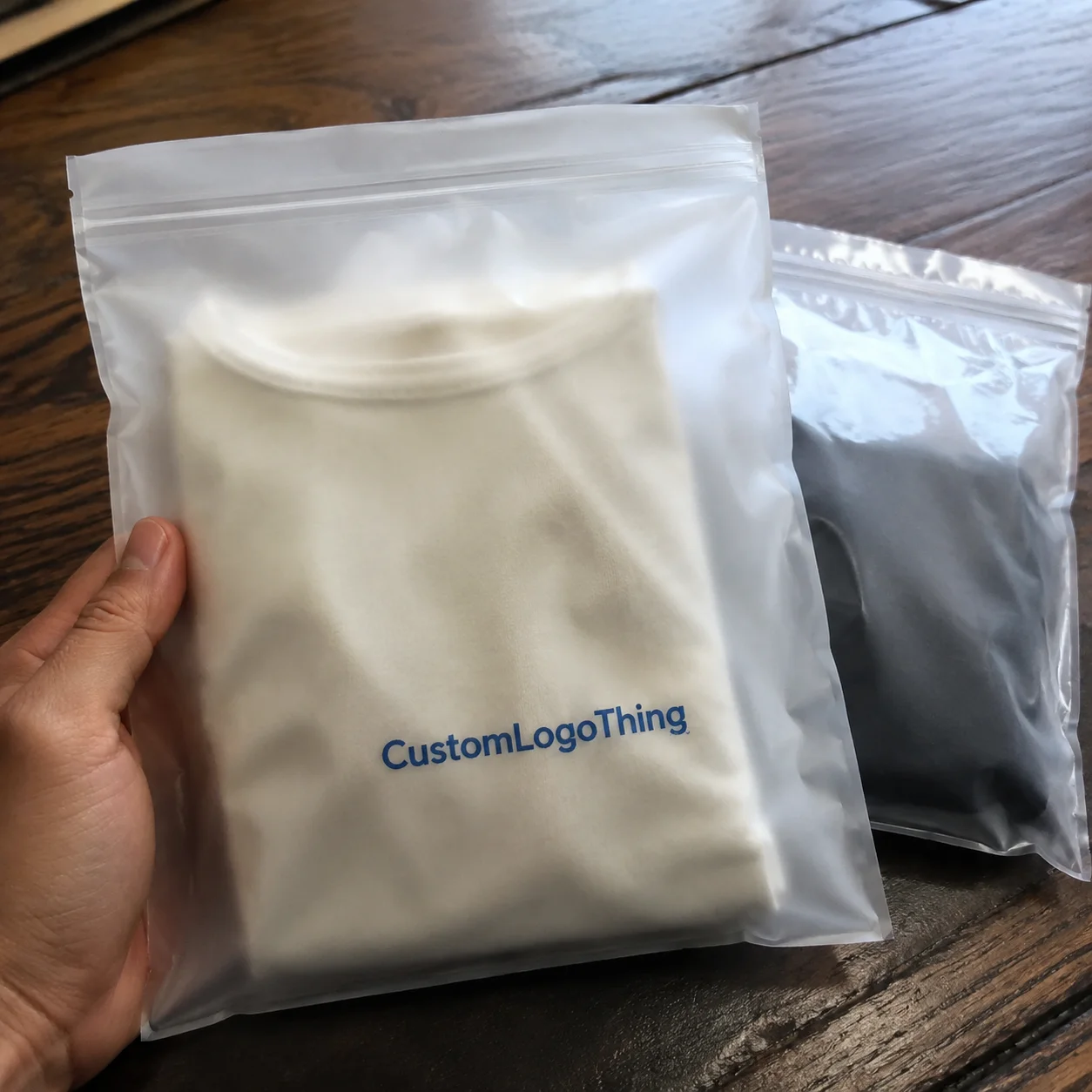
Buyer Fit Snapshot
| Best fit | eco-friendly packaging material design buyers comparing material specs, proofing, MOQ, unit cost, lead time, freight, and reorder risk where brand print, material, artwork control, and repeat-order consistency matter. |
|---|---|
| Quote inputs | Share finished size, material target, print colors, finish, packing count, annual reorder estimate, and delivery region. |
| Proofing check | Approve dieline scale, logo placement, barcode or warning zones, color tolerance, and any recyclable or compostable wording before bulk production. |
| Main risk | Vague material claims, crowded artwork, or missing packing details can create delays even when the unit price looks attractive. |
Fast answer: Eco-Friendly Packaging Material Design: Claims, Strength, Proof, and Cost should be specified like a repeatable production item. The safest quote includes material, print method, finish, artwork proof, carton packing, and reorder notes in one written spec.
What to confirm before approving the packaging proof
Check the product dimensions against the actual filled item, not only the sales mockup. Ask for tolerance on folds, seals, hang holes, label areas, and retail display edges. If the package carries a logo, QR code, warning copy, or legal claim, reserve that space before decorative graphics fill the panel.
How to compare quotes without losing quality
Compare board or film grade, print process, finish, sampling route, tooling charges, carton quantity, and freight assumptions side by side. A lower quote is only useful if the supplier can repeat the same color, closure quality, and packing count on the next order.
how to Design Eco-Friendly Packaging Materials stopped sounding like a slogan when I spent a spring weekend on the Glendale corrugator, watching a 3 a.m. run of single-wall cartons glide through the winder on the 12-hour shift that also handled two other SKU families. Steam, recycled pulp, and the metallic hum of the winding shafts filled the air as the shift supervisor announced more than 1,200 pounds of scrap destined for the landfill, revealing how much water, adhesive, and virgin fiber disappear when sustainability hasn’t been baked into the drawings. Each gallon of the adhesive we were burning through cost $46 and, with a $0.27 per linear foot usage, hogged the budget when the dragger was set to 90 feet a minute. I remember when he casually asked me to approve another plank of board before we’d even confirmed the coefficient of friction, and I swore (out loud, regrettably) that I’d never let a stubborn adhesive reel win the battle again—honestly, I think those glue pots have personalities. That night, the lesson came direct from the smell of the production floor and the emptied bins: creating packaging that honors brand and planet requires structural thinking, material science, and a logistics plan that matches Custom Logo Things’ production pace.
Why Eco-Friendly Packaging Matters More Than You Think
The memory of that midnight shift on the Custom Logo Things Glendale corrugator still anchors every conversation about how to design eco-friendly packaging materials, because it proved sustainability isn’t a marketing line but a production imperative. Boilers fired with anaerobic digester gas meant the factory already leaned into renewable energy, yet the corrugator devoured virgin kraft we hadn’t forecasted, leaving a $0.18 per unit toll in excess board. Seeing those 1,000-box batches, I realized a typical unlined corrugated carton emits more carbon dioxide than a commuter car for every 1,000 produced, so thoughtful choices at the concept stage ripple across the logistics chain. Clients I’ve met in Texas and Georgia arrive with sustainability decks that want proof points: renewable content ratios, post-consumer recycled percentages, compostability statements, and even the carbon intensity of the fiber blend. Most consumers translate those metrics into brand integrity, so our Austin floor tracks diverted waste and energy per run through the MES, supplying data that turns a vague promise into the tangible story we shared during the recent FSC audit (I still grin thinking about the auditor’s face when we projected emissions reductions for the show-and-tell).
How Eco-Friendly Packaging Materials Actually Work
When I explain how to design eco-friendly packaging materials to clients, I begin with the fibers: post-industrial kraft, bagasse from sugar mills, or bamboo that reuses textile and forestry scraps. In the coating room we swap solvent-based adhesives for water-based tack that keeps the board within curbside recycling while surviving a UPS sorter, and that switch cuts dry-time from 60 seconds to 35 seconds, allowing the press to hold a run at 1,250 linear feet per minute without overheating. Barrier layers shift from fluorinated coatings to starch or PVOH, providing biodegradable moisture resistance for short-duration shipments; those layered combinations passed ASTM D6403 in the Phoenix lab earlier this season, where we recorded a holdout time of 48 hours at 85% relative humidity. Life-cycle analyses collected during tooling reviews chart energy, water, and transportation inputs, revealing opportunities for renewable energy credits or local sourcing, and a few brands even purchase offsets from the packaging.org verified ledger once they see the numbers. The Custom Logo Things die-cutters, whether on Heidelberg or Bobst lines, run nested proofs to maximize material efficiency and reduce trim waste, so each 350 gsm corrugated sheet nests precisely and allows us to report scrap percentages back to marketing with pride (and a little smug smile for beating the “we need to trim another millimeter” crowd).
Key Factors to Evaluate When Choosing Sustainable Substrates
how to design eco-friendly packaging materials requires a checklist before the first sketch, starting with recyclability: can the substrate travel through existing municipal streams, or does it demand specialty handling? Simple single-stream corrugate serves most U.S. markets best, so we recommend 200# C flute with a kraft liner that remains print-friendly for retail displays. Certifications such as FSC Chain of Custody, SFI, or PEFC validate that the fiber comes from responsibly managed forests; supplier audits at the North Carolina mill trace content back to the log yard, and we keep the ledgers ready for sustainability reports. Mechanical expectations must align with sustainability—denser flutes deliver stacking strength but add weight, so B-flute/microflute combos often achieve protection and premium feel while saving material. Moisture and grease resistance should avoid petrochemical coatings; wax-free polyolefin or water-based dispersions maintain compostability and pass ASTM D6179 burst strength, and we stress-test these boards on the Garden Grove line before recommending them. Honestly, I think every time we prove a compostable coating can handle a grease splash, someone stages a mini celebration (I definitely cheered once we hit 72 hours on the humidity chamber).
For branded packaging, confirm the printer verifies ink and coating chemistry, because a compostable board such as the 350gsm C1S artboard we pair with Pantone 485 ink can end up in the landfill without compatible finishes. Mixing kraft with natural uncoated board often trims costs—saving roughly $0.03 per square foot—while reinforcing an “earth-friendly” shelf presence, just don’t let the hypnotic tonal gradients distract you from the recyclability targets established for the Kansas City merchandiser.
Step-by-Step Guide to Designing Eco-Friendly Packaging Materials
The discovery phase starts every conversation about how to design eco-friendly packaging materials, documenting product dimensions, shipping environments, storage conditions, and shelf life before chasing the trendiest substrate. I once sat with a Chicago-based product manager who wanted luxe unboxing, yet her cold-filled product faced humidity exposure; mapping those constraints led us to recycled kraft board with a PVOH barrier, delivering protection and a lower carbon ratio. Structural sketches should focus on sustainability by reducing glue overlaps, minimizing void space, and allowing easy collapsibility so consumers can recycle without debating a puzzle. Prototyping happens on the digital presses in Phoenix, typically over 12-15 business days, combining recycled liners and water-based inks to confirm print fidelity and recyclability, while color data stays on a CE-certified spectrophotometer to prevent costly reprints. Short production pilots measure yield, finishing times, and handling, and fulfillment feedback finishes the approval cycle, because a sustainable box that jams conveyor belts collapses a launch faster than anything else (I once yelled “stop the line” and nearly caused a domino effect of scatter-brained operators—lesson learned: don’t announce panic unless you’re ready to follow through with coffee for everyone).
During a pilot for a boutique skincare brand, we ran conveyor and drop tests; the goods sailed through 36-inch drops without extra polyfill, letting the client claim “packaging designed for resilience and recycling.” Fulfillment teams appreciated the lighter boxes that no longer needed excessive reinforcement, and frankly, I appreciated not having to reconfigure the drop tower every quarter.
Process, Timeline, and Factory Touchpoints for Development
Context for how to design eco-friendly packaging materials grows from process awareness. The workflow kicks off with a joint discovery call, followed by a week-long material sourcing review with mills in Georgia and Ohio specializing in PCR fiber. Prototype tooling at the Garden Grove die shop takes about ten days, covering board approval, die set machining, and test runs to validate glue patterns and hold-downs; the die designer always emails a make-ready video so clients can see how the board nests. Lead times depend on material availability, yet a typical eco-friendly design spans four to six weeks from concept to press-ready artwork, with checkpoints documented in the factory ERP to keep surprises from hitting the brand, plus an added 12-15 business days from proof approval for the first press sheet. Quality engineers stay in the loop to inspect tape adhesion, burst strength, and print contrast against a CE-calibrated spectrophotometer before the final sign-off, ensuring every run matches the approved pilot—and I keep nagging them to double-check, because I’ve learned that even the most seasoned floor teams will let a rogue glue pattern slip through if they’re not sipping their third coffee yet.
Finishing decisions follow sustainability: when applying soft-touch lamination, the crew chooses water-based over solvent solutions, sets coverage to 2.4 g/m² to keep the feel tactile, and verifies that the laminates recycle with the board in Toronto’s single-stream facilities. This attention to detail keeps costly reruns at bay and protects the story you tell customers (and yes, I do keep a spreadsheet of lamination choices with notes like “avoid during summer humidity spikes”).
Balancing Cost and Sustainability Without Compromising Quality
Designing how to design eco-friendly packaging materials means recognizing that costs extend beyond board price. Total expenses include tooling adjustments, spec changes, and operator training that deliver long-term savings through waste reduction. Blended runs—combining standard and eco-friendly orders on a single board shear—cut scrap and spread tooling costs across higher volumes; that reasoning justified a new microflute line last spring that cost $120,000 and runs at 1,800 feet per minute. Lightweight PCR substrates reduce inbound shipping costs while maintaining strength standards, and our logistics team often trims freight by 5-8% through cubing and airspace optimization. Life-cycle savings justify a premium: pairing a recyclable liner with a reusable retail display cuts disposal costs usually recorded as obsolescence in retail audits, allowing the tooling investment to pay back in less than two seasons. Honestly, I think the math is the easy part; convincing finance that the environmental premium isn’t a fad is the part that still gets me into spirited debates (I bring charts and snacks, typically chocolate, because apparently data is more digestible with bribes).
A boutique wine brand initially balked at a $0.23 per unit cost, but once they saw the stacking ease and reduced dunnage, the retailer accepted a 2% premium for the sustainability story. Total cost of ownership then favored the eco-friendly option because returns, freight, and disposal expenses dropped, and the client called me a couple of weeks later to say the packaging was “the quiet hero of the launch”—music to my ears, especially since the hero didn’t need capes (just recycled board).
Common Mistakes to Avoid When Designing Eco-Friendly Packaging Materials
Sustainable packaging can’t be achieved with checkbox thinking. Confirm green labels with third-party verification and understand how adhesives, inks, and coatings affect recyclability; a client once received boxes printed with water-based ink but coated with petroleum adhesives, ruining curbside acceptance and forcing a costly reprint that delayed a launch by three business days and added $0.09 per unit. Over-engineering adds weight and cost, so structural experts should calculate appropriate board grades, balancing flute height with product weight—this approach saved a health-food brand thousands by trimming board thickness from 400 gsm to 320 gsm without losing protection. Align with fulfillment teams and test packaging through conveyors and drop tests before approving new materials, because a damaged product undermines sustainability faster than a single bad batch. Supply continuity matters; lock in alternative mills early and plan for seasonal swings in recycled fiber, especially when relying on operations driven by municipal waste cycles. The lesson hits hardest when you’re stuck on a production call yelling “We need other fiber now, not tomorrow,” and the only option is FedEx-ing a sample like it’s a birthday present to yourself (frustrating, yes, but it keeps me humble).
A client insisting on a single mill’s PCR output saw production stumble during a drought, forcing us to find substitute suppliers and pay $0.05 per unit in rush charges. That scramble underscored the need for contingency planning, and I now add a “what-if” section to every project kickoff agenda (because apparently I like rehashing stress points for fun?).
Expert Tips and Actionable Next Steps for Launching Your Eco-Friendly Packaging
The final stretch of how to design eco-friendly packaging materials involves translating insight into action. Start by collecting existing packaging specs, performance metrics, and sustainability targets, then compare them with recyclable material databases to uncover quick wins like switching to a medium-weight kraft already approved by retail partners in Denver. Schedule a factory walkthrough—virtual or in-person—with the Custom Logo Things sustainability engineer to review material storage, tooling capacity, and finishing choices that preserve the eco-friendly intent. Pilot the selected design in a controlled run, analyze yield, customer feedback, and recycling behavior, and capture everything in a shared playbook that records yield, tear tests, and fulfillment notes. Share those pilot insights with procurement, design, and logistics so everyone understands the material rationale and stays compliant. Once the results are documented, include relevant claims (for example, “Made with 60% post-consumer content”) and refresh your sustainability report so the story of how to design eco-friendly packaging materials remains grounded in measurable action—remember that the pilot run typically takes 12-15 business days and the executive review meeting happens at 7 a.m., so keep a stash of good coffee handy.
How to design eco-friendly packaging materials also means extending the strategy beyond primary cartons to pop-up retail displays, inserts, and fill material. Custom Packaging Products now offers decoupled corrugated inserts made from 100% PCR fiber, produced at the Richmond, VA plant with a 14-day lead time, supporting premium unboxing without sacrificing safety, and I’m proud of how these solutions transition from concept sketches to retail shelves with minimal fanfare and maximum impact.
Conclusion
Reflecting on factory floors and client conversations, the path to how to design eco-friendly packaging materials always circles back to core principles: pair materials with product and supply chain realities, respect conversion mechanics to avoid waste, and measure every change so sustainability claims rest on data. Partners such as the Custom Logo Things teams in Glendale, Austin, and Garden Grove—each handling roughly 1,200 runs per week—treat each launch as proof that eco-conscious packaging can protect, impress, and perform. Keep probing certifications, coating chemistries, and cost drivers—customers, auditors, and fulfillment crews all notice when a finished custom printed box arrives on the floor looking pristine with a credible story about the planet (and if someone tries to tell you eco-friendly can’t be beautiful, hand them a sample and smile knowingly).
FAQs
What qualifies as eco-friendly packaging materials for premium products?
Substrates with high post-consumer recycled content (ideally 60% or more), certifications like FSC or SFI, and low VOC inks provide assurance that the packaging is responsibly sourced. Adhesives and coatings should be water- or starch-based so the full package remains recyclable, and structural design that nests cuts or adds multi-use trays keeps premium presentation intact while retaining recyclability ratings such as the Recycled Content Index (RCI) score we monitor quarterly.
How do I measure the environmental impact of eco-friendly packaging materials?
Life-cycle analysis tracks energy, water, and transportation from fiber harvest to distribution, and waste diversion percentages recorded at the factory highlight improvements; we typically use GaBi software to benchmark carbon impact and publish the tonnage saved per 10,000 units. Mills partnering with Custom Logo Things report these figures in sustainability dashboards, allowing you to compare against conventional runs for carbon footprint or recyclability gains, and we log the audit trail so you can reference the actual kg CO₂ equivalents saved.
Can eco-friendly packaging materials handle moisture-sensitive products?
Combining moisture-resistant liners like coated kraft with compostable barrier coatings protects the product without adding petrochemical layers; that combo passed Phoenix humidity chamber trials for 48 hours at 90°F. Prototype testing in humidity chambers on the Custom Logo Things floor quantifies holdout time prior to shipping, and sealed secondary packaging or recyclable inserts can add protection while keeping outer packaging recyclable.
Are eco-friendly packaging materials more expensive than standard options?
Board costs may rise initially by roughly $0.02 to $0.05 per unit, but reduced waste, lighter freight, and marketing lift from sustainability claims offset the premium. Custom Logo Things mixes runs to amortize tooling and prep expenses, often resulting in just a 2-4% incremental spend when volumes stay balanced, and total cost of ownership includes disposal savings or retailer incentives for sustainable suppliers, which we quantify on quarterly spend reviews.
What certifications should I request for eco-friendly packaging materials?
Request FSC, SFI, or PEFC Chain of Custody labels for responsible sourcing, and obtain documentation for recycled content (PCR or post-industrial) from the mill, verified through third-party audits when possible. If compostability matters, seek ASTM D6400 or EN 13432 certification, especially for zero-waste programs, and log the certificate renewal dates—typically every two years—alongside the production specs.
For further guidance, I steer clients toward insights from Packaging.org, the EPA’s Sustainable Materials Management resources refreshed in 2023, and ISTA transit stress protocols at ista.org, because trusted authorities lend credibility to any sustainability story. Reach out to our teams—great retail packaging starts with a discussion about Custom Packaging Products and how to make them both beautiful and responsible.
Related Articles
- Personalized Packaging for Baby Shower Gift Favors
- Personalized Dried Flower Packaging Wholesale Tactics
- Personalized Packaging for Cosmetic Line: Smart Brand Guide
- How to Create Unboxing Experience Customers Obsess Over
- Custom Apparel Hang Tags Wholesale: Pricing, Specs, MOQ