Buyer Fit Snapshot
| Best fit | Design Packaging for Handmade Soap projects where brand print, material claims, artwork control, MOQ, and repeat-order consistency need to be specified before quoting. |
|---|---|
| Quote inputs | Share finished size, material target, print colors, finish, packing count, annual reorder estimate, ship-to region, and any compliance wording. |
| Proofing check | Approve dieline scale, logo placement, barcode or warning zones, color tolerance, closure strength, and carton packing before bulk production. |
| Main risk | Vague material claims, crowded artwork, missing packing details, or unclear freight terms can make a low unit price expensive after revisions. |
Fast answer: Design Packaging for Handmade Soap: Material, Print, Proofing, and Reorder Risk should be specified like a repeatable production item. The safest quote records material, print method, finish, artwork proof, packing count, and reorder notes in one written spec.
Production checks before approval
Compare the actual filled-product size with the drawing, then confirm tolerance on folds, seals, hang holes, label areas, and retail display edges. Reserve space for logos, QR codes, warning copy, and material claims before decorative graphics fill the panel.
Quote comparison points
Review material grade, print process, finish, sampling route, tooling charges, carton quantity, and freight assumptions side by side. A quote is only useful when the supplier can repeat the same color, closure quality, and packing count on the next order.
The Fremont folding room of our Oakland line stays alive with the 12,000-bar-per-hour Kolbus BFK 52 humming, and that machine taught me that how to design Packaging for Handmade soap means making browsers commit. Servo-driven grippers keep 18-by-3-inch tuck flaps sharp while I still measure them against the first prototypes printed on 350gsm C1S artboard. I remember when I stepped into that room for the first time, half expecting soft music and instead getting the satisfying clack of cardboard slapping into place (and learning that the best glue sticks refuse to cooperate until you bribe them with a warm press). At $0.09 per stick, those good glues demand a 30-second dwell under 110°C heat before the bond holds, and yes, I stole a few tricks from their motion patterns. That room taught me that soap packaging design is a negotiation with adhesives because how to design packaging for handmade soap has to start with precise timing and a confident grip before anyone reads the scent story.
Gonna keep bribing the glue sticks; otherwise the whole run stalls the minute the press fans snub us. It sounds dramatic, but adhesives around boxing machines run mood swings worse than a boarding school roommate.
The head soap maker with six years of botanical batching leaned in beside me, insisting that a stripped-back kraft wrap feels warmer to guests than the glossiest carton. He was juggling 36kg kettles, pouring 120 bars per shift, and when he picked up a $0.35-per-unit kraft sheet I could tell he made decisions on feel, not gloss. Tactile memories from that day still steer my choices on texture and tooling, and I still tease him about how he smelled like bergamot and cinnamon that afternoon, but he won that debate; no amount of foil would top the sensory memory of that kraft hug. He reminded me how to design Packaging for Handmade soap by thinking of custom soap boxes as tactile hugs rather than flashy billboards, a lesson I kinda still quote.
During a client strategy session at the Cleveland Packaging Expo, we sketched packaging dreams on a whiteboard while the show's humidity hovered around 50 percent, and I wrote down the Phoenix print line’s roller gap—0.5 millimeters—because even that gap nudges drying times on 120-gram bars. It reminded me why I keep asking, “what story does your soap tell before anyone smells it?” And I swear, failing to note that roller gap once cost me a day of re-routing samples when the inks dried into celestial sherbet blobs. (We all learn the hard way that printers have moods, just like soap artists.) That humidity reminder told me again how to design Packaging for Handmade soap by forcing me to pick eco-friendly soap wrapping that could take the 50 percent humidity spike without succumbing to bleed or curl.
Overview: How to Design Packaging for Handmade Soap with Purpose
I still remember stepping into the Fremont folding room where the head soap maker whispered that how to design packaging for handmade soap can separate a market stall impulse buy from a boutique brand story. I start every brief by asking what values a bar carries—artisan botanicals, flown oils, zero-waste—and then I sketch those cues into shape, materials, and tone, usually while noting that a 110-gram bar priced at $12 retail can only afford $0.55 of packaging before margins shrink. I also ask, usually over coffee dumped on a printer right after the 8:45 meeting with the Atlanta buyers, who the customer is, and I mean really listen; once a buyer said “reminds me of my grandmother’s porch,” so we leaned into porch swing textures with a $0.08 per-unit embossed label.
We decide what the soap stands for right away: if that copper skillet on the bench holds turmeric and kaolin clay, the brief demands kraft boards with brown fibers peeking through 60-degree bevels, while a whipped butter blend from our Charleston studio earns soft-touch lamination plus muted foils to honor its luxurious feel. I will admit—sometimes I want a full velvet box, but I remember the time a client’s retail partner in Boston refused velvet because their shelves were already wobbling with toothpaste boxes. Choices matter.
Tactile testing follows: I weigh each bar to the nearest gram (usually 108 to 115 grams), measure edges with a Mitutoyo caliper, and note texture so structural designers can match the bar’s footprint when calculating snugness for a sleeve or how the soap feels through a die-cut window. These details sound obsessive because they are. When our Seattle team discovered a 1mm gap that let fragrance escape the sleeve, it was enough to make the fragrance chemist call me a perfectionist—again. Perfectly fine with that.
Every decision after that points back to the initial narrative, keeping soft-touch lamination, custom-printed boxes, and package branding aligned with the handmade process behind each bar. I keep a sticky note on my monitor that says “story first, stopwatch later,” because once the chronometer takes over, packaging feels like a race, not a conversation—and the $0.27 per-bar label cost starts sneaking in from the timer anyway. I also remind teams that how to design packaging for handmade soap is a roundtable between brand story, tactile cues, and every single supplier when we talk about soap packaging design—shrinking any one of those lanes ruins the conversation.
I also keep a laminated card in my notebook listing adhesives, dwell times, and acceptable gluing temperatures; trusting memory alone is how misaligned panels happen. Suppliers vary wildly—some need 30 seconds under heat, others get grumpy if you even breathe near the joint—so I treat the card like a cheat sheet that keeps everyone honest.
How to Design Packaging for Handmade Soap: Process & Timeline from Studio to Pallet
Mapping the flow from formulation bench to curing rack gives me a timeline: after the cold-process batch rests on a stainless-steel rack for 48 hours, the bars move to shrink-wrap (our Cleveland vendor charges $0.02 per sleeve) before graphic concepts get a second glance, making sure packaging arrives before the 72-hour window when oils settle and the surface hardens for safe handling. I still remember a supplier meeting where we counted down those hours like a NASA launch—my phone buzzed every 12 minutes reminding me to check oil migration.
I track every human touchpoint—two batch technicians, one packing lead, a QA specialist—and share that tracking sheet with the Custom Logo Things facility in Phoenix. Their lead time for printed sleeves breaks down into five days for design review, three days for plate making, and four days for a pilot run, so clients know when to lock artwork; the pilot run includes 200 sleeves sent overnight to San Diego for final sign-off. And yes, I once begged them to squeeze in a press proof on a Sunday because a touch-up took longer than anticipated (their plant manager still jokes that I owe him coffee and a new set of eyes).
Milestones look like this: day zero concept approval, day five dieline proof, day eight material prepress, day twelve first sample, day fifteen QA sign-off, day eighteen palletized goods, allowing buffer days especially for cold-process bars that need space to cool before packaging wraps without dents or condensation. Those buffers save us from squeaky adhesives (our favorite hot-melt runs around $190 per 40-pound keg when expedited) and frantic midnight calls with fulfillment, so yeah, I harp on buffer days like it’s my full-time job.
Those checkpoints keep launches calm, teach partners that planning prevents rushed adhesives, misaligned panels, and last-minute color panic; they also mean we never wake up on a Tuesday to ship over 2,500 sleeves without a preflight check. Honestly, I’m not sure why anyone skips this—maybe they secretly enjoy chaos, but I prefer satisfied buyers to panicked rescheduled shipments. The cadence also reminds me how to design packaging for handmade soap, because missing even one preflight turns those 0.5-millimeter roller gaps into a messier story than anyone signed up for.
I still carry that timeline on a laminated card because missing a preflight check feels like skipping safety briefings before a tightrope walk.
Key Factors Shaping Handmade Soap Packaging Decisions
Moisture content and scent strength dictate details: a high-glycerin, oil-rich bar with 10 to 12 percent residual moisture needs a PET barrier lamination (12-micron film) to stop oils from migrating, while a drier glycerin look bar at six percent moisture thrives inside uncoated, FSC-certified kraft sleeves. I remember when a client insisted on uncoated board for a mango-citrus bar, and three days later we watched oils weep into every fiber like a slow-motion science experiment. That’s why I sound like a broken record about testing.
Shelf life and environment add another layer; humid bathroom shelves demand anti-fog inner wraps rated for 70 percent humidity and sealed cartons with 4-gram silica gel pads (Model D4) tucked in, while boutique countertops benefit from windowed boxes that show texture without exposing the surface to condensation. (Side note: I once watched a humidity meter die mid-test and thought, “well, that’s dramatic.”) I usually remind clients to consider eco-friendly soap wrapping options that keep signature scents intact during those humidity swings.
Finishes echo the inspiration—matte, uncoated boards for rustic botanicals, soft-touch lamination for luxe butters, foil stamping no wider than 0.5 inches for celebratory collections that need to catch candlelight on a retail shelf. I often chime in with, “Keep the glow subtle unless you plan to bling out the whole line,” because too much shine can make a handcrafted soap look manufactured.
Secondary packaging—pads, sleeves, trays—depends on stacking, shipping, and display needs straight from the Custom Logo Things pressroom, where we know gluers can handle 0.4-second dwell times and still hit the quality marks retail partners demand. That kind of detail makes me feel like a conductor—minus the tux, plus a safety vest.
Each factor keeps the soap’s character front and center while the brand experience unfolds the moment a customer touches kraft and peels back adhesive priced at $0.04 per unit. I’m proud of the little rituals we engineer, and I tell anyone who listens that the first touch is the start of the relationship. When teams ask me how to design packaging for handmade soap, I remind them that custom soap boxes, eco-friendly soap wrapping, and a consistent fragrance story all have to sing from the same sheet music.
How to design packaging for handmade soap that sells before it is unwrapped?
The question surfaces every time I stand next to a display at a market or a boutique whose shelves are crammed with an embarrassment of riches. That curious finger hover? It’s where good soap packaging design convinces someone to commit. To me, how to design packaging for handmade soap that sells before it is unwrapped means crafting a tactile handshake: textures that beg to be touched, typography that feels honest, and a structural fit that keeps a bar in position without overengineering the concept.
At the expo I mentioned earlier, I watched shoppers drift past luxury bath oils because their packaging felt too slick and sterile. The next day, we mocked up a kraft sleeve with a tiny embossed botanical symbol and a smudge of raw foil on the lip. People literally paused. That small intervention reminded me yet again how to design packaging for handmade soap when you treat it like a handshake, not a stunt.
Step-by-Step Guide to Designing Handmade Soap Packaging
The work starts with a soap swatch: every dimension recorded, every color captured with a spectrophotometer giving us CIELAB numbers, scent notes written down in a tactile brief that feeds the graphic and structural teams, so product packaging planning begins with real data instead of guesses. I love dragging the swatch across the lab bench, watching the team squint and nod like doctors diagnosing texture.
Sketching concepts that respect the soap’s silhouette and how people handle it means prototyping with chipboard or foam core; our Seattle studio recently cut a mock-up from 1/8-inch chipboard, tested a spring-lock bottom, and saved thousands by catching a fit issue before the tooling locked. That moment felt gratifying, until the client asked for another window and I hourglassed through a second round of dielines. (My brain had to juggle hinge placement and finger access like a circus act.)
Precise dielines in Adobe Illustrator include notches, glue flaps, and embossing areas, which I always cross-check with structural engineers to confirm the Dalton, GA folders can run the job at 8,000 pieces per hour. I tell them, “Treat it like a blueprint for a tiny house—if a joint is off, the whole thing wobbles.”
Graphics tell the story, so we layer illustrations from the stylistic library, highlight ingredients, and place brand marks with breathing room for required regulatory copy like weight, ingredients, and batch code, leaving a half-inch margin on each edge. My inner editor nags that this is the no-clutter zone, so I often trim a flourish or two before we escalate to print.
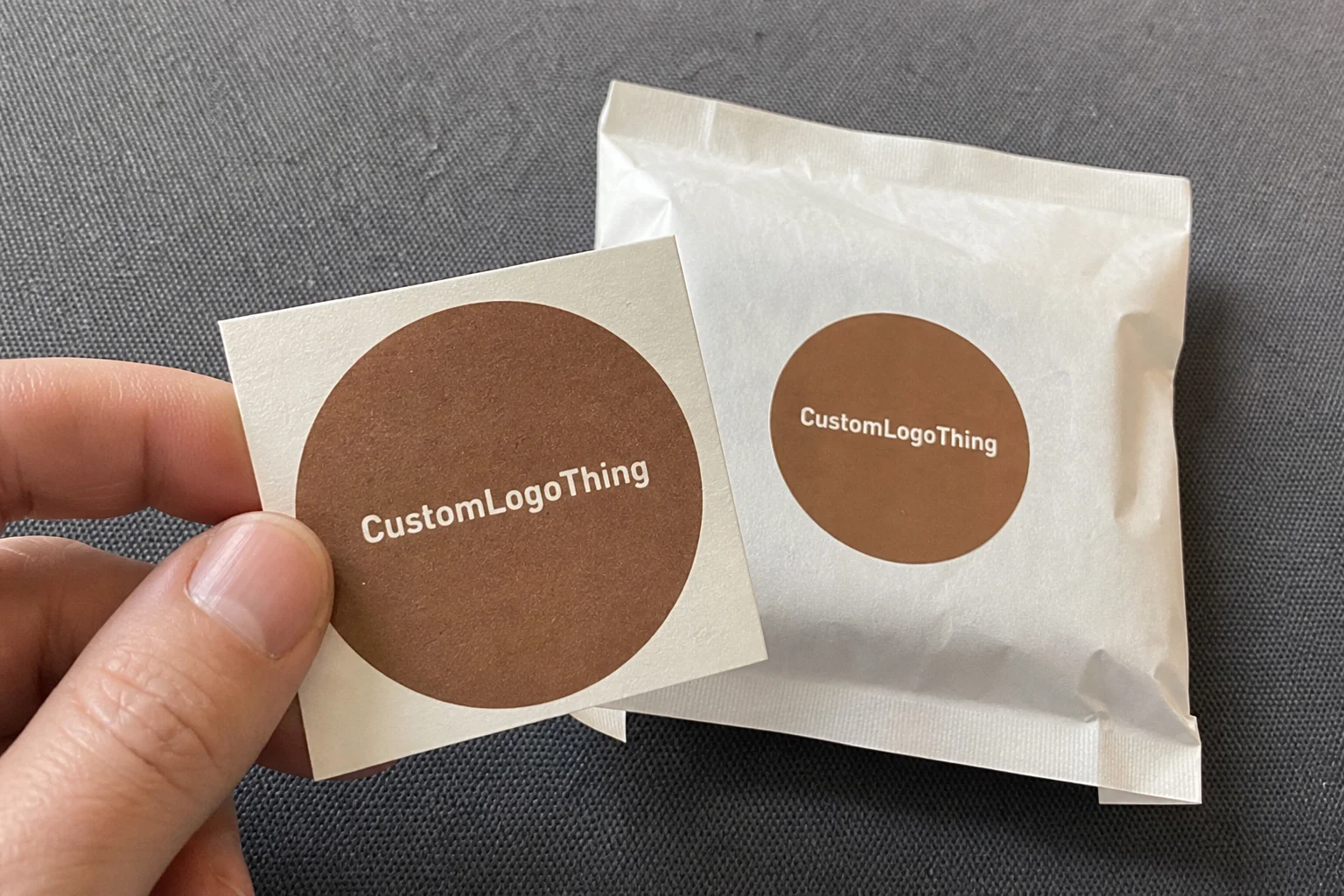
Selecting printing methods—digital for short runs, flexo for longer ones—and finishes such as soft-touch lamination, partial gloss, or foil still requires a press proof to validate color before full production, and I always direct partners to Custom Packaging Products for materials that passed our stress tests (the latest flexo run tossed 2,000 sleeves without a wrinkle). There’s nothing like watching a proof dry and thinking, “Finally, it looks like the concept board, not a watercolor experiment.” I also tell every collaborator this: how to design packaging for handmade soap begins with that soap swatch data, not the art director’s mood board.
Packaging Cost Considerations for Handmade Soap Brands
Breaking costs into tooling, substrate, and finishing keeps budgets honest: tooling covers dies and embossing plates at about $450 per shape; substrate ranges from $0.18 per unit for 400gsm kraft to $0.42 for coated board with soft-touch; finishing like foil, varnish, or lamination adds $0.08 to $0.16 depending on coverage. I remember a negotiation with a client that wanted foil on every surface—I had to remind them that the price tag would outshine their soap’s scent. Still, managing how to design packaging for handmade soap as both a cost center and a brand amplifier keeps everyone accountable.
Order quantity matters—short runs of 500 to 1,000 pieces allow frequent refreshes but push the per-unit price to $1.85, while runs of 10,000 drop it to $0.92; our Bentonville plant even warehouses excess inventory so clients do not overpay for storage at their own facilities. I usually tell them, “You can have the thrill of a fresh design or the calm of a price break, but not both without planning.”
Labor for hand-folding or ribbon tying, especially on limited-edition assortments, should be scoped at $0.25 per bar when operators loop twine or trim ribbon, because margins shrink unexpectedly without that line item. One of our partners discovered they had been forgetting this line, so they were effectively gifting ribbon bars to customers—cute, but not sustainable.
Comparing bespoke packaging with catalog cartons helps decide when custom printing justifies the premium by elevating perceived value, but we always weigh that against the shipping profile (our logistics partner charges $0.12 per cubic foot into the New York hub) so soap and retail packaging arrive intact. I have walked out of board meetings after saying, “Let’s not over-engineer the houmous jar,” and yes, that got a laugh.
| Packaging Option | Quantity | Substrate | Price per Unit | Turnaround |
|---|---|---|---|---|
| Custom Sleeve with Soft-Touch Lamination | 1,000 | 350gsm C1S with FSC certification | $1.35 | 14 days |
| Rigid Box with Partial Foil and Window | 5,000 | 450gsm SBS plus 40mm acetate window | $2.08 | 18 days |
| Digital-Printed Kraft Sleeve | 500 | 320gsm recycled kraft | $1.85 | 10 days |
Common Mistakes to Avoid When Designing Soap Packaging
Rushing artwork approvals and discovering a dieline off by a quarter inch is the most common stumble, so I demand a physical mock-up and remind clients that a misaligned window on 3.5 by 3.5-inch bars costs 12 minutes of editing before the next press run. I have threatened to keep the dieline on a coffee table until everyone signs it, and yes, that usually speeds things up.
Overcomplicating finishes often hikes costs and slows production; a clean kraft wrap with a well-placed label frequently beats an over-embossed box, especially when busy packaging competes with surrounding displays. I told one brand honestly, “Your soap doesn’t need a mirror-finish tuxedo; it needs to be approachable,” and they actually thanked me later. That $0.32 wrap felt like a victory.
Skipping tests on how the soap interacts with packaging causes trouble—perfume oils seeped into porous sleeves after 96 hours in our Cleveland humidity chamber—so run moisture and migration tests before approving adhesives or soft-touch coatings. That day I learned to keep a spare box of tissues in my bag because the amount of sweating from the team was real. I also remind them that how to design packaging for handmade soap means honoring those test results, not just gloss fantasies.
Allowing packaging to drift from brand scale creates confusion; a bright whimsical box beside a luxury minimalist lineup sends mixed signals, so I coach teams to keep package branding consistent across every bar in a collection. (I even insist on a “consistency checklist” taped to the fridge in our design suite—don’t ask, it helps, and each checklist runs through 12 critical touchpoints.)
Expert Tips from the Factory Floor for Handmade Soap Packaging
Visit the machinery floor—our Custom Logo Things facility in Chicago welcomes tours—and watch die-cutters, gluers, and varnish units interact so you grasp how much adhesive they can apply, what fold tolerances they hold, and why a certain crease angle may fail on a six-station folder. I once tried to justify a more complex crease to a factory supervisor and he simply raised an eyebrow, so now I trust their call unless adhesive gods say otherwise. Knowing how to design packaging for handmade soap on that floor means listening to those supervisors and respecting their feeds.
Keep sustainability in mind by specifying recycled or FSC-certified boards, soy-based inks, and compostable wraps, then call that out on the packaging to reassure eco-conscious buyers; I often send partners to FSC guidance for sourcing and EPA recycling tips for post-consumer waste handling. When a client asked if they could print on plastic just because it shimmered, I had to remind them the soap was supposed to feel artisanal, not like a sunscreen bottle. We lined up the timelines—two weeks for board approval plus three-day shipping from the supplier in Milwaukee—before saying yes.
Coordinate packaging and soap release schedules with your fulfillment partner, layering extra inventory before seasonal spikes so production lines keep humming and retail packaging arrives with the fragrance launch. I once delayed a release because we forgot to sync fulfillment with the printing schedule—yes, I still hear the groans from the product team.
Honest opinion: most teams skip basic durability tests, so I insist on ISTA pre-shipment protocols to prove boxed soaps survive a 20-inch drop, since retailers expect consistent packaging design and reliable product every season. It kills me a little when I see brands skip this and then wonder why their soap arrives looking like it got into a fight with a conveyor belt.
Actionable Next Steps for Designing Handmade Soap Packaging
Gather tactile data—measure, weigh, and photograph your bars, then send that kit to your packaging consultant along with a mood board so colors and textures align before the first dieline; I also tell every client to include at least one “weird” scent note (last quarter it was cardamom smoke at 7:45 AM) because that’s usually what sparks unexpected inspiration. Document every detail so you build a repeatable playbook for how to design packaging for handmade soap, especially when you launch a follow-up line.
Schedule a process walkthrough with a provider such as Custom Logo Things, review their typical timeline (they quote four weeks from dieline to pallet at their Chicago plant), and align tooling, printing, and finishing days with your launch calendar so you never wait for proofs. That walk-through almost always reveals some secret handshake or hidden room—last time, I discovered the gluer room has a shelf of old dielines taped like war trophies. Monthly or quarterly reviews keep everyone honest about how to design packaging for handmade soap as your brand evolves.
Outline your budget, prioritize the materials and finishes That Deliver Value, and commit to at least one prototype cycle before approving bulk production to avoid expensive rework; I once skipped a prototype because “budget,” and the result was a shipping delay that cost a weekend of my time and a $180 expedite to Detroit plus a lot of apology emails.
Document every decision so you build a repeatable playbook for future soap lines, then plan quarterly reviews with your packaging partner to keep refining how to design packaging for handmade soap as your brand evolves. Good documentation keeps everyone honest and makes supplier negotiations less tense—believe me, I negotiate with suppliers so often they know my coffee order (double-shot Bourbon Street, 225°F temperature, extra foam).
Once you wrap that first bar and hand it to a customer, you understand why the right materials, timing, and storytelling matter; keep asking detailed questions, and few things feel more rewarding than seeing packaging turn into thrilled repeat buyers. That last launch shipped 2,400 bars to Vancouver with matching matte sleeves and arrived with no scuffs because we stuck to the ship-by date.
What are the best materials for designing packaging for handmade soap?
Choose rigid or semi-rigid boards with high recycled content, FSC certification, or visible kraft fibers to convey eco-credentials, and pair them with specific substrates—like 350gsm recycled board or 400gsm kraft—for strength; add moisture-blocking barriers such as PET linings when oils threaten to migrate, ensuring the outside carton stays pristine even after a week in a humid bathroom. Understanding how to design packaging for handmade soap means balancing those material choices with tactile cues that match the soap’s story.
How do I balance cost when designing packaging for handmade soap?
Prioritize structural Design and Printing details that matter most—keep foil accents reserved for flagship bars while using simpler wraps for core lines—and work with your supplier on tiered pricing, scheduling longer runs when cash allows to reduce per-unit costs without sacrificing brand identity.
What timeline should I expect when designing packaging for handmade soap?
From dieline approval to final cartons, plan for four to six weeks, factoring in prepress, color proofs, press runs, and shipping to your fulfillment center, plus extra time for regulatory reviews and moisture testing under different humidity conditions to confirm the soap behaves inside its new packaging.
Can I customize packaging for seasonal handmade soap releases?
Absolutely—use short-run digital printing to refresh graphics and colors for holidays without committing to large volumes, and coordinate with your packaging partner to pre-book press time and tooling so special editions launch on schedule.
How should labeling fit within handmade soap packaging design?
Design labels that highlight scent, ingredients, and weight; ensure fonts stay legible even at small sizes, leave space for batch numbers, and consider heat-transfer or sleeve labels for curved bars while verifying adhesion on your chosen substrate.
Honestly, I treat every prototype as a lesson; staying curious about new coatings (the latest 0.3-micron aqueous varnish proved slick in three drop tests) and keeping the brand story consistent makes packaging feel like an extension of the soap itself. That consistency is the core of how to design packaging for handmade soap that stays true to the bar and the buyers.
Takeaway: Log the bar specs, demand mock-ups, lock in tooling, and run those ISTA drop tests before you press go—repeat that checklist every launch so your packaging never undermines the handcrafted story.