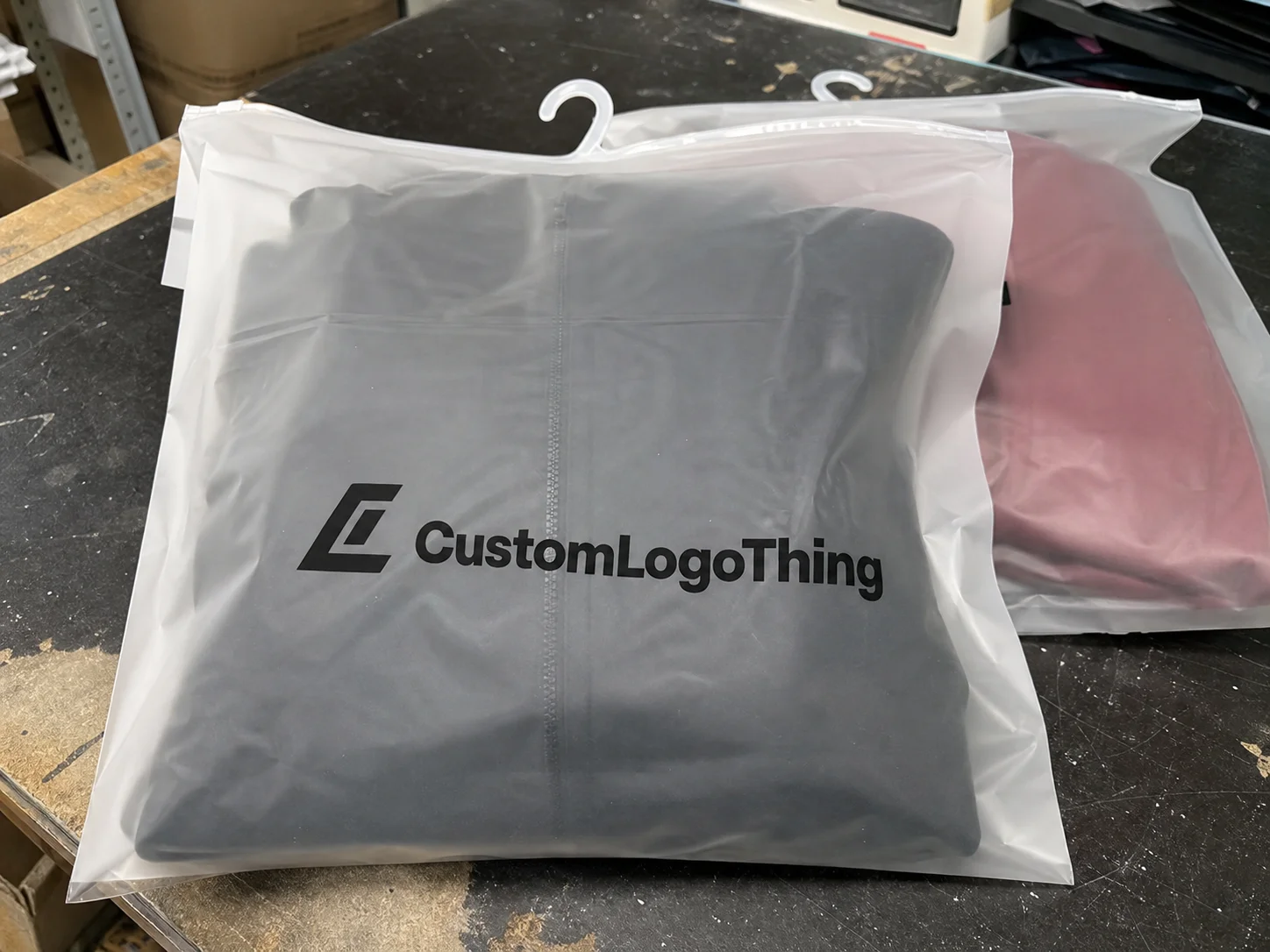
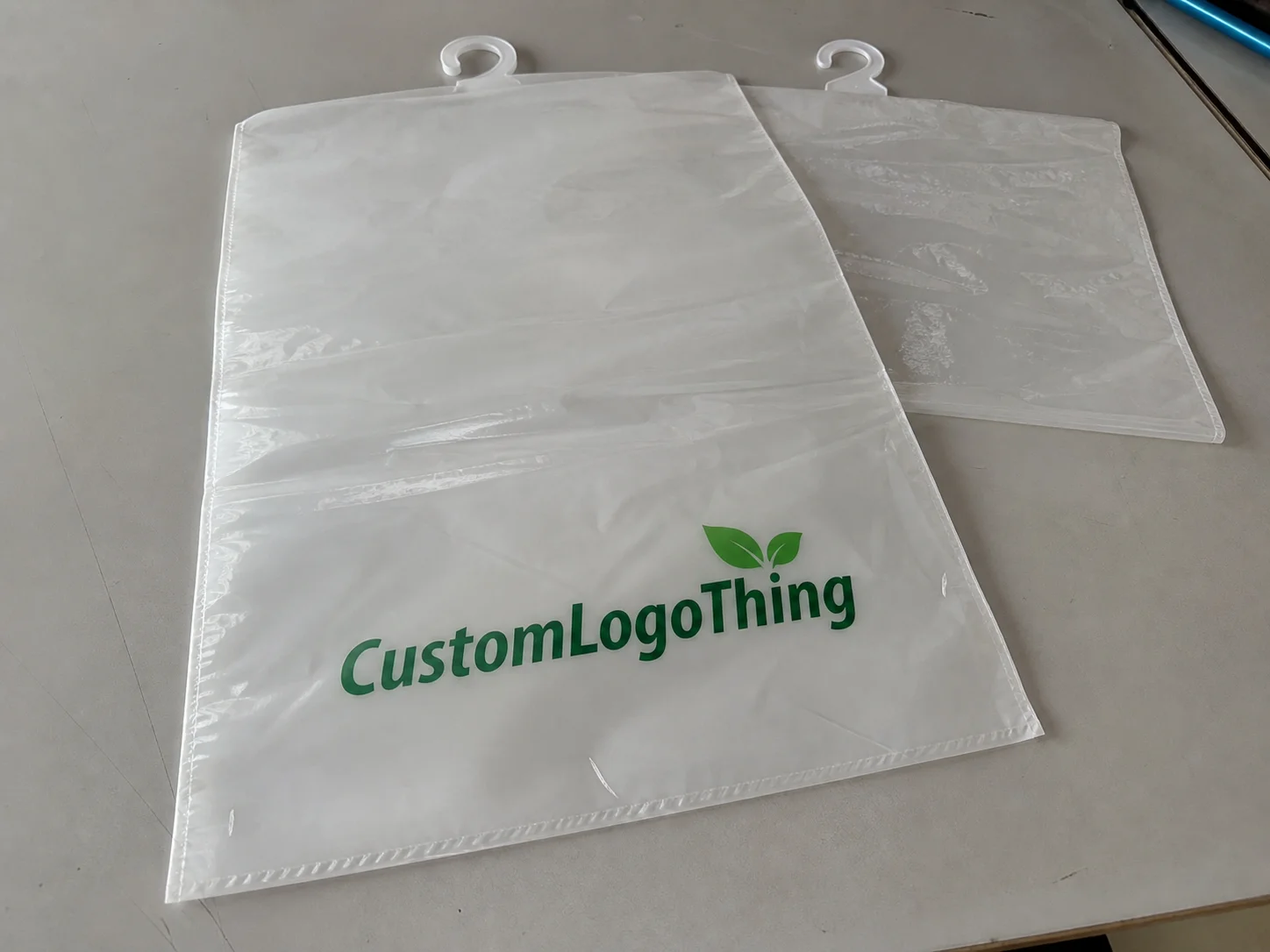
Buyer Fit Snapshot
| Best fit | design premium packaging for products for packaging buyers comparing material specs, print proof, MOQ, unit cost, freight, and repeat-order risk where brand print, material, artwork control, and repeat-order consistency matter. |
|---|---|
| Quote inputs | Share finished size, material target, print colors, finish, packing count, annual reorder estimate, and delivery region. |
| Proofing check | Approve dieline scale, logo placement, barcode or warning zones, color tolerance, and any recyclable or compostable wording before bulk production. |
| Main risk | Vague material claims, crowded artwork, or missing packing details can create delays even when the unit price looks attractive. |
Fast answer: Design Premium Packaging for Products: Dieline, Finish, Proof, and Buyer Review should be specified like a repeatable production item. The safest quote includes material, print method, finish, artwork proof, carton packing, and reorder notes in one written spec.
What to confirm before approving the packaging proof
Check the product dimensions against the actual filled item, not only the sales mockup. Ask for tolerance on folds, seals, hang holes, label areas, and retail display edges. If the package carries a logo, QR code, warning copy, or legal claim, reserve that space before decorative graphics fill the panel.
How to compare quotes without losing quality
Compare board or film grade, print process, finish, sampling route, tooling charges, carton quantity, and freight assumptions side by side. A lower quote is only useful if the supplier can repeat the same color, closure quality, and packing count on the next order.
What “Premium” Really Means (And Why Most Brands Get It Wrong)
A founder once showed me rigid boxes he paid $18,000 to produce for a first run of 3,000 units. They looked gorgeous on a conference table: matte black wrap, copper foil logo, magnetic flap, the whole luxury starter pack. Three weeks after launch, his damage rate jumped 11%. The insert had 2.5mm too much play, so glass bottles rattled in transit and chipped at the neck. I still remember his call, half annoyed and half panicked: “But they look expensive.” That sentence explains most packaging failures I see. Learning how to design premium Packaging for Products starts with engineering, not decoration.
I’ve seen this from Los Angeles to Shenzhen. Teams confuse “premium” with “expensive finishing,” and that mistake burns cash fast. Premium packaging is five systems working together: structural integrity, tactile feel, print precision, unboxing sequence, and consistency across every batch. If one layer fails, the whole experience starts unraveling—usually right when paid ads finally begin to work, because timing can be cruel like that.
After 12 years in custom printing and packaging development, my practical definition of how to design premium Packaging for Products is simple: perceived value plus functional protection plus operational fit. Perceived value creates the first impression. Protection keeps returns from creeping up. Operational fit keeps fulfillment sane when a beautiful box still has to run through a standard 12x10x4 shipper and hit pick-pack targets.
“Expensive packaging” is easy to build. Add foil everywhere. Add spot UV, emboss, deboss, textured stock, ribbon pulls, then hope nobody notices fingerprints and scuffs after one warehouse touch. “Premium packaging” takes restraint. One hero effect often wins, like soft-touch lamination on 350gsm C1S artboard with a single foil hit on the logo at ±0.2mm registration tolerance. Cleaner, stronger, more credible, and easier to reproduce from batch to batch.
Client meetings reveal the same disconnect over and over: marketing picks visuals from Pinterest, operations discovers pallet inefficiency after PO placement, and finance gets hit with freight surcharges because outer dimensions crossed DIM thresholds. On a Chicago project, changing a mailer from 14.2 inches to 13.8 inches cut annual parcel spend by $42,000. Same brand language, better geometry. Not flashy, but I’ll take that win every time.
By the end of this guide, you’ll know how to design premium Packaging for Products using a repeatable framework: design decisions, cost control, timeline planning, and supplier communication that prevents ugly surprises. Real specs, realistic pricing ranges, and the details factories actually need before anyone asks for “a quick quote.”
How to Design Premium Packaging for Products: The System Behind the Look
Anyone serious about how to design premium packaging for products should think in sequence, not mood boards. My sequence is brand strategy → dieline engineering → material selection → print method → finishing → QA protocol. Skip steps and you usually pay twice. Sometimes three times if deadlines are locked and tooling has already started.
Product constraints come first, every time. A pretty mockup means nothing if your item weighs 1.2 kg, has exposed glass edges, and ships DTC across Zone 6. Weight, fragility, shelf life, shipping method, and sales channel drive structure and finish decisions. Retail packaging and e-commerce packaging live under different pressure: retail needs shelf impact and scan compliance, DTC needs drop survival and low dimensional weight.
I learned that lesson the hard way on a skincare launch in 2021: a beautiful two-piece rigid set-up box, 2mm board, wrapped in uncoated black paper. In studio light, it looked elite. In a humid warehouse at 72% RH, scuffs and corner fray showed up within 9 days. We switched to coated wrap stock and revised the edge-fold structure; complaints dropped by 70% in the next batch. I keep one of those damaged boxes on my shelf as a reminder that humidity doesn’t care about your mood board.
Strong execution of how to design premium packaging for products ties design choices to outcomes:
- Better conversion rate: premium cues in branded packaging can lift perceived value by 10–25% in controlled A/B tests.
- Higher AOV: gift-worthy custom printed boxes improve bundle acceptance, especially in beauty, fragrance, and wellness.
- Lower returns: engineered inserts and corner protection reduce transit damage, often by 20–40%.
- Repeat purchase behavior: post-purchase experience influences referral rates and UGC frequency.
Most breakdowns land in four places: aesthetics selected without logistics input, no tolerance spec on inserts, over-finishing without durability testing, and no production QC gates before the mass run. Profitable execution of how to design premium packaging for products needs cross-functional sign-off before tooling gets approved.
I call it the premium stack:
- Substrate: the board/paper/film carrying print and surviving handling.
- Structure: dielines, folds, insert lock, and closure mechanics.
- Finish: foil, varnish, lamination, emboss/deboss in strategic doses.
- Fit: tolerance between product and cavity, usually +0.5 to +1.5mm depending on material and assembly method.
- Fulfillment compatibility: carton-out dimensions, packing speed, pallet efficiency, scan readability.
Get that stack right and premium packaging stops acting like an art project with a budget problem. It starts performing like an asset with measurable return. Yeah, that’s kinda nerdy, but it’s accurate.
Key Factors That Decide Premium Packaging Success
Material strategy is the first real decision in how to design premium packaging for products, and it has to match use case. Shipping fragile goods DTC? E-flute corrugated (about 1.5mm) with a premium litho-lam top often beats rigid board on damage prevention at lower landed cost. Selling gift sets in retail? 2mm greyboard rigid wrapped in art paper gives stronger shelf presence. For folding cartons, 18pt to 24pt SBS remains a core standard in high-end cosmetics and supplements.
These are the materials I compare most with clients:
- Rigid board: strongest luxury signal; higher freight and assembly cost.
- SBS paperboard: crisp print, cost-efficient, ideal for premium folding cartons.
- Kraft board: strong sustainability story, lower color vibrancy unless white-lined.
- E-flute/F-flute corrugated: shipping strength with refined print finish.
- Molded pulp hybrid inserts: practical path for plastic-free internal protection.
Print method matters more than many founders expect. Offset gives tighter consistency for Pantone-heavy systems, especially at 5,000+ runs. Digital is excellent for short runs and variable data, but brand-critical solids (especially dense black fields) can shift across presses and batches. For deep black, I usually start around C60 M40 Y40 K100 on coated stock, then calibrate to the actual press profile and substrate. Too many teams treat black as “default,” but it’s one of the easiest colors to get wrong.
Finishing can elevate a pack or bury it. Common premium packaging options include:
- Hot foil stamping (gold, copper, holographic)
- Emboss/deboss with matched metal dies
- Spot UV for logo accents
- Soft-touch lamination for tactile feel
- Edge painting on rigid lids
- Magnetic closure integration
My blunt recommendation: choose one or two hero finishes. I’ve watched brands stack foil + UV + emboss + texture and end up with visual noise instead of luxury. Premium should feel intentional, not crowded.
Color and typography control often decides whether a run succeeds or gets reprinted. Define Pantone references and acceptable delta variance during approval (for many consumer brands, ΔE tolerances are specified by print vendor capability and viewing conditions). Set minimum font-size standards; on textured stock with reversed-out type, I rarely go below 7pt. Barcodes should be tested under warehouse lighting, not only on a calibrated designer monitor. One retail run got delayed two weeks because matte overprint reduced POS scan reliability. Everybody pointed fingers. Nobody won.
Structural details determine damage outcomes. Specify insert tolerances in millimeters. Set drop-test requirements by channel risk. For DTC, use a sequence inspired by ISTA protocols: corner impacts, edge impacts, face drops, vibration, then post-test fit checks. “Looks strong” is not a test method and never has been.
Sustainability and luxury can absolutely coexist. You can design premium packaging for products using FSC-certified board, water-based coatings, and mono-material pathways that improve recyclability. Verify chain-of-custody claims at FSC.org and ask suppliers for current certificate numbers—don’t rely on old PDFs passed around in email threads. One client moved from EVA foam plus plastic tray to molded pulp with a die-cut SBS collar, kept the upscale presentation, and reduced insert cost by $0.22/unit at 20,000 units.
Brand coherence closes the loop. Packaging has to match site visuals, ad photography, and post-purchase flow. I audited a brand with elegant black-and-ivory web creative and neon retail boxes. Ad-click conversion was fine, but repeat purchase lagged because delivered experience felt off-brand. Packaging isn’t isolated art; it’s one chapter of the same customer story.
Step-by-Step: How to Design Premium Packaging for Products Without Guesswork
Step 1: Set non-negotiables
Before Illustrator opens, write hard constraints. For how to design premium packaging for products, I insist on four non-negotiables: target customer profile, maximum unit packaging cost, protection requirement, and channel mix (retail/DTC/wholesale). Example: “Female 28–45, MSRP $68, max packaging cost $2.10, must survive 1.2m drop in shipper, 70% DTC.” One clear line can save weeks of indecision.
Operational constraints belong in the same brief: pack-out time target (say under 22 seconds/unit), storage limits, and case-pack quantity. A structure taking 90 seconds to assemble might work for boutique volumes, not for 12,000 monthly orders. I’ve watched warehouse teams go from calm to mutiny over packaging that looked elegant but added 40 seconds per order.
Step 2: Build a packaging brief suppliers can actually use
Accurate quotes depend on complete briefs. Include dimensions, product weight, fragility notes, dieline preferences, finish priorities, compliance requirements, and reference photos. Add tolerance windows. Add Incoterm target (EXW, FOB, DDP). Add required certifications. This is a core part of how to design premium packaging for products that suppliers can execute without guessing.
In Dongguan negotiations, I’ve seen vague two-page briefs create quote spreads of 38% because each factory assumed a different spec baseline. After shifting to a six-page technical brief with exact callouts, variance dropped to 9%. Clarity pays for itself.
Need a starting point? Review options at Custom Packaging Products and map exact product dimensions before requesting samples.
Step 3: Prototype in rounds
Round 1 should be plain structural samples (white dummy, no print). Round 2 should be pre-production print proof. Round 3 should be a pilot run (often 100–500 units) on production-equivalent materials. This staged approach keeps how to design premium packaging for products grounded in evidence instead of assumptions.
At a Shenzhen factory visit, I watched a team skip white samples and jump straight to full print proofs. During assembly, closure flaps interfered with pump tops by 3mm. They paid for new dies and lost 17 days. White samples would’ve caught it in one afternoon. I stood there with coffee trying not to say “we could’ve avoided this,” because everyone already knew.
Step 4: Stress test
Never approve from renders alone. Stress-test with real product inside: transit simulation, humidity exposure, scuff resistance, and repeated open-close cycles. For DTC, run rough handling tests that mirror courier reality. For retail, test shelf wear and barcode readability under store lighting.
I usually ask brands to run at least:
- 10-drop sequence at varied orientations
- 24-hour humidity hold at elevated RH
- 50-cycle closure test for magnetic or tuck structures
- Scuff test with packed master cartons
This is where how to design premium packaging for products shifts from design intent to performance proof.
Step 5: Lock specs and SOPs
After testing, freeze the specs. Create an approved golden sample, color standards, finish callouts, acceptable defect tolerances, and QC checkpoints. I like a one-page QC sheet with pass/fail photos for foil registration, corner wrap quality, lamination bubbles, glue overflow, and insert fit. Skip this step and batch variation will show up fast.
For one wellness client, we set defect tolerance at AQL 2.5 major / 4.0 minor and required in-line photos every 2,000 units. Reprint incidents dropped from three per quarter to one over nine months.
Step 6: Launch with a feedback loop
Launch isn’t the finish line. Real mastery of how to design premium packaging for products comes from post-launch tracking: damage rate, return reasons, unboxing sentiment, social mentions, and repeat purchase lag. Packaging changes should connect to business data, not opinions.
One brand I advised improved insert locking tabs and reduced breakage from 4.8% to 1.6% in six weeks. That single update saved roughly $19,400 per quarter in replacements and support overhead.
If you’re sourcing new formats, keep a shortlist from Custom Packaging Products and test two suppliers side by side using identical drawings. It’s still the fastest way to separate polished sales decks from actual manufacturing discipline.
Cost and Timeline: What Premium Packaging Actually Costs and How Long It Takes
Numbers matter, because this is where how to design premium packaging for products leaves theory and hits cash flow. Typical unit-cost ranges at common MOQs:
| Packaging Format | Typical MOQ | Unit Cost Range | Common Specs |
|---|---|---|---|
| Folding Cartons | 2,000–10,000 | $0.70–$2.80 | 18–24pt SBS, CMYK/Pantone, matte or soft-touch, optional foil |
| Rigid Boxes | 1,000–5,000 | $2.50–$9.00 | 2mm greyboard, wrapped art paper, magnet/ribbon, custom insert |
| Premium Mailers | 1,000–8,000 | $1.20–$4.50 | E-flute/F-flute, litho-lam print, tear strip, internal print option |
One-time setup costs sit outside unit pricing. Tooling often runs $300–$2,500, depending on die complexity, emboss plates, and insert tooling. Sampling across two or three rounds usually lands between $250 and $1,200. Hand assembly for magnets, ribbons, or nested inserts adds labor that can increase unit cost by $0.35–$1.40, depending on complexity and production region.
MOQ dynamics are tough but predictable. A 500-unit run can cost 35–60% more per unit than 5,000 because setup is spread thin and machine efficiency drops. Small pilots can still be smart if product-market fit or price elasticity is still being validated.
A realistic timeline for how to design premium packaging for products usually looks like this:
- Concept + brief: 1–2 weeks
- Sampling: 2–4 weeks
- Testing + revisions: 1–3 weeks
- Mass production: 3–6 weeks
- Freight + customs: 2–5 weeks
Total timing is often 8–16 weeks, with complexity and freight mode driving variation.
Delay costs fall quickly when teams stay disciplined: freeze artwork early, approve dielines before final visuals, confirm Incoterms in writing, and build buffers around factory holidays and port congestion. I watched one team lose 26 days by approving graphics first, then discovering structural revisions forced art updates across six SKUs. Painful month. Nobody slept much.
The budgeting model I use with founders is simple:
- Set packaging target at 6–12% of MSRP for premium categories (adjust by gross margin reality).
- Back into maximum landed packaging cost per unit from contribution-margin targets.
- Separate one-time setup costs from ongoing unit economics.
- Compare suppliers on landed cost, not EXW alone.
Example: MSRP $80, target packaging ratio 8% gives max packaging cost of $6.40 landed. If production quote is $4.90 but freight and duty add $1.80, actual landed cost is $6.70. Strong quote on paper, weak decision in practice.
“The cheapest quote is often the most expensive outcome if your supplier can’t hold color or structural tolerance across batches.”
Quick disclaimer from experience: these ranges are benchmarks, not guarantees. Paper markets, energy costs, route disruptions, and compliance requirements can move pricing fast, so validate with current supplier quotes before final margin planning.
Common Mistakes When You Design Premium Packaging for Products
The most expensive mistake in how to design premium packaging for products is overdesigning the exterior and underdesigning inserts. I’ve opened boxes that look like luxury jewelry cases while products bounce inside like dice. A premium shell with weak internals is still failure, just dressed better.
Another common miss is choosing finishes for renders instead of real handling. Soft-touch can fingerprint. Some matte laminations scratch during carton packing. Foil can crack at fold lines when score depth is wrong. Physical samples under warehouse conditions tell the truth faster than studio lighting. Renders are seductive—I get it—but tape guns and corrugated dust are the real judges.
Fulfillment math gets ignored too often. I’ve seen beautiful Custom Printed Boxes push DIM weight past a courier threshold by 1 inch. That tiny change added $1.10 per shipment on 40,000 annual orders. The arithmetic hurts, and it keeps hurting every month.
Proof hierarchy is another failure point. A digital PDF mockup is never production approval. You need physical color proofs and signed pre-production samples. If brand color is Pantone 2965 C, “close on screen” is not a standard.
Overloading premium effects creates a different problem. Foil + UV + emboss + texture can look chaotic instead of refined. Luxury usually reads better through restraint. One crisp emboss with precise lighting response often outperforms four competing effects.
Lack of defined QC standards causes avoidable conflict after PO. Set defect tolerances before production: acceptable color variance, foil registration range, corner-wrap quality, glue marks, and scuff thresholds. That’s not red tape; it’s risk control.
If you’re developing new branded packaging lines, review baseline options at Custom Packaging Products and align specs with shipping realities before committing final artwork.
Expert Tips and Actionable Next Steps to Design Premium Packaging for Products
Teams asking for a practical launch path for how to design premium packaging for products can start with a focused 30-day framework:
- Week 1: Audit current packaging performance (damage rate, returns, fulfillment friction).
- Week 2: Build a technical brief and shortlist three suppliers.
- Week 3: Order structural samples and score them against non-negotiables.
- Week 4: Select top two suppliers for matched prototype comparison.
Create a vendor scorecard with weighted criteria: quality consistency (30%), communication speed (20%), sample accuracy (20%), lead-time reliability (15%), and landed cost (15%). I’ve used this with five-person startups and eight-figure e-commerce teams, and it keeps decisions anchored in evidence rather than gut feel. Honestly, this one tool prevents more bad POs than most “creative hacks” combined.
Before placing any PO, ask for three documents:
- Production schedule with milestone dates and approval windows
- QC plan with in-line photos and final inspection criteria
- Packaging test evidence (drop/scuff/closure performance)
Run side-by-side tests with at least two suppliers using identical dielines, stock, and finishes. Same files, same specs, different factory discipline. The gap shows up quickly.
Post-launch tracking should stay focused on metrics that move margin and retention:
- Damage rate target (for example, keep below 2%)
- Unboxing satisfaction score from post-purchase surveys
- Return reasons tied to packaging defects
- Impact on reorder cycle and repeat purchase rate
Action checklist:
- Finalize a packaging brief template with engineering tolerances
- Use a sample-order checklist for each approval round
- Lock a master spec sheet with material, print, and finish callouts
- Run first-PO risk review before mass production
- Schedule a 30-day post-launch packaging performance review
That’s the practical route for how to design premium packaging for products without betting everything on aesthetics. Premium results come from one integrated system: structure, materials, print control, operations, and QA working together. If you keep one line from this guide, keep this: design premium packaging like you’re gonna ship it a million times—because if your brand grows, you will.
FAQs
How to design premium packaging for products on a small budget?
Start with structure, then choose one hero finish (foil or emboss) instead of stacking five effects. Use stock sizes to reduce tooling and paper waste. Begin with a pilot MOQ (around 500–1,000 units), measure conversion lift and return impact, then scale to 3,000–5,000 units for better unit economics. I usually tell founders to spend where customers look and where couriers hit.
What is the best material choice to design premium packaging for products?
The best material depends on product weight, fragility, and channel before visual preference. Rigid board supports gift-focused luxury perception, high-grade SBS performs well for premium cartons, and refined corrugated structures excel for DTC durability. Ask for physical swatch kits and transit-tested samples before approval.
How long does it take to design premium packaging for products from idea to delivery?
Typical end-to-end timing is around 8–16 weeks. Sampling and revisions create the biggest swings, especially when structural updates are involved. Lock artwork and dielines early, and build contingency for freight delays, customs holds, and re-approval cycles. If your launch date is fixed, work backward from shelf date now, not later.
How much should I budget to design premium packaging for products?
Budget one-time setup costs (tooling, sampling, design time) separately from per-unit production. Model packaging as a percentage of MSRP and target margin rather than treating it as an isolated line item. Compare landed costs across suppliers, including freight and duties, not only ex-works pricing.
What are the most common quality issues when you design premium packaging for products?
Frequent issues include color drift, foil misregistration, lamination bubbling, and surface scuffing. Structural failures usually show up as weak corners and loose inserts that increase damage rates. Prevent these with a signed master sample, documented defect tolerances, and in-line QC checkpoints during production. Also, always open random cartons from the middle of the pallet, not just the top layer—I learned that one the frustrating way.