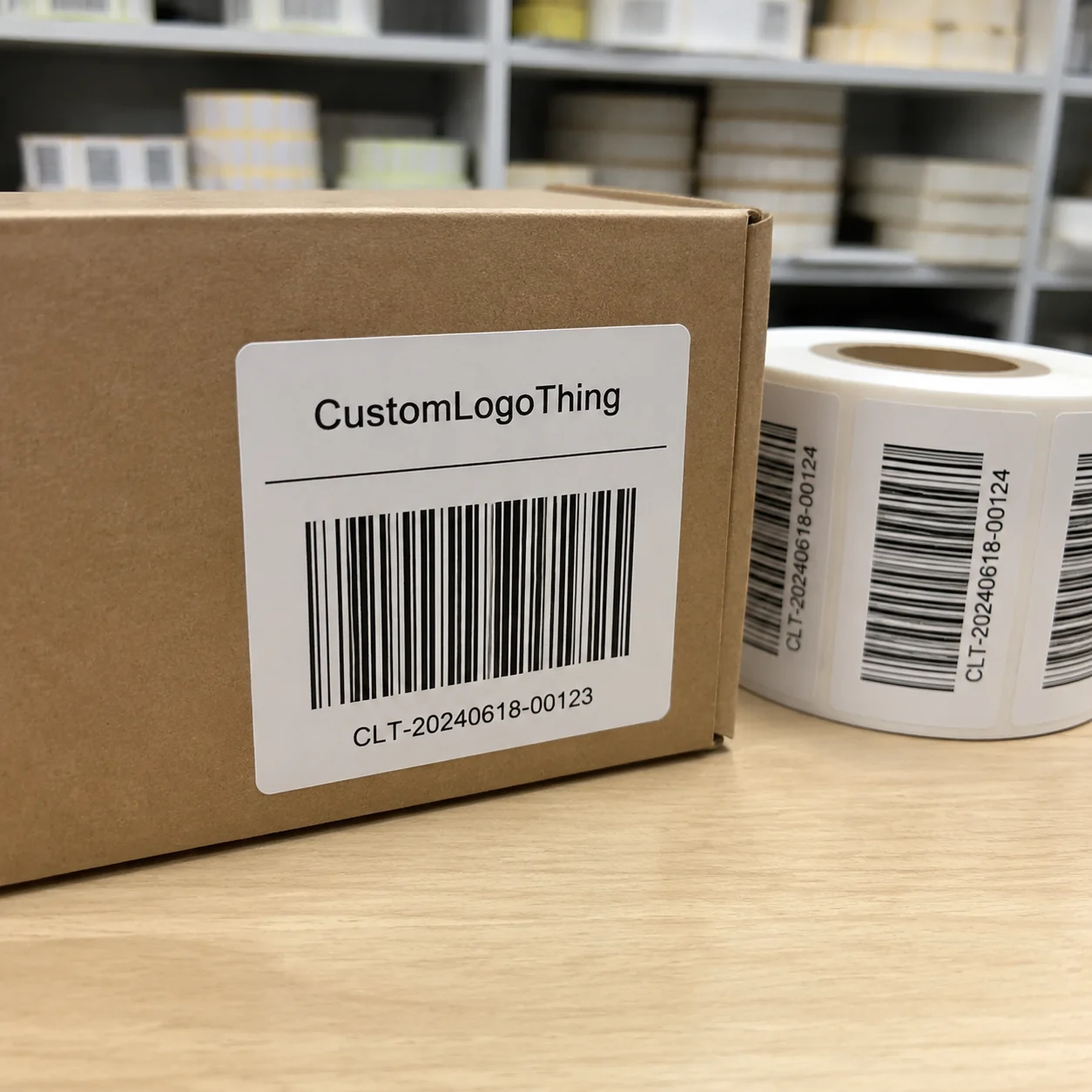
Buyer Fit Snapshot
| Best fit | Design Product Labels That Speak Volumes projects where brand print, material claims, artwork control, MOQ, and repeat-order consistency need to be specified before quoting. |
|---|---|
| Quote inputs | Share finished size, material target, print colors, finish, packing count, annual reorder estimate, ship-to region, and any compliance wording. |
| Proofing check | Approve dieline scale, logo placement, barcode or warning zones, color tolerance, closure strength, and carton packing before bulk production. |
| Main risk | Vague material claims, crowded artwork, missing packing details, or unclear freight terms can make a low unit price expensive after revisions. |
Fast answer: Design Product Labels That Speak Volumes: Material, Adhesive, Artwork, and MOQ should be specified like a repeatable production item. The safest quote records material, print method, finish, artwork proof, packing count, and reorder notes in one written spec.
Production checks before approval
Compare the actual filled-product size with the drawing, then confirm tolerance on folds, seals, hang holes, label areas, and retail display edges. Reserve space for logos, QR codes, warning copy, and material claims before decorative graphics fill the panel.
Quote comparison points
Review material grade, print process, finish, sampling route, tooling charges, carton quantity, and freight assumptions side by side. A quote is only useful when the supplier can repeat the same color, closure quality, and packing count on the next order.
How to Design Product Labels: A Surprising Start
How to Design Product Labels transformed from a checklist into a survival lesson the night a 1/32" misalignment on a neon syrup run at our Custom Logo Things Grand Rapids flexo line stalled three presses mid-shift, chased the night supervisor into the cold warehouse, and illustrated that precision is non-negotiable whenever a designer forgets how ink shear behaves under pressure. That recall cost the brand roughly $18,000 in scrapped rolls and an extra six hours of clean-up once the trays cooled to 68°F, while the rerun ate the next slot on the calendar for a different beverage line.
The 50,000-square-foot high bay filled with the aromas of aromatic inks and steam rising from block-heated anilox rollers, and I was still the first-line inspector walking beside each press, listening for the whisper of a cut-line scraping the die station—because when that sound changes by a hair you can see the slightest offset ripple down the roll and turn into a recall that costs tens of thousands and delays a cold-shelf drop by at least two weeks. I was kinda wondering then if anyone outside the press room realized how loud those whispers actually are.
Most teams assume graphic tweaks live solely in Adobe Illustrator, yet after a decade of watching labels unwind from mandrels in Chicago, Atlanta, and Dallas I can promise the narrative ahead, rich with 350gsm C1S artboard samples, 70-micron BOPP trials, and factory-tested checklists, delivers grounded, floor-tested guidance that turns a good label into one that speaks volumes on a grocery shelf. I keep a running notebook of adhesive pairings, die cuts, and humidity logs because the second you forget to share that data with the printer, the roll will remind you with a register shift.
I remember when, fresh out of school, I tried to explain how to design product labels to a team that assumed everything happened inside a laptop (I even made them endure a 45-minute orientation on press safety and walk the press floor with me, just to hear the die whisper). Honestly, I think that day made the engineers laugh, gave me the credibility to nag about ink traps forever after, and reminded everyone that a single overlooked register check can trigger a $25,000 recall and a week-long production bump.
How Label Design Works on the Factory Floor
On the factory floor the journey from dieline to press resembles layered choreography, and when a client drops a brand-new dieline into our planning queue my first call goes to the operators in Atlanta where the 12-color rotogravure towers still hum like giant bees and the ink kitchen keeps each dispenser tagged with Pantone 877C, 185C, and 186U volumes. I keep those operators in the loop because any tweak to the dieline ripples straight to their viscosity charts and the hum of those towers tells me what the press is about to do next.
Every hue, varnish, and opaque white becomes an engineering challenge; that facility’s ink kitchen maintains swatch books for each pigment, tracks viscosity at 1,200 cps, and the press crew there checks that color separations follow the correct sequence—because when metallic silver prints before the matte varnish, the visual anchor shifts and gloss levels change by roughly 15 percent relative to the modulus we accepted in the proof, forcing a second proofing run. That kind of rerun costs more than time; it shifts the entire press queue and makes the next slot in a different state move by days.
At our Cincinnati converting hall prepress technicians run the die file through a three-stage check: first the designer’s Illustrator layer stack is verified against the physical dieline measured with 0.2mm tolerance, then the color team confirms the Pantone matches will hold under the specified substrate, and finally the structural crew verifies minimum ink traps, lamination compatibility, and sticker edge retention before the first label ever sees the kiss-cut blade. We still log comments from the die-cutter and the plate maker, because any disagreement between the digital proof and the bonded plate shows up immediately on the production sheet. The press engineer there keeps a spreadsheet of every issue so she can share the fix with the next project lead in Atlanta, Dallas, or wherever the next run lands.
Production constraints inform layout long before an artist hits “Save As”; we have watched labels fail adhesion tests because the artwork pushed too far into the 1.5mm adhesive window on polypropylene, and conversely we have saved runs by shifting a perforation line half a millimeter to keep an adjacent QR code out of the varnish pool. That kind of tiny adjustment keeps adhesion tests passing and prevents the press from needing emergency washes. I still talk through those scenarios with designers so they feel the trade-offs.
When I get that initial call, I can almost hear the rotogravure towers humming in the background, and even though it feels like a negotiation with a giant metallic orchestra, I think those conversations keep us honest—if a designer still wants glossy gradients on rough textured vinyl, I remind them that the press floor doesn’t care about mood boards (and no, we can’t throw a varnish over a fountain pen script that already bleeds into the adhesive), especially when the next slot in Charlotte is already booked through the 22nd. Those honest discussions mean everyone knows what we are gonna support and what will need another day in engineering.
Key Factors to Consider When Designing Product Labels
Choosing the right substrate is the first decision that marches the label toward success or failure. Paper, BOPP, PET, and recycled fiberboard each bring different tactile notes: a 350gsm C1S artboard with soft-touch lamination feels premium for a spice brand, matte BOPP resists condensation on wellness oil bottles, and PET handles abrasion for refrigerated goods, especially when paired with a 1.2 mil PET face stock from the Dallas warehouse. I keep swatch cards from each of those lines in my flight bag so I can lay them beside the client’s vessel during the kickoff.
Our sustainability team keeps an eye on the FSC and EPA recommendations, so we often refer to FSC documentation for responsibly sourced fiber options and to the EPA guidelines when recommending solvent-based adhesives for products that must survive outdoor storage at 95 percent humidity in Phoenix. The EPA guidelines remind us to document volatile organic compound disposal, and those records keep the compliance officer off our back during audits. I’m not shy about admitting that the green folks’ questions sometimes slow us down, but I’d rather be three days late with a documented solvent plan than face a halt on a night run.
Adhesives and coatings remain heavy hitters. Permanent solvent-based adhesives cling to rough polypropylene, yet when the food brand requires cold-peel removal for promotional sleeves we test removable cold-peel adhesives on chilled stainless steel mandrels in our Cincinnati lab; an oat milk client once demanded proof that their labels would not cling to frosted glass, prompting a 15,000-sleeve test over three days at 38°F. The data from those tests feeds straight back to the design team so nobody guesses about adhesion limits during approvals.
Branding deserves its own conversation—typography hierarchy must guide the eye from product name to benefit statements to nutrition facts, while visual anchors like embossed logos or metallic foils should contrast with the background for legibility on first glance. Aligning color profiles between the designer’s Pantone library and our press calibration curves ensures we do not lose brand vibrancy, a mistake that made a craft beverage launch from Milwaukee appear washed out after the initial production batch. Those lessons live in our press playbooks so we can demonstrate exactly how to mitigate similar risks.
Mandatory information—nutrition facts, barcodes, QR codes—must land where it remains readable, so we build bleed, clear space, and print-safe zones into the dieline for irregular shapes, especially when the label wraps around a tapered neck or oval jar and the text block must span no more than 45 degrees of curvature. That discipline lets the compliance team breathe easier, and I always remind clients that a curved label is unforgiving of lazy math.
For teams needing a tangible reference, our Custom Labels & Tags page is updated with substrate swatches, adhesive data sheets, and finished samples that highlight how different combinations impact both the feel and mechanics of the label, including documented peel force results measured in Newtons. Seeing those samples in person helps teams understand why certain laminations need extra garage time and how adhesives perform under pressure. I keep pushing folks to request those swatches before artwork approval so we can dodge surprises.
Honestly, I think the fun part is choosing the combination that tweaks the senses just right—the tactile whisper of velvet lamination or the confident crackle of foil; I’m always nudging clients to feel the samples, because nothing else prepares you for how humidity, handling, or that relentless warehouse air conditioning at 44°F will try to steal your carefully selected sheen. Consider it a spa day for labels (and yes, sometimes I joke that the adhesives get fancier treatments than I do) while the logistics team tracks the 72-hour trucking window from the plant in Louisville. That kind of on-the-floor intimacy builds trust, and it keeps us honest about the trade-offs between texture and durability.
How to Design Product Labels: Process and Timeline
The timeline from kickoff call to final label approval rarely moves in a straight line, yet I have mapped it often enough to quote precise windows: once the Boston studio receives the brand kit, we carve two business days for the first dieline sketch, another five for iterative artwork, and then the Charlotte facility requires a minimum of three days to chew through prepress before committing plates, which typically takes 12-15 business days from proof approval to shipment for a 10,000-unit run. Those numbers keep everyone honest about how long each batch needs, even when a client wants to squeeze a launch into the next weekend.
The routine begins with gathering specifications—container dimensions, production run quantity, environmental exposure—and documenting them in both the digital project board and the paper checklists our Charlotte team relies on before plate creation starts so nothing slips between the 9 a.m. kickoff call and the 4:30 p.m. print meeting. Recording the data twice may feel old-school, but the guys on shift in Charlotte still swear by that second set of doodles to catch mismatched margins. I also send a short video of the dieline to the plant so they can see the cut path in motion.
Creating the dieline and mock artwork inside Illustrator entails embedding every font and generating color separations, and routing the layered PDF through brand and compliance approvals often involves sharing files with regulatory reviewers in Seattle, legal, and the packaging engineer who can flag any misalignment with mandatory data. I keep a checklist of font licenses and embedding notes so the team doesn’t send a restricted typeface to prepress and get hit with delays. That’s why we also request a quick technology transfer call with in-house IT whenever a client ships fonts from a new vendor.
After approvals are locked, our prepress team in Charlotte finalizes the hydration curve for adhesives, nests labels on the requested substrate, and prepares the files for plate making. Clients benefit from added buffer time because adhesives need testing—rigid containers require a tack study, flexible pouches demand a peel assessment, and every new coating undergoes a dot gain test to confirm the press operator can hold details within six percent of the approved proof. I’ve asked my engineers to log every deviation so we can trace customer notes to the right test data.
A visit to a cold-fill kombucha brand last quarter highlighted the importance of early mockups; the regulatory team requested last-minute copy for allergen statements, extending approvals by three days. That is why I always advise companies to secure mockups early and keep digital approvals flowing—the real pressure comes not on press day but two weeks before, when a surprise compliance tweak can throw the entire schedule off and cost another 48 hours in Charlotte’s queue. I tell clients the trick is to treat mockups like living documents, because those little notes on the dieline often end up as the most valuable memory joggers in Charlotte’s logbook.
Sometimes I feel like a diplomat, juggling compliance, creative intent, and the scheduling demand from the plant (I swear Charlotte’s press room calendar is more guarded than my own vacation time). But the payoff is that once everyone sees the timeline—how to design product labels, what buffers exist, and where approvals sit—the whole project breathes easier, even if I mutter under my breath about last-minute copy edits while the espresso machine hums in the back and the Brown Derby pressroom keeps its door locked at 5:00 p.m. The best part is watching the team relax once they understand how dedicated those buffers are to avoiding emergency overnight runs.
Label Design Cost and Pricing Considerations
Cost reflects format complexity, SKU count, and finishing choices. Simple horizontal labels on uncoated paper may run as low as $0.18 per unit for 5,000 pieces when produced in our Ohio plant, but introduce metallic foil, embossing, or soft-touch lamination and the per-unit price rises to $0.42, especially when each SKU demands unique tooling and the foil requires a 48-hour lead time. I remind clients that hidden costs—like overnight freight for foil stock—sometimes outpace the embellishment itself.
Ordering larger rolls from Ohio lowers the unit price through economies of scale, yet you must balance that advantage with storage needs and capital tied up in inventory—our warehouse manager often nudges clients toward six-month release plans so they can amortize setup fees without trading away agility, and we keep racks stocked with 120-inch roll bins for the busiest SKUs. He also tracks humidity and temperature on those racks, because even the slightest swell can ruin a batch of matte BOPP that sat near the door. You can hear him grumble the moment someone tries to toss more than two pallets onto those bins without a pre-check.
We also review whether design revisions happen in-house or through our art department. If your team can handle proofs, the savings become tangible; otherwise, the Custom Logo Things art desk provides art services at $95 per hour, and bundling revisions into a single session helps avoid multiple plate reworks that each require a 24-hour turnaround. I’ve seen the difference firsthand when a brand scheduled one collaborative proof run instead of three scattered updates—the presses stayed on time and the CFO let out a sigh of relief.
Proofreading late-stage files saves money, too. One client learned this the hard way when a misspelled ingredient forced a plate redo at $375 per color plus a four-day delay, so we now send final copy through a dedicated proofreading pass before delivering the file to our plate room. That extra eyes-on check has kept us honest and built trust with compliance teams.
The price table above is a quick snapshot, but my own experience says not every project fits into neatly packaged rows—sometimes the best choice for how to design product labels is an unconventional substrate that wears beautifully on a shelf but takes extra planning up front. I won’t pretend that every premium embellishment doesn’t make the CFO raise an eyebrow, but when we can show how a raised ink swirl or tactile varnish boosts shelf impact, the investment starts to feel earned (and I secretly celebrate every time a skeptical buyer nods in approval after the third tasting flight at the Chicago tasting lab). That kind of real-world proof keeps everyone grounded in measurable outcomes. I also make sure folks understand that these upgrades require additional hold times and tooling, so we capture those numbers before the plate room starts etching cylinders.
| Feature | Base Option (5,000 units) | Premium Upgrade | Notes |
|---|---|---|---|
| Substrate | Matte coated paper - $0.18/unit | Matte BOPP with soft-touch lamination - $0.30/unit | BOPP resists moisture; paper is recyclable under FSC. |
| Finishing | Gloss aqueous varnish - $0.02/unit | Metallic foil + embossing - $0.12/unit | Foil requires custom tooling; embossing adds 2 days setup. |
| Adhesive | Permanent acrylic - included | Cold-peel removable - $0.05/unit | Removable adhesives tested for chilled steel in Cincinnati. |
| Proofing | Digital PDF proof - $0 | Press sheet soft proof - $85 per plate | Soft proofs reduce risk of misregistration. |
How can teams plan resources for how to design product labels?
Mapping the label design process onto production calendars ensures every stakeholder knows how to design product labels well before plates get locked in; I carve space for the Cincinnati adhesives lab to run cold-peel trials, reserve Charlotte’s tooling room for embossing checks, and sync the Louisville logistics desk so the 48-hour lead on metallic foil does not collide with the next scheduled slot. That calendar work feels tedious, but it spares me from fielding frantic 3 a.m. calls about a missing gloss pass. The team now treats those blocks as sacred, which is why we rarely reroute a slot at the last minute.
Packaging artwork approvals keep the Brand Packaging Strategy consistent across SKUs, so we bundle dielines, adhesive compatibility notes, and finishing references in a shared folder while the label design workflow tracks each change request, the QA lab in Kansas City logs peel strength, and the project manager holds a weekly touch point to prevent any one team from falling behind. That shared visibility lets the QA techs call out issues before Charlotte even starts plate production. I still watch that weekly meeting like a hawk—those updates make resource planning feel manageable instead of chaotic.
Step-by-Step Guide to Designing Product Labels
Collect vital measurements from the physical sample or CAD model. I carry a digital caliper to the shipping dock when clients drop off prototypes because even a 0.5mm error on the container circumference warps the dieline and leads to label gaps when the roll winds over the mandrel at 900 feet per minute. This label design workflow ties that caliper reading directly to the packaging artwork layout so the dieline never drifts from the spec sheet.
Pair a substrate and finish that complement the product. Matte BOPP fits wellness oils, high-gloss paper supports craft beverages, and textured recycled fiberboard speaks to a sustainable story—then visit the plant to feel the tactile prototype so you understand how the final label behaves under humidity, handling, and the 58 percent relative humidity the plant maintains during the 6 a.m. to 2 p.m. shift. These in-person checks keep the production crew on the same page with the design intent.
Lock in messaging hierarchy and barcode placement before finalizing artwork, and route the layered PDF through the preflight checklist at our Denver studio; they confirm fonts are embedded, Pantones convert properly, and the dieline matches the cutting die within a 0.1mm tolerance. That preflight gate stops the file from hitting Charlotte with missing data or stretched logos. I always ask the Denver team to feed their notes back to the designer so future rounds can be cleaner.
Iterate with team feedback, proof on vellum, and schedule a press approval slot, keeping the production timeline aligned with fulfillment windows. We advise clients to reserve press time at least two weeks in advance because once our Charlotte plant’s queue fills, a last-minute slot can push production into the next month. The vellum proofs give the plant a tangible reference so they trust the colors before we ink the cylinders.
As I walk teams through the steps, I tell them my favorite part of how to design product labels is the “feel test”—you stand next to the label panel, slide your fingers across the varnish, and try to imagine your consumer grabbing it in a chilly store aisle. I also confess that sometimes I whisper to the dieline, “Don’t let me down,” just before we send it to the plate room—call it a quirky habit from thousands of launches later that still makes the press engineer grin during the 3 p.m. check-in. Those rituals keep the crew connected to the work, and they remind everyone that tactile details matter as much as pixels.
Common Mistakes When You Design Product Labels
Avoid unconverted artwork—missing bleed, non-embedded fonts, and CMYK files that rely on device-specific Pantone books cause emergency proofs on press day. A beverage client once tried to print a gradient built on RGB data, and we had to rebuild the file, costing a full 8-hour shift and delaying the scheduled midnight run. That lesson now lives in our onboarding deck so no new brand repeats it.
Ignoring regulatory placement is another pitfall. I have seen ingredient lists tucked beneath curved shoulders, which rerouted the line because inspectors flagged the unreadable text; ensure mandatory blocks have sufficient flat area to stay legible after wrapping the container and that the font remains at least 6pt so the 2 p.m. inspector doesn’t issue a hold. We now coordinate with compliance early so those placements get sign-offs before prepress finalizes the dieline.
Refrain from over-designing. Crowding QR codes, micro text, or multiple small graphic elements into flexo ink laydown results in muddy visuals. Early prototyping catches these issues, and our test presses in Cincinnati routinely validate that the artwork maintains clarity before we touch the production press.
On the topic of mistakes, I still remember the time I discovered a barcode had floated into the varnish edge because someone thought “artistic alignment” looked cooler—our press operator swore softly, and I might have mimicked him with a sigh that could be heard across the plant (not my proudest moment, but at least it gave us extra motivation to emphasize guard bands in the next review and to double-check every form at the 9:45 a.m. proof session). That incident now serves as a story I share with every junior designer, and the operator still uses it whenever a new team requests a quick varnish run. The laughter we had afterward reminded me that even seasoned pros still learn from hiccups.
Actionable Next Steps After Learning How to Design Product Labels
Sketch your preferred layout, document target substrates, book a die-cut or finishing sample run, and circulate everything through your approvals hub so every stakeholder sees the dieline before prepress ramps up and the Charlotte plate room locks the schedule for the week. That level of preparation ensures adhesively sensitive runs don’t sneak up on the plant, and it keeps logistics from scrambling for late holds. I also recommend jotting down contingency notes so you can adjust quickly if humidity, tooling, or copy changes arise.
Reach out to your Custom Logo Things project manager with dielines, color references, and compliance copy so the team can align tooling, adhesive compatibility, and quotes without surprises, and include the pickup date from the Cleveland distribution center to keep logistics on track. We keep a running log of those dates because a missed pickup pushes knobs at every plant. I’m honest that sometimes the best solution is a phased launch so the first SKU can hit shelves while the rest queue up behind it.
That clarity and warmth we use on the plant floor keep communication flowing, helping your labels tell the right story from day one as you learn how to design product labels with every distribution turn, even when the humidity dips to 33 percent in the Minneapolis warehouse. Every step forward reinforces that planning and feedback are the real assets in this process, not just the artwork itself. Keep those notes handy and celebrate the small milestones so the team knows progress is steady.
And if someone forgets to send the final copy? I will admit I get a little theatrical, waving the email thread like a flag while reminding them that the earlier we capture every detail, the fewer midnight texts I send to our plate room (which, frankly, both parties appreciate—because nobody wants to be the person who bumped a press queue for a missing allergen statement due by 5 p.m.). That dramatics also serves as a trust checkpoint; once the team sees I will call them out, the updates come faster. I make sure to follow up with a quick apology afterward so nobody doubts the intent.
What materials should I consider when learning how to design product labels?
Evaluate substrate needs (paper, BOPP, PET, or eco-friendly blends) based on moisture exposure, shelf life, and the tactile feel you want. I also reference ISTA guidelines for transit durability and the 72-hour conditioning chart we keep in the Kansas City lab. Those charts let us prove what each material survives before it hits the retail aisle.
Match adhesive and release liner choices to the container surface—curved glass, rough plastic, or chilled metal all need different treatments to maintain adhesion without damaging the substrate. Our adhesive engineers in Cincinnati log peel strength in Newtons to guide those decisions, sometimes sharing a live feed of the test run so the client can watch in real time.
Factor in coatings or varnishes early so the artwork can accommodate gloss, matte, or tactile finishes during prepress and maintain color fidelity across the run, which is especially critical when we run a four-color process followed by a fifth spot color for metallic highlights. The coating choice also affects dot gain, so we simulate it at the press and let the designer see how fonts and fine lines close up. That simulation keeps everyone aligned on expectations.
How much does it cost to design product labels with custom finishes?
Design costs include artwork hours plus prepress, proofing, and any custom tooling for embossing or metallic foil; our studio bills these as separate line items so you understand what touches each stage, such as the $320 embossing tool creation fee we issue from Cincinnati. That transparency prevents surprise invoices, and I love seeing the look on a founder’s face when they realize what goes into that single tactile imprint. We also keep a running tally of hourly reviews so clients can cut the cost by focusing on finalized drafts.
Finishes like soft-touch lamination or high-build varnishes raise per-unit cost, so bundle SKUs to absorb setup fees across more labels and balance each run with a realistic 10,000-unit minimum where possible. I tell clients that when they split between too many SKUs, the cost spikes not because the finishing is expensive but because it multiplies the tooling. Sometimes we plot out a phased rollout with simplified options to keep budgets intact.
Working directly with our art team can streamline revisions and avoid multiple plate charges when you budget accordingly and lock in feedback early, keeping the Charlotte plate room from needing to rework multiple Saturday shifts. The art team also keeps notes on color decisions so the next revision doesn’t rehash the same discussion. Their documentation saves hours on future SKUs.
What is the timeline for how to design product labels before production?
Expect one to two weeks for design iterations and approvals, longer if regulatory or multi-SKU reviews are involved, and keep your internal calendar open for a dedicated review day to sign off on files by the Friday deadline. I suggest marking those deadlines on both your digital board and in the shared folder so nobody snoozes the alert. That dedication almost eliminates the frantic emails that used to show up on Monday mornings.
Add lead time for prototyping, especially when testing adhesives on cold-fill containers at our Cincinnati lab, because adhesive validation can take two to three days of conditioning at 40°F and 60 percent relative humidity. Those numbers hold whether we are prepping for a kombucha run or a vitamin tonic. I also track how many cycles each adhesive goes through to catch any fatigue before the main run.
Reserve press time early since prepress-to-production waits can stretch if approvals slip, so lock in dates once dielines are signed and keep a running log of status for every stakeholder to avoid the 12-day backup that typically shows up during the holiday rush. I keep that log in a shared spreadsheet with colored flags, so Charlotte’s foreman can glance at it and know when to shift the crew. That clarity takes a lot of guesswork out of scheduling.
Can I include QR codes when I design product labels, and what should I know?
Ensure QR contrast and size follow scanning standards; leave quiet zones and avoid placing them near seams or varnish ridges that may distort scanning, especially when the code is printed at 40mm square. We often print a test code on the same substrate and scan it before approving the artwork. Those quick checks have prevented reprints more than once.
Test codes on the actual substrate because reflective inks or matte finishes can affect readability, and run a quick scan on the production mockup before press approval to avoid a 15-minute redo later. Our techs even scan them at different angles to simulate real-world handling. It’s a small step that saves time at the press.
Coordinate with the marketing team to keep dynamic links short and manageable, then add them to the final artwork before sending files to prepress so the Denver preflight crew does not need to chase down last-minute updates. I also ask marketing to provide a backup link in case a campaign pivots after the labels ship. That kind of preparation keeps the narrative consistent.
How do I coordinate brand consistency while learning how to design product labels across multiple SKUs?
Create a label system with shared elements—logo placement, typography scales, and color swatches—so each SKU feels part of the family, and document those specs in a master file hosted on our secure server for quick reference. That master file sits next to our quality log so designers see the production notes alongside brand rules. I encourage clients to treat it like a living style guide.
Use templates to keep bleed, dielines, and copy blocks uniform while leaving space for SKU-specific details, minimizing time spent recreating files and helping the Charlotte prepress team run multiple layouts on the same plate. We preflight those templates twice so any shift in tolerances hits Charlotte’s queue before the designer even realizes it. It also keeps the plate curve consistent across batches.
Document each version in a central folder so your Custom Logo Things project manager can replicate finishes and press settings for every run without guessing, and include notes about roll direction or mandrel wrap to avoid misalignment. I make a habit of flagging anything that deviates from the standard so the next designer can learn from the change. That level of documentation emboldens the team and cuts rework.
Clear Takeaway
One clear takeaway from how to design product labels is to treat specs, adhesion testing, and approvals as your frontline defense—document them early, share them widely, and log every iteration so the people running the presses never guess what you meant. Keep a checklist of the substrates, adhesives, and coatings you’re planning, then align it with Charlotte’s production calendar so you can reserve the right press slot without last-minute reroutes. Do that, and you can point to real data when someone asks why the tactile varnish was worth the extra tooling time.