Why Tea Brands Use Clothing Labels on Packaging
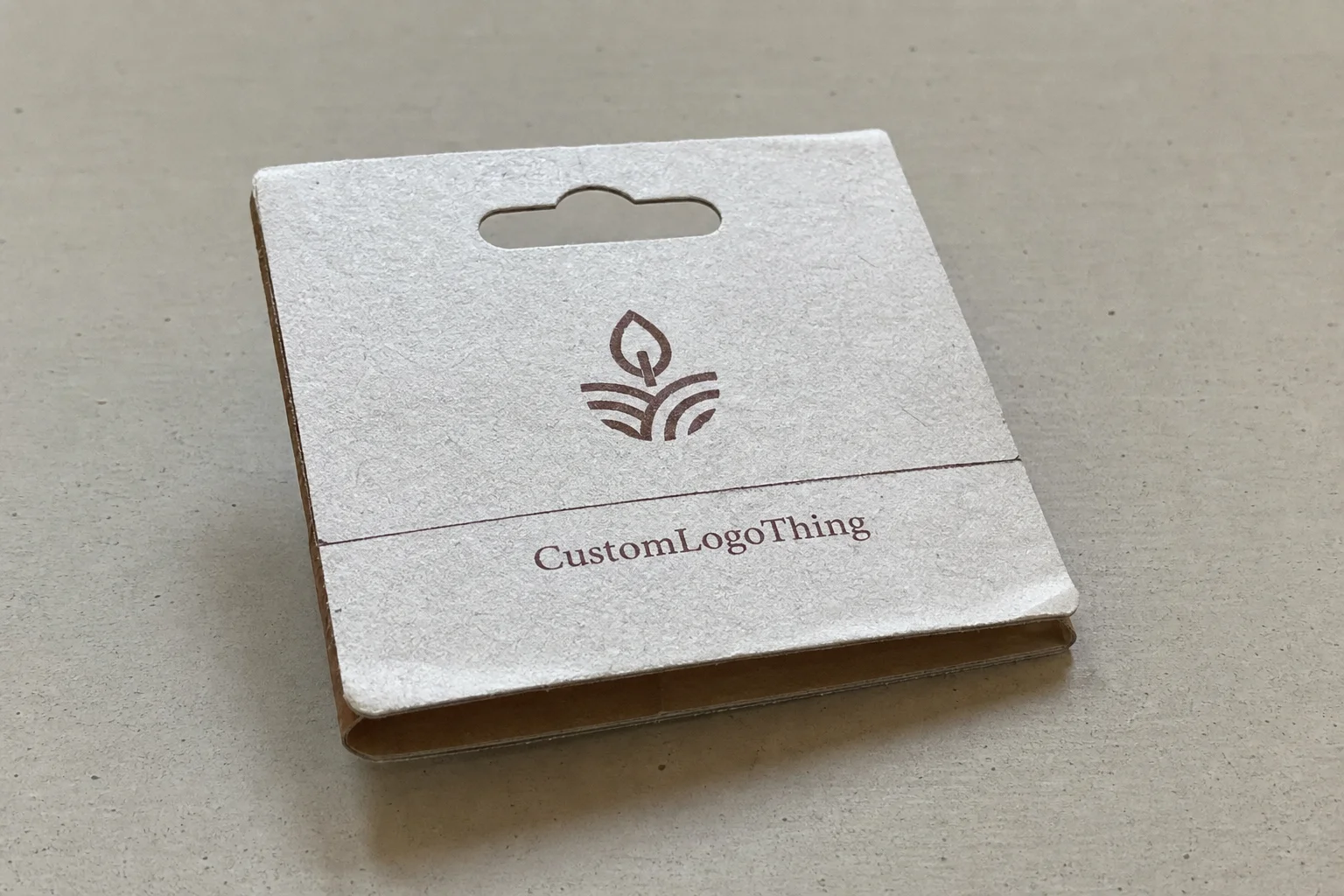
Custom Clothing Labels for tea brands are not meant for shirts in this context. They are borrowed from apparel packaging because the material language works: fabric texture, stitched edges, small woven details, and a finish that feels deliberate rather than printed by default. That tactile cue can shift a tea product from ordinary shelf presence to something that looks considered and giftable.
Tea shoppers make quick judgments. A woven tab on a pouch, a satin label on a sampler box, or a neatly sewn patch on a limited-edition bundle tells the customer the brand paid attention to the physical object, not only the artwork. That matters most for loose-leaf blends, wellness teas, seasonal gift sets, subscription kits, and small retail lines that need to look premium without building a complicated package structure.
These labels are usually used on outer packaging or on non-food-contact components: resealable pouches, carton sleeves, tea gift boxes, sampler wraps, tissue bundles, aprons, tote bags, and event merchandise tied to the tea line. They can also be useful when a brand wants texture in a minimalist system. A small label can carry more presence than a large block of print if the rest of the design stays restrained.
There is also a practical side. Apparel-style labels can help create a consistent family look across packaging formats. A pouch, a carton, and a tote can all share the same woven mark or color story, which makes the product line easier to recognize. For brands selling through retail, subscription, and direct-to-consumer channels at once, that consistency is not decorative. It is part of how the line is identified.
How Custom Clothing Labels Work for Tea Brand Packaging
At a production level, Custom Clothing Labels for tea brands come down to five decisions: material, size, fold style, print method, and attachment method. Those choices determine how the label looks, how long it lasts, and whether it suits a tea package that may be handled, shipped, stacked, and stored for weeks before opening.
Material is the first decision that actually affects the result. Woven labels have the most textile character and usually hold up best under handling. Printed satin gives a smoother surface and better support for small type or multi-color artwork. Cotton works well for organic or herbal positioning because the texture reads natural and understated, though it can mute color. Heat-cut polyester is a practical option when fraying must be controlled and the edges need to stay clean. Adhesive-backed versions can be useful on cartons or sleeves, but they should be checked carefully on the exact substrate; some papers, coatings, and folds do not hold adhesives well over time.
Size and fold matter more than many buyers expect. A label that looks balanced on a screen can become too small once it is stitched, wrapped, or attached to a curved pouch. Typical formats include flat, center fold, end fold, and loop fold. Flat labels are the simplest for packaging applications. Center folds and end folds are useful when the label needs to sit over an edge or seam. Loop folds are more situational, but they can work for hang tags, gift ties, or lightweight decorative attachment.
The workflow is usually straightforward. Artwork is submitted, a proof is prepared, color references are checked, and then a sample or production run follows. Vector art is the safest starting point. If the file is low resolution or built with tiny details, the final label will not magically improve during production. The same is true for type size. A logo that reads beautifully in a mockup can become unreadable once it is reduced to 15 mm high.
Tea packaging also adds constraints that apparel labels do not have. The label may need to stay legible on a curved pouch, a folded carton, or a narrow sleeve. It may also sit near heat seals, zip closures, or branded tape. That means placement needs to be checked against the actual packaging format, not only against the artwork. If the label sits too close to a seam, the brand mark can twist or pull during assembly. If it is too far from the edge, the package can feel visually disconnected.
There is another point that often gets missed: the label is not the place for legal pack copy. Ingredient lists, weight declarations, allergen notes, and country-of-origin statements usually belong on the primary package or carton, where they can be read without crowding the decorative label. The clothing label should support the system, not try to carry all the regulatory information by itself.
If you already use Custom Labels & Tags in other parts of the line, this approach fits naturally into the same packaging family. The visual logic is different, but the purpose is the same: to make the brand feel intentional from the first touch.
Key Specs That Affect Quality, Durability, and Shelf Appeal
Most weak label purchases start with a focus on the logo and end with a disappointing package. The spec sheet decides whether the result looks polished or improvised. For Custom Clothing Labels for tea brands, the main variables are material, size, contrast, finishing, and attachment method.
Material choice
Woven labels are the strongest choice when the brand wants texture, durability, and a premium textile feel. Damask weave is often preferred for fine detail because it can hold sharper edges than a looser weave. Printed satin or polyester labels are better when the artwork needs fine lines, tighter type, or more color variation. Cotton gives a softer, more natural look that fits herbal, wellness, and organic tea lines, but the surface can flatten bright colors and reduce contrast. If your brand identity relies on vivid color or small graphic detail, cotton is usually not the first option.
Size and fold style
Flat labels are the easiest to apply and the easiest to design for. Center fold and end fold labels can help the label sit over a seam or edge without lifting. Loop folds are less common in tea packaging, but they can work for merchandising or tied presentation pieces. Before approving anything, test the proposed size on the actual pouch, box, or sleeve. Mockups often make labels look larger and cleaner than they will appear in production.
Color and contrast
Tea packaging often lives in muted color territory: cream, sage, charcoal, clay, soft gold, olive, and warm white. Those palettes are attractive, but they can also flatten the brand if every element is low contrast. A good label usually needs one clear visual anchor, such as a strong brand mark, a border, or a high-contrast wordmark. Without that anchor, the label can disappear under store lighting or become too subtle once it is attached to the package.
Attachment method
Sewing remains the most durable and controlled option when the label is part of a textile or fabric wrap. Heat sealing can work in some packaging workflows, especially on synthetic substrates, but it needs to be checked against the base material. Adhesive backing is useful for certain cartons and sleeves, though it should be tested for lift, edge curl, and long-term adhesion. If the label is going onto a gift box or outer sleeve, make sure the adhesive will not wrinkle the stock or fail on coated surfaces. A few minutes of testing usually prevents a full run of frustration.
Finish and brand perception
Premium does not mean overloaded. A clean woven damask label, a satin label with correct color matching, or a cotton label with a simple one-color mark can look more expensive than a design packed with foil, gradients, and five decorative borders. What reads as luxury in tea packaging is usually restraint, accurate finishing, and a good fit between material and brand promise. If the tea is positioned as artisanal, wellness-oriented, or giftable retail, that alignment matters more than decoration density.
| Label Type | Best For | Typical Look | Cost Level |
|---|---|---|---|
| Woven | Premium tea pouches, heritage brands, gift sets | Textured, durable, crisp brand mark | Mid to higher |
| Printed satin | Detailed artwork, color-rich designs, merch bundles | Smooth, clean, more graphic detail | Lower to mid |
| Cotton | Organic, herbal, eco-focused packaging | Soft, natural, understated | Mid |
| Heat-cut polyester | Neat edges, higher handling resistance | Clean, practical, less fray | Mid |
The final choice should also account for how often the package is handled. A label on a gift box that sits on a shelf is not under the same stress as a label on a subscription pouch that gets packed, sorted, shipped, and opened repeatedly. If the packaging needs to survive friction, use a material and edge finish that can take it.
Custom Clothing Labels for Tea Brands: Cost, Pricing, and MOQ
Price is usually where the real decisions start. For custom clothing labels for tea brands, unit cost depends on quantity, material, size, print complexity, and finishing. The first order almost always costs more per piece because setup, sampling, and color preparation are spread across fewer units. That does not mean the quote is bad. It means manufacturing has fixed steps.
For simple printed labels, larger runs can land around $0.08-$0.18 per unit. Woven labels often sit closer to $0.12-$0.30 per unit, depending on detail and size. Specialty finishes, tighter weave counts, or unusual construction can move that higher. Smaller orders, especially a few hundred pieces, will cost more per unit. The setup work does not shrink just because the quantity does.
There are usually other fees hidden behind the headline price. Artwork prep may be included, or it may not. Sampling can be a separate line item. Some suppliers charge a loom or plate setup fee, and imported orders may also need freight, duty, or broker costs. A quote that looks cheapest on the page can become the most expensive once those extras are added. The only reliable comparison is landed cost.
| Order Size | Typical Unit Cost Range | What Usually Happens |
|---|---|---|
| 500 pieces | $0.18-$0.45 | Higher setup burden, useful for testing blends |
| 1,000 pieces | $0.12-$0.30 | Better balance for small retail launches |
| 5,000 pieces | $0.08-$0.18 | Best value zone for repeat packaging runs |
| 10,000 pieces | $0.06-$0.14 | Lowest unit pricing, strongest leverage on setup |
MOQs vary widely. Some suppliers will work with 500 units for simple formats, while others want 1,000 or more once woven detail or special finishing enters the job. If the tea line is seasonal, test-oriented, or tied to a limited gift set, lower minimums are useful. If the line is stable and reorderable, a larger run usually gives better value and fewer packaging interruptions.
Ask for tiered pricing at 500, 1,000, 5,000, and 10,000 units. That is the cleanest way to see where the unit cost really drops. Then ask whether sample fees are refundable, whether shipping is included, and whether the quote assumes production-ready artwork. Good procurement work is mostly just refusing to be surprised later.
If your packaging system includes cartons, inserts, or tags, you can often save money by aligning specs across components. Consolidating sizes, colors, or finishing details reduces production complexity. If your label and box are being produced separately, consistency still matters. A premium tea set looks better when the whole package family shares the same visual logic.
Packaging principles and industry resources are useful if you want to sanity-check material performance and broader packaging choices. For sustainability guidance and material context, EPA resources can help frame the environmental side of the decision.
Production Steps, Process, and Timeline From Artwork to Delivery
The production path is usually predictable if the artwork and packaging specs are clean. For custom clothing labels for tea brands, the sequence is generally quote, spec confirmation, artwork submission, proof review, sampling if needed, bulk production, inspection, and shipping. The less ambiguity there is in the first three steps, the smoother the rest of the order tends to go.
Simple printed labels can move faster than woven or specialty-finish labels because the setup is lighter. A straightforward run often takes 10-15 business days after proof approval. Woven labels and more customized construction commonly take 15-25 business days, sometimes longer if the supplier is busy or a sample revision is required. Shipping time is separate and should be treated as part of the schedule, not as an afterthought.
A few things routinely slow production:
- Missing vector files or raster artwork that cannot be scaled cleanly
- Unclear color references, especially for brand colors that need to match closely
- Last-minute artwork changes after the proof is already approved
For tea launches tied to a season, a wholesale drop, or a subscription cycle, build in a buffer. It is better to order early and have labels ready than to wait until the packaging line is already scheduled. The real risk is not just delay. It is that the labels arrive after boxes are filled, and then the team has to rework the whole packing process.
Always ask for both sample lead time and production lead time in writing. The difference matters. A supplier may be able to send a digital proof quickly, but that does not mean the physical sample will arrive at the same speed. If the job depends on a tight launch date, specify the deadline up front and ask whether freight is transit time excluded or included in the quoted schedule.
Common Mistakes When Ordering Labels for Tea Packaging
Most label problems are preventable. They usually come from rushing the artwork, underestimating the size, or approving a sample that was never tested on the actual package.
- Choosing the wrong material for the artwork. Fine lines, tiny type, and thin borders can vanish on the wrong surface.
- Ignoring actual placement on the pouch, box, or wrap. A label centered in a mockup can sit strangely once the package is folded or filled.
- Forgetting storage conditions. Tea packaging may face moisture, scent transfer, friction, or temperature changes during storage and shipping.
- Overdesigning the label. If the logo has to compete with too many decorative elements, the brand loses clarity.
- Skipping a test run. The finish can look fine on screen and wrong on the real stock, especially when paper, coating, and fabric textures do not match.
Another mistake is assuming one label specification will work across every format. A pouch label, a box label, and a merch label do not always need the same size or backing. A smaller sampler sleeve may need cleaner contrast than a gift box, and a textile item may need a different attachment method than a carton. Treat each use case separately, even if the branding stays consistent.
One more point that saves money: confirm whether the label sits on the primary package or on a secondary component. If the label is exposed to repeated handling, choose a tougher material. If it is mostly decorative and protected by the outer structure, you can often simplify the spec without sacrificing appearance.
Expert Tips for Choosing Labels That Make Tea Products Look Expensive
There are two ways to make tea packaging feel upscale. One is to add more effects. The other is to control the details so the product looks calm, balanced, and intentional. The second approach usually works better.
Start with a restrained palette and one strong brand cue: a monogram, emblem, border, or short wordmark. That single visual anchor often does more than adding metallic thread or layered decoration. For custom clothing labels for tea brands, texture is usually more persuasive than visual noise. A small woven label with tight spacing can carry more authority than a crowded design with too many colors.
Match the material to the brand promise. Matte cotton suits organic and herbal lines because it feels natural. Smooth satin works well for gift sets and premium blends that need a cleaner sheen. Woven detail feels right for heritage positioning or artisanal tea that wants a textile presence. If the packaging is modern and minimal, keep the label sharp and simple rather than ornamental.
Keep the text hierarchy short:
- Brand name
- Blend or product name
- One supporting line, if the package needs it
That is enough for most small labels. If there is more information to communicate, use the carton, insert card, or outer sleeve. A label is not a place to squeeze in every detail. It needs room to breathe, especially at small sizes.
Ask for a physical sample or a high-quality mockup placed on the actual pouch, box, or sleeve. A label may look balanced in isolation and still fail once it is attached to a glossy pouch or textured paperboard. If your tea line uses multiple package formats, compare the label against the full system, not only one surface. The better the fit, the more expensive the product usually appears.
Finishing details matter too. Clean edge cuts, consistent thread density, accurate color matching, and a label that sits straight on the package are the things customers feel even if they do not name them. That is where “premium” usually comes from. Not from excess.
For brands that need a coordinated presentation across the full pack-out, it helps to check how the label sits alongside cartons, inserts, and shipping materials. A small detail that works in isolation can feel off once it is surrounded by the rest of the package. If you want to compare different packaging approaches, browse Case Studies for examples of how materials and presentation choices work together.
Good tea packaging does not need to shout. It needs one clear cue, one readable message, and one finish that feels intentional instead of accidental.
Next Steps for Ordering the Right Label Setup
Start with the packaging itself. Decide where the label will live: pouch seam, gift box, sampler sleeve, tote, apron, or insert. Then decide what job the label has to do. Is it mostly decorative? Does it need to survive shipping? Is it part of a premium retail presentation? Those answers will narrow the material and attachment options faster than taste alone.
After that, choose your priority. Lowest cost, best appearance, fastest turnaround, or highest durability. You can usually get two of those cleanly. Sometimes three. Rarely all four. Packaging is unforgiving that way.
A useful spec sheet should include:
- Label dimensions
- Quantity target
- Artwork file type
- Color references or Pantone targets
- Packaging substrate or placement photo
Request proofs or samples from at least two suppliers and compare them on readability, finish, and application. Price matters, but only after the label can actually be used without creating rework. If the brand name is hard to read, the edges fray, or the backing does not suit the package stock, the savings disappear quickly.
Before approving the full run, check the label against the actual tea pack, not a placeholder mockup. Measure the surface, inspect the fold, and confirm the visual balance in real light. That simple step catches more problems than most people expect. Done properly, custom clothing labels for tea brands add texture, clarity, and a stronger shelf presence without complicating the pack.
What are custom clothing labels for tea brands used for?
They add a textile-inspired branded detail to tea pouches, gift sets, sampler kits, and related merchandise. They help the product feel more curated and recognizable without requiring a full packaging redesign.
What label material works best for tea packaging?
Woven labels are usually the best choice for texture and durability. Printed satin or polyester works better when the artwork needs more detail or color. Cotton suits natural or herbal positioning, but it is not always the best fit for bright, high-contrast designs.
How much do custom clothing labels for tea brands cost?
Pricing depends on quantity, material, size, finish, and whether setup or sampling fees apply. Larger runs lower the unit price, so the best comparison is total landed cost rather than the lowest number on the quote sheet.
What is the usual turnaround for custom tea brand labels?
Simple printed labels can often be produced faster than woven or specialty-finish versions. A typical timeline is about 10-15 business days after proof approval for straightforward jobs, with longer lead times for more complex work.
How do I make sure the labels fit my tea packaging correctly?
Measure the actual pouch, box, or wrap and confirm the placement area before placing the order. A physical sample or real mockup against the actual packaging stock is the most reliable way to check size, readability, and attachment.


