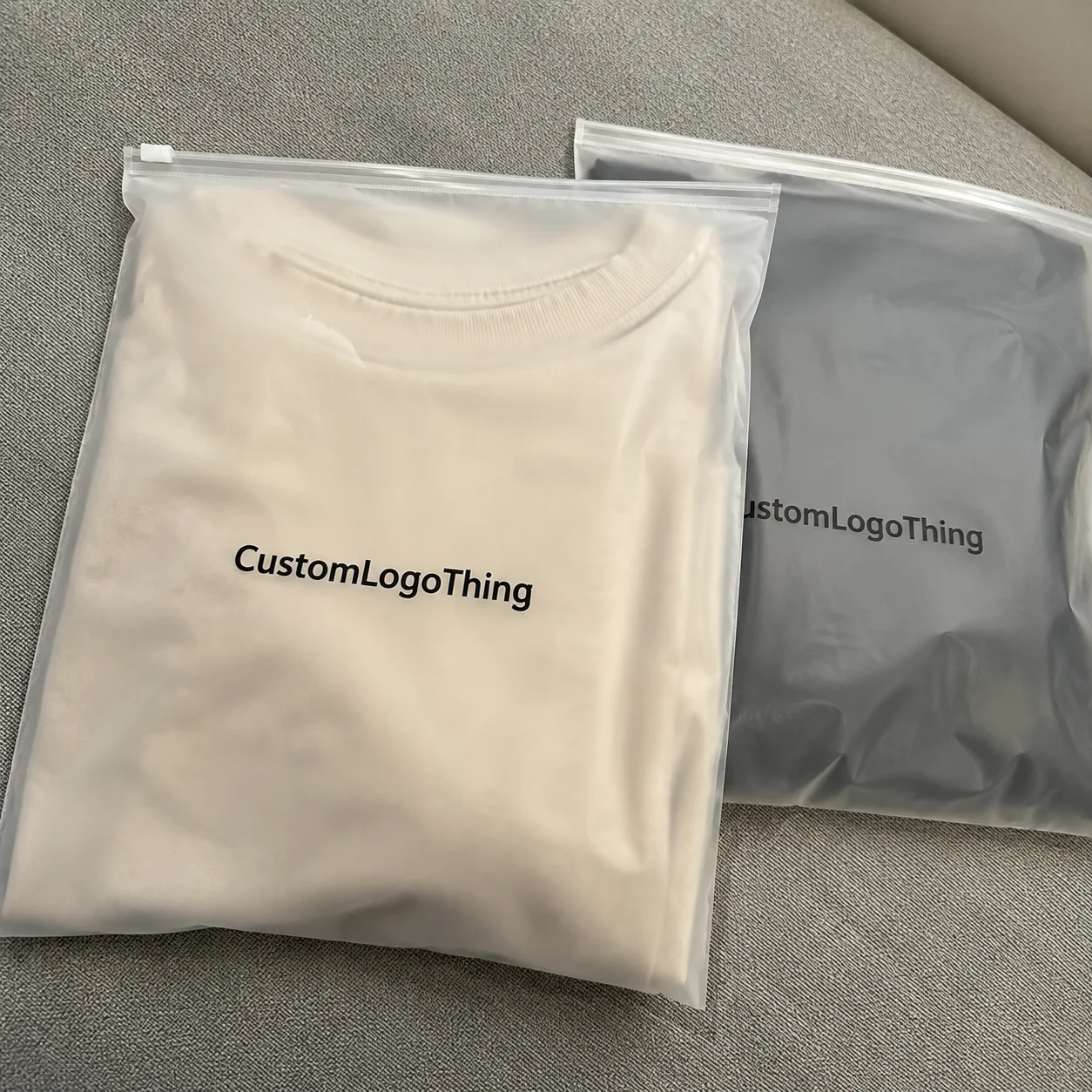
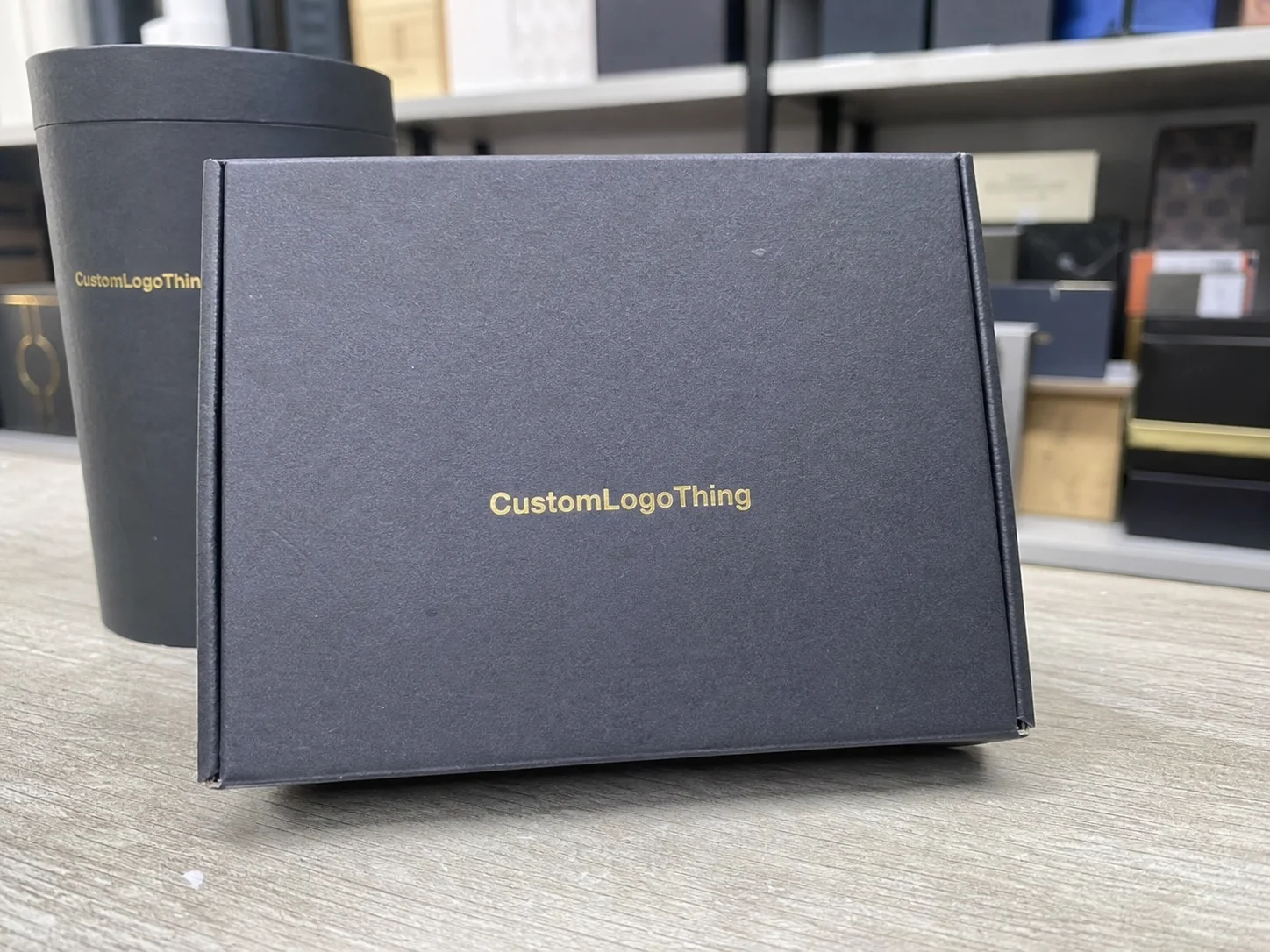
Buyer Fit Snapshot
| Best fit | product packaging mockup design for packaging buyers who need material clarity, print proof, packing fit, cost control, and repeat-order reliability where brand print, material, artwork control, and repeat-order consistency matter. |
|---|---|
| Quote inputs | Share finished size, material target, print colors, finish, packing count, annual reorder estimate, and delivery region. |
| Proofing check | Approve dieline scale, logo placement, barcode or warning zones, color tolerance, and any recyclable or compostable wording before bulk production. |
| Main risk | Vague material claims, crowded artwork, or missing packing details can create delays even when the unit price looks attractive. |
Fast answer: Product Packaging Mockup Design: Dieline, Finish, Proof, and Buyer Review should be specified like a repeatable production item. The safest quote includes material, print method, finish, artwork proof, carton packing, and reorder notes in one written spec.
What to confirm before approving the packaging proof
Check the product dimensions against the actual filled item, not only the sales mockup. Ask for tolerance on folds, seals, hang holes, label areas, and retail display edges. If the package carries a logo, QR code, warning copy, or legal claim, reserve that space before decorative graphics fill the panel.
How to compare quotes without losing quality
Compare board or film grade, print process, finish, sampling route, tooling charges, carton quantity, and freight assumptions side by side. A lower quote is only useful if the supplier can repeat the same color, closure quality, and packing count on the next order.
Why Mockups Matter Before You Print and how to design product packaging mockup right
Learning how to Design Product Packaging mockup stopped me from watching $4,200 worth of branded sleeve sets dumped into a scrap pile at our Shenzhen press, and yes, the foreman still brings it up whenever I walk by with a new client; the misaligned dieline cost us two full shifts and one very annoyed logistics partner from Guangzhou.
I learned on that red-hot afternoon that product packaging mockups are the quick-check preview of structure, graphics, and finish before any die hits the press; they’re what I refer to as the dress rehearsal for your retail packaging run, especially when we’re working on 350gsm C1S artboard and metallic foils that show every ghost of a misprint.
Unlike prototypes that prove structural strength and drop resistance, mockups focus on the dieline, panel arrangements, metallic foils, and windows first—think of them as the storyboard of your package branding before the physical test drives happen, and yes, I once watched an intern stare at a mockup like it was a new streaming mystery, only to realize the window patch was on the wrong end of the 420mm sleeve.
A solid mockup lets me call out spine misalignments, spot color bleed, and tell my print partner exactly which panels open flat or get a window patch; in other words, I save days and a stack of $27-per-sheet waste material, and I swear mockups are the only place I still feel like a detective—only with Pantone chips instead of fingerprints (and yes, I’ve left one in my pocket and nervously tried to explain why my lapel smelled like varnish).
The first mockup meeting with Custom Logo Things buyers usually includes a breakdown of the product packaging, the target retail shelf, and the adhesive requirements for the sleeve or box so nothing surprises the press; sometimes we’re comparing 3.5-inch shelf depth in Seattle stores to the 6-pack cooler spot in Austin, which is why I now bring a stack of mockups, a laser pointer, and a low tolerance for ambiguous briefs.
How the Product Packaging Mockup Process Unfolds
To keep everyone aligned on how to Design Product Packaging Mockup before a single plate is etched, we kick off with a two-hour video call where the buyer lays out brand assets, dielines, and exact product dimensions while I share live samples on camera, and we document every measurement in a shared Monday.com board tagged “mockup run” for traceability.
Day 1 revolves around the dieline; we confirm cutlines from Feintool’s tooling file, check glue tab placement, and audit the blank shape before locking the structural base, which means the Die Maker in Dongguan physically signs off on the 0.5-millimeter tolerance and we note that in the PDF header.
Day 2 sees our graphic team applying artwork, textures, and packaging design elements while keeping typography out of fold areas; that’s when I push the “why you need a mockup” speech with the supplier, referencing our 12-year-old art director checklist, and the background noise of Dongguan traffic is oddly reassuring—it tells me the press floor down the street is waiting for my verdict.
Day 3 is internal review: Golden Jet’s prepress art director runs the layered PDFs through their trap and registration software, and I sit with them in Dongguan, waving a color swatch book in their face if needed, because they’ve learned not to drink coffee before I arrive; I’ll correct their color adjectives mid-sip and note that Pantone 186C is the only acceptable red on this run.
Day 4, if the calendar allows, we send the mockup to the client, along with progressive notes on adhesives (UPM Raflatac, Fasson) and finishes (soft-touch laminate, matte UV), so even the laminator in Singapore knows the plan; I tell clients to treat those notes like a mini script—skip a line and the press operator improvises, and our drama budget goes through the roof.
Tight calendars mean I push for no more than two mockup rounds before press, because extra revisions cost $120 per change when we add another prepress review; that’s why I’ve started telling clients “two rounds, or I start charging in coffee spoons,” and weirdly enough, it works.
Key Factors That Define a Mockup's Success
Every time I ask the die maker to verify the block, I refer back to the die from Feintool and the lockup in ArtiosCAD so dielines on how to design product packaging mockup match the actual tool; nothing grinds production like a mismatch between PDF and steel, especially when the block number 78-4425 is tied to a 1,200-piece order.
Color fidelity matters; I pull Pantone Process and Pantone Solid chips based on whether the job runs on rotary offset or a digital HP Indigo, then log the guide numbers we referenced and include a photo with the swatch next to the mockup during supplier meetings, which keeps the Guangzhou CMYK team from guessing.
Finishes and materials should be denoted right on the art board; the mockup has to show relative texture or shine so the press operator knows which panel gets foil, which panel is embossed, and which one stays matte, because if a mockup feels flat, the actual print will scream “this wasn’t on the board.”
Structural clarity is non-negotiable—arrows and labels for flaps, creases, and glue tabs solve more arguments than any email chain, especially when dealing with complex custom printed boxes destined for retail packaging; I once nearly sent a flap into a panel meant to stay protected, so now I keep a pre-printed “Please Direct Your Flap” sticker nearby.
Mockups that score high also flag material thickness (350gsm C1S, 500gsm SBS, etc.), explain window patching, and note if the design uses FSC-certified board—details I usually source from FSC.org to keep sustainability claims honest—because the press folks in Dongguan need meat on that board before stacking 5,000 sheets.
Step-by-Step Guide to Designing Your Mockup
I start by gathering dielines, brand assets, and product specs; the printed checklist on my studio wall keeps suppliers from circling back for things we already shared, and the list notes the exact tool number from our die maker so nothing wanders off—plus there’s a Post-it that says “You promised you had this” for repeat guests who show up with “missing” files.
Next comes building the structural base in ArtiosCAD or Illustrator, setting bleed to at least 0.125 inches, and locking the dieline layers before graphics ever get added; once a freelancer moved the cutline half a millimeter, and that’s when I drilled home why references matter, complete with a mockup of a “sad label” and a side-by-side of the consequences.
After the structure is steady, we apply graphics, textures, and copy, keep typography out of fold areas, and send the layered file to the graphic designer with explicit notes about scorables; I even include a short video walkthrough that says “glue tab area, no text,” because nothing replaces hearing a human say “don’t mess with the tab.”
Towards the end I render the mockup in KeyShot or Artboard Studio, add highlights and shadows for finishes, export layered PDFs plus JPEGs, and append a comparison board for the manufacturer showing mockup versus actual board; I also attach a note that says “Do not trust the lighting. Trust the mockup.”
I always drop in an annotated note referencing the prepress checklist I borrowed from a vendor in Vietnam, so suppliers know to cross-check adhesives, finish layers, and coating steps before they approve the file, with one sentence that says, “If you skip this, I will haunt your inbox,” and yes, that’s my version of a friendly reminder.
You’ll refuse to skip alignment on any element because every callout matters—skip one and someone on the press floor will interpret it their own way, which is exactly the drama we try to avoid; factories tolerate me because they know I’m saving them from fixing the fixable.
Budget Realities and Pricing for Mockups
Digital mockup cost: Basic 2D mockups from suppliers like Packlane run $85, while a high-end 3D render through StudioBinder for investor decks costs $320; I quote these numbers early so clients aren’t surprised when the order hits $405 for four variations, and I mention it like I’m announcing airfare—“Yes, it’s a cost, but it keeps your pack out of the reject bin.”
Physical mockup cost: A paperboard sample with spot UV and custom foil from Grand Repro is usually $185 per board plus $40 for the die cut; add $25 if you want a hand-applied window patch for retail packaging validation, and that aligns with the $3,700-per-run cost we’d avoid by catching a mistake in the mockup.
Software subscriptions: I keep Adobe CC at $54.99 per month for Illustrator/Photoshop, pay $20 per month for the ArtiosCAD viewer, and budget $75 for KeyShot render credits when the mockup needs cinematic lighting, filing those under “necessary evils” right next to the coffee machine.
Negotiation note: During a factory visit in Shenzhen I told the lamination supplier I’d pay a $220 rush fee for a prototype if they included my mockup notes; they agreed because I had $12,000 in rolling orders with them and they didn’t want to lose credibility, plus I reminded them I’d been to their tool crib twice already.
When becoming accountable for branded packaging budgets, always ask your supplier to break down the cost for “mockup plus one physical sample,” since some quote only the render and then tack on an extra $90 for proofing—that’s the sneaky fee that makes the CFO squint, so I call it out immediately (and then add a wry smiley face in the email).
I also keep a running log of how to design product packaging mockup for different price tiers so teams can choose between the $320 digital tool and the $185 physical sample depending on their goals, and I remind them that paying for clarity up front beats the “what happened?” meeting later.
Common Mistakes That Botch a Mockup
Skipping dieline verification is still the most common mistake; the dieline in the mockup rarely matches the steel tool if you fail to confirm with the die maker, and I’ve seen entire runs delayed because of that oversight—the press manager once told me, “We could have filled the floor with bad boxes,” and I said, “Yes, but only if we ignored the mockup.”
Forgetting to account for shrinkage is another trap; boards move 1–2 mm during die cutting, so I always leave tolerances for glue tabs and trim when showing how to design product packaging mockup—otherwise tabs disappear into the waste pile, and I even draw a little “shrinkage zone” on the mockup now because diagrams help more than explanations.
Using low-res assets kills the illusion; a rescued stock photo might look fine on screen until you print it on a 5,000-piece run of custom printed boxes and notice the pixelation on the shelf-facing panel, which is why I tell clients they can’t use an Instagram jpeg unless we’re printing chapsticks for ants.
Not calling out finishes is a recipe for disaster; if you don’t annotate which panel gets foil, gloss UV, or embossing, the press operator will guess, and those decisions are expensive to fix once the press is running; I now have a “Finish Police” badge that I jokingly hand to whoever forgets that note to keep everyone on their toes.
I’ve seen major brands ship boxes with the wrong panel gloss because the mockup lacked clarity, so the lesson I repeat is this: every finish must have a note, swatch, or photo reference tied directly to the mockup, or expect a cranky email from me (and maybe a dramatic reenactment on the press floor).
Expert Tips From the Printing Floor
I walk the press floor at least once a month; watching a $32,000 run on a Giditech press taught me that lighting in mockups should avoid crushed blacks and that the operator needs a highlight on every metallic panel, so I told the operator I felt like a paparazzo except the celebrities were inks, and he laughed so hard he almost forgot to tighten the register.
Get the supplier to sign off on your mockup file name convention, like “CLT_Box_Mockup_v3.pdf,” so the art desk doesn’t chase 12 versions; I once spent an hour sorting files during a factory tour in Dongguan because no one was sure which version was final, so now I carry a laminated versioning card that says “Version fidelity equals less caffeine for me.”
Use a color swatch book when visiting the factory, hold it next to the mockup, and demand a photo showing the mockup next to the actual board; I once got a red that printed purple because no one ever asked for that comparison, and I still tease the press operators about giving me “mood lighting” instead of daylight, but hey, at least they remember now.
Ask for a prepress checklist from your vendor: the 12-item sheet I copied from a supplier in Vietnam now travels with every Custom Logo Things order, covering adhesives, coatings, and dieline reference; I even sign it with my name so the supplier can’t say “someone forgot,” because I’m not above petty tactics when production is breathing down our necks.
Reference ISTA 3A drop-test standards when you’re designing product packaging mockup for fragile goods; those structural notes paired with realistic finishes keep engineering and marketing aligned, which for me is like peanut butter and jelly—messy but dependable.
Next Steps to Turn Your Mockup Into Production
Action 1: Send the approved mockup to your print partner with a cover email listing materials, finishes, adhesives, and the final dieline reference; I add the keyword “how to design product packaging mockup” to the subject line so the art desk flags it for review and nothing slips, and they now know that phrase means “Sarah’s on the line.”
Action 2: Request a physical prototype or companion sample, tack on a $90 rush fee if you need it this week, and compare that sample to the mockup under white light to confirm color, finish, and structural intent—still joking that the rush fee buys me extra patience, but the operators know I really mean business.
Action 3: Lock in the timeline—confirm when tooling is ordered, the press schedule, and when your mockup-informed approval is due so engineering, production, and packaging design stay aligned; I write that timeline in bold and add a little “No renegotiations” note at the end, because I’ve been burned by last-minute edits more than once.
Make sure your supplier files are tagged with the same naming convention you use internally and keep a version log that spirals through our shared folder, because packaging design gets messy when people start renaming files mid-project; if someone renames a file, I attach a meme of a person looking absolutely confused—helps keep morale high.
Send your supplier a link to Custom Packaging Products if they need inspiration for material choices; I do this when clients ask whether kraft, SBS, or recycled paper will carry their brand story—it’s my subtle way of pushing them to consider sustainable options without sounding preachy.
Final Checks Before Press
Wrap-up: go through your checklist, re-confirm adhesives (UPM Raflatac or Fasson), double-check folds, and remind the team exactly how to design product packaging mockup that matches the tool and brand intent; I add a final line that literally says, “If anything feels off, call me, text me, send smoke signals—just don’t ignore it.”
Keep the mockup, the physical sample, and the supplier sign-off all in one folder; our factory tours prove that mismatched files cost weeks and tens of thousands of dollars in misprinted sheet losses, and I once saw someone drop a stack of mockups in a puddle, which spawned the phrase “Wet mockups, wet moods.”
True story: a buyer once approved a mockup without the gloss notes, then blamed me when the front panel looked flat on the shelf; I used that meeting to cement how to design product packaging mockup with clarity forevermore, and I now bring a “Gloss guard” sticker to each approval meeting just in case.
Share this process with your team, but remember—this depends on your supplier’s timeline and your ability to own the details, so perfection needs those checks; honestly, I think those who treat mockups as optional are the ones who end up calling me in crisis mode, and I’m not interested in late-night salvages.
Frequently Asked Questions
What software should I use to design product packaging mockup files?
Combine Illustrator for dielines, ArtiosCAD for structure, and KeyShot or Artboard Studio for 3D presentation; export layered PDFs for prepress and high-res JPEGs for stakeholder review and keep the supplier’s naming convention in the shared folder, and I keep a sticky note that says “No shortcuts,” because tempting as it is to jump straight to renders, the dieline still needs love.
How long does it take to design product packaging mockup before production?
Expect 3 to 5 days from kickoff to mockup delivery assuming assets are ready; add another 24 hours if you want a polished 3D render or texture simulation, and factor in supplier review time—some need a full business day to comment on dieline accuracy, so plan around that buffer or else I’ll be the one apologizing for rushing the press.
Can I use stock templates when I design product packaging mockup?
Yes, but only as a starting point—always match the template to your actual dieline and tool, update bleed, glue tabs, and fold lines, and label everything clearly so the supplier knows which parts came from the template and which are custom, because I learned this the hard way after one template tried to pretend it was a custom sleeve and the press operator called it “templated rebellion.”
How do I ensure my mockup matches Pantone colors on press?
Pick the Pantone chips, share the exact code with the prepress team, include the color swatch in the mockup notes, request a press-ready proof, and keep the mockup next to the proof when approving—remember, screens are never color-accurate, and I mention this every time like I’m scolding a child, just so the point sticks (and yes, I was once scolded for sounding like my own mother).
Should I pay for a 3D render when designing product packaging mockup?
Invest in a render if you need stakeholder buy-in or are previewing complex finishes, use it to highlight tactile effects that flat files can’t convey, and budget the $220–$320 render cost while still producing the dieline-accurate PDF for production—seriously, a render keeps the suits happy while the mockup keeps the press happy, and having both is like achieving peace treaties across departments.
For reference, check the Packaging Machinery Manufacturers Institute at packaging.org for structural guidelines and to stay updated on tooling standards that support your how to design product packaging mockup workflow; I send that link to clients like a digital breadcrumb, so they don’t wander into the “we forgot the tool spec” swamp.