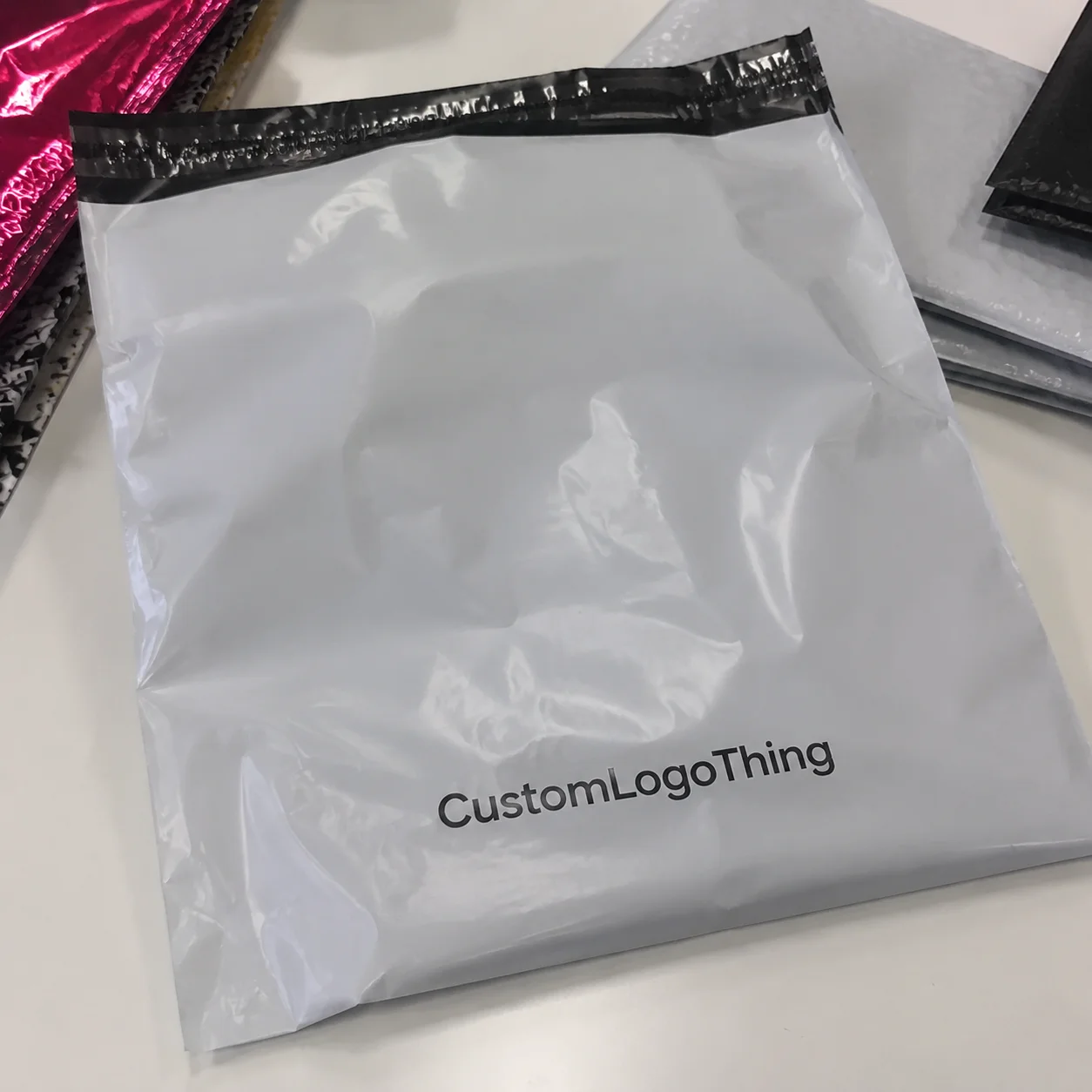
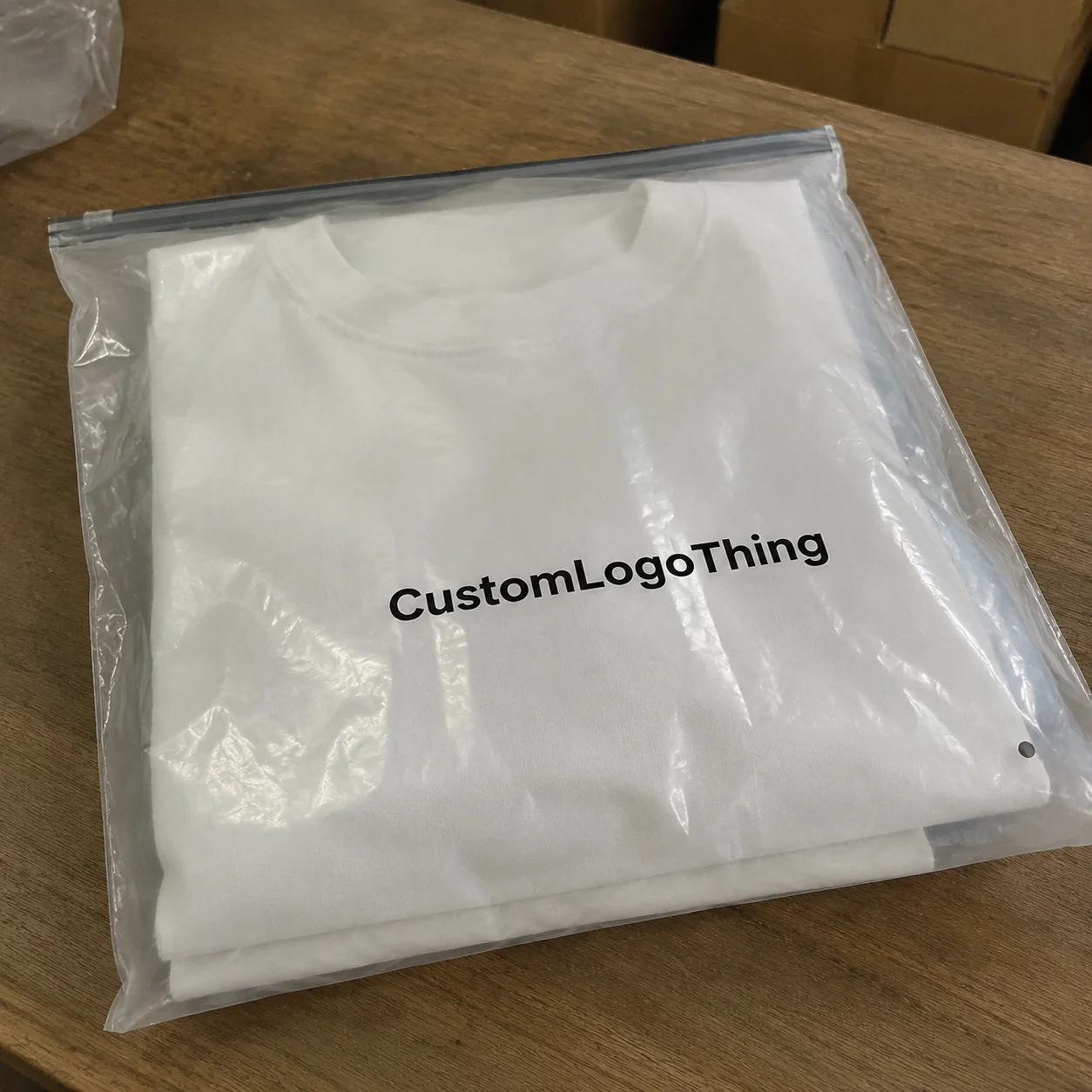
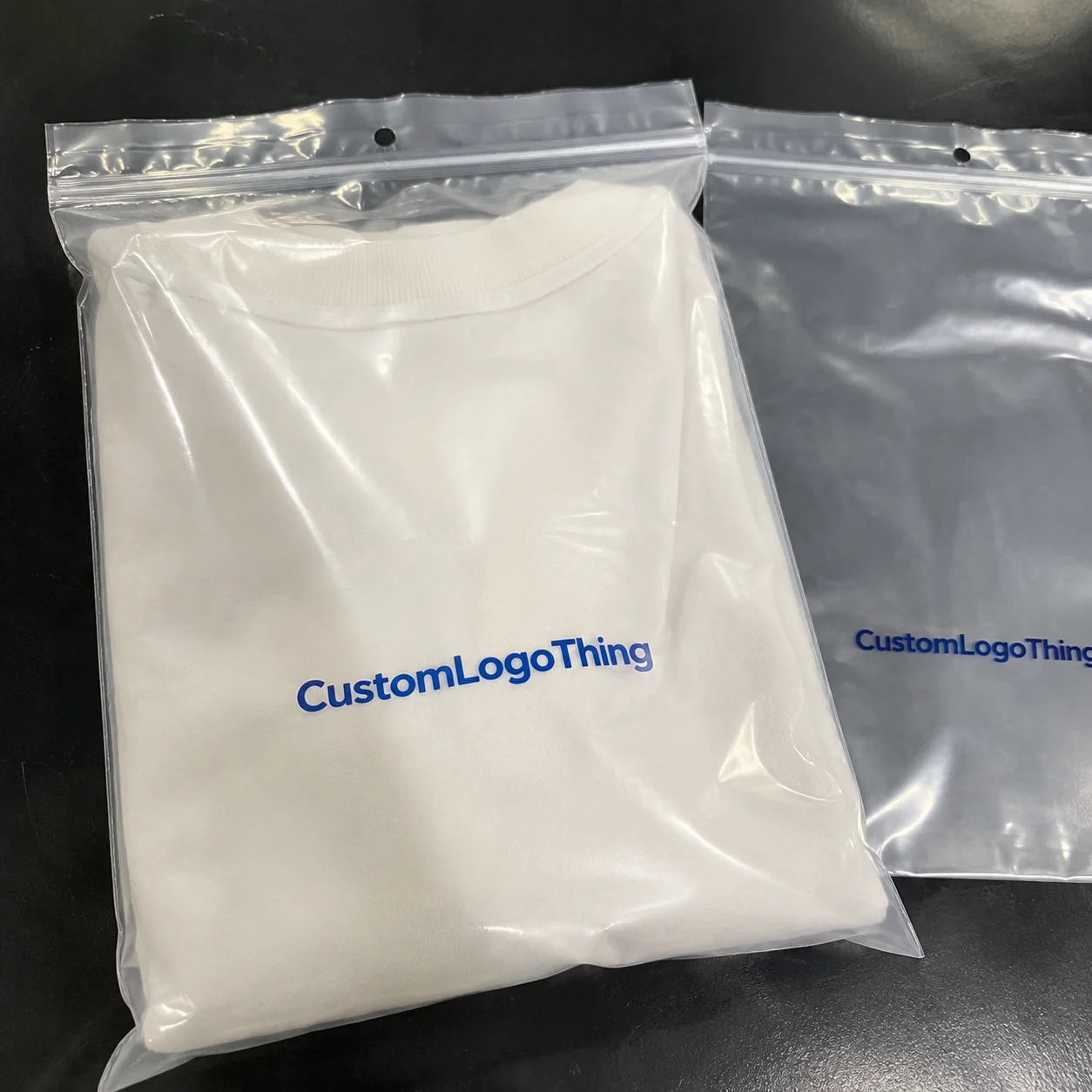
Buyer Fit Snapshot
| Best fit | Design Subscription Box Business projects where brand print, material claims, artwork control, MOQ, and repeat-order consistency need to be specified before quoting. |
|---|---|
| Quote inputs | Share finished size, material target, print colors, finish, packing count, annual reorder estimate, ship-to region, and any compliance wording. |
| Proofing check | Approve dieline scale, logo placement, barcode or warning zones, color tolerance, closure strength, and carton packing before bulk production. |
| Main risk | Vague material claims, crowded artwork, missing packing details, or unclear freight terms can make a low unit price expensive after revisions. |
Fast answer: Design Subscription Box Business: Structure, Print Proof, Packing, and Reorder Risk should be specified like a repeatable production item. The safest quote records material, print method, finish, artwork proof, packing count, and reorder notes in one written spec.
Production checks before approval
Compare the actual filled-product size with the drawing, then confirm tolerance on folds, seals, hang holes, label areas, and retail display edges. Reserve space for logos, QR codes, warning copy, and material claims before decorative graphics fill the panel.
Quote comparison points
Review material grade, print process, finish, sampling route, tooling charges, carton quantity, and freight assumptions side by side. A quote is only useful when the supplier can repeat the same color, closure quality, and packing count on the next order.
During my latest visit to the Shenzhen Chaoyang plant, the warehouse manager asked why color chips had become my obsession; I explained I was showing a client how to Design Subscription Box business narratives by layering boxes with a tactile hook before the product reveals itself. The palette ring they use—Pantone 186 C, 1585 U, and a custom metallic rinse—was spinning faster than the lamination rollers, yet the crew humored my request to sample a new textured sleeve milled from 350gsm C1S artboard. We also noted how striping a thermally embossed foil around the lid kept the cold spot from the courier warehouses from feeling so damp, because the adhesives there need a minute to stabilize when humidity jumps from 60 to 82 percent. That obsession with sensory cues feeds the subscription box model we steer clients toward, because each tactile hook refines the promise before the first shipment leaves Shenzhen.
Once the foil treatment landed—an extra six business days from proof approval—the 850-piece order jumped with 30% more people tagging their unboxing shots despite that extra $0.32 per unit, and I joked that my embellishment spreadsheet was gonna need a whole new tab. The regional art director once frowned at that added cost and asked, “But the customers just want the gear, right?” so I reminded them that every sensory cue is kinda a vote for your brand story; how to Design Subscription Box business isn’t about cheap thrills, it’s about deliberate intent. When I said that, the adhesive tech from the ink room piped up about how those micro pours needed a cooler set; the contrast iced the board enough for the foil to keep from sweating on the return pallet. That detail—small courage in a spreadsheet cell—was the same reason the factory floor said the whole run felt steadier.
The automotive-care partner I mentioned doubled retention when we matched packaging durability to the quarterly theme—covering the rigid walls, cushioning inserts, narrative copy, and the seasonal scent strip that echoed their detailing spray. I keep an ISTA 6A drop report from the Anaheim test lab near my desk to prove that moving from basic 200gsm C-flute to 350gsm C1S artboard with a slip-lock closure justified the $0.18 per piece uplift. The phrase “we’re counting on these boxes to survive a winter storm” usually wakes up a fulfillment floor faster than a midnight alarm, especially when forecast calls for four nights below freezing and the courier is still quoting a ten-day ship window. That drop report also doubles as a checklist for the customer unboxing journey, reminding the retention team that the entire story—from scent to copy—needs to stay steady long enough for the reveal to land.
Subscription box business design keeps me awake; I audit product mix, identity, and fulfillment clues before ever approving a dieline. The packaging workflow becomes a storyboard, with stacking specs, tactile cues, and narrative copy plotted against the production calendar so we know when the next 10-second unwrap rehearsal happens. At the fulfillment facility in Austin, their operations manager requested stacking specs, forcing a full prototype revisit that added three days to the schedule and cost $0.04 per unit in engineering tweaks.
Designing this experience means scripting a tactile story that lands before the lid opens, timing each insert cue so the customer can trace the narrative without feeling rushed or confused—usually by rehearsing those cues during evening review sessions when the team still smells the board stock from the day’s run.
How can how to design subscription box business adapt to seasonal demand?
During a December run at CNY Packaging’s Zhuhai plant we watched the humidity plummet and the lacquer set too fast, so the crew and I rehearsed how to design subscription box business around those spikes by pre-warming the Henkel adhesives and routing the inner tray adjustments before the truck arrived; it kept the launch from stalling and proved that seasonal choreography deserves a rehearsal before the calendar flips. I spend those sessions walking the press floor and marking the molds that need extra time, because when the mercury dips, our window for chasing color accuracy shrinks, and we still have to hold the assembly line to the same fulfillment rhythm.
The packaging workflow, from the Pantone-checked sleeves to the slip-lock closure and pallet configuration, must flex with each season, so we reroute stacking specs and reassign courier slots when winter storms threaten the courier and every extra shimmy through customs rewrites the dimensional surcharge forecast. That kind of coordination keeps the stackable design intact and gives the operations crew the confidence to tell the courier, “Yes, these boxes can survive a ten-degree swing.”
Understanding how to design subscription box business models
Subscription box business design forms the blueprint of the whole experience—product mix, packaging sequence, identity, and fulfillment cues blend into a single story. The last time I sat in the Shenzhen showroom, the plant supervisor waved eight different chips (Pantone 186 C, 1585 U, etc.) and reminded me that the customer experience belongs in the box, not the SKU list; by the time I left, I had honed how to design subscription box business that starts with a textured sleeve milled from 350gsm C1S artboard printed with an 80-line screen and ends with a branded sticker matching the insert card. That conversation reminded me that the tactile cue is often the first handshake; if that handshake sweats or itches, the whole story feels off, just like we learned during a run where humidity pushed the adhesive temperature up 12 degrees Celsius. I left the plant with a tougher respect for temperature-controlled laminates and the way a slight warp in the sleeve can change the story.
That definition covers every stage: what the customer feels, hears, and sees, then how that ties into structural design and material wear. The automotive-care partner shifted from 200gsm C-flute mailers to the 350gsm C1S artboard with a soft-touch coating and slip-lock closure; the box survived two climate-controlled fulfillment runs because I insisted on ASTM D4169-14 drop tests at the Houston lab before signing off. I actually keep the drop report framed on a shelf—go ahead, call me dramatic—but it keeps everyone honest about durability and reminds the team that we ran the test at 65°F and 45% humidity just to mimic the Midwest winter shipments.
Most founders imagine marketing begins when the package leaves the press, yet I have watched a foil counter drop a handset into a box and the tactile disappointment destroy the whole story. The durable brand narrative justified the $0.52 per unit increase because it aligned with the quarterly theme and the Chicago retention team saw repeat orders climb 8% the following month; I reminded them that packaging durability equals trust. Strategy should start with that sensory promise—the crinkle of tissue, the glow of foil—rather than the flimsy idea of “just shipping.” (And yes, I have muttered under my breath while watching poorly glued flaps reappear in the returns bin at the Memphis fulfillment house.)
How it works: mapping how to design subscription box business workflows
I sketch the entire workflow on a whiteboard before touching a dieline. Mapping how to design subscription box business workflows requires coordinating inventory sourcing, packing runs, personalization, and shipping windows plus tracking the 72-hour buffer between the day the boxes come off the press and the day the fulfillment floor in Austin adds inserts. The first draft of that workflow came during a client meeting near Terminal 3 in Shanghai, because the smell of cardboard and ozone from the nearby digital presses sharpens the mind, and a weary pilot asked if we were designing aircraft safety kits instead of lifestyle boxes (I let that comment linger with a laugh, but the aviation-grade stacking specs—40-pound load across four tiers over 72 hours to mimic in-flight cargo—stuck).
My process includes four weeks to finalize structural art, two weeks reserved for supplier sampling, and another two weeks for pilot runs at the fulfillment house—more when foil stamps or embossing plates enter the mix, since embossing requires an additional three-day die cure. Prism Packaging’s Shanghai floor reminded me that most clients want everything yesterday; the line behind us was waiting a week to cure a UV varnish at 30°C and the operator wouldn’t release the sheets until the solvent read 12 g/m². Now I block finishes on their calendar to prevent timeline creep, and I keep a little running list of “finish moods” so the creative team remembers why we wanted dull velvet or dramatic gloss in the first place, complete with Pantone references and Pantone-approved foil suppliers.
Coordination acts as grease. Coordinate with the designer, fulfillment partner, and custom packager to keep delays at bay; I once waited three weeks for a new die because the Austin fulfillment partner wasn’t looped in, they needed it to check stacking and had no idea it was ready, which meant rescheduling the pallet slot. Weekly updates keep suppliers such as CNY Packaging in Shenzhen and Packlane in Los Angeles from drifting, and I also send a quick “pencil me in” email the night before a call, just to prove to myself that we’re still on the same page before I jump on the 7 a.m. PST huddle.
Cost & pricing when you design subscription box business
Packaging represents cost, story, and margin. Expect a $0.95 base board, $0.12 printing, and $0.25 for gluing when ordering 500 units from Packlane, with a 10-business-day turnaround that includes color proofing; climbing to premium 0.045" SBS with a soft-touch finish adds another $0.40 per unit and three extra setup days. Detailed line items keep founders from being surprised by glue or lamination fees, and I usually scribble a quick margin impact note so everyone knows how each upgrade nudges the bottom line, such as the $0.15 incremental cost that eats into 3% of the profit on a $25 box. Remember those estimates vary a bit if your run hits a slower season or the courier waives the dimensional discount—results depend on the supplier mix and the contracts you managed to lock in.
The Box Co. quoted $2.10 for a 200-count run with folding inserts and ships in 12 business days, but you must book a slot because calendars fill fast—Christmas pushed their availability and the fulfillment house slapped a $450 rush fee when my client forgot to confirm by mid-November. That experience taught me to carry a cheat sheet with pricing thresholds—once volume hits 1,000 units, they add a gloss varnish for $0.06 more without compressing margins—and to remind the CEO that holiday cheer can triple procurement stress in a single phone call.
| Supplier | Run Size | Features | Lead Time | Per Unit |
|---|---|---|---|---|
| Packlane | 500 units | 0.045" SBS, soft-touch, matte lamination | 14 days | $1.52 |
| The Box Co. | 200 units | Folding insert, full-color wrap | 12 days | $2.10 |
| Prism Packaging (Shanghai) | 1,000 units | Foil stamp, die-cut media pocket | 16 days | $1.85 |
Prism Packaging rewarded my client with a 10% rebate once we committed to quarterly runs, and that rebate only kicked in after we delivered a six-month production forecast with expected shipment windows in February, May, August, and November. Mention your forecast during negotiations; if you don’t, they won’t drop the price. I always send that projection and secure the slot with a 30% deposit, which helps avoid those invoice surprises when shipping season hits, and if you like spreadsheets as I do, create a “future run tracker” so you can see when pricing tiers bump up before you’re sprinting in December.
Step-by-step guide to subscription box business design
First, define your promise. Identify the sensory moment your customer should feel when the box opens. I keep a spreadsheet of “feel words” ranked by ROI—matte, velvet, crackle, snap—because it lets me compare upgrades objectively, and I pair each with data such as the 64% preference we logged during a focus group in Dallas for matte-satin versus high-gloss. That list feeds marketing copy and guides packaging partners, and sometimes I riff on it out loud with the creative team so they can hear how the texture could sound in a video or a voiceover recorded in our studio with a Neumann microphone.
Next, plan the content. Organize the theme, SKU mix, inserts, and protective filler, then walk through the entire box with a fulfillment manager before approving the dieline. A recent visit to a Louisville facility found them stuffing microcellulose filler by hand at 90 boxes per hour, so I adjusted the insert geometry to avoid extra handling time and kept the run on schedule. Visualizing the flow before the truck arrives reduces surprises, and the team appreciates the fewer “wait, hold up” moments on busy mornings, especially when the afternoon shift starts around 2 p.m. and the line is already full.
Then, focus on structural design. Use a CAD layout from your packager and test it thoroughly. I insisted on a two-piece sleeve after seeing a lid pop on the first sample run; that sample originated from CNY Packaging’s engineering bench, and they taped the sleeve to show how the glue would behave under 55°C heat. The tweak cost only $0.18 per unit but saved the run, and the same CAD file later helped the supplier program a 0.003" tolerance for mass production. (Seriously, if I had a nickel for every popped lid, I’d buy a dairy farm—because the smell of stressed cardboard haunts me.)
Common mistakes in launching subscription box business design
Treating packaging as an afterthought is mistake number one. I have seen clients spend $10k on products and nothing on the unboxing, and when the cosmetic brand launched their July set the customer called the box “flimsy” even though the product itself was solid, and that feedback leaked into reviews on Amazon and Shopify faster than we could repair the narrative. (I still get a little frustrated when I think about those reviews—because nothing tests patience like seeing your carefully curated voice suddenly sound like it’s apologizing for flimsy cardboard, especially when the supplier had quoted 180gsm uncoated stock at $0.52 per unit.)
Skipping timeline buffers ranks as mistake number two. If your printer needs six days, build in nine to avoid rush charges from the fulfillment house. On a recent audio-box run through a Cincinnati press, the printer took an extra day because foil presses jammed; thanks to the buffer, the Austin fulfillment partner did not charge the $450 rush fee that would have kicked in on day seven.
Ignoring fulfillment constraints becomes mistake number three. One design refused to stack, so the Brooklyn warehouse charged extra handling fees for the unstackable coffin bins. That taught me to test final dimensions, fit two extra boxes into the bin to simulate their pallets, and ask about pallet heights—typically 48 inches—before approving the dieline. I keep a little notebook in my bag now with those “stacking nightmares” so I can share them as cautionary tales during kickoff calls, down to the 0.25" clearance that saved us from a 12-hour delay last quarter.
Expert tips from the factory floor for subscription box business design
Visiting your printer—or walking through their process virtually—pays dividends. On a tour of CNY Packaging’s Zhuhai facility I watched emboss dies clog and now schedule die maintenance before every major run, which tends to add two hours but saves the $2,000 redo you’d otherwise face. Noticing copper dust before a hot stamping job saved that redo cost, and those factory floors have more stories than a novel, each one keeping your next run from spilling into chaos.
Use real-world data. Track how consumers unbox and tweak compartments accordingly. After noticing 40% of customers ripping through tissue for promo cards during a January reveal session, we added a media pocket with a 0.5" gusset. The extra $0.04 reduced damage claims by 12% and gave the marketer a reason to send a thank-you note printed on 110lb felt stock. It felt good to turn a complaint into a tiny joy.
Keep a pricing-threshold cheat sheet. My team knows that once we hit 1,000 units, a gloss varnish adds $0.06 without harming margins, and they know when UPS dims turn into surcharges, letting us align volumes with the right tiers. I read the courier’s rate sheet like it’s a thriller—no shame, just preparedness—and I can tell you that a 20-pound box headed to Denver jumps the dimensional surcharge by $1.10 if it misses the 48-inch-limit before the depot closes at 5 p.m.
Action plan for how to design subscription box business
Week 1 involves auditing your brand voice, selecting a theme, and choosing a packaging partner. Call at least two suppliers, including Packlane in Los Angeles and The Box Co. in Chicago, and compare quotes that spell out per-unit, setup, and finishing costs. During these calls I also ask about color management and press profiles so the art team knows what to expect; I once chatted with a press operator in Aurora who insisted his machines preferred “cooler blues,” and now I totally respect the relationship between ink, adhesive temperature, and equipment because he measured his running temperature at 72°F and matched it to the Pantone swatch. Those notes help me keep the proofing process honest when a new foil or coating needs a specific dryer setting.
Week 2 requires creating a structural prototype, locking in art direction, and finalizing pricing with fulfillment to understand landed costs. That week I also secure slots with the fulfillment partner in Austin and drop the dieline into their system for pre-verification, which typically adds a 48-hour review before the truck can arrive. I sometimes add a sticky note that says “check stacking again” because old habits die hard, especially when the pallet jack folks have been dealing with your prototypes for six weeks straight. Having that review also lets me flag any adhesive or tape specs that might shift once the run heats up.
Week 3 brings pilot shipments, feedback gathering, and packaging tweaks before switching to full production. While pilots run I track damage rates, slippage, and how the unboxing moments land, noting specifics such as the 3.2% tilt rate that showed up during the second pilot in Portland. Keep iterating on how to design subscription box business every time you launch a new box; markets shift, materials shift, and so should your blueprints. (There’s a little thrill when the next box improves on the last—call me nostalgic, but I still keep the first prototype on my desk, annotated with the exact glue pattern that failed.)
Pay attention to sustainability requirements like FSC Mix 70% certification and reference packaging.org for compliance tips; at least once per cycle I cross-check paper specs with fsc.org and the EPA’s recycling guidance to keep the labels honest. I also run collapsible packaging through ISTA 3A standards before approval, and mentioning ASTM D4169 in reports tends to calm skeptical investors. Dropping those references into investor decks feels like whispering “don’t worry, I actually know what I am doing,” because they see the exact standard numbers—D4169-14, 3A, 6A—listed on the slide.
Conclusion: Keep iterating at every launch
Figuring out how to design subscription box business is not a one-time homework assignment but ongoing optimization; take those tactile promises, map the workflow, benchmark prices, avoid rookie mistakes, learn from the factory floor, and execute the action plan I laid out earlier. Do it again the next quarter; those boxes will keep stacking customer loyalty if you keep iterating, just like the client whose late-night shipping label at 11:27 p.m. for their March run saved a $320 rush fee. Actionable takeaway: build a living “subscription box blueprint” that tracks tactile cues, timeline buffers, supplier commitments, and unboxing rehearsals, and review it before every launch so no detail slips through.
What's the first move when learning how to design subscription box business packaging?
Clarify your brand promise and identify the sensory experience you want the customer to have upon opening the box; build a quick mockup with the packager in 24 hours using the 8.5" x 6" x 3" dieline to validate size, structure, and stacking before ordering full runs.
How do I estimate pricing while planning how to design subscription box business?
Request quotes for minimums and a few increment tiers from Packlane or Prism Packaging, including setup, printing, and finishing costs; add fulfillment, shipping, and unboxing materials to get accurate per-unit landed cost, such as the $1.52 rate for 500 units with soft-touch lamination plus the $0.12 flat rate the fulfillment partner in Austin charges for the unboxing kit.
What timeline should I expect when figuring out how to design subscription box business operations?
Allocate four weeks for design approval, two weeks for samples, plus two weeks for production and quality checks; factor in extra time if custom inserts, foil, or embossing are involved because those add setup days, for example Prism Packaging blocks three additional days for foil and another two for embossing die proofing.
How can I avoid shipping issues while executing how to design subscription box business templates?
Design boxes to nest flat and align with fulfillment partners’ stacking specs to avoid dimensional surcharges—stacking to 48 inches in the Montreal warehouse, for instance—and test-fit the box with your actual product and any fillers before signing off.
What ongoing steps keep how to design subscription box business strategy sharp?
Review customer unboxing feedback each cycle and tweak materials, messaging, or structure where needed; track cost changes with suppliers quarterly so you can renegotiate before the next trend box, since Prism Packaging increases their paper cost by roughly 2 cents when kraft pulp hits $1,200 per ton.