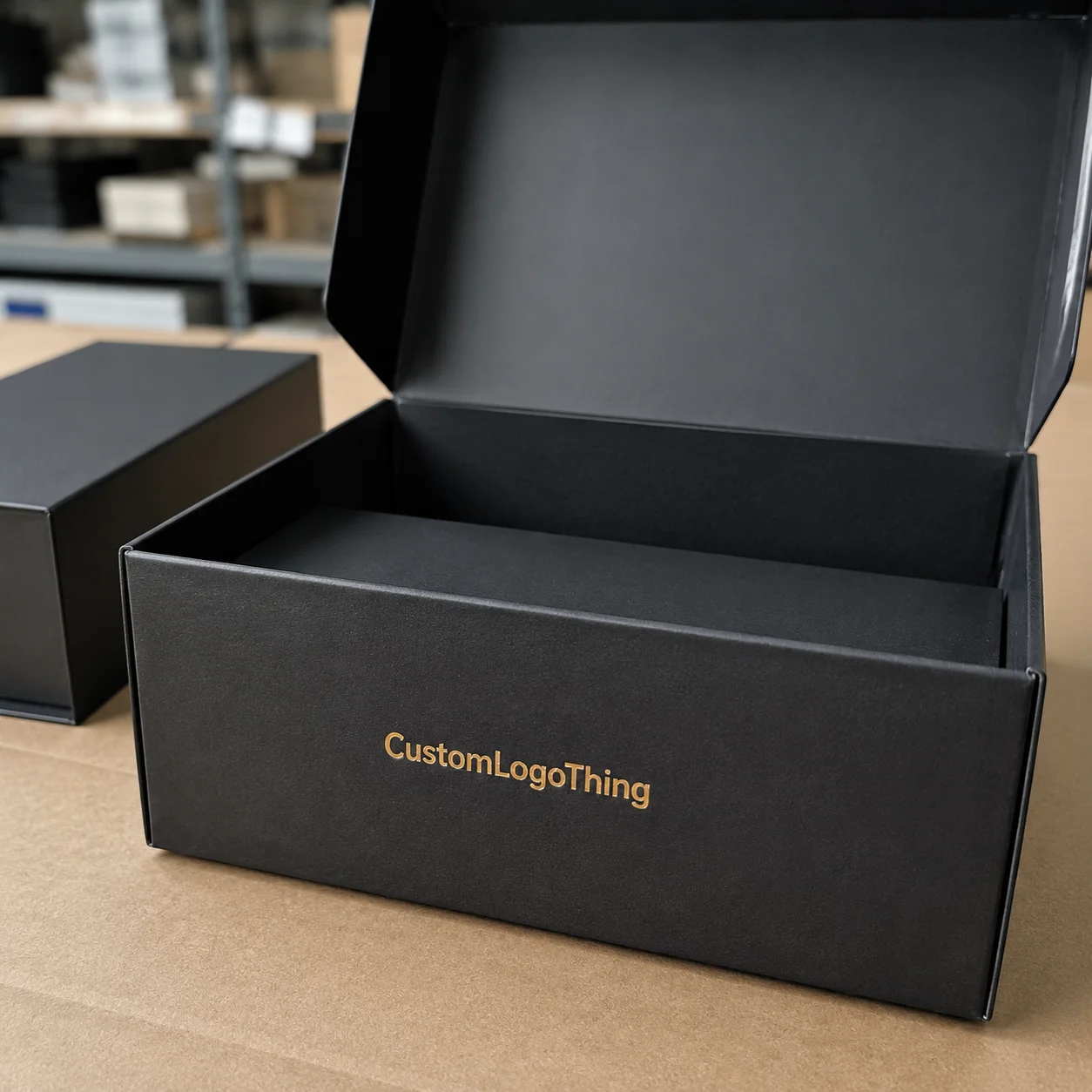
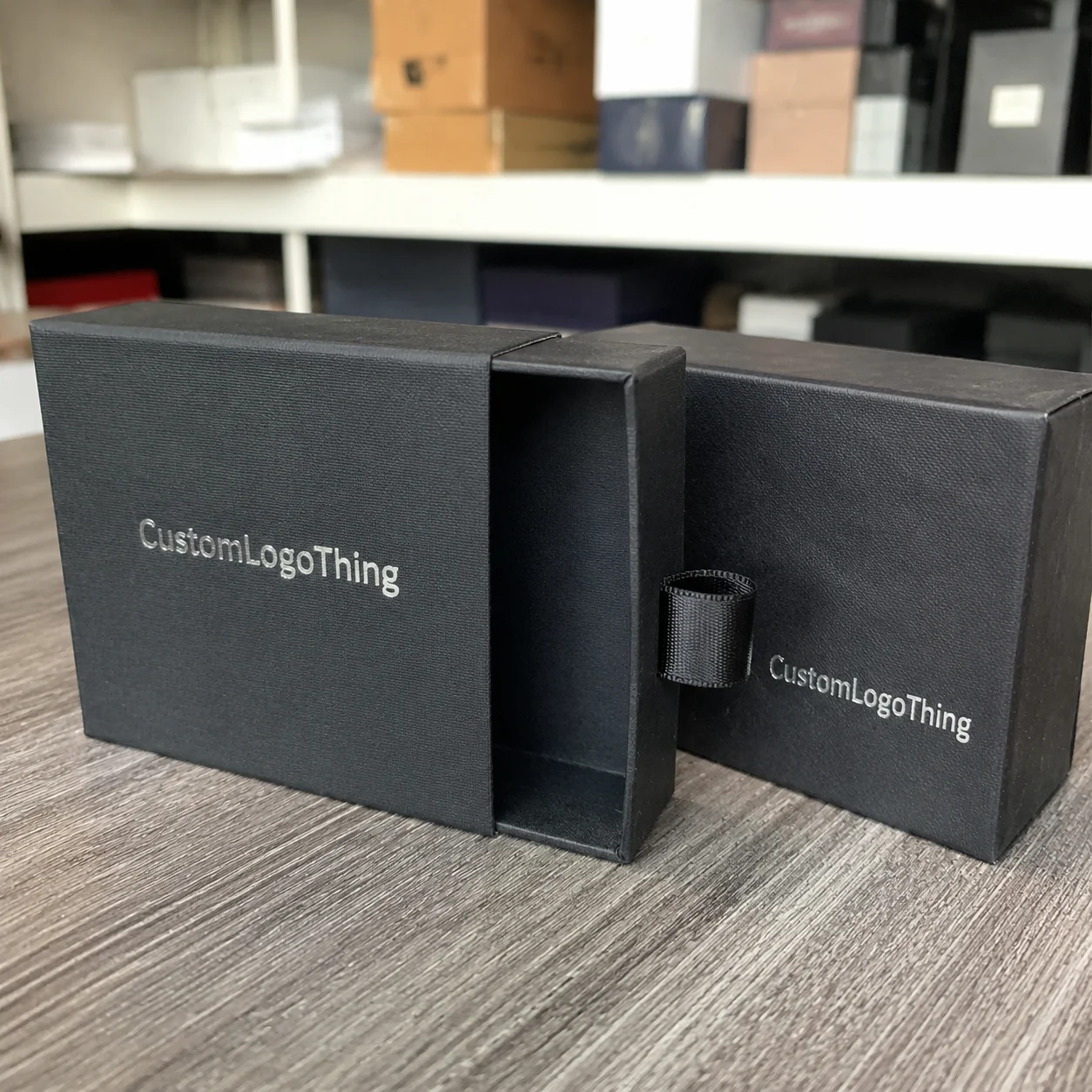
Buyer Fit Snapshot
| Best fit | design subscription box business packaging buyer review for packaging buyers comparing material specs, print proof, MOQ, unit cost, freight, and repeat-order risk where brand print, material, artwork control, and repeat-order consistency matter. |
|---|---|
| Quote inputs | Share finished size, material target, print colors, finish, packing count, annual reorder estimate, and delivery region. |
| Proofing check | Approve dieline scale, logo placement, barcode or warning zones, color tolerance, and any recyclable or compostable wording before bulk production. |
| Main risk | Vague material claims, crowded artwork, or missing packing details can create delays even when the unit price looks attractive. |
Fast answer: Design Subscription Box Business Packaging Buyer Review: Dieline, Finish, Proof, and Buyer Review should be specified like a repeatable production item. The safest quote includes material, print method, finish, artwork proof, carton packing, and reorder notes in one written spec.
What to confirm before approving the packaging proof
Check the product dimensions against the actual filled item, not only the sales mockup. Ask for tolerance on folds, seals, hang holes, label areas, and retail display edges. If the package carries a logo, QR code, warning copy, or legal claim, reserve that space before decorative graphics fill the panel.
How to compare quotes without losing quality
Compare board or film grade, print process, finish, sampling route, tooling charges, carton quantity, and freight assumptions side by side. A lower quote is only useful if the supplier can repeat the same color, closure quality, and packing count on the next order.
Learning how to design Subscription Box Business packaging is not about making a pretty box and calling it strategy. I’ve watched brands spend $18,000 on a gorgeous launch, then lose repeat buyers because the lid crushed in transit, the insert rattled, and the first impression felt cheap. That hurts. The funny part is that most of the time the product itself was solid. The packaging just failed the customer at the one moment that mattered, often after a 12- to 15-business-day production cycle from proof approval and a rushed freight booking from Ningbo or Dongguan that saved nothing in the end.
I remember one founder telling me, with total confidence, that her customer base would “just understand” a little corner crush because the product inside was excellent. Honestly, I think that’s the kind of sentence that only survives until the first angry email lands, usually with a blurry photo attached and a shipping label dated from a Dallas fulfillment center. In my experience, subscription packaging is part of the product, not a shipping container with a logo slapped on it. When I visited a Shenzhen corrugated plant years ago, one client changed from a generic kraft mailer to a 350gsm printed paperboard mailer with a matte AQ coating and a tight two-piece insert. Same products. Same price point. Yet the perceived value jumped because the customer saw order, care, and brand identity before they even touched the product. That is the real job of how to Design Subscription Box business packaging: retention, brand recall, protection, and social sharing, all in one compact logistics puzzle.
Most people get the sequence wrong. They design the box around the artwork first and the shipping reality second. That’s backward. If you want to understand how to design subscription box business packaging That Actually Sells, start with the unboxing path, the freight math, and the customer’s memory of the brand 30 seconds after opening. The rest gets built around that, whether your cartons are printed in Chicago, assembled in Louisville, or produced in a Guangdong factory that runs litho lamination before lunch.
How to Design Subscription Box Business Packaging That Hooks Buyers
The subscription box market has a brutal truth attached to it: many boxes fail at the unboxing moment, not because the product is bad, but because the packaging feels forgettable, flimsy, or chaotic. I’ve seen brands lose retention on boxes that looked fine on a render and embarrassing in a customer’s kitchen. That is why how to design subscription box business packaging starts with emotion and ends with engineering. You want the customer to feel like they got something curated, even if you packed 5,000 units on a Thursday afternoon with a tired fulfillment team in Phoenix and a dock schedule that leaves no room for improvisation.
Packaging does more than hold product. It tells the customer whether you are premium, playful, practical, or cheap. That message starts before the first item is removed. The box flap, the print finish, the interior message, and the insert placement all work together. If you are serious about how to design subscription box business packaging, you need the box to act like a brand ambassador, not a cardboard afterthought manufactured from 16pt C1S or E-flute board with a flimsy fold and a forgettable logo.
“Sarah, this is the first box our customers actually posted.” That was a founder in Austin after we switched her from a plain white mailer to a custom-printed mailer with inside-lid branding and a small FSC-certified insert card. Her return rate did not magically vanish, but her referral traffic improved because people finally had something worth photographing. We later repeated the run at 7,500 units with a $0.23 per-unit printed insert, and the economics still held.
One thing I learned on a factory floor in Dongguan: tiny decisions change perceived value faster than expensive marketing copy ever could. A 1.5 mm shift in insert fit can stop a serum bottle from wobbling. A soft-touch lamination can make a $12 box feel like a $28 box. A printed inside lid can make the opening moment feel intentional instead of accidental. That is the kind of detail people miss when they ask how to design subscription box business packaging on a budget, especially if they are trying to keep unit cost under $1.25 while shipping from a plant in Huizhou or a contract packer in Ohio.
So what are the actual goals? Four things, in plain English: retention, brand recall, protection, and social sharing. Retention means the customer wants the next box. Brand recall means they remember your logo, colors, and tone. Protection means product arrives intact, which is nice if you enjoy fewer complaints and fewer reships at $6.80 a carton. Social sharing means the box does some of your marketing for you without needing a paid ad budget. That is the foundation of how to design subscription box business packaging with actual business impact.
How Subscription Box Design Works from Concept to Customer
If you want to understand how to design subscription box business packaging from the ground up, you need to see the workflow the way manufacturers do. First comes audience research. Then structural design. Then artwork. Then a prototype. Then production. Then fulfillment. Then delivery. Simple on paper. Less simple when your sample arrives with the wrong fold direction because someone approved the dieline too quickly and nobody checked the glue flap at the Shenzhen sample desk. Yes, that happens more than people admit.
The box size affects almost everything. If your subscription box is too big, freight costs climb, the void fill looks lazy, and the customer feels like they ordered air. If it’s too tight, the products scuff, corners crush, and the pack-out team hates your name. I once watched a skincare client shave 14% off shipping costs by reducing the outer mailer dimensions by 18 mm in width and 12 mm in height. That was not sexy design. That was smart how to design subscription box business packaging, and it saved roughly $0.17 per shipped unit on a 20,000-unit quarterly cycle.
Recurring subscription packaging is different from one-time gift packaging because it must repeat well. You are not designing a single “wow” moment. You are designing a system that can work every month, across multiple SKUs, without forcing the pack team in Atlanta or Leicester to invent a new process every time. That means modular inserts, stable box dimensions, consistent print files, and realistic minimum order quantities. If you need 250 units per month but the supplier wants 5,000 pieces minimum, then you need a better plan, not wishful thinking or a last-minute digital print workaround that costs more than the box itself.
From design file to printed carton
Here is the short version of the factory process I’ve seen dozens of times: the brand sends a dieline, the designer places artwork, the supplier checks bleed and safe zones, a proof is approved, plates or digital files are set up, the board is printed, laminated or coated, die-cut, folded, glued, packed, and shipped. If the box has an insert, that insert runs through its own cut and assembly process. If the structure uses specialty board or a rigid setup, add time and add cost. That is the real answer to how to design subscription box business packaging with fewer surprises, especially when the printer is in Guangzhou and the fulfillment center is in New Jersey.
One packaging buyer in Chicago once told me, “We thought the design part was the hard part.” I told her, “No. Printing is easy. The hard part is designing something that survives your customer, your warehouse, and your freight bill.” She laughed. Then we fixed her box size and saved her about $0.21 per unit on shipping and materials combined. That matters when you ship 20,000 boxes a quarter, because a savings of $4,200 per cycle is real money, not a nice design anecdote.
For quality and compliance, I always tell clients to ask about standards. ISTA testing matters for transit abuse, especially if you ship fragile items. ASTM specs can help guide material performance. FSC certification matters if your customer expects responsible sourcing. If you want a baseline reference, I’d start with the Packaging Machinery Manufacturers Institute and ISTA. Here are two useful resources: ISTA and FSC. That doesn’t design the box for you, obviously. It keeps you from guessing when the shipment leaves a factory in Vietnam, passes through Long Beach, and lands on a customer’s porch with no room for error.
How to Design Subscription Box Business Packaging: Key Factors
Every brand wants a magical unboxing moment. Fine. But how to design subscription box business packaging means making a hundred smaller decisions that add up to that moment. The biggest one is brand identity. If your audience is clean beauty buyers, your box should not look like a neon energy drink. If your customers are gamers, minimal beige is probably not the move. Color, typography, logo placement, and tone should match the audience with enough consistency that someone can recognize your box from three feet away in a Brooklyn apartment or a Los Angeles studio.
Then there is the unboxing journey. What does the customer see first, second, and last? The outer mailer might carry the logo and a short message. The inside lid can reveal a campaign slogan or seasonal art. The top layer might hold a card that explains the products. I’ve seen simple sequencing create more delight than expensive foil stamping. A box is a narrative. If you are serious about how to design subscription box business packaging, you should script that narrative with the same care a product team gives to a launch deck, especially when the lid opens on a 3.5-inch reveal zone and the first item sits in a die-cut cavity.
Material choice is where practicality wins or loses. Corrugated mailer boxes are common because they protect product and hold print well. Paperboard cartons work for lighter products and higher graphics impact. Rigid boxes can feel premium, but they cost more and often make sense only when the perceived value justifies the extra spend. Inserts can be paper pulp, corrugated, molded fiber, or folding board, depending on the product weight and sustainability goal. I’ve negotiated molded pulp inserts at $0.42/unit for 10,000 pieces and also seen cardboard inserts come in at $0.11/unit. Both were right for different brands. That’s the annoying truth about how to design subscription box business packaging: there is no universal “best,” only a best-fit board grade, insert style, and freight plan.
Cost is the part everyone pretends not to care about until the quote arrives. Print method matters. Offset works well for larger volumes and detailed graphics. Digital is often better for shorter runs and faster changes. Finishes like spot UV, soft-touch lamination, foil, and embossing add cost, and not always in a charming way. Shipping weight matters too. A 40-gram increase per box becomes very real across 30,000 units. I’ve seen brands underestimate packaging budget by 22% because they approved three decorative extras that each sounded tiny. Tiny is how budgets die, especially when a 300gsm paperboard mailer gets upgraded to a rigid setup with a magnetic flap and custom EVA insert.
Sustainability and durability should not fight each other. A recyclable corrugated mailer with soy-based inks and a paper insert can still feel premium. A water-based coating can improve scuff resistance without turning the box into a plastic problem. The EPA has useful guidance on packaging and waste reduction if you want to think beyond the design studio: EPA packaging guidance. Good how to design subscription box business work balances customer experience, shipping practicality, and material responsibility. Not one. All three, whether your line runs in North Carolina or a contract plant in Ho Chi Minh City.
| Packaging Option | Typical Use | Approx. Unit Cost | Pros | Tradeoffs |
|---|---|---|---|---|
| Standard corrugated mailer | Most recurring subscription kits | $0.85-$1.35 at 5,000 units | Strong, shippable, easy to print | Less premium than rigid boxes |
| Custom paperboard carton | Lightweight beauty, wellness, accessories | $0.62-$1.10 at 10,000 units | Good graphics, lower weight | Less crush resistance |
| Rigid setup box | Premium or gift-style subscriptions | $2.40-$4.80 at 3,000 units | High perceived value | Higher freight and storage costs |
| Molded fiber insert system | Eco-focused or fragile products | $0.32-$0.58 at 10,000 units | Protective and recyclable | Tooling and lead time can increase |
If you want one clean rule for how to design subscription box business packaging, it’s this: design for the product weight, then design for the customer story, then see what the budget can actually tolerate. People often flip that order and wonder why the quote looks ugly. Quotes are honest. Unlike mood boards, they will tell you that your 350gsm C1S artboard plus foil stamp plus die-cut window plus belly band is going to cost more than the whole first quarter marketing budget.
Step-by-Step Process for How to Design Subscription Box Business Packaging
Step 1 is defining the customer and product requirements before sketching anything. I know that sounds boring. It is also the step that saves money. Write down product dimensions, weight, fragility, order frequency, shipping method, and whether you need room for inserts, promos, or seasonal swaps. That brief becomes the spine of how to design subscription box business packaging without guesswork, whether you’re planning 1,000 boxes in Portland or 25,000 in a Jiangsu production hub.
Step 2 is choosing the box structure and size. This is where dielines matter. If you are shipping three jars, two sachets, and a card, the layout needs enough clearance to stop rattling, but not so much that your pack-out team has to jam everything in like it’s a suitcase before a budget airline flight. I’ve seen a beauty brand waste $0.19 per box because they used an oversized mailer and filled it with crinkle paper to make the box look “full.” Cute. Expensive. Bad math. A better call would have been a 1.8 mm board insert and a tighter internal cavity.
Step 3 is visual hierarchy. Start with logo placement. Then messaging. Then secondary graphics. Then internal elements like inserts or tissue. The customer should know what the brand is in under two seconds, but the box should also hold attention when it opens. On one client project, we moved the logo off the center fold and placed it inside the lid with a short welcome line. Open rates on social posts improved because the reveal felt more intentional. That is practical how to design subscription box business thinking, not decoration.
Prototype before you print thousands
Step 4 is ordering a physical prototype and testing it with real products and actual shipping conditions. Not a digital mockup. Not a “looks good on screen” approval. A real box. Real tape. Real weight. I’ve watched customers discover a product collision issue only after the first full production run. That kind of discovery is the packaging version of stepping on a rake. Prototype first, ideally with a sample from the same board spec and coating that the factory will use for the 10,000-piece run.
Testing should include drop checks, compression checks, and pack-out timing. If your team needs 94 seconds per box because the insert is awkward, that becomes labor cost. If the box fails after a 24-inch drop from edge or corner impact, the design needs correction. ISTA-style testing is a good reference point when the box will travel through multiple carriers or warehouse touches. Smart how to design subscription box business packaging includes a little paranoia, because shipping networks are not gentle and no one in a final-mile van is handling your box like a museum object.
Production files, proofing, and repeatable timelines
Step 5 is refining the artwork, approving proofs, and preparing production files for the manufacturer. This is where a lot of brands get sloppy. They send a low-resolution logo, forget bleed, miss the safe zone, or ignore the printer’s substrate requirements. Then everyone acts shocked when the proof looks bad. The supplier did not magically invent that mistake. The file did. A clean production file set, with outlined fonts and print-ready PDF/X output, prevents a lot of back-and-forth across time zones.
Step 6 is building a repeatable timeline for production, packing, and reorders. If you are shipping monthly boxes, your calendar needs buffer. A clean workflow might look like this: 3-5 days for final artwork cleanup, 7-10 days for sample review, 12-18 business days for production on standard corrugated mailers, plus freight time. Add more if the box has foil, embossing, specialty coatings, or custom inserts. If your launch date is fixed, plan backward from the ship date, not the meeting date. That is the difference between calm execution and emergency air freight out of Shenzhen or a $1.80-per-unit scramble through a domestic broker.
Honestly, I think how to design subscription box business packaging is easier when you treat it like a system. One box. One insert set. One clear process. Then scale from there. The brands that win are not the ones with the prettiest concept deck. They are the ones whose packaging still works after the fifth reorder and still arrives clean after 400 cartons have been handled in a warehouse in Ohio.
Cost, Pricing, and Timeline for Subscription Box Packaging
Cost is where dreams go to get itemized. The main drivers for how to design subscription box business packaging are box size, board thickness, print complexity, finishes, inserts, order quantity, and freight. Larger boxes cost more in material and shipping. Thicker board costs more but protects better. Fancy finishes sound nice until the quote adds $0.22 per unit for foil on a box that gets torn open in four seconds. Ask me how I know, after reviewing a 7,500-unit run in which a 1200gsm rigid lid would have been more than enough, but not nearly as economical as a reinforced folding mailer.
Here’s a realistic budget lens. A standard Custom Printed Mailer at 5,000 units might land around $0.85 to $1.35 per box depending on size and print complexity. Add a custom insert and you may move into the $1.10 to $1.70 range. A premium rigid subscription presentation box can jump to $2.40 or more. Those numbers vary by supplier, geography, and material spec, but they are useful when you’re trying to map how to design subscription box business packaging without fantasy pricing. If your quote is far below that, ask whether the supplier is using a 32ECT board, a low-ink single-color print, or a thinner stock than the sample you approved.
Setup fees matter too. Dieline development may be free from some suppliers, or it may run $50 to $300 depending on complexity. Sampling often costs $40 to $150 per prototype, and tooling for specialty inserts or rigid components can climb much higher. Freight can absolutely ruin a “good” quote. I’ve seen a $0.92 box turn into a $1.31 landed unit once ocean freight, carton master packs, and domestic delivery were added. That’s not a bad supplier. That’s a bad spreadsheet, or a buyer forgetting to include $180 in cartonization and warehouse receiving fees on the U.S. side.
| Cost Item | Typical Range | What Affects It | Where to Save |
|---|---|---|---|
| Printed mailer box | $0.85-$1.35/unit | Size, print sides, board type | Use standard dimensions |
| Custom insert | $0.11-$0.58/unit | Material, cut complexity, tooling | Simplify cavities and folds |
| Special finish | $0.08-$0.35/unit | Foil, emboss, soft-touch, spot UV | Use premium finish on one focal area |
| Prototype sample | $40-$150 each | Structure, hand assembly, rush timing | Request one functional sample first |
| Freight and delivery | Varies widely | Weight, distance, order size | Reduce box dimensions and stack efficiently |
Timeline is equally important. For a straightforward project, you may spend 1-2 weeks on concept and dieline work, 1-2 weeks on samples and revisions, and 2-4 weeks on production depending on quantity and finish. If you add special coatings, rigid structure, or overseas production, the schedule stretches. That’s not “slow.” That’s physics plus manufacturing. Good how to design subscription box business planning gives each stage room to breathe, and it leaves 5 to 7 business days of buffer before a launch if you don’t want to spend the last week refreshing a freight tracking page.
If you need faster turnaround, reduce complexity. Fewer print areas. Standard materials. Fewer specialty inserts. I’ve had clients cut three days from production by dropping an embossed interior panel that nobody noticed during testing anyway. Fancy does not always sell better. Sometimes “ready on time and intact” is the real luxury, especially when the final pack-out is happening in a 12,000-square-foot facility in New Jersey at 6:30 p.m.
Common Mistakes When You Design Subscription Box Business Packaging
The first mistake is designing for looks only. A box can be stunning in a render and still collapse under a 14-ounce product. I’ve seen brands approve watercolor-heavy artwork on a thin board, then get crushed corners after standard parcel handling. If you are learning how to design subscription box business packaging, remember this: pretty is not protective, and a 16pt stock that looks elegant on a monitor may fail after one sortation line in Indianapolis.
The second mistake is using a box that is too large. Oversized packaging wastes freight, increases void fill, and makes the brand feel sloppy. Customers notice when the product bounces around inside. They may not measure the empty space, but they feel it. That’s why box size is part of how to design subscription box business packaging, not an afterthought from logistics. Even shaving 10 mm off each side can save enough cube volume to matter on a 4,000-unit monthly program.
The third mistake is stuffing the box with too many finishes or inserts. Foil, embossing, soft-touch, custom tissue, double inserts, and a printed sleeve can make a $1.20 package behave like a $3.90 package. If the margins are thin, that gets ugly fast. I once reviewed a beauty subscription quote that had six “nice to have” elements. We cut three of them and saved almost $0.67 per unit. The customer experience barely changed. The invoice did. That’s the kind of arithmetic that keeps a business alive in year two.
The fourth mistake is skipping prototype testing. I will never understand this one. People trust PDFs more than gravity. They shouldn’t. Test with real products, real tape, and the actual pack-out sequence your fulfillment team will use. If the team can’t close the box in under 30 seconds, the design is slowing revenue. That is not dramatic. That is just labor cost, and if you have 9 packers on shift for a Monday run, it compounds quickly.
The fifth mistake is forgetting future flexibility. Subscription businesses change product mixes, add seasonal inserts, launch higher-tier boxes, and sometimes pivot the whole assortment. If your box only works for one exact configuration, you will regret it. Good how to design subscription box business packaging leaves room for version two, version three, and the inevitable promo card someone forgot to mention until Friday at 4:45 p.m., ideally without requiring a new die-cut tool every quarter.
Expert Tips to Make Subscription Box Packaging Work Harder
If you want your box to earn its keep, build it modularly. One base structure can support multiple subscription tiers if the insert changes are planned correctly. I’ve helped brands run three box levels off one mailer size with different insert maps and artwork panels. That kept inventory cleaner and reduced storage headaches. Smart how to design subscription box business packaging is boring in the best possible way, because boring to the operations team usually means profitable to the finance team.
Keep print consistent and reserve premium finishes for one focal point. Maybe the logo gets foil. Maybe the inside lid gets a spot UV accent. Maybe the insert card carries the fancy detail. If every surface is shouting, nothing feels special. The customer’s eye needs a place to land. That’s basic hierarchy, and it matters more than people want to admit, especially on a box printed in Pantone 186C with a single matte varnish and no other decoration competing for attention.
Leave room for cards, samples, and promos without overcrowding the box. A subscription box should feel curated, not stuffed. I once saw a brand squeeze in three marketing inserts and two samples. The lid barely closed. Customers complained that the box looked “busy” and “cheap,” which is brutal but fair. Space is design. Empty space is not wasted space if it improves the reveal and keeps the product from arriving with a bruised corner or a scuffed label.
Test packaging with the actual fulfillment team. Not just the designer. Not just the founder. The person packing 700 boxes in one shift will tell you what your mockup cannot. If the tissue tears, if the adhesive strips snag, if the insert slows packing, you’ll hear about it immediately. That feedback is gold for anyone serious about how to design subscription box business packaging that scales across 1,000, 5,000, or 25,000 monthly shipments.
Add one memorable final touch. A printed interior message. A small welcome card. Branded tissue with a 1-color repeat pattern. A QR code that leads to a customer story or usage tip. I’m not saying every box needs a confetti cannon. Please don’t. But one thoughtful detail can turn a routine shipment into a reason to reorder. That’s the kind of detail that keeps subscription businesses alive, whether the box is packed in Nashville or a co-packing operation outside Ho Chi Minh City.
What to Do Next After You Design Subscription Box Business Packaging
Once you have a direction, audit the packaging against your brand promise, shipping cost, and customer feedback. Ask whether the box feels premium enough for the price, protective enough for transit, and efficient enough for repeat fulfillment. That three-part test is one of the simplest ways to judge how to design subscription box business packaging without overcomplicating the decision, especially when you have landed cost targets between $1.65 and $2.10 per shipped kit.
Next, measure the box, product, and insert requirements before requesting samples. If your supplier does not have the exact dimensions, they’re guessing, and guesswork is expensive when production starts. Create a one-page packaging brief with size, product count, material preference, print goals, budget range, and target launch date. The brief should be specific enough that a factory in Shenzhen, Vietnam, or Ohio could quote it without sending 17 follow-up emails. That’s the dream, anyway, and it saves time when a manufacturer quotes from a 350gsm C1S artboard spec instead of trying to interpret a sketch on a phone screenshot.
Then order at least one prototype and test it for damage, presentation, and packing speed. I like to run a simple field test: pack 10 units, shake them, stack them, tape them, and ship a few to different addresses. If the box survives, looks clean, and doesn’t slow down the line, you’re in good shape. If not, revise before you commit to a full run. This is the practical side of how to design subscription box business packaging, and it saves real money, especially when the revision takes 2 days instead of discovering the flaw during a 10,000-piece print job.
Finally, review reorder planning early. A packaging system should scale without panic. Check minimum order quantities, storage needs, lead times, and how much cash gets tied up in inventory. I’ve seen founders celebrate a successful launch and then get crushed by reordering because they forgot a 6-week lead time. That’s the part nobody posts on social. If you want the box to support the business, not strangle it, plan reorders like they matter. Because they do, and a missed reorder window in Q4 can push a shipment past Christmas by 18 to 21 days.
Honestly, the best answer to how to design subscription box business packaging is not “make it pretty.” It is “make it work, make it memorable, and make it repeatable.” If your current packaging fails any one of those three, fix that first. Then worry about the shine, the foil, or the Instagram photo.
How do you design subscription box business packaging for small budgets?
Start with standard box sizes instead of fully custom structures. Use one or two print colors and save premium finishes for the logo or inside lid. Cut insert complexity unless it directly protects the product. Ask for pricing at multiple quantities so you can see where the unit cost drops enough to justify the cash outlay, especially if your target is under $1.25 per unit at 5,000 pieces.
What box style works best for a subscription box business?
Mailer boxes are common because they ship well and create a clean unboxing experience. Rigid boxes work for premium brands but usually cost more. Choose the structure based on product weight, shipping method, and how much presentation matters. Always test the box with the actual product, not a guess and a prayer, and ask whether the structure can survive a 24-inch drop and a 30-pound compression stack in transit.
How long does it take to design subscription box business packaging?
Simple projects can move from concept to prototype in a couple of weeks. Custom printed production usually takes longer once proofing, revisions, and freight are included. Timeline depends on whether you need new tooling, inserts, coatings, or special finishes. Build in extra time before a launch or seasonal campaign so you are not paying panic shipping charges, and expect 12-18 business days from proof approval for a standard run.
What should be included in the design file for subscription box packaging?
Use the correct dieline supplied by the manufacturer. Include bleed, safe zones, and separate layers for artwork and production marks if requested. Prepare print-ready files in the format your supplier wants, usually PDF or AI. Double-check barcode placement, logo sizing, and internal messaging before approval, and make sure your file matches the exact board spec, such as a 350gsm C1S artboard or E-flute corrugated line.
How can packaging improve subscription box retention?
A strong unboxing experience makes the product feel more valuable. Consistent branding helps customers remember and recommend your business. Clear product organization reduces damage and disappointment. Small personalized touches can make customers feel like the box was designed for them, not thrown together in a warehouse, and even a $0.08 insert card can help create a reason to stay subscribed for another month.
If you’re serious about how to design subscription box business Packaging That Sells, starts conversations, and survives shipping without drama, treat packaging like a revenue tool. Not decoration. Not a last-minute checkbox. A revenue tool. That’s how the smart brands win, and frankly, it’s how they keep their customers coming back for box number two, three, and twelve.