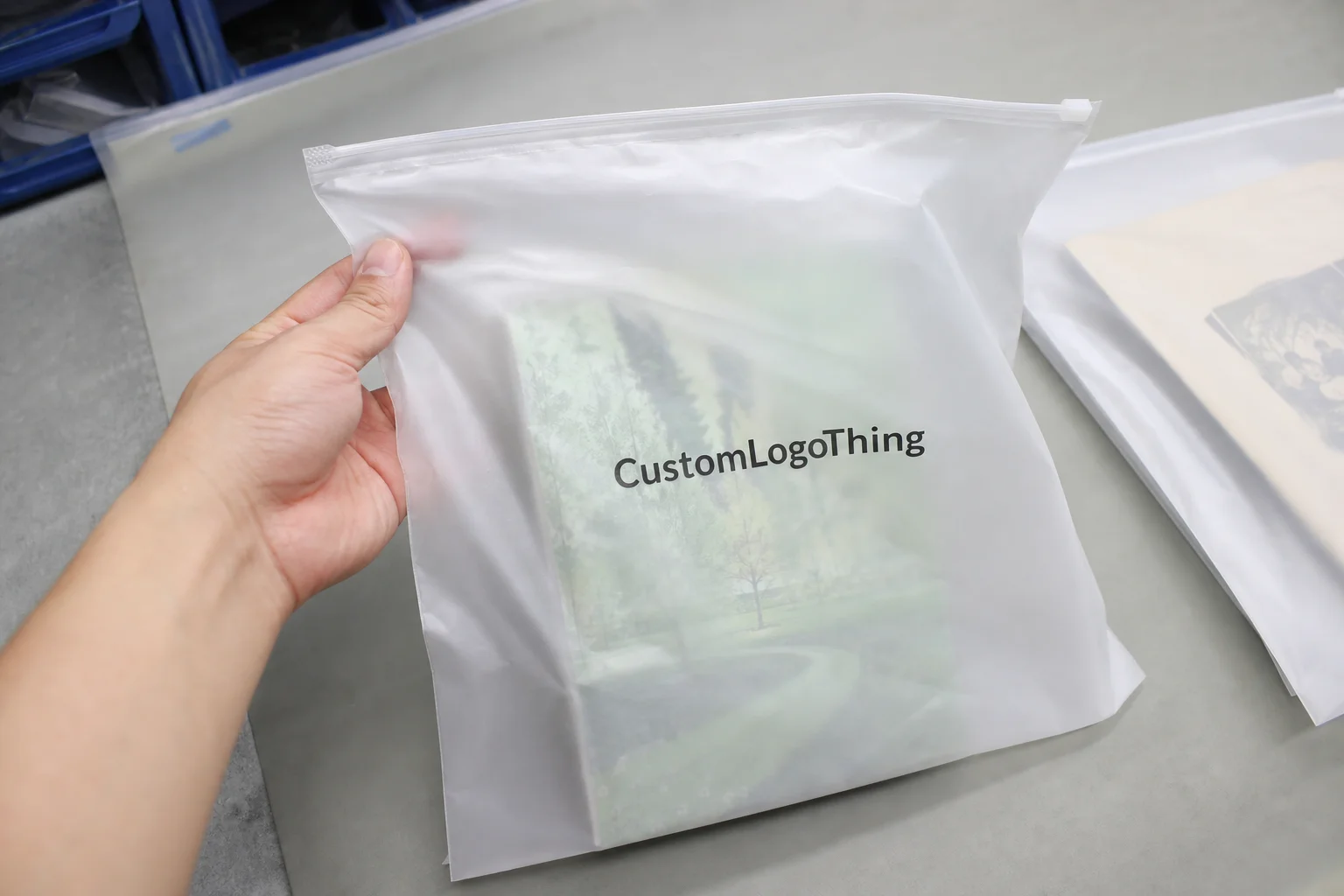
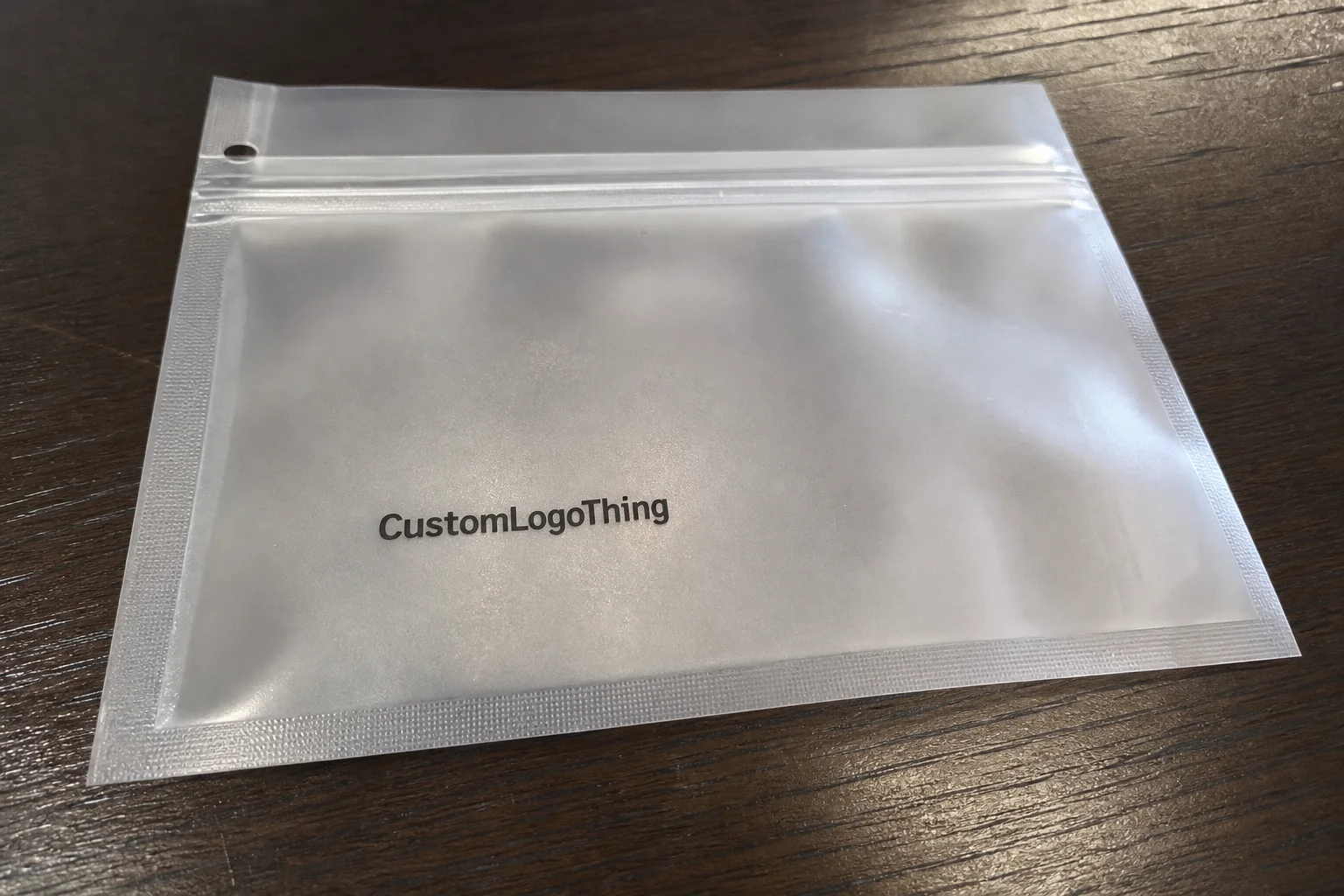
Two museum stores can request the same 10 x 13 mailer and still get totals that differ sharply once proofing, freight, print setup, or film thickness are clarified. That is why a museum Shop Poly Mailers quote checklist matters: the headline unit price rarely tells the full story.
Museum retail packaging also has tighter approval cycles than many general e-commerce programs. Volumes are often lower, branding review is stricter, and the mailer may need to support an exhibition identity, member program, or seasonal launch. The goal is not simply a cheap bag. It is a quote that is comparable, approval-ready, and aligned with actual use.
This guide focuses on the details that change buyer decisions: specs, cost drivers, MOQ, lead time, decoration, and inspection.
What a quote checklist reveals before you buy
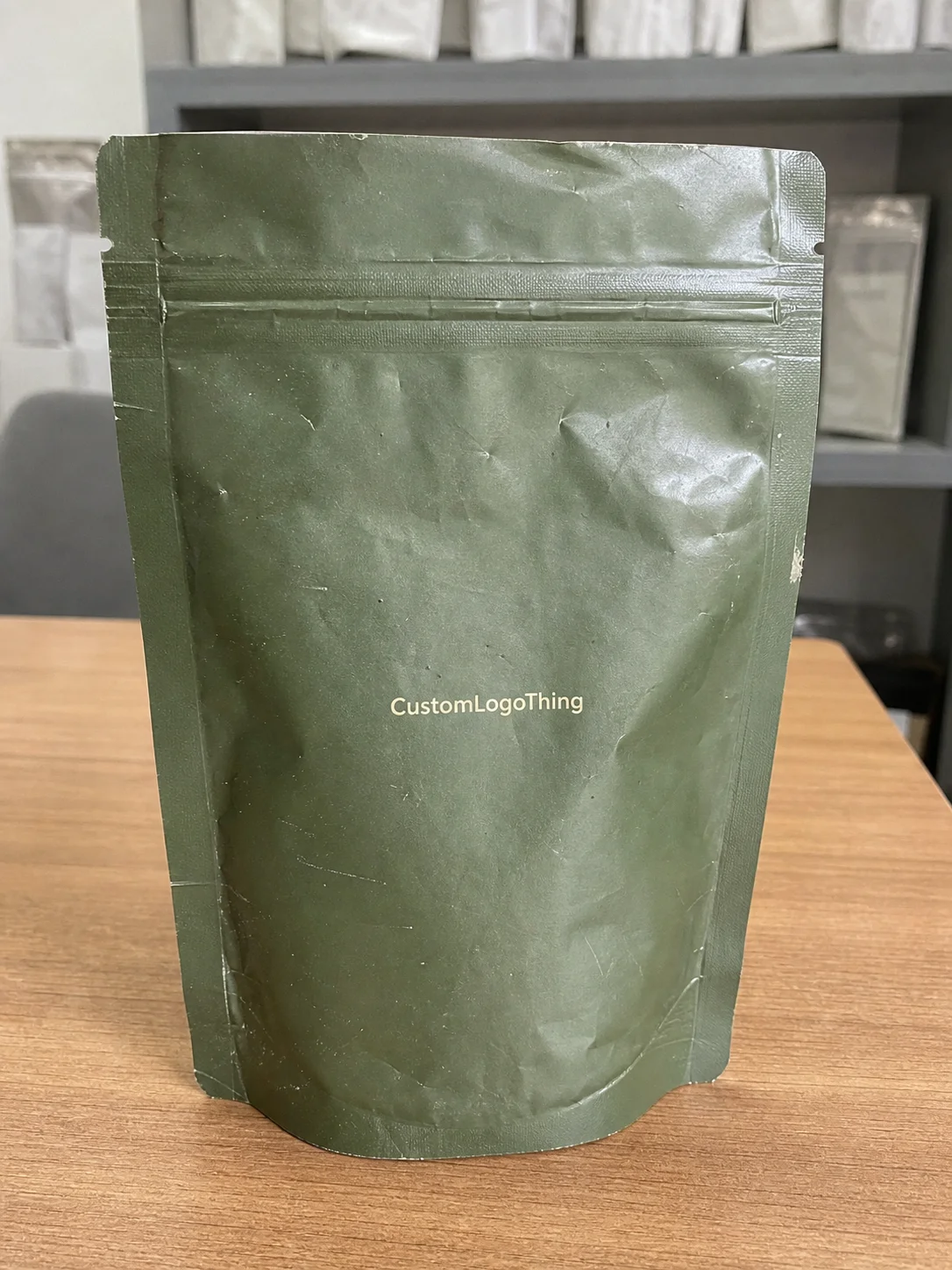
A solid checklist exposes the assumptions weak quotes leave vague: thickness, material structure, print coverage, setup charges, freight terms, carton packing, and over-under tolerance. If those points are missing, the quote may not be wrong, but it is incomplete.
That matters because internal teams often compare prices before confirming they are pricing the same bag. One supplier may quote thinner film. Another may assume one-color front print when the approved design uses two colors and back print. A third may exclude split deliveries. The apparent savings disappear once the real requirements are added back in.
Before comparing suppliers, the quote request should surface five basics:
- Bag specification: finished size, usable fill size, thickness, material, seal style
- Print scope: color count, front only or front and back, heavy coverage or simple spot art
- Operational assumptions: carton counts, split shipments, barcode zones, label adhesion needs
- Cost structure: unit price, setup or cylinder charges, proof cost, sample cost, freight terms
- Timeline: proof approval window, production lead time, transit method, in-hand date
The main mistake is comparing line items before confirming the lines mean the same thing. A checklist turns a vague request into a usable RFQ for marketing, operations, and procurement.
Where poly mailers add value for museum retail shipments
Poly mailers work well in museum retail for practical reasons: they are light, moisture resistant, and easier to store than boxes. In back rooms with limited space, flat-packed shipping supplies are easier to manage.
They are a good fit for many non-fragile museum shop shipments, including apparel, scarves, already-sleeved posters, flat souvenirs, member merchandise, and light catalog bundles. For soft goods, they often reduce parcel weight and speed up packing.
Compared with paper mailers, poly usually offers better moisture resistance and tear strength at similar weight. Compared with corrugated boxes, it can reduce dimensional-weight exposure on lighter shipments. Even modest parcel-weight savings add up over volume.
Custom print also adds value when it replaces extra steps. A mailer can carry institution graphics, return instructions, QR messaging, or membership prompts without a separate label or insert.
There are limits. Fragile ceramics, boxed jewelry, corner-sensitive books, and premium gift sets usually need a box, padded format, or reinforced structure. Poly mailers are efficient for the right product class, not for every order.
If your team is comparing formats more broadly, Custom Packaging Products can help benchmark mailers against boxes, pouches, and other shipping options.
Product details buyers should confirm before requesting samples or pricing
If the RFQ only says “custom mailer with logo,” suppliers have to guess. Guessing creates quote spread, and quote spread makes comparison unreliable.
Mailer format
Start with structure. A standard courier mailer fits most one-way outbound shipments. Dual-seal return mailers add a second adhesive strip for returns or exchanges. Opaque security mailers provide more privacy. Co-ex mailers, built with multiple film layers, often improve puncture resistance.
Print choices
Print decisions move cost quickly. A one-color logo is usually the most economical. Two-color artwork is still common. Heavy flood coverage, inside print, or front-and-back printing increases ink use, setup time, and registration demands.
If art placement matters, confirm registration tolerance early. On flexible mailers, a realistic range may be about ±2 mm to ±5 mm depending on press method, artwork, and bag size. That affects borders, fine lines, and QR codes placed near edges.
Closure and usability
Standard permanent adhesive works for most programs. Easy-open tear strips improve customer experience but add cost. Return mailers need a second adhesive line and enough room for reuse. It also helps to define a clean shipping-label zone so carrier labels do not cover branding or scan poorly over dark print.
Suffocation warning placement should be specified rather than left open. Museums often want a clean exterior, but legal copy still needs an acceptable location and legible size.
Retail artwork details
Museum retail often includes exhibit-specific graphics, multilingual text, donor or member messaging, or campaign QR placement. Finish also affects presentation. Matte usually feels quieter and more premium, while gloss makes color pop more strongly. White exterior with gray or black interior is common when opacity matters.
If brand review is strict, request physical samples before locking the spec for Custom Poly Mailers.
Specifications that change performance, compliance, and unit cost
Most expensive mistakes come from technical details, not the initial concept. At minimum, include these specs in the quote request:
- Finished size and usable fill size
- Film thickness in mil or micron
- Material structure such as virgin LDPE, co-ex blend, or recycled-content film
- Color count and artwork coverage
- Seal type and closure details
- Estimated packed weight
- Ship-to location and quantity tiers
Size should be based on the packed item, not the flat item alone. A folded T-shirt with a packing slip takes more space than the garment measured by itself. A catalog wrapped in tissue also needs allowance. Bags that are too tight slow fulfillment and stress the seal; bags that are too large waste material and look sloppy.
Thickness affects both feel and durability. Many custom poly mailers fall in the 2.5 mil to 3.5 mil range. Around 2.5 mil can work for soft goods and lightweight flat items. Moving to 3.0 or 3.5 mil improves puncture resistance and often opacity, but adds resin cost and some shipping weight. If performance risk is unclear, ask for multiple thickness options.
Material choice affects appearance and sustainability claims. Virgin LDPE often gives cleaner visual consistency. Co-ex blends can improve toughness. Recycled-content film may support sustainability goals, though finish and color can vary and pricing depends on resin supply. If environmental claims are part of the brief, verify what can actually be stated. General guidance from the EPA’s recycling resources can help frame sourcing language.
Compliance deserves attention too. Suffocation warning requirements vary by size and destination. Recycling symbols should be used accurately. Shipping labels need to adhere consistently to the film surface, especially with thermal-label workflows. If transit performance is a concern, ISTA test frameworks are a useful reference.
Pricing, MOQ, and quote variables that matter most
Price is driven mainly by size, thickness, material, print coverage, color count, order volume, and freight destination. Setup charges come right behind them.
On smaller custom runs, unit pricing can vary widely. As a rough market range, a simple custom-printed mailer at 5,000 pieces may land around $0.18 to $0.28 per unit before freight for a common size and straightforward print. Heavier film, broader ink coverage, or a dual-seal return format pushes that up. At lower quantities, setup costs dominate faster.
That is why MOQ matters. Custom printed poly mailers generally require higher minimums than plain stock mailers because prepress, plates or cylinders, press setup, and scheduling all need to be absorbed. A museum store may still be able to buy 2,000 pieces, but the cost per bag is usually much less favorable than 5,000, 10,000, or 25,000.
| Variable | Lower-Cost Scenario | Higher-Cost Scenario | Why It Changes the Quote |
|---|---|---|---|
| 1-color front logo | 2-color front/back heavy coverage | More ink, more setup, tighter registration control | |
| Thickness | 2.5 mil | 3.5 mil | More resin and more weight |
| Quantity | 2,500 pcs | 25,000 pcs | Higher volume spreads setup cost over more units |
| Format | Standard mailer | Dual-seal return mailer | Extra adhesive and converting steps |
| Freight | Single destination | Split shipment to multiple stores | More handling, more cartons, more coordination |
Ask each supplier to break pricing out the same way:
- Per-unit price by quantity tier
- Setup, plate, or cylinder charges
- Proofing or preproduction sample costs
- Carton counts and carton dimensions
- Over-under production tolerance
- Freight terms and estimated transit cost
- Reorder pricing if art and size remain unchanged
A common comparison problem is simple: one supplier quotes FOB without freight, another quotes delivered pricing on a thicker film, and a third prices a different print assumption. If you compare only the first line, the wrong quote often looks best.
Production process and lead time from artwork approval to delivery
The production flow is usually straightforward:
- Submit inquiry and specs
- Supplier reviews dimensions, film, artwork scope, and quantity
- Quote is issued
- Artwork files are checked
- Stock sample or proof is approved
- Job is scheduled
- Printing and bag conversion take place
- Bags are packed into cartons
- Shipment is dispatched
Typical custom lead times often run 12 to 15 business days from final proof approval for a straightforward job, plus transit time. First runs, heavier print coverage, material constraints, or slow freight can extend that. If the in-hand date is tied to an exhibition opening, build in internal approval cushion.
Most delays come from familiar issues: unclear finished size, missing dielines, PMS color disputes, raster art instead of vector files, or approval gaps between retail, marketing, and procurement.
It also helps to separate sample types. A stock sample checks size, opacity, closure style, and general film feel. A preproduction proof is better for confirming print expectations and layout. They serve different purposes.
Repeat orders are usually faster because the supplier already has approved artwork references, size specs, and prior production notes.
How to evaluate a supplier beyond the first quote
A quote is only the starting point. Better indicators are how the supplier handles missing information, production risk, and rerun consistency.
Start with basics. Did they ask clarifying questions? Did they flag missing specs? Is the quote structured clearly enough for procurement review? Speed matters less than accuracy.
Then ask about production control: how repeat color is managed, what seal-strength checks are used, what dimensional tolerance is standard, and what is inspected before cartons ship. Serious suppliers should be comfortable discussing process, not just price.
Museum buyers often also need support with:
- Carton labeling by SKU, exhibit, or campaign
- Split shipments to multiple stores or fulfillment points
- Documentation for procurement review
- Reorder history and artwork version control
- Drop-shipping coordination if a fulfillment partner is involved
Ask about proof approval workflow, communication during production, and the policy for manufacturing defects or print issues. A useful supplier should narrow the spec when needed, not simply agree to every cost-adding request.
Good packaging support is not about saying yes to everything. It is about narrowing the spec until cost, performance, and presentation line up.
Next steps: build your request package and get a faster, cleaner quote
To get a quote that can actually be approved, send an RFQ that is complete enough to price correctly. Start with packed product dimensions, not flat item dimensions alone. Then choose useful quantity tiers, often 5,000, 10,000, and 25,000 pieces.
Confirm artwork status as well. Final art and tentative art are different quoting situations. For many soft-goods museum shipments, 2.5 to 3.0 mil is a reasonable starting range. Include the ship-to ZIP or postal code and the real in-hand date.
Use this RFQ checklist:
- Bag finished size
- Estimated packed item size and weight
- Target gauge or mil thickness
- Material preference, including recycled-content request if applicable
- Color count and print coverage
- Front only or front/back print
- Closure type and return-mailer requirement
- Suffocation warning placement preference
- Quantity tiers
- Ship-to address or ZIP/postal code
- Annual reorder estimate
- Target in-hand date
It is also smart to request two or three scenarios instead of one locked configuration, such as one-color versus two-color print, standard versus dual-seal return format, or 2.5 mil versus 3.0 mil.
Ask for both unit pricing and a landed estimate. Finance needs the total, operations needs carton counts and storage impact, and marketing may need to weigh whether upgraded print is worth the added cost.
FAQ
What should a museum shop poly mailers quote checklist include before I request pricing?
Include finished size, packed product dimensions, target film thickness, material preference, print colors, artwork coverage, closure type, quantity tiers, ship-to location, and in-hand date. Also note whether you need stock samples, a print proof, or a return-mailer feature. A vague request produces a vague quote.
What is the typical MOQ for custom poly mailers for a museum store?
MOQ depends on size, print method, and setup requirements, but Custom Printed Mailers usually have higher minimums than stock bags. Smaller orders can still be quoted, though the unit cost is often much higher because setup charges are spread across fewer pieces.
How do I compare museum shop poly mailer quotes from different suppliers?
Match size, thickness, material, print coverage, and freight terms before comparing prices. Then check whether setup charges, proofing, carton packing, and shipping are included or separate. The lowest quote may be based on a thinner film or excluded freight.
How long does custom museum retail poly mailer production usually take?
For a straightforward custom job, production often runs around 12 to 15 business days after final proof approval, plus transit time. First orders, complex artwork, or delayed approvals can extend that window.
Are poly mailers a good fit for museum shop products with premium branding needs?
Yes, if the contents are non-fragile and benefit from lightweight shipping. Custom print can support exhibition graphics, logo placement, return instructions, and member messaging. For fragile or highly structured gift items, a box or padded format is usually the safer choice.