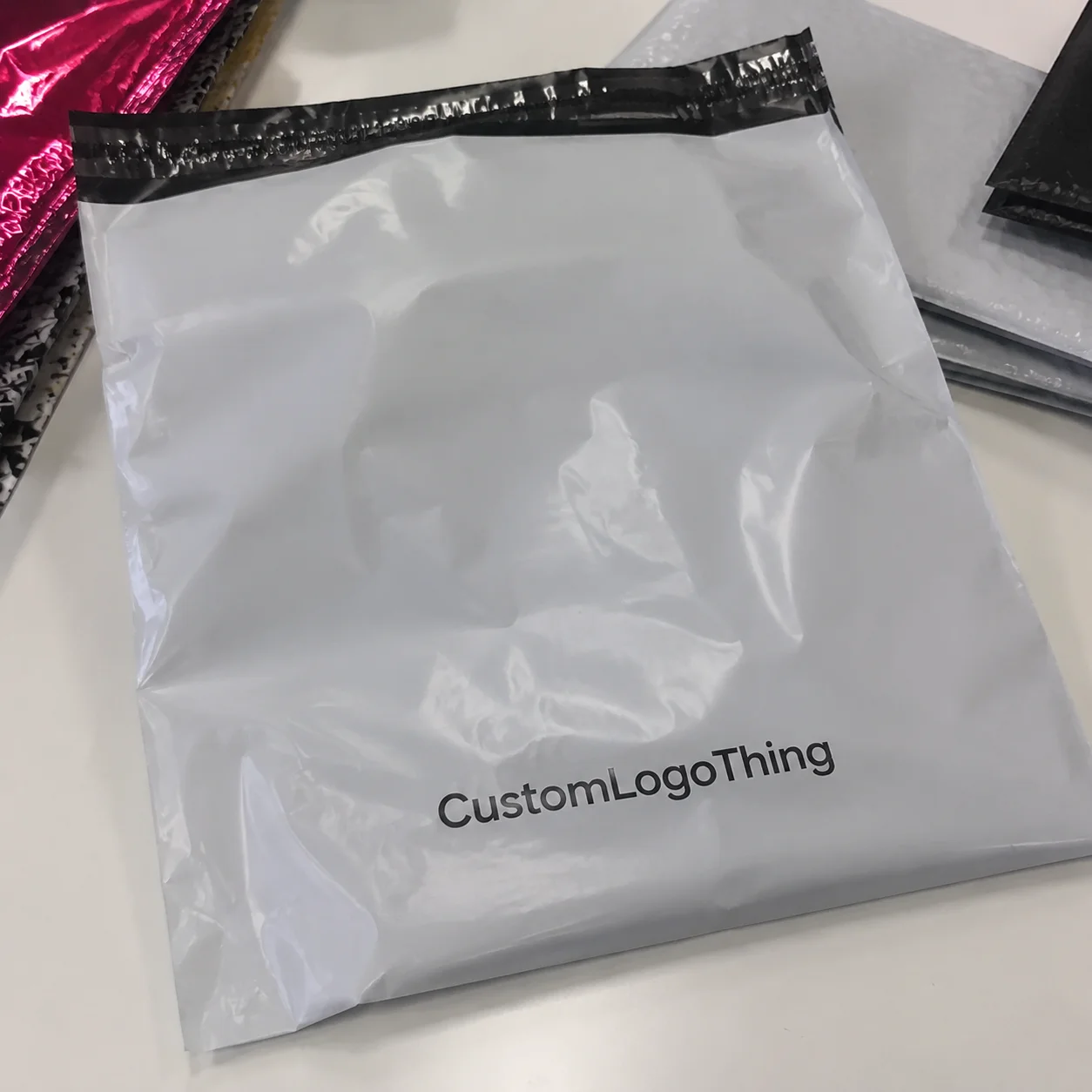
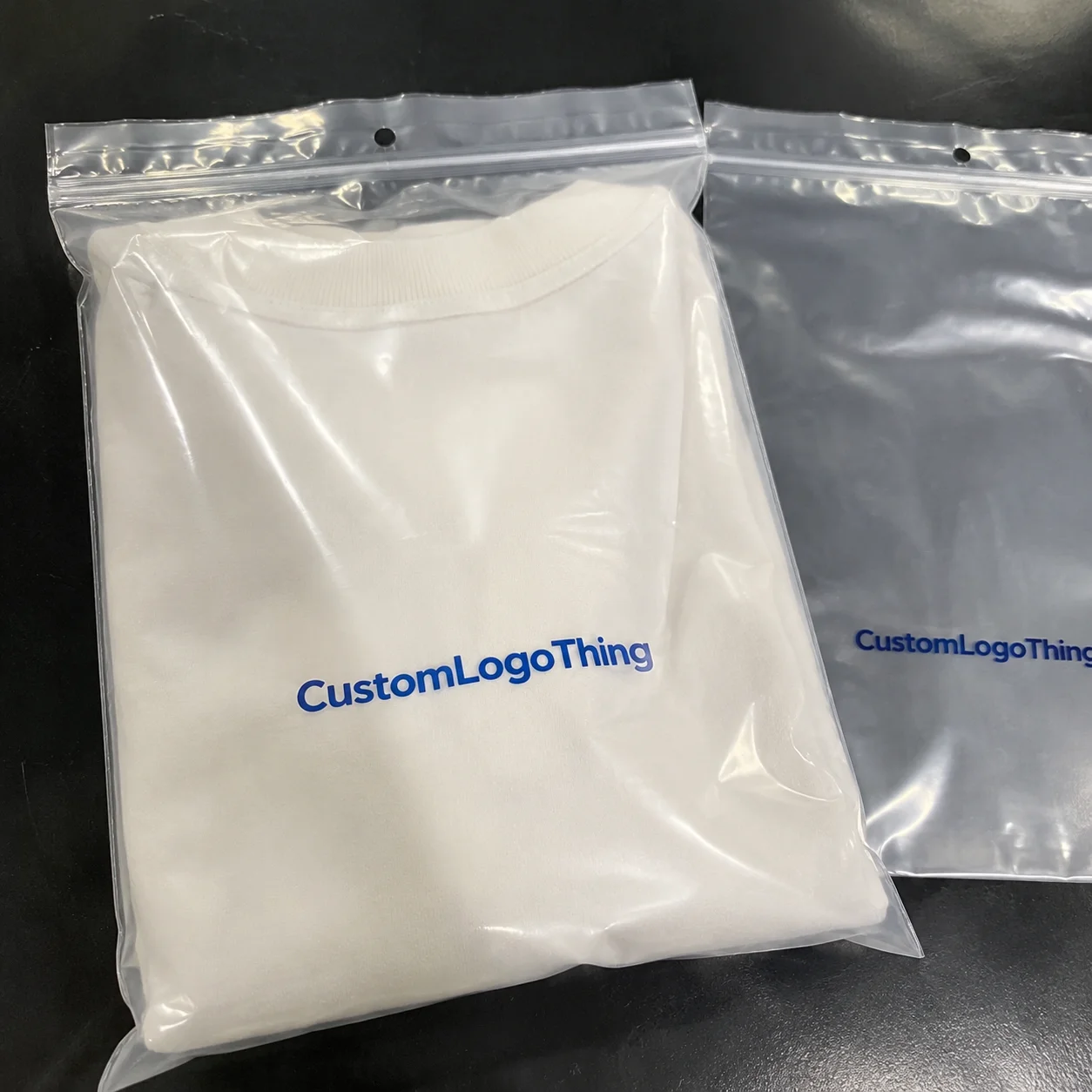
Buyer Fit Snapshot
| Best fit | design subscription box inserts for packaging buyers comparing material specs, print proof, MOQ, unit cost, freight, and repeat-order risk where brand print, material, artwork control, and repeat-order consistency matter. |
|---|---|
| Quote inputs | Share finished size, material target, print colors, finish, packing count, annual reorder estimate, and delivery region. |
| Proofing check | Approve dieline scale, logo placement, barcode or warning zones, color tolerance, and any recyclable or compostable wording before bulk production. |
| Main risk | Vague material claims, crowded artwork, or missing packing details can create delays even when the unit price looks attractive. |
Fast answer: Design Subscription Box Inserts: Dieline, Finish, Proof, and Buyer Review should be specified like a repeatable production item. The safest quote includes material, print method, finish, artwork proof, carton packing, and reorder notes in one written spec.
What to confirm before approving the packaging proof
Check the product dimensions against the actual filled item, not only the sales mockup. Ask for tolerance on folds, seals, hang holes, label areas, and retail display edges. If the package carries a logo, QR code, warning copy, or legal claim, reserve that space before decorative graphics fill the panel.
How to compare quotes without losing quality
Compare board or film grade, print process, finish, sampling route, tooling charges, carton quantity, and freight assumptions side by side. A lower quote is only useful if the supplier can repeat the same color, closure quality, and packing count on the next order.
If you want to know how to design Subscription Box Inserts that actually move revenue, not just decorate corrugated, start with this: the smallest piece in the box often gets the most attention. I learned that on a factory floor in Shenzhen when a client insisted the insert was “just a thank-you card.” We printed 50,000 of them on 300gsm coated art card, and the referral rate beat the expensive top sleeve by a mile. Tiny format. Big response. Packaging does not care about ego.
That is why how to Design Subscription Box inserts matters so much. A good insert can educate, reduce support emails, push a repeat purchase, and make the unboxing feel like someone planned the experience instead of tossing products into a carton and hoping for the best. Cute is nice. Strategic is better. And if you have ever watched a customer dig through tissue paper and stop dead at a sharp, well-written card, you already know the difference.
What Subscription Box Inserts Are and Why They Matter
Subscription Box Inserts are the printed pieces that live inside the package: welcome notes, product cards, coupon slips, referral offers, QR cards, loyalty reminders, and educational inserts that help the customer understand what they just received. If you are figuring out how to Design Subscription Box inserts, start here. An insert is not filler. It is a job in paper form.
I’ve seen brands spend $1.80 on foam crinkle and then hand the customer a bland white slip with a web address in 8-point type. That always cracks me up, because the insert is the one thing the customer actually reads while they are excited, curious, and already holding the product. In plain terms, it can do more work than the outer box if you give it a real purpose.
There are two broad types. First, decorative inserts: a pretty quote, a seasonal illustration, maybe a branded pattern. Nice. Second, conversion-focused inserts: “Scan here for refill savings,” “Give a friend 15% off,” “Learn how to use the serum in 30 seconds.” The first helps the brand feel polished. The second helps the brand make money. If you are serious about how to Design Subscription Box inserts, you want both, but never at the cost of clarity.
When I visited a cosmetics filler in Dongguan, the operations manager showed me a stack of inserts that were supposed to do everything at once: brand story, ingredient education, social share prompt, and upsell. It was a four-page maze. Customers ignored it. After we cut it down to one postcard with one QR code and one offer, repeat orders climbed. Nothing magical. Just less nonsense.
Here’s the real value:
- Retention: a smart insert can nudge the next order before the customer forgets your brand.
- Support reduction: product instructions and sizing notes cut down “How do I use this?” emails.
- Education: better-informed customers use products correctly, which lowers returns.
- Brand memory: inserts make the box feel intentional instead of random.
If you want to understand how to Design Subscription Box inserts the right way, think of them as a small-format sales tool. They are not billboards. They are not novels. They are a compact nudge at the exact moment the customer is most open to one.
How Subscription Box Inserts Work in the Customer Journey
The best way to think about how to design subscription box inserts is to map them to the customer journey. There are four useful moments: pre-purchase promise, unboxing, post-unboxing action, and repeat-order nudges. Each one needs a different message.
Pre-purchase promise is the stuff customers expect before the box arrives. If your site promises premium skincare with simple routines, your insert should not suddenly read like a coupon dump from a mall kiosk. That mismatch creates distrust fast. I’ve seen a subscription brand lose credibility because the inserts looked cheap compared with the box exterior. The outer carton was a matte black SBS board with soft-touch lamination. The insert was thin 200gsm paper with muddy CMYK. Customers notice that stuff. They may not name the substrate, but they feel the inconsistency.
Unboxing is the emotional window. The customer is excited. Attention is high. That is why how to design subscription box inserts must account for hierarchy. The first message should be the one you want them to remember. Not the legal disclaimer. Not the brand manifesto. The action. If you want a scan, make the QR code impossible to miss and give it a reason to exist. “Scan for usage tips” is better than a random square and a hope.
Post-unboxing is where behavior happens. Maybe they reorder. Maybe they refer a friend. Maybe they read a tutorial because the product card told them exactly why they should. This is where inserts do the quiet work. A good insert can make the next click feel natural instead of forced.
Long-term subscribers need different treatment from first-timers. First-time buyers need reassurance and quick education. Long-term members need freshness, exclusivity, or a loyalty reward. I’ve watched brands send the same “welcome” insert for six months straight. That is lazy. If you are learning how to design subscription box inserts, remember this: the message should evolve as trust grows.
A practical hierarchy looks like this:
- Headline: one clear promise or benefit.
- Visual cue: product image, icon, or diagram.
- Primary CTA: one scan, one click, one reorder, one referral.
- Support details: small print, expiration date, or usage note.
If the CTA gets buried under three paragraphs and a lifestyle photo, you’ve made a pretty postcard that does absolutely nothing. And yes, I’ve seen exactly that happen in a meeting where everyone admired the “brand warmth” while the conversion line sat in 6-point gray type. Beautiful failure.
Key Factors to Consider Before You Design
Before you start learning how to design subscription box inserts, get the basics right. Audience, brand alignment, format, production method, compliance, and cost all shape the final piece. Skip one of those and the printer will happily charge you for the correction. Printers are very good at that.
Audience comes first. A Gen Z beauty box might tolerate playful copy, neon accents, and a QR-based offer. A premium coffee club may want restrained typography, recycled stock, and a more editorial tone. A wellness brand often does better with calm language and clear instructions. The same insert style does not work across all niches. That sounds obvious, but I’ve watched people ignore it anyway.
Brand alignment matters too. Colors, typefaces, tone of voice, and even the finish need to match the rest of the subscription experience. If the box uses a deep navy and copper foil but the insert looks like a flyer printed at a campus copy shop, the whole package feels cheaper. When I was negotiating with a paper supplier in Taiwan, they kept pushing a gloss-coated sheet because it was $0.03 cheaper per unit. I said no. Gloss would have clashed with the soft-touch outer pack and wrecked the premium feel.
Format is not just a design question. It affects cost, pack-out, and how the insert sits inside the box. Common formats include:
- Postcard: simple, fast, and cheap to print.
- Folded card: more space, slightly higher cost.
- Booklet: useful for education-heavy products.
- Coupon slip: best when the offer is the point.
- QR-driven insert: good for digital follow-up and tracking.
Production realities are where good ideas go to get humbled. Paper stock, coating, trim size, folding method, and print run all affect whether the design can be made efficiently. A 148 x 210 mm postcard on 350gsm C1S artboard is simple. A six-panel die-cut insert with spot UV and a custom fold is not simple, no matter how many mood boards you make. If you are serious about how to design subscription box inserts, talk to the printer before finalizing the layout.
Compliance and clarity matter if your insert includes claims, product instructions, contest rules, referral terms, or discount expiration dates. That tiny print has to be readable. If the offer ends on the 15th, say so in plain language. If a skincare claim needs substantiation, make sure your legal review is done before proof approval. You do not want to be explaining an avoidable mistake to customer service.
Cost is where people tend to get dreamy. Bigger sizes cost more. Full color costs more. Two-sided printing costs more. Foil, embossing, and die cuts cost more. Short runs have higher unit costs because setup fees spread over fewer pieces. For example, a simple 4 x 6 inch full-color postcard in 10,000 pieces might land around $0.08 to $0.14 per unit depending on stock and shipping, while a folded insert with premium finishing can easily climb to $0.28 to $0.65 per unit. That range depends on supplier, paper availability, and whether you want a special effect for no operational reason. I have paid that “special effect tax” before. It rarely paid me back.
If you want to build a smarter process for how to design subscription box inserts, ask your printer for dieline recommendations based on the actual box dimensions. A 1 mm mismatch in pack-out can mean bent corners, sliding inserts, or a piece that gets ignored because it arrives warped. Small detail. Real consequence.
Step-by-Step Process to Design Subscription Box Inserts
Here is the practical version of how to design subscription box inserts without wasting two weeks and a pile of proofs. Keep the process tight. It saves money and sanity.
Step 1: Define the insert goal. Decide whether the insert should educate, sell, retain, or refer. One goal. Not four. I’ve sat in client meetings where the brand wanted the insert to “do everything.” Sure. And I want a $0.06 piece of paper to carry the whole marketing department too. Pick the outcome first.
Step 2: Pick one primary action. Ask for one click, one scan, one share, or one reorder. If you want two actions, pick a hierarchy. For example, “Scan for tips” on the front and “Use code SAVE10 for your next box” on the back. But do not force the customer to choose between six options. Choice paralysis is not a strategy.
Step 3: Write the message before designing. Copy comes first. Design supports the copy. A lot of bad inserts happen because someone opened Adobe Illustrator and started decorating before the sentence existed. For how to design subscription box inserts, the best copy is usually short, direct, and specific. “Your first reorder is 15% off” is clearer than “We appreciate you and hope you enjoy our community.” One tells the customer what to do. The other flatters the brand.
Step 4: Build the hierarchy. Your headline should be visible at arm’s length. The CTA should stand out with size, contrast, or color. Supporting copy should explain enough to remove doubt, but not so much that it becomes wall art. Use white space. Use it generously. Paper is not free, but clutter is expensive in a different way.
Step 5: Choose imagery carefully. Product images, icons, line drawings, and lifestyle photos all have a place. I like product close-ups for education and simple icons for action inserts. If the product is the hero, don’t bury it under abstract blobs and four patterns. One time, a beauty brand wanted a watercolor background behind ingredient instructions. It looked lovely. It also made the text hard to read under warm lighting, which is how most people hold a box at home. Pretty mistake. Avoidable.
Step 6: Prepare print-ready files. This is the boring part That Saves Money. Include bleed, safe zones, proper image resolution, and accurate QR code sizing. A QR code should be tested at the actual printed size. I usually want at least 0.8 inches wide for simple consumer use, though the final size depends on the scan distance and surrounding design. Don’t put the code on top of a textured background unless you enjoy testing your customer’s patience.
Step 7: Proof everything. Check color, typography, links, barcodes, expiration dates, and legal copy. If you can, request a hard proof. A PDF on a laptop is not the same thing as seeing paper in your hand under neutral light. I’ve caught a 0.5-inch trim error on press proofs before. That tiny error would have cost a rerun. Proofs are cheaper than apologies.
Step 8: Test a small batch. Print a limited run and track results. Measure scan rate, reorder rate, referral conversions, and customer support questions. If a headline performs poorly, fix it. If one offer works, scale it. That is the real answer to how to design subscription box inserts that improve over time instead of looking pretty in a folder called “final_final_v7.”
One of my favorite examples came from a candle subscription client. We tested two inserts: one with a long brand story, one with a simple card that said, “Scan for scent pairing tips and your next refill discount.” The second card won by a mile. Not because it was fancy. Because it was useful.
“The insert looked so simple that I almost pushed back. Then the conversion data shut me up.” — a client I worked with after we reduced their insert from two pages to one postcard
Pricing, Budgeting, and Timeline Planning
If you are serious about how to design subscription box inserts, you also need to understand the money side. Great design ideas are useless if they blow the pack-out budget by $0.22 per box across 40,000 subscribers. That is real money. The kind finance notices.
What drives pricing most? Paper weight, color count, finishing, quantity, and setup. A basic 2-sided 4 x 6 inch postcard on 14pt stock is usually far cheaper than a trifold insert on 200gsm paper with foil stamping. If you add spot UV, embossing, or a custom die line, the cost can jump fast. Printers do not charge extra because they enjoy drama. They charge extra because machinery and setup time are not free.
Simple planning ranges help. A straightforward insert might sit around $0.06 to $0.14 per piece at scale. A premium piece with lamination or special effects might fall between $0.20 and $0.70 per piece. Short runs will push those numbers higher. If you only print 1,000 units, setup fees can make the per-piece cost sting. That is why larger orders often look better on paper. Pun intended, unfortunately.
Timeline planning matters just as much. For how to design subscription box inserts, I like a simple schedule:
- Copy approval: 1-3 business days if stakeholders stay out of a group email war.
- Design revisions: 2-5 business days depending on how many people “just have one more thought.”
- Proofing: 1-3 business days for digital proof, longer for hard copy.
- Production: 5-12 business days for standard print jobs.
- Shipping: 2-7 business days depending on location and freight method.
That means a realistic timeline can easily run 12-20 business days, and specialty finishing can push it longer. If you need inserts inside a monthly fulfillment cycle, do not finalize the design three days before packing. That is how people end up paying rush charges and still getting nervous when the truck is late.
There is also a supply-side reality most people forget: inserting a card inside a box might require pack-out testing. If your insert is too large, it can bend the primary product, interfere with tissue wrapping, or create a bulge that causes shipping damage. I’ve seen a team spend $6,500 on a beautiful booklet only to discover it changed the carton profile enough to increase dimensional weight charges. Nobody clapped.
For environmental and compliance work, I like to reference real standards and suppliers instead of vague “eco” language. If sustainability is part of your offer, check guidance from the EPA recycling resources, packaging best practices from the Association for Packaging and Processing Technologies, and responsible paper sourcing through FSC. If your box must survive rough shipment conditions, test materials against applicable ISTA protocols. I have watched too many beautiful inserts arrive bent because someone skipped transport testing and trusted vibes.
Working with a printer early can save rework. At one facility visit, I watched a brand insist on a custom shape that needed a new die. The die quote was $380, the revised layout cost nothing, and the final piece looked better anyway. That is the kind of negotiation people skip when they treat print as the last step instead of part of the strategy. If you want to master how to design subscription box inserts, treat the printer like a partner, not a vending machine.
Common Mistakes That Make Inserts Ignore-Your-Meh
There are a few mistakes that show up constantly when brands try to learn how to design subscription box inserts. They look minor. They are not.
Too much copy is the biggest one. If the insert reads like a policy document, the customer will not act. People unbox quickly. They scan. They do not settle in with a coffee and three paragraphs about your brand values. Keep the message short. If you need more room, create a booklet only if the product truly needs it.
Weak CTA is another killer. “Learn more” is not a CTA. It is a shrug. Better options are “Scan for your refill discount,” “Refer a friend for $10 off,” or “Get your usage guide now.” Specific beats vague every time.
Poor contrast makes good ideas invisible. Dark gray text on textured kraft. Pale gold on white. Tiny type with no breathing room. I have seen inserts that looked gorgeous on a monitor and nearly vanished under warm apartment lighting. Print is unforgiving like that. What is fashionable on screen can be useless on paper.
No offer is a missed opportunity. If the insert is purely decorative and you expect revenue, that is wishful thinking. Decorative inserts can support brand mood, but if you want action, give the customer a reason to care now. A reason. Not a motivational quote and a logo.
Designing for the brand team instead of the customer happens more than people admit. Brands fall in love with graphics that impress internal stakeholders but do nothing for the person opening the box. Internal applause does not pay for retention. Customer behavior does.
Ignoring testing is the final mistake. A layout can look clean in Figma and fail in a carton. A QR code can work on screen and fail when printed too small. A coupon can look fine but get overlooked because it was hidden on the back panel. Test. Then test again. That is not fancy advice. It is just practical.
Honestly, if you are learning how to design subscription box inserts and you only remember one thing from this section, remember this: the insert exists to change behavior. If it does not do that, it is stationery with ambition.
Expert Tips for Better Inserts and Smarter Next Steps
Here are the habits I use when helping brands figure out how to design subscription box inserts that perform without turning production into a circus.
Use one insert per goal. If you want education, make an educational insert. If you want referrals, make a referral card. If you want retention, make a reorder prompt. Mixing goals creates confusion. Confusion kills response.
Match the message to the moment. A welcome note works beautifully for first-time subscribers. A referral offer may work better after the customer has had one good experience with the product. A refill reminder is best when the product cycle is predictable. A box of skincare, for example, usually benefits from usage tips first and upsell later. Timing matters.
Use QR codes with a real payoff. People do not scan because a square exists. They scan because the benefit is obvious. Say what happens after the scan. “Scan for a 30-second tutorial.” “Scan to unlock $8 off your next box.” Clear. Quick. Worth it.
A/B test inserts by segment. First-time buyers, repeat buyers, high-value subscribers, and churn-risk segments should not all get the same insert. If your platform can segment fulfillment, use it. Even small differences can matter. A 2% lift across 25,000 boxes is not nothing.
Build a modular system. This is one of my favorite ways to keep costs under control. Create a base template with locked brand elements, then swap the offer, headline, and QR destination as needed. That way you are not redesigning from scratch every month. It saves hours and usually cuts revision fees too. I’ve seen brands save $900 to $2,400 per quarter just by standardizing the layout and changing only the copy block.
Keep pack-out in mind. If the insert gets caught in tissue, shifts during shipping, or makes the box bulge, it fails operationally even if the design is gorgeous. I once had to tell a client their oversized booklet was killing the customer experience because it sat crooked under the lid. They hated hearing it. Then they fixed it and stopped paying for damaged returns.
My practical next steps are simple:
- Audit your current insert and identify what it is supposed to do.
- Write one primary CTA in plain language.
- Ask your printer for a proof and a dieline based on your actual box size.
- Choose one stock option and one finishing option instead of adding bells just because someone in the meeting likes shiny things.
- Run a small test batch before full fulfillment.
If you follow that process, you will understand how to design subscription box inserts in a way that supports the business, not just the mood board. That is the difference between packaging that looks busy and packaging that earns its keep.
One last thing: don’t let “simple” fool you. A clean 4 x 6 inch insert on 14pt coated stock with a strong headline, a clear offer, and a scannable QR code can outperform a far more expensive piece. I have seen it happen more than once. Good print work is not about spending the most. It is about spending exactly enough to get the customer to do the next thing.
If you are ready to improve how to design subscription box inserts, start small, measure honestly, and keep your copy tighter than your budget after shipping charges. That’s the real path to Inserts That Sell.
How to Design Subscription Box Inserts That Actually Sell: decision table
| Decision area | Best fit | What to verify | Risk if skipped |
|---|---|---|---|
| Board or flute choice | Product protection, stacking strength, and shipping distance | Caliper/flute, crush resistance, and sample fit | Weak structure or oversized cartons increase damage and freight cost |
| Print and finish | Retail presentation, unboxing, and shelf recognition | Color proof, coating, scuff resistance, and logo placement | A good dieline can still look cheap if finish and color drift |
| Packing method | Hand packing, ecommerce fulfillment, or retail-ready cartons | Inner count, master carton, label position, and warehouse handling | Good packaging slows operations if pack-out is ignored |
FAQs
How do you design subscription box inserts that get customers to act?
Start with one goal, like reordering, scanning, or referring a friend. Make the CTA obvious and benefit-driven. Keep the layout simple so the action is clear in a few seconds.
What size should subscription box inserts be?
Choose a size that fits your box and pack-out without bending or sliding around. Common options include postcards, small cards, and folded inserts. Ask your printer for dieline recommendations based on your actual packaging dimensions.
How much do subscription box inserts cost to print?
Cost depends on quantity, size, paper stock, color count, and finish. Simple inserts are usually much cheaper than premium folded pieces with special coatings. Setup fees can make small runs feel pricey, so larger quantities often lower the per-piece cost.
What should be on a subscription box insert?
Include one clear message, one action, and brand elements that match the box experience. Useful content can include a welcome note, product tip, QR code, discount, or referral offer. Avoid stuffing in every possible message just because you have the space.
How long does it take to design and print subscription box inserts?
Design time depends on how many revisions and approvals you need. Printing and shipping add more time, especially if you need proofing or specialty finishes. Plan early so you are not paying rush charges to fix a last-minute mess.