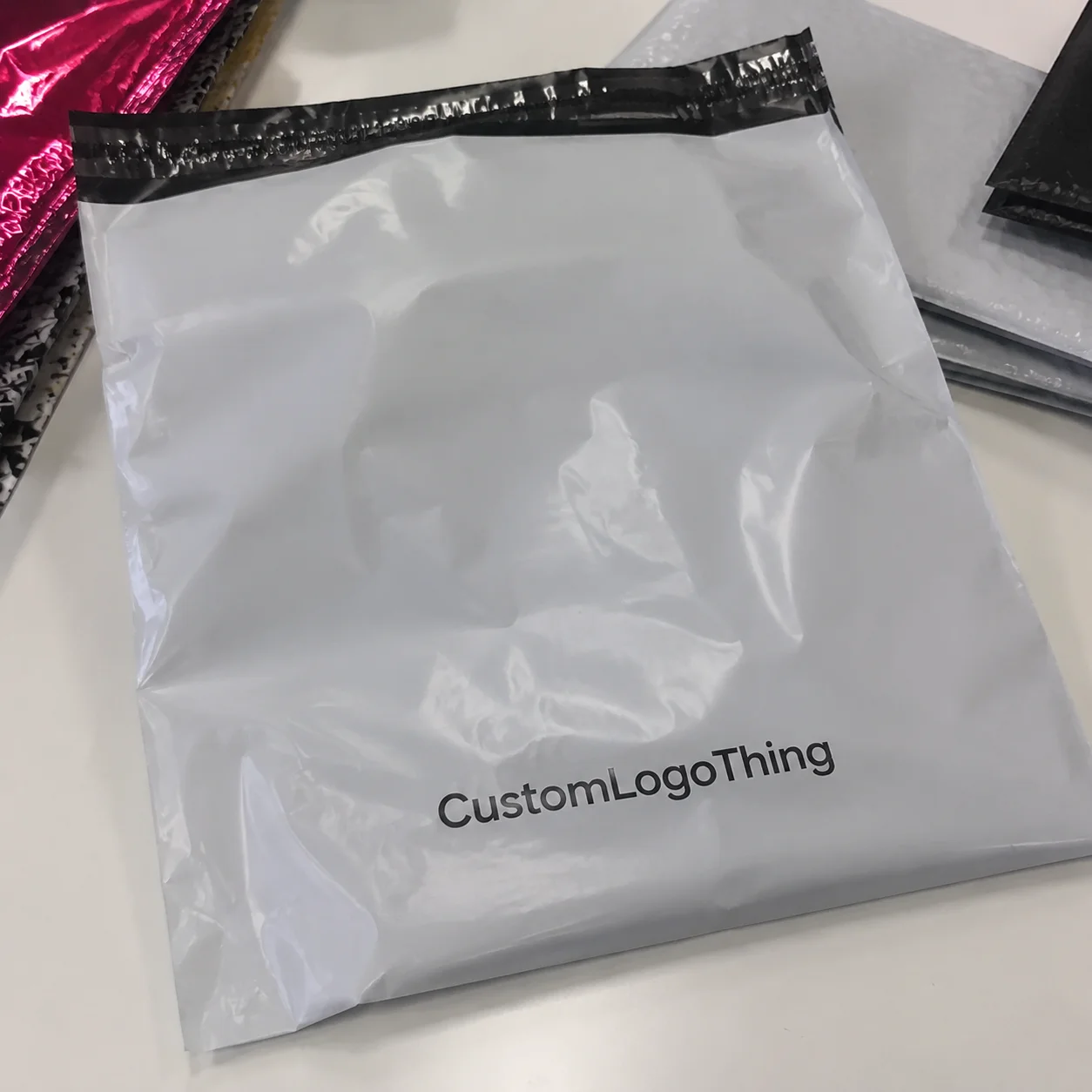
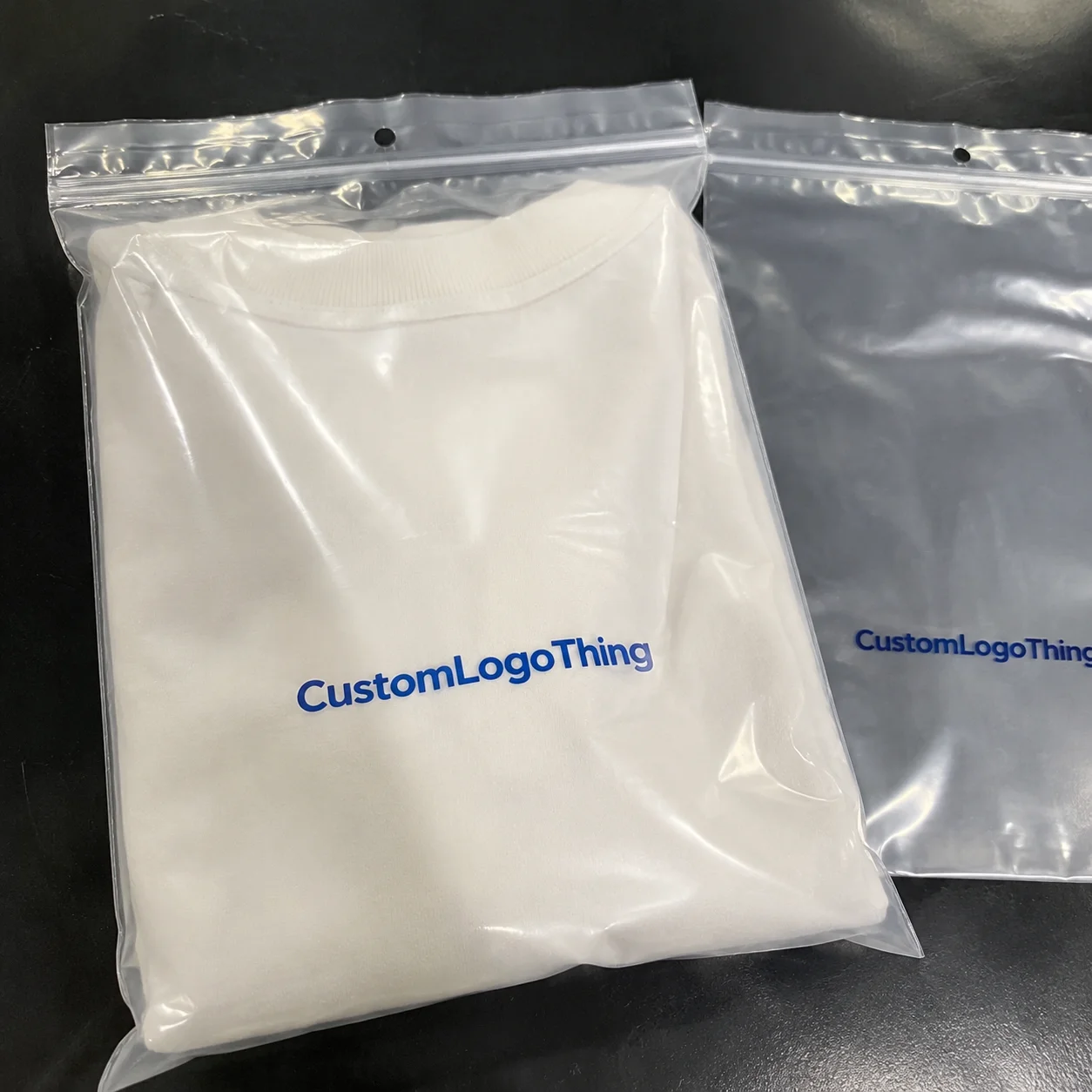
Buyer Fit Snapshot
| Best fit | Design Zero Waste Cosmetics Pouch projects where brand print, material claims, artwork control, MOQ, and repeat-order consistency need to be specified before quoting. |
|---|---|
| Quote inputs | Share finished size, material target, print colors, finish, packing count, annual reorder estimate, ship-to region, and any compliance wording. |
| Proofing check | Approve dieline scale, logo placement, barcode or warning zones, color tolerance, closure strength, and carton packing before bulk production. |
| Main risk | Vague material claims, crowded artwork, missing packing details, or unclear freight terms can make a low unit price expensive after revisions. |
Fast answer: Design Zero Waste Cosmetics Pouch: Material Claims, Seal Quality, and Freight Cost should be specified like a repeatable production item. The safest quote records material, print method, finish, artwork proof, packing count, and reorder notes in one written spec.
Production checks before approval
Compare the actual filled-product size with the drawing, then confirm tolerance on folds, seals, hang holes, label areas, and retail display edges. Reserve space for logos, QR codes, warning copy, and material claims before decorative graphics fill the panel.
Quote comparison points
Review material grade, print process, finish, sampling route, tooling charges, carton quantity, and freight assumptions side by side. A quote is only useful when the supplier can repeat the same color, closure quality, and packing count on the next order.
I’ve spent enough time on factory floors in Shenzhen, Dongguan, and Ningbo to know this: most packaging waste is created long before a consumer opens the first cap. The real decisions happen in spec sheets, laminate calls, and print approvals. If you’re trying to figure out how to Design Zero Waste Cosmetics pouch packaging, start there, because the pouch itself is usually not the problem. Convenience is. Overbuilt structures, unnecessary layers, and decorative extras add up fast, and by the time a product hits shelf, the waste is already locked in. I’ve watched one brand lose 4.8% of material on startup scrap alone because they changed artwork three times after the proof stage. That kind of “small” waste becomes very real when you’re running 50,000 units.
The good news is that how to design zero waste cosmetics pouch packaging is not some abstract sustainability exercise. It is a practical design problem with measurable inputs: film thickness, seal width, barrier level, closure type, and end-of-life pathway. I’ve seen brands cut their material weight by 18% just by dropping a nonessential layer, and I’ve also seen “eco-friendly” pouches fail because the consumer could not tell where to recycle them. Both outcomes matter. One saves resin. The other saves face. And yes, I have had to sit through a meeting where someone tried to call a pouch “planet-positive” because it was beige. Beige is not a strategy. A 350gsm C1S artboard outer carton with a simple black logo, for example, can do more for shelf clarity than a pouch stuffed with foil accents and mystery coatings.
Honestly, I think the best designers treat how to design zero waste cosmetics pouch projects like engineering with a marketing lens, not marketing with a green sticker. That distinction changes everything. On a real project, it can be the difference between a $0.15 per unit pouch at 5,000 pieces and a $0.29 version that looks fancy but creates line problems in Guangzhou.
How to design zero waste cosmetics pouch: what it really means
Most beauty packaging waste comes from convenience-driven choices, not product formulas. I’ve sat in client meetings where a team wanted a glossy, multi-layer pouch with a big window, a matte finish, metallic ink, and a separate hang hole card—then wondered why the sustainability story fell apart. A zero waste cosmetics pouch is not a magic object. It is a package designed to minimize material use, improve recyclability or reusability, and eliminate unnecessary components while still protecting the formula. If the pouch is being made in Dongguan, for example, the converter will usually ask for the film spec, sealing temperature range, and target line speed before they even talk about print.
That means how to design zero waste cosmetics pouch packaging starts with a definition. Are you aiming for true zero waste, or are you working toward low-waste, recyclable, refillable, compostable, or mono-material packaging? Those are not synonyms. A pouch can be recyclable in theory but rejected in practice because it uses mixed polymers. Another can be compostable but only in industrial facilities that most customers never reach. A refill pouch may reduce material use dramatically, but only if the base container is actually reused more than once. I’ve seen brands miss this distinction and spend $8,000 on a sustainability claim that the supply chain could not support. Painful? Absolutely. Preventable? Also yes. A proper brief should spell out whether the target is PE/PE, PP/PP, or a certified compostable structure, not just “eco.”
Here’s the simplest way to think about how to design zero waste cosmetics pouch structure: fewer layers, fewer inks, fewer mixed materials, and fewer unnecessary parts. But there is a catch. You still need barrier performance, seal integrity, and shelf appeal. A pouch that leaks lotion in transit is not sustainable; it becomes a return, a replacement, and a customer complaint. That’s waste too. In my view, the smartest green packaging solution is often the one that looks plain on paper but performs with discipline in real life. A 90-micron mono-material PE pouch with a 10 mm seal and a clean tear notch can be far more useful than a six-layer system with a “premium” metallic finish and a 22% higher reject rate.
Client note from a recent supplier review: “We thought our pouch was recyclable because the film looked like a standard plastic laminate. Then the technical sheet showed three incompatible layers. We had to restart.” That kind of discovery is common, and it’s exactly why how to design zero waste cosmetics pouch packaging has to begin with material composition, not artwork. On the supplier side, I’ve seen this sort of issue come up during proof approval in Shanghai and in a converter shop near Wenzhou, where the final structure changed from a simple mono-film to a mixed laminate after the barrier request was clarified.
A useful mental model is the circular economy. The pouch should either re-enter a recycling stream, reduce virgin material demand through reuse, or break down safely in a legitimate composting system. If it cannot do one of those things, calling it zero waste is wishful thinking. Still, I’m not dogmatic. Some formulas need stronger barriers than the cleanest possible structure can provide. In those cases, the right answer is usually “lowest waste with acceptable protection,” not “purest claim.” That honesty builds trust. It also keeps you from promising a recycling route that only exists in a brochure printed in 2024 and ignored by every municipal sorter in the region.
How zero waste cosmetics pouch design works in packaging
When you strip a pouch down to its functional parts, you get four main areas: film layers, closures, seals, and labeling. Waste is created in each one. For example, a two-layer laminate may be easy to print and strong enough for a thick cream, but it can be difficult to recycle if the layers are different polymers. A zipper adds convenience, yet it also adds resin, tooling, and another possible failure point. Even the label can create trouble if it uses incompatible adhesives or oversized ink coverage. That is why how to design zero waste cosmetics pouch packaging is never just about the visible film. On one run I reviewed in Ningbo, the label alone added 1.2 grams per pouch because the brand insisted on a full-panel adhesive patch. Multiply that by 200,000 units and the “small” choice becomes a truckload.
On a production line in Shenzhen, I watched a converter lose almost 6% of film to trim and setup waste because the initial artwork was overspecified for a 100 x 150 mm pouch. They had packed the design with multiple metallic callouts that required repeated register checks. Once the brand simplified the layout and moved to a mono-color print, waste dropped. Small change. Big effect. Across 80,000 units, even a 0.2 mm reduction in excess margin can matter more than people expect. The operator told me the same thing in better English than the sales team: “Less artwork, less panic.” He was right.
Material choice determines end-of-life. Mixed laminations often trap a package in the wrong recovery stream. If the pouch is made of PE/PE or PP/PP mono-material film, it may fit better into existing recycling pathways, depending on the local system. If you add aluminum, PET, nylon, or heavy barrier coatings, you may improve protection but weaken circularity. That trade-off is the heart of how to design zero waste cosmetics pouch structures That Actually Work. For brands selling into the EU and parts of California, that trade-off also affects how the claim will be reviewed by retailers before launch.
There is also the manufacturing waste no one likes to talk about. Film rolls have startup scrap. Printing plates create proof waste. Overly tight tolerances increase reject rates. In one client negotiation in Guangzhou, a procurement manager pushed for a fancy barrier film that added 22% to unit cost, but the filling line couldn’t seal it consistently at their target speed of 42 pouches per minute. We ended up moving to a simpler format with slightly lower barrier and better line efficiency. The total waste dropped because production waste dropped. That is the sort of detail that separates packaging theory from packaging reality. The supplier’s lead time was 12-15 business days from proof approval, which was fine, but only because we froze the structure before print rather than after the first round of samples.
Refill systems deserve special mention. A refillable pouch can cut the carbon footprint per use if the outer container is reused enough times. But if the refill pouch is hard to pour, messy to reseal, or visually weak, consumers abandon it after one cycle. Then the design is just a one-time pouch with better branding. The same goes for lightweight formats. Reducing material from 120 microns to 90 microns might look modest, but across a run of 250,000 units it can remove several hundred kilograms of plastic resin. That is a real reduction, not a slogan. A PE refill pouch at 80-100 microns with a 12 mm bottom seal can often hit the sweet spot for lotion refills, especially when packed in cases of 200 units for export from Shenzhen to Los Angeles.
I still remember one factory visit where the line operator looked at me, held up a crumpled sample, and said, “This pouch saves plastic, but it also saves my patience because it won’t stand up.” Brutal. Accurate. Packaging does not care about our mood boards. A pouch that fails a bench-top drop from 1 meter or tips over on a filling line in Dongguan is not a sustainability win; it is a headache with a recycled tagline.
Key factors in how to design zero waste cosmetics pouch
The technical choices inside how to design zero waste cosmetics pouch packaging usually fall into five buckets: substrate, barrier, closure, print, and compliance. Miss one, and the whole sustainability story weakens. A pouch built around a 60-micron film with no barrier testing may look efficient on paper, but it can fail after two weeks in a humid warehouse in Guangzhou.
Material choice
Mono-material films are often the first place to start. PE-based and PP-based structures tend to be easier to recover than mixed laminations, especially when the local collection stream accepts them. PCR content can reduce virgin plastic use, which helps on the carbon footprint side, but you need to confirm consistency. I’ve seen one buyer approve a 30% PCR film, only to find haze variation and seal inconsistency in the first production trial. That’s why how to design zero waste cosmetics pouch material selection must be based on actual test data, not broad claims. If your supplier in Jiangsu cannot provide a spec sheet showing thickness tolerance of ±5 microns, keep digging.
Compostable film makes sense only when the product and disposal route match. If the pouch contains oily balm or pigment residue and the disposal stream is uncertain, compostability may be more theoretical than useful. On the other hand, for a dry cosmetic refill or a water-light formula, certain certified compostable structures can be appropriate. The keyword is appropriate. Not trendy. Appropriate. I know, boring words. Boring words save a lot of headaches. A compostable structure that costs $0.28 per unit at 10,000 pieces but needs industrial composting in Shanghai and never reaches the right facility is not a win. It is a very expensive idea.
Barrier performance
Cosmetics are more sensitive than they look. Creams can oxidize. Balms can sweat. Powders can clump. Fragranced products can lose top notes. If you’re working on how to design zero waste cosmetics pouch packaging, you need to specify moisture, oxygen, and light barrier requirements by formula, not by habit. A tinted face serum in a pouch may need better oxygen protection than a body lotion. A zinc-based sunscreen refill may need UV blocking. One size does not fit all. A formula that ships from Suzhou in November may behave differently in a humid warehouse in Miami in August, and the barrier spec should reflect that.
From an engineering standpoint, the barrier spec is where sustainability and performance negotiate. I’ve seen brands choose an ultra-thin structure that passed a shelf test but failed after six weeks in a warm distribution center because the seal area relaxed. The product arrived acceptable, but consumer trust took the hit. No recycled claim can fix that. Trust me, customers do not write poetry about a leaking pouch. If your stability test is only 7 days at 40°C, that is a nice start, not a finish line. A 90-day accelerated test can expose seal creep and migration problems you would never catch from a glossy sample sheet.
Closure and usability
Zippers, spouts, tear notches, and fitment systems each add functionality and material complexity. The right closure depends on refill behavior and product viscosity. A thin serum may do fine with a narrow tear-and-pour top, while a dense cream may require a more controlled spout. If the pouch is meant for repeat use, the closure must survive multiple open-close cycles. If it is single-use, don’t add a zipper just because the sales deck wants one. That is a classic mistake in how to design zero waste cosmetics pouch planning. I’ve seen zippers added for “premium feel” and then blamed when the pouch got heavier, costlier, and harder to recycle. Fantastic. We created a problem so we could look fancy solving it. For a refill format, a standard 8 mm zipper may be enough; for a viscous scrub, a 12 mm spout with a tamper-evident tear notch may be the better call.
Print and branding
Heavy ink coverage, foil effects, and full-surface matte coatings can all interfere with recovery pathways. I’m not anti-branding. I’ve helped launch pouches with strong shelf presence using just two spot colors, clear hierarchy, and a smart finish. The trick is to ask what branding actually does for purchase intent. If a 70% ink coverage design can be reduced to 25% while still looking premium, that is a meaningful win. It lowers material load and can improve recyclability, depending on the ink system. For eco-friendly packaging, restraint often reads as confidence. A 1-color flexo print with clean registration in Shanghai can look better than a crowded nine-color design that needs three rounds of proof correction.
For more technical framing on recovery and materials, the Packaging Alliance and the EPA recycling guidance are useful starting points. They won’t design the pouch for you, but they do help anchor claims in real systems. That matters when your converter in Dongguan says the laminate is “technically recyclable” and your retailer asks for proof before accepting the SKU.
Compliance and consumer behavior
Regional rules vary. A pouch that is accepted in one recycling system may be rejected in another. That matters if you sell across the U.S., the EU, and parts of Asia. Clear disposal instructions on pack can help, but only if consumers read them. In my experience, most don’t read long instructions. They scan icons. So how to design zero waste cosmetics pouch packaging should include simple, plain-language disposal cues and a realistic assumption about what consumers will actually do. If you’re printing for the UK market, use local language and icon conventions. If you’re shipping to Singapore, the claim needs to align with the collection system there, not with a vague global promise.
| Option | Typical unit cost | End-of-life profile | Best use case |
|---|---|---|---|
| Mixed laminate pouch | $0.12–$0.18 at 10,000 pcs | Often hard to recycle | High-barrier formulas with limited sustainability targets |
| Mono-material PE pouch | $0.14–$0.22 at 10,000 pcs | Better recycling potential in suitable streams | Refills, creams, gels, lighter cosmetic formulas |
| Compostable pouch | $0.20–$0.32 at 10,000 pcs | Needs proper composting infrastructure | Specific low-residue products with matching disposal pathways |
| Refill pouch system | $0.10–$0.20 at 10,000 pcs | Reduces single-use material per cycle | Products with a reusable primary container |
Step-by-step: how to design zero waste cosmetics pouch from concept to sample
The cleanest way to approach how to design zero waste cosmetics pouch projects is to work backward from the formula and forward from the disposal route. Skip that discipline, and the design drifts. On a good project, that means getting the product team, procurement team, and converter in the same call before anyone touches artwork in Adobe Illustrator.
Step 1: Define the product and sustainability target
Start with the cosmetic formula itself. Is it a balm, lotion, scrub, cleanser, powder, or serum? Each one has different sensitivity to oxygen, light, and moisture. Then define the sustainability target in measurable terms: reduce material weight by 15%, switch to mono-material, increase PCR content to 30%, or create a refill pouch that supports five reuse cycles. Vague goals produce vague pouches. Specific goals produce better decisions. This is the first rule of how to design zero waste cosmetics pouch packaging. If the target is a 200 ml facial cleanser refill, say that up front. If the goal is a pouch that sells in both Seoul and Toronto, the disposal expectations need to be written down too.
Step 2: Map the full lifecycle
Look at raw material sourcing, converting, filling, shipping, retail handling, consumer use, and disposal or return. I once worked with a brand that optimized the film but ignored shipping. Their pouches were light enough, but the packed cartons collapsed because the pouch had too much headspace variation. That led to more dunnage and more waste on the warehouse side. The lifecycle view catches these hidden costs before they become expensive lessons. It also saves you from the classic “we fixed one thing and broke three others” routine that packaging teams know too well. I’ve seen this play out between a supplier in Foshan and a filling line in Bangkok, and the fix was not a better slogan. It was a smaller gusset and a tighter pallet pattern.
Step 3: Choose the minimum viable structure
“Minimum viable” is a good phrase here. In practice, it means the simplest structure that still passes seal, barrier, and handling tests. If a two-layer mono-material pouch can do the job, don’t jump to a six-layer laminate. If a zipper is not required, leave it out. If a window serves no customer need, remove it. The best answer to how to design zero waste cosmetics pouch packaging is often subtraction, not addition. A 100 x 140 mm pouch with a 10 mm seal and no window can often outperform a more decorated 110 x 155 mm version that wastes film on features nobody asked for.
Step 4: Prototype the dimensions and closure
Before artwork is finalized, prototype the pouch size, gusset depth, opening style, and closure. This is where a lot of teams get surprised. A pouch that looks perfect in PDF can pour badly, stand unevenly, or crumple during filling. During one supplier negotiation, a converter quoted a very attractive unit price until we tested the closure on a viscous cream. The spout flexed, the seal line distorted, and fill speed dropped by 11%. We changed the opening geometry and the economics changed with it. That is why how to design zero waste cosmetics pouch is part design, part process engineering. And part therapy, if I’m being honest. The sample approval took 2 rounds and 15 business days from the first prototype, which was still faster than fixing a bad pouch after launch.
Step 5: Test performance before approval
Run seal integrity, drop testing, and storage stability. If the shipment is likely to move through rough handling, use test methods aligned with ISTA packaging protocols. For barrier and material performance, ask for ASTM-relevant data where possible. If you need to verify a forest-based board component or paper overwrap, FSC certification can matter too. For test standards, the ISTA site is a useful reference: ISTA.org. A pouch can look elegant and still fail a 1-meter drop from a pallet edge. Testing is not optional; it is the insurance policy built into the design process. I’ve seen a perfectly printed pouch in Shanghai crack at the seal after two drops from 90 cm because the sealing window was too narrow by 3 mm.
Step 6: Pilot, measure, revise
Run a small pilot of 1,000 to 5,000 units. Measure defect rate, film yield, seal failures, fill speed, and consumer feedback. One beauty client I advised found that 14% of users pinched the tear notch wrong and spilled product. We widened the notch by 2 mm and changed the tear direction cue. Simple fix, huge difference. That kind of data-driven revision is the last step in how to design zero waste cosmetics pouch Packaging That Actually survives scale-up. If your pilot comes back with a 3% leak rate, do not “hope it gets better” at 50,000 pieces. It usually doesn’t.
Here’s a practical sequence I often recommend:
- Write a one-page pouch brief with formula, fill volume, and target disposal path.
- Request two or three structures from suppliers, not ten.
- Compare barrier data, unit cost, and end-of-life options side by side.
- Order samples, then test on your own filling line if possible.
- Approve artwork only after structure testing, not before.
- Lock the spec sheet and run a pilot batch.
Cost and pricing: what affects a zero waste cosmetics pouch budget
People often assume sustainable packaging always costs more. Sometimes it does. Sometimes it doesn’t. The real answer depends on the structure, order volume, and how much waste the design eliminates downstream. If you cut film weight, simplify print, and reduce rejects, the higher unit cost of a better substrate can be offset by manufacturing savings. That is why how to design zero waste cosmetics pouch budgets should be built on total cost, not unit price alone. A pouch quoted at $0.17 per unit in Dongguan may beat a $0.12 version once you account for rejects, rework, and freight by pallet.
The main cost drivers are easy to identify: substrate choice, barrier layers, closure type, print complexity, tooling, and MOQ. A standard laminated pouch with high ink coverage may quote at $0.11 to $0.16 per unit at 20,000 pieces. A mono-material recyclable version might sit around $0.14 to $0.22 depending on thickness and closure. Compostable structures can move higher, often $0.20 to $0.32, because supply is less standardized. Those are ballpark figures, not guarantees, because film supply moves with resin markets and regional sourcing. If you need a custom spout in Vietnam or a special zipper molded in Jiangsu, add tooling and lead time to the equation.
I’ve seen cost surprises come from places people forget to model: freight, carton density, and filling speed. A thinner pouch that ships flatter can save pallet space, and that can matter as much as the print quote. Another brand I worked with reduced carton count by 9% simply because the refill pouch folded more tightly. Their warehouse team loved it. Their CFO loved it more. That is a real link between eco-friendly packaging and operating margin. On a 30,000-unit shipment from Shenzhen to Chicago, shaving just one carton layer per pallet can save enough freight to pay for the pilot samples.
| Cost factor | What increases cost | What can reduce cost | Design impact |
|---|---|---|---|
| Material | Specialty barrier films, compostable resin | Mono-material structures, reduced thickness | Directly affects recyclability and weight |
| Printing | Metallics, full-coverage graphics, multiple colors | Two-color layouts, simplified artwork | Can lower ink load and improve recovery |
| Closure | Custom spouts, high-cycle zippers | Basic tear notch, standard zipper | Impacts usability and reuse potential |
| Production | Low yield, tight tolerances, rework | Proven specs, pilot testing | Improves waste control and consistency |
| Logistics | Poor carton density, air space | Flattened refill formats | Can lower freight and carbon footprint |
Another pricing angle is minimum order quantity. Specialty materials often require higher MOQs, which can tie up cash. That matters for smaller brands, especially if they’re testing a new SKU. On the other hand, a simpler design may allow faster sampling and fewer iterations, which reduces overall development cost. I usually tell clients to budget for three things: samples, pilot, and one revision cycle. If you skip the revision budget, you usually pay later in rejects or complaints. In real terms, a sample set might cost $80 to $250, depending on the supplier in Guangdong or Zhejiang, while a full pilot can take 2-3 weeks and involve a few hundred dollars in setup and freight.
Storage and filling efficiency should never be ignored. A pouch that fills at 60 units per minute is not automatically better than one that fills at 90. A slower line can erase material savings quickly. So when you assess how to design zero waste cosmetics pouch economics, include the cost of machine downtime, seal temperature adjustments, and line changeover. Packaging people like to talk about material. Operations people live with process. Both deserve a seat at the table. If your filling room in Suzhou loses 20 minutes on every changeover, that “cheaper” pouch gets expensive fast.
Common mistakes when designing a zero waste cosmetics pouch
The first mistake is the easiest to spot and the hardest to correct: choosing a green-looking material without checking whether the pouch can actually be recovered in real systems. A pale kraft finish or leafy graphic does not make a package recyclable. If the film layers are incompatible, the claim is cosmetic, not circular. That’s not a pun; it’s a warning. I’ve seen brands spend $3,500 on a recycled-looking print treatment in Shanghai and then discover the laminate had a nylon layer that killed the claim.
The second mistake is feature creep. Add a zipper, a spout, a window, a hang hole, foil stamping, and a double label, and you’ve probably undermined the zero waste goal. I’ve watched teams pile on extras because they feared the pouch would look “too plain.” Then they spent months defending the sustainability claim with a structure that clearly didn’t deserve it. This is where how to design zero waste cosmetics pouch thinking has to stay disciplined. If the pouch only needs a tear notch and a 100 ml fill volume, stop there. Do not add a luxury feature because someone in a brainstorm got nervous.
The third mistake is ignoring product compatibility. A pouch that works for dry powder may fail for oil-rich balm. A pouch that handles a water-based lotion may swell under alcohol or fragrance exposure. If the formula degrades, separates, or leaks, the sustainability conversation ends quickly. Returns create more waste than almost any design choice. That is why performance comes first. In one case I saw in Guangzhou, a citrus-scented serum attacked the adhesive and caused edge lift within 21 days. The pouch looked fine on day one. It was not fine by week four.
The fourth mistake is designing for theory instead of behavior. If the pouch needs a 12-step disposal instruction, the consumer will not follow it. If the refill is hard to open, it will sit in a drawer. If the label is too tiny to read at shelf, the best recycling guidance in the world won’t help. I’ve seen a brand print disposal text in 5-point type on a pouch and call it “clear communication.” It wasn’t. It was decoration. I’ve also seen a QR code buried under a fold, which is a lovely way to tell people you never tested the pack in a bathroom.
The fifth mistake is over-branding. Heavy ink, full-surface coatings, and decorative laminations can make a pouch look premium, but they can also interfere with end-of-life recovery. If your brand story relies on sustainability, the design system should reflect that. Cleaner visuals often communicate more confidence than busy graphics. I’d rather see one strong color, a clear logo, and a precise claim than a crowded panel trying to prove too much. A matte finish on a 350gsm C1S artboard carton can support the system without turning the pouch into a billboard.
Expert tips and next steps for a better pouch design
Start with the end-of-life pathway and design backward from there. That single habit improves almost every decision in how to design zero waste cosmetics pouch packaging. If the pouch is intended for recycling, confirm the film family, inks, and labels support that path. If it is refillable, test how many cycles the structure can really handle. If it is compostable, confirm the disposal infrastructure is available where your customers actually live. A pouch shipped into Melbourne should not depend on a composting facility that only exists 400 kilometers away.
Request material samples and ask for the composition sheet, barrier data, and migration or safety documentation. Good suppliers will give specifics. Vague suppliers give adjectives. I prefer the first. If someone says “eco,” ask for the polymer family, thickness in microns, seal window, and recovery route. If they cannot answer, keep looking. This is also where a packaging spec sheet becomes useful. It turns opinion into comparison. I like to ask for the supplier’s lead time too: 12-15 business days from proof approval is common for a standard pouch, while anything custom with a spout or special zipper may take 20-25 business days.
“The best sustainability claims are the ones you can defend with a caliper, a test report, and a production record.” That’s a line I’ve used in more than one client review, and I still believe it. If the pouch measures 95 microns on the sample sheet and 82 microns in the warehouse, someone is guessing.
Test with real users before you scale. I’m not talking about a polished consumer panel with perfect instructions. I mean people using the pouch in a bathroom, under a sink, and with wet hands. That is where friction shows up. Tear notches matter. Resealing matters. Pour angle matters. Even the sound of the film matters sometimes; a flimsy crinkle can make a premium product feel cheap. Packaging is sensory, whether we admit it or not. I once watched a focus test in Seoul where users described a pouch as “thin in a bad way” after hearing the film crackle too loudly. That feedback is not glamorous, but it is useful.
Here are the next steps I’d recommend if you’re serious about how to design zero waste cosmetics pouch packaging:
- Define the formula needs: viscosity, sensitivity, and expected shelf life.
- Shortlist two or three pouch structures, ideally including one mono-material option.
- Request samples with written specs, not just photos.
- Compare quotes on unit price, MOQ, and freight, not only print cost.
- Run a pilot of at least 1,000 units before full rollout.
- Measure defects, user complaints, fill speed, and disposal behavior.
If you want a sustainability anchor beyond supplier claims, FSC guidance can be useful for any paper-based components or secondary packaging: fsc.org. It won’t solve the pouch structure itself, but it does help when brands use cartons, inserts, or paper shippers alongside the pouch. If your outer pack uses 350gsm C1S artboard in a folding carton, FSC sourcing and a clean print spec can support the story without adding waste.
My practical opinion? Don’t chase perfect zero waste if the product won’t hold up. Chase the best design that reduces material, fits the formula, and matches a real recovery pathway. That is how how to design zero waste cosmetics pouch projects move from sustainability theater to something defensible. A pouch that works at 100,000 units in Suzhou and still makes sense at retail in Portland is worth more than a prettier problem.
FAQs
How do you design a zero waste cosmetics pouch that still protects product quality?
Choose a barrier level based on the formula’s sensitivity to air, moisture, and light. Use the simplest structure that still prevents leaks, spoilage, and contamination. Then test seals, drop performance, and storage stability before approving the final design. For a lotion with a 12-month shelf life, a 90–100 micron mono-material pouch may be enough; for a fragrance-sensitive balm, you may need stronger light and oxygen control. If the pouch is headed to humid markets like Bangkok or Singapore, test it under warmer, wetter conditions, not just in a clean office in Shanghai.
What materials are best when learning how to design zero waste cosmetics pouch packaging?
Mono-material films are often the best starting point because they are easier to recover than mixed laminations. PCR content can reduce virgin plastic use, but performance and supply consistency need checking. Compostable materials only make sense when the disposal infrastructure and product fit are real. I usually tell clients to compare PE-based and PP-based options first, then test compostable only if the brand has a clear collection or processing route. If your supplier quotes a PE pouch at $0.15 per unit for 5,000 pieces and a compostable version at $0.27, ask what the extra $0.12 actually buys you in the local market.
How much does a zero waste cosmetics pouch usually cost?
Cost depends on material type, closure style, print complexity, and order volume. Simplified structures often cost less to run, but specialty sustainable materials may raise unit price. A realistic range might be $0.12 to $0.32 per unit depending on spec and quantity, but freight, storage, and reject rates can move the total much more than the quote sheet suggests. For example, a pouch quoted at $0.18 in Guangdong might land at $0.24 after freight, carton allocation, and a 6% reject rate are included.
How long does the pouch design process usually take?
A basic concept-to-sample process can move in 10 to 15 business days if materials and dimensions are already defined. More time is needed when barrier testing, sustainability review, or custom closures are involved. Allow extra time for revisions after sample testing because performance issues often appear only in real use. If the team wants a pilot run, add another 2 to 3 weeks for coordination and approval. For custom printing, a typical timeline is 12-15 business days from proof approval for the first production-ready run in a factory near Shenzhen or Dongguan.
What is the biggest mistake in how to design zero waste cosmetics pouch packaging?
The biggest mistake is treating appearance as sustainability and ignoring actual end-of-life outcomes. A pouch can look eco-friendly while still being hard to recycle because of mixed layers or heavy coatings. Always verify the structure, labeling, and disposal path before calling it low-waste or zero waste. That one habit prevents a lot of expensive rework and a lot of awkward customer conversations. It also keeps you from paying for a redesign after the first 10,000 units are already packed in cartons.
After years of reviewing specs, I’ve learned that how to design zero waste cosmetics pouch packaging is less about chasing a perfect label and more about making a series of precise, honest choices. If you keep the structure simple, test the barrier, confirm the disposal path, and respect the way consumers actually use the pack, you get closer to real zero waste outcomes. Not perfect. Better. And in packaging, better often wins. I’ve seen a well-specified pouch with a 95-micron mono-film outperform a prettier competitor in every meaningful way: fewer rejects, lower freight, cleaner claims.
For brands working with Custom Logo Things, that is the place to start: define the formula, shortlist the structure, request samples, measure the results, then refine. That process is how to design zero waste cosmetics pouch packaging that supports eco-friendly packaging goals, lowers waste, and still earns a place on shelf. If your team is sourcing from Guangzhou, Shenzhen, or Ningbo, ask for the spec sheet before you ask for the mockup. That one habit saves time, money, and a lot of polite regret.
Final takeaway: build the pouch around the formula, the recovery path, and the line it has to run on. If those three things line up, the design has a shot. If they don’t, no amount of pretty print is gonna fix it.