Buyer Fit Snapshot
| Best fit | Brand Packaging Affordable projects where brand print, material claims, artwork control, MOQ, and repeat-order consistency need to be specified before quoting. |
|---|---|
| Quote inputs | Share finished size, material target, print colors, finish, packing count, annual reorder estimate, ship-to region, and any compliance wording. |
| Proofing check | Approve dieline scale, logo placement, barcode or warning zones, color tolerance, closure strength, and carton packing before bulk production. |
| Main risk | Vague material claims, crowded artwork, missing packing details, or unclear freight terms can make a low unit price expensive after revisions. |
Fast answer: Brand Packaging Affordable: Production Spec, Color Control, and Delivery Risk should be specified like a repeatable production item. The safest quote records material, print method, finish, artwork proof, packing count, and reorder notes in one written spec.
Production checks before approval
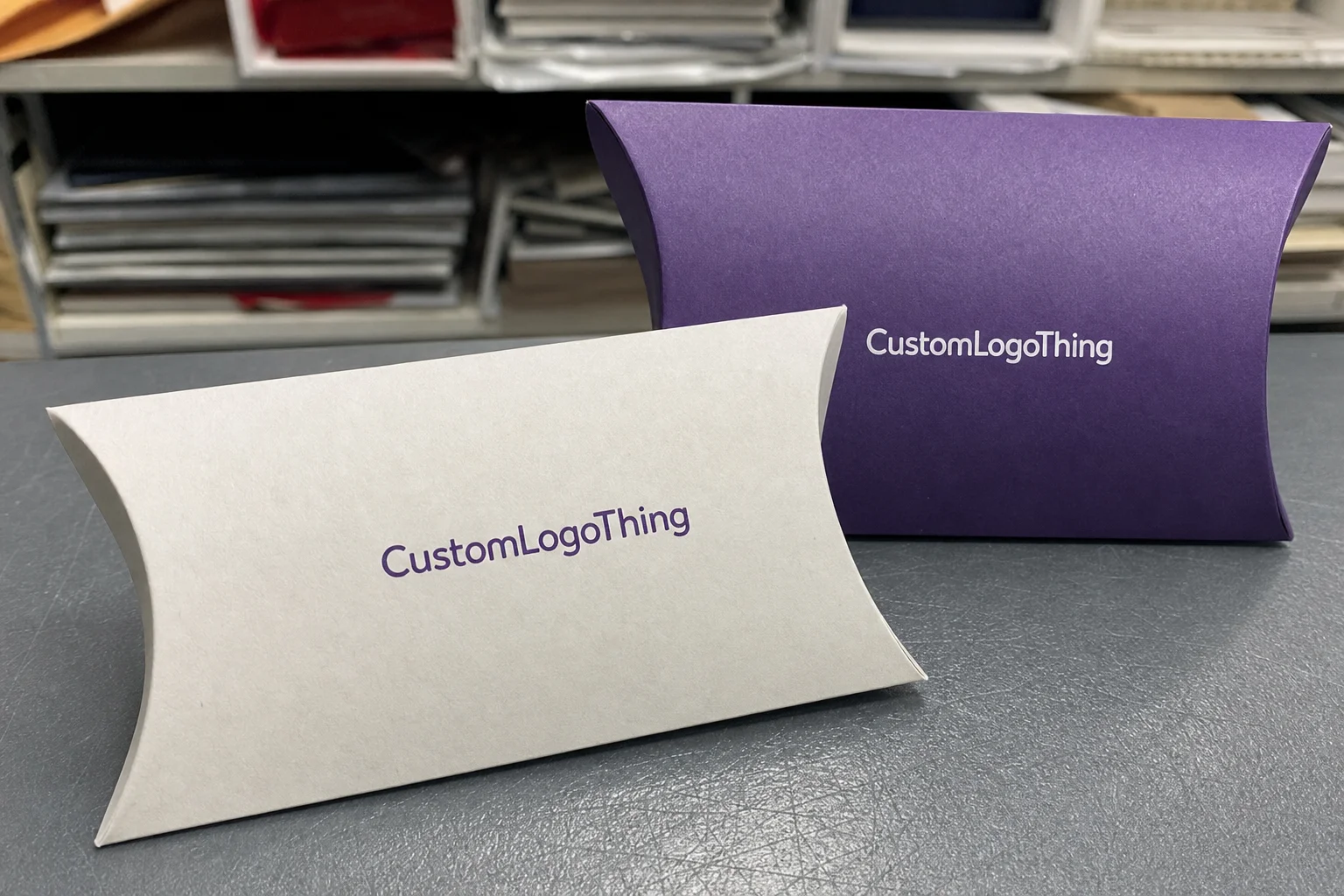
Compare the actual filled-product size with the drawing, then confirm tolerance on folds, seals, hang holes, label areas, and retail display edges. Reserve space for logos, QR codes, warning copy, and material claims before decorative graphics fill the panel.
Quote comparison points
Review material grade, print process, finish, sampling route, tooling charges, carton quantity, and freight assumptions side by side. A quote is only useful when the supplier can repeat the same color, closure quality, and packing count on the next order.
Brand Packaging Affordable: The Budget Move That Still Looks Premium
If you want brand packaging affordable without making your product look like it came from the discount aisle with one wheel missing, start with structure. I remember a client in Shenzhen who saved $0.18 per unit on a 10,000-piece run just by switching from a rigid box insert to a folded 350gsm C1S artboard tray. Same shelf impact. Better margin. Fewer headaches. That is brand packaging affordable done properly.
Most brands get this backwards. They spend money on foil, fancy coatings, and five rounds of artwork before they even know whether the box size is wrong. I’ve stood on the floor in a box plant in Dongguan while a customer insisted on soft-touch lamination for a shipping box that only ever got opened in a warehouse. Honestly, that’s not design. That’s budget leakage wearing a fancy coat. Brand packaging affordable starts with smart decisions, not decorative ones.
The goal is simple: build Packaging That Protects the product, supports brand identity, and gives customers a clean unboxing experience. You do not need to strip everything down to brown cardboard and pray for the best. You need to spend where people notice it: the logo, the fit, the print consistency, and the first moment the box is opened. That is where brand packaging affordable earns its keep, especially on runs of 5,000 to 20,000 pieces.
Here’s the mistake I see in supplier meetings all the time. A brand asks for embossed foil, inside printing, custom inserts, and a magnetic closure, then wonders why the quote looks like a luxury watch. If the product is a $22 candle or a $38 serum, the packaging has to work harder than that. Smart packaging design is about balancing shelf presence, shipping cost, and production efficiency. Not bragging rights. Not “we wanted it to feel expensive.” Great, but the invoice still exists, and it usually arrives before the launch photos.
I’ve spent years negotiating paper costs, arguing over die lines, and fixing last-minute carton problems that could have been avoided with a 10-minute spec check. If you want brand packaging affordable and still credible, this is the stuff you need. Otherwise, you end up paying for a box that looks amazing in a deck and mediocre on a conveyor belt in Guangzhou. Which, frankly, is a very expensive way to be disappointed.
What Brand Packaging Affordable Can Include
Brand packaging affordable does not mean one box fits every product. It means choosing the right format for the job. The best value usually comes from packaging structures that are easy to print, easy to assemble, and efficient to ship. In my experience, the most cost-effective Custom Packaging Options for small and mid-size brands are folding cartons, mailer boxes, sleeves, labels, and simple inserts made in factories around Shenzhen, Dongguan, and Foshan.
A folding carton can be ideal for cosmetics, supplements, candles, accessories, and small electronics. A mailer box works well for ecommerce kits and subscription boxes. Retail packaging needs more shelf impact, but you can still keep it affordable by using one-color print, a clean structural shape, and standard board sizes like 250gsm, 300gsm, or 350gsm. That is how you get brand packaging affordable without looking like you cut corners or got lazy halfway through the brief.
For some products, the smartest move is standardization. I once helped a skincare brand in Hangzhou reduce packaging spend by using one carton size for three SKU variations. The bottles were different, but the insert height changed by only 3 mm. We kept the same outer box, changed the inner paperboard spacer, and saved both tooling and inventory headaches. That is the kind of move that makes brand packaging affordable actually affordable, not just a nice phrase people put in a slide deck.
Common formats that keep costs under control
- Folding cartons for lightweight retail product packaging, usually on 300gsm to 350gsm C1S or CCNB.
- Mailer boxes for direct-to-consumer shipping and unboxing, often in E-flute corrugated.
- Paper sleeves for bars, bottles, jars, and seasonal bundles, with simple one- or two-color print.
- Labels and wraps for brands testing new SKUs with lower setup cost and faster turnaround.
- Simple inserts made from paperboard instead of molded pulp or rigid materials.
- Tissue and stickers for low-cost branding touches inside the box, usually added for $0.02 to $0.06 per unit.
When a client asks me how to make brand packaging affordable, I usually tell them to spend on the one or two details customers will actually touch. That could be a matte aqueous coating, a crisp one-color logo, or a well-cut insert that keeps the product from rattling around. Nobody opens a package and says, “Wow, what a beautiful spending decision.” They notice fit, color, and presentation. And if the lid flops open like it gave up halfway through, they notice that too, usually in the first 3 seconds.
Low-cost visual upgrades can still look premium if you use them with discipline. A kraft box with black ink can look sharp. A single emboss on the front panel can give depth without blowing up the quote. Inside print on a mailer box can create an excellent unboxing experience if you keep coverage light and avoid full-bleed color. This is how brand packaging affordable stays visually strong while the bill stays sane.
Product packaging should also be planned around SKUs, not ego. If you have 12 products, you do not need 12 unique structures. Sometimes you need three box sizes and a family of labels. That reduces plate costs, simplifies reorders, and gives your warehouse in Los Angeles or Melbourne fewer headaches. I’ve seen teams save $4,000 to $7,000 just by cleaning up their packaging architecture. No miracle. Just good planning. A little restraint goes a long way, which is annoying, because everyone wants the fancy option first.
Specifications That Keep Brand Packaging Affordable
Specs are where brand packaging affordable either stays on budget or slides into a mess of extra fees. I’ve visited enough mills and box plants in Guangdong and Zhejiang to know that small spec changes can shift pricing far more than people expect. A board upgrade, a second print color, or a fancy finish can add more cost than the actual box structure. That is why you need to treat specs like financial decisions, not decoration menus.
Start with board thickness. For folding cartons, common calipers like 250gsm, 300gsm, and 350gsm cover a lot of products. If your product weighs 120 grams, you do not need to pay for thick board designed to survive a warehouse forklift. A heavy glass jar needs more rigidity, or the box will crush in transit. Good brand packaging affordable work comes from matching the board to the product weight, not just picking the “premium” option because it sounds nice.
Here’s a practical material comparison. I use these conversations often with clients who want to balance brand identity and budget.
| Material | Typical Use | Cost Level | Presentation | Best For |
|---|---|---|---|---|
| SBS paperboard | Cosmetics, supplements, retail cartons | Moderate | Clean, bright, sharp print | Brands wanting a polished look |
| CCNB | Folding cartons, mass retail | Lower | Good, especially with simple graphics | Budget-conscious launches |
| Kraft board | Natural, eco-leaning product packaging | Lower to moderate | Warm, earthy, minimal | Branded packaging with a natural feel |
| E-flute corrugated | Mailer boxes, shipping boxes | Moderate | Solid, protective, flexible | Ecommerce and DTC brands |
| Recycled board | Eco-focused retail packaging | Varies | Natural, less bright, functional | Brands emphasizing sustainability |
Now the print spec. This matters more than people think. One-color or two-color printing is usually far cheaper than full-coverage CMYK art. PMS matching adds consistency, which is useful if your brand uses a specific blue or red across all channels. But every extra color means more setup. More setup means more cost. That’s the math behind brand packaging affordable, and it’s usually the difference between $0.16 per unit and $0.29 per unit on a 5,000-piece run.
Inside and outside printing also changes the price. If the box only needs an exterior logo and product name, keep the inside plain. If the inside print supports customer retention or a seasonal campaign, then yes, spend the money. But do it on purpose. I once reviewed a packaging quote where the inside of a mailer box was full-bleed pink with a hidden message under the lid. Cute? Sure. Necessary for a sample shipment of hair accessories? Not remotely. That one line item was eating 14% of the budget. I nearly spit out my coffee in the office in Ningbo.
Foil stamping, spot UV, embossing, debossing, soft-touch lamination, and heavy multi-layer coating all add cost. A small emboss on the logo may be worth it. A three-finish combo on a low-margin item usually is not. For brand packaging affordable, I typically recommend one finish at most, or none if the print and structure are already strong. On many jobs, skipping soft-touch alone can save $0.07 to $0.12 per unit.
Shipping method matters too. If your product is going direct-to-consumer, the box must survive transit and maybe a drop test. If it sits on a retail shelf, the visual standards are different. If it’s going through Amazon or a 3PL in California, Texas, or Ontario, you may need a stronger corrugated structure to avoid damage claims. Industry testing standards like ISTA are useful here, because a box that looks good and fails in transport is not affordable. It is expensive in disguise.
For sustainability-minded brands, I also point clients toward the EPA’s packaging and materials guidance when they want to understand recycling and material considerations. I’ve had several meetings where the buyer wanted “eco” but also “luxury,” which is fine, but the material choice has to support both. Brand packaging affordable can still be responsible if you avoid unnecessary laminations, oversized structures, and shipping cartons that are 20 mm bigger than they need to be.
Brand Packaging Affordable: Pricing, MOQ, and Real Cost Drivers
Let’s talk money, because that is where brand packaging affordable either gets approved or dies in a spreadsheet. Pricing depends on quantity, structure complexity, board selection, print method, finishing, and freight. If somebody gives you a “cheap” quote without those details, they are not quoting. They are guessing. Usually badly.
For a simple folding carton, I’ve seen pricing ranges like $0.28 to $0.55 per unit at 1,000 pieces, depending on board and print. At 5,000 pieces, that same style might fall closer to $0.14 to $0.26 per unit. The math is not magical. It’s setup cost spread over more units. That is why brand packaging affordable gets better as volume rises, especially if the plant is in Dongguan, Shenzhen, or Shanghai.
Mailer boxes often run a little higher if the corrugated board is thicker or if the print area is large. A clean 1-color mailer might be very manageable. Add full interior print, spot UV, and custom foam, and the quote climbs fast. I’ve seen brands ask for a luxury unboxing presentation on a starter run of 250 boxes. That is a fast way to make your budget cry. And the budget will absolutely hold a grudge.
MOQ matters. Many Custom Packaging Suppliers start around 250 to 1,000 units, depending on the format. Some carton plants will go lower for digital printing, but the per-unit price is usually higher. Larger runs reduce unit cost, but they also increase inventory risk. A smart brand packaging affordable strategy is to order enough to gain price efficiency without trapping cash in boxes you won’t use for 4 to 6 months.
Real cost drivers to watch
- Die line complexity: more folds and locks increase setup time and tooling, often by $80 to $250.
- Plate fees: more colors can mean more printing plates.
- Sampling: structural samples and revisions add real dollars, usually $25 to $90 per sample.
- Freight: cartons are light, but they ship by volume and can fill 1 to 3 cubic meters fast.
- Rush orders: faster production often means premium pricing.
- Revision cycles: each artwork change can delay approval and add charges.
One client came to me after getting three quotes that varied by nearly $3,800 on the same project. The reason? One supplier quoted just the box, another included a custom insert and freight, and the third assumed a different board grade. That happens all the time. If you want brand packaging affordable, compare apples to apples. Same size. Same material. Same finish. Same destination. Otherwise, you are comparing wishful thinking to actual production.
Ask for quotes in a structured way. I tell buyers to request line items for structure, print, finishing, sampling, freight, and any tooling or plate charges. If you are sourcing Custom Printed Boxes, that level of clarity protects your budget and your timeline. A supplier that hides freight or sampling costs is not saving you money. They are just moving the surprise to later, usually right after you’ve approved the proof.
There is another cost trap: over-ordering “just in case.” I get why people do it. Nobody wants to run out of packaging during a launch. But 20,000 boxes sitting in a storage room for a product that changes every quarter is not smart. For brand packaging affordable, the best order size is the one that balances price, forecast, and version stability. Not the biggest number on the page. Bigger is not always better. It just feels better for about 30 seconds.
If you want to review packaging options before you quote, our Custom Packaging Products page is a practical starting point. It helps narrow down which format makes sense before you start adding bells and whistles you probably do not need.
Process & Timeline: From Artwork to Delivery
The production process for brand packaging affordable is not complicated, but it does have steps, and skipping one usually costs money. I’ve sat in meeting rooms in Shenzhen where a brand approved artwork before finalizing the dieline, then blamed the box plant because the flap size was wrong. The plant was not psychic. The file was bad. That happens more than people admit, usually with a straight face and a very tense silence.
Here is the clean workflow I recommend: brief, quotation, dieline selection, sample, artwork prep, proof approval, production, finishing, packing, and shipping. If you are working on a launch, build in time for one revision cycle, because the first proof is rarely the final proof. That is normal. What is not normal is approving a box before checking the product dimensions with calipers instead of “roughly about this size.” Roughly is not a measurement. It is a gamble that can cost $150 to $400 in rework.
- Collect product dimensions and weight.
- Choose the packaging format and target budget.
- Request a quote with material and finish options.
- Approve a dieline and structural sample if needed.
- Prepare artwork using the confirmed dieline.
- Review digital proof and color notes.
- Approve production and schedule delivery.
Timelines vary, but a practical range for custom packaging is usually 12 to 15 business days after proof approval for straightforward jobs, and longer if you need heavy finishing or a new structural sample. Sampling can add 3 to 7 business days. Freight can add more. If you are ordering overseas, customs and transit can push the schedule further by 7 to 20 days. Brand packaging affordable only stays affordable if you do not trigger rush fees because someone forgot the trade show date. I’ve seen that movie. It is not a comedy, even if everyone laughs nervously afterward.
There is also a difference between mockups and samples. A digital mockup shows the look. A structural sample shows the fold and fit. A production sample shows how the final job behaves under real print conditions. I have seen clients approve from a PDF, then discover that the insert was 2 mm too tight when the actual product arrived. Two millimeters. That tiny miss can wreck a run. So yes, sample smart.
For seasonal launches, I always advise brands to work backward from the shelf date. If your product needs to land in a retailer’s warehouse by the first week of October, your packaging should be locked by early August at the latest. Print delays are annoying. Retail onboarding delays are worse. A good brand packaging affordable plan has buffer time built in, because time pressure usually costs more than the packaging itself.
Also, be realistic about rush orders. Fast turns usually mean less flexibility, extra labor, and tighter freight options. That is not supplier greed. That is production reality. If you want brand packaging affordable, you plan early, keep the structure simple, and approve proofs quickly. Boring advice. Works every time.
Why Choose Us for Brand Packaging Affordable
At Custom Logo Things, we focus on brand packaging affordable that still holds up in the real world. That means we care about fit, print clarity, and production efficiency as much as we care about appearance. I’ve spent years negotiating with paper mills in Shandong, box plants in Guangdong, and freight partners in Hong Kong, so I know exactly where costs creep in and where they can be trimmed without hurting the result.
We do not push unnecessary features just because they look attractive in a sample room. If a brand can save $0.11 per unit by switching coating or trimming insert complexity, I’ll say it. If a product needs a stronger board because the first shipment is going into retail packaging and not soft mail, I’ll say that too. Honest guidance is part of brand packaging affordable. Otherwise, you are just paying for optimism, and optimism does not protect a box in transit.
One of the things clients value most is quoting transparency. I’ve seen too many suppliers quote a nice-looking unit price and then add surprise charges for setup, plates, freight, or “adjustments.” That’s not a quote. That’s a teaser. We prefer to break down the cost so you can see how structure, print, and finishing affect the total. You cannot manage a budget if half the budget is hiding in footnotes, usually at $60 here and $180 there.
We also help brands avoid expensive mistakes. Oversized boxes. Wrong insert depth. Too many finishes. Bad board choices. I had a client in cosmetics who was about to approve a rigid box for a $14 cleanser set. We switched them to a folding carton with a printed insert and a matte aqueous finish. The shelf look stayed clean, the product still felt premium, and the box spend dropped by nearly 27%. That is the kind of move that keeps brand packaging affordable and still protects the brand identity.
For proof points and real packaging examples, take a look at our Case Studies. You’ll see how different brands handled packaging design, structure choices, and print specs without wasting money on unnecessary complexity.
“We thought affordable meant plain. Sarah’s team showed us how to get a clean retail look, keep the box size tight, and cut our unit cost by almost 20%. That mattered more than another fancy finish.” — DTC skincare client
That is what brand packaging affordable should feel like. Not cheap. Not flimsy. Just smart. The right structure, the right print, the right amount of finish, and a supplier who knows how to keep the budget under control without wrecking the presentation. Preferably before the boxes leave Yantian port.
How Do You Make Brand Packaging Affordable?
The fastest answer is simple: keep the structure smart, the materials appropriate, and the finishes limited. If you want brand packaging affordable, do not start with the prettiest option in the catalog. Start with the product. Measure it. Weigh it. Decide how it ships. Then build around that reality. Fancy is optional. Fit is not.
I always tell brands to choose one hero element. Maybe it is the print. Maybe it is the shape. Maybe it is the insert. Pick one thing to make memorable, then let the rest stay efficient. A box that tries to do everything usually ends up costing too much and still feeling average. That is my favorite kind of corporate disappointment. The expensive kind.
Another way to keep brand packaging affordable is to consolidate SKUs. Three sizes are usually better than ten. One insert family is usually better than a different insert for every flavor, scent, or shade. Standardizing packaging components reduces tooling, speeds up production, and makes reorders much easier. Your warehouse team will not write a thank-you note, but they will stop cursing your name under their breath.
Finally, ask for total landed cost, not just factory price. Freight, sampling, and setup charges can turn a great quote into a mediocre one. A supplier can make a unit price look beautiful by hiding the ugly parts in the fine print. Don’t let them. Brand packaging affordable only matters if the final number still works after the boxes are packed, shipped, and checked into inventory.
Next Steps for Ordering Brand Packaging Affordable
If you want brand packaging affordable, the next step is not guessing. It is gathering the right information before you quote. I recommend starting with product dimensions, product weight, monthly volume, shipping method, and your target budget per unit. If you give a supplier vague inputs, you get vague pricing. Shocking, I know. People still do it every week, usually with a PDF that says “approximate size” and nothing else.
Next, collect your brand assets. Logo files, color references, and any existing style guide help the quote move faster. If you have a specific Pantone color or retail display requirement, mention it early. That can affect board choice and print setup. The more accurate the brief, the easier it is to achieve brand packaging affordable without revisions stacking up like unpaid parking tickets.
Ask for three things first: a quote, a dieline, and a material recommendation. If the supplier can also provide a sample option, even better. Then compare at least two structure/material combinations. In one case, I had a client compare a 300gsm SBS carton with a 350gsm CCNB option. The SBS looked brighter, but the CCNB saved enough money to fund a better insert. That is the sort of comparison that makes brand packaging affordable practical instead of theoretical.
Do not lock artwork until the dimensions are final. I know people want to “get design moving,” but if the box size shifts by even 1/8 inch, the layout can change. Reworking artwork after approval wastes both time and money. Confirm the dieline, then finalize graphics. That sequence saves headaches and keeps you out of the dreaded second-round-proof trap.
Before you place the order, request a production timeline and a landed-cost estimate. Include freight. Include sampling. Include plates or tooling if relevant. A package that looks inexpensive ex-works can become expensive once it lands at your door. Brand packaging affordable only counts when you know the real total, not the headline number.
If you are ready to move, send us your specs and we’ll help you narrow the options quickly. The best orders are the boring ones: clear dimensions, realistic volumes, and a decent budget. That is where brand packaging affordable performs best, especially for launches planned 6 to 8 weeks ahead.
FAQ
How can I make brand packaging affordable without looking cheap?
Use a simple structure with smart print choices instead of expensive finishes. Choose materials that fit the product, not oversized premium boards. Standardize sizes across SKUs to reduce setup and tooling costs. That approach keeps brand packaging affordable and still gives you a clean, credible result, whether you’re producing in Shenzhen or shipping to Toronto.
What is the cheapest custom packaging format for small brands?
Folding cartons and mailer boxes are usually among the most cost-effective custom options. One-color print on kraft or standard paperboard often keeps pricing lower. Avoid complex inserts and multi-step finishes if budget is the priority. That is the fastest path to brand packaging affordable without sacrificing basic presentation, especially on orders under 1,000 units.
What MOQ should I expect for affordable brand packaging?
Many custom runs start around 250 to 1,000 units depending on structure and print method. Lower MOQ usually means higher per-unit cost. Ask for multiple MOQ tiers so you can compare savings at higher quantities. That helps you plan brand packaging affordable around your actual demand instead of a wish, and it keeps storage under control in the 3 to 6 month range.
Which finishes add the most cost to brand packaging affordable orders?
Foil stamping, embossing, spot UV, and soft-touch lamination usually raise cost fastest. Multi-color full coverage printing also increases price. Use one premium finish sparingly if you want a better look without blowing the budget. That keeps brand packaging affordable and avoids turning a simple carton into an expensive art project, which happens more often than people admit.
How long does affordable custom packaging usually take to produce?
Typical production depends on quantity, complexity, and proof approval speed. Sampling and revisions can extend the timeline more than printing itself. Plan early so you do not pay rush fees or settle for a weaker spec. If you want brand packaging affordable, time is part of the budget whether people like it or not, and most straightforward jobs ship in 12 to 15 business days after proof approval.
If you want brand packaging affordable that still supports sales, protection, and package branding, start with the structure, then the specs, then the finishes. That order saves money. It also saves you from the kind of expensive mistakes I’ve seen on factory floors in Guangzhou, in client meetings in Shanghai, and during way too many quote negotiations over a bad coffee machine. Get the basics right, and brand packaging affordable stops being a slogan and starts being a real margin win.