Buyer Fit Snapshot
| Best fit | custom mailer boxes design work for packaging buyers comparing material specs, print proof, MOQ, unit cost, freight, and repeat-order risk where brand print, material, artwork control, and repeat-order consistency matter. |
|---|---|
| Quote inputs | Share finished size, material target, print colors, finish, packing count, annual reorder estimate, and delivery region. |
| Proofing check | Approve dieline scale, logo placement, barcode or warning zones, color tolerance, and any recyclable or compostable wording before bulk production. |
| Main risk | Vague material claims, crowded artwork, or missing packing details can create delays even when the unit price looks attractive. |
Fast answer: Custom Mailer Boxes Design Work: Film, Closure, Print, and Fulfillment should be specified like a repeatable production item. The safest quote includes material, print method, finish, artwork proof, carton packing, and reorder notes in one written spec.
What to confirm before approving the packaging proof
Check the product dimensions against the actual filled item, not only the sales mockup. Ask for tolerance on folds, seals, hang holes, label areas, and retail display edges. If the package carries a logo, QR code, warning copy, or legal claim, reserve that space before decorative graphics fill the panel.
How to compare quotes without losing quality
Compare board or film grade, print process, finish, sampling route, tooling charges, carton quantity, and freight assumptions side by side. A lower quote is only useful if the supplier can repeat the same color, closure quality, and packing count on the next order.
Custom mailer Boxes Design Tips matter more than most brands realize. I’ve watched a $48 serum set feel “luxury” because the box opened like a tiny stage set, and I’ve also seen a $120 candle line lose credibility because the lid popped open in transit on a route from Dongguan to Los Angeles. That contrast is exactly why Custom Mailer Boxes design tips deserve real attention: the box has to protect the product, carry the brand, and survive the shipment all at once. If the specs are clean and the factory slot is open, a straightforward run can move from proof approval to production in about 12 to 15 business days, but that timeline gets longer fast once people start changing their minds.
In packaging meetings, I still hear people call the mailer “just the shipper.” That phrase usually costs money. The mailer is often the first physical brand impression, and it can shape how customers judge product quality before they even touch the item. Good custom mailer Boxes Design Tips are not about decoration alone. They are about structure, fit, presentation, and the economics of fulfillment. Too many teams treat packaging like an afterthought until the damage reports show up, usually right after launch, because of course they do. On a 5,000-piece run, even a $0.07 difference per unit becomes $350 fast, which is real money, not a vibe.
Below, I’m breaking down Custom Mailer Boxes design tips the way I would for a client sitting across the table from me with a sample in hand, a deadline on the wall, and a budget that can’t absorb avoidable mistakes. I’ve done that meeting in Shenzhen, in Guangzhou, and once in a grim conference room outside Ho Chi Minh City where the only good thing was the coffee. The coffee was borderline terrible, but the sample analysis was solid, which is more than I can say for some polished presentations I’ve sat through.
What custom mailer boxes are and why design matters
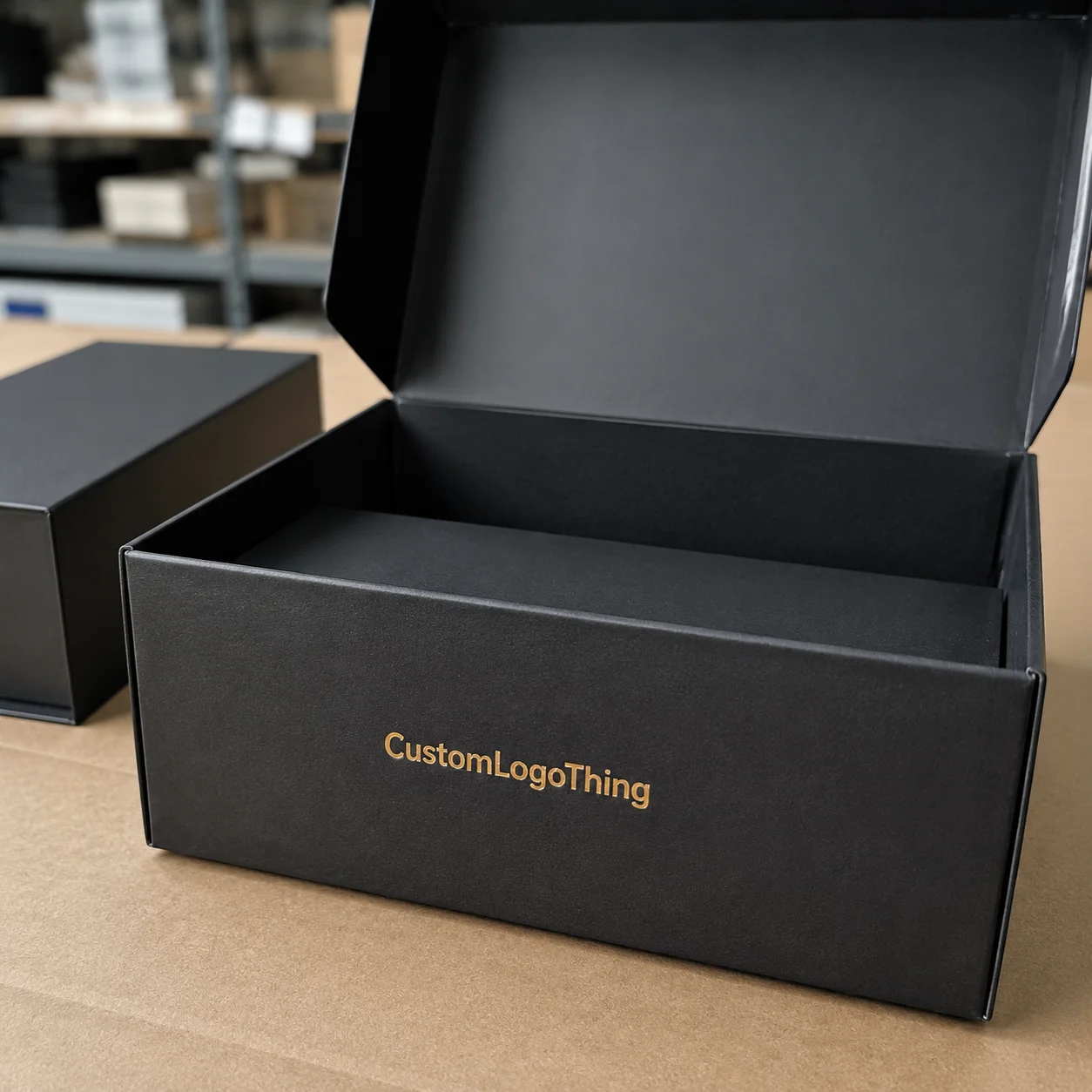
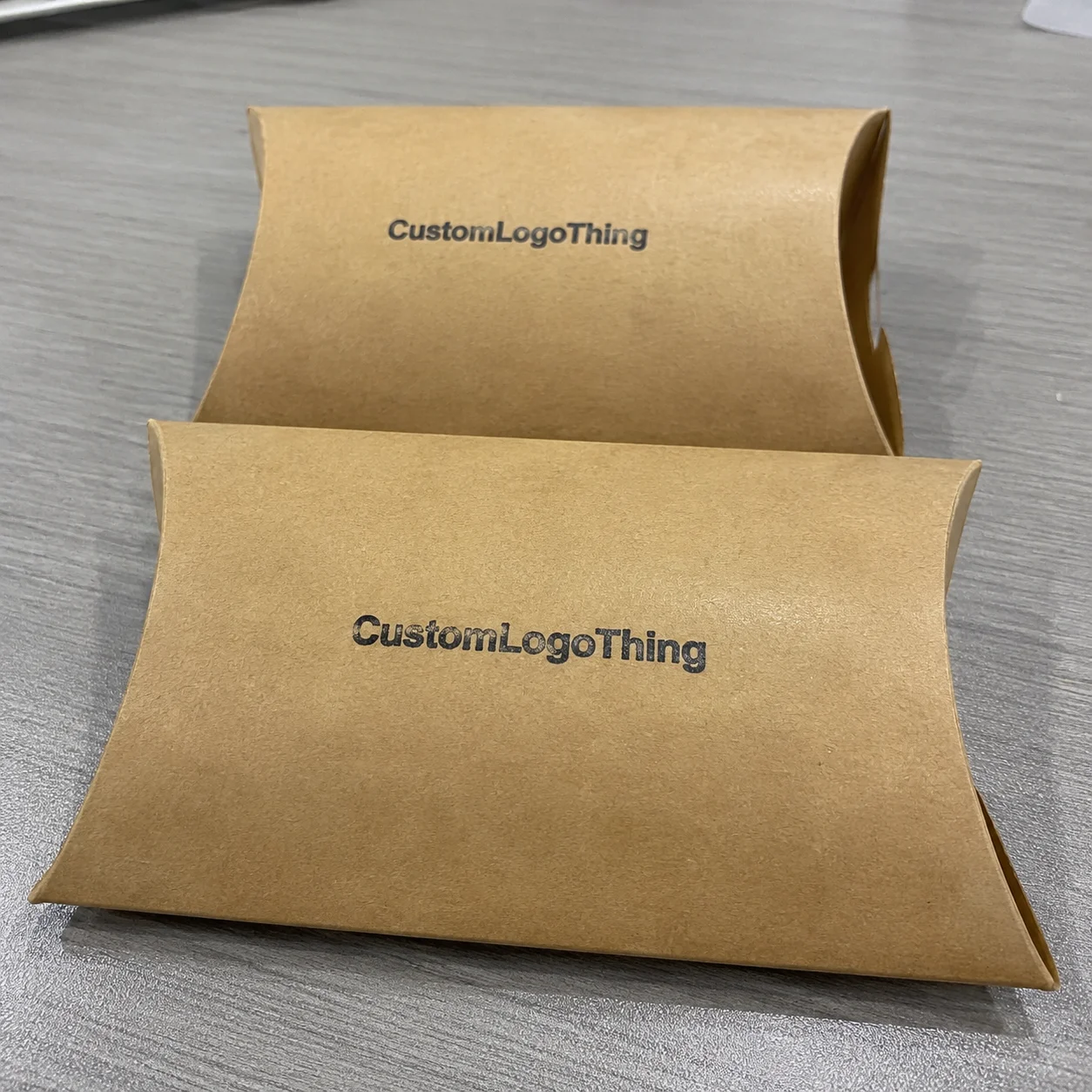
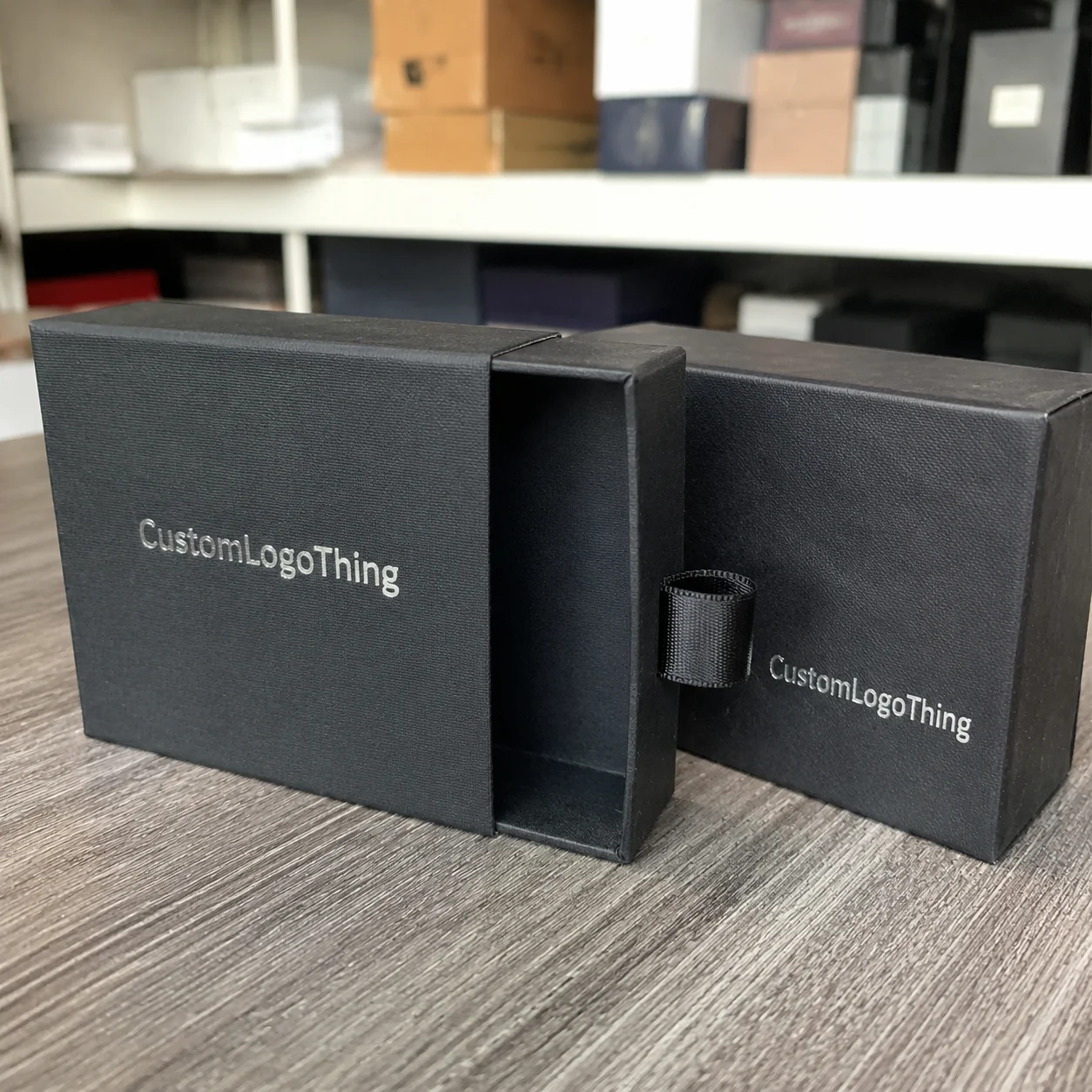
Custom mailer boxes are self-locking corrugated boxes used for shipping, subscription fulfillment, ecommerce orders, and branded gifting. Most are made from E-flute or B-flute corrugated board, though some brands move up to heavier grades if the contents are fragile or the route is rough. A common spec is 350gsm C1S artboard laminated to corrugated, or a 1.5 mm E-flute with a printed liner for lighter products. They fold flat, set up quickly, and travel better than many rigid alternatives when the product size is chosen correctly.
I’ve seen brands spend weeks debating foil on the logo while ignoring a 6 mm gap that let the bottle rattle inside. That’s the trap. A mailer does two jobs at once: it protects the product in transit and it communicates package branding before the customer even lifts the lid. If either job fails, the experience falls apart. I remember one supplier meeting in Shanghai where the marketing team was practically arguing over the exact shade of black while the operations manager quietly pointed at a sample with crushed corners. He won that round. Rare victory, honestly. The quote for the fix was only $0.15 per unit at 5,000 pieces, which is cheaper than replacing broken stock and pretending the damage was “acceptable.”
Design matters because people judge fast. The print quality, the board feel, the way the flap closes, the inside reveal, and even the sound the box makes when opened all signal quality level. A 32-point kraft board with one-color ink sends a very different message than a full-color mailer with soft-touch lamination and a custom insert. Neither is automatically better. The right choice depends on the product, the audience, and the margin. For a DTC skincare line priced at $36 to $68, I’ve seen a simple two-color mailer outperform a flashy box because it looked intentional instead of try-hard. That kind of restraint can be harder to pull off than fancy print, which is annoying but true.
On a client visit in Shenzhen’s Longhua district, I watched a cosmetics team reject a beautiful printed sample because the corners crushed after a simple drop test from waist height onto concrete. That sample looked perfect on a desk. It failed in the real world. Packaging design only matters when it survives handling, stacking, moisture, vibration, and the impatient hands of warehouse staff. And yes, warehouse staff are often the ultimate design critics. They will tell you in two seconds flat if your “innovative” box is a pain to pack. I’ve seen a packed line in Ningbo lose 9 seconds per order because the mailer tab was 4 mm too stiff. That’s the kind of detail that sounds tiny right up until you multiply it by thousands.
“The box is never ‘just the box.’ It is the first complaint, the first compliment, and sometimes the reason a repeat order happens.”
That’s why custom mailer Boxes Design Tips should always start with function. Style comes after fit. Branding comes after structure. The best results happen when those pieces are planned together, not patched together in revision three. If you build the structure wrong, no amount of gold foil from Guangzhou will save it.
If you want to see the broader range of formats available, I’d also recommend reviewing Custom Packaging Products and comparing them against your shipping method, storage space, and product weight. For some brands, a mailer is right. For others, a different shipping format saves more than it costs, especially if the product is under 200 grams or ships in cartons of 24 units.
How custom mailer boxes design works in practice
Most custom mailer boxes design tips fail because they skip the workflow. A box is not designed in one step. It moves through measurement, dieline creation, artwork placement, proofing, sampling, and final production. If any one of those stages is rushed, the whole job can drift off target. I’ve seen that delay cost a brand a full launch week in Melbourne because the final dieline was approved with the wrong insert height. Nobody noticed until the sample arrived, which was a very expensive way to learn a very basic lesson.
First comes the product measurement. I want exact length, width, and height, plus the weight, any accessories, and whether the item ships in a pouch, tray, wrap, or insert. Then the structural team builds the dieline, which is the flat layout showing folds, flaps, cuts, and glue areas. That dieline is the map. The graphic designer then places artwork inside that map, keeping logos away from seams and critical messages away from folds. If you are using a 3 mm bleed and a 2 mm safety margin, do not wing it. Winged packaging is how expensive mistakes happen.
Structural design and graphic design are not the same thing. I’ve had brands send artwork that looked excellent on a screenshot and then watched the logo disappear into the side seam because nobody checked the flap location. That kind of issue is avoidable if the structure and graphics are reviewed together before proofing. In one factory review in Dongguan, a 1 mm shift in the flap position changed the visible logo area by almost 8 mm. That’s the sort of detail that matters when the box face is only 120 mm wide.
The print method also changes the result. Digital printing is often better for shorter runs and frequent artwork changes. Flexographic printing can be more efficient at scale, but the color behavior and setup differ. Lamination, aqueous coating, varnish, embossing, and foil all affect texture, scuff resistance, and cost. A box that looks matte and elegant may also scratch more easily if the coating choice is wrong. For a 2,000-piece run in Vietnam, I’ve seen spot UV add $0.12 to $0.22 per unit depending on coverage, which is not trivial if your margin is tight.
For ecommerce brands, the customer journey matters just as much as the shipper journey. The box must survive picking and packing, then travel through carrier networks, then open cleanly, then often sit on a shelf or be reused. Some customers keep mailers for returns or storage. That means the structure and print finish should hold up beyond the first reveal. If your box is going from a fulfillment center in New Jersey to a customer in Arizona in August, heat and compression matter more than a pretty render. Paperboard does not care how nice your mood board looked in Figma.
Here’s a quick reality check I’ve learned from supplier negotiations: late artwork changes are expensive, wrong dimensions are worse, and choosing the wrong board for the shipping route can erase any savings from a cheaper box. Those three errors account for a surprising amount of wasted spend. I’ve been in those conversations where everyone stares at the quote like it personally betrayed them. The quote didn’t betray you. The missing details did. On a 10,000-piece order, a tiny dimensional miss can turn into pallet overage, carton rework, and a freight bill that makes finance mutter into their coffee.
For brands shipping lightweight items, a related format may be more efficient. For example, a switch to Custom Poly Mailers can make sense for apparel or soft goods where compression is acceptable and product protection needs differ from rigid packaging. A basic poly mailer can start around $0.09 to $0.18 per unit at 10,000 pieces, which is a very different conversation from printed corrugated in the $0.42-plus range. Different tool, different job. Simple as that.
Key factors that shape mailer box design decisions
The best custom mailer boxes design tips always start with sizing. If the box is too big, the product shifts. If it is too tight, packing becomes slow and the board may bow. I like to leave just enough clearance for inserts, tissue, or a wrap without creating unnecessary void space. In practical terms, that often means planning the internal size around the product plus 2 to 5 mm tolerance on each side, depending on the insert style. For a boxed candle, I usually want 3 mm clearance and a snug paperboard cradle, not a loose nest that lets it rattle like a drum.
Material selection changes everything. A 1.5 mm E-flute can look sharp and print well, but a heavier B-flute may be the safer choice for heavier sets or longer shipping distances. Board weight affects crush resistance, print clarity, and freight cost. A 350gsm C1S artboard outer with E-flute is common for premium mailers in Shenzhen and Dongguan because it balances print quality and cost. In a warehouse I visited last year in Suzhou, a supplement brand switched from lighter board to a stronger corrugated grade and reduced damaged returns by 18% over six weeks. Not every operation will see that exact improvement, but the direction was clear.
Branding elements need discipline. Logo placement should respect the opening sequence. Color strategy should work in daylight, warehouse lighting, and phone photos. Typography must be readable at arm’s length, not just on a design monitor. Interior printing can add a strong moment of surprise, but it should support the message rather than crowd it. The inside of a box is often where the customer reads the first line of copy. That’s prime space. A simple line in 8 pt type can be enough if the tone is right and the copy is short.
Protection requirements are where packaging design becomes engineering. A box shipping across town is not the same as one moving through three hubs and a delivery van. Fragile products need better corner protection, maybe inserts or dividers. Moisture exposure matters too. I’ve seen kraft mailers arrive slightly warped after humid warehouse storage in Guangzhou, which then made closure strength inconsistent. If your route includes humidity, cold chain, or long dwell times, tell your supplier early. If the box sits in a warehouse at 28°C and 75% humidity for two weeks, your spec needs to account for that.
Sustainability also belongs in the brief. Recyclable corrugated board, FSC-certified paper, and reduced ink coverage can all help lower environmental impact. For reference, FSC resources are available at fsc.org, and shipping guidance often intersects with broader packaging waste goals discussed by the EPA at epa.gov. I’m cautious here, though: “sustainable” does not mean “best” in every use case. A box that fails in transit creates more waste than a properly specified one. That part gets glossed over way too often because “eco” sounds nicer than “damaged goods.”
Compliance and logistics are easy to overlook. If the mailer must carry a barcode, SKU, QR code, safety copy, or return address block, those elements need reserved space. Subscription fulfillment adds another wrinkle because the box must be quick to pack and easy to close hundreds or thousands of times. Retail packaging usually demands stronger shelf presence. Direct-to-consumer packaging may prioritize speed and shipping resilience. Same product, different rules. A box built for a Tokyo retail shelf is not the same as one built for a Texas fulfillment center.
Here’s a comparison that helps clients Choose the Right direction for custom mailer boxes design tips and budget planning:
| Option | Typical Use | Approx. Unit Cost | Strength | Brand Impact |
|---|---|---|---|---|
| Plain kraft mailer, one-color print | Startups, low-complexity shipping | $0.42–$0.78 at 5,000 pcs | Good for light to medium products | Clean and minimal |
| Full-color printed mailer | Ecommerce, subscription, gifting | $0.68–$1.35 at 5,000 pcs | Depends on board grade | Strong visual branding |
| Mailer with custom insert | Fragile items, kits, sets | $0.95–$2.10 at 5,000 pcs | Higher product stability | Premium unboxing |
| Mailer with special finish | Luxury, gift, higher AOV | $1.20–$2.80 at 5,000 pcs | Varies by structure | Elevated tactile feel |
Those numbers are directional, not universal. A 2,000-piece run, a complex dieline, or a premium finish can shift pricing quickly. Still, they give a realistic frame for custom mailer boxes design tips conversations before anyone gets lost in vague “affordable” language. If you’re quoting in Shenzhen, the same job can land 8% to 15% lower than a comparable run in Southern California, but freight, duties, and lead times can flip that math. That’s why the cheapest box quote is sometimes the most expensive option once it lands in a warehouse.
Custom mailer boxes design tips: step-by-step planning
Step 1 is the one most brands skip: define the packaging goal. Do you want protection first, presentation first, or a balance of both? I’ve had clients say they want “premium” and “cheap to ship” in the same sentence, which is fair, but it has to be translated into something measurable. A 250-gram skincare set and a 2.4-kilogram bottle kit will not live in the same box style. If the product weighs 180 grams, your board and closure requirements are very different from a 1.8-kilogram gift set.
Measure the product accurately. Not approximately. Not “close enough.” I once saw a subscription brand lose three weeks because they measured the folded garment, not the garment plus tissue and card insert. The result was a box 7 mm too shallow. That tiny miss created crushed corners and slowed packing by 11 seconds per order. Over 10,000 units, that is not small. It is the kind of tiny error that turns a clean forecast into a very ugly spreadsheet. One wrong dimension can also mean retooling the dieline and paying another proof fee, often $35 to $80 depending on the supplier.
Step 3 is choosing the right box style and board grade. For mailers, the self-locking structure is popular because it closes securely without extra tape in many cases. But the closure style still needs to match the load. If the product is heavy, the side walls need more resistance. If the box will be stacked in cartons, compressive strength becomes a factor. Ask for board specs in clear terms, such as E-flute, B-flute, or a specific caliper and test score, rather than assuming all corrugated board behaves the same. If your supplier says “good quality” and nothing else, keep asking until they stop being poetic and start being specific.
Step 4 is visual hierarchy. This is one of the most useful custom mailer boxes design tips I can give: place the strongest brand element where the eye lands first. Usually that means the lid top or front panel. Then decide what comes next, which may be a tagline, a product category, or a simple “Thank you” message. Don’t cover every surface just because you can. Empty space can make a box feel more expensive than busy graphics ever will. A single logo centered on a 240 mm lid can look more premium than four panels shouting at once.
Step 5 is artwork prep. Keep critical text out of folds, seams, glue zones, and trim areas. If the dieline has a 3 mm tolerance, respect it. Use vector artwork where possible, and convert fonts to outlines before final delivery. If your printer asks for CMYK builds rather than RGB, send CMYK. That sounds basic, but basic is where jobs succeed or fail. I’ve seen a brand in Brisbane spend two extra days fixing a navy that printed purple because somebody left the file in RGB. Same logo. Very different mood.
Step 6 is sampling. Always. I know it adds time, and nobody likes waiting when a launch date is close, but a prototype can save thousands of dollars. Test closure strength, product fit, scuff resistance, and the actual unboxing sequence. If your product is fragile, do a simple internal drop test and compare the result against your shipping route. If the box opens too easily, if the flap warps, or if the insert shifts, fix it before mass production. A sample approval delay of 3 business days is annoying; a 30,000-unit reprint is far worse.
I’ve sat in client meetings where everyone nodded at a render, then the physical sample arrived and the logo looked five percent too small because the human eye judged the board texture differently from the screen. That happens. Digital mockups are useful, but cardboard is a physical material. It bends light differently. It hides or exaggerates color depending on ink coverage and coating. Samples are not a luxury. They are part of good custom mailer boxes design tips. On press in Dongguan, I watched a matte laminate pull the reds down by nearly 12% compared with the file. If we had skipped the proof, the brand would have hated the result.
Practical checklist before approving artwork
- Confirm internal dimensions to the nearest millimeter.
- Verify the product includes all inserts, cards, and accessories.
- Check fold lines, glue areas, and bleed zones on the dieline.
- Limit small reversed text to readable sizes.
- Ask for a physical sample if the box will ship fragile goods.
If your packaging program includes other boxes and inserts, it may help to build a family system around a few standardized sizes. That approach often reduces waste and simplifies procurement, especially for brands growing out of one-off custom printed boxes into a repeatable shipping program. A three-size family can cut SKU complexity by 20% to 30% in a busy warehouse, which is the kind of boring efficiency everyone loves once they see the numbers. Nobody gets excited about fewer SKUs until they realize how much time they were wasting.
Cost and pricing: what affects custom mailer box budgets
Cost is usually where custom mailer boxes design tips become real. The main drivers are size, board grade, print coverage, number of colors, finishes, inserts, and quantity. Once you understand those variables, price quotes stop feeling mysterious. They start looking like a set of tradeoffs. For a run of 5,000 units in a standard size, a simple one-color mailer may sit around $0.42 to $0.78 per unit, while a printed insert set can add $0.18 to $0.65 more depending on complexity.
Order volume matters a lot. A small run might be priced at $1.80 per unit because setup costs are spread across fewer boxes. At 10,000 pieces, that same structure could drop to under $1.00 depending on print method and finish. That is not magic; it is manufacturing efficiency. Plates, setup, waste allowance, and handling all get diluted as quantity rises. In a Guangzhou factory, the jump from 2,000 to 8,000 pieces can change the quote more than changing ink colors does.
Premium finishes can be beautiful, but they are not free. Foil, embossing, debossing, spot UV, and laminated coatings can raise unit cost fast. A matte mailer with a single foil logo may look restrained and upscale. A fully printed interior with foil and a custom insert may look stunning, but only if the product price and margin support it. Honestly, I think many brands overspend on finishes before they solve fit. That is backwards. You can’t polish a box into behaving better in transit. A soft-touch laminate may add $0.10 to $0.24 per unit, which is fine if the retail price is $85, not if the margin is already thin.
Hidden costs are where budgets bleed. Revised artwork after approval, freight charges, larger carton counts, pallet storage, and last-minute dieline changes can all increase total spend. One client I worked with saved $0.09 per box by switching to a simpler finish, only to spend that gain on rush freight because the sample approval was delayed by a week. That kind of math is maddening, but common. I swear packaging budgets have a talent for disappearing in the exact places nobody was watching. If your pallet load grows by even 12 cartons, warehouse handling can become the surprise line item nobody planned for.
Here’s a simple cost comparison table I use when explaining custom mailer boxes design tips to budget-conscious teams:
| Design Choice | Effect on Cost | Effect on Experience | Best For |
|---|---|---|---|
| Standard size box | Lower | Efficient packing, less waste | Recurring SKU programs |
| Custom insert | Higher | Better product stability | Fragile or multi-item sets |
| Full interior print | Higher | Stronger unboxing effect | Subscription and gifting |
| Minimal one-color branding | Lower | Clean, functional, honest | Value-focused brands |
My strongest cost-control advice is simple: standardize what you can. If three product lines can use one family of mailers with a few insert variations, you’ll usually save more than you would by chasing a different custom size for every SKU. That kind of packaging design discipline also improves warehousing and reorder speed. In one project out of Dallas, standardizing from seven box sizes down to three cut procurement time by four days per reorder cycle. That’s not glamorous, but it’s the sort of boring fix that quietly saves a lot of headaches.
Also, remember shipping weight. A heavier board and extra finish layers can increase outbound freight costs. The box budget does not live separately from the freight budget. Those numbers touch each other more than finance teams often realize. If a mailer adds 38 grams per unit and you ship 20,000 units a month, that extra weight shows up on the carrier invoice whether anyone likes it or not.
Timeline and production process: what to expect
The typical process starts with a brief, then a quotation, then a dieline, artwork setup, proofing, sampling, revisions, production, and shipment. A simple project with final dimensions and print-ready files can move quickly. A more complex branded system with inserts and multiple SKUs usually takes longer because every component has to fit together. For a straightforward mailer order from proof approval to ship-out, 12 to 15 business days is common; custom inserts or special finishes can push that to 18 to 25 business days.
Timeline depends on complexity and order size. If you already know the internal dimensions, the print coverage, and the finish, your project will move faster. If you still need structural development, color matching, or packaging compliance review, expect more back-and-forth. That is normal. Rushing those steps usually costs more than planning them well. I’ve seen one week disappear just because the brand wanted to compare two matte blacks that looked identical under office lighting in Singapore but not under factory LEDs in Dongguan.
For larger projects, approval time is often the hidden bottleneck. One brand may need marketing sign-off, operations sign-off, and retail sign-off. Each reviewer sees something different. Marketing focuses on package branding. Operations looks at pack speed and closure. Retail asks whether the box survives shelf handling. If nobody owns the final approval, the calendar drifts. I once watched a five-person approval chain turn a seven-day quote into a 21-day wait because nobody wanted to be the first person to say yes. Everyone wanted consensus, and consensus was apparently on vacation.
Samples are worth the wait because a 4 mm mistake at the box stage can become a 40,000-unit problem later. I’ve watched teams catch a fold issue on a prototype and avoid an entire production delay. That is the kind of save that never appears in the sales deck, but it protects the launch. A prototype made in Shenzhen can cost $80 to $250 depending on structure, which is cheaper than scrapping pallets.
If you want to benchmark your own process against industry norms, trade groups like the ISTA publish useful packaging transport testing information. I’m a fan of tying packaging decisions to actual transit conditions rather than to instinct alone. That is where custom mailer boxes design tips become practical instead of theoretical. A good test can show whether your box survives a 30-inch drop, corner crush, or vibration over a simulated 3-hour route. It’s not fancy, but it tells the truth.
Common mistakes and expert tips for better results
One of the biggest mistakes is designing for looks first and protection second. A beautiful box that crushes in transit is not premium. It is expensive damage. Start with shipping stress, product fit, and closure behavior. Then layer branding on top. That sequence gives you a package that works and still looks good. In practical terms, I’d rather see a plain box that arrives intact than a gorgeous one that needs 6 replacement shipments a week. Pretty does not refund freight.
Another common issue is crowding every panel. Too much copy, too many icons, too many claims. The result feels anxious. Better custom mailer boxes design tips usually include restraint. Use negative space. Let the logo breathe. If the customer can read the box from a normal arm’s length, the design is doing its job. A lid with 40% empty space often reads more premium than one packed edge to edge with marketing slogans. The box should feel designed, not panicked.
Ignoring the inside of the box is another missed opportunity. The outer panel gets the first glance, but the inside gets the emotional moment. A short line like “Made to arrive in one piece” or a simple product care note can be more effective than a busy collage. I’ve seen brands win more social shares from a one-line inside reveal than from a full exterior pattern. That is not always the case, but it happens often enough to matter. A one-color interior print can cost as little as $0.03 to $0.08 extra per unit, which is a cheap way to add a memorable detail.
Skipping sample testing is a mistake I keep seeing in fast-moving ecommerce teams. Test closure, stacking, scuff resistance, and opening ease with the actual product inside. Not a paperweight. The real item. If the box opens too easily on the conveyor or too tightly in the customer’s hands, You Need to Know before order quantity turns the issue into inventory. At 8,000 units, “we’ll fix it next run” becomes an expensive sentence.
Using premium finishes that don’t match the product price point is another way money disappears. A $14 accessory line may not need foil stamping and an embossed interior if the shipping cost already eats margin. Reserve premium embellishments for mailers where the unboxing experience supports the spend. Otherwise, the finish becomes decoration without return. I’ve had clients in Seoul and Chicago both ask for soft-touch, foil, emboss, and spot UV on the same lid. That’s four effects. The box was not becoming luxurious. It was becoming confused.
Here are the custom mailer boxes design tips I give most often when a project gets stuck:
- Reduce the number of print decisions to the ones customers will actually notice.
- Keep the logo on the first-opening panel unless the reveal is intentionally staged.
- Match board strength to route length, handling risk, and product fragility.
- Choose one hero finish instead of three competing effects.
- Build a reusable size system if you plan to scale SKU count.
On a factory floor visit in Guangdong, a press operator showed me how a slight change in ink density altered how a matte black mailer read under fluorescent light. Same artwork. Different perception. That’s why packaging design needs both design instinct and production reality. Screens lie a little. Cardboard tells the truth. Which is annoying, but also useful. Cardboard never pretends. A sample approved in the afternoon can still look different under 5,000K warehouse lighting the next day, and that is exactly why you check it twice.
For teams still refining their broader packaging mix, custom mailer boxes may be one part of a larger system that includes inner cartons, mailers, and retail packaging. Aligning those formats early reduces inconsistency and helps product packaging feel intentional rather than improvised. If your product line ships from both California and Poland, using a shared color system and board spec sheet can save everyone from awkward “close enough” decisions. It also makes reorders less messy, which your operations team will appreciate even if they never say it out loud.
FAQ
What are the best custom mailer boxes design tips for small brands?
Start with the product dimensions and shipping method so the box protects well before you spend on graphics. Use one or two strong brand elements, such as a logo and signature color, instead of overcomplicating the design. Test a sample before ordering in volume to avoid costly fit or print issues. For a small run of 500 to 1,000 units, even a $0.10 mistake per box adds up fast.
How do custom mailer boxes design tips help reduce shipping damage?
Proper sizing reduces movement inside the box, which lowers the chance of breakage or scuffing. Choosing the right corrugated strength and inserts adds structural protection during transit. Designing for the actual shipping route, not just the shelf view, is the key difference. A box that works in a local courier run around Chicago may fail on a longer route from Shenzhen to Rotterdam if the board grade is too light.
What affects the cost of custom mailer box design the most?
Box size, board grade, print complexity, finishes, and order quantity usually have the biggest impact. Custom inserts and full interior printing can raise costs more quickly than simple exterior branding. Higher volumes often reduce unit price because setup costs are spread across more boxes. A 5,000-piece order might land at $0.68 per unit, while a 15,000-piece order for the same spec could drop closer to $0.49 depending on the factory and freight terms.
How long does the custom mailer box design process usually take?
Simple projects move faster when dimensions are final and artwork is ready. More complex jobs take longer because they may require dieline revisions, sample approval, and multiple rounds of feedback. Adding time for testing is smart because it prevents production delays later. From proof approval to final shipment, 12 to 15 business days is a common timeline for standard printed mailers, while custom inserts can push the schedule to 18 business days or more.
Should I print inside custom mailer boxes too?
Yes, if the unboxing experience matters and the budget allows it, because the inside is often where the strongest brand moment happens. Interior printing works especially well for ecommerce, subscription boxes, and gift packaging. If budget is tight, a single interior message can still create a premium effect without full coverage. A simple one-color note can cost less than $0.05 per unit at scale, which is a very cheap moment of delight.
Good custom mailer boxes design tips are not flashy. They are practical, measurable, and tied to real shipping conditions. If you keep the structure tight, the graphics disciplined, and the budget honest, the box will do more than hold a product. It will reinforce the brand, reduce damage, and make fulfillment easier. That is the kind of result I’ve seen hold up in client meetings, on factory floors in Shenzhen and Dongguan, and in the hands of customers in New York, Berlin, and Sydney. So the takeaway is simple: lock the dimensions, test the sample, and choose one clear brand message the box can carry without getting in the way of the shipment.