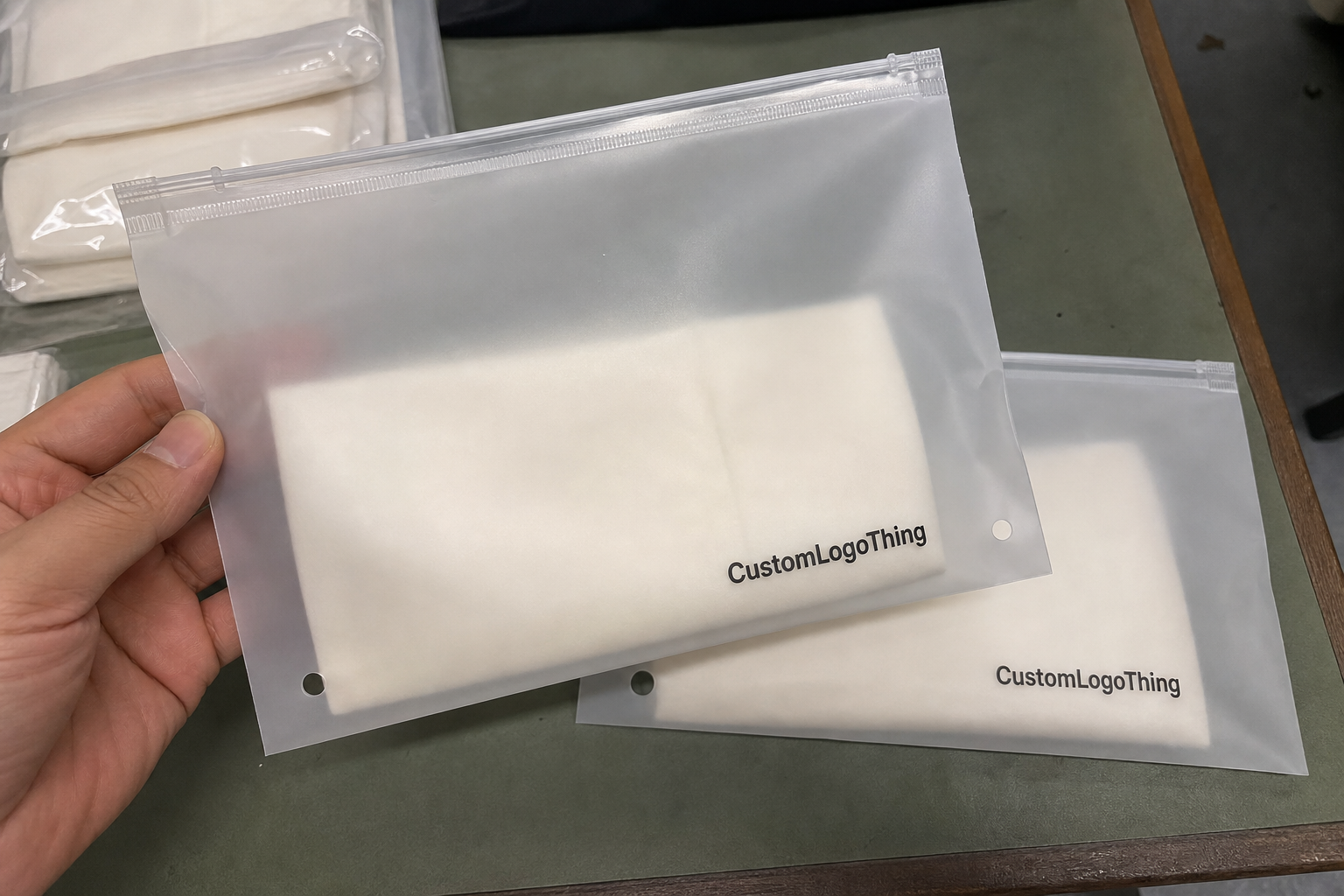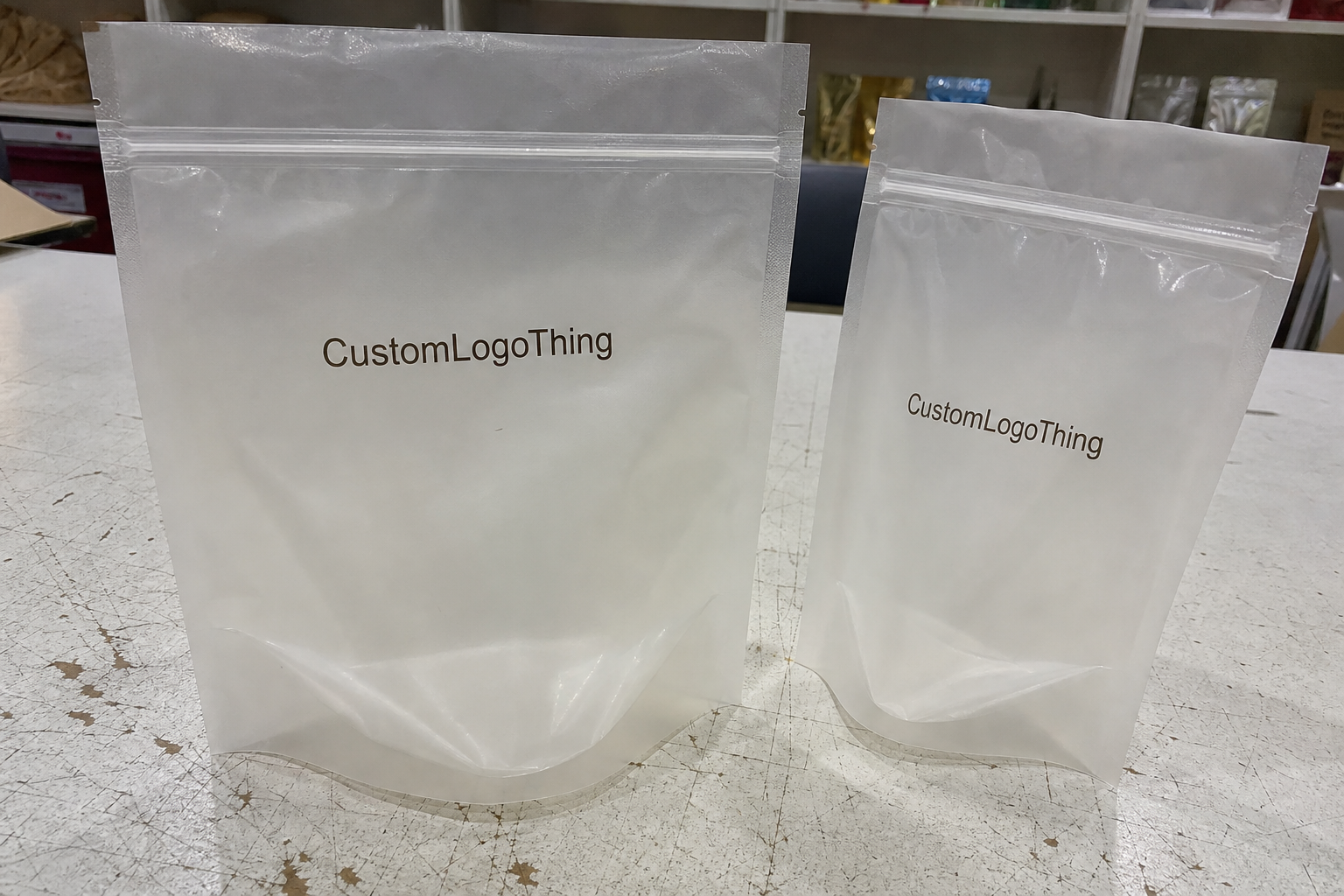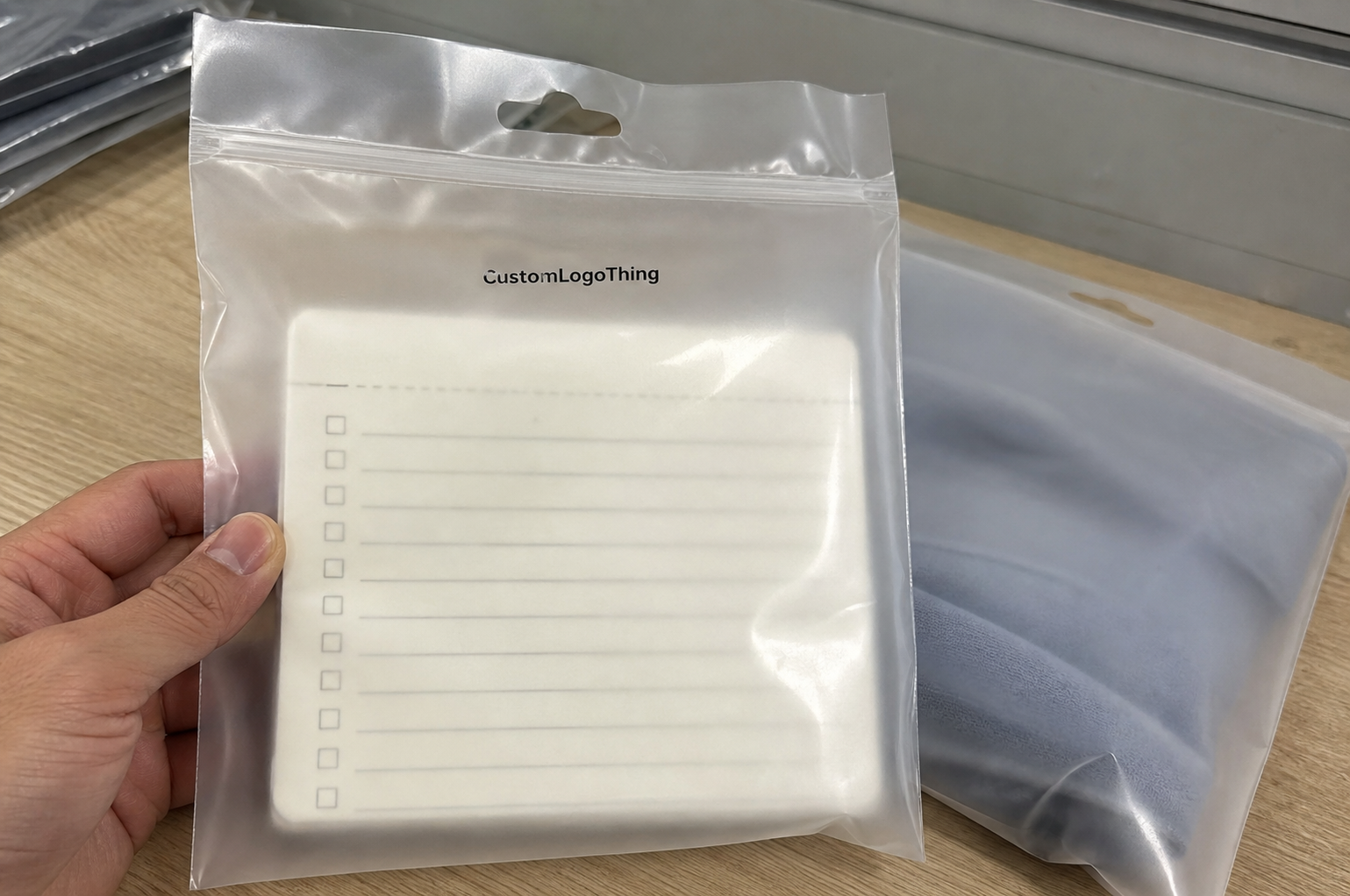
Buyer Fit Snapshot
| Best fit | Integrate Packaging Kpis Dashboards projects where brand print, material claims, artwork control, MOQ, and repeat-order consistency need to be specified before quoting. |
|---|---|
| Quote inputs | Share finished size, material target, print colors, finish, packing count, annual reorder estimate, ship-to region, and any compliance wording. |
| Proofing check | Approve dieline scale, logo placement, barcode or warning zones, color tolerance, closure strength, and carton packing before bulk production. |
| Main risk | Vague material claims, crowded artwork, missing packing details, or unclear freight terms can make a low unit price expensive after revisions. |
Fast answer: Integrate Packaging Kpis Dashboards: Material, Print, Proofing, and Reorder Risk should be specified like a repeatable production item. The safest quote records material, print method, finish, artwork proof, packing count, and reorder notes in one written spec.
Production checks before approval
Compare the actual filled-product size with the drawing, then confirm tolerance on folds, seals, hang holes, label areas, and retail display edges. Reserve space for logos, QR codes, warning copy, and material claims before decorative graphics fill the panel.
Quote comparison points
Review material grade, print process, finish, sampling route, tooling charges, carton quantity, and freight assumptions side by side. A quote is only useful when the supplier can repeat the same color, closure quality, and packing count on the next order.
I’ve spent enough time on factory floors to know this: many teams already have the data they need, but they can’t see it together. That disconnect is exactly why how to integrate packaging KPIs dashboards matters more than most managers realize. I’ve stood beside a flexographic press in a Chicago-area converter where the PLC showed 412 feet per minute, the ERP showed order status for 18 pallets, and a supervisor’s clipboard showed downtime reasons, yet nobody could answer a simple question about why waste jumped from 3.8% to 7.1% on second shift. One missing reason code can hide $1,200 in scrap on a single 8-hour run.
That kind of disconnect costs real money in product packaging, retail packaging, and branded packaging operations, whether you’re running corrugated converting in Ohio, carton gluing in Ontario, pouch filling in Monterrey, or kitting in Dallas. In practice, how to integrate packaging KPIs dashboards is about bringing those scattered numbers into one visual system so operators, supervisors, and leadership can make faster calls on output, scrap, downtime, labor use, changeover loss, and overall equipment effectiveness.
How to Integrate Packaging KPIs Dashboards: Why It Matters
On one packaging line I visited in a label plant outside Atlanta, the team had six different reports for the same shift: machine counter logs, quality inspection sheets, a handwritten downtime board, an ERP shipment screen, a maintenance note, and a supervisor email summary. They were collecting data, sure, but they were not using it in a way that changed the next hour’s decisions, which is the core reason how to integrate packaging KPIs dashboards is such a practical topic. The plant made pressure-sensitive labels on 3-inch cores, and a 15-minute delay at unwind could snowball into 600 missed labels by lunch.
In plain language, a packaging KPI dashboard is a live or scheduled screen that pulls production, quality, downtime, and cost metrics into one place. Some dashboards update every 30 seconds on a floor monitor near a folder-gluer or pouch filler; others refresh once per shift for management review. Either way, how to integrate packaging KPIs dashboards starts with deciding which signals matter and who needs them. A morning meeting screen for a 24/7 plant in Savannah needs different timing than a weekly leadership view in Minneapolis.
Packaging operations are a little unforgiving compared with many other manufacturing environments. A 2% drop in press speed, a 0.5 mm print registration drift, or a 12-minute changeover delay can ripple into late shipments, extra waste, and customer complaints. That is why how to integrate packaging KPIs dashboards is not just an IT project; it’s a line-performance project tied directly to margin and service. On a run using 350gsm C1S artboard, a single misaligned die-cut can turn 2,000 sellable cartons into trim and rework.
I think a lot of people get stuck because they treat the dashboard as the goal. It isn’t. The goal is better decisions, and how to integrate packaging KPIs dashboards correctly means the screen should help somebody act within minutes, not just admire a trend line during a monthly meeting. If an operator sees downtime climbing from 6 to 19 minutes before the lunch break, the point is to call maintenance now, not to admire the graph later.
In a corrugated plant, that might mean tracking converting speed, sheet waste, and die-cut setup time. In a flexographic printing room, it might mean press uptime, registration errors, and ink usage variance. In a pouch or kitting environment, the same logic applies, just with different signals, which is why how to integrate packaging KPIs dashboards has to fit the operation instead of forcing the operation to fit the software. A plant in Kent, Washington, running multi-depth mailers may care more about adhesive cure time than print density.
“If the dashboard doesn’t help the team solve a problem before lunch, it’s probably just wall art.” That’s a line I heard from a plant manager in Columbus, Ohio, and it stuck with me because it sums up how to integrate packaging KPIs dashboards better than any software brochure ever could. He was talking about a 14-station line that lost 27 minutes a day to unplanned stops.
Packaging work is deeply interdependent. Print accuracy affects downstream converting, line speed affects labor efficiency, and changeover quality affects customer delivery. When you understand how to integrate packaging KPIs dashboards, you can see those relationships instead of guessing at them from disconnected reports. A 9-minute delay in glue setup can push a pallet to the next truck and add $85 in expedited freight.
For packaging teams looking at Custom Packaging Products, better dashboard discipline can also improve the way you manage custom printed boxes, insert programs, or packaging design changes that affect die lines and throughput. I’ve seen that connection firsthand in a plant in Grand Rapids where a small art change added 18 minutes of setup time, but nobody noticed until the dashboard made it visible. One revised carton structure can also shift board usage by 4.6% on a 5,000-piece order.
One more practical benefit: once the KPIs are tied to the actual line, the plant stops arguing over anecdotes. That may sound a little blunt, but I’ve seen it happen. The same shift that used to blame “the press acting up” can suddenly point to a feed sensor alarm, a late material delivery, or a miskeyed order release. That’s the kind of clarity that saves hours.
How Packaging KPI Dashboards Work Across the Line
To understand how to integrate packaging KPIs dashboards, it helps to follow the data from the machine to the screen. In a typical plant, information may originate in PLCs, photoeyes, scanners, load cells, or weigh stations, then move into MES or ERP software, and finally appear in a dashboard platform that aggregates it into charts, counts, and alerts. Manual entries still matter too, especially for reasons like maintenance delays, missing labels, or operator changeover notes. In a plant using a SICK scanner and a Siemens PLC, the data can move from machine to screen in under 10 seconds.
Here’s the basic flow I’ve seen work well in a carton plant with a folder-gluer and a case packer: the machine control system counts output, the quality team logs defects in QMS, the ERP tracks order completion, and the dashboard combines all of that into an hourly display. That is how to integrate packaging KPIs dashboards without drowning the floor in raw numbers. A 2,400-carton order can be summarized in one view instead of six spreadsheets.
The most common KPI categories are usually the same, even if the process changes:
- OEE — overall equipment effectiveness, usually broken into availability, performance, and quality.
- Throughput — units, cases, labels, or cartons produced per hour.
- Scrap rate — material lost to misprints, trim, setup waste, or damaged packs.
- First-pass yield — product that passes inspection without rework.
- Downtime minutes — planned and unplanned stops, often grouped by cause.
- Setup time — changeover duration from last good run to first acceptable unit.
- On-time completion — whether the order finished on schedule.
- Material variance — the gap between expected and actual usage of film, board, ink, adhesive, or labels.
When people ask me how to integrate packaging KPIs dashboards, I usually say the refresh cadence matters just as much as the metric list. A screen on the floor may refresh every minute, a supervisor dashboard every 15 minutes, and a leadership summary once per day. That cadence keeps people from staring at noise when what they really need is pattern recognition. On a 3-shift plant, the difference between a 1-minute and 60-minute refresh can decide whether a bad run is caught after 80 cartons or after 1,200.
One flexo plant I supported in New Jersey had a dashboard that displayed press speed, waste from registration errors, and average changeover time on one line. Within two weeks, the team noticed that waste rose every time the second operator came from break late by 6 to 8 minutes, because the setup sequence slipped and the first 300 sheets were being scrapped. That’s a very practical example of how to integrate packaging KPIs dashboards so the screen points to a real process issue. The waste dropped from 4.9% to 2.6% after the break-handoff process was rewritten.
Different audiences need different views. Operators need alerts, red/amber/green status, and a short list of actions. Supervisors need trends, shift comparisons, and bottleneck analysis. Leadership needs cost summaries, capacity utilization, and line profitability signals. If you want how to integrate packaging KPIs dashboards to stick, make sure each audience sees the same truth through a different lens. A plant manager in Charlotte does not need the same default screen as a folder operator on second shift.
I also like to remind teams that dashboard design is part of package branding in a broader sense. The look and structure of the dashboard should feel consistent with how the plant runs: clean, clear, and disciplined. That matters in facilities producing custom printed boxes or premium retail packaging, where precision on the screen often reflects precision on the line. A well-labeled dashboard with 12-point sans serif text and a fixed color legend is easier to trust than one packed with blinking widgets.
And yes, a little friction is normal. If a plant has been running on spreadsheets and hallway updates for years, the first dashboard may feel awkward for a week or two. That doesn’t mean it’s failing; it means people are adjusting to seeing the truth faster than they’re used to. Kinda annoying at first, useful once the habits catch up.
Key Factors Before You Integrate Packaging KPIs Dashboards
Before anyone starts wiring up APIs or buying dashboard licenses, the KPI list needs to be honest. One of the biggest mistakes I see in how to integrate packaging KPIs dashboards is tracking 40 metrics because the software can do it, while the business really needs five. A good rule is to choose metrics tied to cost, service, or quality outcomes that already cause pain on the floor. If a metric cannot change a decision by 2 p.m., it probably does not belong on the first screen.
I sat in a meeting with a packaging supplier in Lancaster, Pennsylvania, where three plant managers argued over downtime definitions for almost an hour. One plant counted blade changes as downtime, another counted them as planned maintenance, and the third split them into setup and support time. That’s why how to integrate packaging KPIs dashboards has to include naming consistency, or your trend lines will compare apples to glue bottles. On a 10-hour shift, a 7-minute definition mismatch can distort overall equipment effectiveness by more than 1 percentage point.
Data quality is not a background task; it is the backbone. If one shift logs “jam,” another logs “misfeed,” and a third logs “material issue” for the same stoppage, the dashboard will produce misleading categories. Good how to integrate packaging KPIs dashboards work includes standard reason codes, clear definitions, and a short training guide that sits beside the screen. A laminated one-page code sheet near a case sealer can prevent weeks of confusion.
System compatibility also matters. Many plants have a mix of ERP, MES, PLCs, barcode scanners, digital scales, and sometimes a few stubborn manual forms taped to a supervisor desk. In a lot of cases, how to integrate packaging KPIs dashboards means using middleware, scheduled exports, or APIs rather than trying to rip out everything and start over. That is usually cheaper, faster, and less disruptive to production. A plant in Aurora, Illinois, can often connect older equipment with a $2,500 middleware layer instead of replacing the whole stack.
Here’s a practical cost view I’ve used with clients. Exact numbers depend on plant size, but a pilot dashboard project often includes software licensing, configuration, data mapping, and training. If sensors or machine upgrades are needed, costs rise. To keep the discussion concrete, I’ve seen simple pilots priced around $8,000 to $20,000 for one line, while multi-line integrations with hardware upgrades and custom reports can run much higher. A basic dashboard subscription can be as low as $300 per month for a single site, while a full integration with remote support may reach $1,500 per month. That’s why how to integrate packaging KPIs dashboards should start with a scoped plan before anyone approves a broader rollout.
| Integration Option | Typical Scope | Estimated Cost Range | Best Use Case |
|---|---|---|---|
| Manual spreadsheet dashboard | 1 line, shift-based reporting | $1,500–$5,000 | Small pilot, limited data sources |
| Software dashboard with exports | ERP/MES data plus manual inputs | $8,000–$20,000 | Single plant, moderate complexity |
| Real-time connected dashboard | PLC, sensors, QMS, ERP, multi-line | $25,000–$75,000+ | High-volume plants, multiple stakeholders |
ROI is where the conversation usually gets serious. A 3% scrap reduction on a plant using $400,000 in board, film, ink, or labels per month is not trivial. Faster troubleshooting can also recover hours of productive time each week, and better labor allocation can reduce overtime by a noticeable amount. If you are thinking about how to integrate packaging KPIs dashboards, the return should be tied to scrap, missed orders, and labor efficiency, not just “better visibility.” A 2% gain on a $2.5 million annual material spend can free up $50,000 before taxes.
Another point people miss: ownership. Someone has to own each KPI, and that person should know the definition, the data source, and the review cadence. In my experience, how to integrate packaging KPIs dashboards works best when the maintenance lead owns downtime codes, the quality lead owns defect definitions, and the production manager owns throughput and on-time completion. If a supervisor in Milwaukee is still chasing the right owner after a 22-minute stop, the system is too vague.
Step-by-Step Guide to How to Integrate Packaging KPIs Dashboards
The cleanest way I’ve found for how to integrate packaging KPIs dashboards is to treat it like a production launch, not an IT side project. You map the process, define the questions, verify the data, pilot the view, and train the people who will actually use it at 6:15 a.m. before first run. That sequence saves a lot of rework. A tight pilot can move from first workshop to proof approval in 10 to 15 business days if the source data is already accessible.
Step 1: Map the packaging process
Start with incoming materials and move through print, convert, fill, pack-out, palletizing, and shipment. In a carton plant, that might mean mapping board receiving, die-cutting, folding, gluing, and case packing. In a pouch operation, it could be film unwind, filling, sealing, coding, and cartoning. How to integrate packaging KPIs dashboards becomes much easier when you know exactly where each data point is created. A line in Tampa using 24-count retail cartons will produce different signals than a club-store tray line in Nashville.
Step 2: Define the business questions
Ask questions that matter to the floor and the P&L. Where is waste rising? Which line loses the most time during changeovers? Which customer order is at risk? I’ve seen dashboards become much more useful once teams wrote the questions down first, because how to integrate packaging KPIs dashboards should be driven by decisions, not by software menus. If the question is “Why did order 4812 miss truck at 3:30 p.m.?” the dashboard should answer it within one screen.
Step 3: Audit data sources
List every source, even the annoying ones. PLC counters, scale data, machine alarms, barcode scans, ERP orders, quality reports, and manual downtime logs all need a place in the architecture. If you discover that 60% of your downtime data is still on paper, that’s not a failure; it’s a clue. Good how to integrate packaging KPIs dashboards work often begins with cleanup rather than coding. A handwritten log on a clipboard in Indianapolis can be digitized in a week if the categories are simple enough.
I once visited a kitting operation in Phoenix that tracked labor by clipboard and output by scanner, then wondered why the numbers never agreed. The answer was simple: one clock started at shift start, and the other started after the first pallet was built. Once the team aligned those timestamps, the dashboard became far more credible. That’s the kind of detail that makes how to integrate packaging KPIs dashboards useful instead of decorative. The mismatch was 11 minutes per shift, which added up fast across 3 shifts.
Step 4: Build a small prototype
Keep the first version tight. Three to five KPIs are enough for a pilot: throughput, downtime, scrap, changeover time, and first-pass yield are a common starting set. Validate the design with operators, supervisors, and finance before you expand. I always tell clients that how to integrate packaging KPIs dashboards is a lot less risky when the first screen is simple enough to explain in under two minutes. A screen with five tiles and one trend chart can be far more useful than a dense page of 18 widgets.
For plants making branded packaging or custom printed boxes, the prototype should also show print defects, color drift, or artwork mismatch if those are recurring pain points. If the team is constantly reworking runs because of a misread barcode or a plate issue, those need to be visible right away. In a shop running Pantone-sensitive work, a delta E shift above 2.0 should not be hidden under a generic “quality” label.
Step 5: Train and assign ownership
Training is where many projects stumble. A dashboard can be technically correct and still fail if no one knows what to do when a metric turns red. Build the dashboard into the daily tier meeting, shift handoff, or start-up checklist. That is how how to integrate packaging KPIs dashboards becomes part of the rhythm of work rather than a report that gathers dust. A 15-minute training session on each shift can prevent weeks of inconsistent use.
One of the best implementations I saw was in a food packaging plant in Richmond where the team reviewed the same screen every shift at 7:00 a.m., 3:00 p.m., and 11:00 p.m. The meeting lasted 12 minutes, not 45, because everyone knew the same metrics and the same thresholds. That consistency is a quiet but powerful part of how to integrate packaging KPIs dashboards. The plant also posted a 6-step response guide beside the monitor in 18-point type.
If you want a useful internal reference while planning the rollout, the Custom Packaging Products page can help connect dashboard discussions to actual packaging formats, whether you’re dealing with shelf-ready cartons, retail packaging, or specialized insert kits. The more concrete the product, the easier it is to connect the numbers to the physical workflow. A 5000-piece insert kit with 0.25-inch tolerance issues shows up faster when the dashboard is tied to the order number.
Common Mistakes When Integrating Packaging KPI Dashboards
Dashboard overload is probably the biggest mistake. I’ve seen plants install a beautiful screen with 22 charts, eight gauges, six colors, and three different ranking tables, only to find that nobody looked at it after the first week. If you are serious about how to integrate packaging KPIs dashboards, make the display usable from 10 feet away and keep the action list short. A 55-inch monitor in a noisy production bay needs large type and one clear takeaway per screen.
Vague downtime coding is another classic failure. If every stoppage is labeled “miscellaneous,” you won’t get a useful trend, and root cause analysis becomes guesswork. In a folding carton factory I worked with, changing 14 messy downtime codes down to 6 specific ones uncovered a recurring feeder issue that had been hidden for months. That’s a direct example of why how to integrate packaging KPIs dashboards must include reason-code discipline. The feeder belt had been slipping for 9 minutes at a time, twice per shift.
Timing errors can also make a dashboard look accurate while still missing the real bottleneck. For example, if you measure changeover only from the moment production restarts, you may miss the 9 minutes spent waiting for the correct ink or die to arrive. That is why how to integrate packaging KPIs dashboards needs timestamp rules that match the actual sequence on the floor. In one plant in St. Louis, the true changeover average was 31 minutes, not the reported 22.
Another mistake is designing only for management. Leadership needs summaries, yes, but operators need immediate, readable action signals. They need to see what is wrong, where it is wrong, and whether the issue is getting worse. If the dashboard does not support the operator, how to integrate packaging KPIs dashboards turns into a reporting exercise instead of a production tool. A line lead should be able to act within 60 seconds of a red alert.
Rushing launch without testing data integrity is a costly error too. Shift handoffs, overtime crews, and manual entry periods are where bad data tends to sneak in. I always recommend a test period where the dashboard runs in parallel with existing reports for at least 2 to 4 weeks, depending on complexity. That extra time is part of how to integrate packaging KPIs dashboards properly. If your orders run across three shifts in two time zones, a 30-day parallel test is safer.
Here are a few warning signs I watch for:
- More than 7 primary KPIs on the main screen.
- Downtime categories that overlap or repeat.
- Operators asking, “What do I do with this?”
- Leadership and plant floor reports showing different totals.
- No named owner for a metric or alert.
The truth is, how to integrate packaging KPIs dashboards is as much about discipline as technology. I’ve seen simple systems outperform expensive ones because the team agreed on the definitions and used them every day. A $12,000 pilot in a Wisconsin carton plant can beat a $70,000 enterprise rollout if the simpler system gets reviewed at 7 a.m. without fail.
Expert Tips for Better Packaging KPI Dashboards
Use color carefully. Red should mean urgent, not merely below average. If every metric is red, nothing feels urgent anymore. A better approach is to reserve red for lines that are outside tolerance, amber for watch zones, and green for stable performance. That small design choice makes how to integrate packaging KPIs dashboards easier to read under pressure. A 3-color system is usually enough for a line operator at 2:00 a.m.
Pair each KPI with both a threshold and a trend line. A single number tells you what happened at that moment; the trend tells you whether the issue is temporary or structural. For instance, if scrap is at 4.2% today but has climbed for five consecutive shifts, the dashboard should show that pattern clearly. That is one of the simplest ways to strengthen how to integrate packaging KPIs dashboards. A steady rise from 2.1% to 4.2% can be more important than the day’s absolute number.
I also recommend building two views with the same definitions: one for the floor and one for management. The floor view should be simple, large, and action-oriented. The management view can include weekly averages, cost impact, and line comparisons. The definitions must match exactly, because how to integrate packaging KPIs dashboards fails quickly if each audience is looking at a slightly different truth. If a finance report says 1.8% scrap and the floor screen says 2.4%, trust evaporates fast.
Timeline matters too. A typical integration may take a few weeks for discovery and data mapping, then more time for testing, training, and refinement depending on plant complexity. A single-line pilot may move quickly, while a multi-plant rollout with legacy equipment may need several phases. If somebody promises instant perfection, I’d be cautious. Real how to integrate packaging KPIs dashboards work needs iteration. A site in Louisville with two ERP instances and older Allen-Bradley controls may need 8 to 12 weeks before the first stable release.
One practical habit I’ve borrowed from well-run plants is to review the dashboard in the same meeting cadence every shift. Same time, same room, same owner. That habit makes the numbers part of the operating rhythm. After a while, people start preparing for the review the way they prepare for a startup check, and that consistency is gold when you are trying to master how to integrate packaging KPIs dashboards. A 9-minute meeting can replace a 40-minute email trail.
For companies involved in product packaging with strict print or branding requirements, I also suggest adding a quality signal tied to artwork accuracy, label placement, or seal integrity. If your operation is building premium retail packaging, a small defect rate can have a huge customer impact, so the dashboard should make those issues impossible to ignore. On a 10,000-unit cosmetic carton order, even a 0.8% defect rate can mean 80 rejected pieces and a very unhappy buyer.
- Keep definitions fixed for at least one quarter unless a business rule changes.
- Document data sources so everyone knows where each number comes from.
- Use short reason lists rather than endless drop-down menus.
- Review exception trends weekly, not just monthly.
For teams that want external benchmarks on packaging operations and sustainability, the PMMI packaging industry resources page is a solid place to compare operational practices, and the ISTA testing standards site is useful when package performance and shipping damage feed into your KPI strategy. Those references help ground how to integrate packaging KPIs dashboards in real-world standards instead of guesswork. A drop-test standard or shipping-vibration result can explain why a KPI changed after palletization.
Next Steps for Implementing Packaging KPI Dashboards
If you’re ready to move, start with three to five KPIs that reflect your biggest pain points. For many plants, that means throughput, downtime, scrap, changeover time, and first-pass yield. Keeping the first version narrow is the smartest path for how to integrate packaging KPIs dashboards because it gives the team a chance to build trust in the numbers before the list expands. A first rollout in Cleveland or Nashville should focus on the line that loses the most hours, not the prettiest one.
Assign one owner for each metric. Not a committee. One person. That owner should know the definition, the source system, the review cadence, and the action expected when the number goes off target. In my experience, how to integrate packaging KPIs dashboards works better when accountability is specific and visible. A downtime owner in a plant outside Detroit should know exactly who gets called when the gauge turns red.
Build a pilot for one line, one cell, or one plant before rolling it out everywhere. A small corrugated line, a single flexo press, or one pouch filling cell is enough to prove the concept. I’ve seen teams save weeks of rework by discovering early that a particular downtime code was being entered differently on night shift. That kind of lesson is exactly why how to integrate packaging KPIs dashboards should begin with a controlled pilot. A 12-day proof on one press can prevent a 12-week rollout mistake.
Set a 30-day review cycle to compare dashboard readings against actual production results. Ask whether the dashboard matched the floor reality, whether the right people used it, and whether the metrics led to better decisions. If not, refine the display and the data rules. Good how to integrate packaging KPIs dashboards is iterative, and the best plants treat that refinement as normal, not as a setback. A monthly audit can expose a 2% gap between scanner counts and pallet tallies.
When the system is working, it should answer three questions quickly: what happened, why it happened, and what to do next. That applies whether you’re managing corrugated converting, custom printed boxes, label converting, or a kitting line. The software matters, but the habits matter more. That is the real heart of how to integrate packaging KPIs dashboards. If an operator in Phoenix can answer those three questions before the next pallet is wrapped, the system is earning its keep.
For teams that also want to improve sourcing, structure, or packaging design decisions, remember that dashboard data can support better material choices and clearer package branding discussions too. If waste is climbing on one substrate or a seal failure keeps showing up on one film structure, the dashboard should make that pattern visible fast. A switch from 48-gauge to 60-gauge film, for example, should show up as a measurable material variance, not a hunch.
The most successful plants I’ve seen are not the ones with the fanciest screens. They are the ones where the dashboard is trusted, reviewed on schedule, and tied to a specific action on the floor. If you keep the data clean, the screens simple, and the ownership clear, how to integrate packaging KPIs dashboards becomes much less about software and much more about operational discipline. That discipline can save 20 minutes on a shift and $20,000 over a quarter.
One final filter I use: if a KPI does not change a decision, shorten a response, or expose a problem earlier, cut it. That’s the discipline that keeps a dashboard useful instead of decorative. The best packaging dashboards don’t try to say everything; they help the right person do the next right thing, fast.
FAQ
How do you integrate packaging KPIs dashboards with existing ERP and MES systems?
Start by identifying which system owns each data field, such as orders, labor, downtime, or scrap. Use APIs, middleware, or scheduled exports to connect the systems without rebuilding your entire tech stack. Before the dashboard goes live, validate the definitions so the numbers match the operational reports people already trust. That step is a big part of how to integrate packaging KPIs dashboards without creating confusion. In a plant using SAP for orders and a separate MES for machine counts, a 1-day mapping workshop can save a month of rework.
What KPIs should be on a packaging dashboard first?
Begin with the metrics that affect service and margin most directly: throughput, downtime, scrap, and changeover time. Add quality measures like first-pass yield or defect rate if print accuracy, sealing, or label placement is a recurring issue. Keep the first version small so teams can actually use it during daily production reviews, which is exactly how how to integrate packaging KPIs dashboards becomes practical. A first screen with five KPIs is usually enough to support a 10-minute shift meeting.
How much does it cost to integrate packaging KPIs dashboards?
Costs usually include software licensing, integration work, dashboard design, operator training, and possible hardware upgrades. A simple pilot can be relatively modest, while multi-plant, real-time integrations with sensor upgrades cost more. The best way to estimate pricing is to list your data sources, desired refresh rate, and number of users before requesting quotes, because that makes how to integrate packaging KPIs dashboards far easier to price accurately. A single-line pilot may start near $8,000, while a multi-site build can move well past $50,000.
How long does it take to set up packaging KPI dashboards?
A basic pilot can often be planned and tested in a few weeks if the data is already available. Full rollout takes longer when multiple lines, manual logs, or inconsistent downtime codes need cleanup. Expect extra time for training, validation, and adjustment after the dashboard goes live, since real-world how to integrate packaging KPIs dashboards usually needs a few rounds of tuning. A common timeline is 12 to 15 business days from proof approval to first pilot screen.
How do you make sure the dashboard actually gets used on the packaging floor?
Build it around daily decisions operators and supervisors need to make, not just leadership reporting. Place it in the normal meeting rhythm, such as shift handoff or tier meetings, so it becomes part of routine work. Keep the display simple, readable, and action-focused so teams can see what to do next at a glance. That is the difference between a screen people ignore and a true example of how to integrate packaging KPIs dashboards well. A dashboard reviewed at 7:00 a.m. in the break room has a far better chance of being used than one buried in a back-office portal.
When I look back at the best plant improvements I’ve been part of, the winning formula was never magic software; it was the right data, clean definitions, and a team that used the information every shift. If you take the time to map the process, Choose the Right metrics, and train the people who live with the numbers, how to integrate packaging KPIs dashboards becomes one of the most practical improvements you can make in packaging operations. A well-run dashboard can help a plant in Milwaukee, Atlanta, or Vancouver catch a problem before it becomes a shipment miss. Start small, keep ownership clear, and make every KPI earn its place on the screen.