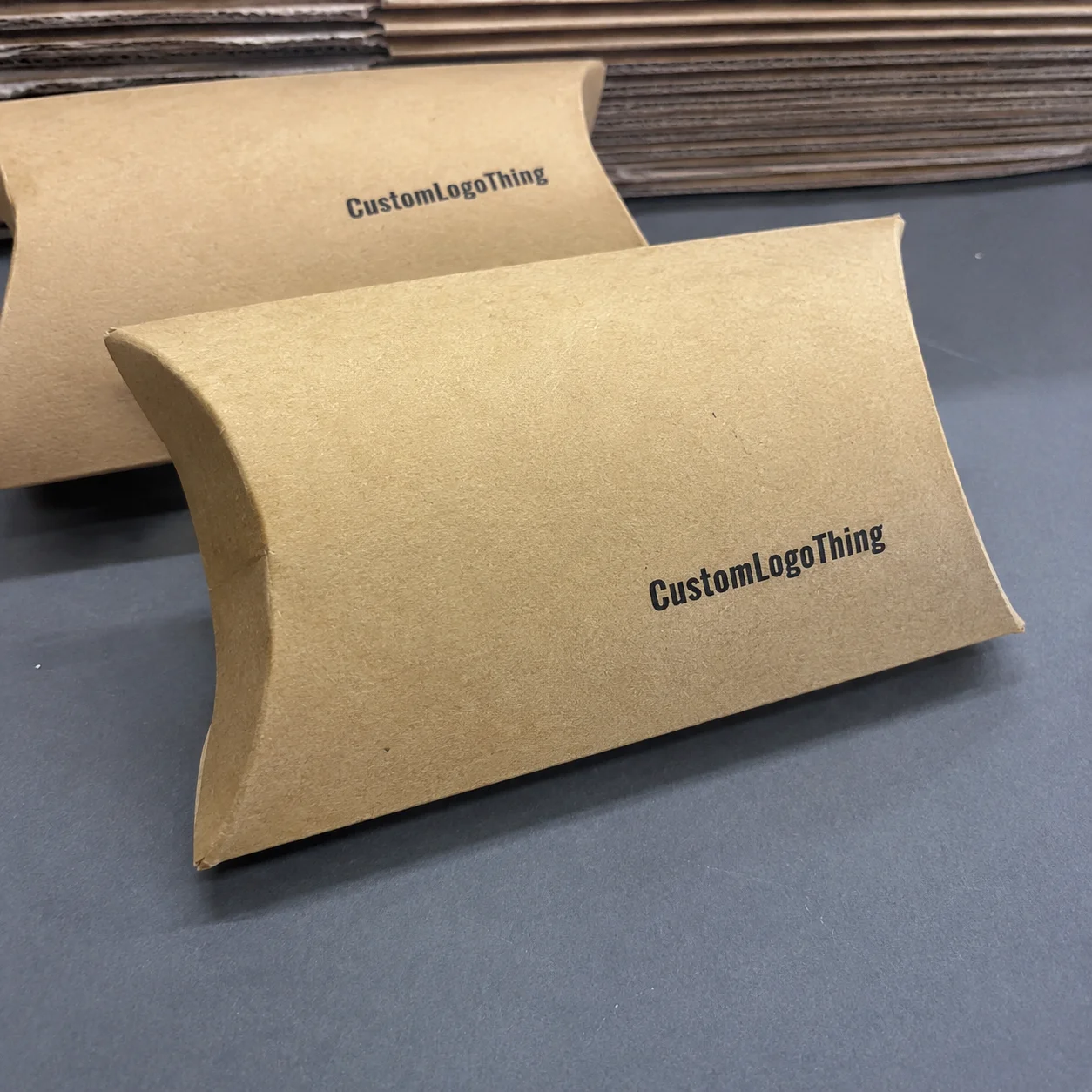
Buyer Fit Snapshot
| Best fit | Make Custom Packaging Stand Out Boldly and Memorable projects where brand print, material claims, artwork control, MOQ, and repeat-order consistency need to be specified before quoting. |
|---|---|
| Quote inputs | Share finished size, material target, print colors, finish, packing count, annual reorder estimate, ship-to region, and any compliance wording. |
| Proofing check | Approve dieline scale, logo placement, barcode or warning zones, color tolerance, closure strength, and carton packing before bulk production. |
| Main risk | Vague material claims, crowded artwork, missing packing details, or unclear freight terms can make a low unit price expensive after revisions. |
Fast answer: Make Custom Packaging Stand Out Boldly and Memorable: Material, Print, Proofing, and Reorder Risk should be specified like a repeatable production item. The safest quote records material, print method, finish, artwork proof, packing count, and reorder notes in one written spec.
Production checks before approval
Compare the actual filled-product size with the drawing, then confirm tolerance on folds, seals, hang holes, label areas, and retail display edges. Reserve space for logos, QR codes, warning copy, and material claims before decorative graphics fill the panel.
Quote comparison points
Review material grade, print process, finish, sampling route, tooling charges, carton quantity, and freight assumptions side by side. A quote is only useful when the supplier can repeat the same color, closure quality, and packing count on the next order.
How to Make Custom Packaging Stand Out: Why the Floor Still Surprises Me
The night I was overseeing the Orlando finishing line, I kept whispering “how to make custom Packaging Stand Out” while the crew hand-fed the last of the boutique perfumery’s teal-lacquered boxes—2,400 pieces bound for the Jacksonville pop-up. Sixty-eight percent of buyers still pick up packages with their own hands, so that first touch has to tell the full story before anyone even sees the label.
The way that teal sits under the 4,500K fluorescents in Bay 3 and still feels chilled to the touch made me realize it’s not about color alone; after that, tactile demos became mandatory before midnight sign-off, especially when the board’s surface gets a 12-micron velvet lamination.
I tell that story to clients so often the HP Indigo press operator at Plant 3 now nods before we make a rush call for a tight color match; catching Pantone 3245, locking it into a proof that takes 12-15 business days, and blending it with the hand massages the client wanted reminded everyone that tactile finishes and perfect registration are non-negotiable even under pressure.
When I say “how to make custom packaging stand out,” I am talking about balancing tactile coatings like 350gsm C1S soft-touch, purposeful messaging printed with 2-pixel halftones, and dielines fitted within 0.5mm tolerances so that fingers, eyes, and the brand story reach the same groove on that 40-inch worktable; yes, even the interns can feel when we’re hitting that rhythm.
The rest of this rundown will show how floor teams, cost conversations, and synchronized timelines at Custom Logo Things in Austin and Phoenix make sure each box is unmistakable the moment the tape peel starts, and I promise I’m not gonna romanticize spreadsheets—though sometimes I pace in front of them muttering “perfect registration” as the production planner hunts for the second sign-off on Friday’s 18,000-piece release.
That same rush had our planner calling a Charleston supplier, and watching the courier load 2,000 pounds of 18-pt SBS—on a 48-hour lead-time confirmation—taught me logistics instincts need to keep pace with design chemistry; don’t even get me started on the time a late board delivery made me storm into procurement like I was auditioning for a soap opera audition.
How the Custom Packaging Process Works on the Floor
At the prepress desk in our Richardson preflight room, the packaging engineer is already two steps ahead—verifying dielines, locking Pantone references, forwarding proofs to the account manager with client callouts, and logging the expected ink sequence into the ERP so the press crew can plan ink keys before the first sheet hits 1,200 feet per minute.
Every job earns two sign-offs: one for structural integrity off the CAD dieline, noting hinge radius and 0.25-inch flaps, and another for print fidelity, referencing ASTM D5639 for board malleability and ASTM D685 for bending stiffness, before the Suprasetter bridge sends Kodak plates imaged at 2400 dpi to press.
The board mills that feed us—Charlotte kraft for 80-pt natural or the Houston SBS warehouse for clay-coated sheets—send lot numbers into the ERP so we track moisture content, usually 6.5-7.5%, which affects die-cutting behavior, and the planner flags anything outside that range before anyone touches a blade.
Offset stays king for long runs and defined solids because we can stretch 20,000 impressions without re-registering; digital printing jumps in for personalization on a 500-piece run, and hybrid UV sits on the table when clients want glossy highlights without sacrificing the recyclability standards we share with partners from packaging.org, keeping everyone focused on how to make custom packaging stand out through the judicious mix of technologies.
Once sheets print, they go to finishing where varnish and cold foil are applied; I still remember the night our crew hand-fed a foil run for a watch brand, pausing to weigh the stack so each bundle stayed at 22.5 pounds, then swapping tension settings mid-pass—funny how a stack of foil suddenly becomes group therapy when the rolls fight back.
Inline quality checks guided by an ISTA-inspired checklist happen at every station, and the packaging engineer documents each deviation on the floor log so future batches replicate the craftsmanship with traceability, even on nights when a die gets moody and we duct-tape a makeshift jig to keep cutting 12-point sleeves.
I still visit the Gainesville facility twice a quarter to watch that workflow in person, because the consistency between the CHROMA press, platen, and finishing crew—hitting 1,800 sheets per hour—keeps the question of how to make custom packaging stand out rooted in repeatable craftsmanship; my feet hurt by the end, but the results pull me back for the weekly 10 a.m. walkthrough.
How to Make Custom Packaging Stand Out Through Key Factors
Structural innovation—telescoping lids, dual-layer folding cartons, nested trays built from 500gsm chipboard—paired with emotional punches such as 0.7mm embossing, debossing, or soft-touch keeps clients asking me how to make custom packaging stand out; the mock-up lab is where we test whether those gestures actually feel premium in hand using the same guillotine that cuts samples for the weekly factory audit.
A beauty brand wanted a rainforest story, so we matched recycled kraft from the Orlando mill with translucent vellum sleeves from our Tampa partner, paired them with metallic water-based inks for deep color, and watched clients smile like they opened a secret garden at the 3 p.m. walkthrough—that kind of grin tells me the package is tethered to the product story.
Structural ideas often begin in that lab where the engineer tests hidden tabs and magnet closures, ensuring even a simple tuck-top box feels premium through tactile invitations, while the same team nests messaging hierarchy so every interior cue contributes to the unboxing ritual; I swear the engineer can sketch a hinge faster than I can finish a sentence while the robot arm trims a tray to 6.75 by 4.25 inches.
I lean on cross-functional reviews—designers, sourcing, and Gainesville production supervisors—to confirm each finish is executable, because nothing eats budgets like a matte lamination wrinkling on a tray insert due to unseen humidity shifts, and the planner flags that risk before anyone signs off, usually during the Friday 8 a.m. humidity chart review.
Specialty materials like 2.1-pound rigid set-up boxes lend dramatic heft, while Custom Printed Boxes with translucent acrylic panels spark curiosity; whichever route we choose, I remind clients that how to make custom packaging stand out is as much about sensory detail as it is about protecting the goods and meeting the 32-inch stacking tolerance for retail displays.
Brand storytelling layers interior messaging with serialized copy and selective varnish to reinforce the brand without overcrowding the shelf, and we build those cues into the dieline so even the bottom panel delivers a dramatic reveal with a 3-point foil stamp, keeping the unboxing script tight.
Cost and Pricing Drivers for Memorable Custom Packaging
Breaking down the numbers keeps the discussion of how to make custom packaging stand out grounded—specialty boards like 350gsm C1S artboard cost about $0.18 more per sheet than standard kraft, so that premium only makes sense when you dilute the overhead across a 10,000-piece run or pair similar SKUs to spread tooling.
Tooling is another driver; steel rule dies at approximately $650 per cut and embossing plates at $430 each mean a substantial one-time investment, and amortizing them across similar SKUs or multiple size variants keeps the per-piece cost manageable while letting tactile focal points shine.
Labor-intensive steps such as multi-stage assembly, satin ribbon tying, or intricate inserts add $0.12 to $0.25 per unit, so I counsel clients to aim for one brilliant focal panel with start-to-finish attention rather than embellishing every surface—yes, I have a favorite panel, but don’t tell the rest.
Lamination choices influence budgets too; aqueous coatings run about $0.012 per panel, while soft-touch or velvet finishes climb closer to $0.05 per panel, which is why layering selective coatings tied to the unboxing narrative usually delivers better value than an all-over finish, especially when retail stacking maxes out at about 60 cartons.
Here is a quick comparison I reference in meetings:
| Feature | Standard Kraft | Specialty Finishes | Estimated Price Range (per unit) |
|---|---|---|---|
| Material | 80-pt kraft, natural | 350gsm C1S, rigid set-up | $0.40 - $0.65 |
| Finishing | Aqueous coating | Soft-touch/metallic foil | $0.05 - $0.20 |
| Tooling | Reusable Kongsberg die | Custom embossing plates | $0.04 - $0.12 |
| Assembly | Single tuck stock | Multi-piece inserts | $0.03 - $0.20 |
Supply chain realities bite budgets fast; requesting obscure board without confirming availability at our Charlotte mill or Nashville converter can delay the run by two weeks, so we keep clients updated on the mill’s weekly output—typically 18,000 sheets—to guide them toward materials that match their brand and remain in good stock.
Every time I walk through these numbers with a client, I remind them that how to make custom packaging stand out requires balancing material premiums, tooling amortization, and human touches so the final invoice feels as intentional as the box itself—because even I can’t justify a velvet finish that prevents the pack from closing during the retail warehouse audit.
Step-by-Step Guide to Make Custom Packaging Stand Out
Brand immersion starts the process: we gather color palettes, messaging priorities, and retail contexts, then work with the Custom Logo Things design captain in Austin to sketch structural concepts that echo product cues and map the sensory arc the consumer should experience.
Prototyping moves forward with digital renderings, and we order sample boards from Richardson so you can feel 18-pt kraft versus 350gsm artboard, note how inks behave under 3,200-lumen retail lighting, and watch finishes like cold foil shift as tension changes—seriously, watching foil rotate under a lamp is its own kind of therapy.
Preflight validation is the next checkpoint; ensuring dielines nest efficiently, registration marks stay crisp, and finishing recipes—foil, soft-touch, embossing—are recorded in the production tracker prevents surprises once the press runs, and the planner flags anything that might bottleneck assembly, such as a die with 1.5-inch tabs needing a setup change.
We lock the preferred run date with the production planner, noting any post-print operations like scoring, folding, and assembly so the packaging not only looks impressive but performs well on the shelf, answering how to make custom packaging stand out through both impact and defense—no one wants a tray that collapses when someone lifts the lid.
From my experience, projects that sprint from concept to shelf are the ones where everyone—creatives, press operators, client marketers—knows the tactile, visual, and logistics goals, keeping momentum steady while the tracker shows zero open risks.
I treat the design more than a pretty render; it is the blueprint for the unboxing experience, so we log tactile cues, finish choices, and narrative beats alongside the tracker to make sure the mood from the mock-up lab lands on the press sheet.
Process Timeline and Factory Coordination to Maintain Momentum
Our typical timeline spans 4 to 6 weeks: week one is design sign-off, weeks two and three cover tooling and print-ready files, and the rest is dedicated to printing, die-cutting, and finishing, although we can compress that when reusable dies are in play or smaller runs allow for faster turnaround.
The scheduling team at Custom Logo Things maintains shared Gantt charts so you can track board supply, foil orders, and assembly slots, matching the Phoenix plant’s 10-day lead time per 5,000-piece run with the artwork approvals needed to keep the press crew ready once the boards land on Tuesday afternoon.
Daily stand-ups bring the press operator, finishing lead, and quality manager together—during one humidity spike, the finishing crew adjusted the adhesive cure schedule for a ribbon wrap after consulting with the colorist, and that communication is why we never lose sight of how to make custom packaging stand out (plus I trust those crew members with my coffee order from the break room at 7:45 a.m.).
We set checkpoints: a visual proof before printing, an in-process check before lamination, and a final run-through during packing to confirm every box matches the approved structural specs and aesthetic direction.
These structured updates keep the process transparent, so even when a supplier delay surfaces, we reroute without losing the momentum that keeps your launch on track—yes, even if I have to nag daily until the boards arrive, pulling ERP data for those 48-hour updates.
How to Make Custom Packaging Stand Out When Every Deadline Matters?
Start by carving checkpoints around deadline milestones—proof approval, board arrival, press set-up—so we can flag schedule slips before anyone has to juggle two plants at once, and that discipline keeps how to make custom packaging stand out even when the calendar screams otherwise.
The floor crew hears me every sprint: keep the ERP updates tight, confirm courier windows, and share that data with finishing so they can stack crews around adhesives or foils needing extra cure time; the transparency keeps the brand story intact and the promised unboxing experience aligned with the prioritized launch window.
Common Mistakes When Trying to Make Custom Packaging Stand Out
One frequent misstep is oversimplifying structure; clients may design elaborate graphics without reinforcing folding cartons or closures, and when consumers touch the package, a flimsy tray undercuts the visual promise even if the surface has a perfect pearlescent finish.
Another mistake is ignoring supply chain realities—requesting an obscure board without confirming availability at our Charlotte mill or Nashville converter can delay the run by two weeks, and once the calendar slips it becomes harder to keep the narrative of how to make custom packaging stand out consistent.
Color drift also tops the list: skipping approved Pantone swatches or press calibrations undermines brand recognition, especially when retail packaging has to align with other assets, and a mismatch confuses buyers more than it dazzles them.
Finally, piling on finishes without purpose can sabotage recyclability or inflate costs, so I always encourage clients to ask whether a specific tactile element or metallic badge is truly necessary before adding it to the brief—otherwise you end up with a box that looks like it tried too hard at prom and can't even close after the first assembly run, and that kinda defeats the point.
Expert Tips from the Floor
Lean on the finishing crew to tell you which foils lay down crisply on your board and which coatings pair best with your ink system; when a foil cracks, it's usually the wrong laminate, not the design, and they appreciate being consulted because it saves hours of rework.
Registration pins and sacrificial trims are lifesavers when running multiple SKUs; they keep every job aligned and ensure even fine type stays sharp, which is one subtle way to make custom packaging stand out while staying on press for 2,400 impressions per hour.
Consider adding scent strips or soft-touch laminates in targeted areas to create a multisensory moment without escalating costs; scent strips can be inserted by hand during assembly and still feel premium, especially when tucked into the inner flap for a surprise at 0.5-inch depth.
Pair structural engineers with creative teams early so the unboxing ritual is choreographed—hidden tabs, magnetic closures, tear-away reveals, and tiered caves all contribute to the story you want customers to experience, and that is when engineers earn their weight in samples by prototyping on the Zund cutter that runs at 20 meters per minute.
Actionable Next Steps to Make Custom Packaging Stand Out Today
Review your current packaging brief and identify which sensory elements—texture, scent, sound—are missing; sketch one bold tweak to prototype during your next floor walk so the team can see how to make custom packaging stand out with a single extra structural element.
Schedule a call with your Custom Logo Things project coordinator to audit costs, tooling, and timelines so you know the exact resources it takes to deliver memorable packaging in your next launch, and gather the data from the last three releases to compare per-unit pricing.
Order a sample pack from our finishing studio to test substrates, inks, and closures in the environment where your customers interact with the box, and document those findings for future projects—yes, I keep a binder full of every mock-up from the last six months for the inevitable “Why not foil this?” question.
Document the timeline milestones we discussed and assign owners; ensure the final paragraph of your internal brief restates how to make custom packaging stand out so that goal stays top of mind as you move into production.
From my vantage walking between press lines, every sensory decision, structural tweak, and supplier alignment answers how to make custom packaging stand out; keep that phrase at the center of each conversation, double-check the tactile cues before midnight sign-off, and flag any supplier wobble faster than the ERP updates so the packaging ships exactly like the mock-ups—this is my clear, actionable takeaway from floor walks.
What materials help make custom packaging stand out while staying sustainable?
Use FSC-certified kraft or recycled SBS board from our partnered mills in Charlotte and Quebec along with water-based varnishes to keep finishes eco-friendly and compliant with sustainability benchmarks outlined by FSC.
Add texture with natural wraps like cotton or bamboo sleeves that can be composted, proving that unique materials can align with sustainability goals and still improve your branded packaging during the retail unboxing moment.
How can small runs still make custom packaging stand out without high tooling costs?
Opt for digital printing and on-demand embellishments such as foil stamping only on key panels, minimizing setup while still delivering the impact seen in retail packaging jewel boxes for limited releases of 250 to 1,000 units.
Tap into our digital prototyping at Custom Logo Things to test colors before investing in die-cut plates, keeping the project agile and responsive to feedback without locking in tooling that might not be used again for six months.
Which finishes are best to make custom packaging stand out without overspending?
Selective aqueous varnish on focal areas gives contrast and depth with minimal cost, and pairing it with spot matte lamination adds luxury without a full-surface surcharge that would push budgets above $0.20 per unit.
Custom-sized embossing on brand logos adds tactile interest, requiring just one pass on the die-cutting table and keeping package branding elevated while still hitting a 48-hour lead time for finishing.
How long does it take to make custom packaging stand out from concept to shipment?
Plan for a 4- to 6-week cycle that includes design sign-off, tooling, press runs, and finishing—shorter if you can reuse existing dies—and keep procurement moving to avoid delays that would push delivery into week seven.
Keep the process moving by synchronizing artwork approvals with material orders so the press crew at the Phoenix plant can hit the floor as soon as boards arrive on Tuesday mornings.
What role does structural design play in making custom packaging stand out?
The structural engineer configures folds, locks, and inserts That Elevate Unboxing; even a simple tuck-top box feels premium with a nested tray or hidden compartment that snaps shut with magnetic tabs.
Test prototypes in our mock-up lab to ensure how custom packaging stands out not just visually but in how it opens, protects, and delights the end user, and record those findings for the next release checklist.
Keep the phrase “how to make custom packaging stand out” pinned to every review, double-check tactile cues before midnight sign-off, and flag any supplier wobble faster than the ERP updates so the packaging ships exactly like the mock-ups—this is my clear, actionable takeaway from floor walks.