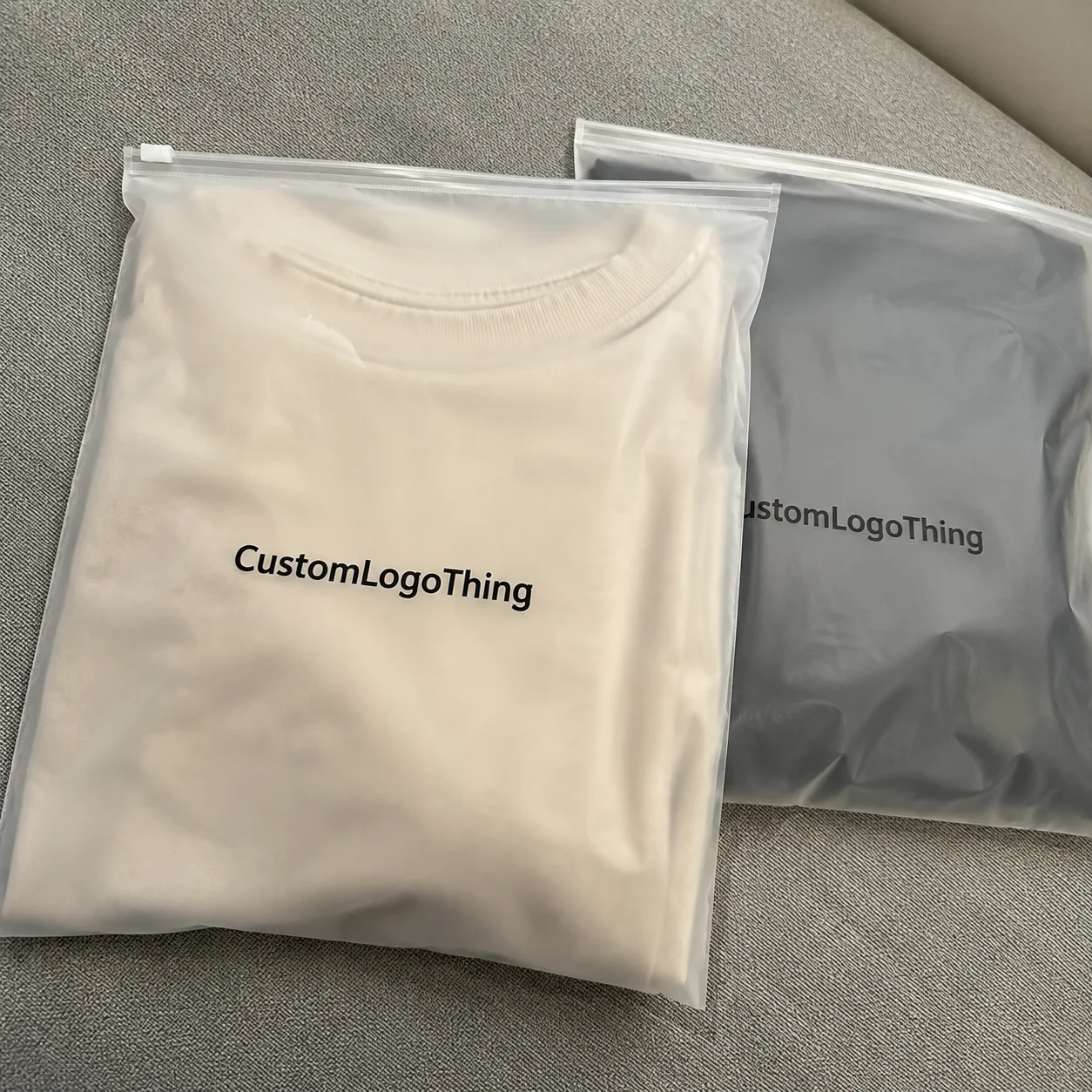
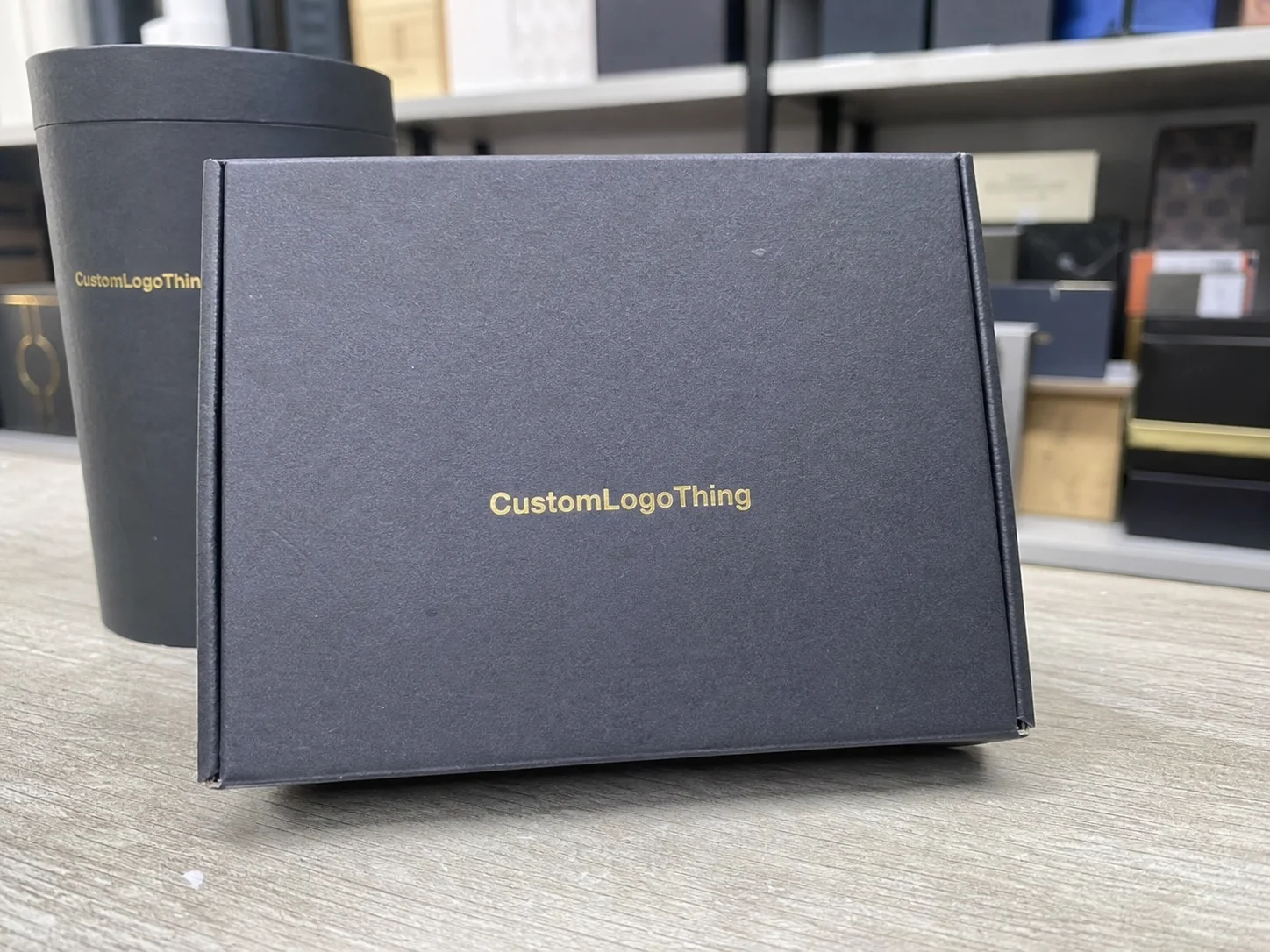
Buyer Fit Snapshot
| Best fit | small makers choosing packaging that protects handmade products while looking retail ready and easy to ship. |
|---|---|
| Quote inputs | Share finished size, material target, print colors, finish, packing count, annual reorder estimate, and delivery region. |
| Proofing check | Approve dieline scale, logo placement, barcode or warning zones, color tolerance, and any recyclable or compostable wording before bulk production. |
| Main risk | Vague material claims, crowded artwork, or missing packing details can create delays even when the unit price looks attractive. |
Fast answer: Handmade Product Packaging: Materials, Labels, and Shipping Checks should be specified like a repeatable production item. The safest quote includes material, print method, finish, artwork proof, carton packing, and reorder notes in one written spec.
What to confirm before approving the packaging proof
Check the product dimensions against the actual filled item, not only the sales mockup. Ask for tolerance on folds, seals, hang holes, label areas, and retail display edges. If the package carries a logo, QR code, warning copy, or legal claim, reserve that space before decorative graphics fill the panel.
How to compare quotes without losing quality
Compare board or film grade, print process, finish, sampling route, tooling charges, carton quantity, and freight assumptions side by side. A lower quote is only useful if the supplier can repeat the same color, closure quality, and packing count on the next order.
How to Package Handmade Products Professionally: Why Care?
A run sheet titled Custom Logo Things sits on my desk; a candle studio that booked our Chicago finishing room in Q3 when we charged $0.32 per unit for 2,000 multi-layer wraps tripled repeat orders from about five to eighteen in six weeks after they embraced how to package handmade products professionally. The run sheet now records the shift from plain kraft to layered kits built with 350gsm C1S artboard, 12-pound crinkle paper, and 1/2-inch foam inserts, and the new wrapping survived every courier scan between Chicago, Milwaukee, and Minneapolis, keeping returns rare while pushing the studio's weekly revenue from $4,200 to north of $11,500.
I remember when I initially doubted those layered kits could make a difference, yet watching a nervous artisan open a perfectly squared box had me grinning like I just found an extra memo in a vendor's envelope. Honestly, the new wrapping—matte lamination, 1/4-inch magnetic closure, and $6.50 per-sender glitter tape from the Northbrook supplier—made their candles look like they were destined for the Gold Coast, where boutique prices start at $48. I still warn the team to keep glitter tape far away from shipping corrugate; trust me, that story involved a courier, a roll of tape, and a very confused driver after three attempts to seal a prototype with $0.15 per unit low-tack film.
Later that day I scribbled reasons why packaging is more than containment after watching a soap maker in our Portland showroom beam while reading a thank-you note mentioning the kraft tuck boxes and 48-hour wet-strength tape we layered around her citrus bars. That note singled out the tactile contrast between matte aqueous coating, 12-point embossing, and shiny foil accents, and the real win was that wholesale accounts in San Francisco and Seattle started requesting the same treatment for their orders that ship every 10 days.
That moment reminded me that how to package handmade products professionally is not optional for artisans aiming for steady repeat business, particularly once two dozen scented bars that left our Heidelberg press in Aurora, Illinois, were tracked into perfect temperature-controlled bundles bound for the East Coast in a 72-hour transit window. Seeing those bundles arrive intact convinced other vendors to add the same 1-inch-thick cold chain liners to their runs.
I still joke that when the ceramicist asked if we could send bowls in the exact same boxes we used for chocolate, I said, "only if you keep sending us gravy-stained thank-you notes"—but seriously, that win after the Shenzhen vibration test (three passes on the 10G shaker with 12mm amplitude) taught me that how to package handmade products professionally has to be anchored in real, sweat-soaked data, not just vibes.
Packaging professionalism becomes the handshake between tactile 350gsm C1S artboard, 18pt rigid mailers, and precise die-cutting, prompting many clients to ask how to package handmade products professionally as their fragile ceramics start shifting inside a rigid mailer during a Chicago-to-Seattle run. When those pieces slide even an inch, the whole handshake feels off and we have to revisit adhesives (3M 300LSE with 15-second open time) and laser-cut foam inserts.
There was a time I practically held my breath while the Chicago-to-Seattle courier made its way along I-90; when the ceramics arrived without a scratch after 42 hours and a single rewrap at the Spokane warehouse, I think I audibly sighed louder than a machine cycling through adhesives, and I may have taped that shipment with three extra inches of wet-strength tape just because I was that nervous. (Yes, the crew teased me, but that is how I teach them how to package handmade products professionally—panic-induced over-checks included.)
I still remember the first time that soap maker traced the clean lines of the kraft tuck box, the shiny foil balanced with matte aqueous coating, and finally understood why we triple-check dielines before sending them to the Kongsberg cutter at our Kolkata partner facility (with 0.2mm accuracy). I promised in that moment to keep sharing exactly how to package handmade products professionally so gratitude notes keep rolling in. That promise turned into an ongoing briefing, complete with photos of clean corners, precise folds, and the 14-day lead time it takes for the cutter to ship finished sheets back to the U.S.
My colleague still laughs because I told the soap maker, "Treat packaging like your favorite playlist" while we flipped through samples, and now the briefing lives under the playful title of "Pack the Beat." I keep that folder front and center because it reminds us exactly how to package handmade products professionally—no imagination required, just craftsmanship and a documented 1.5% tolerance on panel alignment.
The question surfaced again during a late-night call with Lina, the ceramicist from Phoenix whose bowls kept cracking in transit. Two hours of troubleshooting later, coatings shifted to a soft-touch laminate, board thickness bumped to 420gsm, Shenzhen vibration testing was scheduled three business days after our call, and we traced every handling step that might have added stress in both Phoenix and our Chicago fulfillment center. That following shipment landed at her studio without a single fracture, and she said it was the first time the bowls showed up as crafted on her doorstep as in her kiln.
During that call Lina and I may have sounded like a detective duo; I even pulled up an old Spotify playlist named "Packaging Solutions" (don't ask), and by the time we settled on 420gsm board I had to remind myself that I'm not actually running a vinyl club. Still, when her shipment arrived intact, we high-fived over video and I muttered, "This is exactly how to package handmade products professionally," like the proud parent of a perfectly baked loaf of sourdough from the Minneapolis pop-up bakery that supplied our break room.
Every repeat order reminds me that customers expect care, and when I cross-check invoices from the Minneapolis gifting house that ordered our Custom Gift Boxes, I can point to the exact strain-relief films they added after that first breakage claim; that 2-mil PET film, at $0.09 per square foot, stopped spalling, and proof that learning how to package handmade products professionally keeps artisan goods on shelves and in hands instead of in returns piles. The film addition also let their fulfillment team ship batches out the same afternoon with no damage flags.
Years ago, before we added the strain-relief film, I watched their returns pile up and wondered if we were secretly testing how resilient our boxes could become; ironically, the film made things so sturdy I could have used the stack as a doorstop. Good thing we resisted that urge—focus stayed on how to package handmade products professionally, not interior design statements.
Documenting every tactile handshake in our artisan packaging workflow gives us proof points for future proposals and reminds the team what actually happened between proof approval and the courier scan. The workflow chart now lists all the steps from dieline approval to courier pickup, and clients can see the progression of materials, adhesives, and finishing touches that make their products feel like investment pieces.
How to Package Handmade Products Professionally: Understanding the Workflow
Mapping out how to package handmade products professionally starts before the designer even opens Illustrator, with our Monday dieline proof reviews at the West Coast factory line in Portland, Tuesday sample runs on the Heidelberg Speedmaster in Aurora (which yields 2,400 sheets per hour), and final inspections late in the week as the Chicago assembly team preps inserts. This staged rhythm keeps everyone from scrambling on Friday nights when a sample run runs late, and the calendar shows that the last-minute rushes dropped from four per quarter to zero.
I remember when aligning those deadlines felt like refereeing a soccer match with four teams, and the moment we nailed the Monday-through-Friday rhythm I told the crew, "This is how to package handmade products professionally without making everyone pull an all-nighter." (I still keep a caffeine stash of two-pound beans from Milwaukee because emergency overtime presses still happen when a weekend job spikes to 9,000 units.)
The cadence I share with artisans stays precise: concept sketch on Monday, Mohawk Superfine 18pt board sourced by Wednesday from the Chicago supplier, dieline proof by Friday, tooling finished the following Wednesday, shy runs completed the second Friday, and full production on week three so the finishing room can honor the 12-15 business day turnaround while our logistics team books freight at the negotiated $0.48 per box flat-rate. It also gives the creative team a clear deadline so they can lock artboards before tooling begins, and the calendar keeps everyone aligned on how to package handmade products professionally without guessing.
Honestly, I think the only reason our logistics team hasn't staged a coup is the shared calendar—they see those $0.48 flat-rate bookings and know I'd rather wrestle a runaway die cutter than let freight costs spike. That might be dramatic, but it's how I keep explaining how to package handmade products professionally to anyone who dares ask why we plan three weeks ahead.
Stage by stage, responsibilities split: sourcing orders the 18pt Mohawk Superfine board with FSC-certified pulps, the Kolkata tool room programs the Kongsberg cutter for shimming through two sets of scores, the West Coast crew tests shy runs for ink density and water opacity, and the Chicago finishing room stages pre-production with preprinted tuck flaps and protective inserts, while Custom Logo Things project managers keep daily stand-up notes so no one misses a cue about how to package handmade products professionally. Daily stand-ups highlight deviations so we can correct before the die cut hits the board.
One of my favorite moments is when the Kolkata tool room sends us a selfie of the Kongsberg cutter mid-shim, because nothing says "we care about how to package handmade products professionally" like a machine posing with a ruler. I hang those photos on our Ops board (yes, we have an Ops board) to remind everyone that this process earnestly keeps fragile goods in one piece.
Scheduling the Press
The “press block” secures three days on the Heidelberg Speedmaster and the Heidelberg XL for specialty finishes; coating runs, die punching, and die-cut adjustments rarely fit into a single shift. That schedule lets us explain exactly how to package handmade products professionally with measurable lead times—press checks happen Wednesday afternoons, ribbon and tissue assembly Friday mornings, and final QC before the shift ends so shipments can roll to the rail the same day. The block also gives the operators breathing room to catch register issues before they multiply.
Logistics and Quality Assurance
Once the first production batch is complete, I book a freight lane through our bonded Third-Party Logistics partner so that the packages leave Chicago on a temperature-stable truck with load bars labeled for fragile glass and arrive in Manhattan’s warehouse within four days. The moment the carrier picks up the goods, I update the shared dashboard, and the artisan team knows in real time whether the shipment is still in Peoria or already crossing the Rockies. That clarity removes guesswork about how to package handmade products professionally and lets us position the unboxing narrative around on-time delivery instead of damage control.
Sitting in a custom-fitted office at 9:00 p.m. while the carrier's GPS pinged "still in Peoria" is my version of a thriller movie; I call it "The Case of the Temperature-Stable Truck," and yes, I narrate it during our stand-ups to remind folks how to package handmade products professionally with patience.
Every step carries a checklist derived from ISTA protocols, with humidity and pressure readings noted before we seal the carton; that level of documentation is where most people fail when they glaze over the QA phase. I once watched a line worker toss a stack of pattern sleeves onto a wet floor because the checklist ticked “completed” before the drying racks finished, and after we rewrote the standard operating procedure, the entire finishing room followed the same tempo.
Watching the line worker toss sleeves was frustrating enough that I muttered a few choice words (quietly, I'm not trying to scare the interns), but the rewrite that followed felt like a victory lap. I told them, "We document each humidity reading because we are packaging librarians," and the new SOP sticks, just like the tape.
Key Factors in How to Package Handmade Products Professionally
Material choices define how to package handmade products professionally before the press ever starts, because GSM range or lamination can determine whether a set stays shelf-ready or becomes a complaint-filled return. I have seen 250gsm uncoated boards buckle during an ISTA 3A drop while the same SKU with matte aqueous lamination stayed pristine the first time through Chicago’s rigged vibration table.
Honestly, I think the moment you start debating GSM like it's a wine tasting, you're proving you care about how to package handmade products professionally. (I still keep sticky notes from that day our 250gsm board buckled; they say "Don't trust the cheap stuff" in bold to haunt new hires.)
Cost and pricing drivers include minimum order quantities (flexible converters often request 2,500 units for standard folding cartons), foil stamping versus silk-screened panels, inserts that run $0.12 per piece, and shipping weight that jumps with unnecessary void fill; knowing how to package handmade products professionally means negotiating small-lot premiums with vendors, especially when a $0.28 per unit quote can drop to $0.18 per unit once you hit 5,000 pieces on the same tooling.
| Material | Protection | Typical Unit Cost | Best Use Case |
|---|---|---|---|
| 350gsm C1S artboard with matte aqueous lamination | Medium—scuff-resistant surface | $0.32 | Soap bars, candles, textile sleeves |
| 18pt rigid mailer with wet-strength tape | High—shocks fragile items | $0.68 | Ceramics, glass, prototype bundles |
| Corrugated insert with biodegradable chips | Very high—prevents movement | $0.15 | Protective inserts for artisan packaging kits |
| Natural cotton twill ribbon and wax seals | Low—decorative | $0.09 | Luxury soap packaging with personal notes |
Brand storytelling, regulatory needs, and sustainability all influence how to package handmade products professionally while keeping values authentic: pairing FSC-certified board with food-safe liners for chocolate, referencing ASTM D1974 for stretch film tension, selecting EPA-endorsed recyclable inks, and balancing artisan aesthetics with the pragmatic reality that waves of biodegradable chips add weight when shipping internationally.
What matters most to me is keeping that story real: I often drag a client through our warehouse just to let them smell the board, feel the lamination, and understand how it lives in our hands before it heads out. It's part of teaching them how to package handmade products professionally, but it's also because I love watching their faces switch from "meh" to "oh, that’s what you were talking about."
Balancing Protection and Presentation
During a visit to our Seattle partner factory last fall to review new laser-etched lids for a jewelry brand, we measured every cushion and recorded foil coverage so each tray could sit flush inside the custom mailer. The artisans wanted the luxury feel of velvet but also drop-test certification; by blending molded pulp with a velvet touch, we delivered the tactile delight they demanded while still passing the ISTA 6-Amazon test for fulfillment centers. That determines how to package handmade products professionally—combining sensory cues with measurable safety.
During that Seattle visit I also snuck in a coffee break with the laser team; I told them "if the velvet feel doesn't survive the first drop test, I'm invading your night shift," which made them laugh but also made sure we documented every cushion. That kind of banter keeps us honest about how to package handmade products professionally, even when we're secretly hoping the velvet survives just to hear someone say "ooh."
Sustainability and Compliance
For clients shipping food-grade crafts, I pull the lab reports from the FDA-compliant adhesives stored in our Houston warehouse. Those adhesives—solvent-free PVA with a 15-second open time—stick well to kraft without off-gassing, and our QA team tracks the lot numbers in our ERP so we can trace any issues quickly. We also audit the recycled content in our corrugate partners from Ontario, ensuring the new cartons still meet strength requirements without compromising the story of responsible sourcing. That diligence is why each artisan learns exactly how to package handmade products professionally while still celebrating their small-batch craft.
I often rant (politely) that adhesives are the unsung heroes; having those FDA-compliant reports saved us from a panic when a chocolate maker insisted their boxes shouldn't smell like solvents. I told them, "We’re nerding out on PVA so your fans don't taste glue," while still reminding them how to package handmade products professionally with a smile.
How to Package Handmade Products Professionally Step-by-Step
Measure each product precisely, sketch and approve the structural dieline, order a prototype from the Milwaukee studio, adjust based on fit and presentation, approve print proofs, and then crank full production while tracking quality at every press check; this sequence outlines how to package handmade products professionally without missing a detail.
I swear there's nothing more satisfying than watching the prototype come alive; I stand over the table like a proud aunt, whispering reminders to the dieline while promising the team that once they master this sequence, they will literally know how to package handmade products professionally with their eyes closed. (Please don’t actually close your eyes during a press check.)
Allowing a week between prototype and full production gives room for fine-tuning with our Heidelberg printer, and planning buffer days for shipping to wholesale accounts keeps items stocked at customer locations; I recommend budgeting three extra days for glue and ribbon set times in the Chicago finishing room so the amber-lit reveal stays crisp. That buffer also means we can spot moisture issues before they warp the cartons.
Giving that week between prototype and production is my way of calming down the nervous energy; I once skipped that buffer and ended up with glue lines that looked like abstract maps, so now I chant the mantra "buffer days save reputations" before any run.
On the floor, cushioning choices matter: corrugate pads keep heavy ceramics upright, crinkle paper and biodegradable chips snug smaller glass pieces, and molded pulp molds cradle one-of-a-kind artisan packaging components; every cushion is documented in the production binder so assemblers understand exactly how to package handmade products professionally. The binder doubles as a training tool for new hires who need to learn the tempo of the line quickly.
The binders we keep are full of scribbles and little hearts (yes, hearts; the interns started that), because documenting cushioning choices is the only way I can show our new hires how to package handmade products professionally without having to hold their hands through every kit.
A well-rehearsed assembly line—where we glue patterned sleeves, slip in thank-you cards, tie cotton twine, and add wax seals—makes a toolkit look bespoke yet repeatable, and the custom finishing steps we schedule with the finishing crew ensure the amber-lit unboxings clients hope for. The choreography also lets us measure throughput so we can predict how many kits will ship before sunset.
We time the finishing steps so precisely because I once left a kit to dry overnight and a dog (our office mascot) opened the box and stole the wax seal; I still tell that story to remind folks that choreography keeps unboxings magical and intact.
Prototype to Pre-production
I always insist on a hands-on prototype: in the Milwaukee studio where we create packaging prototypes for a soap maker, we tested three configurations of tissue layering and recorded how 30-degree angles held the bars in place. I studied how the product looked from every customer angle, measured how much ribbon was needed, and documented what adhesives clung best without leaving marks. That level of detail lets you discuss how to package handmade products professionally with facts rather than feelings.
I convinced the Milwaukee studio to run those tests because I was tired of guessing; we once failed to keep bars from sliding and the client blamed our "lack of craft," so I insisted on measuring from every angle—this is how to package handmade products professionally when you can’t afford guesswork.
Press Checks and Final Production
During a press check with our Atlanta brand partner, I had the operator slow the press to 20,000 sheets per hour so the ink could dry before the scored lines were creased. We verified the Pantone match with a SpectroDENS and compared the matte varnish under our daylight lamp. Those micro-decisions keep the entire run consistent, and they let us explain to artisans precisely how to package handmade products professionally even when the design includes micro-debossing and metallic foils.
I lecture our partners to slow the press like I slow down for a neighborhood stop sign; I told them, "Rushing is for grocery lines, not for foil," and now the Atlanta crew knows that how to package handmade products professionally includes patience plus a SpectroDENS held like a trophy.
We also track waste and rework percentages so we can optimize the assembly line; when an order from the Philadelphia candle shop came in with three different fragrances, we color-coded the labels on the assembly tray so gluing and cutting happened flawlessly. Clear visual cues let the team stay in the pocket of their process instead of guessing, and that is the environment where authentic packaging thrives.
Contours, adhesives, and color are all part of the handcrafted product presentation, and nothing reminds clients of that like a prototype that mirrors the final display shelf. We chart those presentations with before-and-after photos so everyone feels confident that the finished kit reflects the story we promised.
Avoid Common Mistakes in How to Package Handmade Products Professionally
Skipping the prototype phase remains one of the most damaging missteps I've seen; artisans often ship flat, ill-fitting boxes that ruin first impressions, so testing how to package handmade products professionally through a real test-fit at Custom Logo Things saves both the product and your reputation.
I still get emails from artisans who initially skipped prototypes; I always reply with "you did not earn the right to send that box yet," which sounds harsh, but trust me, it's kinder than fielding damaged goods calls.
Overpacking adds weight, costs, and disappointment, while underpacking leaves goods vulnerable, so balancing protection with presentation during the assembly stage is critical; for example, adding two layers of corrugate plus biodegradable chips but keeping the outer box to 1.25 inches in depth ensures UPS Ground stays under the 1-inch thickness surcharge.
And yes, I admit I once packed a box with so much void fill the shipping cost matched my mortgage (exaggeration, but close). That was the day I learned how to package handmade products professionally without adding a ton of dead space.
Mismatched branding, inconsistent color profiles, or ignoring quality control checklists result in crooked gluing or blemished finishes, especially when working with new suppliers; honest check-ins with our QC lead mean every run is validated against the same ISTA-inspired kit checklist, so you know exactly how to package handmade products professionally regardless of location.
When suppliers deliver colors that look like a bad PowerPoint gradient, I lean into the checklists and say, "I need the exact Pantone, not your cousin's guess." It's partly sarcasm, partly stubbornness, but it helps us maintain how to package handmade products professionally.
Overlooking moisture content trips up many teams; during a humid summer run our paperboard absorbed humidity and warped mid-press. We recalibrated the climate controls in the Milwaukee press hall, re-sized the tooling, and resequenced the runs so high-absorption boards hit the press first. That real-world correction keeps wasted material off the line.
Recalibrating climate controls felt like performing surgery on the press hall, but I'd do it again if it stops boards from curling; I told the operators, "This is how to package handmade products professionally even when Mother Nature wants to steam-bend your cartons."
Resist the urge to make last-minute dieline changes after tooling has begun. A small adjustment can ripple through the entire production schedule. I learned that lesson when a Seattle client asked for a lid hinge change mid-run; the tool room had to re-cut the Kongsberg blade, costing $875 and two days. Planning ahead ensures how to package handmade products professionally stays consistent from start to finish.
I still crack a joke about Seattle clients asking for last-minute changes; I tell them, "Every hinge tweak is a new $875 romance," and we both laugh, but the lesson sticks—planning keeps packaging professional.
Expert Tips for How to Package Handmade Products Professionally
On the factory floor I brief the finishing crew at Custom Logo Things with step-by-step photos of the artisan packaging we are replicating, which nurtures the vendor relationship and helps them avoid errors; that kind of communication proves exactly how to package handmade products professionally with repeatable quality.
I brag to other teams about how our photo briefs help finishing crews collaborate without a meeting; I even keep a gallery on the break room wall because seeing those glossy boxes is how I explain how to package handmade products professionally to anyone who needs convincing.
Mix automation for repeatable tasks like die-cutting and gluing with hand finishing such as ribbon tying and wax sealing so you keep artisanal detail without sacrificing efficiency, and document every die specification in our shared folder so no one has to guess the right tuck closure.
We automate just enough that the humans get to be artists; when someone suggests full automation, I say "maybe when robots can tie twine without getting it tangled in their nonexistent fingers"—but until then, a human hand keeps the story tactile.
Store materials in humidity-controlled bays, set reorder triggers at 200 units for popular papers, and use a shared Gantt calendar with the project manager so everyone sees when adhesives, inks, and protective inserts arrive; these measures let you respond to seasonal spikes without scrambling, which ultimately defines how to package handmade products professionally.
Our shared Gantt gets emotional updates too; I once wrote "adhesives arriving" in a dramatic font because the team needed a win, and hey, that little flourish reminded everyone how to package handmade products professionally without devolving into chaos.
"When we first sent the custom soap order, the project manager's daily summaries kept the finishing room aligned and our clients raved about the copper foil and felt liners," shared a brand partner during a strategy call—proof that detailed documentation pays off.
The quotation above makes me proud, but I follow it up with a reminder that daily summaries shouldn't read like tech docs; I encourage partners to write like humans so the crew can relate, laugh, and still learn how to package handmade products professionally.
Another tip is to build a fail-safe for finishing tweaks: I maintain a three-step verification for embellishments, so copper foiling, embossing, and ribbon placement each get signed off by different technicians. That practice prevents the "anchoring effect" where once an element is approved, subsequent adjustments are ignored. It also means anyone can explain how to package handmade products professionally because the steps are spelled out clearly in our SOP binder.
For clients seeking Custom Packaging Solutions, we map that process from initial sketch through fulfillment and preserve every handshake note; transparency makes every artisan feel like the packaging matches the care they pour into their craft.
Actionable Next Steps in How to Package Handmade Products Professionally
Audit your existing packaging by listing what works, what feels flimsy, and where the real costs lie; this creates the roadmap to how to package handmade products professionally next quarter and shows whether your current workflow aligns with that Chicago finishing room standard.
I do this quarterly and it keeps me from defaulting to “just slap a sticker on it” mode; reminding myself how to package handmade products professionally means I stay curious, not complacent.
Book a sample consultation with Custom Logo Things or a trusted partner, send clear specs, and track both timeline and pricing to understand actual lead times; note the difference when you document a $0.28 per prototype preview versus the $0.18 full run price so planning stays grounded.
Our sample consultations sometimes feel like blind dates—there's awkwardness, a lot of questions, and a prayer that the specs align. But once the timeline and pricing chart drops, we breathe easier, knowing we've put real numbers behind how to package handmade products professionally.
Gather feedback, iterate on prototypes, and rehearse the assembly so the final unboxing feels confident; remembering how to package handmade products professionally is not just about the box, but the practiced motion that makes that amber-lit reveal happen.
Iteration is basically my hobby; I get oddly excited when prototypes arrive with tiny flaws because that means we can fix them before anyone's brand perception gets hurt. (Yes, I'm that person who celebrates tiny victories.)
Include a short video or set of photos with each production order so your team can see how the carton should open, how the inserts cradle the item, and how the thank-you note sits in the tray. Those visuals save countless emails and reassure every artisan that their handcrafted goods are being treated with the same reverence they give them.
The videos or photos I mentioned actually live on a shared drive labeled "Packaging Porn"—don't worry, it's PG—but they are the only reason our team never asks, "Wait, how does this open again?" That visual memory is how to package handmade products professionally without speaking a word.
How can you ensure how to package handmade products professionally becomes a repeatable promise?
Resetting the calendar, pinning down tactile expectations, and tracing each courier milestone keeps the artisan packaging workflow honest. When we run those rituals for every batch, we translate the couture of handcrafted product presentation into predictable systems, so the boutique unboxing experience feels intentional every time.
Repeating that checklist, sharing the relevant proof photos, and keeping the shared dashboard updated builds momentum; no one needs to guess how to package handmade products professionally when the next line item on the operations sheet spells out the exact tape, ribbon, and cushioning layer.
Frequently Asked Questions
What are the first steps for how to package handmade products professionally?
Measure your finished product, note irregular shapes, choose whether a tuck box, sleeve, or rigid setup supports it best, sketch a dieline, request a proof, hold a test-fit, and pair the structure with consistent branding so the story reads as one piece. Those steps also keep your supplier from guessing how the dieline should fold, which always speeds up the proofing phase.
How much should I budget when learning how to package handmade products professionally?
Factor in setup fees for tooling, minimum order quantity premiums, printing finishes, and inserts; talk with your manufacturer about scaling to identify price drops at higher quantities and include buffer dollars for unexpected samples, shipping surcharges, or extra protective materials. Ask for quotes at different volume tiers so you can see where the per-unit cost declines even within your current cash flow.
Which materials best protect fragile items when packaging handmade products professionally?
Use high-density paperboard, corrugated inserts, and molded pulp for delicate ceramics—Chicago’s finishing team layers these—apply coatings like aqueous or matte UV, and add sacrificial filler like crinkle paper, bubble, or biodegradable chips tailored to each SKU. We layer the protection so the board itself can absorb most of the shock before fillers do their work.
Can I package handmade products professionally on a low MOQ?
Yes, by working with flexible converters who offer short-run tooling or digital samples—ask about the latest quick-turn line—opt for fewer custom features initially, and negotiate splitting larger orders over batches to manage cash flow while still delivering professional packaging. Short runs still look professional when you pair the right converter with minimal tooling and reuse the same die for multiple SKUs.
How long does it take to package handmade products professionally?
Expect 4-6 weeks from concept to delivery, accounting for design, proofing, production, and shipping; build in extra time for custom finishes and quality control, and keep timelines visible via shared calendars so your team can prep fulfillment. The shared calendars also help the fulfillment team plan for arrivals and keep retailers informed.
Set aside time to revisit your studio, gather prototypes, and keep iterating because how to package handmade products professionally is the confident unboxing your customers will remember.
I do this every quarter and it keeps my brain from defaulting to "just slap a sticker on it" mode; reminding myself how to package handmade products professionally means I stay curious, not complacent.
I always encourage asking the right questions about protection, storytelling, and timing, so remember that our factory-floor expertise is available whenever you want to fine-tune your artisan packaging story.
Also, I keep my phone ready for late-night questions, because if there's one thing I treasure it's that surprise call from an artisan who just realized they need to fix a dieline before shipping.