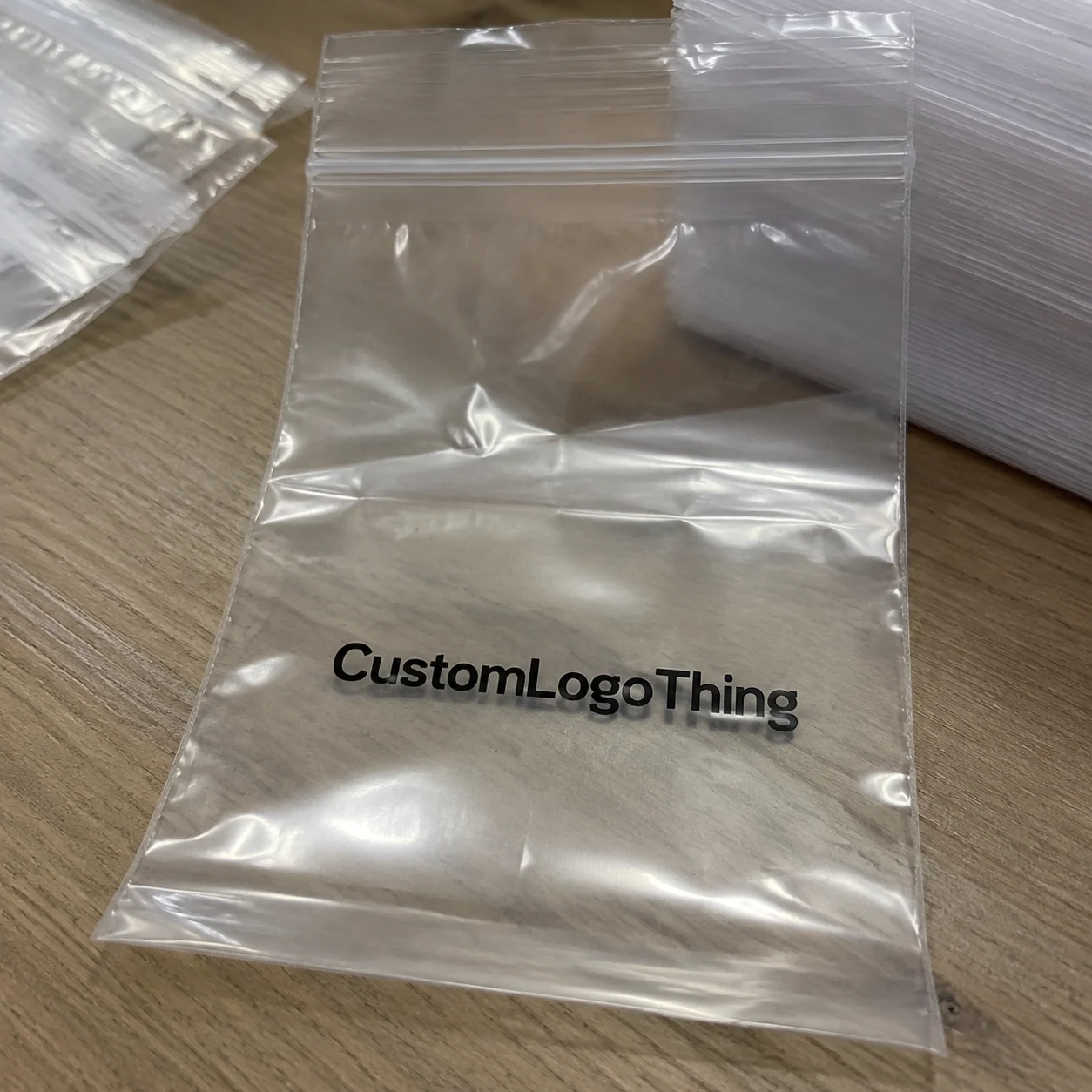
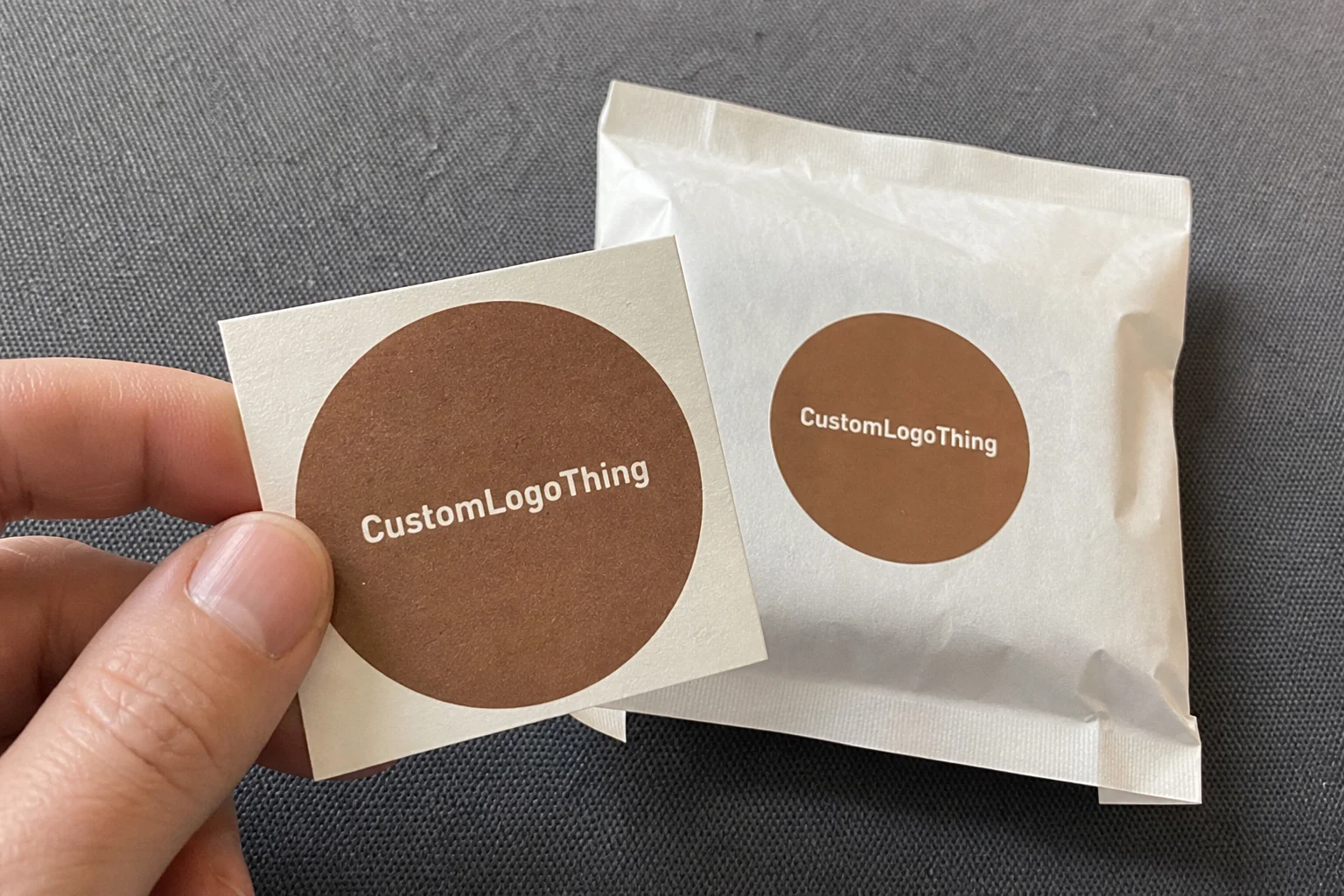
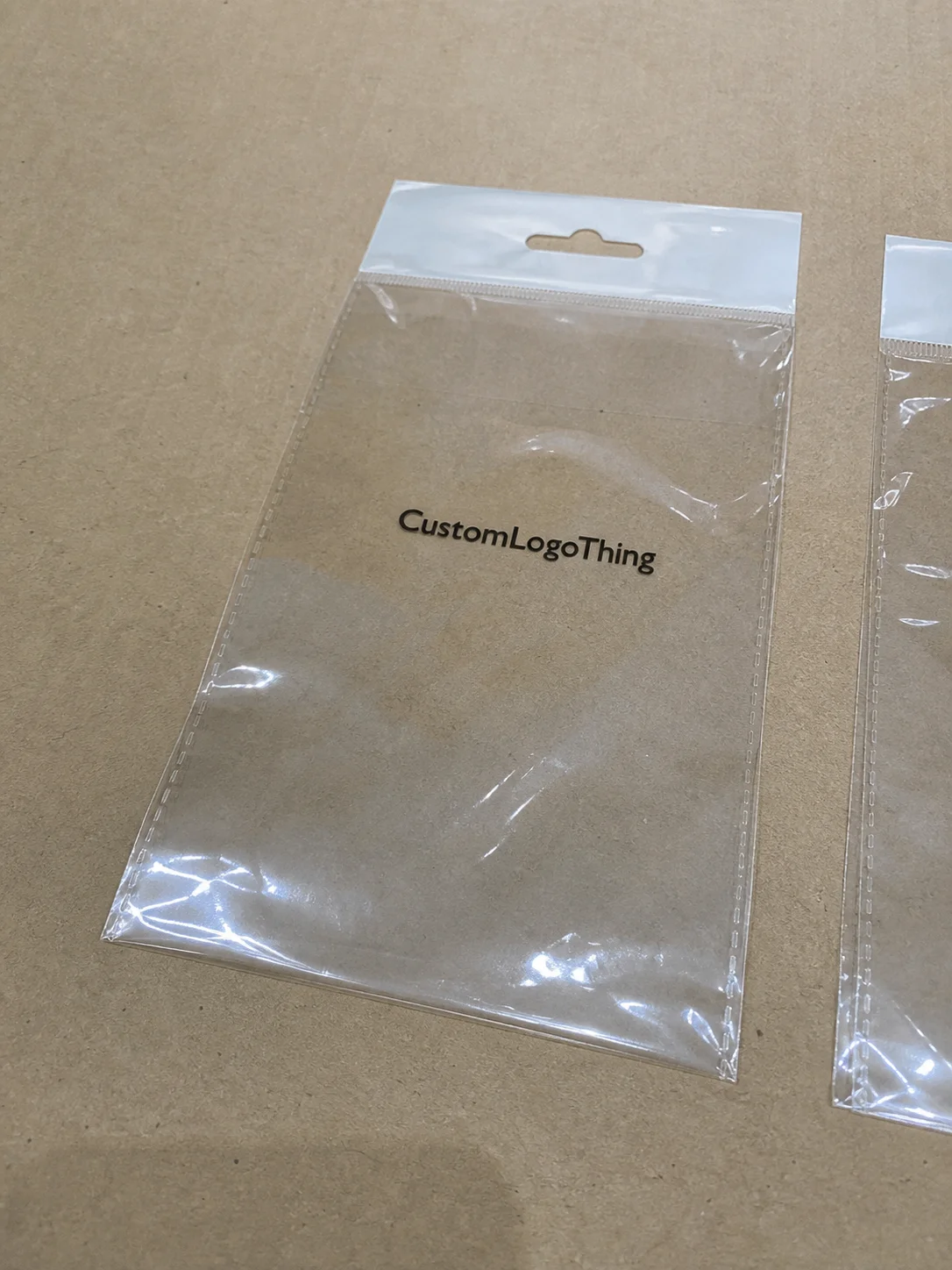
Buyer Fit Snapshot
| Best fit | Package Homemade Products for Sale projects where brand print, material claims, artwork control, MOQ, and repeat-order consistency need to be specified before quoting. |
|---|---|
| Quote inputs | Share finished size, material target, print colors, finish, packing count, annual reorder estimate, ship-to region, and any compliance wording. |
| Proofing check | Approve dieline scale, logo placement, barcode or warning zones, color tolerance, closure strength, and carton packing before bulk production. |
| Main risk | Vague material claims, crowded artwork, missing packing details, or unclear freight terms can make a low unit price expensive after revisions. |
Fast answer: Package Homemade Products for Sale: Quote Scope, Sample Proof, MOQ, and Lead Time should be specified like a repeatable production item. The safest quote records material, print method, finish, artwork proof, packing count, and reorder notes in one written spec.
Production checks before approval
Compare the actual filled-product size with the drawing, then confirm tolerance on folds, seals, hang holes, label areas, and retail display edges. Reserve space for logos, QR codes, warning copy, and material claims before decorative graphics fill the panel.
Quote comparison points
Review material grade, print process, finish, sampling route, tooling charges, carton quantity, and freight assumptions side by side. A quote is only useful when the supplier can repeat the same color, closure quality, and packing count on the next order.
If you’re working out how to package homemade products for sale, the first lesson is plain enough: a strong product can still lose the sale if the packaging feels flimsy, inconsistent, or unfinished. I’ve seen beautiful soaps, small-batch sauces, and hand-poured candles sit untouched on a market table because the jars didn’t match, the labels leaned crooked, or the closures looked like they might pop open in a tote bag. The formula was fine; the package was quietly undermining it, which is a little heartbreaking when you’ve poured your whole Saturday into setting up a table in a humid July market and your back is already angry at you before noon.
That is the part many makers miss when they first learn how to package homemade products for sale. Packaging is not just a container. It protects the product, presents the brand, supports compliance, and shapes the customer’s first impression, all in one system. If one piece is weak, the whole setup feels less trustworthy. The brands that grow with the least friction usually do not begin with the flashiest packaging. They begin with packaging that suits the product, fits the sales channel, and survives ordinary life, from a 3-hour craft fair in Columbus to a 4-day parcel journey through a Memphis sorting hub. Honestly, that’s the real secret nobody puts on a cute Instagram reel.
Why packaging homemade products matters more than you think
Years ago, I walked a small Saturday market in Ohio with a buyer who was shopping for local pantry items. She picked up two jars of jam from different vendors, both made from the same berry crop and priced within fifty cents of each other. One jar had a clean pressure-sensitive label, a tidy lid band, and a simple tamper seal; the other had a handwritten tag tied with twine that had already frayed in the humidity. She bought the first one, and her comment stayed with me: “I trust this one to make it home.” That is the heart of how to package homemade products for sale, and it holds up whether the order is one jar at a farmers market or 250 units sent to a boutique in Cincinnati.
Packaging does four jobs at once. It keeps the product safe, it makes the brand feel intentional, it tells the customer what they’re buying, and it helps the seller stay organized. When I say packaging, I mean the full package system: the jar, pouch, tin, box, label, closure, insert, and even the shipping carton if the product is going out by mail. For homemade products, especially food, bath, body, and candle lines, every one of those parts matters, from a 53 mm lug cap to a 16 pt folding carton with a matte aqueous coating.
Good packaging changes perceived value very quickly. A lavender sugar scrub in a clean 8 oz PET jar with a two-color printed label and shrink band reads differently than the same scrub in a recycled deli cup with a marker-written sticker. The formula may be identical, but buyers respond to the packaging because they use it as a shortcut for quality. That matters whether you’re selling at a craft fair, through a boutique, or online. If the packaging feels fragile, people assume the product is fragile too, and that judgment often happens in under five seconds at a booth in Asheville or on a Shopify product page.
There is also the repeat-purchase question, which sellers often miss when they’re first learning how to package homemade products for sale. If a customer enjoys the product but the lid cracks, the seal lifts, or the label peels after two days in a bathroom cabinet, you’ve created a future return problem. I’ve seen brands lose repeat buyers because the packaging looked charming for ten minutes on a table but failed after a week of normal use, especially when the product sat next to a sink in a house that runs hot and humid in August.
Here’s the line I use with clients: hobby packaging is about getting the product into the world; retail-ready packaging is about getting it into the world consistently, safely, and credibly. That leap usually means moving from a random assortment of jars and handwritten tags to coordinated containers, consistent label sizes, tamper evidence, and predictable packout. You do not need to spend the most money. You do need a system that works every time, whether you are packing 48 units in a home kitchen or 4,800 units in a contract facility outside Charlotte.
“When I visited a small candle maker in North Carolina, the owner told me she was spending more on shipping damage than on labels. Once we changed the insert structure and lid fit, her breakage claims dropped fast. The candle formula never changed; the package did.”
How homemade product packaging works in real life
People asking how to package homemade products for sale usually need the packaging stack explained first, because that is how the factory floor thinks about it. The first layer is primary packaging, the part that touches the product directly. That could be a glass jar, PET bottle, tin, pouch, tube, or lined paperboard carton. Next comes secondary packaging, which may hold one item or a set of items together, add branding, or improve merchandising. Then there is outer packaging, which protects everything during shipping or bulk handling from places like Reno, Louisville, or a regional warehouse in northern New Jersey.
For homemade products, the format choice depends heavily on what the product needs to survive. Stand-up pouches with laminated barrier film are common for dry mixes, tea, bath salts, and pet treats because they save space and can include resealable zippers. Glass jars make sense for jams, honey, sauces, scrubs, and candles when the customer expects a premium feel and visibility. Folding cartons are useful for soaps, cosmetics, and specialty foods when you need more printable space and a stronger shelf presence. Tins work well for lip balms, mints, salves, and candles because they travel well and feel sturdy in the hand, especially if you are shipping through cold-weather routes in Minneapolis or Denver where impact resistance matters.
There are also small but important functional details. A product that needs moisture protection may need a high-barrier film with a low water vapor transmission rate, such as a foil-laminate pouch rated for dry goods. A product sensitive to oxidation may need an oxygen barrier. A dark product that degrades in light might need amber glass, a UV-coated carton, or an opaque pouch. A syrup or lotion that can leak needs a closure system that actually holds, not just one that looks nice in a photo. This is the part of how to package homemade products for sale that separates visual packaging from functional packaging, and it often comes down to one overlooked liner or one poorly matched neck finish.
Soap makers often need durability and a little airflow, especially if the product is still curing or if scent migration is a concern. Food producers need freshness, seal integrity, and compliance. Candle sellers need crush protection plus heat awareness, because a black lid or thin jar can create problems if the product sits in a hot van or a sunny market booth in Phoenix. I’ve seen a batch of whipped body butter soften and migrate inside cartons during a July truck run because the inner liner was too thin for the route. That kind of failure is easy to prevent once you treat packaging as a system instead of a pretty object.
The best package systems usually come from a supplier that understands both materials and the product category. A custom packaging manufacturer can help you match a 48 mm cap to a neck finish, choose a liner that suits an oily formula, or recommend a print method that won’t smear when the box is handled by damp hands at a market. If you’re serious about how to package homemade products for sale, that technical matching matters more than a trendy look, and it is the kind of detail that a good plant in Shenzhen, Dongguan, or Chicago can solve quickly if the spec sheet is clear.
For background on packaging standards and industry practices, I often point newer sellers to the Packaging Machinery Manufacturers Institute and the International Safe Transit Association, because both are useful when you start thinking about how a product behaves in shipping and on a shelf.
Key factors to consider before choosing packaging
The first filter in how to package homemade products for sale is always the product itself. Does it leak? Does it breathe? Is it brittle, oily, sticky, powdered, or temperature-sensitive? A whipped soap behaves differently than a dry seasoning blend, and a candle behaves differently than a facial toner. If the product shifts, settles, melts, absorbs moisture, or loses scent, the package has to compensate for that behavior. I’ve watched sellers spend money on beautiful boxes while ignoring the real issue, which was a cap that slowly worked loose during storage. Frustrating, yes. Also deeply avoidable with a torque check and the right liner spec.
Brand positioning comes next. Ask what the package should feel like in the customer’s hand. Handmade and rustic usually points toward kraft paperboard, matte labels, or amber glass. Premium might call for soft-touch laminates, heavier cartons, foil accents, or a tight label system with minimal copy. Eco-conscious brands may want FSC-certified paperboard, post-consumer recycled content, or aluminum containers that can be widely recycled depending on local infrastructure. Minimalist lines often do best with a restrained color palette and strong typography. Boutique brands usually need the package to look intentional from three feet away, because that is how people shop at markets and in small retail stores from Portland to Providence.
Then there is label space, and this is where many homemade sellers run into trouble. You need room for the brand name, product name, net contents, ingredients or material disclosures, usage directions, warnings, and sometimes lot codes or barcode placement. If you sell food, cosmetics, or topical products, the information requirements can be specific, and they vary by category and market. I always tell clients to design the structure first and the decoration second, because a beautiful label with no room for legal copy is a headache waiting to happen. If you are building a line and need to expand later, it helps to plan the panel sizes early rather than forcing tiny text onto a label that was never meant to carry it, especially if your printer is working from a 2.5-inch-wide roll with a 1-inch core.
Sustainability matters too, but only if the material choice actually fits the product. Glass feels premium and is highly recyclable in many areas, but it adds weight and breakage risk. PCR plastic can reduce virgin resin use, but clarity and performance can vary by grade. Paperboard is great for branding and can be FSC certified, yet it may need a coating or liner if moisture is an issue. Compostable films sound attractive, but they are not right for every product, and they can be misunderstood by customers if the end-of-life path is not clear. The EPA recycling guidance is helpful when you want to understand what actually gets recycled versus what just sounds green, especially if you are deciding between 18 pt SBS and a 350gsm C1S artboard sleeve.
Pricing is the last major filter, and it should be calculated honestly. A jar that costs $0.22 in bulk may need a $0.09 lid, a $0.05 liner, a $0.12 label, a $0.04 shrink band, and 45 seconds of labor. Freight can add another $0.03 to $0.18 per unit depending on cube and pallet density. If you are figuring out how to package homemade products for sale, you need the full landed cost, not the sticker price of one piece. I have seen people price a body scrub at $14.00, then discover packaging and freight had quietly eaten nearly a third of the margin, especially once the goods moved from a factory in Yiwu to a fulfillment center in Dallas.
Honestly, this is where a lot of homemade brands get trapped. They want the package to look like a boutique line, but they only budget like a garage project. That gap shows up fast in the numbers, and it gets sharper once you compare a $0.15 per unit label at 5,000 pieces with a short-run digital label that might cost four times as much.
How to package homemade products for sale: step-by-step process
The practical path for how to package homemade products for sale starts with testing, not with buying a thousand units of anything. I always recommend sample runs first, because what looks perfect in a product photo can behave very differently once the container is filled, sealed, stacked, and handled. A 4 oz jar may look ideal until you realize the product fill line leaves too much headspace, or the cap torques poorly, or the label wrinkles over a shoulder curve. Test the fill speed, seal quality, leak resistance, shelf appearance, and transit durability before placing a larger order. If possible, ask for two sample rounds, one for fit and one for decorated proofing, because a revised label proof often takes 2 to 4 business days before it is approved.
- Test the product in real packaging samples. Fill at least 6 to 12 units, not just one. Shake them, invert them, stack them, and let them sit for 48 hours if the product is oily or watery. If you sell online, put a few through a basic transit test with a 2- to 3-foot drop and normal box vibration.
- Choose the structure and closure based on the sales channel. Farmers market products can rely more on visual appeal and easy open-close behavior, while e-commerce products need stronger seals and outer protection. A boutique shelf display may benefit from cartons or belly bands, while a subscription box may need inserts and secondary packaging. A 2 oz salve in a screw-top tin is a very different choice from a 12 oz pump bottle, and the right answer depends on how the customer will carry it home in places like Atlanta heat or Seattle rain.
- Build the label and artwork system. Keep the hierarchy clean: brand, product name, size, scent or flavor, and then the regulated or functional details. If you need ingredient declarations, warnings, or a lot code, leave the room now rather than trying to cram it in later. A clean system is one of the most overlooked parts of how to package homemade products for sale. For many small brands, a 3.5 x 2 inch label or a 4 x 6 inch front-and-back layout works far better than trying to squeeze everything onto a tiny round sticker.
- Source materials and compare suppliers. Check print quality, minimum order quantities, lead times, and whether the supplier can support the exact material you need. For custom boxes, ask about board caliper, coating type, and print process. For labels, ask about adhesive performance, facestock, and whether the finish is matte, gloss, or soft-touch. A plant in Guangzhou may quote a folding carton in 350gsm C1S artboard with aqueous coating, while a domestic converter in New Jersey might offer a faster turnaround but a higher unit price.
- Create a small-scale production workflow. Map the actual sequence: receiving, inspection, fill, seal, label, code, final inspection, boxing, and storage. On a busy pack table, a poor workflow creates crooked labels, missing seals, and product contamination. I’ve watched a two-person team nearly double output simply by moving the label station one table length closer to the fill station. A simple line layout in a garage in Richmond or a rented light-industrial bay in Phoenix can save an hour a day if the stations are arranged logically.
That workflow piece matters more than people realize. A tidy process keeps your product consistent, and consistency is what makes the brand feel professional. If one jar has the label 4 mm low and the next one has it tilted, buyers may not consciously measure the difference, but they feel it. That feeling is part of how to package homemade products for sale properly, and it gets even more noticeable once you start repeating the same packout every Tuesday and Thursday for 300 units at a time.
When I worked with a small tea brand that was moving from farmers markets to online orders, we built a simple three-station packout: fill, seal, then label and inspect. It sounds almost too basic, but it cut their mislabeling by more than half and made reorders easier because every person followed the same sheet. They used 16 pt Custom Folding Cartons for gift sets and matte pressure-sensitive labels for the pouches, and the packaging finally matched the quality of the tea blend. Their production notes went from vague to specific, including a 12.5 g fill weight, a heat seal dwell of 0.8 seconds, and carton assembly that took 14-15 business days from approved dieline to delivery on the second run.
Cost, pricing, and timeline planning for packaging
If you want to master how to package homemade products for sale, you need a real cost sheet. Packaging cost is not just the container. It includes the substrate or vessel, decorating method, closure, insert, label, labor, freight, and waste. Test runs can produce 5 to 10 percent waste, and misprints can go higher if the artwork or setup is not locked in. The sellers who survive long term are the ones who understand those invisible costs before they scale, especially when a label printer in Los Angeles quotes one run and a carton plant in Ho Chi Minh City quotes another.
Here’s a practical way to think about it. A stock amber jar with a standard lid may be inexpensive at volume, but if the label is custom-sized, the shrink band is added manually, and the outer mailer needs an insert, your total cost per finished unit rises fast. A custom-printed folding carton might cost more upfront, but if it eliminates extra labels or improves perceived value enough to support a higher retail price, the math can work in your favor. That is why cost decisions in how to package homemade products for sale should always be tied to margin, not just unit price. In one common scenario, a 10,000-unit carton order may land at roughly $0.38 to $0.62 per unit, while a stock mailer and sticker solution might sit lower but fail to support the price point you want.
Custom packaging often gets cheaper per unit after a certain order point, but there is no magic threshold that works for every category. A label run of 5,000 pieces might come in at a different rate structure than a 500-piece digital print order. A rigid box can have a higher setup cost but a lower incremental cost once production is underway. Depending on print method and material, I have seen custom inserts run anywhere from $0.18 to $0.72 per unit at moderate quantities, while a simple pressure-sensitive label might stay under $0.10 if the design is clean and the size is standard. A quote for a 4-color label on 60# gloss paper in the Midwest may be very different from a soft-touch laminated label quoted by a shop in Toronto or Shenzhen, and the only way to compare fairly is by total landed cost.
Lead time is another place where makers get surprised. A simple stock packout can move quickly, but anything involving custom print, special coatings, die-cut structures, or multiple components needs a longer runway. A reasonable working timeline often looks like this:
- Discovery and specification: 2 to 5 business days
- Artwork development: 3 to 10 business days depending on revisions
- Sample approval: 5 to 14 business days for physical samples, sometimes longer for complex structures
- Production: 10 to 25 business days for many custom items
- Inbound freight and receiving: 3 to 14 business days depending on origin and shipping mode
- Packout readiness: 1 to 3 days once materials are on hand
That means a brand planning a holiday launch in October should not wait until September to think about how to package homemade products for sale. I’ve sat in supplier meetings where a seller thought their labels would arrive “next week” and the print proof alone still needed a revision cycle. Planning ahead prevents that kind of scramble. A typical custom box order, for example, may take 12 to 15 business days from proof approval for production alone, and that clock starts only after artwork, dielines, and structural details are locked.
One more detail: if you sell online, do not forget freight efficiency. Dense packaging with a small footprint can save money on dimensional weight, while oversized rigid boxes can create shipping costs that erase your margin. A 12-pack of body scrub jars might fit beautifully in a display carton, but if that carton requires a larger master shipper and extra void fill, your logistics cost may spike. This is why packaging decisions should be made with both retail and shipping in mind, especially if your parcels leave from a fulfillment center in Nashville or a small warehouse in suburban Chicago.
Common packaging mistakes homemade sellers should avoid
The most common mistake I see in how to package homemade products for sale is choosing a package that simply does not fit the product. Oversized jars make a low-fill item look cheap and waste material. Pouches that collapse all over the table can make a good product feel flimsy. A tiny label on a large bottle can look like an afterthought, while a huge label on a small tin can make the product feel crowded. Fit matters both visually and mechanically, and a 2 mm difference in label width can affect how a round bottle reads from across a booth.
Weak sealing is another major issue. If a closure backs off in transit or a liner fails in humidity, you can lose inventory and trust at the same time. For liquids, sauces, lotions, and oils, I always recommend checking closure torque, liner compatibility, and fill temperature. I’ve seen a mango hot sauce line lose nearly an entire case because the cap liners were not matched to the acidity profile and the induction seal was skipped. The maker thought the issue was shipping, but the real problem started in packaging selection, long before the boxes were loaded onto a truck in Houston.
Confusing labels cause their own damage. If the scent, flavor, size, ingredients, and marketing claims are all competing in one tiny space, customers work harder than they should. That slows buying decisions and increases the chance of mistakes at packing. A clear hierarchy is one of the easiest upgrades in how to package homemade products for sale. Put the product name where the eye lands first, then the variant, then the size, then the legal or functional text in a readable size. A clean type system on a 4 x 3 inch label often performs better than a busy design on a larger face panel.
Price-only purchasing is another trap. The cheapest container is not always the least expensive option once breakage, customer complaints, and labor are included. A tin that saves two cents but dents easily may cost more than a heavier-grade alternative after one bad batch. The same is true for labels that peel, cartons that crush, or pouches that are hard to fill. I always tell clients to calculate the hidden labor cost, because a material that saves five cents but adds 20 seconds of handling is not saving money. It just looks cheaper on paper, which is a very sneaky kind of annoying, especially when your team is packing 600 units in a borrowed studio in Milwaukee.
And please do not skip testing. Real shipping vibration, warehouse temperature swings, humid summer markets, and cold winter delivery trucks expose weaknesses that never show up on a kitchen counter. I remember a bath salt seller who had a gorgeous label design, but the adhesive softened in a warm van and the labels slid down the containers by the end of the weekend. The product was fine. The presentation was not. Testing would have caught it in one afternoon, and a 48-hour shelf trial at 90 degrees Fahrenheit would have made the weakness obvious.
Expert tips to make homemade products look retail-ready
If you want how to package homemade products for sale to feel less like guesswork, start by standardizing sizes across the line. Using the same jar family, the same cap color, or the same carton width makes the brand feel intentional and easier to merchandize. In a boutique or market display, a coordinated family of packages usually looks far more polished than a random mix of container styles, even if the individual items are good. A line built around one 8 oz jar, one 2 oz jar, and one 1 lb pouch can make purchasing and reordering much easier than a drawer full of oddball components from three different vendors.
Small premium details can help, but only when they are doing a real job. An embossed label can add tactile value. A matte finish can make colors feel richer. A kraft insert can stabilize a jar in a gift box. A clear window patch can show the product without sacrificing structure. Tamper-evident seals build confidence on food and personal care items. I’ve seen sellers spend too much on decorative extras that did nothing functional, and I’ve seen others invest in one smart feature that made the whole package feel better. Function usually wins, and my opinion on that is pretty strong, especially if the package has to survive humidity in New Orleans or a winter porch drop in Boston.
Typography matters more than most makers think. If customers need to squint at the label, the design failed. Keep the fonts simple, the contrast strong, and the hierarchy easy to read from arm’s length. At a farmers market, people may glance at your product for two seconds before moving on. In that moment, clear beats ornate almost every time. That is one of the quiet truths behind how to package homemade products for sale, and it is why so many strong brands use a bold product name, a 10 pt minimum secondary line, and a restrained color palette instead of trying to cram every story onto the front panel.
Custom inserts and dividers are worth considering for fragile products, multi-piece sets, and gift packs. A simple SBS carton with a paperboard insert can reduce movement dramatically and improve the unboxing experience, while also lowering damage claims. For glass bottles or jars, a snug fit matters more than a dramatic presentation feature. I’ve watched a soap brand cut breakage simply by moving from loose kraft paper to die-cut corrugated inserts with a tighter shoulder support, and the carton went from mediocre to credible without adding much to the bill of materials.
One professional habit I strongly recommend is creating a packaging spec sheet. Keep it simple but specific: dimensions, materials, print colors, finish, closure type, adhesive type, label placement, lot code location, and assembly notes. If you reorder six months later and someone on your team has to guess, you will get variations. A spec sheet keeps how to package homemade products for sale repeatable, which is what turns a side hustle into a real operation. A good sheet might note “4 oz amber PET jar, 48/400 neck finish, black PP cap with foam liner, matte BOPP label, 3 mm bleed, date code on base,” and that level of detail saves headaches later.
What to do next to package your products with confidence
The next step in how to package homemade products for sale is to stop treating packaging as one big decision and break it into smaller ones. First, list what your product needs: moisture protection, crush resistance, tamper evidence, shelf appeal, shipping durability, or some combination of those. Then identify where you sell most often, because the right package for a farm stand is not always the right package for an online order. A jar that works beautifully on a table in Des Moines may need a stronger closure and more void fill once it starts traveling by UPS Ground.
Order samples of at least two or three packaging formats and test them with actual product fills. If you make lotions, test the jar, the pump bottle, and the tube if all three are realistic options. If you sell dry mixes, compare pouches, cartons, and tins. The sample stage is where you discover whether your idea works in the hand, not just in your head. That step alone can save you from a costly misorder, and most suppliers will tell you whether their sample lead time is 7 business days or closer to 2 weeks if the item needs a custom insert or print proof.
Build a simple cost sheet before you scale. Include the package, the label, the closure, the insert, labor, freight, spoilage, and any outside printing charges. Once you can see the true per-unit cost, you can price with confidence and protect your margin. That kind of clarity is one of the most useful parts of learning how to package homemade products for sale. It keeps the business side honest, especially when a $0.29 jar becomes a $1.12 finished package after cap, label, shrink band, and assembly are added in.
Then make a packaging checklist for production day. I like checklists because they reduce dumb mistakes, and packaging mistakes are often the expensive kind: missing lids, wrong labels, forgotten seals, short counts, damaged cartons, and incomplete inspection. A good checklist can be as simple as:
- Labels counted and staged
- Closures matched to the correct size and liner
- Inserts flat and ready
- Boxes assembled and pre-scored if needed
- Lot code or date code system verified
- Finished goods inspected for print quality and seal integrity
Finally, document what works and refine the system after the first batch. The first version is rarely perfect, and that is normal. A small tweak to label material, a different cap liner, or a tighter carton can make a large difference once the product is in customer hands. I’ve seen brands improve after just one production cycle because they paid attention to the packaging data instead of defending their first idea, and that habit is what separates a one-season experiment from a line that can grow in a warehouse in Atlanta or a co-packer in Salt Lake City.
If you take one thing from this guide, let it be this: how to package homemade products for sale is not about making everything expensive. It is about making smart choices that protect the product, support the brand, and fit the way people actually buy and receive it. That means testing the package before you scale, writing down the exact spec, and choosing the version That Holds Up in real life rather than the one that only looks good on a sample table. Do that, and your homemade product starts feeling like something customers can trust, carry home, and buy again.
How to Package Homemade Products for Sale: decision table
| Decision area | Best fit | What to verify | Risk if skipped |
|---|---|---|---|
| Product fit | Protection, display, and unboxing consistency | Measurement, tolerance, material, and sample approval | A nice design fails because the product fit was guessed |
| Brand presentation | Logo visibility, finish, and customer perception | Print method, color target, texture, and proof review | Packaging protects the item but does not sell the brand |
| Operations | Packing speed, storage, shipping, and reorder control | Carton count, warehouse label, and repeat spec | The package is attractive but hard to pack or reorder |
FAQs
How do I package homemade products for sale if I’m just starting out?
Start with the safest container for your product, then add a clear label, a secure closure, and protective outer packaging if you are shipping. Test the package with real product fills and a short transport test before selling it to customers. I’d also keep the first run small enough that if something goes sideways, you are annoyed rather than devastated, especially if your initial order is only 50 to 100 units.
What packaging is best for homemade products sold online?
Choose packaging that protects against leaks, crushing, and temperature changes, such as sealed jars, pouches with good barriers, or sturdy cartons with inserts. For online sales, outer shipping protection is just as important as the primary package because the product has to survive transit. A double-wall shipper with a paperboard insert can often prevent more damage than upgrading the product jar itself.
How much should packaging cost when selling homemade products?
Packaging cost should fit your target margin, product price, and sales channel, but it usually needs to be calculated per unit and included in your full cost sheet. Do not forget freight, labor, and waste, since those hidden costs can matter as much as the package itself. A realistic finished cost might sit at $0.85 for one item and $2.40 for another, depending on closures, inserts, and printing.
Do homemade products need custom packaging or can I use stock options?
Stock packaging works well for testing, small runs, and products with simple needs. Custom packaging becomes more valuable when you need consistent branding, better shelf presence, or a package shape that better fits the product. Many sellers start with stock and move to custom after their first 500 to 1,000 units once the product and pricing are proven.
How long does it take to get packaging ready for homemade products?
It depends on complexity, but the process usually includes sampling, artwork, approval, production, and shipping time. Simple stock packaging can move quickly, while custom printed boxes, labels, or inserts usually require a longer planning window. For many custom projects, expect 12 to 15 business days from proof approval for production, plus freight time on top of that.