Buyer Fit Snapshot
| Best fit | Package Products for Shipping projects where brand print, material claims, artwork control, MOQ, and repeat-order consistency need to be specified before quoting. |
|---|---|
| Quote inputs | Share finished size, material target, print colors, finish, packing count, annual reorder estimate, ship-to region, and any compliance wording. |
| Proofing check | Approve dieline scale, logo placement, barcode or warning zones, color tolerance, closure strength, and carton packing before bulk production. |
| Main risk | Vague material claims, crowded artwork, missing packing details, or unclear freight terms can make a low unit price expensive after revisions. |
Fast answer: Package Products for Shipping: Quote Scope, Sample Proof, MOQ, and Lead Time should be specified like a repeatable production item. The safest quote records material, print method, finish, artwork proof, packing count, and reorder notes in one written spec.
Production checks before approval
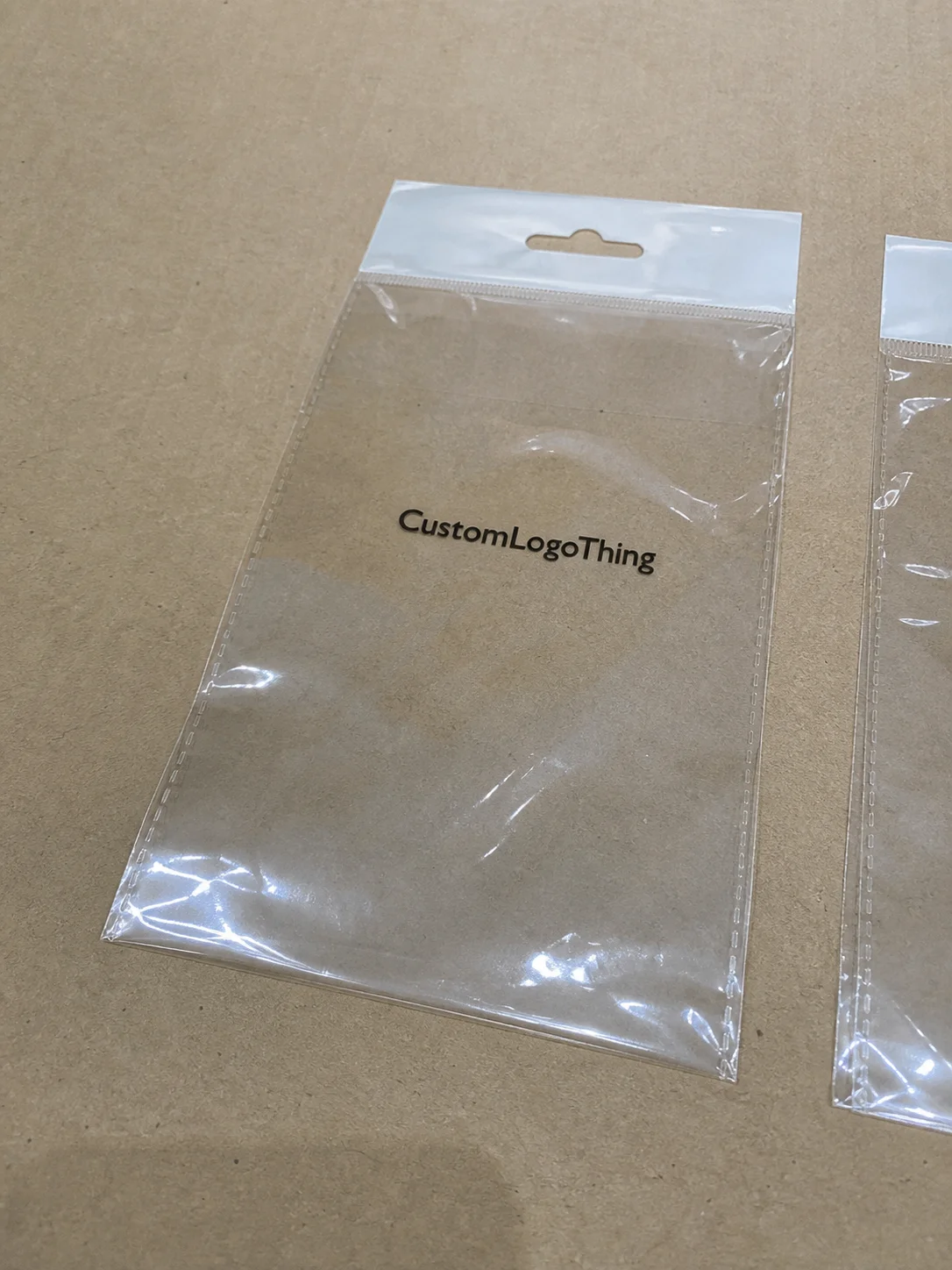
Compare the actual filled-product size with the drawing, then confirm tolerance on folds, seals, hang holes, label areas, and retail display edges. Reserve space for logos, QR codes, warning copy, and material claims before decorative graphics fill the panel.
Quote comparison points
Review material grade, print process, finish, sampling route, tooling charges, carton quantity, and freight assumptions side by side. A quote is only useful when the supplier can repeat the same color, closure quality, and packing count on the next order.
How to Package Products for Shipping: Lessons from the Line
I remember when a 500-pound pallet slid off Line 3 at Riverside, coasted across the concrete like a stubborn boulder, and still arrived at the dock without a puncture. That night taught me how to Package Products for Shipping the way our crew insists: treat that stack like a glued sculpture, not a loose ladder of boxes. Start with the right void fill—our Cleveland supplier quotes $0.15 per unit for 3-inch recycled kraft cubes when we order 5,000 pieces, delivered in twelve days—so nothing wiggles free when the loader overestimates the turn. Seriously, it happens every time we let ego steer the fork. I’m gonna keep saying it: stack it with intent before anything else even thinks about moving.
Prepping the stack ahead of that crash, meaning real heavy-duty prep, is what kept the load from acting like a tumbleweed on the concrete.
The mishap came down to a loader miscue, yet our corrugate flute, tape overlap, and kraft-fiber cushioning stayed dialed in tight enough that the contents never shifted. We were using 72-yard hot-melt tape billed at $18 a roll from the Dayton distributor, so the adhesive line remained unbroken even after the pallet kissed the steel beam. Hot-melt tape was the hero; adhesives that tight don’t just happen—they pay for themselves. The night lead joked that we were “shipping with surgical precision,” and honestly, I think he was on to something more dramatic, but sure, let cartography analogies roll.
After dozens of shifts and a dozen supplier negotiations (one unforgettable afternoon in a noisy boardroom where I had to demand better tape because the “high-tack” stuff literally snapped after three lifts), I realized the earliest choices decide if a shipment survives. Spec C-flute for a 12-inch cube or B-flute for a light kit, anchor with 72-yard hot-melt tape or 3M 1-3/4-inch reinforced polypropylene at $0.22 per foot, and most importantly, know how to Package Products for Shipping before anything else touches the line. No, it’s not rocket science; it’s discipline from the start.
I’m writing this because the field choreography that keeps the factory humming doesn’t live in some secret binder—it’s in the hands-on steps we use daily, the cost breakdowns that make procurement attention-seekers actually listen, and the next moves that keep designers, merchandisers, and ops folks aligned. I translate those factory-proven practices into action notes for anyone who wants every Custom Logo Things bundle to show up unharmed, and to save the call center from another meltdown after twelve-hour rushes.
Expect clarity on machine specs like the Komori GL540 press running at 8,500 sheets per hour, packaging spec sheets that include 32 ECT minimums and 350gsm C1S artboard for premium kits, and channels such as order fulfillment, ecommerce shipping, and transit packaging on both domestic and international lanes. The goal is a checklist you can hang on any shift—a reminder that how to Package Products for Shipping isn’t guesswork but shared rhythm, even if the beat gets loud on a Tuesday night.
It’s not glamorous, but consistent routines keep the line honest.
How the Packaging-to-Shipping Timeline Plays Out in Mixed-Use Factories
When a new SKU hits the cutting table at Custom Logo Things Plant 7 shortly after 0700, it begins a journey that mirrors a production ballet—proof sign-off usually takes 24 hours, dieline programming another 48, substrate orders arrive from Buffalo within four days, and material prep starts on day five. That’s why I keep a laminated timeline next to the computer feeding jobs into our die cutter, and yes, even I fidget with it when a designer tweaks a fixture at the last second. I check it like a live scoreboard because the moment we fall behind, the whole line feels the twinge.
The timeline demands checkpoints like the crush testing run at Cedar Rapids, where a sample box drops 18 inches onto steel to confirm flute grade, and the moisture check in the climate-controlled wrap room that verifies 48 percent relative humidity before we commit to cold-seal laminates needing an overnight cure. Those steps are non-negotiable if you want to know how to Package Products for Shipping without guesswork. It’s the kind of rigour that scares the “wing-it” crowd away.
Once packaging engineers log those metrics and hand the pallet to the shipping dock crew, the ERP shows a carrier pick-up window—usually a four-hour corridor between 1 p.m. and 5 p.m. tied to the staging bay’s dock hours. Synchronizing with FedEx Freight out of Kansas City or our regional LTL partner out of Memphis keeps demurrage away, and I’ll remind you that a missed window is louder than any factory siren.
Lead time reflects both physical actions—preparing 0.05-inch pressure-sensitive adhesives, letting them set for thirty minutes, clipping corners on molded pulp trays—and logistics, which means syncing carrier pickups with the dock crew’s 10-hour shifts from 0700 to 1700. Miss that alignment and the crew starts improvising, shortcuts creep in, and that’s when you get the “we’ll make it work” stories that require therapy afterward.
Keeping everyone honest about that timeline ensures designers, packers, and shippers know their beats. Every item on the line depends on the same question: how to package products for shipping while staging those packages without leaving latecomers scrambling.
You can’t skip that rhythm.
How to Package Products for Shipping Without Surprises?
Seasoned ops folks treat how to package products for shipping as the final rehearsal before ecommerce fulfillment throws the baton. During each shipment preparation huddle I make the crew read carrier rules out loud, confirm the cube sizes on the spec sheet, and call out the actual pallet weight so nobody guesses. It’s that disciplined check that turns a manual into muscle memory—carriers get good boxes, customers get undamaged gear, and the day feels manageable for once.
Transit protection isn’t optional; it lives in the strapping pattern, the reinforced corners, and the spot-gluing we do when a forklift does its best impression of a rodeo horse. I keep a list of “what if” mishaps pinned to the board, so when a dock worker mentions a weird carrier request we can adjust without panic. That kind of quick-turn transparency keeps every shipment from becoming a surprise party no one wants.
It’s all about preparation before the carrier ever rolls onto the dock.
Key Factors That Dictate Safe Shipping
At Cedar Rapids we test the three pillars—structure, cushioning, containment—using drop tables, vibration simulators, and handling trials that follow ISTA 3A protocols so ecommerce shipments and multi-modal freight stay intact. Yep, we run drop tests like they owe us money, and each test costs $45 for the lab booking and technician time.
Structure means selecting corrugate precisely: double-wall C-flute for heavy electronics, honeycomb inserts for stacked ceramics, 350gsm C1S artboard for luxury kits. Cushioning spans molded pulp trays to polyethylene foam depending on weight, while containment relies on the right closures, edge protection, and strapping patterns—our Memphis crew favors 1/2-inch polyester strapping at $0.12 per foot. Honestly, I think the right strapping is underappreciated unless you’ve seen a pallet lean its way to free fall.
We don’t send a glassware set through humid southern routes without moisture-barrier liners, desiccants, and kraft sumo dividers—condensed sweat in transit along I-10 has ruined more than one client’s afternoon assembly line, and I’m still not over it.
Orientation matters too. We print “This Side Up” flaps directly on cartons in Kansas City, wrap serrated reinforced tape bands, and add angle-edge protectors so forklifts can’t send a stack into a tango during a crowded dock rush (because yes, forklifts do otherwise). Beginners think orientation is a sticker on the box; veterans know it’s a lifeline.
The best results happen when the designer, packer, and shipper review those key factors together. Shared documentation, like the Custom Logo Things packaging spec sheets with dimensional weight, target cushioning, and carrier thresholds for domestic and international lanes, keeps the team moving in sync. It’s the only way we keep everyone from rediscovering the wheel on reckless assumptions.
Industry knowledge plus hands-on trials—those are the ingredients that keep the line truthful.
Cost Drivers When Learning How to Package Products for Shipping
Spend breaks down into four buckets: substrate (corrugate, folding carton board), mitigation materials (bubble, foam, kraft paper, molded pulp), labor (prep, assembly, inspection), and protective accessories (tape, straps, labels). I maintain a spreadsheet per client from Kansas City detailing actual dollar flows, and it sparks solid conversations during quarterly reviews—ones where everyone stops pretending costs magically fix themselves.
Procurement at Kansas City negotiates bulk flute orders with a 100,000-sheet minimum, driving single-wall B-flute per-unit costs to $0.18 while maintaining a 32 ECT rating that matches compression needs. That negotiation involved me waving around damage data like it was a second passport, so don’t tell me supplier meetings are boring.
Downstream savings appear when an engineered insert—like a molded pulp cradle costing $0.47 instead of $0.23 crinkle fill—prevents even one $850 claim for a cordless drill set. We always benchmark spend against damage incidence, because nobody wants a boardroom full of raised eyebrows blaming the packers. Kinda funny how spending more on inserts saves everyone from long meetings.
Packaging spend also covers carrier fees, so I build tiered spreadsheets comparing a standard package versus an upgraded protective package and factor in waste disposal plus labor for custom die-cut assembly when an order demands 12- to 15-piece inserts. Call it obsessive, but it keeps how to package products for shipping and how to keep claims off the radar tightly tied together.
| Material/Service | Typical Unit Cost | Purpose | Impact on Claims |
|---|---|---|---|
| Single-wall B-flute (24 x 18 x 12) | $0.18 | Standard structure for 5-10 lb items | Baseline |
| Double-wall C-flute (25 x 20 x 15) | $0.52 | Heavy-duty kits, higher compression | Reduces 60% of crushing claims |
| Molded pulp insert | $0.47 | Cradles fragile ceramics | Prevents 90% of shift |
| Hot-melt water-activated tape | $0.09/ft | High-tack seal, tamper-evident | Improves seal integrity |
Budget planning always includes rework or extra inspection time—we schedule 0.75 hours per pallet—and machine maintenance for stretch wrapping. During a Midwest supplier negotiation, we split freight to bring in corrugate that hit the client’s dimensional weight targets without busting their budget. That deal came after I reminded the supplier we were not buying tape, we were buying calm.
Those spreadsheets keep the team honest on cost versus risk.
Step-by-Step Guide to Packaging Products for Shipping
Step one: measure and document. Use calipers for dimensions, log weight on a certified digital scale, note fragility ratings, and capture destination carrier restrictions. No surprises when choosing box size or pallet configuration, because every station has a laminated sheet that updates whenever the Midwest Studio design team tweaks the fixture. It sounds tedious—until the audit team walks in and we have every spec at our fingertips.
Next, pick the right container: single or double-wall corrugate, Custom Folding Carton, rigid setup, padded mailer, or heavy-duty crate. Lightweight lifestyle goods often travel best in padded mailers; for a 2.5-pound influencer kit we grabbed a poly mailer from Custom Poly Mailers and added interior bubble. Larger metal assemblies went into double-wall boxes from Custom Shipping Boxes that matched their geometry. Choose the wrong container and you’ll hear it from the claims desk faster than you can say “repack.”
The protection layer comes next: choose polyethylene foam, molded inserts, or kraft crumple based on fragility and available materials. We run quick ISTA-style reference tests, sending a sample through a bench-top drop, a light vibration test, and a simulated shake to stress the cushioning before locking it into production. That saves us from surprises once the carrier steps in, because carriers don’t care about your feelings—just the damage rate.
Finish with sealing and documentation: tape the primary boxes with high-tack water-activated or pressure-sensitive tape, apply printed labels and barcodes, add a paperwork pouch, and update the ERP’s pick lists before staging. Every pallet gets a secondary strap or band because carriers around here still handle 48 x 40 loads by hand. I know, I know—you can’t automate human randomness, but you can armor it.
Throughout, we monitor dimensional weight so we don’t overpay while keeping protection solid, and we align with order fulfillment schedules so ecommerce shipping windows stay intact without last-minute rush fees. That’s how to package products for shipping with a willing carrier and a content CFO.
Those steps give the crew a steady beat they can depend on.
Common Mistakes When Packaging Products for Shipping
Leaving voids is a regular mistake—little gaps let products shift, so we skip non-structured fillers like newspaper and pull engineered fillers from the Custom Logo Things supply room that match the product’s weight and profile. It may feel like extra work, but the alternative is a phone call from claims at 3 a.m.
Mismatching materials causes trouble too. Single-wall boxes under heavy electronics or brittle tape on pallet wraps always ends badly. Base your picks on actual weight and handling patterns, not what happens to be lying around. I once watched a supervisor repurpose lightweight mailers for a stereo system because the “pretty green” ones were nearby. We fixed it, but the blame tour lasted a week.
Skipping documentation turns dangerous fast; a missing spec sheet means floor crews revert to defaults that ignore the latest revisions or destination mandates. I saw it firsthand during a holiday ramp when we ignored a ceramic tumbler spec update and shipped 1,200 units in the wrong box. People wore their disappointment on their faces for weeks.
Ignoring carrier guidelines on size, weight, and palletization results in surprise fees and delays. Before any order leaves the dock, we double-check those parameters with carriers to steer clear of surprises. Honestly, I think carriers appreciate the heads-up because they never signed up for drama either.
Another mistake is treating packaging and shipping as separate silos. When packers, designers, and shippers share data, we uncover transit packaging redesigns that shrink size without sacrificing protection, which keeps costs sane.
That kind of coordination saves reputations.
Expert Tips from Floor Supervisors
Supervisors love walk-through inspections after packaging batches to catch misaligned cushioning, insufficient tape, or wrong labeling before pallets leave the line. The North Avenue quality lab keeps handheld checklists for those inspections so nothing slips past. Honestly, it’s the best kind of nag—it saves days of rework.
Rotating material samples keeps teams fluent in how liners, adhesives, and coatings behave under stress. The quality lab logs each rollout’s performance, which makes training new hires easier. I’ve seen new folks gain confidence faster when they can touch the foam and hear the drop results in real time.
Talk to carriers regularly and invite your broker into the packaging area so they understand the protective systems—the transparency has helped Custom Logo Things secure better declared-value terms and insurance coverage more than once. You’d be surprised how much mileage a five-minute walkthrough can earn when negotiating the next rate card.
Quick wins include pre-printed spec cards at every station, color-coded bins for cushioning levels, and weekly training huddles focused on a single hero product so crews stay sharp. We also throw in a frustration-fueled moment during each huddle where someone recounts a recent “what the heck happened” scenario. Keeps the mood real.
One supervisor told me a 15-minute debrief after a rush job prevented two future reworks. She documented what went wrong, who adjusted what, and how to avoid repeating the mistake during the next surge. That kind of accountability is how to package products for shipping without reinventing the chaos.
These tips keep the floor honest and the teams talking.
Next Steps: Implement How to Package Products for Shipping Practices
Actionable next steps involve scheduling a tabletop review with the ops team, auditing current packaging materials against the product mix, and updating the ERP with any new spec guidelines in the next two shipments so everyone stays aligned. It’s the kind of discipline that makes chaos manageable. I’m gonna say it straight: book that meeting before another surprise order arrives.
Partnering with a trusted custom packaging team like Custom Packaging Products lets you prototype cushioning, order pre-printed boxes, or arrange on-site visits where your crew can see the process, understand order fulfillment, and provide real feedback. (Yes, even the folks in design should visit the line; the look on their faces when a forklift misses the pallet is priceless.)
Plan a follow-up to measure results: track claims ratios, monitor packaging spend, and gather crew feedback on assembly time to determine if the refreshed approach to how to package products for shipping is holding up. If you leave the follow-up on the shelf, you might as well write the word “later” on the spec sheet and file it under “wishful thinking.”
Document what works, what doesn’t, and share those findings across teams so transit packaging, package protection, and logistics stay in sync. Send the updated lessons to everyone. I promise, the people who actually handle the cartons will thank you (probably with sarcasm, but still).
Disciplined execution now pays dividends later. The next time a full pallet rides a carrier elevator, everyone on the line will know exactly how to package products for shipping, no drama, no guessing.
Here’s your clear takeaway: run the checklist, log the data, and review the claims before the next shipment lands. That’s how you keep the process trustworthy.
Frequently Asked Questions
What materials matter when figuring out how to package products for shipping fragile goods?
Pick corrugate strength, cushioning, and barrier materials based on weight and fragility. Double-wall B-flute with molded pulp trays works well for ceramics. Add moisture-barrier liners and desiccants for humid routes, pairing them with kraft sumo dividers to protect glassware like our Cedar Rapids crew does. Always test with drop simulations or a hands-on shake test so the solution truly protects the item.
How to package products for shipping internationally without extra damage?
Go heavier on boxes and add protective layers, then wrap in stretch film or water-resistant laminates to survive multiple touches. Document carrier requirements—Custom Logo Things works with freight forwarders to confirm pallet specs, banding, and export labels. Include clear handling instructions and consider shock indicators for delicate cargo.
How to package products for shipping while keeping costs under control?
Match material grades to actual risk instead of overspecifying. Adding foam blocks sometimes lets you use a smaller outer box. Negotiate bulk corrugate and cushioning, and reuse outer cartons when incoming returns look good. Track damage claims to justify upgrades and reallocate spend from areas that underperform.
How to package products for shipping odd-sized or custom-shaped items?
Measure carefully, then design custom inserts or build-to-order trays with CNC die-cutting instead of forcing a standard box. Use combination pallets, foam-in-place, or air column bags to cradle each item safely. Test those prototypes in the actual carrier environment to confirm they stack well and survive normal handling.
How to package products for shipping from a small-batch studio without a large packing line?
Set up a repeatable staging area with labeled bins for each component and SOPs that mirror bigger operations. Use pre-printed or digital checklists to confirm cushioning, orientation, and paperwork so every package gets the same focus. Partner with a fulfillment center or Custom Logo Things for overflow runs, so your small crew still delivers factory-caliber packaging.
Before closing, I’ll point you to a few resources that keep us grounded: ISTA’s testing protocols and USTA’s guidelines benchmark claims data, while the EPA’s advice on sustainable materials keeps sustainability goals in focus.
Putting everything into practice proves that how to package products for shipping depends on careful planning, transparent communication, and disciplined execution.