Buyer Fit Snapshot
| Best fit | Plan Holiday Mailer Runs Without Costly Delays projects where brand print, material claims, artwork control, MOQ, and repeat-order consistency need to be specified before quoting. |
|---|---|
| Quote inputs | Share finished size, material target, print colors, finish, packing count, annual reorder estimate, ship-to region, and any compliance wording. |
| Proofing check | Approve dieline scale, logo placement, barcode or warning zones, color tolerance, closure strength, and carton packing before bulk production. |
| Main risk | Vague material claims, crowded artwork, missing packing details, or unclear freight terms can make a low unit price expensive after revisions. |
Fast answer: Plan Holiday Mailer Runs Without Costly Delays: Film, Print, MOQ, and Carton Packing should be specified like a repeatable production item. The safest quote records material, print method, finish, artwork proof, packing count, and reorder notes in one written spec.
Production checks before approval
Compare the actual filled-product size with the drawing, then confirm tolerance on folds, seals, hang holes, label areas, and retail display edges. Reserve space for logos, QR codes, warning copy, and material claims before decorative graphics fill the panel.
Quote comparison points
Review material grade, print process, finish, sampling route, tooling charges, carton quantity, and freight assumptions side by side. A quote is only useful when the supplier can repeat the same color, closure quality, and packing count on the next order.
How to Plan Holiday Mailer Runs Without Costly Delays
How to plan holiday mailer runs is less a creative exercise than a timing audit with paper in the middle of it. The press can be booked, the stock can sit in the warehouse, the artwork can look finished on screen, and the job can still unravel if the address file lands late, the insert count changes after pricing, or a final approval arrives after the slot is already gone. Holiday work punishes hesitation. A two-day slip in September can feel minor; the same slip in November can turn into freight upgrades, overtime, or a missed in-home date that marketing has already promised to leadership.
I have seen a clean-looking holiday packet lose three production days because one team decided, after proof approval, that the thank-you card should fold instead of sit flat. On a monitor, that sounds kinda harmless. In a carton, it changes the whole pack-out. That is the difference between planning and hoping.
For seasonal campaigns, how to plan holiday mailer runs starts with one simple discipline: work backward from the date the piece must arrive, not the date you hope to ship. A gift card package, a holiday catalog, or a premium packet bound for an event does not care that the proof is almost signed off. It only responds to the calendar. Every handoff, from files to finishing to mailing, needs enough room to breathe or the whole chain starts pinching at the same time.
That is why how to plan holiday mailer runs behaves more like production scheduling than purchasing. Creative, materials, assembly, postage, and delivery windows all move at once, and one loose assumption can contaminate the rest of the timeline. The jobs that get into trouble are usually not the biggest ones. They are the jobs treated like ordinary print pieces even though they include inserts, personalization, specialty folds, variable data, or carrier deadlines that turn a standard order into a coordination problem.
Think of a holiday mailer as a tiny supply chain with a deadline. One missing address file can hold up proofing. One approval delay can push the print start. One late insert change can alter the carton depth, the postage weight, and the assembly method in one shot. That is the hidden cost of seasonal work: the margins for error shrink while the number of moving parts grows. A project that looks simple on the surface can behave like a relay race where every runner is carrying scissors.
How to Plan Holiday Mailer Runs: Why Small Delays Snowball Fast
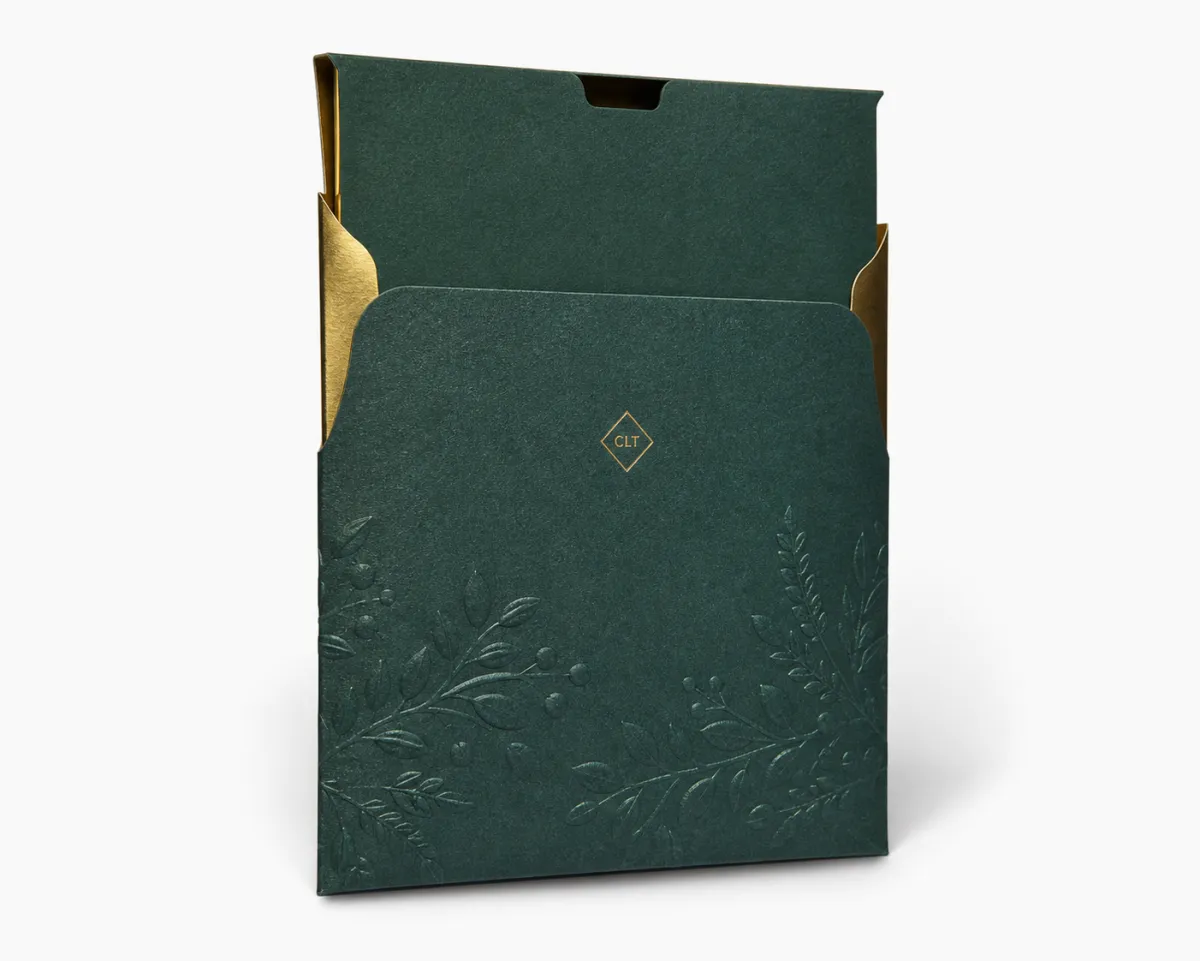
How to plan holiday mailer runs begins with accepting that the first delay rarely shows up on press. It usually starts earlier, with a stakeholder review that drags into the next day, a missing asset that stalls proofing, or a decision about the component list that never got frozen in the first place. A delay of forty-eight hours may not sound dramatic, but in a crowded seasonal schedule it can force a freight upgrade, squeeze out a kitting slot, or push the mail handoff into a postal window that was already too tight. Holiday production does not reward optimism. It rewards preparation.
From a packaging buyer’s point of view, how to plan holiday mailer runs is really about reducing surprise. Marketing wants the message to land cleanly. Operations wants an assembly plan that will not jam the line. Finance wants the spend under control. Fulfillment wants a format that can move without drama. Those priorities are all legitimate, and they collide more often than teams expect. If the group debates inserts after pricing, the job starts over in miniature. That is where margin disappears first, long before anyone notices a late truck or a missed handoff.
Holiday mailers also carry more risk because the finishing details matter more than they do on a plain postcard. A simple flat piece can survive a straightforward print-and-mail rhythm. A packet with a belly band, a sample, a response card, and a personalized note is a different animal. The more custom the structure, the more how to plan holiday mailer runs becomes a question of sequencing. You are not buying one object. You are buying a chain of events that has to stay in the right order.
“A mailer with three inserts is not one job, it is four jobs that happen to share a calendar.”
That blunt view is useful because it forces the right question: what is fixed, what can still move, and what absolutely cannot shift without breaking the rest of the schedule? Once those boundaries are visible, the planning conversation gets calmer. Risk stops hiding in plain sight. Approvals, insert counts, address hygiene, and the handoff to mail preparation can be handled as separate pressure points instead of one vague anxiety. That distinction is often what keeps a campaign from becoming an emergency.
How to Plan Holiday Mailer Runs Through Each Production Stage
How to plan holiday mailer runs through the production chain starts with a clean order: concept, file prep, proofing, production, finishing, kitting, and final handoff to fulfillment or the carrier. Each stage has its own clock. File prep may take a single day if the artwork is final. Proofing can stretch for three if multiple teams need signoff. Production may move quickly once approved, while finishing and hand assembly often consume more time than expected because they depend on setup, drying, cure time, or labor that cannot be accelerated without cost.
The easiest way to think about how to plan holiday mailer runs is to break the calendar into protected milestones. A creative lock date keeps artwork from drifting. A quote approval date keeps scope from expanding after pricing. A production start date gives the supplier a real slot. A kitting date protects the assembly window. A ship date or mail handoff date protects the final move. Leave one of those soft, and the entire plan begins to wobble. In seasonal work, wobble rarely stays local.
Holiday volume changes the picture as well. Multiple brands may be trying to launch at the same time, or a single company may be sending regional versions that each need different names, inserts, or postal requirements. That means how to plan holiday mailer runs is not only about one project; it is about how that project competes for press time, die-cutting, finishing tables, and shipping capacity against other seasonal orders. A five-day delay in one job can build a queue behind it, and the queue becomes the real bottleneck.
Transit-sensitive pieces deserve another layer of attention. If your mailer includes a premium sample, a rigid insert, or a structure that will be handled repeatedly before it reaches the recipient, ask whether the pack should be evaluated against common transport checks such as ISTA methods or ASTM-based performance expectations. The ISTA test standards are not a cure-all, but they do give teams a practical way to think about vibration, handling, and failure points before the mailing is live. That conversation belongs inside how to plan holiday mailer runs, not after a damaged sample shows up in a customer’s hands.
Where teams go wrong is assuming the production stages are interchangeable. They are not. A proof can be reworked in hours, a die change can take longer, and a hand-assembled pack can burn through an afternoon with only a few hundred units completed if the insert sequence is awkward. Even a 30-second error per kit becomes more than 20 labor hours across 2,500 pieces. That is the kind of math that decides whether a campaign lands on time or slips into overtime.
Holiday Mailer Runs: Cost, Pricing, MOQ, and Unit Cost
Cost is where how to plan holiday mailer runs becomes very concrete. The main drivers are easy to list, yet they interact in ways that are not obvious until the quote lands: paper or board selection, print method, trim size, finish, insert count, assembly labor, ship zone, and whether the pack is simple enough for efficient handling. A 6 x 9 flat mailer with one card inside behaves nothing like a multi-piece kit with nested inserts, specialty coatings, and individualized personalization. On a render, they may look cousins. In production, they are strangers.
Minimum order quantities matter too. A run of 500 pieces may carry a heavy setup burden, while the same design at 5,000 pieces usually lands at a lower unit cost because the setup is spread across more units. That is why how to plan holiday mailer runs should include quantity discussions early, before anyone gets attached to a number that does not match the economics. In many programs, 1,000 or 2,500 pieces sit in a better pricing zone than 750, while 10,000 can improve the print rate but raise storage, fulfillment, or postage exposure.
It helps to separate unit cost from total project cost. A lower per-piece price is not always cheaper if the job adds proof cycles, premium freight, extra labor, or special packaging materials. That is one of the most common traps in how to plan holiday mailer runs. Teams compare the headline number and ignore the freight class, the kitting fee, or the cost of holding inventory longer than expected. In seasonal work, the budget cares about the full bill, not the most flattering line item.
| Mailer Type | Typical Unit Cost | Typical Lead Time | Best Fit |
|---|---|---|---|
| Simple flat mailer with one insert | $0.48-$0.92 at 5,000 pcs | 10-14 business days | Postcards, gift card drops, lightweight promotions |
| Folded kit with envelope, card, and two inserts | $0.78-$1.45 at 2,500 pcs | 12-18 business days | Seasonal thank-you packets, customer retention mailers |
| Rigid or multi-component presentation kit | $1.85-$4.25 at 1,000 pcs | 15-25 business days | Premium launches, VIP invites, sample-driven campaigns |
| Custom packed mailer with hand assembly | Varies by scope | Often longest | Complex mailer runs with multiple inserts and personalization |
Notice how the table separates cost from time. That matters because how to plan holiday mailer runs depends on both. A more complex structure may look acceptable until the assembly labor is added. A simpler format may seem less dramatic, yet it can be the difference between a controlled launch and an expensive rush order. When comparing options, make sure every quote uses the same assumptions for board grade, print coverage, finishing, insert count, and shipping destination. Otherwise you are not comparing like for like; you are comparing two different realities.
For materials, FSC-certified paper stock can be a smart choice if sustainability language matters to the campaign and the brand needs documentation to back it up. The FSC certification standard is worth understanding before approval, because recycled content, chain-of-custody claims, and certified sourcing are not interchangeable terms. A buyer who knows the difference is in a much better position to plan the run correctly and avoid a last-minute substitution that slows everything down. On the packaging side, a lighter-weight format such as Custom Poly Mailers can reduce shipping weight for certain send-outs, though that only makes sense if the contents and presentation goals actually fit the format.
Rush fees usually show up in three places: compressed proof cycles, expedited materials, and premium freight. Sometimes a supplier can still hit the target date, but the cost climbs because the work has to be scheduled around existing commitments. That is not punishment. It is capacity. How to plan holiday mailer runs well means seeing those cost pressures before they become unavoidable. A quote that looks higher at first may still be cheaper than a late campaign that misses the seasonal window entirely.
One more pricing reality tends to surprise teams: a mailer that is “only” 150 grams heavier can cross into a different postage band and change the economics more than the print embellishment did. That is why a sample on the table matters so much. Paper weight, board density, folding method, and insert count can alter the final mail class in ways that are easy to miss if the plan lives only inside a spreadsheet.
Step-by-Step Guide to Plan Holiday Mailer Runs
How to plan holiday mailer runs starts with the campaign goal. Is the mailer meant to acquire new customers, retain current ones, reactivate old accounts, invite attendance, or deliver a seasonal thank-you? The answer changes almost everything. Acquisition pieces usually need a stronger offer and tighter personalization. Retention mailers can lean more on brand feel and tactile quality. Event invitations often need a hard in-home date and a clear response path. A thank-you packet may prioritize presentation and insert sequencing over postal efficiency. The goal tells you what the piece has to do, which keeps the scope from drifting later.
Next, build the schedule backward from the in-hand or in-home date. This is the backbone of how to plan holiday mailer runs. Start with the delivery target, then place the carrier handoff, the kitting completion date, the production finish date, the proof approval deadline, and the creative lock date in reverse order. That backward calendar shows where the pressure points are. It also reveals whether the request is realistic or only works if every single step behaves perfectly, which is not how peak season usually goes.
Then lock the contents. Every insert, sample, card, personalization field, and mailing rule should be final before the job is quoted or released. The most expensive changes are the ones made after production has already been scheduled, because they can change size, weight, pack-out, and freight assumptions in one move. That is why how to plan holiday mailer runs is as much about discipline as design. The cleaner the scope, the more accurate the price, and the less likely the job is to get derailed by a late addition that seemed small at the time.
Here is a practical order of operations that works well for many seasonal mailers:
- Confirm the campaign goal and target audience.
- Set the delivery date and work backward to create milestones.
- Freeze the component list, including inserts and premiums.
- Collect design files, mailing data, and compliance notes in one folder.
- Request a scoped quote with the same specs each time.
- Review proof, mockup, and sample assembly before approval.
- Release production only after the timeline and scope are both confirmed.
A mockup is especially useful when the mailer has folds, nested pieces, or tight internal clearance. A digital proof can confirm artwork, but it cannot always tell you whether the insert stack fits without bowing, scuffing, or fighting the closure. In those cases, a physical sample is worth the extra day or two. That small investment makes how to plan holiday mailer runs more reliable because it catches assembly issues before they become a line problem. A mistake found on a table is cheap. The same mistake found at scale is not.
If the job involves custom cartons, specialty inserts, or display-oriented packaging, it may help to speak with the Custom Logo Things packaging team early so the structure, print method, and pack-out can be discussed before the schedule tightens. Good planning at the start usually prevents stress at the end, and that is the real promise behind how to plan holiday mailer runs.
Common Mistakes That Throw Off Holiday Mailer Runs
One of the biggest mistakes in how to plan holiday mailer runs is treating a seasonal mailer like a standard print order. That assumption ignores the extra coordination required for mailing rules, assembly steps, address hygiene, and in-home timing. A basic flyer can survive a loose schedule. A holiday packet cannot. If the team does not leave room for approvals, kitting, and carrier handoff, the job may still be “in progress” on paper long after the mailing window has closed in practice.
Another common issue is approving artwork before the component list is final. A late change to an insert size or premium item can alter the pocket size, the fold pattern, the carton depth, or even the packaging material. Teams often lock the headline and then discover that the actual pack-out no longer fits the original structure. That is a painful correction because how to plan holiday mailer runs depends on keeping connected parts aligned. Once one piece changes, the ripple reaches everything else.
“The fastest way to miss a holiday date is to keep changing the job after the quote is already approved.”
Underestimating proof time creates its own mess. If three people need to review the same file and each person waits until the end of the day, a simple proof can sit idle for 24 hours at a time. In a busy season, that multiplies quickly. The same logic applies to address files and postal specs. If the list is not clean, or if barcode placement needs to be fixed late in the process, how to plan holiday mailer runs becomes harder than it should be. One unresolved detail can stall an otherwise ready job.
Postage and fulfillment get neglected far too often. A mailer can be printed beautifully and still miss the market if postage funding, mail prep, or drop logistics were never lined up. In practical terms, how to plan holiday mailer runs means making the mailing path part of the job scope from day one. The carrier does not care that creative ran late or that the sample was revised three times. It only cares that the piece meets spec and reaches the network on schedule.
There is also a quieter mistake: failing to match the creative ambition to the actual timeline. A die-cut window, foil treatment, variable-data insert, and hand-packed premium may all be possible. They are not always wise. Sometimes the cleanest holiday mailer is the one that trades one decorative flourish for two days of schedule certainty. That choice is not boring; it is professional.
Expert Tips for Smoother Holiday Mailer Runs
Build a buffer into every milestone. That is probably the single most useful habit in how to plan holiday mailer runs. Even a one- or two-day cushion around proofing, kitting, or freight can absorb the small interruptions that happen during peak season: a missing approval, a supplier question, a file correction, or an address update. The point is not to pad the schedule until it feels vague. The point is to give the production chain enough breathing room so one delay does not trigger a rush charge downstream.
Standardize recurring formats wherever possible. If your brand sends seasonal mailers every year, there is real value in keeping card sizes, envelopes, insert templates, and outer-pack dimensions consistent. Reusing a known structure shortens quoting, simplifies sampling, and reduces the chance of a hidden compatibility issue. That does not mean the creative has to feel repetitive. It means the mechanical side of how to plan holiday mailer runs gets easier when the base format stays stable. Familiar dimensions save more time than people expect.
Ask for a sample or mockup when the pack has tight folds, fragile pieces, or a premium product insert. A flat proof can hide issues that only show up in the hand. Does the card scuff against the window? Does the insert slide out? Does the band tear when closed? These are small questions with real consequences. A mockup answers them early, which is exactly why how to plan holiday mailer runs should include a physical review step whenever the structure is more than a simple sheet of printed stock.
It also helps to decide whether the job should be printed, assembled, and shipped as one continuous flow or split into phases. For some campaigns, a single streamlined process is the right move. For others, it is smarter to print the main pieces first, then kit closer to the drop date so the final package is not sitting in inventory too long. There is no universal answer. The right choice depends on volume, storage, personalization, and the risk of last-minute changes. That judgment call sits at the center of how to plan holiday mailer runs well.
One more practical habit pays off more often than teams realize: give one person ownership of the master schedule. Creative, sourcing, production, and fulfillment can each maintain their own timeline, but the campaign needs a single source of truth. Without that, updates get duplicated, deadlines get misunderstood, and nobody is fully responsible for the final handoff. A clean master schedule is not flashy, but it keeps the whole effort from turning into a guessing contest.
If the campaign involves address data from multiple systems, do a deduplication pass before proofs are approved. It sounds administrative because it is. It is also where some of the easiest savings hide. Duplicate records can inflate postage estimates, distort inventory counts, and make mailing drops look heavier than they really are. That is the sort of detail that gets buried when teams are moving fast.
How to Plan Holiday Mailer Runs and Set Next Steps
If you want to move quickly without losing control, start with the essentials: confirm the campaign goal, count every component, gather files, and work backward from the delivery date. That simple framework keeps how to plan holiday mailer runs grounded in the actual production path instead of in wishful timing. From there, request a scoped quote that spells out materials, finishing, kitting, freight, and any mailing requirements so you can compare options on equal footing.
Then bring the right people into one review before final approval. Design can catch layout issues, operations can catch pack-out problems, and fulfillment can catch mailing conflicts. One meeting often saves several days later. In practical terms, how to plan holiday mailer runs is about protecting the schedule, locking the scope, and respecting the fact that production has physical limits. Paper has lead times. Assembly takes hands. Freight needs a window. Those realities are not obstacles; they are the map.
When you are building the next seasonal campaign, treat how to plan holiday mailer runs as a repeatable process, not a one-off scramble. The more often your team uses the same checklist, the easier it becomes to spot risk before it grows into a delay. That is how holiday mailers stay on time, stay on budget, and still look polished when they land.
The clearest takeaway is simple: lock the scope, build the backward timeline, and protect the mail handoff date like it is the last moving part that matters. If any one of those three shifts, reprice and reset the schedule right away. Holiday mailers do not usually fail because of one giant mistake. They slip because several small ones were allowed to stack up.
How far ahead should I plan holiday mailer runs?
Start as soon as the campaign date is known, then work backward to set proof, production, and shipping checkpoints. Give extra time if the mailer includes inserts, specialty finishes, or kitting, because those steps often take longer than the print run itself. A buffer around approvals and carrier handoff is one of the simplest ways to keep how to plan holiday mailer runs from turning into a rush order.
What information do I need for a holiday mailer quote?
Provide dimensions, quantity, materials, print coverage, finishing, insert count, kitting needs, and shipping destination. Share the target in-hand date so the quote reflects realistic production and freight assumptions. Include mailing or fulfillment requirements up front, since those can change labor, assembly time, and unit cost. Good input makes how to plan holiday mailer runs much easier to price accurately.
What drives the unit cost of a holiday mailer run?
Unit cost is affected by quantity, paper or board choice, print method, special finishes, assembly time, and freight. Smaller quantities usually carry higher per-piece setup costs, while complex kits increase labor on every unit. Rush timing can raise the price quickly if it requires overtime, expedited materials, or premium shipping. That is why how to plan holiday mailer runs should always include a scope check, not just a price check.
How do I reduce delays during holiday mailer production?
Freeze the component list early and keep all decision-makers on one approval path. Use one master schedule for artwork, proofing, production, and fulfillment instead of separate team timelines. Request a sample or mockup when the design has tight folds, inserts, or unusual assembly steps. Those habits are simple, but they are some of the most dependable ways to apply how to plan holiday mailer runs without losing days to rework.
What should I check before sending a holiday mailer to production?
Confirm artwork, quantity, addresses, insert counts, packaging specs, and shipping instructions. Verify that the quote matches the final scope and that any minimum order quantity is still acceptable. Review the delivery date against the production calendar so the team has enough lead time. If those basics are clean, how to plan holiday mailer runs becomes a lot less stressful and a lot more predictable.


