Buyer Fit Snapshot
| Best fit | Reduce Custom Packaging Cost Without Losing Quality projects where brand print, material claims, artwork control, MOQ, and repeat-order consistency need to be specified before quoting. |
|---|---|
| Quote inputs | Share finished size, material target, print colors, finish, packing count, annual reorder estimate, ship-to region, and any compliance wording. |
| Proofing check | Approve dieline scale, logo placement, barcode or warning zones, color tolerance, closure strength, and carton packing before bulk production. |
| Main risk | Vague material claims, crowded artwork, missing packing details, or unclear freight terms can make a low unit price expensive after revisions. |
Fast answer: Reduce Custom Packaging Cost Without Losing Quality: Material, Print, Proofing, and Reorder Risk should be specified like a repeatable production item. The safest quote records material, print method, finish, artwork proof, packing count, and reorder notes in one written spec.
Production checks before approval
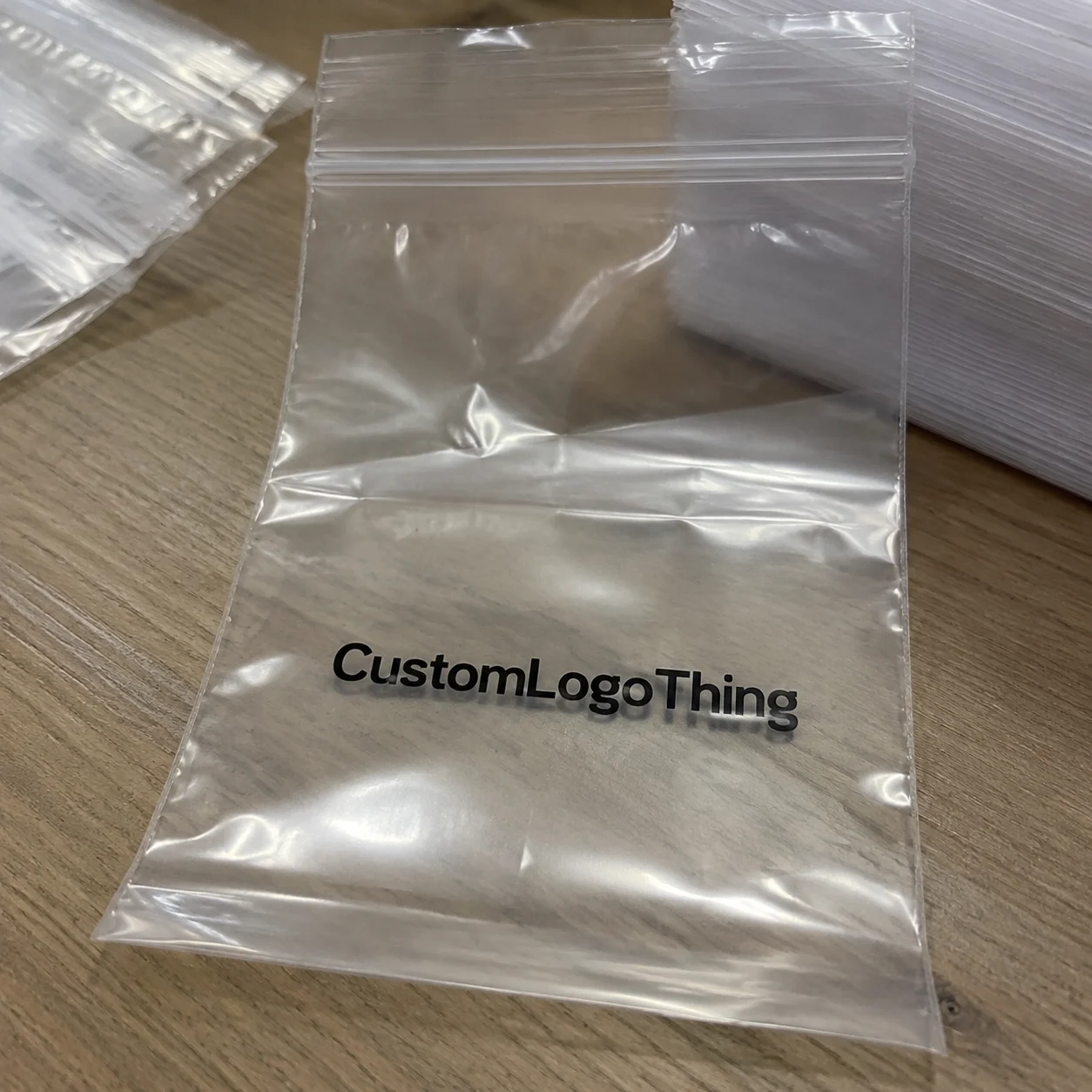
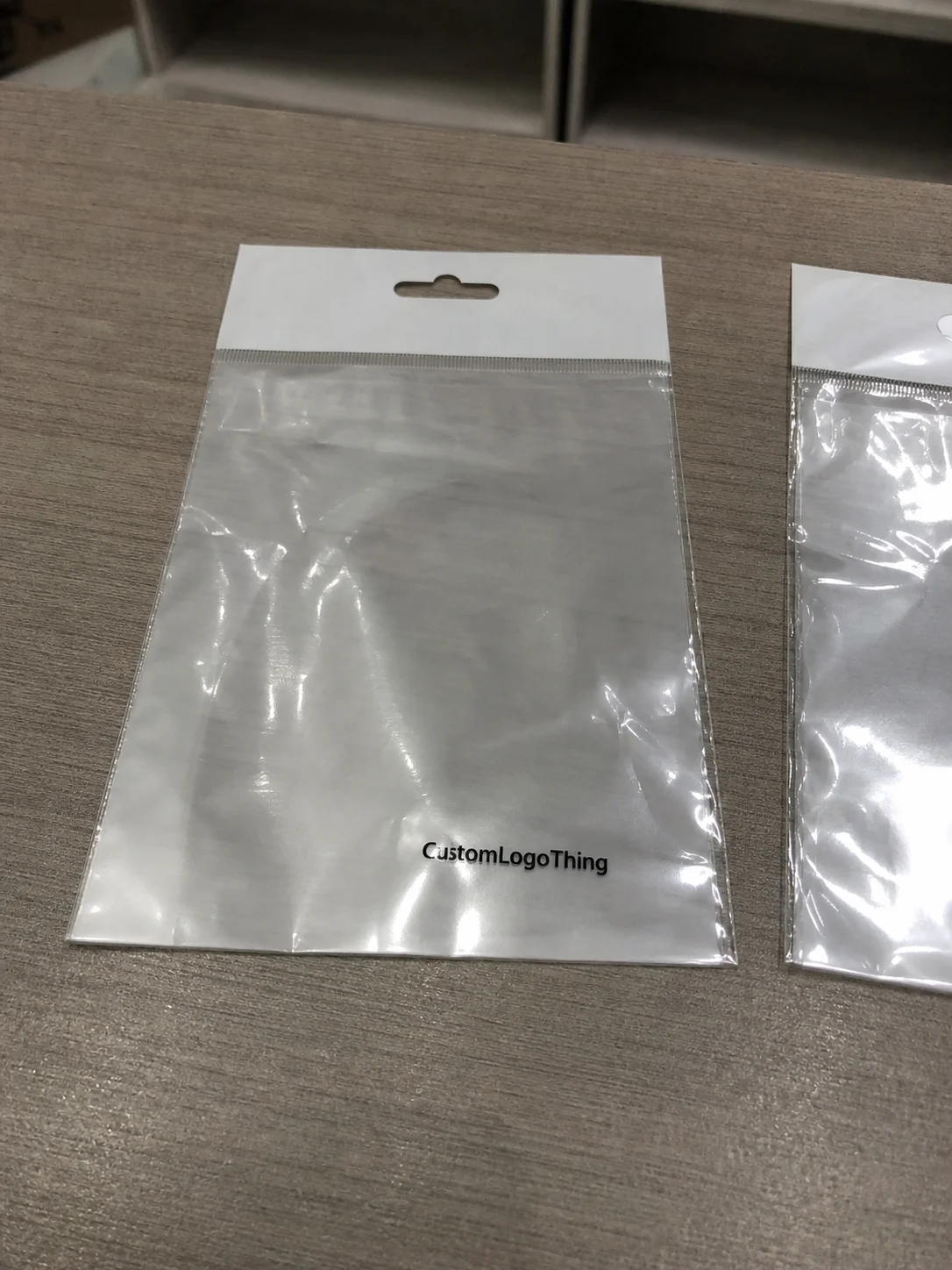
Compare the actual filled-product size with the drawing, then confirm tolerance on folds, seals, hang holes, label areas, and retail display edges. Reserve space for logos, QR codes, warning copy, and material claims before decorative graphics fill the panel.
Quote comparison points
Review material grade, print process, finish, sampling route, tooling charges, carton quantity, and freight assumptions side by side. A quote is only useful when the supplier can repeat the same color, closure quality, and packing count on the next order.
When a buyer asks me how to reduce Custom Packaging Cost, I usually tell them the biggest savings rarely come from one dramatic change. They come from three or four small spec edits, like dropping board from 400gsm to 350gsm, standardizing a paper insert, or shaving 4 mm off a box footprint. Those tiny changes can hit freight, tooling, and line speed all at once. I remember watching that play out on a folder-gluer line in Dongguan, standing there with my notebook and trying not to look annoyed while the operator pointed at a fold that was eating time like it had nowhere better to be. One tweak cut handwork enough to save $0.08 per unit on a 10,000-piece run. The glossy finish stayed. The waste did not.
The truth is, how to Reduce Custom Packaging Cost is really a packaging engineering question, not a hunting-for-the-cheapest-quote question. If the product needs protection, retail appeal, and repeatable assembly, the job is to design the package so it does that work with less waste, fewer setup steps, and a cleaner production flow. That’s how I approach custom printed boxes, corrugated shippers, and branded packaging programs for clients at Custom Logo Things. Honestly, I think people get distracted by glossy renders way too early, before they’ve even checked whether the box fits a 230 g bottle without needing a foam insert.
Below, I’ll walk through the same decision process I use in factories and supplier meetings. Once you see where the money actually goes, how to Reduce Custom Packaging Cost gets a lot less mysterious. And a lot less annoying, which is honestly the better outcome.
How to Reduce Custom Packaging Cost: What Actually Drives Spend
Most people get this wrong. They assume the print price is the packaging price. It isn’t. When I’m quoting a run of product packaging, I’m looking at material grade, print method, structural complexity, finishing, tooling, MOQ, and whether the carton nests efficiently in a master case or wastes cube in a truck. That’s why how to reduce Custom Packaging Cost starts with the whole chain, not just the per-unit line item. I’ve sat through enough supplier meetings in Shenzhen, Ningbo, and Huizhou to know the “cheap” quote usually has one weird little surprise hiding in it, sometimes three.
Material affects board cost and board waste. Print method affects setup, spoilage, and throughput. Structure affects how many seconds a packer spends assembling it. Finishing affects labor and drying time. MOQ decides how quickly setup costs spread across units. Dimensional inefficiency affects inbound freight, warehouse storage, and fulfillment labor. Ignore one of those and the bill usually shows up somewhere else. Packaging is very polite that way. It lets the invoice pretend everything is fine until the warehouse gets involved.
“The cheapest box on paper is not always the cheapest box in the warehouse.” I heard a plant manager say that in a client meeting in Shenzhen, and he was right. The job is to lower total landed cost, not just unit cost.
That distinction matters. A carton that saves $0.03 a unit on board but adds 6 seconds of manual assembly can cost more in labor than it saved on material. At a packing wage of roughly $3.50 to $5.50 per hour in many South China facilities, those seconds add up quickly on a 20,000-unit run. A heavier mailer that stacks better might lower damage rates enough to save more than it costs in freight. A slightly larger box can look expensive in a quote, then reduce DIM weight penalties and cut warehouse replenishment headaches by 8% to 12% in a parcel program. Those are the real tradeoffs behind how to reduce Custom Packaging Cost.
At a high level, I use a simple framework:
- Protect the product first. If the package fails in transit, any savings disappear into returns and replacements.
- Simplify the structure. Fewer panels, fewer folds, and fewer closures usually mean lower cost.
- Optimize print and finishing. Use only the visual effects the brand truly needs.
- Set the right order quantity. Pick an MOQ band that keeps production efficient without filling a warehouse with dead stock.
I’ve seen a lot of packaging spend wasted because people jump to decoration before they solve structure. The best way to learn how to reduce custom packaging cost is to read the carton like a machine operator does: every extra crease, glue point, insert, or coating is time, scrap risk, and labor. No romantic mystery there. Just physics and invoices.
For standards and testing references, I often point buyers toward ISTA packaging testing and EPA recycling guidance. Protection and end-of-life handling both influence the real cost of a package, especially for retail packaging that must survive distribution and still meet brand expectations. A packaging test in Shenzhen or Dongguan typically costs far less than one pallet of chargebacks from a damaged shipment in Los Angeles.
How to Reduce Custom Packaging Cost by Choosing the Right Product Structure
Structure is where I usually find the fastest, cleanest savings. Folding cartons, rigid boxes, mailer boxes, corrugated shippers, inserts, sleeves, and retail-ready packaging all price differently because they behave differently on the line. If you want to master how to reduce custom packaging cost, start by asking whether the structure is doing more work than the product needs. A lot of packaging looks impressive right up until a packer has to assemble 5,000 units of it on a shift that already started at 7:30 a.m.
A one-piece tuck-end carton is generally faster to run than a more elaborate auto-lock bottom with a separate insert. A simple sleeve over a tray can look premium with much less material than a multi-layer wrap. In corrugated converting, a straight-shift mailer with a standard roll-end lock is often easier to die-cut and fold than a high-panel structure with multiple tabs and cutouts. I’ve seen plants in Guangzhou and Dongguan lose 2 to 3 hours a week because a carton design looked beautiful in CAD but fought the folder-gluer every time it ran. Pretty on screen. Miserable in production. Classic mistake.
The cleanest cost reduction usually comes from simplifying the dieline. Reduce panel counts if you can. Remove magnet closures unless the brand value truly needs them. Eliminate windows unless product visibility is a direct sales driver. Skip double-wall displays unless compression strength demands it. That’s not me being stingy; that’s me protecting margin. This is one of the most reliable answers to how to reduce custom packaging cost.
Standard sizes matter too. If you can build around a modular family of box dimensions, you reduce tooling changes and make reorders smoother. In one factory I visited in Guangzhou, the team used three shared insert sizes across nine SKUs, and that alone shaved about 14 minutes off setup on every changeover because they weren’t constantly adjusting the packing station. Fewer changeovers also mean fewer mistakes, and fewer mistakes mean less scrap. The line crew was happier too, which is rare enough to mention.
Here’s a simple comparison that I use when discussing custom packaging products with buyers:
| Structure | Typical Cost Profile | Production Behavior | Best Use Case |
|---|---|---|---|
| One-piece tuck-end folding carton | Low to moderate | Fast on folder-gluer, fewer hand steps | Light retail goods, cosmetics, accessories |
| Auto-lock bottom carton | Moderate | More material and assembly time | Heavier items needing stronger base support |
| Mailer box | Moderate | Efficient in corrugated converting | E-commerce and subscription shipping |
| Rigid setup box | Higher | More manual assembly and wrap work | Luxury goods and presentation-focused retail packaging |
| Custom insert set | Variable | Can raise labor if overcomplicated | Fragile or multi-piece products |
There are cases where premium structure is worth every cent. I’ve seen glass diffuser sets, small electronics, and high-shrink beauty kits save money overall because a stronger box and better insert reduced breakage and returns. That’s the part many people miss when they ask how to reduce custom packaging cost: the cheapest box is not always the lowest-cost system. If the structure prevents damage, protects brand perception, and reduces customer service claims, then the package is earning its keep. If not, it’s just expensive cardboard with delusions of grandeur.
One of my favorite factory-floor examples came from a corrugated line near Ningbo. A client wanted a complicated tray-and-sleeve setup for a kitchen accessory line, but the team switched them to a reinforced mailer with a nested paperboard insert and one less fold. The unit price went down by $0.11 per box on a 8,000-piece run, the packout time dropped by about 5 seconds per unit, and the shipper actually performed better in transit because the product stopped rattling. That is exactly the kind of practical thinking behind how to reduce custom packaging cost without sacrificing quality.
If you want options that are already engineered for efficiency, I’d recommend reviewing our Custom Packaging Products catalog as a starting point, because using a proven structure is often cheaper than inventing a new one from scratch. A standard mailer in 32 E-flute from a plant in Foshan can often beat a custom multi-tab structure by $0.06 to $0.14 per unit before you even count labor.
How to Reduce Custom Packaging Cost with Smarter Materials and Print Specs
Material choice can swing the quote more than almost anything else. For many retail packaging programs, SBS paperboard, E-flute corrugated, and kraft corrugated are the workhorses because they balance cost, printability, and product protection. Specialty boards, thick rigid chipboard, metallic substrates, and textured wraps can look beautiful, but they also tend to raise cost through both material and handling. If you’re serious about how to reduce custom packaging cost, start with the substrate.
Board thickness matters because more caliper means more fiber, more freight, and sometimes slower converting. A 350gsm C1S artboard behaves very differently than a 24pt SBS sheet, and a 32 E-flute mailer will not perform the same way as a 44 E-flute structure. The right spec depends on the product weight, stack strength, and retail environment, not on a marketing preference alone. I’ve seen buyers over-specify board for a 180-gram cosmetic accessory when a slimmer board would have been plenty. The product was not carrying bricks. We can relax.
Print coverage is another hidden cost driver. Wide flood coats and full-bleed solids can slow the press, increase drying time, and raise spoilage risk. A cleaner design with a strong logo lockup, defined copy areas, and more negative space often prints better on offset, flexographic, or digital equipment, depending on the run size. If your art team can work with one or two spot colors instead of a full high-coverage build, you’re already moving in the right direction for how to reduce custom packaging cost.
Finishing deserves a hard look too. Foil stamping, embossing, debossing, spot UV, and soft-touch lamination all add appeal, but they also add setup, press passes, and a higher chance of defect if the line isn’t tuned properly. I’m not anti-finish; I just think finishes should be reserved for the SKUs where they do real selling work. A premium serum box might justify a foil logo and soft-touch wrap. A shipper sleeve for a replenishment item probably does not. I know, I know — it’s less exciting for the brand deck. It’s also less exciting for the budget, which tends to be the point.
In one negotiation with a supplier in Shenzhen, we trimmed a client’s package from four inks plus spot UV to two inks plus a matte aqueous coating. The design still looked polished, the brand colors stayed consistent, and the production loss rate fell because the coating cured faster and the sheets didn’t scuff as much during handling. The quote dropped by $0.19 per unit on a 12,000-piece order. That single change saved more than any “discount” offer on the table. That’s real how to reduce custom packaging cost work.
Clean artwork files help too. A print-ready dieline, consistent layer naming, accurate bleeds, and fewer revision cycles cut prepress labor. Every time a client sends over a file with missing folds, wrong panel dimensions, or vague spot-color callouts, the clock starts ticking. Proof corrections are not free. If you want to lower custom packaging cost, make the files easier to produce. Packaging design quality and production efficiency are tightly linked, even if people often treat them like separate departments.
Here are the material and print choices I see most often when teams are trying to improve unit cost without weakening the package:
- Use standard paperboard grades before moving to specialty substrates.
- Limit ink coverage to the areas that matter visually.
- Choose one premium finish instead of stacking three or four.
- Confirm the right flute for the product’s actual transit stress.
- Ask for print method options based on run size, not preference alone.
From a production perspective, this is where cost lives: press speed, spoilage, drying, trimming, and whether the line has to pause to manage special handling. A good packaging engineer can often save 8% to 15% on a program just by cleaning up the spec stack. That is why how to reduce custom packaging cost should always include a print and material review, not just a quote comparison.
For buyers who care about responsible sourcing, I also suggest checking FSC-certified paper options. Sometimes the price difference is smaller than people expect, and if your brand already communicates sustainability, the right certification can support the retail presentation without forcing a total redesign. In South China, FSC board is usually easier to source in Shenzhen and Dongguan than buyers expect, especially on 5,000-piece and 10,000-piece orders.
How to Reduce Custom Packaging Cost Through Pricing, MOQ, and Order Planning
Pricing structure is where a lot of buyers feel stuck, but it becomes manageable once you separate the components. The quote is usually a mix of tooling, plates or dies, sampling, press setup, material, converting, finishing, QC, and freight. If you want to understand how to reduce custom packaging cost, You Need to Know which part is fixed and which part changes with quantity. A die charge of $180 to $450, for example, matters a lot more on a 2,000-piece launch than on a 20,000-piece replenishment run.
MOQ, or minimum order quantity, is often the first point of friction. Lower quantities are useful for launch testing, but the per-unit cost usually drops meaningfully once the run crosses a production-efficient threshold. For a folding carton program, that might be 5,000 pieces; for some corrugated jobs, it might be 3,000 or 10,000 depending on sheet size and press setup. The point is not to buy more than you need. The point is to buy at the level where setup costs stop punishing every unit.
I’ve watched a buyer save more by moving from two separate 2,500-piece runs to one 5,000-piece run than by negotiating hard on the unit price. Why? Because they paid setup once, proofed once, and scheduled once. On a Shenzhen line, that often means the difference between one full make-ready and two partial ones, and partial runs are where money disappears. Changeovers are expensive. If you can combine SKUs that share a size family, or place seasonal orders in a planned batch, you reduce downtime and make the factory more efficient. That’s one of the most practical answers to how to reduce custom packaging cost.
Forecasting helps a lot. If you can give your supplier a rolling 90-day or 180-day view, they can plan board purchases, reserve press time, and avoid rushed material buys. That usually improves pricing. It also helps with freight, because consolidated shipments cost less per unit than piecemeal exports. I’ve seen importers reduce landed cost simply by combining four cartons into one container move instead of paying for split shipments with inconsistent timing from Shenzhen to Long Beach. The warehouse team may still complain, of course, because apparently that’s their job.
Here’s a pricing model that buyers should ask for before they sign off:
| Cost Component | What It Covers | How to Reduce It |
|---|---|---|
| Tooling / die | Cutting forms, plates, setup tools | Reuse standard dimensions and structures |
| Material | Paperboard, corrugate, wraps, inserts | Choose standard grades and avoid over-specifying thickness |
| Production setup | Press make-ready, gluer setup, sampling | Increase run length and reduce revision cycles |
| Freight | Inbound and outbound shipping | Optimize carton dimensions and consolidate shipments |
| Storage | Warehouse space and inventory holding | Plan reorders based on actual usage and forecast |
Transparent pricing is part of trust. I always advise buyers to compare unit cost, tooling, sampling, freight, and storage together before deciding. A quote that looks cheaper by $0.02 per unit can become more expensive if the die charge is higher or the box occupies 12% more pallet space. That is why how to reduce custom packaging cost must be measured as total program spend, not just line-item savings.
One more practical note: don’t be afraid to accept a slight size adjustment if the product tolerances allow it. Moving a carton from 172 mm to 168 mm can improve sheet utilization enough to cut waste and lower material cost. On a 350gsm C1S artboard run in Guangzhou, that tiny change can improve sheet yield by one or two extra-up layouts per press sheet. That kind of microscopic change sounds boring, but in the plant it often matters more than a flashy design tweak. In packaging, boring usually means profitable.
Process and Timeline: What Happens After You Request a Quote
Most people think the quote is the hard part. In practice, the real savings show up in the process after the quote. A disciplined workflow is a major part of how to reduce custom packaging cost because it keeps mistakes from becoming expensive fixes. A good packaging factory should move through brief intake, dieline review, sampling, prepress, production, finishing, QC, and shipment in a controlled sequence, with signoff at each stage. If any of those steps get rushed, the bill shows up later with interest. In a typical South China facility, a clean project can move from proof approval to production in 12 to 15 business days, then ship in another 3 to 7 business days depending on port congestion and finish complexity.
The earliest mistake is usually dimensional. If the product is measured from a showroom sample instead of the actual packed unit, the finished box may be too tight or too loose. I’ve seen that happen with a supplement kit where the bottle shoulder changed by 2 mm between preproduction and final mass production. That tiny shift caused a rework because the insert no longer centered the product correctly. A sample should always be tested against the real object, not a concept sketch. Otherwise you end up paying for “almost right,” which is one of my least favorite budget categories.
Timeline affects cost directly. Rush jobs compress scheduling, which means extra labor, more line interruptions, and sometimes premium freight. Multiple artwork revisions can delay plates or digital proofing. Last-minute changes after dieline approval are especially expensive because they can force another sampling round. If you want to know how to reduce custom packaging cost, control the timeline before it controls you. That’s not a motivational poster; it’s factory math.
Here’s what a well-run operation does differently:
- Tests structure early so the box does not fail at the gluing stage.
- Nests efficiently on sheets to reduce material waste.
- Coordinates printing and die-cutting so production doesn’t sit idle.
- Confirms artwork before press to avoid reprint losses.
- Inspects at multiple checkpoints so defects don’t reach final packout.
I remember a client in the personal care category who wanted to approve by email alone and skip a sample round. We pushed back, sent the sample, and found the retail display window was 5 mm off the product centerline. That would have meant visible misalignment on shelf, plus wasted cartons. A physical sample is usually cheaper than a production mistake. That is not conservative thinking; that’s sound packaging economics.
Lead times matter for freight planning too. If you know your approval window is 12 to 15 business days from proof signoff and the production window is another 10 to 18 business days depending on finish complexity, you can avoid emergency shipping charges. In my experience, a calm schedule is one of the simplest ways to understand how to reduce custom packaging cost without fighting every vendor for a discount that won’t solve the real issue. A clean schedule from Dongguan to your warehouse in California is often worth more than a 3% price cut from a rushed supplier.
Why Choose Us for Cost-Effective Custom Packaging
At Custom Logo Things, we approach cost like manufacturers, not like guessers. We look at the packaging line, the board spec, the print path, the assembly burden, and the freight profile together. That’s the only reliable way I know for how to reduce custom packaging cost without pushing the product into a flimsy, disappointing package that hurts brand credibility.
My background comes from years on factory floors where I’ve stood beside folder-gluers, watched die-cutters chew through board, and discussed registration issues with press operators who could spot waste before it hit the trim bin. That experience matters because a spec that looks fine in a spreadsheet can behave very differently on a converting line in Dongguan, Foshan, or Shenzhen. A structure that adds 20 seconds of manual work per unit can quietly erase the savings from a cheaper substrate. I’ve had to talk clients down from “this should be easy” more times than I can count.
We help buyers review material options, structure options, and reorder strategy before they place a large purchase. That means fewer surprises, cleaner communication, and pricing that reflects the real production conditions. If a standard board grade will do the job, we say so. If a more durable insert will save money by reducing product damage, we say that too. The goal is not the cheapest-looking box; it is the most cost-efficient box that still supports package branding, product protection, and retail presentation.
That balance matters in branded packaging because the box is doing several jobs at once. It protects the product, communicates the brand, supports shelf appeal, and helps the fulfillment team move goods efficiently. If any of those functions are neglected, the total cost of ownership usually climbs. A thoughtful packaging design can protect margin better than a blunt price cut ever will.
We also try to be clear about MOQ, lead time, and cost drivers upfront, which helps buyers make confident decisions. If a client needs a launch quantity, we can discuss that. If they need a reorder plan that spreads inventory across multiple shipments, we can map that out too. That kind of candor is part of how we build trust, and it’s part of how to reduce custom packaging cost in a way that holds up after the invoice is paid.
What I tell clients is simple: don’t pay for complexity unless complexity solves a real problem. If a cleaner structure, standard spec, or better forecast gives you the same result for less, choose that path every time.
Next Steps to Reduce Your Custom Packaging Cost Right Away
If you want to act on how to reduce custom packaging cost this week, start with one current package and one reorder plan. Pull the actual product dimensions, final weight, shipping method, retail presentation needs, and any non-negotiable brand features. Then ask where the package is overbuilt, overfinished, or overdesigned. That first audit usually reveals at least one easy win, especially if the current spec is using 400gsm board for a product that could survive in 350gsm C1S artboard.
Gather your current samples, artwork files, and monthly forecast quantities before you request a revised quote. If possible, ask for three scenarios: value-driven, balanced, and premium. That way you can compare tradeoffs instead of guessing which spec gives the best result. Buyers usually make better decisions when the options sit side by side. Human beings are weirdly good at comparison and weirdly bad at intuition, so give the numbers some company. If the supplier can price all three in one week from a factory in Shenzhen or Guangzhou, even better.
Here’s a practical checklist I use with clients:
- Measure the product exactly, including any closures, caps, or accessories.
- Confirm the shipping method, whether it’s parcel, pallet, or mixed freight.
- List the finishes that are truly necessary for the brand.
- Ask whether a standard board grade or flute can work.
- Review MOQ and reorder timing together.
- Request a sample before mass production.
If you do those six things, you are already ahead of most packaging buyers. If you want a stronger handoff, review our Custom Packaging Products page, gather a few reference samples, and send over dimensions and target quantities. That gives us the information we need to quote intelligently instead of blindly. Which, frankly, is how this should work in the first place.
Honestly, how to reduce custom packaging cost is usually not about slashing quality. It’s about removing friction: unnecessary structure, overly fancy finishes, wasteful dimensions, and poor ordering habits. Simplify the box, tighten the spec, and plan quantities with a little discipline, and the cost drops in ways that protect both the product and the brand. Audit one current box spec and one reorder plan today, and you’ll probably find a savings opportunity before the week is over.
FAQ
How can I reduce custom packaging cost without making the box look cheap?
Keep the structure clean and functional, then spend selectively on one or two brand-defining details instead of stacking expensive finishes. A strong layout, accurate sizing, and controlled ink coverage can still produce premium-looking custom printed boxes without pushing the budget into rigid-box territory. In many cases, one foil logo or one matte aqueous coating is enough if the rest of the package is well designed. A 350gsm C1S artboard carton with a single spot color and matte finish can look sharp without crossing into luxury-box pricing.
What is the fastest way to reduce custom packaging cost on a new order?
Start by standardizing the box size, simplifying the dieline, and removing non-essential add-ons like magnets, complex inserts, or extra windows. Submit final artwork early to avoid revision charges, and ask for pricing on two material grades so you can compare protection versus cost. That combination usually produces the quickest savings on a new packaging program, especially if you can lock proof approval before a 12 to 15 business day production window.
Does a higher MOQ always lower custom packaging cost?
In most cases, yes, because setup, tooling, and press preparation costs are spread across more units. The best MOQ is the one that reaches efficient production without creating excess inventory or storage pressure. For many buyers, a forecast-based reorder plan lowers total spend more effectively than one oversized purchase. A 5,000-piece run in Dongguan can be far cheaper per unit than two 2,500-piece rush orders split across two months.
Which packaging material is usually the most cost-effective?
It depends on the product, but corrugated and paperboard are often the most economical for many retail and shipping applications. The right flute, board grade, and print method matter as much as the material category itself. A packaging engineer should match material to product weight, fragility, and shipping conditions rather than defaulting to the thickest option. For a lightweight accessory, 350gsm C1S or a standard E-flute shipper may be plenty.
How does artwork affect custom packaging cost?
Complex artwork with full coverage, multiple spot colors, foil, embossing, or special coatings typically increases production cost. Clean, print-ready files reduce prepress time, proof cycles, and the risk of costly corrections. Consistent branding across SKUs also lowers design and setup work on repeat orders, which is a practical part of how to reduce custom packaging cost. A file that arrives with correct bleeds, named layers, and final dielines can save 1 to 2 days before production even starts.