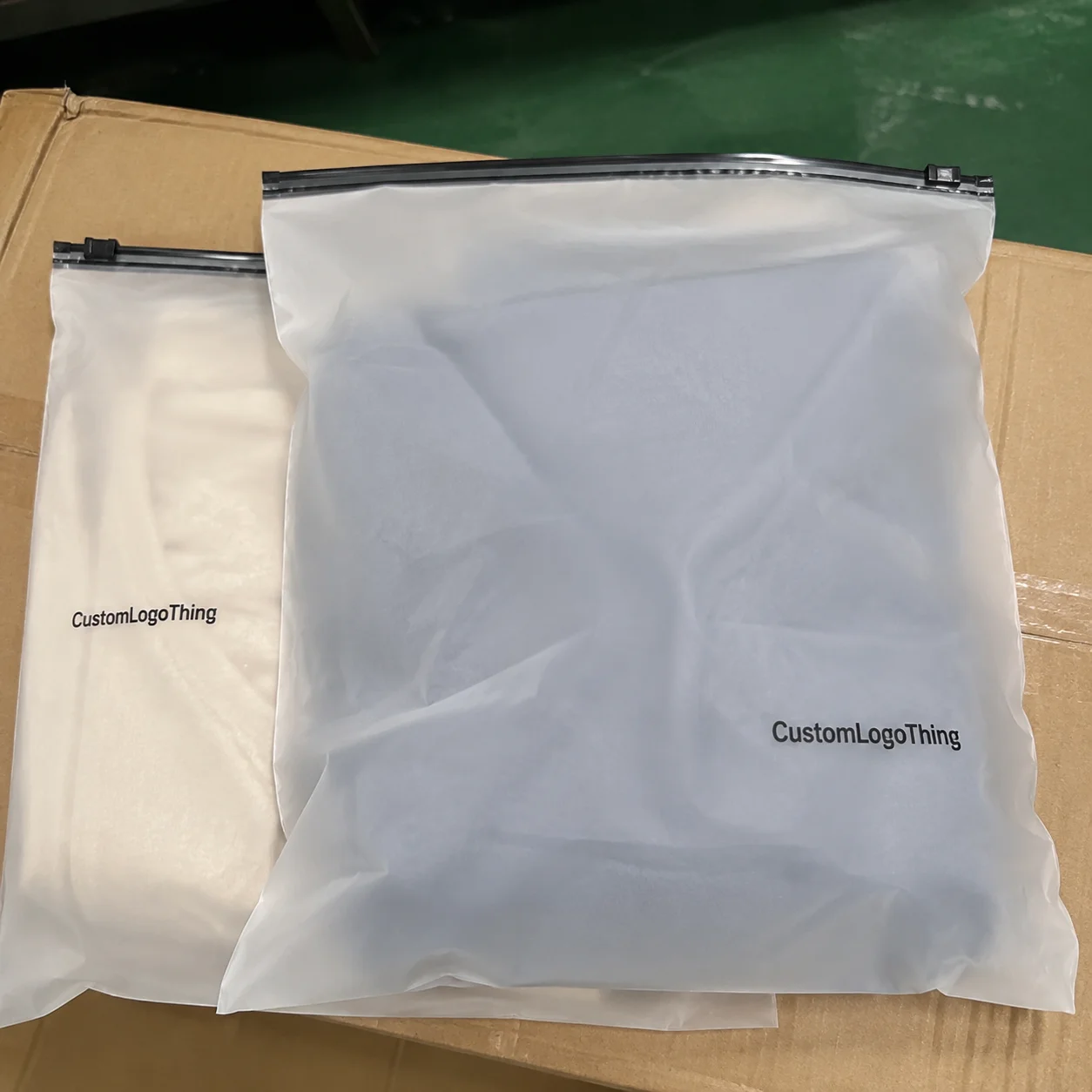
A reorder should be simple, but packaging costs drift when small specs change.
Buyers often expect a repeat PO to match the last one, then find the quote moved because resin prices changed, white ink coverage increased, the zipper profile changed, or cartons are packed differently. Those are small production changes with real cost impact.
This Pharmacy Frosted Zipper Bags reorder cost guide is built to reduce that drift. Most repeat-order overruns come from technical changes, not redesigns: a thicker film, a wider mouth opening, a revised gusset, or artwork that needs more ink or tighter registration.
For pharmacies, wellness retailers, and healthcare-adjacent brands, Frosted Zipper Bags are commonly used for non-sterile kits, accessories, sample packs, vitamins, device add-ons, and private-label merchandise. They are not automatically suitable for every regulated use, so application and compliance still need internal review.
The goal is straightforward: help buyers control repeat pricing, compare quotes correctly, and approve the right specs faster.
Why this reorder guide matters before you buy again
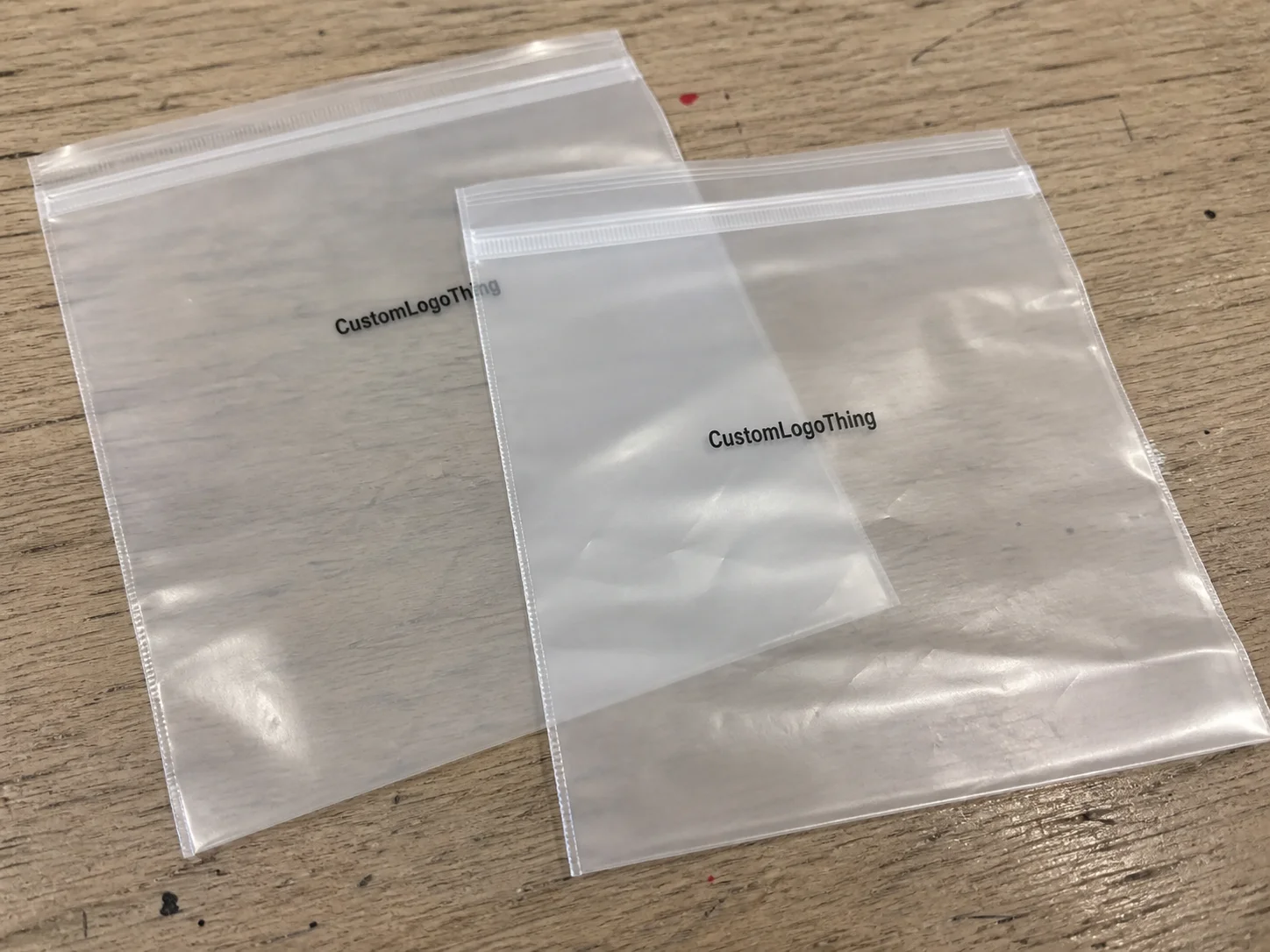
A frosted zipper bag looks simple, but the reorder price depends on material structure, thickness, zipper type, print coverage, tolerances, packing count, and delivery timing. Change one and the repeat order may shift 8% to 20% with little visible difference.
That is why spec control matters more than “same as last time.” If the first run used laminated PET/PE and the new quote assumes mono-PE, stiffness, opacity, print surface, and zipper feel can all change. If the art file now needs white underprint plus CMYK instead of one spot color, setup time and ink cost go up.
Frosted bags work well because they reduce visual clutter without going fully opaque. They usually present better than stock clear poly for wellness bundles, insert cards, accessories, and branded add-ons.
But buyers should stay clear about intended use. These bags are common for OTC accessory packs, non-sterile kits, and merchandise packaging. If the application is regulated, confirm material and labeling requirements before treating the order as a standard repeat.
The point of a reorder cost guide is simple: fewer surprises, faster quotes, and a more stable landed unit cost.
Key product details buyers should check before approving a repeat run
Start with a clean product definition. A Pharmacy Frosted Zipper bag is typically a semi-transparent plastic pouch with a press-to-close seal, optional custom printing, and features such as a hang hole, tear notch, or bottom gusset. Child-resistant formats are a different category with different testing and pricing.
Common use cases include:
- Vitamin and supplement accessory packs
- Non-sterile wellness kits
- OTC device accessory bundles
- Sample sorting and internal organization
- Private-label merchandise and add-ons
Closure style affects both user experience and cost. A standard press-to-close zipper is the usual value option. A double-track zipper gives a firmer close but adds cost. Slider closures look more premium, but they are less common in cost-sensitive pharmacy packaging because material and assembly costs rise quickly.
Printing is another major variable. A one-color logo is usually straightforward. Add white ink behind the design so graphics stand out on frosted film and ink usage rises. Add CMYK process printing or large flood areas and the cost per piece climbs again, along with the risk of visible scuffing or density variation.
Format matters too. Flat bags are usually cheaper and easier to store. Stand-up pouches present better but use more material and carry higher conversion cost. Width, usable fill area, and carton pack count also affect warehouse handling. A shift from 500 to 1,000 pieces per carton may improve freight efficiency but create receiving problems if the warehouse was set up for the previous count.
Three quick checks catch many issues before approval:
- The zipper should open and reclose smoothly without track drift.
- The frosted surface should resist obvious scuffing in normal handling.
- The print should stay readable under warehouse and retail lighting, not just on a digital proof.
Material, thickness, zipper strength, and print specs that actually drive performance
Before approving any repeat order, lock these seven specs: finished size, material structure, thickness, zipper type, print colors, surface finish, and packing method. If one is missing, you do not have a clean quote comparison.
Material structure
Common frosted zipper bag structures include PE, laminated PET/PE, and specialty blends. PE is softer and often more economical. PET/PE usually gives a stiffer body, cleaner print surface, and a more premium feel. Specialty blends may improve puncture resistance or opacity, but they can be harder to source consistently and may make repeat pricing less stable.
Match the structure to the contents. Light accessories may work with a 2.5 to 3.0 mil equivalent structure. Sharper edges, heavier inserts, or bags that need more body at retail often need 3.5 to 4.0 mil. Thicker film improves puncture resistance and feel, but it also increases resin use, carton weight, and freight.
Thickness and tolerance
Thickness affects feel, stacking, zipper support, and raw material consumption across the full run. Specify it in mil or microns and ask for tolerance. A nominal 80-micron bag without a stated tolerance is not a reliable production standard.
Avoid vague wording such as “similar to previous order.” Similar is how repeat orders slowly become different products.
Zipper performance
Zipper quality affects end-user experience more than many decorative upgrades. Track alignment, closure feel, and repeat open-close performance matter because a weak zipper creates rebagging, complaints, and extra labor that never appears on the supplier quote.
If the bag will be reopened often, ask what zipper profile is being quoted and whether the supplier has any internal cycle-testing or seal-engagement standards.
Dimensions and artwork control
Lock width, height, gusset depth if applicable, and the usable fill area below the zipper. Small dimensional changes affect film yield and cutting efficiency across large quantities. Artwork should be supplied as vector files with Pantone references where needed, clear barcode placement, and enough quiet space around legal copy and scan zones.
If the print process uses cylinders or plates, confirm whether those assets are archived for reorders and for how long. Otherwise, tooling fees may return on a later run that buyers expected to be a simple repeat.
Do the same for packing specs: inner counts, master carton dimensions, pallet pattern if relevant, lot labels, and any distributor-specific carton markings. Many reorder disputes start at receiving, not on the production line.
For transit testing references, ISTA is useful. If secondary packaging materials such as cartons or inserts require sourcing documentation, FSC chain-of-custody standards may also matter.
Pricing, MOQ, quote variables, and the real unit cost on repeat orders
Repeat pricing combines fixed and variable cost. Fixed items may include plate or cylinder use, color setup, machine setup, sampling, and QA preparation. Variable cost includes film, zipper material, ink, labor, conversion time, packing, and freight.
At lower quantities, setup has a larger impact. At higher volumes, material efficiency and conversion yield matter more. That is why MOQ matters so much. A run of 3,000 custom frosted zipper bags can have a much higher cost per piece than 10,000 or 25,000 of the same bag.
| Order Quantity | Typical Cost Per Piece | Common Cost Drivers | Best Fit |
|---|---|---|---|
| 3,000-5,000 | $0.22-$0.38 | Higher setup impact, shorter run efficiency, less optimized freight | Design trials or low-volume SKUs |
| 10,000-25,000 | $0.12-$0.24 | Better material yield, setup spread across more units, stronger pricing | Steady reorder programs |
| 50,000+ | $0.08-$0.18 | Best resin efficiency, better schedule utilization, optimized cartons | Forecasted annual usage or multi-location demand |
These ranges are realistic for many standard custom runs, not a universal promise. Unusual sizes, heavy print coverage, specialty closures, or rush handling can push pricing above them.
The most common reasons a repeat quote changes are:
- Bag size revision
- Material substitution or downgauging
- Higher print coverage or added colors
- Carton count changes
- Expedited production
- Different freight lane or delivery method
Do not stop at the quoted bag price. Review landed unit cost, spoilage risk, receiving labor, warehouse footprint, and reorder cadence. A bag that is cheaper at the factory can cost more after storage and handling are included.
To get an accurate quote quickly, send the previous PO number, approved artwork version, exact dimensions, thickness, quantity, ship-to postal code, and target in-hands date. If there was an approved golden sample on the first run, reference that too.
Negotiation works best when the facts stay stable. Annual volume forecasts, standardized sizes, and reusable print assets usually produce better pricing than frequent small revisions.
Production flow and lead time from proof approval to delivered cartons
A standard order flow runs through quote confirmation, artwork review, proof approval, material allocation, printing, lamination if required, curing, slitting, bag making, inspection, packing, and shipping. On a straightforward reorder with unchanged specs, production is often around 12 to 20 business days after proof approval. Transit time is separate.
Domestic delivery may add several business days. International freight can add weeks depending on mode, customs, and final-mile routing. Stockouts often happen because buyers compress factory time and transit time into one rough estimate.
Where schedules slip
The most common delays are routine: missing barcode files, delayed signoff, unclear carton marks, slow PO release, or last-minute legal copy changes. If the supplier has to stop for revised files or shipping marks, the production slot may move.
How much faster is a repeat order?
Usually faster, but not automatically. Repeat jobs benefit from archived artwork and known specs, yet they still depend on material availability, zipper stock, curing time, and the press schedule. If the bag uses a less common frosted structure or zipper profile, the lead time may not shrink much.
Rush production is possible in some cases, but it usually raises cost through priority scheduling, premium freight, or compressed QA windows. In most programs, a sensible safety stock is cheaper than repeated expediting.
Practical benchmark: Refresh pricing and confirm capacity when inventory falls to roughly 1.5 to 2 times your normal replenishment lead-time demand.
Proof checkpoints matter most where logo color, legal text, or barcode readability must match prior runs. If barcodes matter, test scans under normal warehouse lighting and on the actual bag surface, not only from a flat proof.
How to compare suppliers without getting distracted by a low quote
A low quote is not the same as a controlled reorder program.
Direct manufacturers often manage revisions, troubleshooting, and cost clarity better than pass-through brokers because they control the production conversation. If print density shifts on frosted film or zipper tracks are misaligned, a manufacturer can usually identify the source faster. Brokers may still be useful for sourcing convenience, but extra layers often slow correction and blur accountability.
Ask for concrete documents: specification sheets, tolerance disclosures, print method details, packing configuration, and any quality checks relevant to the bag structure. If a supplier cannot clearly state thickness tolerance, zipper style, print process, and carton format, the reorder record will stay unreliable.
Operational discipline matters too. Can the supplier manage artwork versions accurately? Keep carton labels consistent? Support split deliveries if storage space is tight? Those details affect receiving labor, inventory accuracy, and the true cost of repeat purchasing.
A strong quote should identify unit price, freight assumptions, sample charges if any, lead-time basis, and whether artwork edits trigger new setup charges or plate costs. Hidden extras are what make a reorder look cheap at approval and expensive on receipt.
Also watch the questions the supplier asks back. A dependable supplier should flag conflicting specs, suggest lower-cost structures if the bag is overbuilt, and explain whether size or print changes affect MOQ, tooling, or lead time.
Practical next steps for a cleaner reorder
If you want a smoother repeat order, send a complete spec package at the start.
- Confirm final dimensions, including usable fill area and any gusset depth.
- Specify material structure and thickness in mil or microns.
- State the zipper style, such as standard press-to-close or double-track.
- Provide artwork files, Pantone references, barcode placement, and legal copy notes.
- Define print colors, coverage level, and finish requirements.
- Confirm carton pack count, pallet preferences, and label format.
- Request at least two or three quantity breaks for MOQ analysis.
- Include the target in-hands date and full delivery address.
Send the last PO number if available. If not, send photos of the prior bag and carton label. Also confirm whether existing print assets, cylinders, or archived files can be reused, because even a small art change can trigger fresh setup work.
Always run a landed-cost check. Add freight mode, duties if applicable, receiving labor, storage footprint, and reorder frequency. A larger run may win on bulk pricing and still lose if warehouse space is tight or the SKU moves slowly.
Standardization helps more than many buyers expect. If accessory kits can be consolidated into one or two bag sizes, purchasing gets simpler, artwork control improves, and repeat pricing usually becomes more stable.
That is the value of a Pharmacy Frosted Zipper Bags reorder cost guide: better repeatability, fewer quote surprises, and less internal friction.
FAQ
How is pricing calculated for a pharmacy frosted zipper bags reorder?
Pricing usually combines current material cost, print coverage, quantity, packing format, and freight assumptions with any reusable assets from the prior run. If specs are unchanged and print tooling is still valid, some initial setup cost may be avoided. Small changes in size, thickness, or artwork can still move unit pricing because they affect film yield and production time.
What MOQ should I expect for custom frosted zipper bags for pharmacy packaging?
MOQ depends on size, structure, print complexity, and whether the order uses stock-compatible materials or fully custom ones. Lower-volume runs carry a higher unit cost because setup is spread across fewer pieces. Ask for several quantity breaks so you can compare factory pricing against storage limits and reorder frequency.
Can I reorder pharmacy frosted zipper bags with the same artwork but a different size?
Usually yes, but it should be treated as a revised quote rather than a simple repeat. A size change can affect cutting setup, material yield, carton count, and freight. Artwork may also need to be adjusted so logos, legal text, and barcodes stay readable.
How long does a custom pharmacy frosted zipper bag reorder take?
Repeat orders with unchanged specs are often faster than first runs, but lead time still depends on proof approval, material availability, production schedule, and shipping mode. A common production window is around 12 to 20 business days after final proof approval, with transit added separately.
What information should I send to get an accurate pharmacy frosted zipper bags quote?
Send exact dimensions, thickness, material preference, zipper style, artwork file, print colors, quantity, packing details, delivery address, and target in-hands date. Including the previous PO number or photos of the last run helps the supplier quote against the right baseline instead of guessing.