Buyer Fit Snapshot
| Best fit | Rigid Boxes Selection Style projects where brand print, material claims, artwork control, MOQ, and repeat-order consistency need to be specified before quoting. |
|---|---|
| Quote inputs | Share finished size, material target, print colors, finish, packing count, annual reorder estimate, ship-to region, and any compliance wording. |
| Proofing check | Approve dieline scale, logo placement, barcode or warning zones, color tolerance, closure strength, and carton packing before bulk production. |
| Main risk | Vague material claims, crowded artwork, missing packing details, or unclear freight terms can make a low unit price expensive after revisions. |
Fast answer: Rigid Boxes Selection Style: Board, Finish, Dieline, and Unit Cost should be specified like a repeatable production item. The safest quote records material, print method, finish, artwork proof, packing count, and reorder notes in one written spec.
Production checks before approval
Compare the actual filled-product size with the drawing, then confirm tolerance on folds, seals, hang holes, label areas, and retail display edges. Reserve space for logos, QR codes, warning copy, and material claims before decorative graphics fill the panel.
Quote comparison points
Review material grade, print process, finish, sampling route, tooling charges, carton quantity, and freight assumptions side by side. A quote is only useful when the supplier can repeat the same color, closure quality, and packing count on the next order.
On a factory floor in Shenzhen, I once watched a brand team debate a carton that cost $0.24 a unit and a rigid box that came in closer to $1.18 at 5,000 pieces. The odd part was not the price spread. It was the fact that they spent more time talking about how the lid sounded when it closed than about the printed graphics. Honestly, I thought that was funny at first, then completely sensible five minutes later. That is the real reason rigid Boxes How to Choose matters so much: the box changes the customer’s first physical impression before the product ever gets touched, smelled, or turned on.
I’ve spent more than 20 years around packaging lines, wrapping stations, sample rooms, and those cramped QC tables where everyone suddenly gets very honest about corners, glue lines, and finish scuffs. If you are trying to sort through rigid Boxes How to Choose, the decisions can feel technical, but the logic is simple once you break it down into structure, product fit, brand story, cost, and production timing. I remember one sample review where a client tapped the lid three times like it was a poker table bet. That sound, apparently, mattered as much as the logo. Packaging people are weird. I include myself in that category.
Custom rigid packaging is not just “a nicer box.” It is thick chipboard or greyboard construction wrapped in printed or specialty paper, often paired with foam, pulp, or paperboard inserts, and built to hold its shape through shipping, shelf display, and repeated handling. For luxury retail, cosmetics, electronics, gifts, subscription kits, and high-end promotional items, the box is part protection and part theater. That is why rigid boxes how to choose is really a question about how your product should feel in a customer’s hands.
Rigid Boxes How to Choose: What They Are and Why They Matter
Rigid boxes are built from a heavy board that does not fold flat like a standard folding carton. In practical terms, that means the walls stay firm, the corners hold their shape, and the package has real presence on a shelf or in an unboxing video. I’ve seen cosmetics brands spend more on the tactile feel of the box than on the outer printed graphics because the hand-feel, the closure, and the reveal sequence can raise perceived value in a way ink coverage alone never will. Personally, I think that makes sense. People remember a satisfying box. They do not remember “nice cyan coverage” with the same emotional intensity.
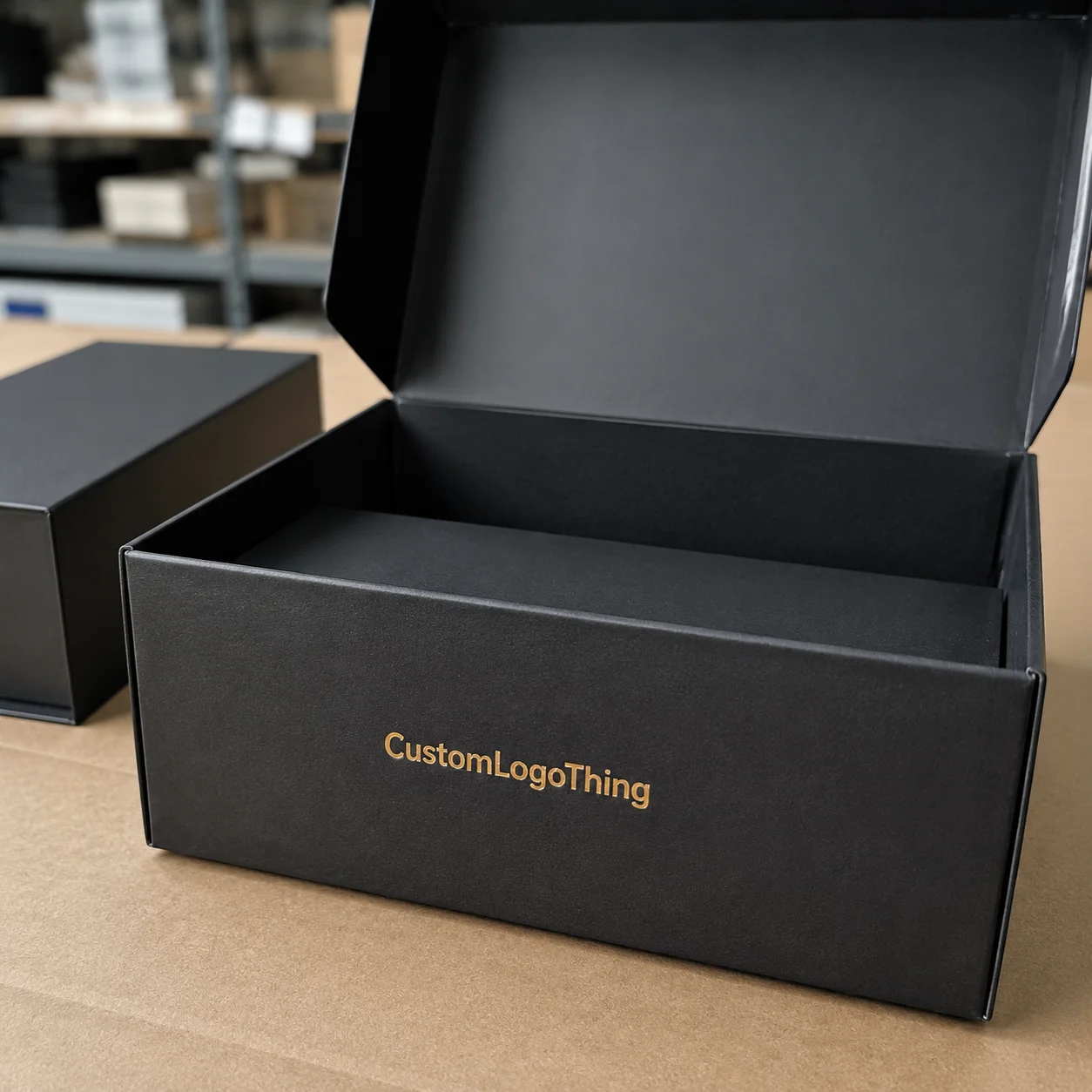
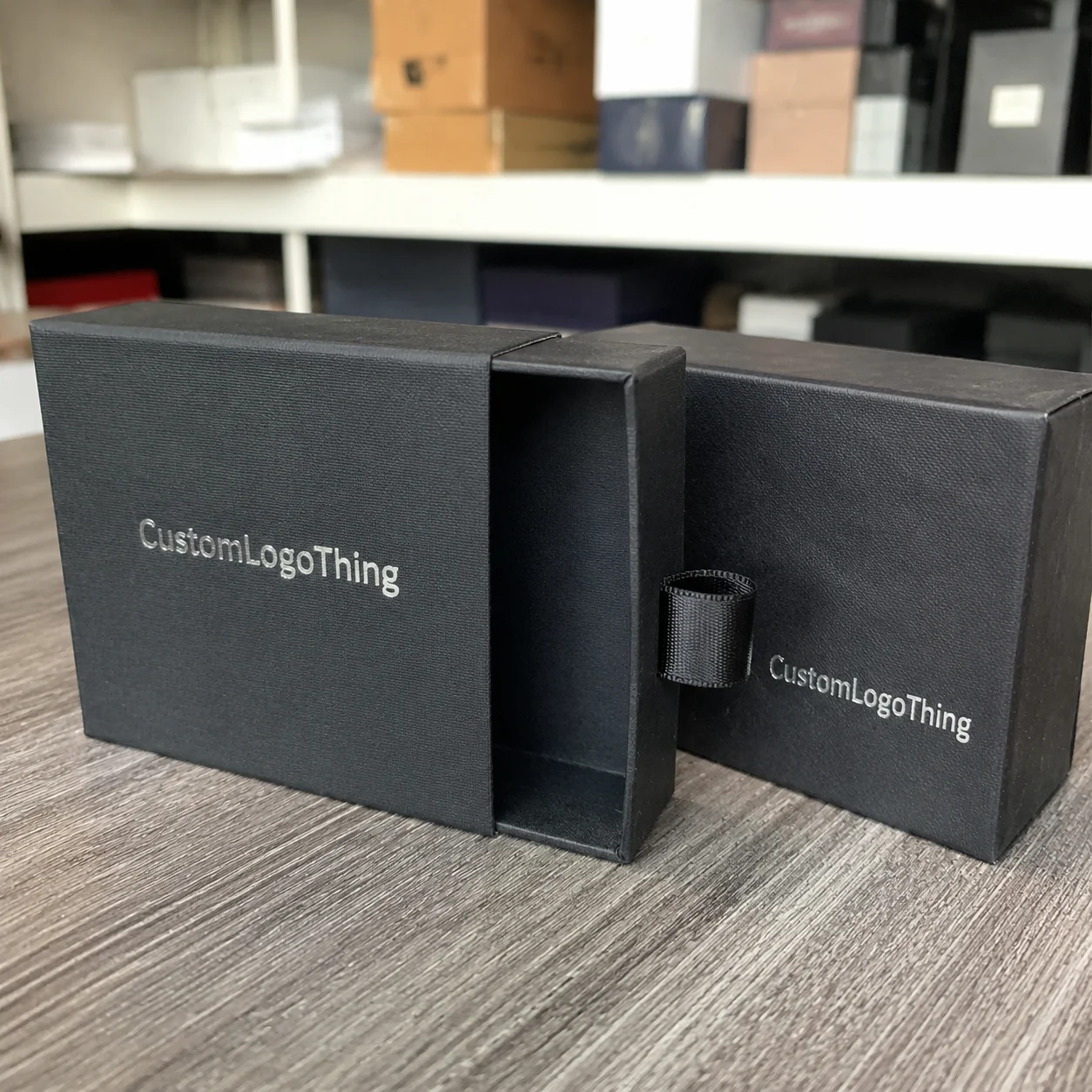
There are several common rigid box styles, and each one changes the customer experience. A lid-and-base box feels straightforward and dependable. A book-style rigid box opens like a hardback cover, which makes it popular for fragrance sets and premium gifting. Magnetic closure boxes create a deliberate, satisfying open-and-close motion, usually with hidden magnets in the flap. Drawer-style boxes add a pull-out reveal, while shoulder-neck rigid boxes create a layered, premium edge detail that feels more architectural than a standard setup. In Guangzhou and Dongguan, those five formats account for a large share of premium packaging runs because they cover most retail, gifting, and ecommerce needs without requiring a custom machine line.
One of the biggest mistakes brands make is treating rigid packaging like a purely cosmetic decision. If the item weighs 120 grams and sits in a cosmetics counter display, that’s one type of box. If it weighs 1.2 kilograms, ships across three distribution hubs, and includes glass or metal parts, that is a very different conversation. So, rigid boxes how to choose starts with function, then moves to presentation. I’ve watched people fall in love with a magnetic flap and then act shocked when a heavy product made it sag. Physics, sadly, does not care about mood boards.
When I visited a gift packaging line for a seasonal launch in Shenzhen, the client originally wanted a drawer box with a ribbon pull because it photographed beautifully. After a test run, the team switched to a reinforced lid-and-base structure with a 1.8 mm greyboard wall and a paperboard insert, because the gift set contained two glass bottles that shifted too much during drop testing. The final box was less flashy on paper, but the product arrived intact, and the brand kept the premium feel. That kind of tradeoff is common when you study rigid boxes how to choose the right style. You do not always get the prettiest option. You get the one that survives the real world, which is much less glamorous and much more useful.
Here’s the core idea: choosing a rigid box is a balancing act between product fit, brand story, durability, budget, and how the box will be made. If you get those five things aligned, the rest becomes much easier. If one of them is off, the packaging team ends up fighting the physics of the product instead of designing around it.
Factory-floor truth: the best-looking rigid box on a mood board is not always the best-performing box on a packing line. I’ve seen beautiful samples fail because the insert was 2 mm too loose or the lid tolerance was off by a hair.
How Rigid Boxes Are Built: Materials, Structure, and Finishes
The backbone of a rigid box is usually greyboard or chipboard, commonly in thicknesses like 1.5 mm, 1.8 mm, or 2.0 mm depending on the weight and value of the product. Around that board, the factory wraps printed paper, specialty paper, textured stock, fabric, or laminated artwork. The wrapped skin is what the customer sees, but the board thickness is what gives the box its strength and shape retention. For a premium skincare line in Los Angeles, for example, a 350gsm C1S artboard wrap over 1.8 mm greyboard is a common specification because it prints sharply and still feels substantial in hand.
On a real production line, the process is a mix of machine work and hand assembly. Die-cutting creates the board pieces, the wrap material is printed and finished, glue is applied with controlled viscosity, and operators fold corners, line cavities, and press the wrapped board into shape. If the board edges are cut poorly, the corners show through. If the glue is too wet, the wrap can warp. If the wrap tension is inconsistent, the lid may sit proud on one side and tight on the other. Those are the little things that separate a clean premium box from one that looks tired before it ever reaches retail. And yes, I have seen a gorgeous sample get downgraded because of one ugly corner. It is maddening, but it happens.
For inserts, the options are practical and varied. EVA foam gives precision support for electronics or fragile items, often in 30–35 Shore C density for tighter fit control. Molded pulp helps brands aiming for recyclable, lower-plastic content packaging and is common in factories in Vietnam and southern China. Cardboard partitions work well for multi-item kits. Satin or paper-lined cradles can elevate a fragrance set or gift box. I’ve also seen blister-style supports used inside rigid structures for promotional kits where the product needs to stay fixed in one exact orientation during transit. A 6-cavity insert for a cosmetic set may cost less than a fully formed foam tray, but it has to match the product width within roughly 1–2 mm or the items will rattle.
Finishes change the feel more than many people expect. Matte lamination creates a soft, controlled look. Gloss can make saturated colors pop. Soft-touch coating adds a velvety feel, though it can scuff if the box is handled heavily. Embossing and debossing add dimension; foil stamping creates a metallic accent that catches light; spot UV creates contrast on logos or patterns; magnetic closures create tactile satisfaction and help the box stay shut during storage. In practice, foil stamping in gold or silver often adds around $0.08 to $0.20 per unit at 3,000 pieces, while soft-touch lamination can add another $0.05 to $0.12 depending on region and run size.
If your team is comparing material stacks, this quick table is often where the conversation gets real.
| Option | Typical Use | Strength | Visual Effect | Approx. Impact on Cost |
|---|---|---|---|---|
| 1.5 mm greyboard with printed wrap | Light gift items, cosmetics | Moderate | Clean, premium | Lower |
| 1.8 mm chipboard with matte lamination | Retail sets, subscription kits | High | Refined, balanced | Mid-range |
| 2.0 mm board with foil, embossing, and EVA insert | Luxury goods, electronics | Very high | Premium, high-contrast | Higher |
In factories I’ve worked with in Shenzhen, Dongguan, and Ningbo, the tolerance on a rigid box is never just a design detail; it is a production reality. A 0.5 mm error may not sound like much, but on a magnetic flap or a tight tray insert, that tiny variance can make the closure feel weak or the product hard to remove. That is why rigid boxes how to choose should always include a real discussion about board spec, adhesive selection, and wrap compatibility, not just artwork.
For additional technical context on packaging materials and sustainability topics, I often point teams to the EPA’s packaging materials resources and the structural guidance available through the International Safe Transit Association. They are useful references when the packaging needs to do more than look good in a rendering.
Rigid Boxes How to Choose Based on Product Fit and Brand Goals
The first filter is the product itself. Measure the item at its widest, tallest, and deepest points, then think about movement, fragility, and how the customer will take it out of the box. A serum bottle with a dropper is not the same as a smartwatch, and a candle in a glass jar is not the same as a folded leather accessory. If you start with the product, rigid boxes how to choose gets much easier because the structure can be matched to what is actually inside. I know that sounds basic, but basic is where a lot of expensive mistakes begin. A 90 mm x 90 mm x 120 mm candle box needs a different cavity than a 68 mm x 45 mm x 15 mm earbuds case.
For cosmetics, magnetic closure boxes and drawer-style boxes are common because they create a controlled, luxurious reveal. For electronics, a lid-and-base with a tight insert or a book-style box with an internal cradle is often better because the item may need more impact resistance. Gift sets often use shoulder-neck or book-style constructions to create a layered unboxing sequence. Promotional items can vary widely, but the box still needs to survive handling, palletizing, and event distribution. In a Seoul launch I reviewed, a 2.0 mm rigid drawer box was chosen for a compact fragrance trio because the retailer wanted a premium reveal without a bulky footprint, and the final outer carton still fit 24 units per master case.
Brand positioning matters just as much. A minimalist skincare line may look better with uncoated textured paper, blind debossing, and a single-color logo. A luxury fragrance house may choose gold foil, textured wrap stock, and a ribbon pull that feels ceremonial. A tech brand might prefer sharp edges, matte lamination, and a restrained logo because the product itself carries the excitement. That’s why rigid boxes how to choose is never one-size-fits-all. A $48 serum and a $480 smartwatch are not asking for the same visual language.
At a client meeting in Chicago, I watched a founder compare two samples side by side: one with a highly decorated magnetic box and another with a simpler lid-and-base structure using a heavy 2.0 mm board and a subtle embossed logo. The decorated version looked expensive in photos, but the simpler one felt more aligned with the brand’s quiet-luxury message. We ended up selecting the cleaner style because it matched the product’s price point and the buyer’s expectations. That is a very normal outcome when you approach rigid boxes how to choose from a brand-first angle instead of a decoration-first angle.
Retail performance also matters. Rigid boxes often need to stack neatly, survive shelf compression, and photograph well for ecommerce listings. If a package has a broad footprint and a shallow height, it may be easier to display but harder to ship efficiently. If the box is tall and narrow, it can feel elegant but may need better internal support. I’ve seen brands lose margin because the final package looked great in-store but drove up freight costs by 18% simply due to poor dimensional planning. That is the sort of line item nobody wants to explain to finance (trust me, I have been in that meeting and it is not fun).
Ask yourself how the opening sequence should feel. Should the customer lift a lid, pull a drawer, or unfold a cover like a book? Should the product appear immediately, or should there be a pause, a reveal, a ribbon, or a nested tray? The answer to that question often tells you more about rigid boxes how to choose than a dozen mood boards.
Cost and Pricing Factors When Choosing Rigid Boxes
Pricing for rigid packaging depends on several pieces, and the structure of the quote matters more than many teams realize. Board thickness, box size, wrap material, finish complexity, insert type, print coverage, and quantity all shape the final number. A small magnetic box with simple paper wrap may cost far less than a large shoulder-neck box with foil, embossing, and a custom EVA insert, even if both are “premium” on the surface. At 10,000 pieces, a basic 90 mm x 90 mm x 35 mm rigid box can land around $0.95 to $1.25 per unit in China, while a more decorated version can move into the $1.60 to $2.40 range depending on insert and finish.
Setup cost is another reason rigid boxes often cost more than folding cartons. Folding cartons are efficient because they are flat when shipped and assembled quickly. Rigid boxes require more wrapping, more assembly, and more hand labor, especially around corners and inserts. The result is a package that feels more substantial, but you pay for that substance in manufacturing time. In practical terms, a custom rigid box run of 3,000 pieces can have a very different unit cost profile than 20,000 pieces because the setup is spread across fewer units. A box priced at $0.15 per unit for 5,000 pieces is usually a folding carton, not a true rigid box; rigid structures typically sit much higher because of the board, wrapping, and hand-finishing steps.
When brands ask me how to save money without damaging the result, I usually give the same answer: simplify where the customer will not notice, and protect the parts they will touch. A 1.8 mm board may be enough instead of 2.0 mm. A matte printed wrap may work instead of soft-touch if the product will ship in outer mailers. A well-made paperboard insert may replace a higher-cost foam insert if the product is not fragile. Those choices matter more than people think when they are learning rigid boxes how to choose. In many cases, dropping one finish layer can save $0.07 to $0.18 per box without changing the perceived quality much at all.
Here is a practical cost comparison that helps teams evaluate options in plain terms:
| Rigid Box Style | Typical Features | Relative Cost | Best Fit |
|---|---|---|---|
| Lid-and-base | Simple structure, printed wrap, paper insert | Lower to mid-range | Gifts, cosmetics, accessories |
| Book style | Hinged cover, magnetic or ribbon closure, layered reveal | Mid-range to higher | Fragrance, premium sets, collector items |
| Drawer style | Outer sleeve, pull-out tray, ribbon pull | Mid-range to higher | Jewelry, small electronics, premium kits |
| Shoulder-neck | Inner neck detail, refined reveal, premium structure | Higher | Luxury retail, high-end gifting |
Total landed cost should always be part of the decision. I’ve seen buyers focus on a factory quote of $0.92 per unit, only to discover the freight, warehouse storage, damage replacement rate, and customer return risk pushed the real cost much higher. If the box saves one out of every hundred products from damage, that might justify a better insert or a stronger board. So rigid boxes how to choose should never be reduced to unit price alone. A $0.06 increase on 20,000 units is $1,200, but one prevented product return can save far more than that if the item sells at $60 or $120.
For brands that need to browse broader packaging options while comparing structures, finishes, and inserts, the Custom Packaging Products catalog is a useful place to compare styles before requesting a quote. It is much easier to make a smart choice when you can see what changes between one structure and another.
Process and Timeline: From Dielines to Finished Production
A rigid box project usually starts with a brief, then moves to dieline creation, structural sampling, artwork placement, material selection, proofing, production, quality inspection, and shipping. If your team has not done this before, the early stages can feel slow, but that front-end work saves expensive corrections later. A sample that looks beautiful in a PDF can still fail if the board depth is wrong or the insert cavity is 1 mm too tight. In most factories in Shenzhen or Dongguan, a simple blank sample can be ready in 3–5 business days, while a printed structural sample often takes 7–10 business days depending on paper availability.
Structural samples matter a lot, especially for products with unusual dimensions or parts that have to align with magnets, windows, or internal cradles. A sample lets you test closure force, lift-off resistance, product removal, and corner strength under real conditions. I’ve seen a sample room catch a problem where a perfume bottle sat perfectly in the foam but pressed too hard against the lid once the box was wrapped. The fix was easy at sample stage and painful after mass production. That is the kind of mistake that keeps packaging managers awake at night, which is probably unfair but also understandable.
Timeline depends on several variables. Artwork approval can take a day or two, or two weeks if legal and brand teams are involved. Specialty papers may need sourcing. Foil stamping requires plates. Embossing may need tooling. Custom inserts often need their own production path. A basic rigid box with standard wrap and a paperboard insert can move faster than a box with multiple finish passes and complex internal support. That is why rigid boxes how to choose should always include a timeline check, not just a design discussion. In many cases, production runs typically take 12–15 business days from proof approval, with sea freight adding 18–30 days if the shipment leaves from Yantian to the U.S. West Coast.
On a real project, I usually advise clients to build in extra time for one structural revision and one final proof round. It sounds conservative, but it is safer than rushing. A box can look correct on screen and still be wrong in hand because the human hand notices things like lid resistance, pull tab placement, and how the product lifts out from the cavity. Once production starts, changes get expensive quickly.
Coordination between design, manufacturing, and shipping is often where the project lives or dies. The design team wants a clean logo placement. The factory wants consistent board dimensions. The shipping team wants cartons that maximize pallet efficiency. The brand team wants an elegant reveal. All three can be satisfied, but only if someone is willing to reconcile the details early. That reconciliation is a big part of rigid boxes how to choose well. I’ve seen a project in Dallas slip by nine calendar days because the artwork file missed one die-cut corner by 0.75 mm, which is exactly the kind of detail that turns into a headache at scale.
Common Mistakes to Avoid When Choosing Rigid Boxes
The most common mistake is choosing a box for appearance alone. A drawer box may look elegant in a showroom, but if the product is heavy or awkwardly shaped, the tray may rattle or the pull force may feel too loose. Likewise, a magnetic book style may feel premium, but if the closure is misaligned by even a small amount, the box can feel cheap. The style has to suit the product and the use case, not just the presentation board. A 700-gram electronics set in a shallow drawer box can shift enough during transit to damage a corner unless the insert is designed to restrain it.
Another mistake is over-specifying finishes. I’ve seen teams add foil, spot UV, embossing, soft-touch, and ribbon pulls all in one design because each element looked good in isolation. The result was a box that cost too much, took longer to make, and did not actually improve the customer’s experience in proportion to the added expense. One strong finish usually does more than three average ones. That is a lesson many brands learn late when they are figuring out rigid boxes how to choose. A single gold foil logo on a 2.0 mm board can feel more premium than four competing textures and two closure treatments fighting for attention.
Dimensional accuracy gets ignored more often than it should. Products are rarely identical to the nearest tenth of a millimeter, and if your insert is too tight, you create friction at packing; too loose, and the product shifts in transit. I’ve stood at a packing table where operators were manually forcing items into a cavity that was 2 mm too small. It slowed the line and created edge damage. The fix was a slightly looser cavity and a better restraining structure. Small adjustments, big relief. The operators looked at me like I had invented magic, which I have not.
Lead time is another trap. Specialty materials, foil plates, embossing dies, and multiple proof rounds can stretch the schedule much longer than a team expects. If you assume the box can be produced in a short window, the project can get squeezed between approvals and shipping deadlines. I always tell clients to leave enough room for the sample, the revision, and the final sign-off. Rushed packaging almost always costs more. In Shanghai, I watched a launch team pay an extra $680 in air freight because they approved artwork only four days before the factory needed final files.
Quality control matters too. Weak corner wrapping, misaligned logos, inconsistent lamination, and inserts that shift during shipment all damage the final result. A factory can make 10,000 beautiful boxes, but if the last 300 arrive with scuffed edges or loose trays, the customer experience still suffers. One bad carton in a premium launch can create more complaints than a dozen minor print inconsistencies in a mass-market SKU. A proper QC pass in Ningbo or Shenzhen should include corner pressure checks, adhesion checks, and at least 5–10 carton pull samples per batch.
Expert Tips for Choosing the Best Rigid Box
Start with a sample kit or mockup before you lock anything in. A printed board sample, a structural mockup, or a plain white sample can tell you more than a flat art proof ever will. Feel the board stiffness. Test the closure. Shake the box gently. Check whether the product stays in place. When I’m helping a client evaluate rigid boxes how to choose, I want them holding something physical, because the hand always finds what the eye misses. The eye is optimistic. The hand is brutally honest. A 1.8 mm white sample in your office in Brooklyn can reveal a lid drag problem that would be invisible in a PDF sent from Guangzhou.
Balance premium finishes with real-world durability. Soft-touch coating feels wonderful, but if the box will ship repeatedly or sit in a retail backroom, you may need a scuff-resistant plan or a different topcoat. High-gloss looks dramatic, yet fingerprints may show easily. Matte hides handling better. If the box will be opened often, think about what happens after the first unboxing. The customer’s second and third interactions matter, especially for subscription kits or storage boxes. A finish that survives 20 openings in a home closet is often more valuable than one that looks perfect only for the first photo.
Match the insert to movement risk. EVA foam is excellent when the product needs precise restraint. Molded pulp can be a strong sustainable choice for certain shapes, though it may not give the same premium tactility as foam. Paperboard partitions are cost-efficient and recyclable in many setups, and they work especially well for multi-item gift kits. The insert is not just a filler; it is the part that keeps the box from becoming a loose container with branding on it. For a 3-piece skincare set, a die-cut paperboard insert might cost $0.04 less per unit than EVA and still perform well if the bottles are under 180 grams each.
Choose a structure that reflects actual use, not just the mood board. A box that looks beautiful in a design presentation may be awkward in an ecommerce workflow, too tall for shelf display, or expensive to ship. That mismatch is common. The best packaging teams ask where the box will sit, how it will travel, who will open it, and how much handling it will see before it reaches the end user. That practical lens is central to rigid boxes how to choose. A box designed for in-store gifting in Paris may fail if it has to survive parcel delivery through five sorting facilities.
Ask direct questions about the manufacturing details. What is the board source? What adhesive is used? Is the finish compatible with the wrap stock? How is the insert fixed so it does not shift? Does the factory test closure force, edge wear, and corner strength? Those questions may sound small, but they reveal whether the supplier understands premium packaging, not just box assembly. In many factories, a water-based adhesive works well for paper wrap, but a coated specialty paper in humid conditions may need a different glue profile to avoid corner lift.
Pro tip from the line: test edge wear by rubbing the corners lightly after packing, then again after a simulated transport cycle. If the corners open up or the wrap lifts, you have a problem that will only get worse in distribution. I’ve watched otherwise strong packaging fail because one corner was wrapped too loosely during the final fold. You can feel the frustration from ten feet away, which is a special kind of production-room misery.
For teams that want to compare style choices with product-ready options, browsing Custom Packaging Products alongside your sample process can help narrow the field quickly. Seeing side-by-side options makes it much easier to decide whether the right answer is a lid-and-base, a magnetic closure, or a drawer box.
Next Steps: How to Move From Idea to the Right Rigid Box
If you want the decision to go smoothly, gather the essentials before requesting quotes: product dimensions, product weight, quantity, target finish, brand colors, protection requirements, and the way the product will ship. If you have the product in hand, even better. A physical sample beats a spec sheet when the item has curved edges, fragile parts, or an awkward closure point. That is how rigid boxes how to choose becomes a manageable project instead of an open-ended debate. A 250 ml glass bottle, a 75 mm compact, and a 14-inch tablet each need a different structural answer, even if the brand aesthetic stays the same.
Compare two or three box structures side by side. A lid-and-base box might show you a better price point. A magnetic box might improve perceived value. A drawer style might work better for a small accessories set. You do not need to guess. A sample or prototype lets your team evaluate feel, function, and cost together, which is the only way to make a smart choice under real production conditions. In many cases, the sample cost is only $30 to $120, which is a small number compared with the cost of fixing 8,000 finished units later.
Think of the packaging as part of the brand system. It affects retail display, ecommerce shipping, influencer content, and the customer’s first hands-on moment. I’ve seen a box improve repeat purchase perception simply because the opening experience felt calm and deliberate. I’ve also seen a package weaken a good product launch because the lid loosened after the first shipment cycle. Those outcomes are both packaging decisions, not product decisions, which is why rigid boxes how to choose deserves serious attention.
Here is a practical final checklist:
- Product specs: exact dimensions, weight, and fragility level.
- Target look: matte, gloss, soft-touch, foil, emboss, or textured wrap.
- Protection needs: foam, molded pulp, paperboard, or satin lining.
- Budget ceiling: unit cost, setup cost, freight, and damage allowance.
- Timeline: sample approval, production window, and shipping schedule.
- Sustainability goals: FSC paper, recyclable components, or reduced plastic content.
If you are comparing styles and finishing options, remember that structure, material, and production method should be judged together. A beautiful box that fails in transit is not premium. A plain box with the right board thickness, insert, and closure can outperform a flashy design that costs too much and ships poorly. That practical balance is the heart of rigid boxes how to choose, and it is the reason the best packaging teams always test before they commit. A factory in Zhongshan can turn out a glossy sample in a week, but only a real test reveals whether the corners stay closed after 15 drops from 76 cm.
For a custom packaging partner like Custom Logo Things, the smartest path is simple: define the product, Choose the Right structure, confirm the finish level, and match the box to your shipping and retail reality. Do that, and rigid boxes how to choose stops feeling like a guessing game and starts feeling like a controlled manufacturing decision.
FAQs
Rigid boxes how to choose the right size for my product?
Measure the product at its widest, tallest, and deepest points, then add room for the insert, wrap material, and easy removal. In practice, I like to leave enough tolerance that the product does not scuff the corners during packing. A prototype or structural sample is the safest way to confirm the fit before production. For a small bottle, that often means adding 2–3 mm of clearance on each side and checking the fit with the actual closure material, not just a paper mockup.
What is the best rigid box style for premium products?
Magnetic closure, book style, and Drawer Style Boxes are all common premium choices because they create a more intentional opening experience. The best style depends on the item’s weight, how the customer removes it, and how much support the insert needs to provide. A heavier product often performs better in a reinforced lid-and-base or shoulder-neck structure. In luxury packaging hubs like Shenzhen and Guangzhou, those structures are often paired with 1.8 mm to 2.0 mm greyboard for a more substantial feel.
How much do rigid boxes usually cost?
Pricing depends on board thickness, size, finish, insert type, print coverage, and order quantity. A simple rigid box can be fairly economical at higher volumes, while foil stamping, embossing, soft-touch, and custom inserts raise the price. For many projects, larger quantities can bring the unit price down because setup and labor are spread across more units. As a rough benchmark, a 5,000-piece run of a basic rigid box may land around $1.00 to $1.40 per unit, while complex builds in the same volume can run higher depending on materials and region.
How long does rigid box production take?
Timeline varies based on sampling, artwork approval, material sourcing, and specialty finishing steps. Custom inserts, foil plates, and embossing dies can add extra time, so planning ahead is a smart move. I usually advise clients to build in time for at least one sample review and one revision round. From proof approval, many factories in southern China typically need 12–15 business days for production, with shipping to the U.S. or Europe adding extra transit time depending on air or sea freight.
Are rigid boxes better than folding cartons?
Rigid boxes are better when you want stronger structure, a more premium presentation, and a memorable unboxing moment. Folding cartons may be a better fit for lighter products, simpler retail needs, or higher-volume shipping where cost efficiency matters most. The right choice depends on the product, the brand position, and the customer experience you want to create. A folding carton can be ideal for a 50 g cosmetic tube, while a rigid box makes more sense for a $120 fragrance set or a gift item headed to a department store in London or New York.