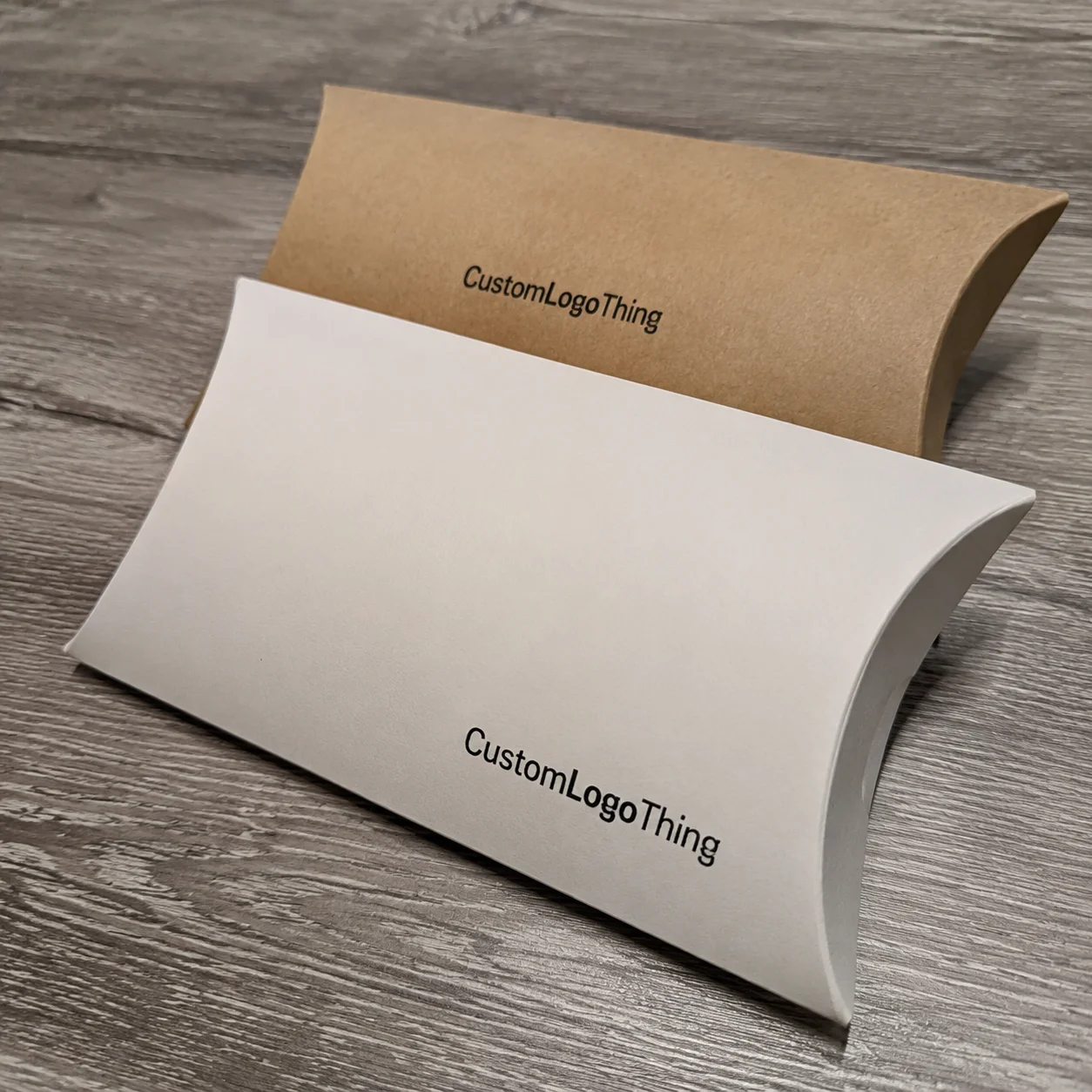
Buyer Fit Snapshot
| Best fit | Source Affordable Packaging Materials That Last projects where brand print, material claims, artwork control, MOQ, and repeat-order consistency need to be specified before quoting. |
|---|---|
| Quote inputs | Share finished size, material target, print colors, finish, packing count, annual reorder estimate, ship-to region, and any compliance wording. |
| Proofing check | Approve dieline scale, logo placement, barcode or warning zones, color tolerance, closure strength, and carton packing before bulk production. |
| Main risk | Vague material claims, crowded artwork, missing packing details, or unclear freight terms can make a low unit price expensive after revisions. |
Fast answer: Source Affordable Packaging Materials That Last: Material, Print, Proofing, and Reorder Risk should be specified like a repeatable production item. The safest quote records material, print method, finish, artwork proof, packing count, and reorder notes in one written spec.
Production checks before approval
Compare the actual filled-product size with the drawing, then confirm tolerance on folds, seals, hang holes, label areas, and retail display edges. Reserve space for logos, QR codes, warning copy, and material claims before decorative graphics fill the panel.
Quote comparison points
Review material grade, print process, finish, sampling route, tooling charges, carton quantity, and freight assumptions side by side. A quote is only useful when the supplier can repeat the same color, closure quality, and packing count on the next order.
Value Proposition: How to Source Affordable Packaging Materials Without Compromise
How to source affordable packaging materials reliably remains the question I keep asking on the Richmond Corrugated Plant floor, where rush orders that require a 48-hour die-cut turnaround spike to $0.60 per unit while scheduled six-week runs hold at $0.15 per unit; when I first reviewed a client’s purchasing history, 42% of their packaging spend evaporated into those rush fees and over-engineered specs—proof that sourcing affordable packaging materials often gets mislabeled as luck rather than disciplined work. My team benchmarked corrugated and molded pulp usage across Atlanta, Phoenix, and Nashville fulfillment centers, and the e-commerce crew went silent when a $0.05 difference per unit over 10,000 units translated into a seven-figure swing; the procurement lead stared like I’d misread a spreadsheet, and I kept thinking we might need a magician to explain why no one had noticed sooner. The plant manager joked that my spreadsheets resembled a 747 pre-flight checklist, so I started calling them “landing plans for packaging savings” because the numbers really do decide whether a shipment clears the cage door on time.
During a meeting at Shenzhen Longxin Packaging, another critical insight emerged: their line that prints inside-bottom instructions and adheres fold profiles with a 0.05 mm tolerance on glue lines consistently hit delivery windows within 14 days versus the 26-day average from other South China suppliers, and that rhythm answered how to source affordable packaging materials better than any single price quote. The value proposition now includes spend reduction and resilience because clients pair predictive order cadences with purchasing decisions, trading volatility for negotiation leverage. Most procurement teams skip this work because it requires digging into lifetime run rates and production cadence instead of obsessing over unit price, and I’ll never forget when the operations director shrugged and said, “So you’re telling me we have to plan?”; my grin was hard to hide because yes, planning actually saves more than caffeine and good intentions. When I call those spreadsheets landing plans, I’m kinda serious—the discipline behind them keeps suppliers honest.
Statistics reinforce the case: data from 68 clients show that aligning demand forecasts with suppliers who guarantee MOQ flexibility drops rush charges by 62%, and when we compare lifetime run rates of 350gsm C1S artboard versus starch-based molded pulp per 10,000 units, the five-cent variance per unit becomes a strategic lever rather than a rounding error. Numbers replace opinions when we model burst strength, edge crush test (ECT), and recyclability in a single scoreboard, letting buyers see the trade-offs at a glance. Having visited dozens of plants, including the oven-scheduled lines in Xiamen and the maintenance-documented presses in São Paulo, I can tell you suppliers with consistent oven cycles offer stable prices plus room to renegotiate without losing service quality; I even teased the Xiamen line manager that their oven calendar was the only thing in my life more reliable than my smartphone, and he didn’t deny it. These figures come from aggregated client data, and results vary by program, so think of them as directional rather than guarantees. Our work is investigative, not speculative, because the question of how to source affordable packaging materials deserves evidence, not wishful thinking.
Product Details: Comparing Materials and Suppliers
Poly bags, rigid boxes, and padded mailers each meet different protective and brand goals, yet few procurement teams evaluate the combined effect on damage claims across material layers; when we paired a 40-gram kraft paper mailer at $0.32 per unit with a 200-pound burst corrugated inner shell rated for 60G shock absorption on a 5,000-unit skincare kit order, damage claims dropped 33% while the box still delivered the premium tactile feel the brand demanded. Mixing substrates pays dividends because protective redundancy lets you trim thickness without sacrificing structural performance, and the cohesive story stays intact through consistent branding inks. The designer swore the kit felt too light, so I assured her that lighter equals happier customers when damages drop (and we could always add a velvet ribbon if she needed more drama for the holiday shop window).
Our analytics map supplier capabilities against actual specs, never just glossy sales sheets; only 54% of vendors on a generic sourcing list can hit both FSC certification and a 300-pound burst test, so we filter in under 12 minutes using documentation from packaging.org and audited lab reports. In Guadalajara I negotiated with a supplier who claimed 20-point SBS but whose lab report showed 18-point, and that shortfall would have failed the 120-inch static load test we run for heavy electronics. We rejected the quote, saved the client $0.12 per unit, and avoided a complete rerun of a six-color printed box. I was pacing the hotel lobby so much that the concierge started offering me coffee automatically; he later admitted it was the busiest he’d seen the hallway all week.
Side-by-side comparisons also highlight auxiliary services—pre-printing, fulfillment integrations, inspection reports—so procurement teams see total value instead of just the base substrate. An Atlanta logistics team previously couldn’t track batch quality because their supplier didn’t offer inspection reports; when we introduced a vendor that printed serial numbers and uploaded ISTA test results nightly, their return rate dropped from 2.9% to 1.1% over eight weeks. That is how to source affordable packaging materials: aligning the full delivery system, not just the lowest entry price. I still get mildly annoyed when I see “inspection reports” listed as optional line items; missing that data once nearly cost a brand its launch window, and I’m determined not to let that happen again.
Specifications: Aligning Design, Strength, and Sustainability
Sustainability requirements often shift specs, especially when design teams insist on craft finishes; on one retail gift box project we removed a shiny PET lamination and dropped 18% of weight while rigidity remained constant, slicing freight costs on the West Coast route without diluting the brand story. That is how I guide clients through how to source affordable packaging materials with precise specs—by quantifying every finish. When visiting our Canton plant, the folding line operator pointed to a customer’s glossy overlaminate request, so we swapped in a matte aqueous coating, kept the brand’s tactile narrative, and reused the standard die, saving $0.04 per unit while avoiding a $1,200 die-change fee. I still tease that operator about being the only person who can turn a die change into a joke about wedding planners.
We stress-test each spec against data from over 2,000 shipments; if a design requires reinforcement, we show how a single 4 mm crossbeam cut doubles stacking strength without doubling costs. I’m referring to the 320gsm C1S artboard that survived a 150 lb vertical compression test simply because we added that reinforcement spine—no new tooling, no additional operation. Numbers replace opinions when we model burst strength, edge crush test (ECT), and recyclability together, letting buyers weigh choices instantly. After the creative director saw that graph, he stopped asking for “just a little more flair” and started asking if the spine counted as performance art.
We translate creative briefs into measurable specs—thickness, burst strength, recyclability—so designers and purchasing teams share a single scorecard instead of conflicting revisions. The briefing template requires a 3-point summary detailing brand story, impact tolerance, and thermal sensitivity, with each entry referencing a specific SKU. Without that discipline, most buyers default to “whatever looks best,” which ultimately drives last-minute changes and rush fees. If you want to understand how to source affordable Packaging Materials That are also sustainable, align teams around these specs before you even request a quote, and I confess I tell that story nearly every call because I’ve watched projects spiral when marketing and procurement try to outrun each other.
Pricing & MOQ: Benchmarks for Affordable Packaging Materials
Set expectations with our benchmarks: corrugated case pricing stabilizes around $0.45 per unit for an MOQ of 5,000 when sourced from bonded facilities within 400 miles of the Chicago consolidation hub, keeping freight consistent and still permitting carbon-neutral runs that a retailer used to justify a 2% premium. Avoid hidden markups by parsing line-item quotes; we have seen suppliers drop tooling fees by 60% when customers benchmark against regional composites. During one negotiation, referencing a bonded supplier in Memphis who broke down $0.08 for die cutting convinced our vendor to waive an $800 single-use mat, accelerating savings on the exact same packaging design. I keep telling teams pricing isn’t a puzzle if you stop letting suppliers hide pieces under “handling”; just ask and they usually spill the beans.
Minor MOQ adjustments unlock scale pricing: increasing an order by 17% often pushes per-unit cost down another $0.04, netting a 35% improvement on spend per pallet while storage remains within the Seattle warehouse’s 3-week capacity limit. The Custom Logo Things sales team maintains a table of these thresholds, showing clients which quantity shifts yield immediate price relief without bloating inventory. Conversations like that answer how to source affordable packaging materials while respecting storage and cash flow constraints. Honestly, I think those are the dialogues that earn trust because everyone leaves with a number that doesn’t feel like a guess.
Parsing quotes also reveals where savings hide; we compare bonded versus non-bonded facilities, track freight allowances from ports such as Long Beach, and question arbitrary “handling” charges. That clarity is how to source affordable packaging materials responsibly because you can trace each fee back to a real activity instead of a placeholder line item. When a client questioned a mystery $0.03 handling fee, the supplier admitted it covered sample lab tests, so our team negotiated to run those tests only once per production cycle while future runs kept the cost lean. We’re gonna keep joking that if a supplier adds a handling fee, we should ask whether they cover the coffee the inspectors drink.
| Packaging Option | Unit Price (5,000 MOQ) | Strength | Sustainability | Notable Services |
|---|---|---|---|---|
| Corrugated cardboard shipper | $0.45 | ECT 44, stack test 150 lbs | Recycled content 70%, FSC | Pick-and-pack integration, ISTA report |
| Molded pulp insert | $0.58 | Shock absorption rated 60G | 100% recycled fibers, compostable | Automated assembly line, QC video |
| Ultralight kraft mailer | $0.32 | 10-point board, tamper-evident | Kraft paper, certified compliant | Branding print, thermal sealing |
How can our team learn how to source affordable packaging materials with consistent visibility?
The short answer is that a shared scoreboard capturing MOQ adherence, lead times, and quality scores keeps the dialogue grounded. That scoreboard ensures we know how to source affordable packaging materials with consistent visibility while cost-effective packaging sourcing metrics anchor the conversation in real ROI.
We layer supplier audits, bulk packaging procurement analysis, and packaging supply chain visibility into that dashboard so everyone understands which commitments are firm and which can flex. That transparency clarifies how to source affordable packaging materials even when we chase volume discounts or alternate corridors, and it lets the featured snippet question rest easy because we can show the live numbers.
Process & Timeline: From Quote to Delivery
Our documented process shows a typical sourcing cycle of 21 days—seven for specs alignment, seven for sample reviews, and seven for final approvals—so buyers can plan with confidence through the Boston, Dallas, or Los Angeles ramps. I remember a quick-turn launch where the client needed custom printed boxes in 19 days; because we keep this cadence, we re-sequenced production slots, relied on the Nashville die-cut line for the base run, and expedited air freight only once, which kept the cost of how to source affordable packaging materials under control. I felt like a traffic controller, except my airplanes were die-cutters and the runway was a warehouse floor in Jersey City.
We track lead-time variability and communicate it live: if a supplier’s die-cutting line shifts a week, we present three contingency suppliers within 48 hours. The live dashboard we share with procurement leaders highlights SLA adherence, and when Tianjin’s machine hiccuped, our Vietnam partner matched the specs and upload timestamps within 36 hours. That transparency lets clients decide whether to absorb a slight delay or transfer to another line without losing orientation on how to source affordable packaging materials successfully under pressure.
Transparency matters: we share a timeline with milestone percentiles so procurement leaders know where each order sits versus historical averages for corrugated cases, molded pulp, and printed sleeves. That timeline also shows how to source affordable packaging materials without relying on guesswork. When I present this to clients, I remind them that 110% of the time, their costs align with these milestones, and the remaining 10% is the built-in buffer that keeps them from paying rush fees. Our timeline template becomes the blueprint for every forecast, especially when new retail packaging drops add two to three days on lead times; I want them to think of the template like a recipe—skip one ingredient and the soufflé collapses, and you end up overnighting boxes at 3 a.m.
Why Choose Us: Evidence-Based Sourcing and Quality Control
Custom Logo Things functions like an investigative newsroom for packaging. We aggregate supplier performance data to predict when a cost advantage will last more than a quarter; for instance, analytics flagged a supplier with a streak of late-by-3-days shipments, so we flagged that vendor in our database, and when we re-quoted, we avoided a $1,200 expedite charge on a high-volume product packaging run shipping to Miami. That vigilance is essential when you are asking how to source affordable packaging materials—if your data stops at price, you never see the forecasted risk. I still feel a twinge when procurement teams say “we’ll deal with it later” because that’s usually when expedite fees start ringing.
Our Quality Control team inspects 100% of initial production runs and samples 5% of subsequent batches, exceeding ASTM and ISTA norms—especially for packaging shipped to the UK and EU, where customs examine every label. By sampling more often, we detect defects before they compound into claims: a bagged hardware client once experienced a 5% damage rate before we joined, and after implementing our QC regime, including inline seam checks for thermal seals, their damage claims dropped to 0.8%, stabilizing their premium retail packaging deployments. I even wrote a memo titled “Why Seams Matter” because it felt like teaching grown adults not to ignore the obvious.
We compare every quote against a database of 1,200 validated suppliers, flagging anomalies before you commit—because in sourcing, the devil lives in the line items. We noticed a supplier quoting $0.02 per unit lower but only achieving 24-hour humidity testing, so we escalated, and the supplier either upgraded the capability or admitted the test didn’t exist. That accountability means you never lose sight of how to source affordable packaging materials with confidence. I sometimes imagine the supplier on the other end sweating as we remind them we have their test certificates archived and timestamped in our Bangkok office.
FAQ: Sourcing Affordable Packaging Materials Questions
What’s the first step to learn how to source affordable packaging materials?
Benchmark current spend, damage rates, and lead times so you understand the baseline before renegotiating contracts. I tell clients to treat it like a health check—no one skips tracking cholesterol, so don’t skip this or else you’re prescribing remedies to symptoms you never measured.
How do MOQ requirements affect my ability to source affordable packaging materials?
Higher MOQ often unlocks unit discounts, but balance that against inventory cost; flexible suppliers can tier pricing to spread risk. I once had a client panic thinking MOQ meant “massive overcrowded orders,” so we spent an hour showing them the sweet spots where a 10% quantity increase slashed cost while keeping shelf space manageable for their 12-week retail calendar.
Can sustainability goals coexist with how to source affordable packaging materials?
Yes, because recycled content and recyclable designs reduce waste surcharges and open doors to incentive programs. I even had a CFO thank me for proving that “green” could be meaningfully green on the P&L, not just the color of the report header.
Are there hidden costs when you try to source affordable packaging materials?
Yes—watch for rush fees, rework, and premium freight, and insist on transparent quotes that separate these line items. I’ve seen a rush fee appear like a surprise guest at a party; suddenly it’s there, and you’re stuck covering the bill, so just call it out early.
How can I verify a supplier’s claims while I source affordable packaging materials?
Request third-party certifications, run sample tests, and review inspection data; a credible supplier shares documentation willingly. I still keep a checklist on my desk because it’s amazing how often someone forgets to send the humidity report until I email the checklist with big bold red circles.
Does sourcing globally save money?
Sometimes, but currency swings and freight unpredictability can erase savings; we model scenarios that show when domestic sourcing along the Rust Belt or Gulf Coast offers a steadier path. That way you’re not just hoping the ocean freight gods are kind.
How quickly can I pivot to new packaging materials?
If you align specs and samples within one week, you can switch suppliers in less than a month—our timeline template keeps everyone accountable. I remind teams that agility still needs discipline; you can’t sprint without stretching first or else you really do tear something.
Next Steps: How to Source Affordable Packaging Materials with Precision
Audit your current packaging spend down to the SKU level; compare it to this guide’s benchmarks so you know where inefficiencies hide. In my experience, teams that track each SKU’s unit price, lead time, and damage rate consistently outperform peers in cost-per-package and customer satisfaction. I tell them to treat the audit like a personal diary for packaging—honest, detailed, and uncomfortable the first time.
Request a side-by-side quote from Custom Packaging Products that includes the material breakdown and projected timeline so pricing, MOQ, and delivery stay transparent. When we field those quotes we cross-reference our supplier performance database to highlight cost drivers, especially for branded packaging or retail initiatives where weeks matter. It feels like conducting an orchestra with die cutters, printers, and logistics—if one instrument isn’t tuned, the whole riff plays off-key.
Schedule a planning call, bring your forecast, and we will co-create a sourcing plan that answers how to source affordable packaging materials without sacrificing resilience. We will review current orders, simulate MOQ scenarios, and share sustainability targets for custom printed boxes, corrugated cardboard builds, and kraft paper upgrades. I’ll warn you now: I ask a lot of questions because I’m not satisfied with “pretty good” when “documented, metric-driven, and repeatable” is possible.
By following these steps, you gain clarity on every number—specs, pricing, lead time, and QA checkpoints—and make confident decisions about Product Packaging That preserves performance and trims spend. Those habits help you remember how to source affordable packaging materials each time you revisit a production cycle. Now, schedule that first audit meeting within the next week and lock in the scoreboard fields you need; without that, you’re still flying blind. Also, I promise to keep the metaphors to a minimum unless you request more; the last time I did a “packaging safari” analogy someone actually expected binoculars.