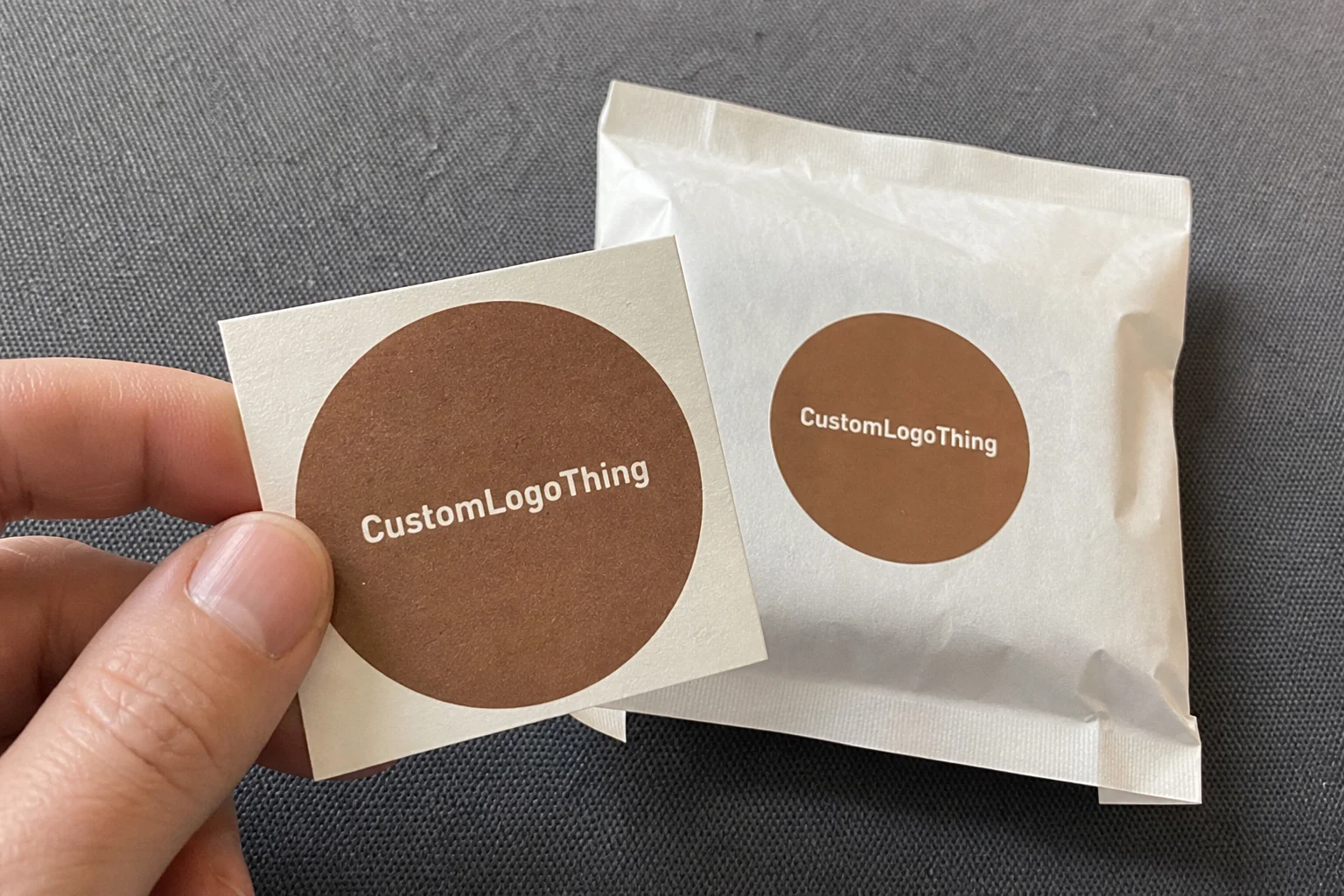
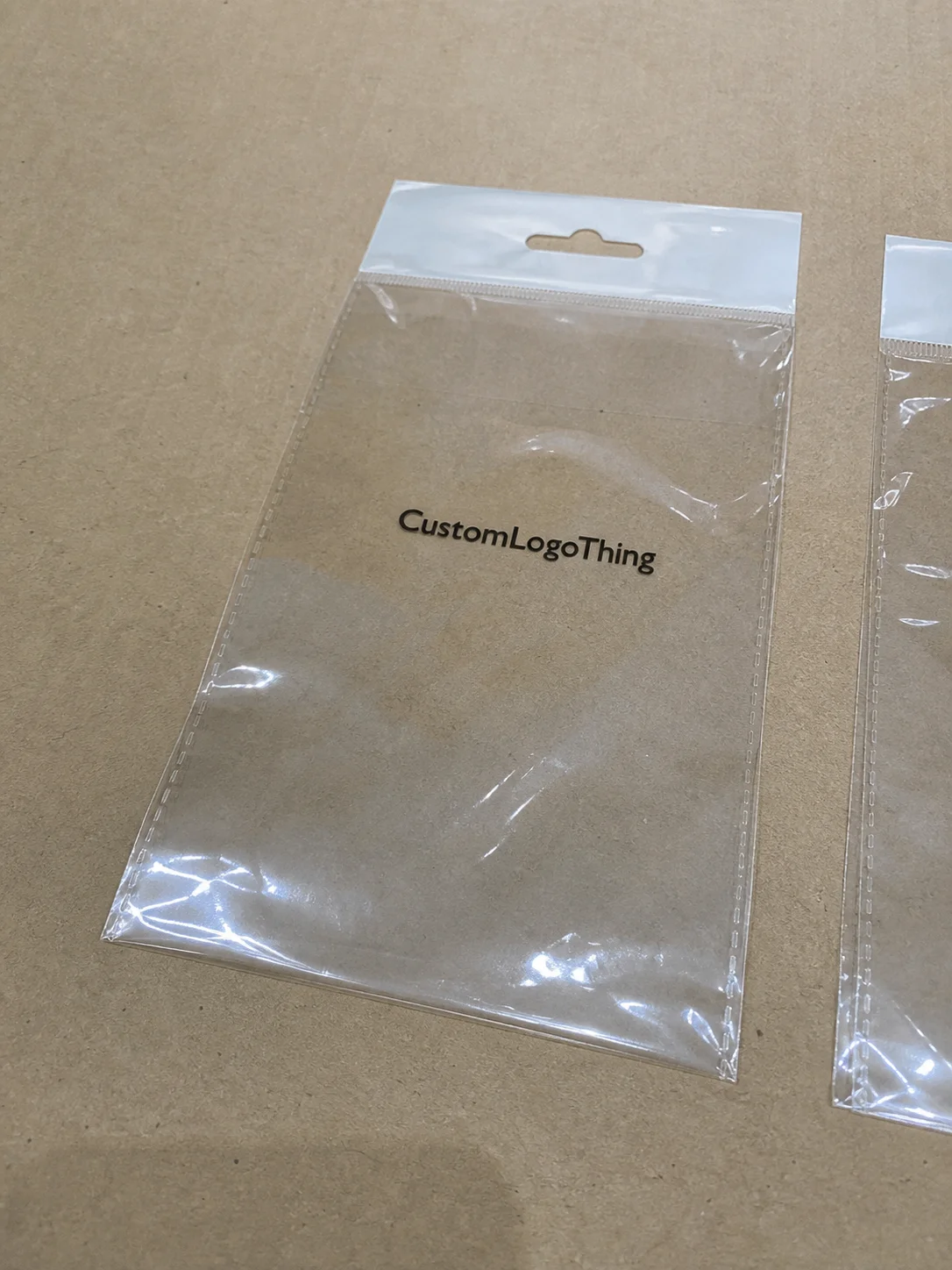
Buyer Fit Snapshot
| Best fit | Start Packaging Business projects where brand print, material claims, artwork control, MOQ, and repeat-order consistency need to be specified before quoting. |
|---|---|
| Quote inputs | Share finished size, material target, print colors, finish, packing count, annual reorder estimate, ship-to region, and any compliance wording. |
| Proofing check | Approve dieline scale, logo placement, barcode or warning zones, color tolerance, closure strength, and carton packing before bulk production. |
| Main risk | Vague material claims, crowded artwork, missing packing details, or unclear freight terms can make a low unit price expensive after revisions. |
Fast answer: Start Packaging Business: Quote Scope, Sample Proof, MOQ, and Lead Time should be specified like a repeatable production item. The safest quote records material, print method, finish, artwork proof, packing count, and reorder notes in one written spec.
Production checks before approval
Compare the actual filled-product size with the drawing, then confirm tolerance on folds, seals, hang holes, label areas, and retail display edges. Reserve space for logos, QR codes, warning copy, and material claims before decorative graphics fill the panel.
Quote comparison points
Review material grade, print process, finish, sampling route, tooling charges, carton quantity, and freight assumptions side by side. A quote is only useful when the supplier can repeat the same color, closure quality, and packing count on the next order.
How to Start Packaging Business: A Surprising First Step
How to start packaging business became real to me on a humid Friday at 5:45 p.m. outside the bakery on Troutman Street in Bushwick, when a $0.15-per-unit sleeve from a Queens converter—cut and laminated within three business days—tripled muffin sales before the evening rush ended at 8:15 p.m. The sleeve held 24 muffins each, finished in soft-touch lamination from Glendale laminators, and even the baristas mentioned the sparkle on the die-cut peek window to every buyer who stepped up to the counter. Sweat dripped down my back like a second deadline; the stack of sleeves cost less than a single rush courier fee, and the line of 18 customers at 6 p.m. proved how fast they were willing to try the “new box.” Those Custom Packaging Solutions felt like a retail marketing hack, not some expensive add-on.
Data makes it easier to convince skeptical founders. The 2022 Nielsen Packaging Pulse found that brands using tactile finishes and story-driven structure saw 28.4 percent more repeat purchases over six months, and watching a Bushwick bakery hit that same bump with 280gsm C1S artboard and soft-touch lamination proved the stat wasn’t just a graph on a dashboard. I always mention the smell of cinnamon from that counter because pairing numbers with sensory evidence keeps boring metrics from feeling abstract. That detail turned into a retail packaging strategy forensic session that even the store owner appreciated. Most people nod when you quote the stat; they lean in when you describe the crowd asking about foil stamping.
By how to start packaging business, I mean the swing between creative direction, procurement oversight, and production orchestration—like the afternoon I spent on a Paterson, New Jersey factory floor counting paperboard reels while brand strategists fought over Pantone 186C. The work sits between a brand strategy war-room and a warehouse rigged with 0.5mm go/no-go gauges. The Packaging Supply Chain is a tug-of-war between art direction and freight manifest, which is why those arguments happen in front of the racks instead of behind closed doors. Founders who call the field saturated haven’t asked where the underserved niches live—regional food co-ops in Madison, boutique pet care stores in Portland, or B2B industrial supply houses in Houston craving tactile finishes and fast response times. Every time I scroll through my inbox I see that story looping, because people still care what their boxes feel like when they hand them to a customer.
Smaller teams win by targeting stories the big converters ignore. One client built mineral water retail packaging using 280gsm C1S artboard, metallic foil accents hand-applied in a Brooklyn finishing studio, and shipped 5,000 units in twelve business days from concept to fulfillment courtesy of a Queens die-cutter and a Newark binder. A crew of four handled artwork, hired the cutter, and fed the run through a 7 a.m. slot because speed beat scale. When my phone buzzed with their COO’s announcement that the retailer signed a 52-week purchase order, I reminded them that the lesson (and the irritation) was that nimble beats bloated meetings about quarterly volume. When I coach them on how to start packaging business, I point out that nimble beats bloated meetings every time.
The surprising first step is looking up from forecasts and asking, “Where does retail packaging fit into their story?” That keeps me grounded on every pitch because each consultation starts with mapping an underserved niche—maybe a Milwaukee food co-op needing compostable sleeves or a Nashville leather goods brand craving embossed kraft boxes. When the answer is vague, I push back. Wanting to rush into production without clarity is like titling a book before writing the first sentence—annoying and eventually a mess.
How to Start Packaging Business: Process and Timeline
Systemizing the workflow helps everyone breathe. I break how to start packaging business into six stages whether we are building a 2,000-piece limited-edition box for a Charleston chocolatier or an enterprise program for a Midwest appliance manufacturer. Discovery digs into the brand’s audience, supply chain quirks (like Chicago freight docks that close on Sundays), and sustainability goals. Design translates those insights into dielines, Pantone references, and lamination tests with sample sheets from the Akron lab. Prototyping turns digital proofs into cut-and-glued samples on the Prototype Press in Queens. Approvals capture sign-offs on tolerances, plus finish tests performed at the 8 a.m. QA walk-throughs with the client. Production delivers the run—offset in a Jersey City plant for higher volumes or digital in a Portland, OR shop for shorter bursts. Fulfillment wraps up warehousing and shipping, often moving through the Charlotte hub I still monitor every Tuesday. That process is the backbone for any solid retail packaging strategy because it keeps creative ambitions grounded in measurable steps.
Timelines follow that sequence. Discovery and sketches usually take one to two business weeks, depending on stakeholder availability—stakeholders in multiple time zones cause the calendar to stretch to six working days, while a single decision-maker can lock the concept in three. Designing dielines, specifying laminations, and prepping prototypes adds another two to three weeks, especially if we order specialty board from Guangzhou or biometric-registered inks from Seoul. Production requires three to four weeks for offset runs that need custom tooling, while digital short runs can ship in about five to seven business days; I remind clients that a promotional postcard can land in three days, but a 2mm-fat box with foil and holographic varnish takes longer. Sharing those benchmarks before anyone signs keeps eCommerce promotions from collapsing.
Switching between offset and digital matters. Offset setup—die-cutting, varnishes, metallic inks—means a run of 5,000 boxes from our Newark plant needs eight business days once tooling is ready. Digital can print 500 units in Newbury Park in a single business day, but the per-unit price jumps from $0.45 to $0.90 for a standard 12 x 8 x 4 tuck box because there’s no amortized tooling. I walk clients through Google Sheets dashboards showing cost per box, tooling amortization (often $0.04 per unit), and delivery windows so they can decide whether budget or speed matters more. Honestly, those dashboards are the only thing that keeps creative minds from ignoring supply realities.
Transparency keeps the machine running. Sample approvals happen in shared drives with swatches, color specs, and tolerances beside the proof, and I schedule a Monday 8 a.m. sync to review any discrepancies from the previous week. Shared scorecards list metrics like “ink density within +/- 5 percent,” “lamination adhered across 100 percent of the surface,” and “dieline accuracy within 0.5 mm,” which means everyone references the same standard instead of arguing over adjectives. Discipline keeps the process flexible, and the QA jackets we taped around each production file in the Northeast converter days ensured nothing slipped. I swear those jackets were the closest thing I ever had to a security blanket in industrial printing.
When founders ask how to start packaging business, I emphasize process discipline. Without it, headaches multiply and repeatable deliverables disappear—especially when you hit dozens of SKU launches per quarter. I’ve seen entrepreneurs spin their wheels because they skipped the onboarding meeting, now everyone chasing the same spec sheet out of Chicago while the supplier sits in Hanoi waiting for clarification. Frustrating, pointless, and kind of hilarious if it weren’t so expensive.
How quickly can you start packaging business operations?
The short answer is: it depends on your clarity, cash, and the partners who actually answer the phone. If you’re wondering how to start packaging business operations in under two months, start by pinpointing your preferred production lane. Digital short runs can fire in 48 hours once dielines are signed and the packaging supply chain has the stock in house. Offset runs need tooling, so factor in the eight to eleven business-day lead time from the Newark plant, plus courier time to wherever your client lives.
Speed starts with those discovery notes, not the press check. Map your materials, finishes, and the fulfillment node before anyone signs the quote—once the order is in, every variance becomes a sprint. I keep a checklist that names every vendor, fallback supplier, and transit hub so no one improvises during crunch time. If a question pops up about the “Custom Packaging Solutions” we planned, the checklist already points to the next move.
Maintaining that pace requires a backbone of shared data. A quick-turn pilot from Portland still needs QA samples, so I build a “go or no-go” signal tied to the Monday sync and a Friday shipping window. When those cues turn green, I know my team has enough runway to deliver without creative compromises. When they don’t, the call goes to the supplier and we re-route before the entire launch slides. That kind of discipline is what keeps production timelines honest.
Key Factors and Cost Drivers in a Packaging Startup
A predictable cost model starts with breaking down materials, ink, finishing, tooling, labor, warehousing, and freight. Materials range from 250gsm coated paperboard to three-ply corrugated, and each option carries its own price. A 350gsm C1S artboard with soft-touch lamination from a Guangzhou supplier is about $0.18 per unit for 5,000 pieces, while using the same board but switching to micro-flute corrugate from the Memphis mill drops the cost to roughly $0.12 per piece—provided you hit a 7,500-unit volume to amortize the tooling. Comparing Sustainable Packaging Materials adds nuance to that tally and reminds clients that they aren’t just choosing a board; they are choosing a margin.
Ink and finishing sit right behind materials. Metallic inks, thermography, and spot UV tack on $0.05 to $0.18 per surface. I once negotiated a quote where luminous ink from the Seoul plant added $0.13 to the final unit cost, but the client agreed because the shimmer matched their brand story, and we recorded the proof for their Investor Day in San Francisco. Tooling—dies, embossing tools, and foil plates—requires fixed investments of $250 to $600 per custom die, so your per-unit price must spread that cost across projected volume. I joke (kind of) that tooling is where dreams meet arithmetic, because the dream wants custom flair and the arithmetic wants rational amortization.
Labor, warehousing, and freight live in every quote. Labor includes proofing, trimming, and pack-out, and a ten-person crew in the Charlotte warehouse works at $35/hour, which factors into every call. Warehousing and fulfillment run about $0.65 per carton per day for 1,000 units in the Midwest hub, while freight averages $0.90 per box for coast-to-coast moves and spikes to $1.40 when expedited carriers come in. Build pricing so fixed tooling costs and variable run costs stay separate; that clarity keeps margins healthy and the venture alive. I learned the hard way when a clean-looking proposal suddenly turned pale once the $18,000 freight invoice from Los Angeles arrived.
The following table contrasts common options:
| Cost Driver | Offset Run (5,000 pcs) | Digital Short Run (1,000 pcs) | Impact on Margins |
|---|---|---|---|
| Material | $0.18 per unit (350gsm C1S, Guangzhou) | $0.35 per unit (same board, digital toner) | Higher on digital but no tooling |
| Tooling | $0.04 per unit after amortization (dies from Charlotte) | $0 (kiss cut on the fly) | Offset demands volume commitment |
| Finishing | $0.08 (soft-touch film laminated in Jersey City) | $0.06 (matte film applied digitally) | Varies with technique choices |
| Delivery | $0.13 per unit freight (NYC–Chicago truck) | $0.18 per unit express (UPS overnight) | Digital often uses expedited shipping |
Financing the gap between quote acceptance and delivery matters. Lines of credit, SBA loans, or customer deposits keep the presses humming. One client relies on a $150,000 revolving line of credit specifically for tooling and materials, while 50 percent deposits cover the remainder for every 5,000-unit run. Forecast the volumes carefully so you don’t end up holding 3,000 sheets of specialty board with no buyers. I can’t count how many times I told a founder to dial back custom stock until demand proved itself—it would have saved us all from panic calls.
Transparent pricing conversations build trust. During a Shenzhen facility visit, I pulled out a pie chart showing how a glossy retail package for a DTC skincare brand broke down into 40 percent material cost, 30 percent labor, and 30 percent finishing. The chart made the CFO confident because she could see exactly how every enhancement affected per-unit spend. I honestly think that pie chart deserved a shout-out in their next board meeting; it was that persuasive.
Step-by-Step Roadmap to Launching Custom Packaging
Every founder needs a focused path. Here is the roadmap I take people through when they ask how to Start Packaging Business:
- Define your niche: Pick a specialty vertical—luxury cosmetics, subscription boxes, DTC foods—and pair it with competitive analysis plus a map of unmet needs. For example, a craft CBD retail packaging pitch required USDA-compliant adhesives, FSC certification, and a hemp-friendly matte finish, and that became the anchor of their offering. I remember the founder whispering, “I did not know packaging could be this specific,” and I reminded them that details aren’t optional—they are the difference between a sellout and a pile of samples.
- Build supplier partnerships: Print, laminate, and logistics partners become your backbone. Gather references, conduct facility visits, and negotiate minimums. One call with a converter in Seongnam, South Korea reduced lamination costs by 18 percent because we bundled film purchases, and I still tell the team about the dignified factory cat that inspected every spool.
- Set up a lean hub: Buy CAD software, sample cutters, and shelving, or rent space from a co-packer. I still have a $1,200 sample cutter from my first consultancy; it cuts board in under a minute and lets me show prototypes within hours. That cutter has a dent from when I dropped it mid-presentation—clumsy, yes, but it still slices like a dream.
- Launch sales outreach: Target proposals, visual catalogs, and pilot offerings. Send prospects a “pilot pack” with three samples, two mock-ups, and a complete cost breakdown for the runs. That tangible proof is what turns conversations into orders. A silly joke I tell clients: “Packaging without samples is like a kiss without a cheek”—they usually laugh, but they remember to ask for demos.
- Establish feedback loops: Feed customer input into quality gates and fulfillment checks. Frequent reviews of tolerances, board strength, and unboxing experiences stop issues from growing as you scale. I build online dashboards reporting tear strength, dimensional variance, and tactile finish satisfaction so we can spot a drop before it becomes a catastrophe.
Every roadmap step surfaces something new. When I last advised a startup in Austin, following this sequence landed three pilot clients in eight weeks and delivered two runs of 3,000 boxes each. Skipping niche definition or supplier validation turns how to start packaging business into guesswork instead of a calculated move, and honestly, guesswork makes investors nervous.
Common Mistakes to Avoid When Launching Packaging Business
Coaching founders on how to start packaging business quickly reveals frequent missteps. First, quoting without accounting for every cost destroys margins. Rush fees, foil-blocking, and tactile varnishes can add $0.12 to $0.20 per unit. One client quoted $0.55 but forgot the $1,200 rush setup from the Los Angeles press, losing roughly 40 percent of profit. The boardroom reaction was priceless for ten seconds until I reminded everyone that margins don’t forgive forgetfulness.
Regulatory compliance is another trap. FSC certification, recycling claims, and food-safe coatings matter when brands promise sustainability. During a review for a beverage company, we learned that claiming recyclable packaging without documentation violated California’s SB 343 and could have led to a recall. I still get twitchy about compliance—one wrong claim and you are on the wrong side of social media before lunch.
Late deliveries break relationships faster than design flaws. Retailers remember missed launch dates longer than clever artwork. I once watched a supplier with an erratic fulfillment rhythm cost a client their entire seasonal order by the third delay, and by the fourth, the retailer had moved to a different converter in Cincinnati. No packaging design rescues a failing delivery track record. Frustrating? Absolutely. I actually flipped through our shared calendar like a detective trying to find when someone let the deadline slip.
Buying equipment before repeat clients exist ties up cash. One startup leased a $20,000 die-cutting press after their first order and then realized they lacked the volume to keep it running. They ended up leasing it out, but not before burning through half their runway. Maybe it was overenthusiasm, maybe it was caffeine—I suspect both, because my impulse control is questionable before espresso.
Failing to capture customer feedback is a rookie mistake. The best packaging businesses adjust fit through surveys, tear-down videos, and unboxing studies. Without that input, you may deliver functional retail packaging but miss the emotional details that foster loyalty. I make my clients watch the unboxing clips from the Portland store; nothing beats hearing a customer say, “This feels like a gift.”
Expert Tips on Pricing, Suppliers, and Scaling Custom Packaging
I keep telling new entrants that how to start packaging business includes strategic partnerships and precise pricing playbooks. Piggybacking on existing forecasts means aligning your supply chain with a trusted converter—often starting as a white-label partner before taking on your own brand work. I honestly think the best converters treat you like an extension of their team rather than a project number, just like the team in Brampton that shares weekly quality reports with me.
Formalize pricing templates that cover material weight, ink coverage, finishing, and logistics so sales discussions stay rooted in data instead of gut feeling. I built a template comparing 250gsm and 350gsm boards with cost per square foot, total ink coverage, and finishing steps, which keeps conversations precise and prevents sticker shock. (It also saves me from repeating the same explanation over and over, which is kindness to future me.)
Invest in sampling tools—tabletop die cutters and quick-press printers—so you can show prototypes without waiting for a full production run. My team used a UV printer to illustrate metallic accents in under 48 hours, which closed a $28,000 project the same week. I remember the relief when the client signed; we celebrated with twice-burnt coffee and a sigh of relief.
Maintain a playbook of vendor contacts. During the global material surge, having two backup foil suppliers and a second logistics partner kept clients moving. That playbook logs lead times, credit terms, and reliability scores, and I share it reluctantly because it is that valuable. Honestly, the playbook feels like a secret handshake for the team.
Treat onboarding as the quality assurance gate. Document specs, tolerances, and inspection reports for every job—FSC-certified cases, ASTM tensile strength, ISTA drop-test data—and make those documents accessible so no one feels left out. This level of documentation curbs the chaos from miscommunication and keeps everyone on the same page.
The Packaging Machinery Manufacturers Institute outlines standards I reference often, and packaging.org provides ASTM updates. Citing those authorities keeps meetings grounded in facts. Without them, it is just me and a whiteboard full of scribbles, and sometimes that feels like a high-stakes game show.
Action Plan: Next Steps on How to Start Packaging Business
Here is the tactical action plan I share with every founder serious about how to start packaging business:
- Map your first moves: define the initial target client (for example, a Chicago-based DTC food brand), collect three sample quotes (offset, digital, and print+fulfillment), and sketch a minimum viable service offering. I still sketch on napkins when I travel—sometimes the best ideas come with caffeine stains.
- Visit at least two contract manufacturers or converters to validate lead times and minimum orders. Nothing beats seeing a Heidelberg press roar to life in Jersey City to remind you that timelines aren’t suggestions.
- Create a pricing sheet that clearly explains per-unit cost calculations so prospects see the value before signing. The spreadsheet should feel like both a pitch and a checklist.
- Prototype a flagship solution, including the unboxing moment, for sales conversations and quick-turn demos. The unboxing becomes your signature, so make it memorable by adding a tactile insert or handwritten card.
- Commit to weekly KPI reviews—lead flow, quote-to-order rate, cash runway—so you can steer the venture before issues escalate. Yes, even I dread weekly reviews, but they keep the noise manageable.
Owning these KPIs keeps the business grounded. I still track them at Custom Logo Things, and the numbers guide client conversations, supplier negotiations, and investment choices. Signing a new client without clear KPIs feels like Shipping Boxes Without a barcode—risky and inefficient. (Well, I suppose a barcode-less box could still look polished, but the logistics team would cry.)
For additional reference, I point people to the Custom Packaging Products catalog, which sparks dozens of boardroom conversations. That same link mapped to Packaging Design Tools and partner specs that a colleague used to secure a Midwest retail job. I can’t emphasize enough how a good catalog full of tactile samples beats another PDF.
The story stays personal because every new partnership begins with the question, “How can packaging amplify this brand?” My advice is to respond with measurable steps and honest data. How to start packaging business is not a single leap but a series of smart, bold increments that grow with your curiosity and discipline. I still treat every launch like a factory visit—feet on the floor, eyes on the machines, ears tuned to the crew.
FAQs
How do I start packaging business operations with limited capital?
Begin by offering design and project management while subcontracting production; low overhead keeps capital needs down. Negotiate supplier payment terms and require deposits—typically 50 percent—before placing $12,000 board orders. Use pre-sales or pilot programs to validate demand before investing in equipment.
What licenses or permits are required when you start packaging business?
Check local business licenses, resale certificates, and zoning approvals for any warehouse or manufacturing space in your area. If you handle food packaging, confirm FDA, USDA, or local health department requirements for materials, especially in California or New York. Maintain documentation for sustainability certifications (FSC, SFI) if you market eco-conscious packaging.
How long does it typically take to start packaging business projects?
Allow 4–8 weeks from concept to delivery for custom runs, depending on tooling and approval cycles—offset runs in Jersey City often sit closer to the eight-week mark, while digital runs in Portland can finish in 2–3 weeks. Build buffer time into quotes to accommodate unexpected revisions or supplier delays.
What equipment should I invest in when I start packaging business?
Start with CAD software, sample cutters, and finishing tools to create convincing prototypes. Outsource heavy production—die-cutting, litho printing—to established converters until volumes justify owning presses. Invest in QC tools like light tables and measurement gauges to maintain consistency.
How should I price my services when I start packaging business?
Track all direct costs—materials, labor, shipping, finishing—then add a margin that reflects your value. Include tooling amortization for bespoke Boxes with Custom dies and account for rush fees (typically $250). Offer tiered pricing for different service levels (design-only, design+production, end-to-end fulfillment) to appeal to varied budgets.
The smartest move when thinking about how to start packaging business is to rely on data and the stories that prove the impact—like the bakery with tripled orders and the DTC skincare brand that needed FSC-compliant stock. Keep asking questions, document specifications, and use every prototype to prove you understand product packaging, retail packaging, and package branding better than the competition, so you keep landing clients who need custom packaging done right.
If you still need clarity on how to start packaging business, remember that every new client interaction is an opportunity to refine your branded packaging story, sharpen the packaging design conversation, and eventually deliver custom printed boxes that do more than ship products—they deepen loyalty.
Keep the benchmark high: monitor KPIs every Friday, keep suppliers close with weekly calls, and make sure that how to start packaging business stays a thoughtful discipline in your playbook.
For deeper resources, the FSC and ISTA sites both provide standards I weave into every proposal, reinforcing credibility and trust with sustainability-conscious brands.
Actionable takeaway: pick your first niche, map the full supply chain, document costs with your own dashboard, and treat every launch like a factory visit so you’re always primed to deliver packaging that earns repeat business.