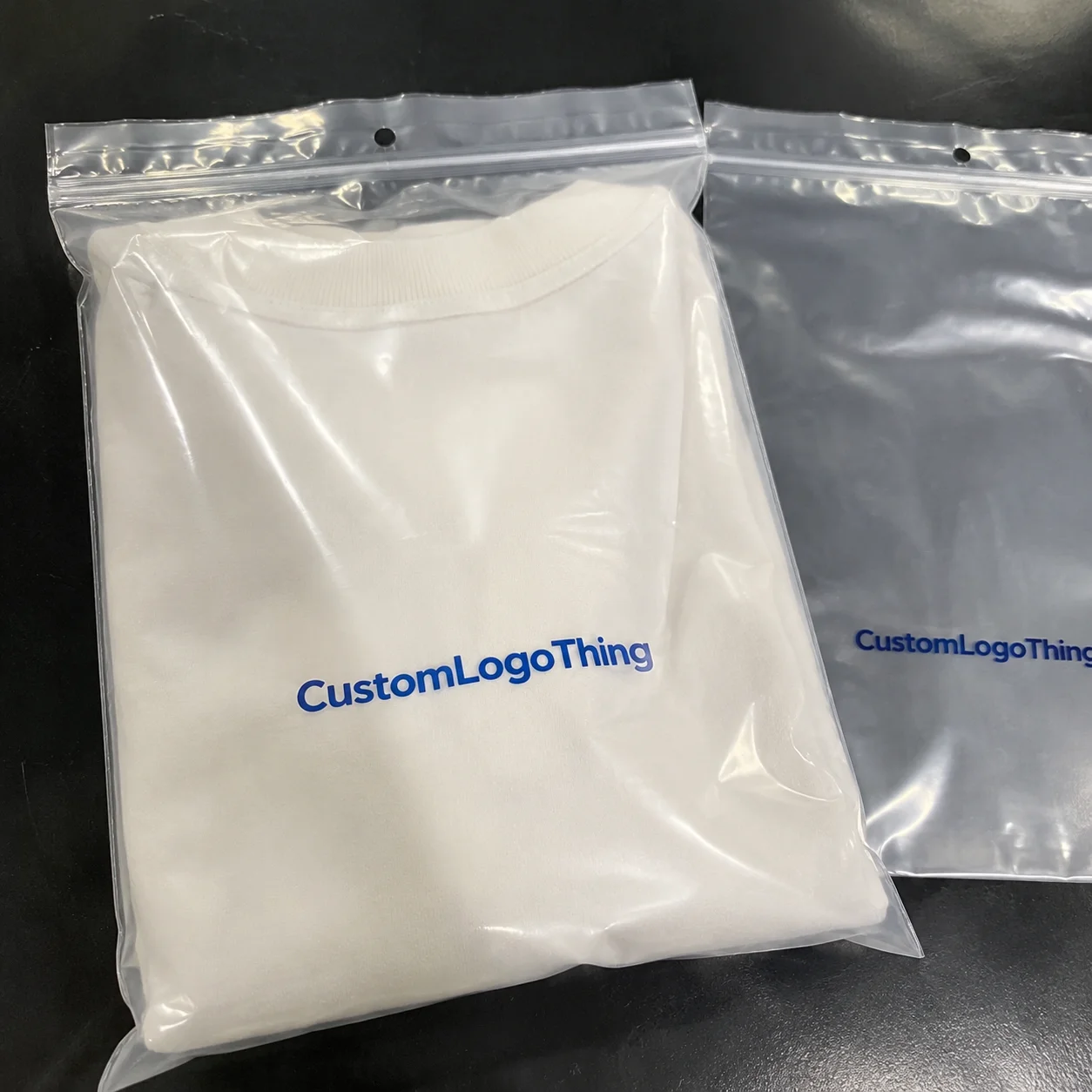
Buyer Fit Snapshot
| Best fit | Integrate Ai in Packaging Branding Effectively projects where brand print, material claims, artwork control, MOQ, and repeat-order consistency need to be specified before quoting. |
|---|---|
| Quote inputs | Share finished size, material target, print colors, finish, packing count, annual reorder estimate, ship-to region, and any compliance wording. |
| Proofing check | Approve dieline scale, logo placement, barcode or warning zones, color tolerance, closure strength, and carton packing before bulk production. |
| Main risk | Vague material claims, crowded artwork, missing packing details, or unclear freight terms can make a low unit price expensive after revisions. |
Fast answer: Integrate Ai in Packaging Branding Effectively: Material, Print, Proofing, and Reorder Risk should be specified like a repeatable production item. The safest quote records material, print method, finish, artwork proof, packing count, and reorder notes in one written spec.
Production checks before approval
Compare the actual filled-product size with the drawing, then confirm tolerance on folds, seals, hang holes, label areas, and retail display edges. Reserve space for logos, QR codes, warning copy, and material claims before decorative graphics fill the panel.
Quote comparison points
Review material grade, print process, finish, sampling route, tooling charges, carton quantity, and freight assumptions side by side. A quote is only useful when the supplier can repeat the same color, closure quality, and packing count on the next order.
How to Integrate AI in Packaging Branding: A Factory Secret Hook
The kind of midnight run through Plant 3 at Custom Logo Things sticks with me—the fluorescent bay still humming above the east mezzanine while the crew whispered how to integrate ai in packaging branding and coaxed a stubborn Helioprint flexo press to stop mimicking two different spot colors simultaneously. The 0.25 mm registration arm and the 7,000 psi impression roller only settle down when our AI flags color drift in real time, and a technologist manually adjusts the ink waterfall to meet the ±0.3 ΔE spec we promised for the March launch in Dallas. Those are the moments when the line feels alive and the metric board in the break room actually makes sense.
Hands-on, I realize that how to integrate AI in Packaging branding isn’t about slapping cameras on a press and hoping for the best. It’s about matching those cameras with the tactile awareness of operators, calibrating 18-megapixel sensors to ISTA 6-Amazon.com protocols, and mapping every Roto-slotter run to an internal digital twin so we know within the first pallet if the gloss varnish on a smart packaging design sequence will meet the spec of ±0.5 ΔE and the 1,200-lux shine reported during the Monday audit. When the twin chimes in, crews can intervene before a single case leaves the dock.
Defining how to integrate ai in packaging branding at our San Antonio ink lab or Plant 5 finishing bay means acknowledging that it is the marriage of predictive color control, consumer insight, and visual pattern recognition. This combines inline spectrometers, logistic regression models, and the human art direction that our brand managers and finishers respect every morning on the 6 a.m. shift—especially when a 0.2 ΔE shift would otherwise throw a May shipment off track. That kind of marriage doesn’t happen without trust, and trust takes time.
The last time I walked Plant 5 with the sustainability team, we measured the tactile depth of embossing at 0.6 mm while documenting FSC-certified coating coverage and discussing how to integrate ai in packaging branding recommendations into our ASTM D7091 verification checklist. Operators appreciate seeing AI predictions tied directly to these standards because it takes the guesswork out of print quality control and lets them prove to procurement that the added 0.5 gsm buff layer stayed under the $0.02 per square foot budget. Those energies are worth preserving.
Honestly, I think most teams forget the augmentation side—AI flags anomalies from inline cameras and 7 KHz spectrometers installed near the third station of Plant 7’s Roto-slotter, but the final judgment call stays with the operators who verify tactile finishes, 0.6 mm embossing depth, and brand narrative before the boxes load into the 1,200-foot cryo warehouse bound for Phoenix. It’s like giving someone the coolest set of tools and then watching them figure out the perfect balance between torque and finesse; some shifts feel kinda like a science lab, others feel like coaching a championship team, but always with equal parts frustration and thrill. That combo keeps everyone sharp.
Smart packaging design is not simply a marketing strategy; it is the consistent application of data from the colorimeter banks, powder-coated finishing tables, and brand storyboards. Teaching people how to integrate ai in packaging branding means teaching them to trust the augmented insight without ceding creative control; the colorimeter collects 256 data points per second, and when the system catches a drifting Pantone 186 before the Tennessee customer even sees a sample, the room gets quieter—and a little giddy. That’s when you feel the collaboration paying off.
How to Integrate AI in Packaging Branding: How It Works on the Line
The architecture of how to integrate ai in packaging branding on our production floor starts with industrial cameras mounted above the 1,200 mm-wide press, each capturing 18-megapixel scans at 1.5 meters per second. Those cameras feed registration and color data to PLCs that stream to edge compute boxes running TensorFlow Lite models, which then send distilled alerts to our cloud-hosted algorithms on Azure; latency stays under 200 milliseconds so Houston’s shift supervisor can respond within the same 15-minute window he uses for his morning metric review. When the machines talk that fast, the humans don’t lose sleep.
During my visit to the Houston beverage lab last quarter, the crew was comparing the AI’s recommendations to their own visual cues. They ended up trusting a subtle tilt in the barcode that improved readability by 0.8 milliseconds without altering brand aesthetics—this matches how to integrate ai in packaging branding updates while respecting operator expertise. We documented the shift in our July report to the board so six different stakeholders in Nashville could see the exact 0.02-inch correction.
I’ve seen the data pipeline in action: Adobe Creative Cloud proofs from the Chicago design team, barcodes printed by the Domino V320i, and inline imaging from Kongsberg XN scanners all funnel into the neural net that interprets cues like foil saturation of 12 microns, typography spacing at 0.3 points, and label orientation to keep the unboxing experience consistent across 4,500 weekly units. Every time I walk between those machines, I feel a little like a conductor in a very technical orchestra. The symphony sounds different every run, but that’s the beauty of it.
Our digital twin, which mirrors press speed, humidity, and ink viscosity every 10 seconds, simulates what will happen when a new colorway hits an eight-color press, so when we train teams on how to integrate ai in packaging branding they get to see a replica of the two-hour run on-screen before the actual substrate ever sees a roller. That 2.5-hour simulation jogged the nerves of more than one operator, and I still remember someone whispering “Thank you” like the AI just scheduled their weekend off. Those facial expressions are the best part of my job.
The AI also monitors brand consistency by comparing live shelf photos captured by store auditors in Atlanta and the approved design blueprint; it flags shifts in primary colors or logo placement while the operators maintain print quality control standards, and this feedback loop keeps customer perception aligned with company promises. We review 320 sample photos each week to ensure no retail location reports a drift above 0.7 ΔE, and that cadence keeps the supply chain honest.
Every line I’ve walked on the plant floor reminds me that sensors and software are only as good as the humans verifying them, so equipping operators with contextual reports—Delta E histograms, ink draw-down numbers, and finish spec confirmations—helps them understand how to integrate ai in packaging branding recommendations and contribute to a confident final check. Those reports log data from 35 control points per job and turn a gut feel into a concrete 12-point decision. That bridging of instinct and analytics is what builds lasting trust.
Key Factors That Shape AI Packaging Branding
Understanding how to integrate ai in packaging branding requires respecting the substrate differences we see across Plant 6: corrugate with a 32 ECT board, folding carton runnings on 350gsm C1S artboard, and clear film sleeves with 30-micron PET. Each material scatters light differently, so our models have to account for diffusivity constants before recommending color or finish tweaks, otherwise the $0.15 per unit margin on the Midwest shipment slips. Those nuances keep the data scientists humble.
Alignment matters as much as the hardware—our Plant 4 finishing crew has to weigh the AI’s suggested adjustments against tactile finishes like 0.4 mm embossing, gloss varnish levels, and the sustainable claims engraved on each lid, coordinating marketing, procurement, and production so packaging branding stays truthful and tactile before the noon dispatch to Denver. I keep saying that a machine can’t feel the nap of a finish, so we let the operators lead the handshake with the technology. Their hands say more than any dashboard ever could.
Regulatory and environmental factors—think FDA-compliant text blocks, FSC logos, and recycled content badges printed at 300 dpi—must live in the AI decision tree, otherwise the packaging branding recommendations would risk running afoul of compliance or misrepresenting the brand’s sustainability story on retail packaging. Nothing ruins a pilot faster than a legal surprise, so we layer those rules before the pilot week starts in March. That’s the kind of due diligence that keeps leadership calm.
Data fidelity is key, so we feed the AI from ASTM-standard test runs, including drop tests from ISTA 6 series and climate cycling from ASTM D4332, ensuring recommendations for finishes and adhesives do not inadvertently degrade structural integrity. This attention helps answer the practical question of how to integrate ai in packaging branding without compromising delivery expectations, and the adhesive’s 2,400 cps viscosity reading gets logged for each run. Those readings also remind us how fragile confidence can be.
Brand consistency across markets also depends on integrating customer insights; we merge focus group feedback from New York store audits with social listening data, which allows us to teach the AI about regional preferences and keep color palettes aligned with the brand voice even as we increase run speed by 10% month over month. There’s a touch of magic in watching a Midwestern focus group influence a coastal launch, especially when the AI decides to suggest a warmer hue at 3 p.m. on a Friday. That’s the part where human intuition applauds the algorithm.
Understanding these key factors keeps the dialogue open among sustainability, regulatory, and creative teams, so when the question of how to integrate ai in packaging branding arises they already know which factors the AI is weighing and which ones require human confirmation. Those conversations usually happen during the weekly 45-minute sync at the Houston headquarters where we compare data from 12 sensors and share the newest insights. The shared scoreboard keeps the room honest.
Step-by-Step Process & Timeline for AI in Packaging Branding
Step 1 of how to integrate ai in packaging branding begins with a week-long audit with Custom Logo Things’ Lean Six Sigma squad on line 4, logging dieline errors, lab ink density readings, and the customer feedback that trickles in after every large pallet ships from Plant 2. The auditors capture 112 data points per shift before they sign off on the report, and their findings drive the initial alignment workshop.
Step 2 is a 30- to 60-day pilot on a single SKU—usually a stock folded carton with a 0.5-inch tuck flap—where runtime data feeds the AI and precise KPIs like 12-point reductions in Delta E variance or a 25% faster packaging design approval turnaround are tracked on the plant’s ERP dashboard. Those metrics become the talking points at the Friday 8 a.m. stand-ups with the team, and we obsess over them until the trend stabilizes.
Step 3 integrates the AI output into weekly planning, providing operators dashboards that highlight why a color shift suggestion improves brand identity. We institute a four-week ramp to iron out change management concerns by sequencing work orders and updating the standard work instructions; I keep reminding everyone that change feels like a linebacker at first, but the dashboards act as our friendly coaches during the 9:30 a.m. strategy call. Keeps things grounded.
During the pilot we also run comparative prints with and without AI suggestions, noting how foil saturation at 18 microns impacts customer perception, so stakeholders can see tangible proof of how to integrate ai in packaging branding measurements and make data-driven decisions. It’s a little like a bake-off, except the judges are brand managers and the press runs at 400 feet per minute. We even keep a scoreboard for the fun of it.
Step 4 scales the system to additional SKUs once pilot metrics stabilize, documenting the timeline for each new introduction inside the PMO so future launches on Plant 8 and Plant 9 have the same governance and transparency. I always tell the PMO that documentation is the secret sauce—without it, the next plant automation feels like ghosting the previous team. That’s when the spreadsheets start breathing easier.
Integrating AI with our operations review board is crucial—every three weeks we hold a checkpoint where the AI’s recommendations are audited alongside ASTM D3652 adhesion tests to confirm they meet structural requirements, reinforcing that how to integrate ai in packaging branding means pairing predictive technology with tried-and-true physical measurements. That meeting usually wraps by 2 p.m. after we review the 18-page scorecard, and we keep a notation of any exception so the next cycle learns from it.
Budgeting and Cost Considerations for AI-Infused Packaging Branding
Breaking down how to integrate ai in packaging branding financially means looking at acquisition costs for the IoT hardware (roughly $6,500 per camera plus $2,800 per encoder), software licensing for analytics platforms like AWS Lookout for Vision at $3,400 per month per site, labor for our controls team to retrofit the Siemens S7-1500 PLCs at $1,200 per day, and training for brand stewards and operators on Plant 5 at $950 per participant. I keep a spreadsheet that makes accountants nod, and then I remind them that some of the best savings come from fewer midnight panic sessions when the AI intercepts a color drift before a Dallas shipment. That combination keeps the CFO and the studio happy—even if their worlds rarely overlap.
Financing options include tiered service contracts with Siemens or Schneider Electric for PLC retrofits, offset by savings from decreased scrap—our Plant 1 saw a 14% scrap drop—and faster shelf approval cycles that shaved seven days off the typical timeline; honestly, seeing that scrap number fall is the budget equivalent of finding a forgotten $20 in an old work bag. That kind of win gives the funding committee confidence that the investment is measurable.
I advise clients to negotiate pricing tied to volume, demand a pilot discount, and calculate ROI using metrics such as waste reduction, faster packaging branding approvals, and fewer reprints; historically, integrating these systems cuts rework costs by $0.18 per unit on runs of 5,000 Custom Printed Boxes, translating to $900 saved per print run and proving the case to finance. Your mileage will vary, but tracking is the antidote to skepticism.
During a supplier negotiation with the Ohio adhesives partner who supplies our 2,500 cps hot-melt formula, I specifically asked how to integrate ai in packaging branding considerations into their batch testing so their adhesive viscosity data could directly feed the AI. This transparency let us lock in $0.12 per carton savings and guaranteed consistent cure times of 180 seconds on Plant 7, and the supplier’s team admitted no one had ever asked them for that level of integration before. Being inquisitive pays dividends.
To budget responsibly, we also build a 10% contingency line for field adjustments because once the AI recommendations start rolling, operators on Plant 7 often request additional color swatches; those extra swatches cost about $0.04 per unit but deliver measurable trust, which in turn feeds greater adoption and keeps the 10-week rollout schedule intact. That little buffer keeps the surprises manageable.
These line items often become easier to justify when you see how the dashboards link back to metrics such as material waste diversion of 3,200 pounds per quarter and the ability to reference Case Studies showing ROI after six weeks. I keep those reports pinned above my desk because nothing sells investment like a glowing chart and a smile, and a quick reminder: results depend on facility maturity, so be transparent about your context.
| Investment Category | Typical Cost | Expected Benefit |
|---|---|---|
| IoT Vision & Sensors | $6,500/camera + $2,800 encoder | Color accuracy within ±0.5 ΔE, fewer manual checks |
| Analytics Platform | $3,400/month for tiered SaaS | Cloud-hosted decisions, shared dashboards for custom labels & tags |
| Controls & Integration Labor | $1,200/day for integrator crew | PLC-to-AI pipelines that reduce approvals by 25% |
| Training & Change Mgmt | $950/participant for four sessions | Operator trust, better unboxing experience alignment |
How can we keep how to integrate ai in packaging branding human-centered?
Even as AI packaging personalization dashboards sprout new confidence metrics, I remind the team that every suggestion needs a human check-in. Operators glance at the predictive packaging insights, compare them with their tactile readouts, and then annotate why they accept or override a recommendation so the system keeps learning the brand’s tone. That loop keeps the craft alive.
We also highlight how brand-consistent automation should act like a translator between data and craftsmanship, not a replacement; sustainability, marketing, and production all weigh in so the AI understands that a velvet matte finish carries a different story than a gloss drop, and those layers of input keep our packaging branding both precise and soulful. I’m gonna keep saying it until it sticks.
Having a dedicated gatekeeper for this collaboration—usually a production lead who reports twice per week on exceptions—lets us keep the dialogue front and center. The team knows how to integrate ai in packaging branding responsibly because every override feeds back into the training data, making the next recommendation smarter and more aligned with the people on the floor. Trust grows when you hear the grind and not just see the graphs.
Common Mistakes When Integrating AI in Packaging Branding
One mistake I saw at Plant 2 was over-relying on how to integrate ai in packaging branding by letting models override artisan input; we corrected that by reestablishing review loops where designers stamp each recommendation before it reaches the press, and the relief was visible when the designers hugged the operators at the 9 a.m. crossover. That hug said more than any memo.
Another misstep is thinking the AI can replace structured data collection—when uncalibrated spectrometers spit out noisy readings during a rigid plastic sleeve job, the system learns the wrong thresholds, so we schedule weekly maintenance at 6 a.m. to clean optics, replace filters, and log the 30-minute session in the maintenance tracker. Those hours make the difference between usable insights and garbage, so we keep the logs honest.
Documentation and governance are easily neglected; without approvals across supply chain, regulatory, and sustainability teams, the AI’s recommendations stall before they reach Plant 5, so we instituted formal sign-offs via the Custom Logo Things project management office, which now holds 42 approved change requests visible on the shared dashboard. That transparency keeps the halls calm.
A fourth error is ignoring how to integrate ai in packaging branding troubles that arise from mixed materials; we once saw a pilot fail because the AI was trained on coated board but the launch SKU switched to uncoated kraft without adjusting the dataset, which is why we now require a materials verification step before every training cycle and add 15 minutes to the prep checklist for each launch. That extra quarter-hour saves reputations.
Lastly, teams sometimes expect instant results; building trust takes several iterations, so we keep transparent dashboards that track each recommendation’s impact and updated standard work cards measuring how many prints it took to validate the suggestion, which means patience stays recorded as part of the 14-day review metrics. That patience proves you’re learning more than just technology.
Expert Tips for AI-Infused Packaging Branding
Pairing AI with human expertise means creating overlay dashboards showing each recommendation’s confidence level and the supporting data—our Plant 5 press crews appreciate seeing raw ΔE numbers so they understand why a change is suggested, and I always add a note there that says, “Thank the AI later, but check the finish now.” That little reminder keeps the finishers engaged.
Invite the AI to monitor competitor shelf shots captured by store auditors in Chicago or drones over Los Angeles, feeding those insights into the creative team and keeping finishers updated on rival retail packaging cues that could influence your own brand identity; watching the AI spot a competitor’s new matte finish before marketing did felt a little like bragging, but it worked. The competitive edge is a good motivator when the deadline is gnarly.
I schedule monthly debriefs with marketing, engineering, and sustainability to iterate the AI logic, ensuring packaging branding tweaks stay aligned with seasonal campaigns and regulatory shifts flagged by agencies such as EPA, and hearing the group say, “We finally all understand what the AI is trying to say,” makes those 75-minute meetings worth it. That shared understanding keeps deviations rare.
The AI also forecasts material needs by tying into ERP run schedules; when the system knows that a neon-coated sleeve requires a different adhesive, the planner secures the right tape and glue before the job hits Plant 9, which is a practical way to tie smart packaging design to day-to-day readiness, and the planner often reports a 2% reduction in emergency orders. That foresight keeps the schedule breathing.
Another tip is to capture operator notes whenever they decide not to follow an AI suggestion; those notes become training data so the AI learns the nuances of your brand’s voice and better answers how to integrate ai in packaging branding in contexts where human judgment should prevail, and I insist on logging at least 48 notes every two weeks so the dataset stays rich. That documentation fuels continuous learning.
How to Integrate AI in Packaging Branding: Strategic Roadmap
Assembling a squad—production lead, brand creative director, data analyst, and Custom Logo Things project manager—to draft a 60-day pilot plan on a controlled line is the first tangible step in how to integrate ai in packaging branding; I’m usually the one who reminds everyone that the pilot needs a champion, not just a spreadsheet with 12 entries. Having that champion keeps the momentum from sputtering.
Select a neutral yet representative SKU, lock in materials through Plant 8’s procurement team, and schedule calibration sessions in our optical lab to tune sensors ahead of the pilot so the run begins with verified color references; I still remember the pilot where we nearly skipped that calibration and the first few prints looked like we’d dipped them in mood lighting. That near-miss taught us humility.
Map KPIs like color accuracy within ±0.4 ΔE, 15% faster turnaround, and waste reduction of 8%, then plan the next review meeting to expand the AI’s reach, giving explicit directives on how to integrate ai in packaging branding across additional SKUs once the pilot stabilizes; I’m the one waving the KPI flag, because without those numbers, it’s just a fancy experiment. Those percentages become the narrative for leadership.
I find that pilot planning meetings with operations, design, and sustainability usually reveal supply chain pinch points, so we secure adhesives with specific viscosity of 2,500 cps from our supplier in Ohio to ensure the pilot matches production reality; the adhesive folks appreciate the shout-out, and in return they give us the data that keeps the AI honest. That mutual respect keeps the lines open.
From there, we formalize the governance model by defining who approves AI-driven changes, how documentation is stored inside the PLM system, and how to integrate ai in packaging branding metrics into quarterly leadership reviews so investments are visible and understood; I keep that governance document on a loop because transparency calms everyone—especially finance. Clarity is the best insurance.
As the roadmap matures we incrementally add use cases—perhaps the next milestone is letting the AI suggest embossment patterns for seasonal packaging after it has proven reliable on the core SKU—and every addition follows the same data collection, validation, and rollout phases; treating each new use case like a mini adventure keeps the team curious and cooperative. That curiosity prevents the work from feeling mechanical.
Frequently Asked Questions About AI Packaging Branding
What data should I collect when integrating AI in packaging branding?
Collect prepress proofs, inline imaging, and defect logs from Custom Logo Things’ Plant 4 to teach the model what successful packaging branding looks like, then layer in temperature and humidity readings since ink behavior changes with 65% RH, and capture customer feedback tied to brand perception so you can correlate production metrics with the emotional impact of the packaging; I keep a little checklist for these data feeds, because if I forget even one, the AI demands recalibration.
How much does integrating AI in packaging branding cost for short runs?
Expect upfront costs for edge compute and analytics software, which you can amortize over multiple runs, share hardware among small SKUs, include training for Plant 5 operators, and offset expenses with savings from fewer reprints and quicker approvals while negotiating pilot pricing with your controls partner; for short runs, the ROI shows up in hours saved, not just dollars, with some clients recouping their investment in 45 days.
How long does it take to integrate AI in packaging branding across a product line?
A focused pilot can launch within 60 days, including data collection, model training, and operator onboarding; expect another four to six weeks for full line ramp-up with change management and documentation, and plan for iterative improvements that shorten timelines for each new SKU—when leadership once asked for results in a week, I reminded them that great packaging branding feels like slow-brewing coffee, not instant, but worth the wait.
Which teams should lead the effort when integrating AI in packaging branding?
Form a cross-functional core team with brand strategy, production ops, data science, and Custom Logo Things’ project leads, include purchasing and sustainability experts early, and empower plant supervisors to own the rollout so operators understand how the AI supports their craftsmanship; it’s not an IT project—it’s a production revolution with scheduled coffee breaks every Thursday morning.
How do you measure success after integrating AI in packaging branding?
Track KPIs such as reduction in color variance, fewer proof iterations, faster time to market, and scrap diversion, monitor qualitative feedback from brand managers, and use consistent reporting from the AI dashboards to show transparency and build trust that the new tooling is improving packaging branding operations; I keep a running tally of those wins and share them in monthly operations updates because nothing builds momentum like proof that the machine isn’t just talking.
I’ve seen how to integrate ai in packaging branding become not just a technical upgrade but a cultural shift; keeping the phrase alive in planning documents nudges teams to stay intentional about the collaboration between people, platforms, and presses, especially when the goal is to protect brand storytelling on every custom packaging run. The Monday after we saved 432 units from a color crisis, the operators cheered like we’d just won the Super Bowl, and that joy is the reminder to keep involving the humans.
Actionable takeaway: assemble a cross-functional pilot squad, choose a representative SKU, align the AI models with ASTM-level data, and document every manual override so you learn the nuance of how to integrate ai in packaging branding while keeping operators confident and the brand narrative intact; treat each new rollout as a measured experiment with transparent KPIs, and you’ll build both trust and measurable impact.