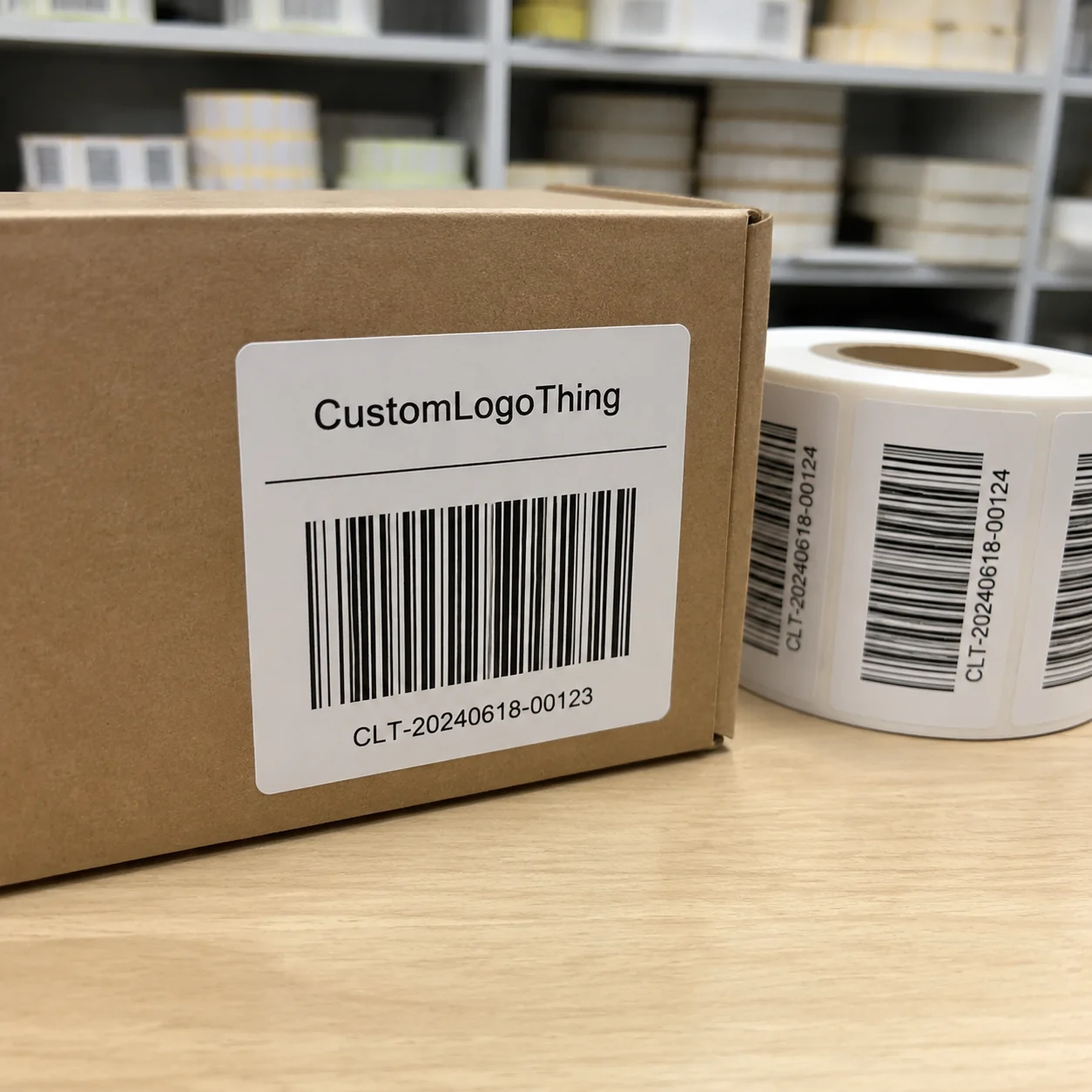
For buyers comparing iron on clothing labels Wholesale B2B Sourcing options, the screen proof is only the first checkpoint. What matters more is whether the label holds up under heat, wash cycles, and the realities of garment handling. A transfer can look crisp in approval and still fail after the first laundry run, which is where cost turns into waste.
That is why the buying decision is less about decoration and more about process control. The label has to fit the fabric, survive the application method, and stay legible after repeated wear. In bulk apparel work, those details matter more than a polished sales pitch.
Custom Logo Things focuses on the practical side of apparel identification: how the label is applied, what it touches, and how consistently it can be repeated across production runs. Wholesale buyers are not buying a novelty item. They are buying fewer labor steps, fewer failures, and a cleaner path from purchase order to finished garment.
Iron On Clothing Labels Wholesale: When It Beats Sewn-In Tags
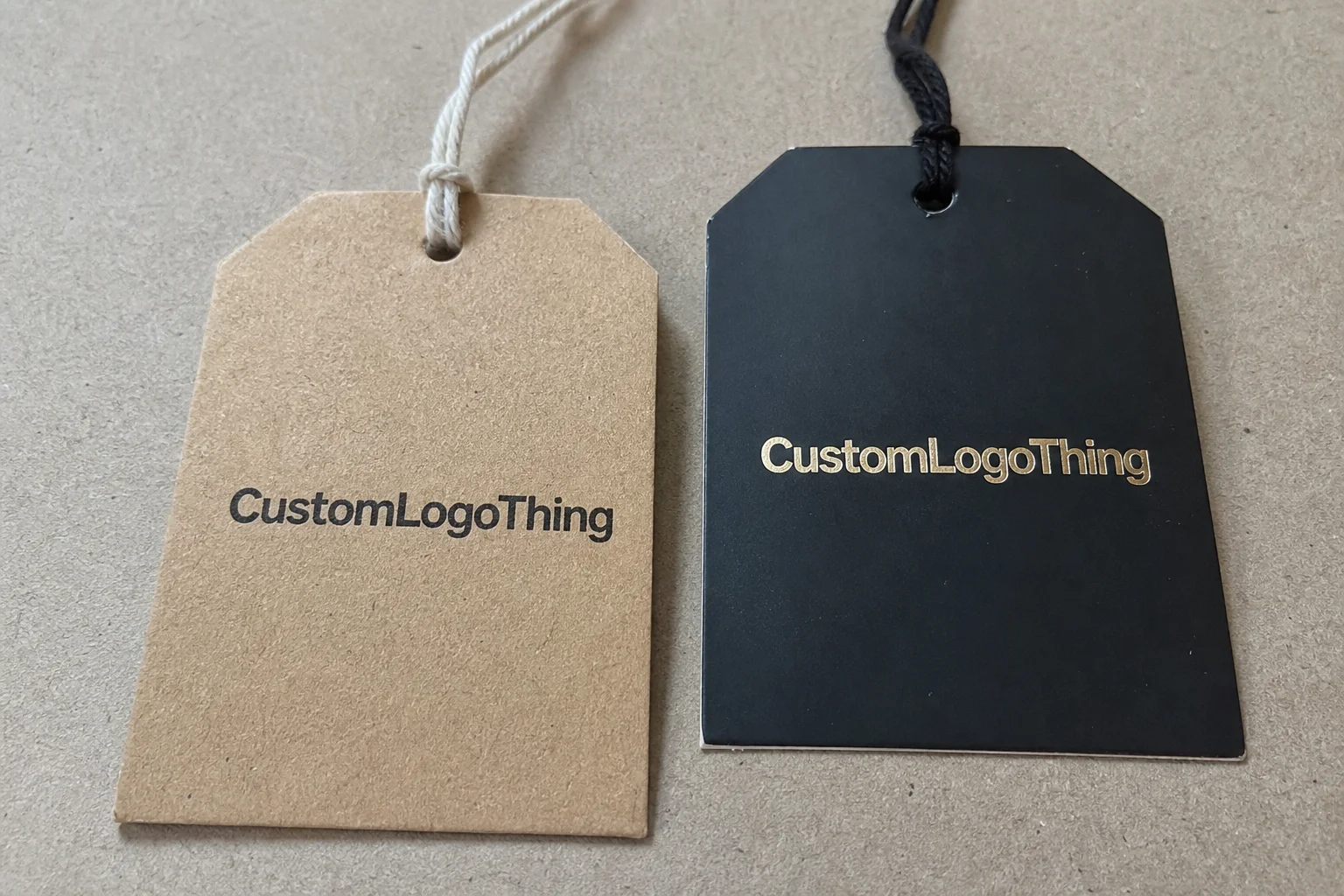
Sewn-in tags still make sense for many programs, especially where garment construction already includes stitching operations. But iron-on labels win when the priority is reducing labor and keeping the interior of the garment flat. For uniforms, kidswear, private-label basics, and short-run seasonal items, the ability to apply a label without sewing can save time at finishing and reduce handling errors.
That is the real logic behind iron on clothing labels wholesale b2b sourcing: fewer touchpoints and more predictable output. A label that can be pressed on in a controlled cycle often fits better into a production line than a tag that needs an extra sewing step, thread matching, and operator time. On a large run, even small time savings become visible in labor cost.
The math is not theoretical. If one sewn label adds 20 to 30 seconds per garment, a 5,000-piece order can absorb many additional labor hours. A heat-applied label can move faster, but only if the process is set up correctly. Temperature, pressure, dwell time, and substrate all need to line up. If they do not, the speed advantage disappears quickly.
The strongest use cases tend to be repeatable programs with clear specs:
- Uniform programs where internal branding and inventory control matter
- Children’s apparel where a flat interior reduces irritation
- Private-label basics that need a clean retail presentation
- Workwear and promo garments where application speed protects margin
- Short-run launches where speed matters more than stitching tradition
“The label choice should reduce risk, not create a new one.” That mindset filters out a lot of bad buying decisions. Compare application method, wash durability, and reorder consistency before comparing artwork alone.
Iron-on labels also help simplify inventory. Instead of managing multiple sewn tag styles and coordinating several finishing steps, a buyer can lock one specification and apply it across batches. That consistency is why many apparel teams use this route when they need predictable output across different SKUs or replenishment cycles.
Material Choices That Hold Through Wash and Dry Cycles
The construction matters. A durable iron-on label usually includes a printed face, an adhesive layer, and a carrier film or backing that keeps the transfer stable during application. If one of those layers underperforms, the result can be corner lift, color haze, or a label that loses readability after laundering.
Buyers do not need a chemistry lecture. They need to know whether the material suits the garment. Cotton and cotton blends are usually easier because they tolerate heat better. Polyester and heat-sensitive blends need tighter control on press temperature and dwell time. Denim and canvas are more forgiving on bonding in some cases, but their surface texture can make adhesion less uniform.
Finish changes both appearance and handling. A matte finish usually reads better under retail lighting and looks more restrained on basics. Gloss can intensify color and make graphics pop, though it may reflect light more sharply. Soft-touch finishes feel premium, but they are not a substitute for durability testing. A label can feel good and still fail after repeated wash and dry cycles.
For bulk programs, ask for test data instead of broad claims. A credible supplier should be able to discuss edge lift resistance, abrasion behavior, and color stability after repeated laundering. If no test method is mentioned, the claim is not very useful. Buyers should ask what was tested, on which fabric, and under what conditions.
That includes the basics that often get skipped in early quoting. Ask whether the adhesive was tested on the same fabric blend you are ordering. Ask whether heat settings were adjusted for stretch materials or synthetic shells. Ask whether the supplier has a tolerance for wash cycles that matches your sell-through expectations. The answers matter more than a generic durability statement.
For broader handling and transit context, the ISTA site is useful for understanding how product handling and packaging can affect packed goods. If your program includes paper-based inserts or cartons, FSC is relevant for responsible sourcing discussions around those components.
| Option | Best For | Typical Strength | Watch-Out |
|---|---|---|---|
| Matte printed transfer | Retail basics, uniforms | Clear legibility, lower glare | Needs accurate heat settings |
| Gloss transfer | Bold branding, bright graphics | Strong color pop | Can show glare under lighting |
| Soft-touch finish | Premium apparel | Better tactile feel | Not a substitute for wash testing |
| Higher-temp adhesive system | Denim, heavier cotton | Stronger bond on tougher fabrics | Risk on heat-sensitive textiles |
Artwork, Size, and Placement Specs for Clean Application
Good artwork saves time. Bad artwork creates revisions, and revisions create delay. For iron-on labels, vector files are usually the safest starting point. Fonts should be converted to outlines, and line thickness needs to be thick enough to survive transfer. Tiny type can blur, especially when it sits too close to the edge or uses a thin weight.
Size depends on the garment category. Infant wear usually needs smaller labels to avoid stiffness and placement problems. Hoodies and workwear can handle a larger mark. Tees often sit in the middle. A slightly larger label with clean detail is usually better than a miniature one that disappears after pressing.
Before quote approval, several production details should already be settled:
- Pantone targets or approved color references
- Black-only restrictions if the artwork has to be simplified
- Copy approval for care instructions or size information
- Minimum line thickness for icons, legal marks, or small text
- Application location such as inside neck, side seam, or hem
Placement is not a cosmetic detail. Inside-neck placement is common, but side-seam placement can improve comfort if the garment is worn close to the skin. Hem placement may work well for branding. A packaging insert can support programs where the buyer wants flexibility before the label is applied. If the label must satisfy care or origin requirements, the placement has to support that function clearly.
One small setup mistake can slow an entire production run. Buyers doing iron on clothing labels wholesale b2b sourcing should expect the supplier to flag issues early: overprint risk, unreadable copy, file resolution problems, or a size that will not hold detail after heat transfer. That is not a problem; it is the prepress check doing its job.
In practice, the cleanest files reduce friction in three places at once: proofing, sample approval, and repeat ordering. If a brand changes its logo weight or updates a care icon after the first run, that revision should be documented before production moves forward. Silent changes are where consistency breaks down.
Cost, MOQ, and Quote Variables That Move Unit Price
Pricing is shaped by quantity, design complexity, material grade, and setup effort. A simple one-color label in a high-volume run will cost less per unit than a multi-color transfer with custom packaging and a short deadline. That sounds obvious, but buyers still undercount the hidden cost of rework, rejects, and manual application time.
Minimum order quantity often reflects setup economics rather than a technical limit. If a supplier has to prepare custom substrate, align print settings, and approve a transfer test, that labor has to be spread across the order. A higher MOQ can reduce unit price meaningfully, but only if it matches sell-through or replenishment needs. Ordering too little can create a false savings story.
For an accurate quote, the supplier usually needs:
- Final artwork or at least a usable draft
- Target quantity and expected reorder volume
- Approximate label dimensions
- Garment fabric type
- Application location
- Delivery destination
- Deadline or launch date
The mistake that shows up most often is choosing the lowest sticker price without asking how long application takes or how many rejects are likely. A label that costs slightly more but applies cleanly can be cheaper overall than a bargain option that requires extra heat passes or generates peel failures. That tradeoff is central to iron on clothing labels wholesale b2b sourcing, because labor and consistency matter as much as material cost.
Unit pricing can vary widely, but bulk buyers often see stronger economics once quantities move into the several-thousand range. The exact range depends on print coverage, finish, and whether the order requires custom packaging or kitting. Tiered pricing helps because it shows the cost curve instead of forcing a guess.
If your purchasing process includes other branded components, it can help to align labels with broader Custom Labels & Tags so the visual system stays consistent across the garment and the pack. If you buy across multiple product lines, a wider Wholesale Programs structure can also reduce repeated setup work.
There is one more cost variable that gets ignored too often: application method in-house versus at the garment factory. If the label is pressed on during final finishing, the buyer needs enough labor and equipment capacity to keep pace. If the work is outsourced or distributed across multiple facilities, standardization becomes more important than saving a few cents per unit.
Production Steps, Lead Time, and Delivery Checkpoints
The sequence is straightforward, but every stage affects the schedule. Inquiry comes first, then spec review, then proofing. After that, the supplier may produce a sample or pre-production confirmation, then move into manufacturing, inspection, and shipment. If one step stalls, the whole schedule shifts.
Lead time depends on order size, artwork readiness, peak-season load, and whether revisions are needed. Repeat orders usually move faster than first-time custom jobs because the artwork, dimensions, and material reference are already in the system. For straightforward runs, many programs can move from proof approval to shipment in roughly 12 to 15 business days. Larger, more complex, or mixed-material orders often need longer.
That timeline is only useful if the checkpoints are clear:
- Proof sign-off before anything is produced
- Sample review or test transfer if the fabric is unusual
- Production start confirmation
- QC pass with count and visual checks
- Shipping handoff with carton labels and tracking
Wholesale buyers should also plan for contingencies. Split shipments can protect a launch date if part of the order needs to move first. Rush service may be possible, but it often raises cost and can reduce flexibility on revisions. If multiple SKUs share one label specification, confirm the inventory split before production starts so one style does not end up overstocked while another runs short.
Packaging and transit deserve the same discipline as the label itself. Cartons should be packed to avoid crushing, moisture exposure, and contamination. If your program includes broader packaging concerns, standards and guidance from organizations such as the EPA can help frame waste, material, and handling expectations.
Repeat orders are where good systems show up. A supplier that saves the approved file, retains the material reference, and archives the approval sample can reproduce the same run much more reliably. If those records are missing, the next order can drift from the first even when the artwork looks identical on paper.
QC, Reorders, and Brand Consistency Across Programs
Quality control is where B2B sourcing becomes real. On a one-off order, a small variation is annoying. On a 20,000-piece program, the same variation turns into a brand inconsistency spread across retailers, distributors, or fulfillment centers. Buyers Need to Know how the supplier checks print sharpness, adhesion, cut accuracy, and pack counts.
Good repeat-order controls are boring in the best way. The supplier saves approved files, keeps material references, and uses version tracking so the second run matches the first. If a run changes, the reason should be visible. That is the difference between a partner and a vendor that simply ships cartons.
Inspection points that matter in practice include:
- Print sharpness and legibility at final size
- Adhesion consistency across sample pieces
- Cut accuracy and edge quality
- Packaging count by carton or inner pack
- Carton labeling that matches the PO and SKU plan
When issues happen, the response matters as much as the defect. A supplier should document the problem, identify whether it was material-, machine-, or process-related, and explain how replacement or correction will be handled. Buyers sourcing iron on clothing labels wholesale b2b sourcing should ask about this before the first order, not after a shortage appears.
There is a common assumption that an approved sample guarantees every later run. It does not. Repeat consistency depends on controlled files, controlled materials, and a disciplined QC routine. If a supplier changes adhesive lots, carrier film, or press settings without flagging it, the result can drift even when the artwork remains unchanged.
Some buyers also ask for retention samples. That is a practical request. A retained sample gives both sides a physical reference if a dispute appears later or if a reprint needs to match a prior batch. For brands that reorder seasonally, those samples can save time during approvals and reduce unnecessary re-explanations.
Next Steps to Place a Wholesale Order With Less Back-and-Forth
If you want a faster quote, send the full spec package up front. That means artwork, quantity, fabric type, label size, application location, and delivery window. If the launch date is fixed, state it immediately. Delay usually starts when the supplier has to guess which version of the project is the real one.
The cleanest approval path is usually simple: ask for a material recommendation, confirm the spec sheet, review the proof, and approve a sample or test run before full production. That sequence gives you a real chance to catch issues with bond strength, legibility, or finish before the whole batch is committed.
If you are deciding between options, use this order:
- Durability requirement first
- Fabric compatibility second
- Size and finish third
- Price tier last
That order protects margin better than chasing the lowest unit cost. A label that fails wash testing or slows down production is not economical, no matter how low the quote looks on paper. Buyers doing iron on clothing labels wholesale b2b sourcing should think in terms of total program cost, not only the unit rate.
Before you place the first order, confirm the reorder path. Ask how files are archived, whether the supplier keeps an approval sample, and what information they need to reproduce the same spec later. That one conversation can save days on the next replenishment cycle.
It also helps to be explicit about acceptable variation. Color drift, edge finish, and pack count tolerance should all be defined before production starts, not after arrival. If the supplier knows your threshold for rework, the quote and the QC plan tend to be more realistic.
Need a quote? Send the spec package, request a batch price, and confirm the reprint process before production starts. That is the fastest way to turn a label program into something repeatable instead of a one-time purchase.
What is the usual MOQ for iron on clothing labels wholesale orders?
MOQ usually depends on size, print complexity, and setup work rather than a single fixed number. Higher quantities usually lower unit cost because setup is spread across more labels. Ask for tiered pricing so you can compare the cost impact of ordering slightly above the minimum.
Which fabrics are best for iron-on clothing labels in bulk production?
Cotton and many cotton blends are the most straightforward because they tolerate heat application well. Polyester and heat-sensitive fabrics need tighter control on temperature and press time to avoid damage. Always test the exact garment fabric before full production, especially if the order includes mixed SKUs.
How long does production usually take after proof approval?
Lead time varies by order size, season, and whether the artwork is already finalized. Simple repeat runs move faster than first-time custom jobs because tooling and file approval are already in place. Ask for a timeline with separate milestones for proof approval, production start, QC, and shipping.
Can I reorder the same iron-on label spec later?
Yes, if the supplier saves the approved files, dimensions, and material spec from the first run. Reorders are faster when the original sample or approval sheet is archived and easy to reference. Confirm whether the supplier keeps version control so the next run matches the first batch exactly.
What do you need from me to quote iron on clothing labels wholesale b2b sourcing?
Provide the artwork, target quantity, approximate size, fabric type, and the label placement on the garment. Include any durability requirements, such as wash cycles, heat tolerance, or abrasion expectations. If you need a deadline, state it up front so the quote reflects the real production schedule.