For buyers comparing Recyclable Poly Bags Wholesale b2b sourcing options, the real question is rarely “What is the cheapest bag?” It is usually, “Which bag protects the product, keeps the line moving, and still supports the recycling message we need?” That is a different buying brief, and it changes everything from resin selection to print coverage to freight planning.
A bag is never just a bag in procurement. It can be the outer shipping layer, the first branded surface a customer sees, and the difference between a clean pack-out and a costly rework. I have seen buyers save a few cents per unit only to lose more in damaged returns, rebagging labor, or stock that looks inconsistent on the shelf. For Recyclable Poly Bags Wholesale b2b sourcing, the smarter move is to buy on performance and repeatability, not sticker price alone.
Custom Logo Things works with buyers who need reliable supply, not packaging jargon. So the focus here is practical: what to specify, what to question, how pricing behaves, and where suppliers often overpromise.
Why recyclable poly bags are a smarter bulk buy than they look
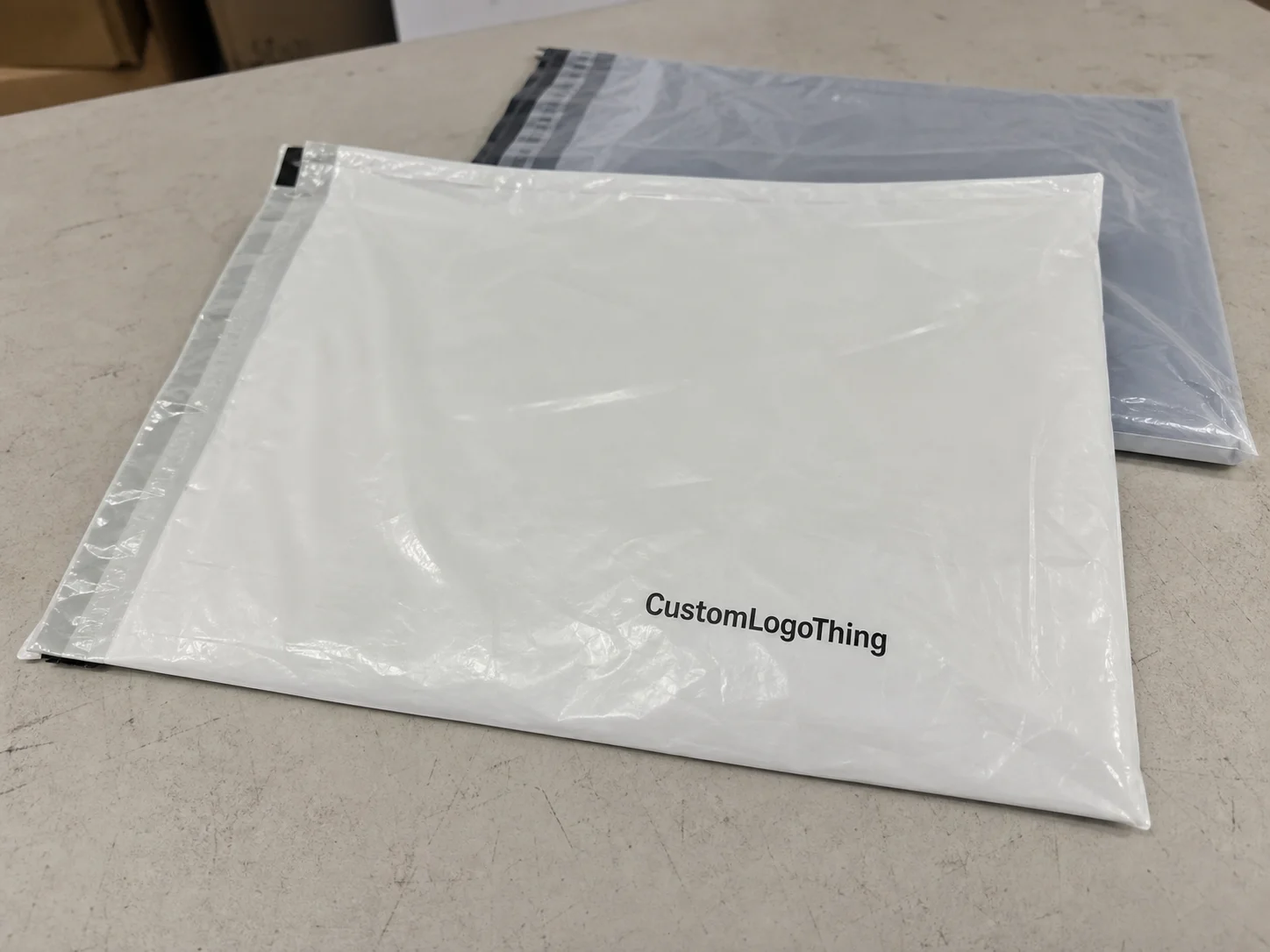
On paper, a recyclable poly bag can look like a commodity. In a warehouse, it behaves more like process equipment. If the film is too thin, it tears. If the closure is weak, product escapes. If the print is off, the brand looks sloppy. Those failures are not abstract; they show up as service tickets, write-offs, and extra handling time.
That is why Recyclable Poly Bags Wholesale b2b sourcing should be treated as an operational decision, not a packaging afterthought. A slightly higher-spec PE bag often reduces replacement stock, lowers rebagging labor, and cuts the chance of a returned parcel arriving damaged. Even ten seconds saved per unit matters when a pack line handles thousands of units per week. Multiply that by labor cost, and the “cheap” option can become expensive very quickly.
There is also a compliance angle. Buyers do not just purchase a bag; they purchase confidence that the material claim, the print claim, and the actual construction align. That matters for retail-ready goods, e-commerce packaging, and any program where the customer will notice how the item was packed. If you need to compare bag programs with other packaging formats, Custom Packaging Products and Custom Poly Mailers are useful categories to review alongside bags.
A good wholesale bag spec protects margin twice: once in the warehouse, and again after delivery.
Most buyers get tripped up by treating resin, print, and closure as separate decisions. They are not. If the bag is meant to be recyclable, the construction has to support that message, and the supplier should be able to explain what resin is used, what stream it belongs in, and where the limits are. For many procurement teams, that is the real value of recyclable poly bags wholesale b2b sourcing: fewer surprises after the PO is issued.
Product details: recyclable poly bag formats, closures, and use cases
There are several common formats, and each one solves a different handling problem. Flat poly bags are simple and low-cost, useful for secondary packaging or overwrap. Seal top bags add a clean closure for parts, apparel, and small accessories. Zip bags are better when the item may be opened and resealed multiple times. Wicketed bags speed up automated or semi-automated fulfillment lines. Garment bags protect apparel from dust and scuffing. Perforated bags are practical when the line needs easy tear-off or venting during packing.
Across e-commerce, apparel, industrial parts, and warehouse protection, the best format is the one that matches the handling path. A fashion item may need clarity and presentation. A hardware kit may need puncture resistance and a more secure closure. A secondary food-safe pack may need a material declaration and tighter spec control. The format matters because it affects labor speed, presentation, and damage reduction at the same time.
One distinction buyers should keep clear: not every clear plastic bag is equally recyclable. PE-based bags are commonly the basis for recyclable poly bags, while mixed-material constructions can complicate recovery. If a bag combines incompatible films or uses features that interfere with standard recycling streams, the claim becomes weaker. Ask the supplier exactly what the bag is made from, not just whether it is “eco-friendly.”
Useful features vary by use case:
- Open top for simple overwrap or manual insertion
- Resealable zipper for parts, apparel, and refill packs
- Adhesive strip for e-commerce closures and return-ready packs
- Hang hole for retail display
- Gusset for bulkier items or more efficient packing geometry
- Vent holes for air release in certain fulfillment settings
- Static control add-ons for sensitive components
For buyers sourcing recyclable poly bags wholesale b2b sourcing at scale, the practical question is simple: does the format save labor, reduce returns, and keep the product looking right through transit? If the answer is yes, the bag is doing real work. If not, it is just another line item.
Specifications that actually matter before you request a quote
Before you ask for pricing, lock down the technical basics. The fastest quotes come from the clearest specs, and the least accurate quotes come from vague language like “standard size” or “medium thickness.” A supplier can only price what they can measure.
The core variables are straightforward: resin type, width, length, gusset depth, thickness in mil, gauge tolerance, transparency, color, print coverage, and seal strength. If you skip these, you invite quote drift. A bag at 1.5 mil is not the same as 2.0 mil. A 12 x 16 inch bag is not the same as a 12 x 16 inch bag with a 3 inch gusset. Small differences change resin usage, machine setup, and final unit cost.
For performance, ask for test data where it matters. Puncture resistance is relevant for sharp or irregular items. Drop performance matters for shipping. Seal integrity matters for filled bags that will be stacked or handled multiple times. Clarity matters when product visibility is part of the retail experience. If you are packing within a defined logistics program, it also helps to ask whether the supplier follows recognized methods such as ISTA testing principles or material checks that align with common packaging quality controls.
What to request on the spec sheet
- Exact finished dimensions, with tolerance
- Material composition and resin declaration
- Film thickness in mil or microns
- Closure type and seal style
- Print method, number of colors, and ink coverage
- Pack count per inner carton and carton dimensions
- Storage conditions and shelf-life guidance if applicable
Think about handling conditions, too. Will the bags sit in a warm warehouse? Will they be stacked under weight? Are they sliding through fulfillment conveyors? Will they be exposed to temperature swings in transit? Those conditions affect whether a light gauge is acceptable or whether you need a heavier film. A buyer comparing recyclable poly bags wholesale b2b sourcing options should treat the spec sheet like a risk-control document, not a formality.
Documentation matters as much as the material. Ask for material declarations, print proof confirmation, and any product-specific compliance information if the packed item sits in a regulated category. If the supplier cannot clearly explain what is recyclable and under what conditions, that is a signal to slow down.
Recyclable poly bags wholesale: pricing, MOQ, and unit cost drivers
Pricing is where many sourcing teams lose leverage. The quote arrives, the unit price looks good, and the hidden costs show up later. The real cost picture includes setup, freight, cartons, payment terms, and the labor saved or lost in the warehouse.
The biggest cost drivers are resin grade, bag size, thickness, print colors, closure style, and order volume. Standard clear recyclable bags are usually the cheapest route. Add custom dimensions, heavier film, zipper closures, or multi-color printing, and the price rises. Special features such as hang holes, perforations, or anti-static treatment also add cost.
MOQ usually shifts in step with customization. Stock sizes may be available in lower quantities, while custom dimensions and printed runs often require higher minimums because the supplier must cover setup and production scheduling. For many buyers, the sweet spot is a pilot volume that proves fit and performance before moving to full wholesale scale.
| Option | Typical MOQ | Indicative unit cost | Best for |
|---|---|---|---|
| Stock clear recyclable bag | 1,000-5,000 units | $0.05-$0.12 | Fast replenishment, low customization |
| Custom size, no print | 5,000-10,000 units | $0.08-$0.18 | Better fit, moderate volume programs |
| Custom printed recyclable bag | 10,000+ units | $0.12-$0.28 | Branding, retail presentation, repeated orders |
| Special feature bag | 10,000+ units | $0.15-$0.35 | Zipper, anti-static, gusset, or vented use cases |
Those numbers are directional, not universal. Resin market swings, print coverage, carton configuration, and origin country all affect the final figure. Freight can move the landed cost more than buyers expect, especially for bulky packaging that fills containers by volume before weight. Domestic or export fulfillment also changes the math. A low ex-works quote is not the same thing as a low delivered cost.
When comparing offers for recyclable poly bags wholesale b2b sourcing, line up each quote item by item:
- Unit price
- Setup or tooling fees
- Plate charges for print
- Sample costs
- Freight terms
- Payment terms
- Reorder pricing
A buyer who only compares unit price is buying blind. A buyer who compares landed cost and repeat order stability is buying with a plan.
Process and timeline: from sample approval to production release
A clean sourcing process usually follows a predictable path: inquiry, spec confirmation, quote, sample, approval, production, QC, and shipment. The process is simple. The mistakes are not. Delays usually come from unclear specs, artwork revisions, color matching questions, or slow sample approval from the buyer side.
For stock bags, lead times are usually shorter because the film and tooling already exist. Custom-sized or custom-printed bags take longer because the supplier has to prepare production details, confirm artwork, and often create or adjust tooling. As a practical range, stock items may ship in roughly 7-12 business days after approval, while custom programs often run 12-20 business days or more depending on complexity and order size. That can stretch if the buyer is still changing dimensions after the sample has been made.
One of the easiest ways to shorten turnaround is to prepare a complete spec sheet before requesting quotes. Include dimensions, thickness, closure, print colors, carton pack-out, and target monthly usage. If the supplier has to infer what you need, the project slows down. If they can price against a locked brief, the path to production is cleaner.
What an efficient approval flow looks like
- Buyer sends final specification and artwork files
- Supplier confirms material, dimensions, and print method
- Quote is issued with MOQ and lead time
- Sample is produced or pre-production proof is shared
- Buyer signs off on measurements and visual quality
- Production runs under documented QC checks
- Shipment is booked with carton and pallet details confirmed
If your team is juggling packaging across categories, it can help to align bag sourcing with other packaging programs through a single vendor structure such as Wholesale Programs. That does not mean every item must come from one spec. It does mean fewer handoffs and a better chance of consistent purchasing discipline.
For recyclable poly bags wholesale b2b sourcing, the buyer step that matters most is sample approval. If the sample is wrong, the production order will only repeat the wrong thing faster.
What a reliable wholesale supplier should prove before you place an order
Good suppliers do more than quote fast. They prove they can repeat quality at volume. That means they can hold tolerances, maintain print consistency, keep communication clear, and ship on the date they promised. A polished sales message does not count if the bags arrive with inconsistent seals or off-spec dimensions.
Look for evidence, not claims. Ask how they control incoming resin, how they check thickness, how they verify print registration, and how they handle reorders. Ask whether they can support repeat production without changing the bag unexpectedly. Supply chain stability matters too. If resin sourcing changes often or the factory cannot explain capacity, your reorder risk goes up.
Sample quality is useful, but production consistency matters more. A beautiful sample is easy to make. Repeating that result across tens of thousands of units is the real test. This is also where service helps reduce hidden cost. A supplier that verifies artwork carefully, catches a spec mismatch early, and ships with reliable packing documentation can save you from rework, claims, and wasted receiving time.
For buyers comparing recyclable poly bags wholesale b2b sourcing vendors, the most useful question is not “Can you make it?” It is “Can you make it the same way again?” That is the difference between a vendor and a supply partner.
For wider packaging standards, organizations like EPA recycling guidance and FSC can help buyers separate material claims from marketing language, especially when a brand wants its packaging story to stand up to scrutiny.
Next steps for sourcing the right recyclable poly bags
Start with the product, not the packaging catalog. Define the bag dimensions, product weight, closure style, and whether print is required. Then estimate monthly usage and the reorder cadence. A buyer who knows those four points can usually narrow the field quickly.
Request at least two spec options so you can see the cost impact of thickness, print coverage, or closure changes. That comparison often reveals whether the original request was too heavy, too light, or more expensive than the use case really needs. Ask for samples and a basic document set before approving production. If the supplier hesitates, slow down.
Build a vendor checklist that includes lead time, freight terms, payment terms, sample policy, repeat-order consistency, and QC process. If the quote is strong on unit price but weak on communication, you may be underestimating your real cost. The cheapest bag can become the most expensive one once the order is late or inconsistent.
For most buyers, the cleanest path is simple: choose the best-fit bag spec, approve the sample, then place a pilot order before scaling to full wholesale volume. That is how recyclable poly bags wholesale b2b sourcing stays controlled, measurable, and commercially sensible.
If your team needs a practical starting point, Custom Logo Things can help you compare wholesale formats, align artwork with the bag structure, and move from quote to sample without guesswork. That is the point of disciplined sourcing: less noise, fewer surprises, and packaging that performs the way the spec says it should.
What should I confirm before ordering recyclable poly bags wholesale for B2B use?
Confirm resin type, bag dimensions, thickness, closure style, print requirements, and whether the bag is truly recyclable in the intended stream. Ask for samples, spec sheets, and any compliance or testing documentation before placing a production order.
How do MOQ and unit cost usually change for custom recyclable poly bags?
MOQ is typically lower for stock sizes and higher for custom dimensions, printing, or special features. Unit cost usually drops as volume increases, but setup, artwork, and freight can still affect total landed cost.
What is the typical lead time for recyclable poly bags in wholesale orders?
Stock items are usually faster than custom-printed or custom-sized bags. Lead time depends on sample approval speed, order volume, print complexity, and current production capacity.
Are recyclable poly bags the same as biodegradable bags?
No. Recyclable bags are designed to be recovered through recycling streams, while biodegradable claims refer to a different breakdown process. Buyers should not use the terms interchangeably when sourcing or marketing packaging.
How can I reduce total cost when sourcing recyclable poly bags wholesale?
Standardize dimensions where possible, simplify print coverage, and align order quantities with realistic usage. Compare quotes on a landed-cost basis, not just unit price, to avoid surprises from freight or setup fees.


