Jewelry Logo Patch Beanies Bulk Order Planning Basics
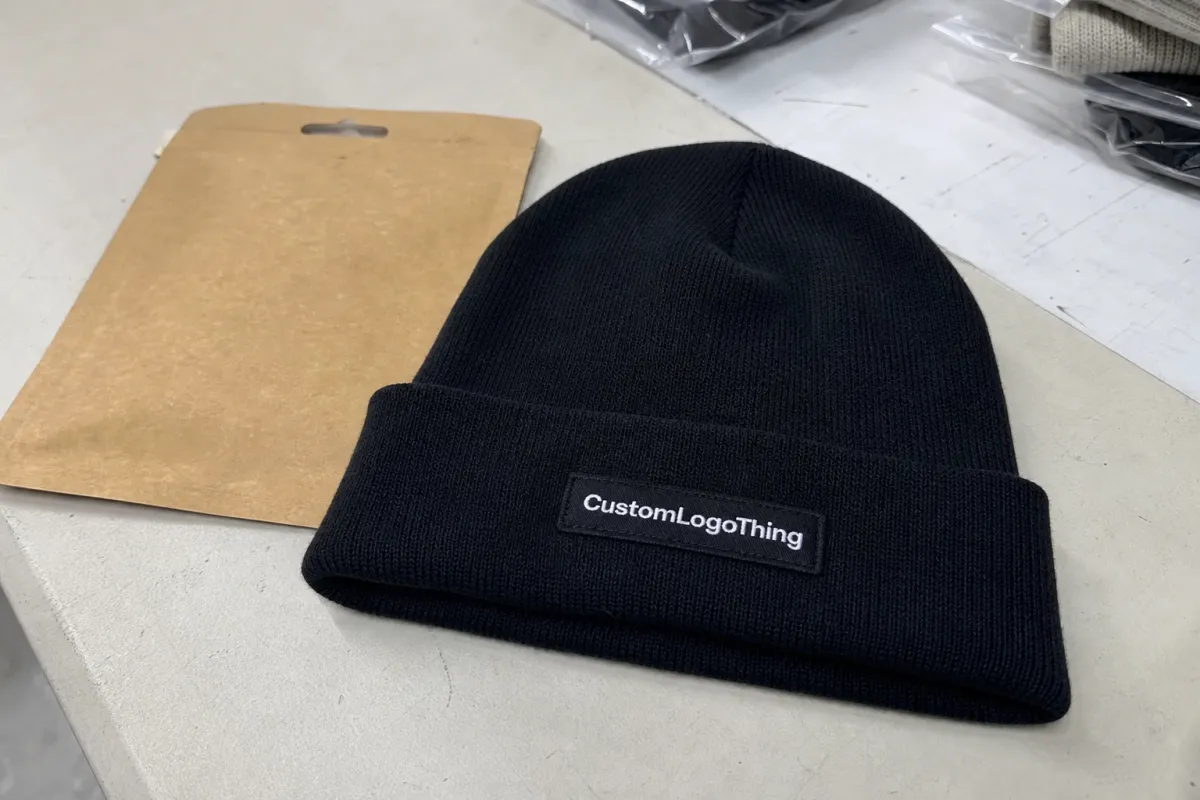
Jewelry logo patch Beanies Bulk Order Planning starts with one rude little truth: a $4 beanie can make a $400 necklace feel either more premium or weirdly cheap. Branding math is rude like that. The hat is not just a giveaway. It is a moving, wearable piece of packaging that can hang around for months after the box, tissue, ribbon, and insert card are long gone.
Jewelry brands use custom patch beanies for launch gifts, staff uniforms, VIP customer bundles, wholesale buyer thank-yous, pop-up merch, influencer kits, seasonal retail add-ons, and gift-with-purchase campaigns. Done well, the beanie feels intentional. Done badly, it feels like someone ordered leftover winter merch with a logo slapped on the cuff. Subtle difference. Expensive difference.
Most buyers start with the beanie color first. Then they panic over patch size, logo legibility, stitch method, and lead time. Backwards. Very common. Still backwards. A clean buying plan starts with the intended use, the customer expectation, the logo detail, and the quantity range. Color matters, yes, but it should not drive every production decision.
For Custom Logo Things buyers, the smarter path is simple: pick the beanie style, choose the patch format, lock the logo specs, compare quantity breaks, approve the proof, and plan packing before production starts. That is the difference between cute merch and branded merchandise that actually protects the perceived value of the jewelry.
Buyer rule: if the beanie is going near fine jewelry, it has to look clean from three feet away and still make sense up close. Tiny details that vanish on fabric are not “premium.” They are just unreadable.
Choose the Beanie Style Before You Price the Patch
The blank beanie controls more of the final look than many buyers expect. Cuffed Knit Beanies are usually the safest choice for jewelry brands because the folded cuff gives the patch a flat, visible placement area. It photographs well, sits cleanly on a display table, and works for staff uniforms, customer gifts, and retail merch without looking too casual.
Fisherman beanies have a shorter crown and a tighter streetwear feel. They can look sharp for modern brands, but the cuff height is smaller, so patch sizing needs discipline. Slouch beanies offer more fabric and a relaxed fit, though they often feel less polished for luxury jewelry packaging. Ribbed acrylic styles are budget-friendly and common for bulk custom beanies. Wool blends feel warmer and more premium, but they can cost more and may require more careful care labeling.
Recycled yarn options are worth quoting if sustainability is part of the brand position. Ask whether the yarn has documentation, not just a nice-sounding label. For packaging-related sustainability language, buyers can also review broader guidance from the EPA Sustainable Materials Management program. It will not choose your beanie for you, but it can help keep claims less fluffy.
Color is where people get brave and then regret it. Black, cream, charcoal, oat, forest, navy, and muted seasonal tones usually work best for jewelry brands. Neon looks fun on a mood board. It often looks like clearance-bin merch in real life. If your jewelry photography uses soft neutrals, brushed gold, marble, linen, or kraft packaging, the beanie should not scream over the product.
Fit matters too. One-size beanies work for most promotional orders, but stretch, cuff height, and crown depth change how the patch sits on the head. A 2.25-inch wide patch can look balanced on a tall cuff and cramped on a shallow fisherman cuff. Heavyweight winter beanies feel more valuable, but they also take more storage space and may raise freight cost on larger orders. For resale, order samples first. Customers forgive less when they pay for it.
Patch Materials That Work for Jewelry Branding
Patch material should match the logo, not the other way around. That sounds obvious. Apparently it is not. Jewelry logos often include fine lines, delicate initials, scripts, chain icons, gemstones, halos, or tiny taglines. Those details do not behave the same on woven thread, embroidery, leather, PVC, chenille, or printed fabric.
Woven patches are usually the best choice for fine jewelry logos, tiny lettering, monograms, thin marks, and elegant brand seals. The threads are flatter and can hold smaller detail than standard embroidery. If your logo has a thin serif wordmark or small initials, start here. Woven patches also tend to keep a crisp edge when used in bulk orders of 250, 500, or 1,000 units.
Embroidered patches work well for bold initials, simple icons, block lettering, and casual lifestyle brands. They have texture and visible stitch depth, which can feel warm and familiar. The problem is detail. Tiny serif type can fill in fast. Delicate chain motifs can turn into thread spaghetti. Brutal, but useful to know before approving 600 hats.
Faux leather patches and debossed genuine leather patches are strong choices for minimalist jewelry brands. They create a boutique look without turning the beanie into a billboard. Faux leather is more consistent and often easier to quote across large quantities. Genuine leather can look richer, but color variation, natural markings, and higher unit cost need to be accepted up front.
PVC patches are durable and weather-resistant, but they can feel too sporty for delicate jewelry unless the brand already has a bold outdoor or streetwear angle. Chenille patches are thick and playful. Good for varsity-inspired drops. Not ideal for tiny jewelry marks. Printed fabric patches can handle gradients and small color transitions, though they may feel less dimensional than woven or leather options.
| Patch Type | Best Use | Typical Tradeoff | Jewelry Brand Fit |
|---|---|---|---|
| Woven patch | Fine lines, small text, monograms | Less raised texture than embroidery | Excellent for detailed logos |
| Embroidered patch | Bold icons and block initials | Small details can fill in | Good for casual or bold brands |
| Faux leather patch | Minimalist debossed or stamped marks | Limited fine color detail | Strong boutique look |
| PVC patch | Outdoor, sporty, weather-friendly merch | Can feel less refined | Selective use only |
| Printed fabric patch | Gradients, artwork, multicolor designs | Less premium texture | Useful for illustrated campaigns |
Patch shapes include rectangles, squares, ovals, arches, circles, shields, custom die-cuts, and folded label-style patches. Rectangles are the safest for cuff placement. Ovals and arches feel softer. Custom shapes can look special, but they may add cutting charges or raise minimums. Tone-on-tone branding feels premium. High contrast reads faster. Metallic thread should be used carefully because jewelry brands already have enough shine. No need to turn the hat into a tiny disco ball.
Logo Size, Placement, and Specifications to Lock Early
The standard front cuff patch placement is popular for a reason. It is visible, symmetrical, easy to photograph, and practical for retail displays, staff uniforms, VIP bundles, and gift boxes. Side placement can work for a quieter look, but it may disappear in photos. Back placement is usually better for fashion merch than for a promotional beanie that needs quick brand recognition.
Size should be chosen with the logo and beanie style together. Small patches around 1.5 to 2 inches wide feel subtle and luxury-leaning. Standard patches around 2 to 2.5 inches wide give better visibility without taking over the cuff. Anything 3 inches or wider needs a reason. Maybe the brand is streetwear-heavy. Maybe the icon is intentionally bold. Fine. Just do not pretend a giant patch is “quiet luxury.” It is not.
Artwork files matter. Vector AI, EPS, or PDF files are preferred for production because they allow clean scaling and easier color separation. A high-resolution PNG can help with quote review, but it is not ideal for final custom woven patches or debossed leather patch production. If the only logo file available is a screenshot from a website, pause the order and find the real art file. Production teams are skilled. They are not magicians.
Logo simplification is often needed for jewelry Logo Patch Beanies Bulk Order planning. Reduce tiny text. Thicken thin lines. Remove micro-details. Avoid gradients unless using a printed patch. If the brand has a delicate script logo, test it at actual patch size before approving. Pretty on a ring box. Not always readable on a knit cuff.
- Beanie style: cuffed, fisherman, slouch, ribbed acrylic, wool blend, recycled yarn, or heavyweight knit.
- Yarn color: black, cream, charcoal, oat, navy, forest, or a seasonal shade with realistic availability.
- Patch material: woven, embroidered, faux leather, genuine leather, PVC, chenille, or printed fabric.
- Patch specs: shape, size, border style, thread or imprint colors, and backing method.
- Placement: front cuff, side cuff, centered, offset, or folded label position.
- Packaging: bulk pack, individual polybag, kraft band, hang tag, barcode label, or retail-ready bundle.
Request a digital proof before production. For larger orders, especially 500 units and up, a physical pre-production sample is worth considering. It adds time, often 5 to 10 business days, but it can catch scale, color, and legibility issues before the full run is made.
Pricing, MOQ, and Unit Cost Drivers
Pricing depends on more than the hat. A serious quote needs the beanie blank, patch material, decoration method, patch size, number of colors, order quantity, proofing needs, individual packaging, freight, and delivery deadline. Leave out three of those and the quote becomes a guess. Fun for nobody.
MOQ ranges vary by material and supplier setup. Smaller test runs may start around 50 to 100 units depending on the beanie style and patch type. Better unit costs usually appear at 250, 500, 1,000, and higher. That does not mean every jewelry brand should order 1,000 hats. It means buyers should compare the price breaks before deciding.
Low-quantity orders cost more per piece because setup labor, patch production, machine time, proofing, and handling do not magically disappear because the buyer wants only 37 hats. Sadly. A 75-piece order may be right for a private VIP launch, but it will not price like a 750-piece seasonal merch run.
Woven patches are often efficient for detailed logos because they hold fine design elements without requiring heavy stitch build. Leather patches can look more premium, especially for minimalist brands, but they may raise unit cost and limit color detail. Complex custom shapes can add setup, die-cutting, or handling charges. Rush production, special yarn colors, premium blanks, individual polybags, hang tags, barcode labels, and split shipping can all increase the final quote.
Ask for two or three quantity breaks instead of one number. A useful request might be: quote 100, 250, and 500 units with the same beanie, same patch, and same packaging. That lets the buyer see whether the next tier actually saves enough to matter. Sometimes the jump from 100 to 250 is meaningful. Sometimes freight or packaging eats part of the savings. This depends on the final specs.
Plan the order around real use: team count, VIP customer list, retail forecast, pop-up attendance, wholesale buyer kits, influencer mailers, and backup inventory. If the beanies are for resale, include a conservative sell-through estimate. If they are for gifts, count the actual recipients plus 5% to 10% extra for damaged pieces, last-minute additions, or sample archive needs.
Custom Logo Things can help structure quote tiers through Wholesale Programs when buyers need multiple quantity breaks, repeat ordering, or branded merchandise across several campaigns. Clear specs make that process faster. Vague mood boards do not.
Process and Timeline from Artwork to Delivery
A standard order flow usually looks like this: inquiry, artwork review, beanie and patch selection, formal quote, digital proof, physical sample if needed, deposit, production, quality control, packing, and shipping. Simple list. Plenty of places to lose time if the buyer changes the logo, color, quantity, or deadline halfway through.
Artwork review and quoting often take 1 to 3 business days when files and specs are complete. Digital proofing usually takes another 1 to 3 business days. Sampling can add 5 to 10 business days. Bulk production often runs 2 to 5 weeks after proof approval, depending on quantity, materials, production load, and season.
Beanies are seasonal. Apparently everyone remembers heads get cold at the same time. Late fall, winter promotions, holiday gift boxes, and Q4 retail pushes can stretch production and freight schedules. Weather delays and freight congestion can also affect delivery dates. For shipping performance and packaged goods testing standards, buyers who ship retail bundles may want to review resources from ISTA, especially if beanies are packed with fragile jewelry boxes or display materials.
Finalize artwork before requesting a rush quote. Incomplete files slow down every department: art, estimating, production, purchasing, and shipping. If a deadline is fixed, give the in-hands date, not just the event date. A pop-up on Friday does not mean delivery Friday at 4 p.m. is acceptable. Unless you enjoy stress as a business model.
Approval checkpoints should include logo scale, patch placement, color match expectations, beanie style, packaging details, shipping address, and in-hands date. Repeat orders are usually faster when the same beanie, patch, and artwork are reordered. Keep the approved proof, invoice specs, and sample photos in one place so the reorder does not become a scavenger hunt.
Quality Checks That Protect a Jewelry Brand
Quality control matters more for jewelry brands because the category trains customers to expect precision. Straight prongs. Clean clasps. Polished surfaces. Neat boxes. If the patch is crooked or the cuff is lopsided, the customer may not complain, but the brand impression takes a hit.
Key inspection points include patch alignment, stitch consistency, edge finish, logo readability, beanie color consistency, loose threads, stretch recovery, cuff symmetry, and packaging cleanliness. For bulk custom beanies, a small tolerance is normal. A patch that is 1/16 inch off is not the same problem as a patch wandering visibly across the cuff. Set realistic expectations, then inspect against the approved sample.
Color tolerance deserves a grown-up conversation. Beanie yarn, patch thread, leather, printed ink, and screen colors do not always match perfectly across materials. Pantone references help, especially when brand standards exist, but exact matching can vary by decoration type. A good supplier explains this before production, not after delivery.
Packaging choices should match the use. Staff hats and giveaway hats can often ship bulk packed to save cost. Retail merch may need individual polybags, kraft bands, hang tags, barcode labels, size stickers, or retail-ready bundle packing. Jewelry gift boxes with beanies may need more careful packing so the hat does not crush product cards, display inserts, or delicate box corners.
Photograph the approved sample from the front, side, inside label area, and packaging view. Keep those images with the final proof. For reorder consistency, photos often help faster than a vague note that says “same as last time.” Also, if the brand uses FSC-certified paper bands or hang tags, verify the claim and chain-of-custody requirements through the supplier; the Forest Stewardship Council explains how certification claims should be handled.
Next Steps Before You Request a Bulk Beanie Quote
Before asking for a quote, gather the basics: target quantity, deadline, delivery location, preferred beanie color, patch material, logo file, intended use, packaging needs, and budget range. If the hats are for resale, say that. If they are for gifting, say that too. Retail customers and giveaway recipients judge value differently.
A good-better-best quote structure is usually the cleanest way to compare options. The budget version might use a ribbed acrylic cuffed beanie with a woven patch and bulk packing. The balanced version might upgrade the beanie weight, use a faux leather patch, and add individual polybags. The premium version might include a wool blend, debossed leather patch, kraft band, hang tag, and retail-ready packing. Now the buyer can see real cost differences instead of guessing from adjectives.
For the fastest response, send a vector logo, mockup if available, inspiration photos, desired patch size, event date, delivery address, and whether the hats are for resale, gifting, uniforms, or wholesale kits. Ask about MOQ, setup costs, proofing, sample options, production lead time, rush availability, freight estimate, and reorder process. The FAQ page can also help buyers understand common ordering steps before sending final artwork.
Strong jewelry Logo Patch Beanies bulk order planning means deciding the specs before production starts, not after the invoice lands. Send artwork and quantity breaks first, then refine material and packaging after the quote shows the real cost differences. That is how you avoid overbuying, under-planning, and approving a beanie that makes good jewelry look cheap.
FAQ
What is the best patch type for jewelry logo beanies in a bulk order?
Woven patches are usually best for detailed jewelry logos, fine lines, initials, and small text because they hold sharper detail than bulky embroidery. Faux leather or debossed leather patches work well for minimalist luxury branding. Embroidered patches are better for bold marks, block initials, and simple icons, not delicate scripts or tiny chain artwork.
What MOQ should I expect for custom logo patch beanies?
Many bulk orders start around 50 to 100 units, depending on the beanie style and patch type. Better unit pricing usually appears at 250, 500, and 1,000 units. Custom yarn colors, special patch materials, retail packaging, or split shipments can raise the practical MOQ, so quote more than one quantity before locking the order.
How long does a jewelry brand bulk beanie order usually take?
A standard order often takes 2 to 5 weeks after proof approval, depending on quantity and production load. Sampling can add 5 to 10 business days if a physical pre-production sample is requested. Rush timing may be possible, but artwork must be ready, patch specs must be locked, and the shipping deadline needs to be realistic.
How much do logo patch beanies cost in bulk?
Unit cost depends on blank beanie quality, patch material, patch size, order quantity, packaging, freight, and deadline. Small runs cost more per piece because setup, proofing, and handling are spread across fewer units. Ask for multiple quantity breaks so you can see whether ordering 250 instead of 100, or 500 instead of 250, lowers the unit cost enough to justify the extra inventory.
What files are needed for jewelry logo patch beanies bulk order planning?
Vector AI, EPS, or PDF files are preferred for clean production. High-resolution PNG files can help with quoting, but they may not be enough for final patch production. Include brand colors, desired patch size, beanie color preference, deadline, delivery address, intended use, and packaging requirements so the quote is based on real specs instead of guesswork.


